Tag Archives: visa

Update on Visa MasterCard Settlement

Update on Visa & MasterCard Settlement [2025Update]

The Visa MasterCard Settlement that was reached last fall in the class-action lawsuit between Visa and MasterCard and a large group of retailers is still being argued over. The latest update comes with concerns from some of the class members such as Wal-Mart, Target, and national associations representing grocers, smaller retailers, etc.

At its core, a settlement is just that: settling.  The two parties agree to terms that include both sides giving up something in an attempt to mitigate the concerns of the plaintiffs but not at the full value of the original case. The defendants must also address the initial concerns of the case but are then granted protection from future legal action and costs for addressing those concerns.

The fear that the class members have is that the “Release” that the defendants sign will be too broad and protect Visa and MasterCard from legal actions in the future. This protection leads the associations, states, and others to believe that the banks and card brands might be abusive in the future. If there are future abusive practices, these members believe that they will be powerless to seek any relief in the court system.

Visa MasterCard Settlement And Processing Fees
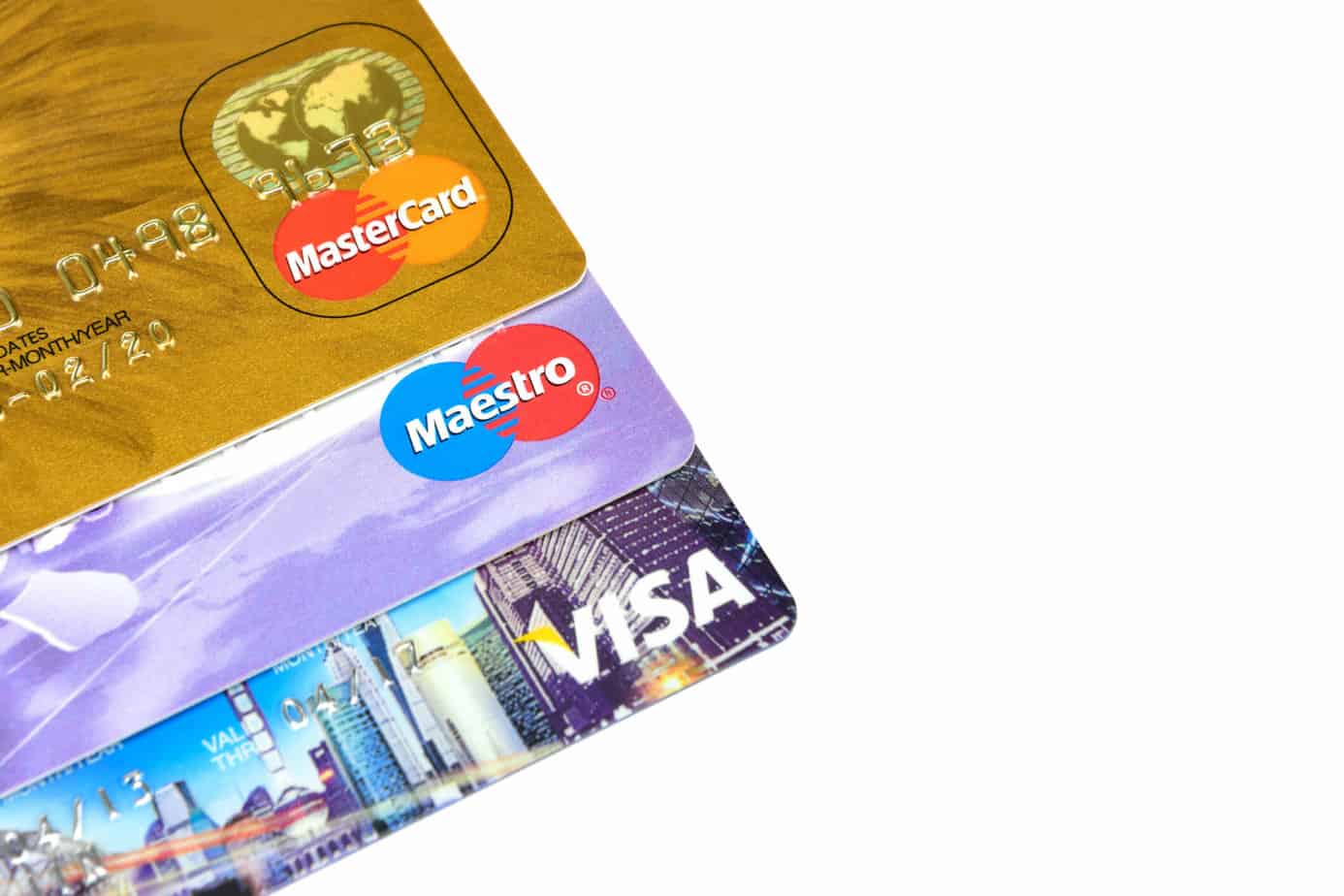
Visa & MasterCard Settlement

Part of what the settlement established was the right for merchants to offset their processing fees by directly surcharging customers who use credit cards. On the surface, this looks like a good concession by the card brands in favor of the merchants. But considering that some large merchants, such as Wal-Mart, have publicly stated they will not be surcharging customers it is almost a tool in the belt that can’t be used.

On the flip side, if businesses choose to surcharge on credit card transactions it puts the customer in a direct decision-making situation. Customers could very easily make a shift back to using cash instead of cards, which equals a loss for payment processors.

As far as the appeal by the plaintiffs in this case it looks unlikely that Judge Gleeson (the judge for the case last year) reconsider the appeal as he has already heard the concerns and rejected the legitimacy of them. Furthermore, a separate appeals court heard the same argument and also dismissed them. Thus, as it stands currently, it appears that the settlement will move forward barring any unforeseen complications.

About Visa

Visa Inc. Is a known financial company that facilitates electronic money transfers, around the world. Established in 1958 Visa has grown into one of the most recognizable payment technology companies. It acts as a bridge between consumers, businesses, financial institutions, and governments enabling convenient transactions like credit and debit card payments.

visa card

Visa’s primary focus is on providing payment solutions through its branded credit and debit cards. These cards are widely accepted across millions of locations worldwide making Visa an essential player in the global payments network. The company’s innovative technologies like contactless payments and mobile wallets have further improved transaction efficiency and security.

By issuing cards to individuals Visa collaborates with financial institutions to offer Visa-branded cards. This approach allows Visa to concentrate on developing and maintaining the infrastructure for secure electronic payments.

In addition to card-based transactions Visa actively explores cutting-edge technologies such as blockchain and artificial intelligence to remain at the forefront of the changing financial landscape. With a commitment to promoting inclusion and a wide range of payment solutions available Visa continues to play a role, in shaping the future of digital transactions worldwide.

About Mastercard

Mastercard Incorporated is a known financial services company that specializes in facilitating electronic payments and transactions. Established back in 1966 Mastercard has emerged as one of the players, in the payment industry offering a range of products and services.

At its core Mastercard provides payment solutions, such as credit and debit cards to individuals, businesses, and governments worldwide. The company’s recognizable logo with interlocking circles represents its commitment to connecting people and businesses through electronic transactions.
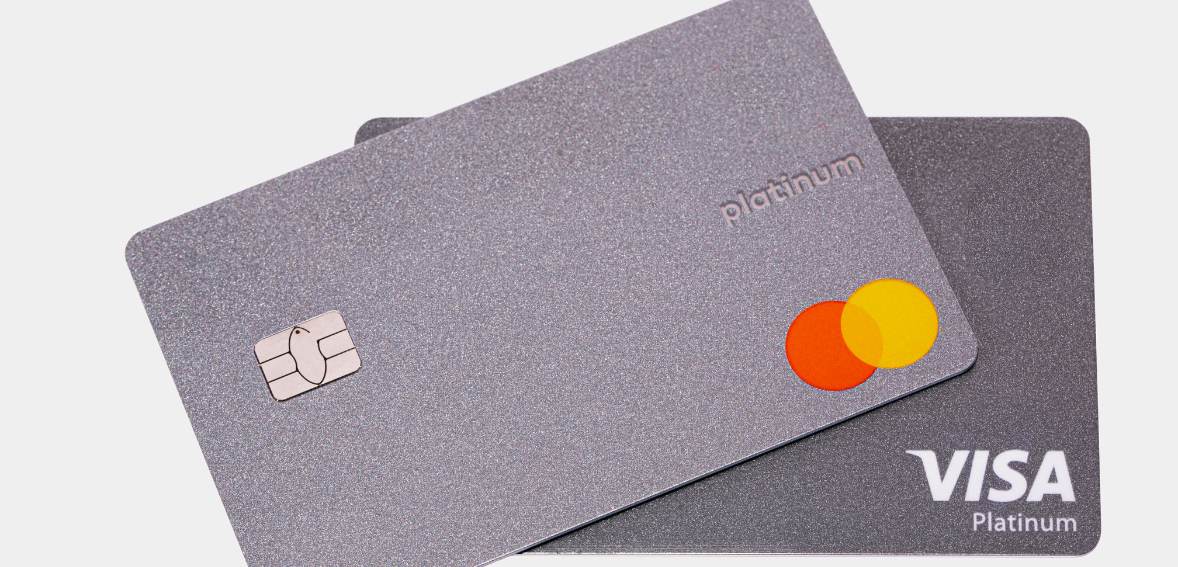
master card

Mastercard operates a network that spans across countries and currencies. This enables users to conveniently make purchases withdraw cash and carry out transactions with security. Similar to Visa Mastercard works together with institutions globally to offer products branded under the Mastercard name of directly issuing cards to consumers.

Known for its focus on innovation Mastercard consistently introduces technologies and features to enhance the payment experience. This includes advancements in payments, mobile wallets, and robust cybersecurity measures for safeguarding transactions.

With a dedication towards inclusion and a vision, for a future where cash becomes less prevalent, Mastercard continues to shape the landscape of digital payments.

The company’s dedication, to state-of-the-art technology and international collaborations, solidifies its standing as a contributor to the advancement of transactions, on a global scale.

What is EMV Chip Card Technology?

EMV® is a worldwide standard for credit and debit card payments based around the use of chip card technology. The acronym stands for Europay, MasterCard, and Visa, who collaborated to create the technology. The goal of this project was to create a card that worked based off of a microprocessor chip that is read by the payment terminal.

How it works

The transaction has a built in verification system that requires both the chip in the card and a PIN number the customer enters. This extra step verifies that the person with the card is in fact authorized to use it. This is just the first facet that makes these transactions more secure. Each chip contained in the card generates an original and unique code for each transaction. This unique identifier makes it easier to track transactions and identify fraud.

Comparison to Existing Magnetic Stripe

Everyone knows the magnetic stripes exist on almost every single card in the U.S. currently. These pass very simple data through the system at the time of the swipe, mainly just card number and expiry data. The data passed back and forth between the terminal and chip card is much more sophisticated and encrypted for added security. Another downside to the magnetic stripes is their shelf life. Many frustrated clerks can tell you that a card that is used often does not usually make it to its expiration date. Merchants should know that they need to swipe the card to get the lowest interchange rates for most cards. Often times, front line workers do not know that the business is paying a higher rate if the card is keyed as opposed to swiped.

Future Growth

EMV is already widely used worldwide. As of Q4 2012, there are roughly 1.62 billion EMV cards in consumers’ hands. Combine this with the 23.8 million terminals that have been deployed throughout Europe, Asia, and Africa and it’s easy to see that this technology is here to stay. HMS fully supports EMV processing and works with merchants to offer this to their customers. With Visa and MasterCard poised to really step on the gas concerning U.S. migration, merchants need to be up to speed on the new processes and technologies.

EMV-chart

This upgrade in technology will have an impact on a wide range of hardware including:

  • ATMs
  • Existing POS machines
  • Vending machines
  • Automated fuel pumps
  • Ticketing kiosks
  • Etc.

While replacing the vast amounts of existing hardware might seem daunting on a macro level , the time and capital committed to this migration is absolutely worth it when you consider the upside. The combination of both new terminals and chip cards will reduce risk for both consumer and business. Also, by making chip cards more universal, American tourists who travel abroad will have a consistent experience and won’t need a “special card” for overseas trips. This point is even more powerful when you consider that there are roughly 56 million trips outside the country by U.S. citizens just in 2012. So send us an email or better yet just give us a call at 877-517-4678 to discuss how Host Merchant Services can help your business stay ahead of the EMV curve.

Small Business Saturday: Nov. 24th

Today, the Official Merchant Services Blog shines a light on a little known holiday that falls between Black Friday, and Cyber Monday called Small Business Saturday.

Since Host Merchant Services has many small businesses in its customer base, we wanted to take a moment to spotlight this newer day of shopping focus and frenzy. This is the third year that American Express is promoting Small Business Saturday, which encourages consumers to shop from small, local businesses on Nov. 24.

The Basics

First of all, what is Small Business Saturday? It is a shopping holiday created by American Express, held on the Saturday after Thanksgiving during one of the busiest shopping periods of the year. It’s not that old. It was first celebrated on November 27, 2010. Small Business Saturday is designed to be a counterpart to Black Friday and Cyber Monday –– which feature big box retail and e-commerce stores respectively. Small Business Saturday encourages holiday shoppers to patronize smaller, local retail businesses.

Benefits For Consumers

The most basic perk to the Small Business Saturday campaign is that it gives money back to consumers for shopping at local small businesses. As defined by American Express at their Small Business Saturday Page here“You can receive a one-time $25 statement credit when you register any eligible American Express® Card and use that Card to make a purchase of $25 or more at a small business on November 24, 2012.”

Benefits For Merchants

A survey by American Express found 93% of consumers believe shopping at small businesses is important, and are backing that sentiment up by spending about a third of their discretionary income at local small businesses. This prompted AMEX to initiate the campaign in the first place. And if you are a small business merchant, AMEX is going the extra mile to get you involved in the perks and promotions of this holiday.

Even if you are a late-comer to this event, there is still quite a lot of value to be had from participating in Small Business Saturday. The $25 credit program applies no matter what else you do. But there’s also these amazing resources still available:

  • From AMEX you can get free in-store signage, and a free online marketing kit.
  • AMEX also offers a free personalized ad, which geo-targets potential customers
  • You can use AMEX’s Go Social app to create mobile-based deals for your American Express card-wielding customers.
  • A joint venture from Google and YouTube offers up My Business Story which lets you create custom videos using YouTube’s editing tool to entice your customers.
  • For inspiration, you can even view some Small Business Saturday Success Stories on American Express’s website.

Too Early To Tell?

So what do you think? Will Small Business Saturday catch on? Cyber Monday seems to be gaining some traction, fueled by the rapid growth in online shopping and e-commerce, and standing on the precipice of a predicted boom in mobile payment business. Black Friday is still going strong, with big chains like Toys”R”Us and BestBuy fueling it year in and year out. Is there room for Small Business Saturday? Are you a small business merchant and have you participated in this event last year? Will you be doing it this year? Feel free to share you thoughts and insights on this bold campaign from AMEX.