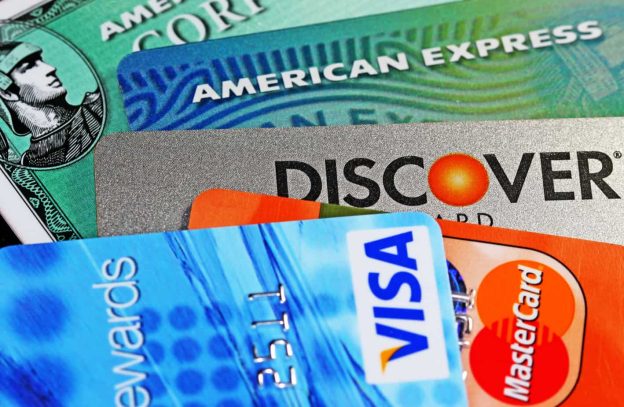
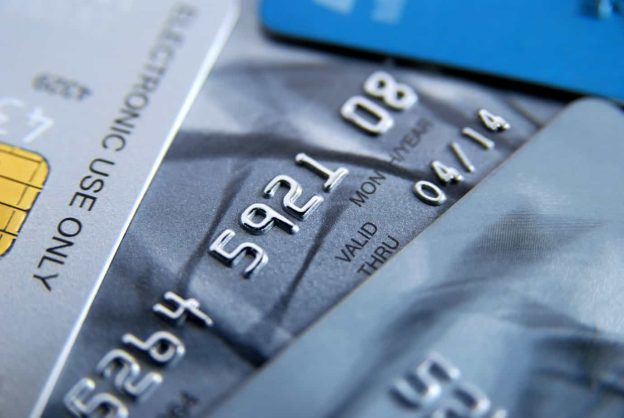
Just over 12 months have gone by since the merchant services and credit card processing industry in the United States faced the historical EMV liability shift. October 1, 2015 was the big day.
Switching to the Europay, MasterCard and Visa (EMV) system has been a major responsibility in terms of installing terminals and educating shoppers and merchants about the use of chip cards.
Credit card processing has not been affected as much; in fact, fraudulent transactions due to counterfeit cards have decreased substantially since October of last year. Nonetheless, the shift has also uncovered some realities that American retailers must confront.
The Good News about Chip Cards
In the United States, more than 700 million credit and debit chip cards are currently in circulation. This is certainly encouraging to learn a few weeks prior to the busy holiday shopping season. Nearly 45% of shoppers who have the new cards are using them more than three times per week. There are about 2 million merchants that have implemented the new chip card terminals, and more than half of these retailers are small-to-medium businesses.
The Current EMV in the United States
The most salient problem with the liability shift is related to the terminal experience. Merchant service providers report getting complaints from their clients about the extra time it takes to complete a chip card transaction with the new terminals, which require shoppers to insert or dip their cards and input a PIN on a keypad.
The old “swipe and sign” transaction of legacy credit and debit cards used to be a lot faster, but it was also very problematic in terms of counterfeiting and fraud. In Europe, chip cards have been around for more than a decade, and thus credit card companies such as MasterCard and Visa are working on ways to speed up the checkout experiences, and this is already being implemented in some places.
Credit card processing companies are reporting another unpleasant reality associated with the switch: the increase in chargebacks has been inversely proportionate to the reduction in counterfeit fraud cases. For businesses such as restaurants, chargebacks have been a major hindrance because owners were not prepared for the sudden deluge. Payment networks such as MasterCard have indicated that chargeback volume will decrease as chip cards become the new American standard.
Credit card processors and merchants in the U.S. are starting to experience the true implications of the enormous switch to the EMV system, which stands for Europay, MasterCard and Visa.
In the wake of several terrible data breaches by hackers who went after major retailers such as Target and Home Depot, the payments industry has made it clear that merchants in the U.S. need to implement the EMV chip card system, which has proven to be much more secure than the status quo of magnetic band swipes.
There is no question that the new EMV system needs to be adopted as soon as possible. This was actually foretold by the major credit card companies as early as August of 2011. All the industry stakeholders, from credit card companies to merchants and from issuers to regulators, knew that completion of the switch wouldn’t happen overnight due to the size of the American retail landscape.
In an attempt to speed up and reinforce the transition, a deadline for liability shift was set for October 2015. This meant that merchants who for whatever reason had not fully adopted the new system yet could now be the ones liable for chargebacks caused by fraudulent use of credit cards.
Many merchants in the U.S. have complained that they are absorbing major hits because of the liability shift. Specifically, they are being affected when they swipe a magnetic strip card that was fraudulently copied from a different card. If the swipe is done at a traditional terminal that is not EMV chip card supported, then the burden of liability falls onto the merchant.
As to be expected, many merchants are fighting against the EMV chargebacks, particularly when they have already made the effort of becoming compliant by obtaining new POS terminals, which are not being used only because they have not been certified yet.
For smaller merchants who operate with only a few Point-of-sale terminals, the EMV switch has mostly been a smooth process because they don’t face the same problems as big retailers when it comes to certification. Multiple point-of-sale terminals connected to a local network that works with custom coding take longer to certify, therefore it is not too surprising to learn that retail chains are the ones being affected the most by the new chargeback structure.
According to Visa, the continuing chargeback issue is not as tricky as it seems. Visa has pledged to work with merchants and issuers with regard to the certification process. They believe that credit card fraud will be greatly reduced within the next few years.
Millions of Costco members are finally ready to get rid of their American Express credit cards (aka Amex cards) to shop at Costco, the giant Seattle based Wholesale warehouse. Costco has about 81 million members worldwide, and the company has recently started accepting Visa cards instead of Amex cards. The move is a major advantage for customers who use any Visa-branded credit cards. Costco members are free to use their own Visa cards or use the newly issued Visa branded Costco store card, which will replace its existing TrueEarnings Amex branded store card.
Costco allows other forms of payments such as cash, ATM Cards and Electronic Benefits Transfer Cards. The move is expected to create competition among card issuing banks such as JP Morgan Chase, Bank of America, Citi and many others. Most of these issuers of Visa-branded cards have already started offering cash back on purchases at Costco and other warehouse stores. Consumers have the freedom to choose the best Visa-branded card that will work at Costco as well as other places such as gas stations, grocery stores and online stores.
The Costco Anywhere card issued by Citi offers 2% cash back on all purchases at Costco stores. The card also offers 1 to 4% cash back at other places such as gas stations and restaurants. The cash back amount is redeemable only at Costco stores. The issuance of the new Costco Anywhere card will not affect the customer’s credit scores, as Citi will not check customers’ credit reports. Another option is to use a Chase Freedom card, which offers 5% cash back at Costco, Sam’s and BJ’s through the end of this year.
American Express is expected to lose significant market share from the termination of its partnership with Costco. Most Costco members signed up for an Amex card to make purchases at Costco. These customers are likely to abandon their Amex cards, with the switch to the new cards now in place. Customers are free to use the Amex card at other stores where American Express cards are accepted. Amex charges applicable interest rates on any unpaid balances.
The business of credit card processing is highly competitive. The fortunes of credit card companies such as Amex are tied to the brand loyalty garnered from their partnership with companies such as Costco. Smaller credit card companies are badly affected if they lose a major partnership, such as Amex did with Costco. Visa is expected to get a significant boost from the changes made by Costco. The impact to other card issuers is unknown at this time. The merchant services segment is facing tough competition, and deals such as Costco’s certainly throws a monkey wrench into the entire business model.
Clearly, customers benefit more than anyone else in Costco’s decision to replace Amex. Customers can immediately benefit from a new Costco membership if they already own a Visa card.
The swipe fee antitrust lawsuit that The Official Merchant Services Blog has been covering for a few years now has an update: Wal-Mart, accusing Visa of excessively high card swipe fees, is suing Visa for $5 billion. The action by Wal-Mart is being taken because Wal Mart opted out of the settlement of the class action lawsuit between merchants and Visa and MasterCard.
This follows our previous report of the Minnesota Twins also opting out of the settlement. Wal-Mart filed the suit Tuesday, March 25, in the U.S. District Court for the Western District of Arkansas, where Wal-Mart is headquartered.
Wal-Mart’s Side of the Suit
Wal-Mart, the world’s largest retailer, is seeking damages from price fixing and other antitrust violations that it claims took place between January 1, 2004 and November 27, 2012.
In its lawsuit, Wal-Mart contends that Visa, in concert with banks, sought to prevent retailers from protecting themselves against those swipe fees, eventually hurting sales. Wal-Mart stated in court documents: “The anticompetitive conduct of Visa and the banks forced Wal-Mart to raise retail prices paid by its customers and/or reduce retail services provided to its customers as a means of offsetting some of the artificially inflated interchange fees. As a result, Wal-Mart’s retail sales were below what they would have been otherwise.”
Wal-Mart contends that that the way Visa set up the swipe fees violated antitrust regulations and generated more than $350 billion for card issuers over the time period in question, in part at the expense of the retailer and customers.
Case History
The antitrust case against Visa, MasterCard and several issuing banks stemmed from the dispute relating to the percentage of credit card transaction fees that retailers must remit to the credit card processing network. The fees generally range from 1.5 to 3 percent and are shared with the bank that issued the card. Also known as “swipe fees,” these charges serve to underwrite the supporting infrastructure that allows businesses to accept and process credit cards.
Large retailers and supporting associations have repeatedly complained about the costs associated with accepting credit cards and the fees for merchant services. These grievances resulted in a number of lawsuits filed in 2005, which were eventually consolidated into a single case known as the Payment Interchange Fee and Merchant Discount Antitrust Litigation.
There were 139 parties involved as plaintiffs, and the case was active for over eight years. In July 2012, a settlement was reached that provided $6 billion in damages to affected retailers and another $1.2 billion for a temporary reduction in interchange fees. As a further concession, Visa and MasterCard eliminated certain rules for merchant services that prohibited surcharging, which is a practice that allows retailers to recoup credit card costs by passing them on to the consumer.
After a settlement was reached in the case, major retailers such as Target, Nike, Home Depot, Lowes, Starbucks and Best Buy ultimately opted out of the settlement. Major trade organizations, including the National Restaurant Association (NRA), have voiced significant opposition to the agreement. In fact, the NRA strongly encouraged its constituent members to reject the settlement and highlighted the potential negative impact it could have on the emerging mobile payments market.
The Saga
To review the full extent of this ongoing saga, you can read our previous coverage of this settlement:
On Tuesday, February 25, 2014, Nevada and Delaware lawmakers signed a landmark agreement to join the states together in online poker ventures, potentially increasing payouts for residents who gamble online. The Multi-State Internet Gaming Agreement signed by Gov. Brian Sandoval of Nevada and Gov. Jack Markell of Delaware established a legal framework for the first authorized interstate Internet gambling.
The legislation opened up a landmark new initiative for the two states. Delaware officials supported this venture in the hope that revenues from online poker in Delaware, blackjack, and slots would help boost revenue in the state’s three brick-and-mortar casinos. Competition in those real-world casinos has risen significantly because of the appearance of new facilities in surrounding states. This increased competition has affected overall state revenues from gambling and prompted Delaware lawmakers to seek out other revenue streams like online gambling.
Nevada has three online poker websites: Ultimate Poker, which is owned by a subsidiary of Station Casinos; WSOP.com, which is aligned with the World Series of Poker; and Real Gaming, which is owned by South Point. Delaware’s websites are controlled by the state’s three racetrack casinos and run on 888’s platform.
The potential boost to Delaware’s economy from this move is unclear. Delaware officials predicted that online gambling would generate up to $5 million in state tax revenue in its first year. Those officials have since scaled back that forecast after some technical difficulties and slow take-up online.
Eilers Research gaming analyst Adam Krejcik told investors that Delaware’s current numbers “have been nothing short of a disaster.”
According to the Delaware Lottery, the state brought in $145,200 in revenue from online gaming in January, following $140,000 in December and $111,000 in November.
Nevada hasn’t broken out online poker revenues in the state’s monthly figures, but Union Gaming Group estimated the revenues were between $200,000 and $750,000 each month.
Online Poker in Delaware: Already Opposition
On top of the consternation over the economic impact of this partnership is mounting opposition to the law. On March 26, 2014 members of both parties in Congress supported a ban on online gambling. This bipartisan ban comes just mere months after Delaware’s online gambling system went live and a few short weeks after Delaware and Nevada signed The Multi-State Internet Gaming Agreement.
Both Republican and Democrat lawmakers introduced legislation in the House and Senate aimed at banning online gambling, setting the stage for a two-pronged battle in Congress. The measures are aimed at reversing a 2011 decision by Attorney General Eric Holder that a 1961 law used in recent years to curb Internet gaming only barred sports betting. The bills would broaden the prohibition to where it stood before Holder’s ruling.
The Other Shoe Drops
So after Delaware, New Jersey, and Nevada leaped into the space created by the Holder ruling, creating online gambling systems, both Delaware and Nevada teamed up to allow their customers to play against each other in a virtual environment. But before this entire endeavor really gets going, Congress is looking to ban it outright. One key component to why the customer interest is lackluster has to do with something extremely basic (and relevant to The Official Merchant Services Blog): Credit Card Acceptance!
According to uspoker.com, the lack of credit card acceptance is one of the biggest complaints about regulated online poker in Delaware, Nevada, and New Jersey. The Mastercard acceptance rate at regulated sites is higher than Visa, however, neither is high enough to be considered adequate for players and operators.
While this is all still new and getting off the ground, the trend in behavior shows at least one of the obstacles online gambling in Delaware faces. Regulated sites have higher fees, and that is there to help offset the risk of fraud. Essentially what happens with these kinds of sites is that they suffer from a much higher rate of chargebacks.
A chargeback typically refers to the act of returning funds to a consumer. The action is forcibly initiated by the issuing bank of the card used by a consumer to settle a debt. Essentially what happens is a consumer disputes a transaction, and the credit card company’s bank responds by taking the money back from the merchant and returning it to the consumer. Customers dispute charges to their credit card usually when goods or services are not delivered within the specified time frame, goods received are damaged, or the purchase was not authorized by the credit card holder — the latter being the most common reason for a chargeback. The chargeback mechanism exists primarily for consumer protection.
Now in online gambling, the risk of a chargeback happening is much higher. Customers who lose money will oftentimes initiate the chargeback instead of taking the loss.
Card issuers have the right to block any transaction that the company does not consider legitimate. Online gaming transactions, even if explicitly legal, sometimes fall into this category. Chargebacks are expensive for banks. These costs are passed onto merchants and processors in the form of penalties and higher processing fees. Banks loathe chargebacks and online gaming has been associated with too many of them over the years. This is one reason credit card companies are not quick to approve these transactions.
But regulation steps in and alleviates these fraud issues. All of the concern related to abusive chargebacks is resolved in regulated markets because players cannot easily charge back a credit card transaction. The transaction is coded as a legitimate, regulated purchase. Many are considered cash advances. The poker site can prove where the player was located at the time of the transaction and that the chips were received. Proper player verification also provides evidence that a charge was proper.
In Conclusion
The allure of online gambling is still high and Delaware is one of the states diving headfirst into the industry. But there are already obstacles facing the First State. A ban from Congress and all of the problems with chargebacks and fraud create a daunting road ahead for Delaware’s online gambling future. Teaming up with Nevada in a partnership to expand the competition was a good first step. But more states need to be involved if the fledgling endeavor is to really get going. That also helps with the fraud issues as it will take more states regulating online gaming to help make banks more comfortable with the industry. This will also help the profitability of processing these transactions.
It’s mid-February 2014. The Mid-Atlantic, homebase to Host Merchant Services, has been mired in a series of snowstorms that makes the jaunty tune of “Take Me Out To The Ballgame” seem months and months away. Yet today, February 12, is the day pitchers and catchers report for Philadelphia Phillies Spring Training 2014. Six days ago the first players of the season reported for the Arizona Diamonbacks. And 4 days from now, they will report for the Minnesota Twins.
Which means we’re closing in on a new season of baseball. More strike outs, more ground outs, more pop outs and even more home runs. A whole new season of visiting the ballpark and craving a hot dog. Or an ice cream sundae in a batting helmet cup. Or a brand new plastic batting helmet hat and foam finger combo to display your rabid fandom. All purchases you can make with plastic and one herculean, Casey-At-The-Bat swipe of said plastic right there at the ballpark.
But one of those major league baseball teams will be visiting the mound and facing a decision on how to proceed with the biggest ongoing lawsuit in the payment processing industry. The Minnesota Twins, according to the Star Tribune, enter the credit card swipe fee dispute after opting out of a class-action deal. The baseball team hopes to do better on its own than in a class-action settlement over credit card transaction fees.
What’s on Second?
The Twins are the latest business to sue MasterCard and Visa — the two dominant credit card networks — accusing them of breaking antitrust laws by fixing bloated fees that retailers have to pay to accept their customers’ credit cards. The antitrust case against Visa, MasterCard and several issuing banks stemmed from a dispute relating to the percentage of credit card transaction fees that retailers must remit to the credit card processing network. The fees generally range from 1.5-3 percent and are shared with the bank that issued the card.
The lawsuit settled in 2012 for a record $7.25 billion, with a federal judge ultimately approving $5.7 billion after thousands of dissatisfied retailers opted out of the damages portion of the deal. There were 139 parties involved as plaintiffs, and the case was active for over eight years. In July 2012, a settlement was reached that provided $6 billion in damages to affected retailers and another $1.2 billion for a temporary reduction in interchange fees. As a further concession, Visa and MasterCard eliminated certain rules for merchant services that prohibited surcharging, which is a practice that allows retailers to recoup credit card costs by passing them on to the consumer.
Arguing with the Ump
Almost immediately, opposition to the swipe fee settlement began to emerge. The primary objections centered on the belief that the agreement does not provide any meaningful reforms to the current model. Many merchants believe that market forces will not allow for credit card surcharges since consumers will object to the added fees. Other retailers oppose the stipulation in the agreement that prohibits future swipe fee lawsuits.
As a result, major retailers such as Target, Nike, Home Depot, Lowes, Starbucks and Best Buy ultimately opted out of the settlement. Major trade organizations, including the National Restaurant Association (NRA), have voiced significant opposition to the agreement. In fact, the NRA strongly encouraged its constituent members to reject the settlement and highlighted the potential negative impact it could have on the emerging mobile payments market.
Batting Clean Up
The Twins are part of a local group of Minneapolis opt-outs that includes Granite City Food & Brewery and JB Hudson Jewelers; they all filed their own lawsuit Feb. 7 in U.S. District Court in Brooklyn. The complaint doesn’t say how much the companies think they are owed.
Speaking to the Star Tribune, Twins spokesman Kevin Smith characterized the lawsuit as something of a technicality “to protect our interests.”
“Once we opted out, the legal system pushed the burden on us to move forward with obtaining a fair result,” Smith told the paper. “We’ll see what happens.”
Vincent Esades, the Minneapolis antitrust lawyer representing the group, told the Star Tribune the Twins are basically making the same case against Visa Inc. and MasterCard Inc. as the original antitrust class lawsuit. He estimated that “hundreds” of such cases have been filed in the wake of the settlement, but said he feels confident the group will get more in damages on their own than they would as part of the settlement.
Around the Horn
To review the full extent of this ongoing saga, you can read our previous coverage of this settlement:
The massive data breach at Target is a big shining beacon illuminating exactly how behind the times the United States remains when it comes to credit card security — namely EMV® chip technology.
EMV is a worldwide standard for credit and debit card payments based around the use of chip card technology. The acronym stands for Europay, MasterCard, and Visa, who collaborated to create the technology. The goal of this project was to create a card that worked based off of a microprocessor chip that is read by the payment terminal. Because the U.S. has yet to widely deploy embedded chip technology, the nation has increasingly become the focus of hackers seeking to steal such information. The stolen data can easily be turned into phony credit cards that are sold on black markets around the world.
In fact, KrebsOnSecurity, the website that broke the news of the Target hack, has reported that the card information stolen in the Target Data Breach has been showing up on the black market. Credit and debit card accounts stolen during the security breach have reportedly flooded underground black markets, going on sale in batches of one million cards. The cards are being sold from around $20 to more than $100 each.
Over the last decade, most countries have moved toward using credit cards that carry information on embeddable microchips rather than magnetic strips. The additional encryption on these aptly named smart cards has made the kind of brazen data thefts suffered by Target almost impossible to pull off in other countries. Which is why as of Q4 2012, there were roughly 1.62 billion EMV cards in consumers’ hands and 23.8 million terminals deployed throughout Europe, Asia, and Africa. About 80 countries have adopted the technology as a standard. By comparison, about 1% ofcredit cards issued in the U.S. contain such technology, making the United States a tasty target for hackers.
“The U.S. is one of the last markets to convert from the magnetic stripe,” Randy Vanderhoof, director of the EMV Migration Forum told the LA Times. “There’s fewer places in the world where that stolen data could be used. So the U.S. becomes more of a high-value target.”
The credit card industry reports the U.S. accounted for only 24 percent of global credit card payments by volume in 2012, but it accounted for 47 percent of the fraud.
So Why No Chips in the U.S.?
According to experts the reasons the U.S. lags so badly in adopting smart cards are complicated. In part, there hasn’t been the political will to demand that businesses and financial institutions make the change. One might think the Target data breach would spur politicians to action or at least get consumers to light a fire under those politicians. But the Target hack is just one in a growing list of data breaches, and the 40 million compromised cards are rather mundane.
In April of 2011, the Playstation Network was hacked, compromising the vital information of 77 million accounts, and 24.5 million Sony Online Entertainment accounts. This has been touted as one of the largest personal data heistsrecorded in history, and prompted Sony to shut down its services for a month. In 2009, credit card processor Heartland Payment Systems disclosed that thieves had broken into is internal card processing network, and installed malicious software that allowed them to steal track data on more than 130 million cards.
If neither of those data breaches could spur on the adoption of EMV cards, it’s unlikely the Target hack will move the needle. The inertia built up against the smart cards then must be due to some other reason Analysts also say the payment processing system in the U.S. is more complicated, with merchants, credit companies and banks reluctant to spend the big bucks it would take to convert a system with 1 billion credit cards to EMV from magnetic stripes. But that’s still too murky.
The primary reason such technology has taken so long to make its way into the U.S. is far more simple: Chip-embedded cards are more expensive to produce. Each merchant would have to purchase new equipment to hand them.
What the Future Holds …
The good news for consumers is that the U.S. is indeed moving to embrace smart credit cards. The Official Merchant Services Blog reported almost two years ago that the United States was moving slowly but surely toward adopting chip cards. Visa took the lead in the U.S. push, reporting that as of December 31, 2011, the credit giant had issued more than 1 million credit cards that use “chip” technology to store consumer payment information. Visa made an announcement in August 2011 hat it planned to start issuing more EMV — Europay, Mastercard, Visa — smart cards to push the industry toward better security and an easier transition to mobile payments.
In the last couple of years major card issuers have laid out road maps for upgrading the card technology, and many have set out to achieve this by October 2015.
TransFirst, Host Merchant Services’ acquirer and one of the premier providers of transaction processing services and payment processing technologies in the U.S., issued a mandate in response to the EMV push. TransFirst said that Visa will require U.S. acquirer processors and sub-processor service providers to be able to support merchant acceptance of chip transactions no later than April 1, 2013. Visa also intends to institute a U.S. liability shift for domestic and cross-border counterfeit card-present point-of-sale transactions effective October 1, 2015, and for fuel-selling merchants by October 1, 2017.
Ocotber 2015 was chosen because at that point major credit card companies will change their rules about who is liable for fraudulent purchases caused by security breaches. Under the new rules, the entity in the payment chain — merchant, credit card, banks — deemed to have the weakest security will be liable. Credit card companies can’t make anyone adopt the technology, but they’re giving them a hard nudge.
The Bottom Line
While the Target Data Breach once again brings up the topic of credit card security, it seems like the U.S. is still poking along with its slow adoption of EMV chip cards. Hackers will still continue to target the low hanging fruit that the largely magnetic stripe based U.S. credit card industry still works with. But EMV chips and increased digital security of cardholder information is coming. October 2015 looms closer and closer.
A $7.25 billion settlement relating to credit card interchange fees continues to encounter stiff opposition from a number of major retailers and several significant retail trade associations.
Case History
The antitrust case against Visa, MasterCard and several issuing banks stemmed from a dispute relating to the percentage of credit card transaction fees that retailers must remit to the credit card processing network. The fees generally range from 1.5-3 percent and are shared with the bank that issued the card.
Also known as “swipe fees,” these charges serve to underwrite the supporting infrastructure that allows businesses to accept and process credit cards. Large retailers and supporting associations have repeatedly complained about the costs associated with accepting credit cards and the fees for merchant services.
These grievances resulted in a number of lawsuits filed in 2005, which were eventually consolidated into a single case known as the Payment Interchange Fee and Merchant Discount Antitrust Litigation.
There were 139 parties involved as plaintiffs, and the case was active for over eight years. In July 2012, a settlement was reached that provided $6 billion in damages to affected retailers and another $1.2 billion for a temporary reduction in interchange fees. As a further concession, Visa and MasterCard eliminated certain rules for merchant services that prohibited surcharging, which is a practice that allows retailers to recoup credit card costs by passing them on to the consumer.
Opting Out
Almost immediately, opposition to the swipe fee settlement began to emerge. The primary objections centered on the belief that the agreement does not provide any meaningful reforms to the current model. Many merchants believe that market forces will not allow for credit card surcharges since consumers will object to the added fees. Other retailers oppose the stipulation in the agreement that prohibits future swipe fee lawsuits.
As a result, major retailers such as Target, Nike, Home Depot, Lowes, Starbucks and Best Buy ultimately opted out of the settlement. Major trade organizations, including the National Restaurant Association (NRA), have voiced significant opposition to the agreement. In fact, the NRA strongly encouraged its constituent members to reject the settlement and highlighted the potential negative impact it could have on the emerging mobile payments market.
Many retailers ultimately declined to participate in the settlement. Since the total number merchants who opted out exceeded 25 percent of the collective annual U.S. retail transaction volume, MasterCard and Visa could have elected to withdraw from the deal. However, they chose to continue with the process.
In September 2013, a fairness hearing was held in U.S. District Court under Judge John Gleeson that allowed dissenters to present final arguments. Gleeson is expected to issue a decision on the settlement sometime in mid-January 2014.
Recent Developments
After assessing their options, Target Corp. and 17 other retailers filed a separate lawsuit against Visa and MasterCard in May 2013. The plaintiffs charged that the banks and credit card companies have engaged in an “illegal and anti-competitive scheme.” They contend that the Visa Check Swipe Fee settlement did not adequately address the basic issues of the original case.
In the most recent action relating to the new litigation, Visa and MasterCard argued in federal court that the pending antitrust action initiated by Target Corp. is prohibited under the terms of the July 2012 settlement deal. The defendants contend that the retailers have misinterpreted the terms of release relating to the previous case for the sole purpose of instigating additional litigation.
MasterCard and Visa strongly reject the plaintiff’s arguments and contend that the Visa Check swipe fee settlement case preempts any new action relating to interchange fees, which they contend were adequately addressed under the previous settlement.
The Saga
To review the full extent of this ongoing saga, you can read our previous coverage of this settlement:
The Big Cash Comeback
Don’t Call it a Comeback
NRF Opposes Interchange Settlement
Interchange Settlement Nears Preliminary Approval
Merchants Appeal Key Part of Interchange Settlement
The mobile Internet revolution is rapidly changing the longstanding status quo in the payment processing industry. As more people purchase items with their mobile devices, the public is demanding more options and greater security from transaction processing companies. For many long years, big banks and processing companies like Visa and Mastercard faced little competition and were free to change processing fees at will. Today, the upstart MCX network (Merchant Customer Exchange) is making a strong bid to compete in e-wallet services. This consortium of retailers recently added Kohl’s to its roster of members. The cooperative already includes major players like Walmart, Target and Best Buy. Formed in August 2012, MCX has stated its intention to better protect consumer data, lower processing fees and otherwise improve conditions for mobile shoppers.
In many ways, MCX represents the most forward-looking hopes of the retail industry. Though the network is not fully operational, industry watchers are fascinated by the ways that MCX could change the e-commerce landscape. In its bid to create a viable alternative payment network, MCX seeks to emulate the success of Paypal, the most successful independent online transaction processor. With its focus on mobile purchasing, MCX shows a feel for the developing trends of modern commerce. As the battle over mobile payment fees heats up, many consumers aren’t aware of how their payment choices effect the underlying struggle for lower fees in the mobile commerce sector.
Increasingly, large banks and financial companies are bringing enormous resources to bear in their efforts to woo mobile consumers and prolong their dominance. While these large institutions are currently making concessions to secure their position in mobile payments, one could persuasively argue that more choice will lead to greater satisfaction for participants in mobile commerce.
Of course, MCX faces an uphill battle in its quest to change modern payments. Major banks and Interchange processors have rallied around Paydiant, the mainstream platform for e-wallet services. Though far from perfect, Paydiant has won broad acceptance for its widespread relevance and ease of use. Over the next few years, the competition between MCX and Paydiant will represent one front in the all-out war to control and define mobile payments. At the same time, Paypal will likely make every effort to extend its commanding position into the mobile commerce sector. While Google Wallet has yet to make major gains in mobile processing, it is never wise to underestimate the potential of this groundbreaking corporation.
Every month, dramatic numbers of people start using mobile payments to purchase goods and services. Familiar with brands like Visa and Mastercard, many of these consumers will gravitate towards Paydiant. At the same time, MCX has hired media-savvy personnel to potentially launch their brand into global prominence. If any group has a real chance of changing the status quo of modern transaction processing, it is MCX.
Compared to monolithic financial companies, retailers are arguably better poised to meet the changing needs of modern consumers. Only time will tell which mobile processing network will achieve the same kind of dominance that Paypal has realized in online payment processing. Though consumers are fairly loyal to major financial brands like Visa, the new decade tells a tale of increased public hunger for technological innovation and greater choice. Whoever succeeds in dominating mobile online payments, it is likely that consumers will experience a new era of speedy, secure transactions. As mobile devices continue to revolutionize modern culture, people from all walks of life will learn to appreciate the ease and convenience of doing business through cell phones and mobile devices. Experts can only guess at how many middle-class consumers will ultimately execute most of their daily payments online.
Now that card payments are a major force in the economy, a system had to be set up to move this “virtual” currency from customer to business. This system is the basis of interchange.
The evolution of how customers pay businesses has changed dramatically over the past half-century or so. Cash was king during the infancy of American Express, MasterCard, and Visa. But as their networks expanded and more and more consumers began to expect to be able to pay with plastic in stores, merchants felt the pressure of lost sales if they turned away customers with credit cards.
What Exactly Are Interchange Fees?
Interchange fees are payments for handling the transaction between a business bank account and the cardholder’s bank account. They cover the costs of converting the electronic transaction through a credit or debit card into funds in the merchant’s account. These fees also cover administrative services and fraud risk.
The card networks (Visa, MasterCard, Discover, and American Express) have developed intricate pricing models based off of criteria like brand, geography, card type, business type, and even transaction type. With all these variables it is easy to understand why there are hundreds of different interchange rates.
Why Do We Need Interchange?
The original intent behind charging merchants interchange was to offset the risk that issuing banks took for any losses occurring from debt default by the cardholder. According to Visa “the primary role of interchange is to create the right balance of incentives between a cardholders’ financial institutions – which promote and issue Visa cards to consumers – and a merchants’ financial institutions – which enroll and process Visa transactions for merchants.” Or basically that it is a balance between what the businesses are willing to pay for the ability to accept cards and what the banks are willing to accept as far as risk of profit and loss.
Interchange In The Past
In the early 1970s interchange was just one rate. As more merchants in different industries began to accept credit cards and new card types and rewards were introduced new rates began to appear in the interchange charts. The goal of the card networks when determining what rates to establish has always been a balancing act between covering any losses banks may realize and keeping the cost to merchants low enough so that it is attractive from a financial standpoint to the business.
So What Is Next For Interchange?
As interchange fees are set by individual card companies there is an ever-present need to adjust rates. These pressures include other card brands and new and emerging technology. Since banks have the freedom to choose what card type they issue to their customers, they will usually favor the choice that gives them the most profit, which keeps rates overall pretty competitive.
Legislation and legal costs can also factor into where rates are headed. Late in 2012, a judge ruled against Visa and MasterCard in a class action lawsuit brought against the card companies by retailers and other business associations. The retail merchants accused Visa and MasterCard of increasing swipe rates while there was no legislation to protect the businesses from high fees.
Previous to this litigation, the Federal government passed the Durbin Amendment that set a ceiling on what card brands could charge for certain debit transactions. This bill was designed to greatly lower the cost to merchants, and therefore consumers, when paying with a debit card. Lawmakers argued that the risk to banks was very low with this type of card and thus did not justify the high rate that businesses were paying.
While it seems that only banks and card companies love interchange rates, it is hard to envision the complex systems we have without some sort of cost associated. The truth of the matter is that if your business is going to accept credit cards, you are going to pay interchange rates no matter what merchant services company you decide to go with. The advantage that Host Merchant Services offers over others is the transparent, easy-to-understand pricing model that is interchange plus. Quite simply you just pay a small markup over published interchange rates for any given card. No tricks like tiered pricing or overpaying with a flat rate for every card.
If you aren’t currently accepting credit cards at your business contact one of our payment experts today at 877-517-4678 or simply fill out our quick sign-up form. They will guide you through the process of setting up a merchant account and explain the benefits of taking this form of payment. And if you are already taking card payments let us provide a free, no strings attached statement analysis to see if you truly are getting as good of a deal as you think.