


People have been using Venmo and PayPal to handle many financial transactions as of late. People are also using QR codes more often, as they are easy to scan and are more secure than other communication methods.
The financial payment service provider Fiserv is working with both Venmo and PayPal to manage mobile transactions. Fiserv will help introduce new QR codes that can work through PayPal and Venmo to run contactless payments.
Fiserv’s new system will allow businesses that use the Clover POS platform or the Fiserv Carat omnichannel system to accept Venmo and PayPal QR codes. The effort provides businesses the option to make in-person shopping and commerce more convenient.
Contactless payment options have never been more important than they are now. Providing customers the option to handle QR payments from PayPal or Venmo will be a plus for any business to consider.
But merchants often struggle in trying to find contactless payment solutions. It can be challenging for some merchants to support multiple payment platforms. The great news about Fiserv’s move is that it can work with the same platform that one uses right now. People who use Carat or Clover platforms can produce new QR codes that can work with existing PayPal and Venmo-supported devices, making it easier for them to complete transactions in moments.
How the System Works
The Venmo and PayPal app have become essential tools for contactless payments. But not all businesses are capable of collecting payments from these sources. The QR code system that Fiserv is supporting will allow businesses that use their POS system to accept these codes from a PayPal or Venmo account. The system works in moments and does not require the company to produce anything new.
The system can work with a few steps:
- The customer can open one’s PayPal or Venmo app. The app is available for all major mobile phones and tablets.
- The customer will then select an option to scan an item. The setup will link to the device’s camera. The customer can then look for a QR code to scan here.
- The user then scans the QR code the retailer produces on the Clover or Carat program. The QR code must be on a customer-facing display.
- The buyer will then confirm the purchase information on the PayPal or Venmo app. The app will display the funds the user will send to the seller.
- A second verification method may work in some situations. The buyer has the option to use this for security purposes.
- The money will move between the two parties, completing the transaction.
The system is very convenient and provides a simple approach to payments that everyone will appreciate. The process offers a touch-free way to pay for items. The customer can also link one’s credit or debit card to a PayPal or Venmo account, giving that person more freedom over what someone will use when paying for items.
What Makes the Process Ideal For Businesses?
Businesses that use the Clover or Carat platform should look at how well Fiserv’s support for QR codes can work. There are many positives for businesses to note:
- Accepting QR codes can boost customer loyalty. Customers will be more likely to return to a store because they know the retailer can support the payment methods they want to utilize.
- Customers might prefer to use QR code payments because they are easier.
- A company may be interpreted as being more modern and with the times if it can support new payment methods and processes.
- QR codes are more secure than other scanning methods. All items in a QR transaction will be encrypted, as the data is hard to decipher without the proper equipment.
- Each QR transaction can work with a unique code. QR codes can store more data than a traditional platform, providing a consistent system for work.
- QR codes are easy to produce on any computer. The code design can also be read on any screen. A user could even scan that code if it is partially obscured or if the screen is covered in dust, fingerprints, or anything else. The user can also spot it at an angle, as a scanner can identify QR data faster than a barcode scanner can monitor that unique code.
- People who use Venmo and PayPal will have an easier time linking their credit cards, bank accounts, or other things to their payments. PayPal and Venmo both support many solutions for payment purposes. Customers will appreciate how they have more control over the payment types they will manage through this setup.
Testing Has Been Working
The expansion comes as PayPal has been testing its QR code payment system. PayPal established a pilot program last year where QR code payments were made available in a few global markets. The testing helped review how well QR-based transactions work and if they can make the sale process easy to follow.
PayPal’s testing has helped forward new QR-based solutions for payment purposes. Venmo’s setup is similar to what PayPal already uses for transactions. By expanding the payment options people can use, it becomes easier for all parties to handle their transactions well and without risk.
The process ensures transactions can flow well and that they can work as necessary. The problem with some traditional payment methods is that some cards are hard for devices to read. By using QR codes, it becomes easier to transfer the data between parties. It is also a safer approach, as the QR code will be different for each transaction. Moving towards this payment option will be a necessity to explore as the payment industry continues to shift.
Fiserv’s effort in managing QR transactions will be a practice worth watching. Fiserv has been at the forefront of payment technologies for years. The group’s new effort in handling QR codes from Venmo and PayPal will be a sight to be seen to stay on top, especially as many others might adopt the same payment process.

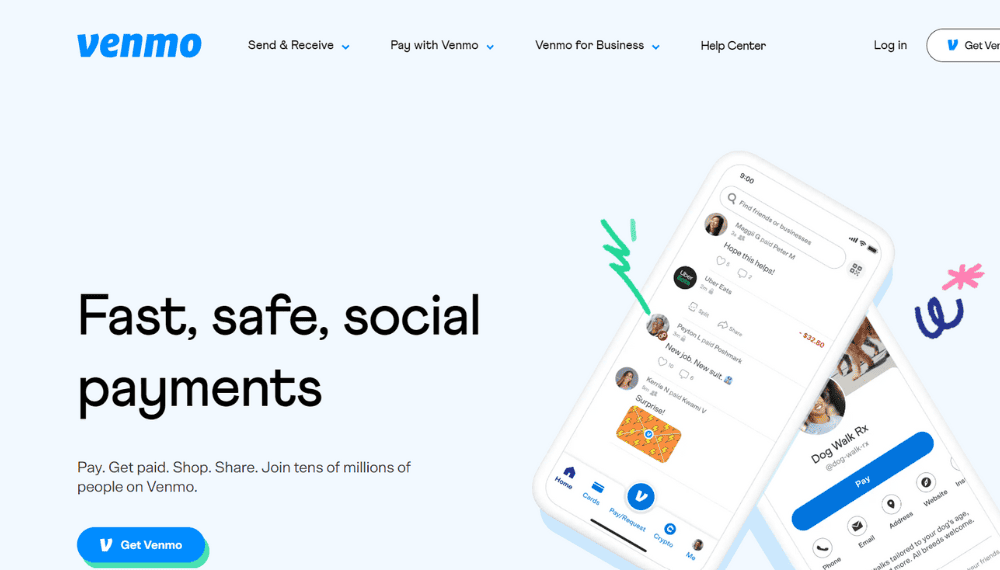

 People who already have active Venmo accounts will be granted access to manage their new credit card with the Venmo mobile app. All the main features of the credit card will be accessible through the Venmo mobile app. However, PayPal is yet to disclose the exact features of the credit card.