Tag Archives: transactions

android vs apple ios compared logo characters 142484457

Mobile Credit Card Processing Efforts Require Android or iOS Software Support

You’ll need a quality program that can help you review how your mobile credit card processing operations are running at your business site. You can use an Android or iOS-based platform on your processing materials to help you keep track of everything from sales totals to inventory reports. The platform can also produce a user interface that makes it easy for people to process their transactions.

How Does the Platform Work?

Mobile credit card processing kiosks and devices can work with an Android or iOS-based operating setup. The software will run off one of these mobile operating systems.

Android and iOS are useful for how they are user-intuitive and easy to review. You can display many things through either operating system. Both formats also support an extensive array of apps, including ones that a mobile credit card processing company can develop for your convenience.

These operating systems can help you with everything from entering in data to collecting payments from people. These have been working in many fields for years, and the odds are they will work for your business needs.

These OS choices can also work on various screens. These include smartphone and tablet-sized displays. The apps you download can also function on different screens, although the quality of whatever works will vary surrounding your device.

Apps For All Use

The Google Play store for Android and the App Store for iOS has been producing many high-quality apps for various business needs for years. You can use many apps for your card processing needs and business operations, including:

  • A basic payment collection app, including support for adjusting tips
  • An app for collecting phone numbers, email addresses, and other things from customers
  • A sales tracker that reports on what sales you’re completing
  • Inventory reports highlighting anything you have in your location
  • A virtual menu or other display for customers to review when buying things

The processing program you utilize can work with various apps of value. You can download many apps for free and customize them based on what you need to utilize the most. The system gives you full control over your experience in running your business.

What Can the Software Track?

You can use an Android or iOS platform to help you track many things in your mobile credit card processing efforts. These include things like these:

  • How well you are selling things, including what you are selling the most and when you’re selling items more often
  • How your employees are performing, including who is producing the most sales
  • The types of payments you’re collecting; these include payments through different card networks
  • Whether you are running out of certain things in your inventory

You can correct your business’ operations surrounding whatever the software is reporting. The control system will help you handle your work needs.

Android and iOS-powered systems are necessary for mobile credit card processing systems. Be sure you have a setup that works with one of these popular operating systems to help you manage more functions.
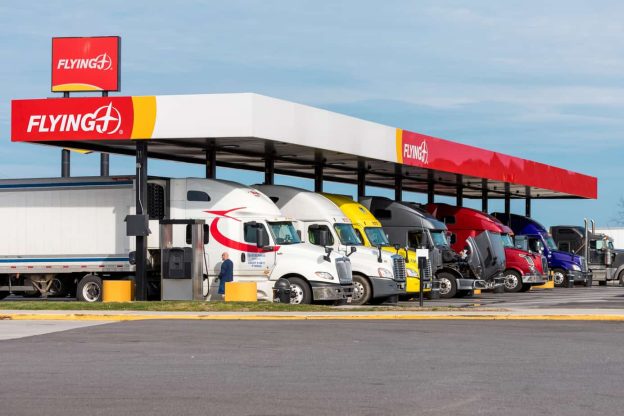
pilot flying j truck stop fuel island full of tractor trailers 184514346

More Gas Station Merchants Are Now Accepting Fleet Cards

One of the most common credit cards you can accept at a gas station is a fleet card. Gas station merchant services often accept fleet cards that people use to pay for fuel at gas stations. These include people who work for certain businesses that provide vehicles for those workers to use.

Gas companies and other organizations can offer fleet cards to their employees. They can establish plans with businesses to produce multiple cards for each employee or vehicle.

You will likely accept plenty of fleet cards when running a gas station. Your gas station merchant services reports can include details on various fleet cards you accept. The benefits these cards provide to businesses make them common ones you’ll find today.

The General Concept

A fleet card is a credit card issued to businesses that have people who regularly drive certain vehicles. The card can work for businesses that utilize vehicles for deliveries and other activities. A company can request as many fleet cards as necessary, but it will use the same account to manage all these cards it uses.

A business could have hundreds or even thousands of vehicles in its fleet. A fleet card system allows the workers who control these vehicles to maintain them.

What Do People Buy With Fleet Cards?

The workers can use their fleet cards for many purchases, with many of these focusing on how they will manage their vehicles. These include:

  • Fuel for their vehicles
  • DEF for diesel vehicles
  • Oil, antifreeze, coolant, and other items necessary for vehicle maintenance

Full Control

Gas station merchant services often see fleet card transactions because employers will have control over how their employees use these cards. An employer can do many things with these fleet cards, including:

  • Establish limits on how employees can spend with these cards; these restrictions can include limits on what products or services someone can buy
  • Identify potential misuse issues, including when someone doesn’t use a fleet card at a designated location or for vehicle-related needs
  • Check reports on how people are spending money with their cards
  • Create budgeting estimates for how workers will use their vehicles

These efforts allow a business to keep tabs on how its employees spend money. It keeps expenses down, as people will only spend money on the vehicles they operate.

Possible Rewards

Fleet cards are also noteworthy for how businesses can potentially enjoy unique rewards. Some of these rewards include:

  • Cashback offers
  • Discounts on fuel purchases
  • Added insurance protection for vehicles in one’s fleet
  • Discounted interest rates and reduced fees versus what traditional cards provide

The rewards will vary surrounding whoever provides the card. But the deals that are available will be worthwhile, as they ensure a business will have more control over how it handles its funds while maintaining its vehicles.

You will likely find many fleet cards when managing your gas station merchant services needs. The benefits of these cards and the ways how business owners can manage them make these cards popular for many uses.

mobile banking and finance concept 35805226

10 Questions To Find the Right Payment Gateway For Your Business

Have you been looking for a payment gateway that can help you collect card payments for your business? You’ll need to look at what you’re getting out of a suitable provider. Here are ten questions you can ask to help you see who you should be hiring for your needs. 

  1. What will it cost for you to set up your plans and to process payments?

Each gateway will charge different setup fees for work. These include charges to secure your account and to test your connection. You could spend at least $1,000 to set up your gateway.

A gateway will also charge a percentage of your transactions. The percentage will vary surrounding the type of card, the card network, and your risk level. You may spend more to process these payments if you are at a higher risk of chargebacks and other threats.

A gateway may charge about 2 to 3 percent for each transaction. A flat fee of 10 to 30 cents may also go alongside that charge. The totals can add up after a while, as they can cut away from your cash flow and profit margin.

  1. How will you collect your payments?

Payment gateways come with different platforms for how they will help you collect payments. Some systems can move your funds through an escrow system. A system will withhold your funds and will deliver them to you when the funds are ready to be safely transferred.

You could also use a hosted payment page you can redirect your customers to when asking for data. It doesn’t take as much time to integrate this option.

The way you collect your payments can influence how long it takes for you to see your funds. Some providers can hold your funds or a percentage of them for up to thirty days. The timeframe can increase based on your risk and the payment network’s rate of traffic.

The gateway you choose should provide prompt access to your funds. It should also be transparent when explaining how you’re collecting your funds with details on where they are coming.

  1. What are the security features?

All payment gateways should offer PCI DSS compliance. Proper compliance means a gateway will protect all card data and will prevent cardholder data from being stolen or otherwise mishandled. All cardholder content will only be made accessible on a need-to-know basis. All CVV numbers must also be discarded after use to ensure potential thieves cannot steal this value needed for CNP transactions.

Some processors also use tokenization to protect cardholder data. Tokenization replaces card info with unique strings of numbers that hackers cannot decode or utilize.

  1. What fees are there beyond the card processing charges?

Many gateways will charge various fees for their services. The charges go beyond what you would spend when first setting up your account. These include PCI compliance fees, data access fees, and other assorted charges. You’ll also have to pay fees on chargebacks, but you won’t spend anything on those if you never deal with chargebacks. All fees cover the costs to operate the network while also covering possible risks you pose on the network.

The totals you will spend on these fees should be fixed, unlike what you would spend on your payment processor you hire should be transparent and direct over what fees you would spend on services before you start.

  1. How can your processor screen fraudulent activities?

All businesses are at risk of credit card fraud, although some industries may be at a greater threat. A processor should provide suitable screening tools to help you prevent fraudulent activities from impacting your business. A gateway can include support for CVV transactions, two-form authentication, and other features that reduce the risk of fraud.

  1. Can your processor handle international payments?

Some processors can support international payments. These include ones that support multiple languages and currencies. You can use this if you plan on doing business with people in multiple countries. But some processors may also charge fees for handling different currencies or cross-border transaction efforts.

  1. How does the customer service department work?

The customer service department should be available to help you with whatever transactions you want to complete. It should offer multiple ways to reach them, including by phone or email. The customer support team should be easy to access at any time.

The help should also be free to all members. Any group that pays extra to help someone access a customer service line might not be legitimate.

  1. Can a gateway work with whatever features you have in your current system?

Not all payment gateways are compliant with whatever systems you might incorporate. You might need unique hardware or software to read some features. A quality gateway can work alongside whatever hardware or programs you are using now. The system provides quality help and reduces the need to develop new programs or setups for work.

  1. Does a gateway support recurring billing?

Recurring billing entails automatically billing customers for certain things. Subscription-based systems regularly use recurring billing features to ensure they collect funds from customers as necessary. Look at whether your gateway or processor can handle this feature if you plan on offering a recurring billing service.

  1. Can your gateway manage mobile payments?

The last point to review involves how well a gateway can handle mobile payments. A gateway can include a dedicated app or hardware program that can work on mobile phones, tablets, and other portable devices. It helps you collect payment data and content from anywhere.

These factors are good points to see when looking at how you’re going to handle your mobile payments. Be sure when finding a suitable solution that you have an idea of what you want to get from your business. It will be easy to process mobile payments if you know what is coming out of your setup.

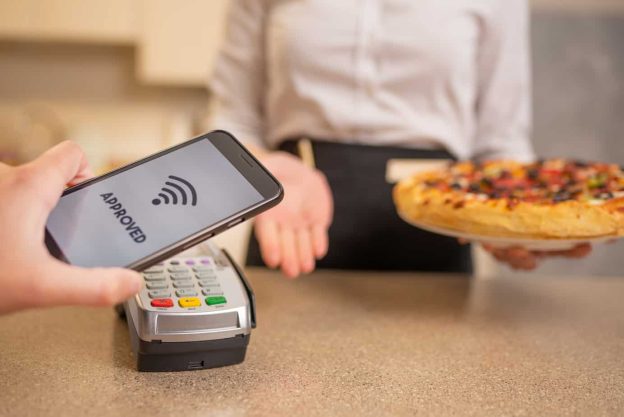
payment by contactless payment for pizza in a restaurant or cafe cashless payments banking services a new life according to the 190394627

Are NFC Transactions and Instant Payments Secure?

Near Field Communication or NFC technology has become one of the most popular features of mobile devices today. NFC technology helps run various contactless payment systems like Google Pay and Apple Pay. You can use an NFC payment system to make contactless transactions at various stores that accept these instant payments. Your business can also collect NFC payments if you have a processor that can read NFC signals. 

NFC payments are convenient, but these instant transactions can be vulnerable to theft and other concerns. You can use a few measures to ensure these are safe at your workplace.

The Main Concept

An NFC payment entails two devices wirelessly interacting with each other. The two devices should be about four inches apart.

An NFC chip in one item will transfer data to a receiver. For payments, the NFC chip sending the data is the smartphone or other payment device. The receiver will collect the payment data and then provide confirmation to the phone or device. The device may trigger its digital wallet to start working to finish the transaction.

The process provides instant payment. A receiver can collect credit card data or other payment info from the NFC chip on the smartphone, tablet, or whatever else one is using.

NFC payments are available on most mobile devices. Android 4.4 or later devices and iPhone 6 or later iOS devices can support NFC payments.

Some payment cards include NFC chips. You can tell there’s an NFC chip on a card if it has a signal showing a few waves coming from a card-shaped symbol.

The NFC payment process is popular for how people can complete a payment in less time. The fast scanning approach makes it easier for people to pay for things in moments. The contactless process is also useful, as it ensures a read without worrying about a card reader that might malfunction or a card that isn’t easy to read.

Close Distance Support

NFC payments require a close distance between the two objects. Since you need about four inches of space between the two items, it becomes hard for outside parties to try and steal data from a payment.

Some people may physically tap their devices on a sensor, but that is not necessary. It can take a second or two for the sensor to read the NFC signal.

Tokenization Is Critical

NFC payments are mostly secure thanks to tokenization. Apple Pay and Google Pay use tokenization technology to replace your real bank or card details with random numbers. The unique string of numbers is distinct to your transaction. Outside parties won’t be able to read your data and steal the content.

Two-Factor Authentication Is Necessary

Some NFC payments require two-factor authentication to work. You can supply the necessary second factor on whatever device you will use before making a payment. For Android devices, you can use biometric data or a PIN to confirm someone’s work. For iOS devices, you can use the Face ID or Touch ID system.

Common Risks and How They May Be Resolved

NFC transactions are secure and easy to process. But there are some risks to watch for as well. These issues are easy to correct if you use the right preventative measures:

  1. Data Corruption

Data corruption occurs when a criminal alters the data going to an NFC reader. The criminal adjusts the content to where it is corrupted and unable to be processed as necessary.

Any channels a business uses when processing NFC payments should be secure and encrypted to prevent data corruption. Check your data processor to see what you’re going to get out of a setup.

  1. Interceptions

An interception entails an outside part being a middleman when processing transactions between two NFC devices. The second party will collect the data and edit it before it moves to the intended recipient. The attack is tough to manage and not as common.

You’ll require an active-passive pairing to prevent interceptions. One device will receive the info, and the second will send the data. The process ensures data goes in one way between each party and not in both directions for each one.

  1. Theft

People can steal others’ mobile devices and use them to make NFC payments. The problem can be worse if a person doesn’t use a password protection system.

Customers must conduct their due diligence when planning their NFC payments. They can add passwords to their devices to prevent outside parties from accessing their data. They can also incorporate unique biometric details to add extra control.

Other Things You Can Do To Make Them Secure

You can also follow a few other ideas to help you make these NFC payments secure for everyone to follow:

  • Use a program that confirms authentic NFC payment portals. You can use a platform that prevents jailbroken devices from being accepted. These devices may use altered or modified versions of NFC payment portals. These systems might be vulnerable.
  • Keep all encryption keys you use in your workplace secure and private. These keys must be secure to prevent data from being stolen or incorrectly used.
  • Keep the NFC receivers you use safe from tampering. They should only be accessible when someone is ready to complete an NFC payment. Keeping the receiver out of reach when it isn’t needed ensures no one can alter the receiver’s data.
  • Provide instructions to your customers about how they can use NFC payments. Some customers might use their NFC payment devices wrong, making it harder for them to complete transactions. Customers will get used to what you provide after a while. The point especially encourages people who aren’t familiar with NFC payments to see what makes these so beneficial.

NFC technology is useful for many purposes, but it should work with care to ensure nothing wrong will happen in the work effort. Check on how your NFC system works and that you’ve got a system in hand to help you get something that works well.

conceptual hand writing showing b2b business photo showcasing exchange of products services information between businesses e 179773045

How Automation and Virtual Cards Help Firms Meet Their Next-Gen B2B Payment Needs

Business-to-business or B2B payments have become essential to businesses as of late. Companies want to complete transactions between one another the same way as they manage B2C deals. They want transactions that are secure, easy, and fast to handle without having to add more data in the process than whatever is necessary.

With MasterCard reporting that the B2B payment market is close to $100 trillion in value, the need to facilitate B2B payments has never been more essential. Businesses are looking to find new ways to interact with one another, which is where automation and virtual cards can work. These can help for B2B payments by facilitating transactions in less time.

B2B payments can take a while to complete, plus they can feature extensive details that are often complex to manage. New forms of technology will make these payments easier to follow, although proper adoption of these efforts will be necessary for them to be successful.

A Need to Settle Payments Sooner

The main reason why automation and virtual cards are working in next-gen B2B payments is to ensure payments can go forward in less time. Settlement speed is critical, as faster transactions make it easier for businesses to forecast their cash stores. The use of electronic transactions through these measures is also convenient, as it is easier for people to process funds through these than if they used manual paper checks for their transactions.

Safety Is Also Critical

The rising B2B industry has also made it to where some payments might be tougher to complete than necessary. Today’s B2B payments need to be safe and secure by keeping private data from being exposed. It could also entail processes that are predictable and easy to organize without adding anything more complicated than necessary. Proper safety and protection will be critical for ensuring there are no struggles in completing any transactions.

What Automation Entails

Automation is a part of B2B payments that could make an impact soon. Automation entails using electronic processes for managing payments. A business will utilize a new infrastructure that can capture payment data and automatically forward it to the proper parties as necessary. Some of the automated functions that can work include handling payments through bank accounts and using routing numbers to send funds.

The use of application programming interfaces or APIs will be critical to the success of any automated campaign. APIs allow businesses to enter in and send data to others when completing transactions. The data the business enters will move in the proper data entry sets, allowing each payment to remain categorized and sortable. Businesses can use these API systems to ensure transactions can go forward in moments, although their success will vary surrounding how well each API setup can work as necessary.

Machine learning could also work in some situations, as it can match invoices to their necessary payments. The matching process helps people track incoming payments in moments. Machine learning helps produce a faster processing speed, plus it makes payments more efficient. It may also save operating costs in some cases, especially when the apps are stable and easy to utilize.

APIs and machine learning also ensures businesses only have to provide the necessary data for whatever transactions they wish to complete. They will keep from sharing excess data that might become lost or stolen. Businesses only need to provide the details that are critical for the deal, ensuring an improved approach to handling the payment process.

The Use of Virtual Cards

Virtual cards have become more appealing to customers recently. Virtual credit cards allow people to complete credit card transactions without using or exposing their real card numbers. A virtual card uses a separate number that hides the customer’s real data, ensuring further security. The virtual card number changes each time, as tokenization allows a real card number to work with a separate single-use number for each deal it completes.

Customers appreciate these for how they make transactions easier to follow. They can trace different transactions they complete, but their actual data will still be concealed to where other parties cannot load the data.

Businesses can also use virtual cards to manage B2B payments. Virtual cards let businesses protect their financial payment systems while ensuring they can forward funds.

The best way to explain a virtual card is that it is a card-less payment solution. It uses a credit card-like system, but it doesn’t require as much infrastructure. It is also more secure than anything else a person might utilize.

Virtual cards are also effective for helping businesses review their spending habits. Companies can review real-time payment data through virtual cards.

There are worries about whether other businesses can accept virtual cards though. They may not fully understand how these cards work or why they are beneficial. They might ask for real cards instead, which some businesses may not be as comfortable with than others.

Artificial intelligence may help make it easier for businesses to accept these virtual cards. Artificial intelligence can identify unique virtual cards and treat them the same way as they review actual cards. Businesses will still need to incorporate new AI systems in their work to ensure they can accept these cards.

Access Is Critical

As appealing as automation and virtual cards can be for B2B transactions, there are still worries about whether businesses can access these technologies. About ten percent of small or medium-sized businesses say that they have payment modernization systems up in place. They are still figuring out what they should be doing with their funds.

Further work will be necessary for helping businesses to adopt next-gen B2B payment methods. It will be easier for businesses to handle funds between one another if they use the right processes for managing their funds. The industry is growing, so there must be a plan for ensuring transactions can move forward while also remaining safe and functional.

Frequently Asked Questions

business travel concept generic design of white luxury private jet flying in blue sky at sunset uninhabited desert 85089873

Fly Now Pay Later Plans BNPL Liftoff In the US Travel Market

The buy-now-pay-later or BNPL format has become commonplace in the American economy. With a BNPL transaction, a customer can purchase a product or service and pay for it in installments. The customer will get what one needs now, and that person will cover the cost for it over time. The process is convenient for many, especially for those who might be dealing with financial issues. It doesn’t require a credit check, making it easier for people to access than a credit card or a traditional loan. 

It is no surprise that the BNPL format is expanding to other industries. The American travel market is one of the latest fields where the BNPL industry is entering. The British fintech company Fly Now Pay Later is making this happen, as Fly Now Pay Later is planning on operating in the United States.

Fly Now Pay Later recently raised capital to help it start a test platform for American travel companies. The company raised £10 million in Series A funding, which is equal to $14 million. FNPL now has £45 million or $62 million in funds. The work goes alongside the £35 million or $48 million that the team raised at the start of last year.

FNPL has been beta-testing its current technology in the United States since late 2020. The new funds FNPL has raised will help the company expand its efforts in the country. The company also has hopes of expanding its work to Germany and other parts of Europe soon.

FNPL uses a system that helps people book travel services and pay for them over time. Instead of paying for them upfront, people can pay for those services over a few months. The service charges a single fee for its convenience and to cover the risk with the transaction. The system offers a useful setup that helps people pay for their travel services without worrying about paying too much right away.

How Does FNPL Work?

Fly Now Pay Later uses a distinct approach to help people book travel services:

  1. A customer will download the FNPL app to start. The app is available on iOS and Android devices. Customers can also send their mobile numbers to the website for a download link if the app isn’t available for their devices.
  2. The customer will then look through the different vacation listings available through the app. FNPL has partnerships with various travel service providers, including prominent domestic airlines.
  3. The customer then provides the necessary payment information for one’s order after determining what one wishes to utilize. The customer can provide one’s credit card data to provide proof of a source for paying for something, for example.
  4. The buyer will enter a payment plan at the end. A customer can choose to pay for one’s travel purchase in as little as thirty days. The customer could also pay for services over a few months with lower monthly totals.
  5. The customer will be subject to a one-time transaction fee. The fee is worth 14.99% of the total transaction. The customer will get a complete look at the total cost for the trip before agreeing to pay for everything.
  6. After agreeing to the deal, the customer can enjoy one’s vacation and then pay for it at the agreed-upon times.

The system can prepare limits over how much someone can use at a time. There may be a limit of about $4,000 for each transaction, for example. Such limits ensure FNPL will stay protected and that the travel service providers will not lose funds from those who cannot pay for services.

What Makes It Useful For Customers?

Customers can utilize FNPL for many reasons:

  • FNPL ensures buyer’s protection, meaning all items one books through the app will be fully confirmed and paid.
  • Many FNPL transactions can work with no financing required.
  • The payment terms are flexible. Customers can pay for their travels over up to twelve months if necessary.

Why Would Businesses Want To Use FNPL?

Businesses that offer travel services can use FNPL because it makes their services more accessible. Travel service providers can offer more flexibility, as they help people see what it will cost for them to use their services.

FNPL also provides full protection, ensuring that all service providers are covered for any potential losses they might experience. The 14.99% transaction fee FNPL puts on all its transactions ensures that FNPL has the funds necessary to cover whatever losses a provider might experience in a deal.

Possible Gains Are Coming

Fly Now Pay Later is looking forward to expanding to the American market, especially as demand for travel starts to pick up. The global pandemic has forced many people to cancel their prior travel plans. But as infection rates drop and vaccination rates rise, more things are starting to reopen throughout the country. People will be more likely to want to travel to different places, and they might have been saving up their funds to enjoy more exciting trips.

Fly Now Pay Later will be there to help people book their vacations as they get back on the road. FNPL hopes to take advantage of the newfound interest people will have in traveling, especially as more parts of the country start to reopen.

Will There Be Competition?

Fly Now Pay Later may be subject to some competitors, especially as travel becomes more popular in the United States. The BNPL service Uplift recently introduced support for domestic air travel payments. The company has also reached agreements with many airlines as of late.

It is also possible that various groups like the home-share company Vrbo could potentially enter the BNPL field. The convenience and flexibility of the BNPL industry will be something that such companies will want to enter.

The one thing that’s for certain is that travel demand will increase as the 2021 calendar year progresses. Fly Now Pay Later is in a strong position to gain revenue through this newfound demand, but that company won’t be the only one looking for some gains.

paypal vs venmo smartphone folder with blurred paypal and venmo mobile payment service applications 212752189 (2)

Fiserv Delivers POS QR Codes With PayPal and Venmo

People have been using Venmo and PayPal to handle many financial transactions as of late. People are also using QR codes more often, as they are easy to scan and are more secure than other communication methods.

The financial payment service provider Fiserv is working with both Venmo and PayPal to manage mobile transactions. Fiserv will help introduce new QR codes that can work through PayPal and Venmo to run contactless payments.

Fiserv’s new system will allow businesses that use the Clover POS platform or the Fiserv Carat omnichannel system to accept Venmo and PayPal QR codes. The effort provides businesses the option to make in-person shopping and commerce more convenient.

Contactless payment options have never been more important than they are now. Providing customers the option to handle QR payments from PayPal or Venmo will be a plus for any business to consider.

But merchants often struggle in trying to find contactless payment solutions. It can be challenging for some merchants to support multiple payment platforms. The great news about Fiserv’s move is that it can work with the same platform that one uses right now. People who use Carat or Clover platforms can produce new QR codes that can work with existing PayPal and Venmo-supported devices, making it easier for them to complete transactions in moments.

How the System Works

The Venmo and PayPal app have become essential tools for contactless payments. But not all businesses are capable of collecting payments from these sources. The QR code system that Fiserv is supporting will allow businesses that use their POS system to accept these codes from a PayPal or Venmo account. The system works in moments and does not require the company to produce anything new.

The system can work with a few steps:

  1. The customer can open one’s PayPal or Venmo app. The app is available for all major mobile phones and tablets.
  2. The customer will then select an option to scan an item. The setup will link to the device’s camera. The customer can then look for a QR code to scan here.
  3. The user then scans the QR code the retailer produces on the Clover or Carat program. The QR code must be on a customer-facing display.
  4. The buyer will then confirm the purchase information on the PayPal or Venmo app. The app will display the funds the user will send to the seller.
  5. A second verification method may work in some situations. The buyer has the option to use this for security purposes.
  6. The money will move between the two parties, completing the transaction.

The system is very convenient and provides a simple approach to payments that everyone will appreciate. The process offers a touch-free way to pay for items. The customer can also link one’s credit or debit card to a PayPal or Venmo account, giving that person more freedom over what someone will use when paying for items.

What Makes the Process Ideal For Businesses?

Businesses that use the Clover or Carat platform should look at how well Fiserv’s support for QR codes can work. There are many positives for businesses to note:

  • Accepting QR codes can boost customer loyalty. Customers will be more likely to return to a store because they know the retailer can support the payment methods they want to utilize.
  • Customers might prefer to use QR code payments because they are easier.
  • A company may be interpreted as being more modern and with the times if it can support new payment methods and processes.
  • QR codes are more secure than other scanning methods. All items in a QR transaction will be encrypted, as the data is hard to decipher without the proper equipment.
  • Each QR transaction can work with a unique code. QR codes can store more data than a traditional platform, providing a consistent system for work.
  • QR codes are easy to produce on any computer. The code design can also be read on any screen. A user could even scan that code if it is partially obscured or if the screen is covered in dust, fingerprints, or anything else. The user can also spot it at an angle, as a scanner can identify QR data faster than a barcode scanner can monitor that unique code.
  • People who use Venmo and PayPal will have an easier time linking their credit cards, bank accounts, or other things to their payments. PayPal and Venmo both support many solutions for payment purposes. Customers will appreciate how they have more control over the payment types they will manage through this setup.

Testing Has Been Working

The expansion comes as PayPal has been testing its QR code payment system. PayPal established a pilot program last year where QR code payments were made available in a few global markets. The testing helped review how well QR-based transactions work and if they can make the sale process easy to follow.

PayPal’s testing has helped forward new QR-based solutions for payment purposes. Venmo’s setup is similar to what PayPal already uses for transactions. By expanding the payment options people can use, it becomes easier for all parties to handle their transactions well and without risk.

The process ensures transactions can flow well and that they can work as necessary. The problem with some traditional payment methods is that some cards are hard for devices to read. By using QR codes, it becomes easier to transfer the data between parties. It is also a safer approach, as the QR code will be different for each transaction. Moving towards this payment option will be a necessity to explore as the payment industry continues to shift.

Fiserv’s effort in managing QR transactions will be a practice worth watching. Fiserv has been at the forefront of payment technologies for years. The group’s new effort in handling QR codes from Venmo and PayPal will be a sight to be seen to stay on top, especially as many others might adopt the same payment process.

pricing table template for web design and business 95485487

The Rise of Digital Retail and Subscriptions Continue

Today’s consumers aren’t too concerned about the places they shop. They are more invested in the ways they shop. They are looking for places that are easy to shop at while also being safe and manageable. There’s also a desire for people to want to share what they are doing with others.

The mix of social media and simplicity are two points that will likely influence retail activities. Today’s digital retail industry has more than made itself ready to respond to these newfound desires that customers hold.

Digital retail has never been more essential. Hundreds of millions of Americans are actively buying things online. They’re also looking into subscriptions for recurring payments, including payments for streaming services and other items.

Rising Sales Numbers

Digital retail providers have seen massive sales numbers so far in 2021. The Adobe Digital Economy Index reports that the global digital economy brought in $4.2 trillion in sales during the first four months of 2021. The United States made up close to a quarter of those sales.

These numbers have been rising as businesses are transitioning to digital platforms. People are more likely to stay home and shop from there instead of going out to physical places. Americans spend tens of billions of dollars on digital retail purchases each month.

New Ways How People Can Shop Online

Customers are finding it easier than ever to buy things online. There are many unique ways how people can complete their transactions while online:

  • Customers can browse through virtual storefronts. This point is convenient for online auction or marketplace sites that offer items from multiple sellers.
  • Retailers are starting to focus on particular audiences. These include clothing websites that concentrate on specific people or unique fashion items.
  • Some retailers can also support multiple payment methods. Digital wallet and money transfer systems can work in some cases. Cryptocurrencies may also work at some sites, although most retailers have been reluctant to consider these choices.
  • Augmented reality sales may also rise in popularity. People could use virtual catalogs or other three-dimensional reviews of items to see what’s available. Such reviews are essential for clothes and other fashions.

The assortment of shopping options will likely grow as technology progresses. People are finding some of these at-home sales options more inviting than going to traditional retail sites. The ability of people to do more things while online makes digital shopping inviting for many to explore.

Physical Retailers Adapt

Physical retailers have been adapting to the rise of digital sales by offering a new way for people to purchase products. Customers can go on a website, buy a product online, and then pick it up a few hours later at a local retail store. The process is convenient and safe, plus it can help customers save money on shipping costs in some situations.

This adaptation shows how digital retail is changing the industry. Even physical sites recognize the general value of online sales.

Subscriptions Are More Prominent

Digital customers have been using subscription-based services more than ever these days. These include many things that people pay for each month.

Streaming services are among the most prominent things people subscribe to each month. People can make recurring digital payments to these providers to remain members. They can go to their accounts and adjust how they will pay for services.

But the subscription-based market has been growing to where more items are available through recurring payments. The case of Blue Bottle Coffee is one example to explore. The company has seen a rise in its subscriber base in the past few years. Blue Bottle sells premium coffee grounds by delivering them to customers every few weeks. Customers have developed great relationships with Blue Bottle, as they are always looking forward to the latest shipments. Blue Bottle has grown in prominence to where it has a couple of physical cafes in a few international markets.

Social Media Makes An Impact

Businesses have long used traditional advertising methods to highlight their wares and explain what makes their businesses interesting. But customers are flocking to other places to learn about where they should shop. Specifically, they’re heading to social media.

Customers are looking for brands on social media platforms more than ever. People in the coveted 18-34 market are more likely to use social media to find new brands.

These customers also want to buy products through social media. They would use direct checkout solutions on Facebook, Instagram, and various other platforms if they were available.

Simplicity Is Critical

People also want to simplify their shopping experiences. They want to complete their transactions in as little time as possible.

Part of why subscription-based processes are convenient comes from how simple they are. People can automatically pay for what they purchase there.

Meanwhile, customers often abandon their shopping carts if there are too many steps towards purchasing items. People might not want to create accounts with websites, nor do they feel comfortable with some of the expenses or advertisements they might run into when buying something. Simplicity will be critical in ensuring people can complete their transactions well.

What About Influencers?

Digital retail and subscriptions are also growing thanks to influencers. Influencers are people on social media platforms that promote different brands or retailers. Customers are willing to subscribe to services or buy things from websites if they notice trusted online personalities support these places.

Retailers will need to work with influencers and have them promote products. Given how many influencers can have hundreds of thousands of followers on social media, the potential reach for such messages could be significant.

An Exciting Future

Digital retail transactions are rising in prominence. Subscription-based services are also becoming more popular. The online retail world is growing in many ways and will continue to be worth watching, especially as more retailers focus on their online efforts. Even the most prominent physical retailers will likely flock towards supporting more digital sales soon.

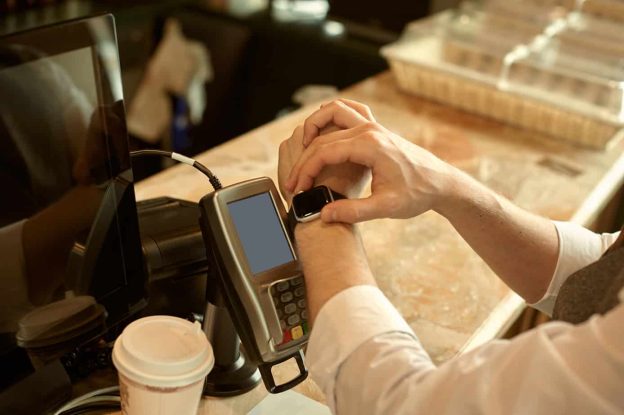
man using smart watch to pay in restaurant nfc contactless convenient payment service 215885687

Smart Payments Association Says 2021 Is a Pivotal Year For Wearable Payments Tech

People have been using wearable items for many purposes in the last few years. They have gone beyond fitness bands and include items that can store schedules, send messages, and read online reports.

People can also pay for products and services with wearable tech items. Wearables like wristbands and watches can link to someone’s credit card or banking information. A person can send one’s data on a wearable to a payment kiosk to pay for something in moments.

It’s also easy for people to program their wearables. People can charge them and link them to online networks where they can provide their payment data. They can link credit cards, bank accounts, online wallets, and other setups to their wearables. They can use these to pay for items without having to bring out any other traditional materials. It provides a secure and quick effort for managing payments.

The rise of wearable payments has prompted the Smart Payments Association to produce a new white paper surrounding the subject. The SPA said in 2017 that wearables are intriguing payment opportunities to explore. But the SPA is now saying that the industry is growing. Wearables have become more flexible, plus customers have never been more willing to use contactless payments than now. The extensive value of the market makes it to where businesses will likely want to get in on it and find new ways to support these payments.

Sales Are High

The Smart Payments Association reports that about 20 percent of proximity payments in 2020 were made with wearables. Global wearable payment totals have risen to about $500 billion in 2020. The number is more than 3.5 times higher than what people had spent in 2017.

The SPA’s report is confirmed by a similar study from Grand View Research. GVR writes that the United States wearable market will rise to about $80 billion in 2028.

The Asia-Pacific market is also expected to be the fastest-growing field in the next few years. HTC, Huawei, and various other Asian businesses have been actively developing new wearable items. Their goal is to mass-produce more items that can work in various spaces while also being affordable for everyone.

The sales totals suggest that the wearable industry won’t be going anywhere any time soon. The field will likely grow in prominence where people can easily find and program these wearables to their liking.

Adoption and Development Are Spreading

The SPA also says that more groups are adopting the use of smart payments through wearables. The production of smartwatches, bands, and rings has risen in the past few years. More companies are entering the field or have plans for doing so very soon.

Apple has thrown its hat in the race by patenting a new smart ring. Apple’s new patent shows it will use a sensor-based gesture setup that allows the customer to waive one’s ring in front of items to complete transactions. The sensor would also notice its position versus other devices, including various Apple items like the iPhone or iPad. The Apple ring would be comparable with the McLear Payment Ring being used in some parts of Europe.

Other companies have also made moves suggesting they may produce new devices that support wearable payments. Google recently acquired Fitbit, although it took a while for the acquisition to be approved by industry regulators.

Peloton also acquired three separate firms that create wearable items. These include companies that produce AI-based solutions to identify how someone might function while exercising.

What New Technologies Will We Find Soon?

The SPA’s report shows that wearable payments will become more prominent as time progresses. More items will be under development soon, and businesses will need to start finding ways to support these items.

There are many aspects of the wearable industry worth watching:

  • Near Field Communication or NFC technology will become essential for businesses to accept soon. NFC systems allow wearables to communicate with payment systems.
  • The variety of wearables available for sale will expand. This point comes as the sensors necessary for wireless transactions are becoming smaller than ever. The rise of the smart ring market proves this point, although sensors could be incorporated in key chains or other compact items.
  • Contactless POS terminals will also become popular. Businesses may find these worthwhile, as they are easy to install and use. They can work anywhere, plus they cost less than most businesses might expect.
  • Wearables may also become more efficient to where users won’t have to charge a battery. These include passive solutions that use electromagnetic induction to stay functional and transfer data to a card reader or another setup.
  • People can also link their wearables with any smartphones or other devices they have. They can check their financial accounts on their phones to confirm their transactions if they wish. The support gives customers more control over their money, as they will know what they are doing when spending on things they want to buy.

Customers and businesses will be more likely to adopt these payments as the technology advances and progresses. The increasingly affordable nature of wearables will also be a positive for the field to watch.

An Exciting Future

People are always looking for convenient ways to handle payments. Wearable technology brings the best of both worlds, as it brings together functional items with high fashion. The industry is growing, and more wearable products are available than ever before. The industry will especially become more noticeable as people continue to wear these products and make them all the more viable. 

It will be intriguing to watch how wearable payments evolve. The SPA writes that 2021 will be an essential year for the industry, as the potential for more products to be made available will be significant. People can expect to find new products soon, plus retailers will be more willing to offer support for wearables. Expect more businesses to get on board and start producing exciting new items that can support wearable payments.

Blockchain Technology

How Blockchain Technology Is Fixing Payments Today and What Comes Next [2025 Update]

The challenges that come with payment for items are plentiful. It takes a while for some payments to go through, plus it is tough to trace some deals. Cross-border payments are also burdensome, as people have to go through many legal obstacles to move funds. The potentially expensive fees can also be a burden, plus it might take longer to manage some transactions.

But there is hope, as blockchain technology is helping to simplify payments. Blockchain systems make it easier for people to move their payments. Whether it entails general payments or cross-border transactions, the blockchain system will make it easier for people to facilitate whatever they want to manage.

Payment efforts are challenging, as various banks and other financial groups have various terms for work. The overly centralized nature of money makes it so that people can manage payments through specific platforms. The varying rules, rates, currencies, and other terms make many deals harder to manage than necessary.

How Does The Blockchain Technology Works

Blockchain technology is already prominent today, and it will continue to be worth watching in the future. The potential for the industry is strong, but it will require technical support to ensure it can stay active.

How Does The Blockchain Technology Work

A blockchain-based system provides a convenient approach to handling payments. A blockchain works by allowing parties to interact with one another over a decentralized network.

The two entities that are managing the funds will send their private and public keys out in a transaction. The keys confirm the identities of the people handling the money.

The blockchain transfer is then confirmed by the two parties. Their transaction will be recorded on the blockchain, which is run by a countless number of nodes that will manage data. The content is easy to track, plus it cannot be removed from the ledger after it works.

A Stable Transfer of Data

A Stable Transfer of Data

The blockchain deal works with a consistent currency or another asset. The transfer is easy to follow, as the process doesn’t have to utilize any exchanges, fees, or other obstacles. Since the blockchain is decentralized, it is easy for the system to work in more markets. There’s no need to rely on the specific rules set by one party.

An Open Network

An open network will work on the blockchain. An open network allows people to use whatever forms of technology they wish to utilize. The blockchain is interoperable with many other systems and markets, providing a convenient design for work.

A Modern Approach to Paying

The G20 has been looking for a way to modernize cross-border payments for years. Blockchain technology will help make this possible. By providing a new way to manage money, underserved markets will have more accessibility to handling funds. It becomes easier for people to interact and manage payments with one another when a blockchain system works.

The digital assets that move will also be backed by fiat currency. The value of the assets will vary surrounding the fiat currency. But the total can be worthwhile if managed well enough. The transfer process lets people facilitate payments without having to exchange currencies for their payment needs.

Reduced Risk

The greatest part of the blockchain system is that it works without much of a risk. The problem with traditional payment methods is that they can feature limits for how they operate. Not all people will have access to the technology necessary for some payments.

The centralized nature of traditional payment solutions can also be a concern. One party might handle all the payment data in a centralized environment. However, the data could be vulnerable to hacking and other threats.

A blockchain system is sensible, as it reduces risk and makes payment transfers open to everyone. The setup does not require any additional materials for work. The two sides can use one of many software programs to access the system as well. They can find many online, although there’s always the option to download something new if necessary.

A Duty of Care

The security of the blockchain also makes it easier for transactions to stay secure. The blockchain operates on various nodes, ensuring the network always stays active.

There’s also a duty of care for the blockchain. All nodes will ensure the blockchain stays intact. All transactions must flow through as accurately and safely as possible without risking possible losses on the market. The effort ensures all transactions work well and that everyone has a plan for whatever might work at any time.

What’s Next For the Blockchain?

What’s Next For the Blockchain?

Blockchain systems will be critical for success when handling funds. But the future of the blockchain will be even more exciting to watch. There are many noteworthy points that could work soon:

  • Renewable energy can help facilitate blockchain transactions without spending lots of time managing the work. The increased power needed for keeping the blockchain active can be challenging to manage, plus it may be expensive after a while.
  • The open nature of the blockchain makes it where most software programs that manage blockchain activities are open-source solutions. More parties can use these to facilitate payments without spending more money on infrastructure.
  • Banks and other legacy financial service providers may start working with blockchain systems. They could settle transactions in minutes instead of in days. Such transfers would be for intra-country efforts, but it will still be worthwhile.
  • A blockchain sandbox may work where people can produce new blockchain apps and platforms as they wish. They can create new platforms for handling money that might fit unique needs. But the effort requires technical knowledge, and testing may also be necessary for the work.

Blockchain technology will be worth exploring as the payment industry evolves and moves forward. Blockchain support will help people handle funds in moments while removing obstacles. It will provide a distinct approach to handling money that can work in moments and provide a sensible solution for an operation that everyone will appreciate managing in any situation.