Tag Archives: social media

marketing tips

Clever Marketing Tips to Improve Restaurant Sales

It’s not easy finding ways to improve your restaurant’s profit margins while managing food and labor costs. A business’ bottom line is the priority of the operation, but in a customer-facing business, going about it the wrong way can do more harm than good.

But that doesn’t mean there aren’t ways to improve your sales while maintaining a balance between customer satisfaction, costs, and profit margins. It’s all about implementing new strategies and techniques. By using the tips below, you can improve your restaurant sales significantly.

In this article, you’ll find a list of strategies you can adopt to help you improve your restaurant sales.

14 Marketing Tips to Help You Boost Restaurant Sales

From adopting new marketing channels to doing events in your restaurants and much more. Here is the list of marketing tricks that you should start using today:

1.     Take Advantage of Social Media

Social media is probably used by most of your customers. You should use it too. Restaurants with a strong social media presence dominate their “unsocial” competitors. Make yourself available where your clients are.

Become a social butterfly by setting up a free social media management platform (such as Hootsuite) to monitor your channels’ activity and engagement. These venues are a great way to promote your daily specials and share mouth-watering images. Your business should have a Facebook profile, a Twitter account, and an Instagram account.

Social media could be extremely useful when announcing a limited-time sale or discount. If possible, update these pages regularly with images and information about upcoming events your restaurant will host. You can also use these pages to inform customers of changes to the restaurant’s menu or hours.

Ensure you communicate with your clients via these pages, including their comments, and don’t ignore negative feedback. You could keep track of all customer comments using your restaurant’s point-of-sale system. These activities will help generate new ones and increase the restaurant’s overall sales.

2.     Make Your Customers Feel Appreciated

It’s a restaurant’s job to attract and retain consumers. Existing clients might be your most influential supporters. Ensure your patrons feel comfortable and at home, serve them with care, and go above and beyond expectations. Make your customers feel special by serving slices of pizza and pastries. The result is greater customer loyalty and a better customer experience.

They will spread the word about how fantastic your restaurant is if you treat them well. When customers visit your restaurant, make an effort to recognize them, their prior orders, evaluations, and how you assisted them. This information can be obtained via your customer database.

Use this information to recommend new foods or offers, which will make them feel appreciated. Regular customers generate more revenue for restaurants than new consumers. Therefore, customer retention becomes vital. Frequent shoppers promote your restaurant through word-of-mouth and bringing in friends and family, enhancing your restaurant’s revenue.

There are numerous ways to reward loyal customers for their continuous patronage. The proper one depends on factors such as your budget, business type, and personal choice.

Casual dining establishments may utilize punch cards or coupons. However, more upscale companies may utilize app- or email-based services. The idea is to keep the process simple on the customer’s end so that they engage, regardless of the approach used.

3.     Improve Your Table Turnover Rate

Surely, you have had restaurant patrons who dined at their own pace. These customers take longer to leave your restaurant, resulting in a lengthy line. You may even lose customers if your restaurant is full since they may choose to dine elsewhere.

The more tables you turn every hour, the more money you earn per hour. Provide your staff with the necessary tools to boost service speed and effectiveness?

For instance, servers can send orders directly to the kitchen from a mobile point of sale (POS) device. Therefore, they no longer need to rush back and forth between a stationary terminal impeded by other servers.

As a result, your effort to improve restaurant sales is not limited to increasing your customers’ purchases; increasing the table turnover rate is another way to increase sales. By increasing your table turnover rate, you will be able to serve more customers daily. However, this does not mean you should speed up the customer experience.

To solve this problem, ensure that orders are immediately sent to the kitchen and served as quickly as possible. You should also make sure that checks are presented and collected on time. Immediately after your guests leave, you should bus and reset the tables, and you should have the appropriate number of tables for an average dinner party size. You can please your customers and turn tables with quick and effective service.

4.     Upsell

Upselling entails enticing clients to purchase additional items or enhance their current purchases. It’s one of the most prevalent methods for restaurants to increase their earnings.

Training your waiters in the art of upselling will make them great salespeople. Simply making suggestions for additions can increase the overall order size.

For your team to properly upsell menu items, they must be well-trained. If the wait staff does not create a connection with the clients or is unfamiliar with the menu, no upselling approach will be successful. In addition, you can offer complimentary samples of the new items you’ve added to your menu to improve restaurant sales. This will draw attention to these dishes and boost the likelihood of additional orders.

Furthermore, your POS system can improve the average check size and boost restaurant revenues by urging servers to recommend add-ons and emphasize pricey modifiers.

5.     Adopt Online Ordering and Partner with a Delivery Service

Nowadays, many prefer ordering food online to dining out at a restaurant. By offering online food delivery, you could reach out to new clients and expand your clientele.

Using online ordering to handle more orders and boost revenue can be beneficial if you have a limited number of seats or a shortage of waiters but a large staff of cooks.

In today’s app-driven world, convenience is king. Consider partnering with a prominent delivery service, such as Seamless, GrubHub, or DoorDash.

Deliveries are a great way to increase a restaurant’s sales. You can streamline your order process, attract new customers, and satisfy existing customers from the comfort of their smartphones.

6.     Update Your Menu

update your menu

of the menu’s items, your location, and your target demographic. For example, if your target market is college students, you should offer affordable prices. On the other hand, if your fine dining establishment targets people in an upscale area, you can charge a bit more.

Is your menu a random collection of appetizers, entrees, and desserts? If so, you might want to consider revising it. The quality of your menu items is meaningless if you’re not generating their maximum revenue potential. It may be as simple as renaming a traditional item or placing your highest-margin items on your menu where customers’ eyes will land first.

If you have been distributing the same version for years, think about updating biannually or seasonally. Social media and other marketing methods can also promote a new menu. Bonus points will be awarded if you can take high-quality photographs of a few dishes.

Find out how much the menu will cost in your area before deciding what to charge. The Menu Price should be determined based on the surrounding market and competitors. You will lose sales if your competitors offer the same meal at a lower price. The price increase of your menu items will increase your restaurant’s net sales. But make sure you know how to increase the price of your menu items. An abrupt increase in prices of menu items will not be well received by customers. Therefore, try increasing your prices in small increments that will not be noticed by your customers but will increase sales and profits for your restaurant.

7.     Do Holiday Offers and Happy Hours

Holiday specials are one of the best ways to attract existing and new customers to your business. It is a widely used strategy but never fails to bring in additional customers. Your restaurant’s revenue will undoubtedly increase with such a plan. Why not offer free rum cakes, liquor chocolates, or donuts to your consumers during the Christmas and New Year’s holidays? Freebies are sure to attract customers.

Restaurants know that liquor generates the most revenue and profit. Likewise, if you wish to attract young adults, you should make sure that the alcohol is more affordable, as they usually do not wish to break the bank. That is where happy hour strategies come in. Offer two for the price of one on beer and drinks. This will also help you sell more menu items.

“Happy Hours” have the advantage of being scheduled during slow sales periods. As a result, they attract people to your restaurant during slow times, increasing sales. Use all marketing channels to effectively publicize your discounts and bargains. Using emails to promote sales and discounts has been proven to be effective.

8.     Offer Smaller Plates or Snacks

The global snack food industry, worth $427.02 billion in 2020, is predicted to expand at a CAGR of 3.37 percent during the forecast (2021-2026).

Rather than ordering entire meals, customers today are increasingly opting for “mini-meals.” Therefore, you could also consider offering your consumers a greater variety of smaller dishes or selections. These options must include foods that can be consumed as snacks or shared by a group of friends.

9.     Host Special Events

host special events

Your restaurant can hold comedy nights, karaoke nights, guest performances, and other interesting events to draw visitors on that day. However, to attract the maximum number of people to the event, you will need to do more than host it. Hosting events will not only bring in your regular customers but also expose you to many new consumers who will increase your restaurant’s sales not only for the evening but also in the long run. 

You can host various unique events at your restaurant without putting a strain on profits or overworking your staff. Make sure your event runs smoothly with the right technology, whether it’s a father-daughter date or a wine and cheese tasting.

Streamlining communication between your workers and clients with event management software is possible. The result is higher revenues for restaurants.

Does your pizza rank among the best around town? Are your cocktails always in demand? Organize a virtual workshop or a physical workshop to showcase your skills.

In addition to generating additional revenue from workshop fees, extending your restaurant’s experience to include hands-on participation will improve customer loyalty. It is an excellent method for increasing restaurant sales without advertising.

10.    Set Up Your My Google Business Profile

Google Maps will enhance your customers’ experience if they can see and contact your restaurant directly from Google. You will be able to reach more clients when you are recognized on Google, as it will make it easier for your clients to locate you online. You can also attract new customers by encouraging your existing customers to submit favorable reviews on your company’s page.

11.    Adopt More Traditional and Modern Marketing Channels

Opening a restaurant and expecting customers to flood in is not enough. You need to market your restaurant properly. Marketing must take place both online and offline. Use classic marketing techniques like the distribution of flyers and pamphlets. You can win clients that aren’t particularly tech-savvy, who still like to read newspapers and pamphlets to stay on top of new restaurants in town.

Considerable importance has also been attached to email marketing in recent years. With this marketing method, you can cultivate a long-lasting relationship with your customers, which will increase restaurant sales. Keep your clients informed of the latest restaurant developments by sending them frequent newsletters. 

Well-written restaurant newsletters have an incredible ROI. It’s one of the best methods for increasing sales. Several studies have shown that newsletters outperform social media. You have greater control over your target audience with newsletters.

You can also establish a short-term relationship with customers easily through SMS marketing. Your customer database already contains all the information about your clients, so why not use that information to increase restaurant sales? If you want to offer a discount, send an SMS to all the clients in your database? You can include links to online shopping sites in these messages. Thus, customers will be compelled to visit the website and make a purchase, boosting your sales. 

Get people to sign up with an offer, such as “Get a Free Dessert,” and then send weekly offers to your growing subscriber list. Clients expect to receive these discounts, and you can anticipate increased restaurant revenue due to repeat business.

12.    Leverage the Knowledge of Your Employees

Your best approach to operating your business and enhancing restaurant sales is to get input from your workers and employees about the necessary restaurant adjustments. Most likely, your staff will always have an honest opinion to offer.

Your employees will feel valued if you consider their opinions, which is crucial in the restaurant industry. As a result of regularly interacting with clients, they tend to have accurate opinions. To analyze and comprehend client behavior, you can schedule a monthly open house session or invite your staff to lunch at your restaurant once a week.

13.    Take Advantage of the Data

You can increase restaurant sales and manage your business with the help of a POS system. Your restaurant’s point-of-sale system (POS) should provide real-time information about all restaurant activities, regardless of whether you are physically present. You should obtain information about the number of sales at your restaurant and across all outlets, the number of bills created, the number of offers and discounts given, and items that have expired and need to be reordered. You will then be able to speak with your chef and make any necessary adjustments to your menu once you have a complete record of all your sales.

14.    Create Combo Meals

combo meals

Combination lunches are an excellent way to attract clients, especially those with limited funds. Think about pairing your best-selling lunch items with a popular side dish and beverage. If you see a couple of burgers with French fries and a drink in a popular restaurant chain, you can assume they were sold as a combo. You can see this type of combination often at McDonald’s. Keep your combinations simple. Adding your high-profit, low-selling items to your low-profit, best-selling dishes is a great way to attract clients and increase your overall revenue.

Conclusion

Improving your restaurant sales is more than charging more for the items you sell. You also need to consider the marketing channels you are using, the offers the customer receives, your social media channels, and much more. Improving your customer’s experience will go a long way toward improving your retention, which will increase your sales. Make your restaurant more efficient through the effective use of POS systems to increase the table turnover rate, and try doing special events that can attract crowds during slow business hours.
Frequently Asked Questions

selective focus to customer hand holding smart phone to scan qr code payment 188176594

Advantages and Disadvantages of QR Codes

QR or the quick code has become a popular technology used extensively by many retailers around the world recently. Unlike the regular bar codes located on the commercial packaging, the QR code is a comprehensive code that can be scanned and decoded with smartphones. The best example of a company using QR codes for in-store payments is Starbucks.  

It may look as simple as the black and white squares, but these codes have the capacity to store a large amount of information. They make an excellent option for connecting the offline and online world seamlessly. Customers can make payments through QR codes by scanning them using their smartphones, and the retailers can accept payments directly to their bank accounts or mobile wallets with these codes. 

A Brief on its History

Denso Wave, a famous Japanese automobile manufacturing company, launched QR codes back in 1994. The main purpose of launching these codes was to deal with the limitations of barcodes. 

The quick response code was designed to store infinite information within small white and black squares. These codes started gaining popularity in Japan in 2002 when the country launched smartphones with the ability to scan and read QR codes. Since then the popularity of QR codes has skyrocketed.  

QR Code Advantages

A QR code is used as a marketing tool to attract more people to your business. It’s one of the ideal ways to turn your prospects into regular customers. Here are a few major benefits of using QR codes for your business.

  • Good for Networking

As mentioned earlier, QR codes are not the regular barcodes printed on your company’s package. It is a marketing technique that can get your customers to your Facebook, Twitter, and LinkedIn pages. Bringing your audience to your social media means higher engagement and more attention. These people will spread the word about your brand to their social media friends.

  • Call-to-Action

You can use QR codes to direct your audience to instructional posts, websites, landing pages, emails, and trailers. Businesses have started linking these codes to the email and call function where people are directed to your email page as soon as they scan the code. Some retailers allow their audience a huge discount if they scan the QR code. 

  • It is Versatile

Another advantage of QR codes is their versatility. You can use it for a wide variety of purposes ranging from social media marketing to online transactions. In addition to directing people to your landing pages and social platforms, a QR code can be used to make payments. You can integrate different payment methods into your QR code, thus allowing your audience to choose a convenient payment option.

  • It Makes You Creative

Ideally, the QR code is the black and white squares that can be scanned in simple taps. However, it comes with infinite creative possibilities. You can make it look super interesting by using a personalized and colorful QR code, designed for your business. It’s a great way to make your brand stand out from your competitors and attract a wider audience.

  • Your Customers Find Them Attractive

Customers like QR codes for a few reasons. For starters, they are easy to use. All your customers need is a simple scanning and they will be taken to your company’s landing page or email address. They no longer need to write the website address or remember the email. 

Besides, only a few people remember to visit your website later. QR codes make your customers’ life a lot easier by allowing them to visit your website by scanning the code. If you make it easier for your audience to find the latest offers and connect with your brand, there is a good chance they will convert. 

  • It Helps You Go Digital

With QR codes, you can save time and money on traditional advertising campaigns. It is the ultimate way of going digital with your business. You no longer need to get posters, flyers, and other paper materials for your company’s publicity. 

Instead, a QR code is all your customers need to find just about any type of information about your business – be it the latest product launch or your website’s landing page. It also saves you the cost of traditional marketing methods. Printing flyers and brochures can cost you hundreds of dollars. QR code, on the other hand, is a one-time investment.

Disadvantages of QR Codes

A QR code comes with a set of limitations for businesses and customers. Here are a few disadvantages of using QR codes.

  • Not the Best Customer Experience

QR codes were designed to direct people to the company’s social media, landing page, and other informative content in a single snap. However, your audience needs to download a QR code reader in order to make it work. So, for those who are not comfortable with installing a new software app on their device, the QR code is not a viable option.

  • You May Have to Offer a Better Reward to Your Audience

A QR code is useful for businesses that are willing to offer exciting rewards and promotional deals to their audience. So, just linking your social media or directing your users to your email may frustrate your customers, as this is the basic information. If you don’t have any special discount to offer, the QR codes might not work for you. 

  • It isn’t Accepted by all Customers

QR codes can get your business on a digital platform, but it is not embraced by customers looking for traditional marketing techniques. If your audience doesn’t know how to use the QR codes or they aren’t comfortable with it, they will never convert. So, it is better to stick to the conventional advertising methods than a QR code, which may confuse your target audience.

Bottom Line

These were the pros and cons of QR codes. While the technology works as a solid marketing tool to expand your reach to a wider audience worldwide, it comes with a few drawbacks.

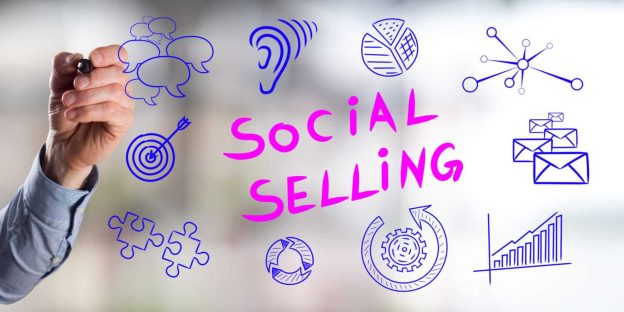
social selling concept drawn by a man 115748588

A Complete Guide To Social Selling

These days, everyone is selling online, from teenagers with toilet paper earrings to grandmas who crochet and want to make extra money to spend at the casino to giant corporations selling CBD gummies

But with so many people selling all kinds of things, how are you supposed to remain competitive? After all, with how vast the internet is, no matter how niche you may think your products or services are, there’s a high chance someone else is doing it better and more effectively than you. So, what can you do to stand out? Here is where social selling comes in. 

If you have no idea what that means and want to learn more, you’ve come to the right place. Keep reading to learn everything about social selling and how you can implement it to boost your online business!

What Is Social Selling?

This is a great place to start. In a nutshell, social selling is boosting your brand through social media platforms and using these to build a relationship with your customers so that they keep coming back to your online store. You can do this in many ways; for example, you can set up a profile for your brand and offer your customers a place to ask questions and get insight and exclusive deals!

If you’re the skeptic type, you may be thinking this is a waste of time, but the numbers back it up. Studies show that 90% of buyers are more likely to engage with an industry leader or vendor to offer industry insights. 

Social selling is also a much better alternative to cold calling. Do you know when you get phone calls in the middle of the afternoon from some random guy trying to sell you toner? Yeah, that’s cold calling, and it’s just not adequate, simply because people hate getting calls from strangers trying to get them to buy random things they don’t need. 

Social media, however, changes the game entirely. Social media gives the illusion of authenticity. Customers feel closer to you and your brand if you have an Instagram account that they can follow. This way, they can watch your Instagram stories with videos of you packing up products carefully and smiling all around, rather than getting a ring in the middle of the afternoon that they’re probably not even going to answer. 

Gen Z kids don’t know what a landline is, and they’re not going to interact with one anytime soon, so you might as well meet them where they’re at. 

Why is Social Selling Important? 

If you’re a member of the older generations, then chances are you’re not comfortable with social media, and you don’t know how to use it, nor are you excited to learn. Learning how to use social media can feel like trying to get acquainted with a city you’ve never been in. 

You don’t understand the road signs because they’re in a different language, you don’t know where people are coming from or where they’re going, and you always somehow find yourself at a dead end. 

However, social selling is very much worth the painstaking task of learning how to manage a social media account. For one, social selling is one of the only ways to keep you competitive in the vast online marketplace. 

Studies show that up to 78% of businesses use social selling to outsell their competitors. So, if you don’t want to get left behind eating dust, then you’re going to have to look up that YouTube tutorial on how to film stories on Instagram and get acquainted with it fast. 

Let’s say that you’re a member of the younger generations, and you already have a social media account, but it’s not growing as fast as you want it to. This can be frustrating, but the truth is that nothing worth having comes easy. That’s why social selling is a slow-burning strategy that takes a while but ultimately pays off well because you’ll have grown a large audience that can boost you up, even during hard times. 

Social Selling Tips and Tricks

Alright, now that you know what social selling is and why it’s such an essential step to growing your online business, it’s about time we showed you some tips and tricks of the trade so that you can stay on top of your game.

Anyway, here are some of the most important strategies for online selling so you can crush your competitors and remain on top!

  • Understand How Social Selling Works Across Various Platforms

While social media may at times blend into one big blur, the truth is that not all platforms are built the same or used by people for the same purposes. Let’s take you through some of them so that you can get the gist:

  • LinkedIn

This platform is best suited for people selling informational content like courses and programs since this platform is most used by business people trying to network. On LinkedIn, everyone is trying to find the quickest way up the ladder, and if you put your course on there, chances are people will be interested and sign up!

  • Instagram

This platform is perfect for brands that want a youthful clientele and sell things that are very visually appealing like clothes, jewelry, stationery, etc. This platform relies heavily on visual appeal, so your account needs to be full of things that pop!

  • Become a Thought Leader

A great way to grow your brand is attaching it to a charismatic person who can sell it well. Nowadays, people don’t just want to buy products; they want to be a part of something. And by turning your brand into a think tank, you’ll be able to do just that!

  • Connect with prospects

Another great advantage of social media is how quickly and directly it connects people. Customers can leave a comment on one of your posts, and you’ll see it a few seconds later, almost like it’s a message to you. Be sure to engage with your comment section and answer people’s questions; that way, you can build trust with your customers and get them to keep coming back!

Conclusion

Social Media it’s an essential aspect when we talk about digital marketing. So, building a solid strategy around social media, it’s the best you can do to make your business grow faster!

pricing table template for web design and business 95485487

The Rise of Digital Retail and Subscriptions Continue

Today’s consumers aren’t too concerned about the places they shop. They are more invested in the ways they shop. They are looking for places that are easy to shop at while also being safe and manageable. There’s also a desire for people to want to share what they are doing with others.

The mix of social media and simplicity are two points that will likely influence retail activities. Today’s digital retail industry has more than made itself ready to respond to these newfound desires that customers hold.

Digital retail has never been more essential. Hundreds of millions of Americans are actively buying things online. They’re also looking into subscriptions for recurring payments, including payments for streaming services and other items.

Rising Sales Numbers

Digital retail providers have seen massive sales numbers so far in 2021. The Adobe Digital Economy Index reports that the global digital economy brought in $4.2 trillion in sales during the first four months of 2021. The United States made up close to a quarter of those sales.

These numbers have been rising as businesses are transitioning to digital platforms. People are more likely to stay home and shop from there instead of going out to physical places. Americans spend tens of billions of dollars on digital retail purchases each month.

New Ways How People Can Shop Online

Customers are finding it easier than ever to buy things online. There are many unique ways how people can complete their transactions while online:

  • Customers can browse through virtual storefronts. This point is convenient for online auction or marketplace sites that offer items from multiple sellers.
  • Retailers are starting to focus on particular audiences. These include clothing websites that concentrate on specific people or unique fashion items.
  • Some retailers can also support multiple payment methods. Digital wallet and money transfer systems can work in some cases. Cryptocurrencies may also work at some sites, although most retailers have been reluctant to consider these choices.
  • Augmented reality sales may also rise in popularity. People could use virtual catalogs or other three-dimensional reviews of items to see what’s available. Such reviews are essential for clothes and other fashions.

The assortment of shopping options will likely grow as technology progresses. People are finding some of these at-home sales options more inviting than going to traditional retail sites. The ability of people to do more things while online makes digital shopping inviting for many to explore.

Physical Retailers Adapt

Physical retailers have been adapting to the rise of digital sales by offering a new way for people to purchase products. Customers can go on a website, buy a product online, and then pick it up a few hours later at a local retail store. The process is convenient and safe, plus it can help customers save money on shipping costs in some situations.

This adaptation shows how digital retail is changing the industry. Even physical sites recognize the general value of online sales.

Subscriptions Are More Prominent

Digital customers have been using subscription-based services more than ever these days. These include many things that people pay for each month.

Streaming services are among the most prominent things people subscribe to each month. People can make recurring digital payments to these providers to remain members. They can go to their accounts and adjust how they will pay for services.

But the subscription-based market has been growing to where more items are available through recurring payments. The case of Blue Bottle Coffee is one example to explore. The company has seen a rise in its subscriber base in the past few years. Blue Bottle sells premium coffee grounds by delivering them to customers every few weeks. Customers have developed great relationships with Blue Bottle, as they are always looking forward to the latest shipments. Blue Bottle has grown in prominence to where it has a couple of physical cafes in a few international markets.

Social Media Makes An Impact

Businesses have long used traditional advertising methods to highlight their wares and explain what makes their businesses interesting. But customers are flocking to other places to learn about where they should shop. Specifically, they’re heading to social media.

Customers are looking for brands on social media platforms more than ever. People in the coveted 18-34 market are more likely to use social media to find new brands.

These customers also want to buy products through social media. They would use direct checkout solutions on Facebook, Instagram, and various other platforms if they were available.

Simplicity Is Critical

People also want to simplify their shopping experiences. They want to complete their transactions in as little time as possible.

Part of why subscription-based processes are convenient comes from how simple they are. People can automatically pay for what they purchase there.

Meanwhile, customers often abandon their shopping carts if there are too many steps towards purchasing items. People might not want to create accounts with websites, nor do they feel comfortable with some of the expenses or advertisements they might run into when buying something. Simplicity will be critical in ensuring people can complete their transactions well.

What About Influencers?

Digital retail and subscriptions are also growing thanks to influencers. Influencers are people on social media platforms that promote different brands or retailers. Customers are willing to subscribe to services or buy things from websites if they notice trusted online personalities support these places.

Retailers will need to work with influencers and have them promote products. Given how many influencers can have hundreds of thousands of followers on social media, the potential reach for such messages could be significant.

An Exciting Future

Digital retail transactions are rising in prominence. Subscription-based services are also becoming more popular. The online retail world is growing in many ways and will continue to be worth watching, especially as more retailers focus on their online efforts. Even the most prominent physical retailers will likely flock towards supporting more digital sales soon.

seo tricks

Skyrocket Sales With These SEO Tips For Your Shopify Store

Shopify is one of the best ecommerce platforms you can utilize. Shopify helps you create unique online stores and checkout experiences. You can keep track of customer and transaction data with Shopify, plus you can design your store to feature whatever might interest your customers the most.

The best Shopify stores will use search engine optimization or SEO standards for work. You can use SEO to make your Shopify store easier to spot. SEO standards can also make your site easier to operate and organize. Here are some tips you can use to boost your SEO efforts.

Create a Sensible Website Structure

Start by looking at how well your website is working. You can prepare a new website structure that is SEO-friendly and keeps your website organized. Your arrangement can entail a few steps for making things look well:

  1. A home page
  2. Separate pages for individual categories
  3. Pages within each category for specific products you want to sell

The website should focus on what you offer in general at the start. You can then stick with more specific things later.

You can use as many levels as you wish for your structure. But everything should stay arranged regardless of whatever you choose when handling your work.

Create a More User-Friendly Page

It is easier for search engine spiders to look through your website when you have a user-friendly page. You can use a few points for creating a page that’s easy to read:

  • Use a mobile-friendly theme that takes less time to load.
  • Smaller images are ideal, as they don’t take a while to load.
  • Don’t use sliders on your page, as they can take a while to load and might be tough to read.
  • Remove apps and other features that you aren’t actively using on your website. Removing unnecessary items makes it easier for you to load your site.

Figure Out the Right Keywords

The keywords for your website can make a positive impact if you know what works. You can use the right keywords based on:

  • Prospective buyer personas
  • Past sales history, including what items people are interested in the most
  • Social media hashtags or keywords surrounding your products for sale
  • Titles and meta content on competitors’ websites
  • Descriptive details surrounding the products for sale
  • What uses people might have for products
  • Whether you are targeting any specific geographic areas

Review Your Links

Your Shopify store will be easier for search engines to find if you have enough links. You can build links with suppliers or manufacturers, or you can get in touch with influencers or industry leaders who want to promote your content. You could also highlight any positive mentions you have on other websites and promote them from your site.

The most essential part of managing links for SEO purposes is to remove any broken links you might find on your website. Broken links can hurt your SEO performance, as they will lead search engines to dead ends. Remove these links and check whether there are any suitable replacements you could utilize when managing your links.

Provide Suitable Descriptions

Every product you sell on your website should feature a unique description. Your SEO standing will rise when you have unique content on your website. Each product can have distinct keywords, descriptive points, and other things that a search engine can notice is unique. These details will make your work more manageable for a search engine to spot.

Include Additional Details

You can add further details to individual product pages on your Shopify website. Some of these details may include:

  • Answers to whatever questions people have about something
  • Technical details, including what something is made of or its physical dimensions
  • What problems your product can resolve
  • Recommendations, including suggestions on who should be using a product the most

Add Tags To Your Media

Any photos, videos, and other bits of media you use will be more valuable if you have the right tags. Each photo or video should come with a title tag that features a keyword surrounding its content. You can add a small meta description tag that adds more details on something if you wish. Each piece of work you have should feature a unique tag that explains what you have and how people can distinguish what you provide.

Be sure you keep those pieces of media under control and that your tags don’t last for too long. Be certain those media items are also easy to load and won’t become too complex to follow. They also shouldn’t take a while to load if used right.

A/B Testing Works

A/B testing is a process where you test two different website layouts to see which one is more effective. You can test these based on how long it takes for them to load and which ones people might interact with the most. A/B testing features can come with analytical features if you use the right testing program, so check on what Shopify has when looking for help.

Use a Shopify SEO Plugin

The last tip to follow involves using an SEO plugin on your Shopify website. Shopify supports many SEO plugins like Plugin SEO, SEO Image Optimizer, and Smart SEO. These are all plugins you can download from the Shopify control website.

Each plugin available will review your website and see how you’re handling keywords and other bits of content. A program can reveal what keywords you’re using the most, what keywords your competitors are ranking for, and which pages are getting the most organic traffic. The analysis setup will help you see what you should be doing and what you could improve upon when fixing your website.

You can take note of all your SEO plans for your Shopify website to see what fits. You will bring in more people to your website when you have an SEO plan that looks great and fits whatever you want to do with your business.

web design 43461551

Hot Tips For Boosting Your Ecommerce Conversions By 200%

Have you been struggling to get more conversions for your business website? Gaining conversions can be a challenge, as you’ve got plenty of traffic to manage and competitions to differentiate yourself.

The good news is you can use a few tips to help you boost your ecommerce conversions. Just because you’re competing with millions of other ecommerce websites doesn’t mean you have to struggle to find customers who can support your business. Here’s a look at some things you can do to boost your conversions.

Keep Your Site Running Fast

Your website must keep running fast if you want to bring in more potential customers. You can use a few points to ensure your website stays fast and operational:

  • Use a speed-testing program or website like Google PageSpeed to see how fast your site is running.
  • Review how fast your hosting plan can go. You might need a hosting solution that works a little faster, depending on your needs.
  • Optimize your images to ensure they don’t take a while to load.
  • Keep your page map under control. Don’t use more paths than necessary, as a more streamlined site that doesn’t go in as many directions may be easier to load.

SEO Is Critical

Search engine optimization efforts are vital to your website. Most people will find your website through an online search. You can improve your chances to be found by doing a few things:

  • Target keywords that are specific to your business.
  • Be sure the quality of content on your page is positive. Search engines value pages with top-quality content more than others.
  • Look at how your URLs work. You can adjust the URLs for your websites to incorporate keywords. A search engine can look through these URLs first.

Create a Mobile-Responsive Website

People are becoming increasingly likely to use mobile devices when searching for things online. You can create a mobile-ready website that is easy to read on all devices.

Your website can be programmed with a separate interface that displays icons and sections in a streamlined environment. The mobile edition should be thorough and crisp without taking a while to load.

Create Small Conversions

Don’t assume you’re going to land the biggest fish in the sea the first time around. Start with small conversions, like collecting an email address or asking for a phone number for texts. You can attract people who want to learn more about your work and then market yourself surrounding whatever you want to share.

Offer Social Proof

Customers are more likely to trust your business if they see other people also trust your work. You can provide social proof to people who are interested in your content. You can post social media reviews and listings from your clients to show that there are people who have been using your work and are enjoying what you are providing.

Allow For Guests

It is easier to get conversions when you don’t ask people for lots of details. You can allow people to shop on your site as guests if they prefer. A guest account will allow someone to make a purchase and send one’s payment and delivery information as necessary. That guest can then get what one wants without all the hassle. The effort can eventually lead to that guest creating an official account, thus becoming more likely to do business with you.

Keep the Displays Simple

Anything you display on your ecommerce website should be easy for customers to read. You can use a few steps for keeping your displays simple:

  • Don’t plaster your website with lots of pictures. Keep the listings streamlined, and let the customer focus on a few things.
  • Allow for search parameters where people can enter information on the products they want to buy. They can sort through the results through the page.
  • Don’t use complicated pictures of your items. Keep the pictures clean while focusing on whatever you are selling. Don’t add complex backgrounds or flourishes that would distract the viewer and potentially make it longer for the site to load.

Keep the Product Copy Personal

Don’t repeat the same details on each product. Keep the product copy unique for each item. Add personal touches surrounding everything you offer, and let the reader know what makes something you are promoting so interesting.

Add Social Media Links

You can get in touch with your customers more if you add social media links. You can post links on your website to your Instagram, Twitter, Facebook, and LinkedIn pages, and anything else you utilize. Your customers can click these links to access your site and learn more about your work.

Focus On Your Guarantees or Returns

Customers might not be willing to convert if they aren’t certain the places they shop at are looking out for them. You can present a focus on whatever guarantees or returns you wish to manage. Let your customers see they can return their purchases if necessary, or that you can replace something if a product doesn’t work as well. You can give your customers confidence in knowing they’ll be making the right call when buying from you.

Focus on Value and Scarcity

The last tip is to highlight the value of your work, but to also let people know it won’t be there forever. You can promote something as a one-time deal, including a sale where someone can get a significant discount. You could also provide a time limit on when you’re going to give out something or make a product available for sale. Your limit can help people see what you’re providing and that you aren’t going to be rough in promoting your work.

Each of these points is essential for your success in bringing in more commerce conversions. Be certain when running your website that you have a plan for making your work more effective. You will bring in more customers when you use the right points for work.

E Commerce Gift Shopping 30943783

E-Commerce Trends for 2021

Today, businesses of all sizes are moving to an online structure. Brick-and-mortar stores that weren’t online before are quickly adapting as the pandemic continues and consumers avoid physical stores as much as possible.

With the onslaught of e-commerce businesses coming onto the scene, it’s important to know the trends that will change for 2021 so you can make sure your business is on target too.

Voice Search

Today, people are always on-the-go or multi-tasking and they’ve grown quite fond of technology, like Alexa or Siri, where they can speak their questions or demands. That trend is falling over into the e-commerce world, where consumers want to be able to speak what they want to search for rather than typing it in. Whether you add voice search capabilities or even let buyers make purchases using their voice is up to you, but know that it’s an up and coming trend.

Personalized Shopping

Customers today want personalized options. They want their shopping experience to be as seamless as possible. When they log onto your site, they want to see the products they want in the sizes they want.

Customers also love personalized recommendations. “Since you bought this, we’d thought you’d like this” is a great way to upsell and keep loyal customers. They know that you’re watching out for them and care what they think. This goes a long way in the e-commerce world.

Getting Active on Social Media

Today social media accounts aren’t an option – they are a requirement. Consumers want to hear from retailers whether it’s about current promotions, their featured products, or just behind-the-scenes posts that make companies seem ‘real.’

Creating Brand Value

If 2020 was anything, it was a year of turmoil for many. Consumers love it when brands get behind certain movements and aren’t afraid to show it. If you are behind a specific movement or care about certain issues in the world, consumers want to hear about it. Promote your brand value and you may find that you grow your audience just for doing so.

More Payment Options

Consumers today want many more payment options than just credit cards. They want to use their mobile wallets, PayPal balances, and want layaway options for big purchases. Companies like Afterpay are growing by leaps and bounds, especially during the holiday season so families can have a happy holiday season despite not having the immediate funds to pay for items.

E-commerce continues to grow and 2021 promises to be a big year for businesses of all sizes. If your business isn’t online yet, it’s time to start. Companies need to be online to get a larger audience, interact with their customers, and showcase their brand’s values.

It’s time to embrace technology and give consumers what they want. We live in a world of instant gratification today and running an e-commerce business is a great way to give customers what they want when they want it.

Internet Technology 6249719

Five Ways to Boost Restaurant Sales During COVID19

If there’s one industry that’s been hit the hardest in COVID-19, it’s restaurants. Between the stay-at-home orders, limited capacities, and stark regulations to stay open, many restaurants are suffering with low restaurant sales.

Luckily there are ways to save your business and boost sales. Check out our top tips below.

  1. Offer online ordering

Everyone does everything online today. If you offer online ordering, you’ll increase the likelihood of sales. People today want convenience. If they look online and can’t find a way to order with you, they’ll move on quickly.

Don’t let that happen.

Here are a few ways to offer online ordering if you don’t already:

  • Set up mobile ordering on your restaurant’s app
  • Set up online ordering on your restaurant’s website
  • Contract with one of the delivery services, such as Grubhub or DoorDash

Offering online services is convenient and it gets your restaurant name out there more. If people aren’t familiar with your restaurant, but they come across it on Grubhub or DoorDash, they may give it a try.

  • Stay active on social media

Let your customers and future customers know that you care about them and their health. Post updates on social media regarding how your restaurant is handling the precautions. What do you do to keep customers safe?

How are you thinking outside of the box to cater to your customers? That’s what they want to see. They don’t want restaurants pushing sales for the sake of pushing sales. They want to patronize restaurants that are taking the bull by the horns and figuring out a way to get their favorite dishes and drinks in your hands safely.

Here are just a few things to share on social media:

  • Behind the scenes footage of how you handle the pandemic and everyone’s safety. This is big right now so you can’t post it too much.
  • New, creative offerings you have whether it’s a package deal to help families have a fun night at home or a new offering that customers have always wanted but didn’t have time to create. We all have nothing but time now.
  • Specials or deals, especially if they’re time sensitive. You give your customers a sense of urgency that they must come now or they’ll miss a great deal.
  • Streamline your offerings

With fewer (if any) customers in your restaurant, now is not the time to go all out on ingredients and supplies. Simply your offerings and you’ll make it easier on everyone. Keep the fan favorites and choose a few others. You’ll keep your costs down and simplify the process for your customers, increasing your restaurant sales.

Streamlining doesn’t mean cutting back or making less money. If anything, you may even increase your profits by reducing your expenses and focusing on the dishes, drinks, and products that your audience loves the most.

Here’s what you can do.

  • Take a poll. Ask your audience what they love the most. Social media is a great platform for this. This way you know you are keeping the right offerings and getting rid of the ones that aren’t so popular right now and may be a waste of your money.
  • Promote the products you are keeping. You can’t keep everyone happy, there will be people who miss your other products, but promote the items you are keeping. Create urgency in them with specials or even create fun contests, like if you sell X number of a certain dish on a Friday night you’ll offer a special the next day.
  • Increase your digital marketing efforts

If you’ve relied only on in-person marketing, you could be missing out today. Everyone relies on the internet, especially while they are stuck at home. If you want to expand your reach, you have to get online and promote yourself on social media and even via email newsletters.

Create an opt-in so your customers provide their email addresses in exchange for something. It could be a discount, like 10% off, or something free, like a free cookie with your next purchase. The idea is that you get their email address so you can advertise to them in the future.

Your digital marketing efforts could include:

  • Email newsletters that have specials, announcements for new dishes, or new offerings. It could also be a way to share with customers how you’re handling the pandemic and keeping everyone safe.
  • Social media posts and paid advertising. Sponsored posts aren’t as expensive as most people think and since they’re so targeted, they often have a great return on your investment.
  • Offer healthy options

Today everyone is concerned about staying healthy. Show your customers you are on board with what they need by offering healthy options. Whether you always offered healthy food or it’s a new offering for you, it gives families other alternatives.

Here are a few ways to advertise your new offerings.

  • Showcase your new offerings on the home page of your website.
  • Promote the new dishes on social media in a post that talks about COVID-19 and staying healthy.
  • Stay up-to-date with your customers via email newsletters.

Boost your Restaurant Sales Today

It’s never easy to see sales slipping, but if COVID-19 taught us anything, it’s that we need to pivot our offerings. There are many ways restaurants can serve the community even if you are on stay-at-home orders.

Find out what your audience wants and needs and find a way to do it. The restaurants thinking outside of the box, creating new offerings, and finding ways to serve their customers are the restaurants that will survive the pandemic. Are you one of them?

Twitter Targeted Ads

Twitter Tune Up: Targeted Ads [2023 Update]

Today the Official Merchant Services Blog would like to focus on social media advertising, and the recent steps Twitter has taken in order to expand their marketing prowess and outreach.

The social media giant with its 140 million monthly active users is second only to Facebook.  As we have previously reported here, Facebook had taken steps to create a realm of e-commerce unseen before in the social media world.  By transitioning from the ‘Like’ button for certain pages and products, to the ‘Want’ button, in an attempt to allow users to create personalized wish lists, the move will eventually lead to more purchases through Facebook itself.

The move spurred social media innovation, and Twitter has since come up with its own targeted marketing approach.  The new capabilities will allow marketers to identify, advertise and even send direct messages to consumers based on interests and likes.  For example, a consumer who has indicated an interest in digital photography would see ads for cameras and other photography related products.

There are two main ways Twitter will attempt to narrow down its user base.

First, Twitter has divided its users into 350 different interest categories.  They range from “education” to “investing” to “sports,” and are further divided into subcategories.

The second way involves targeting a more specific set of users, by creating a custom list of usernames that are relevant to what they want to promote.  The custom segments would allow marketers to reach users who share similar interests with that username’s followers, however they cannot target that users’ entire following.

Twitter has given the example of an indie band promoter that creates a custom audience by adding the ‘@usernames’ of similar bands, ensuring an audience with a similar taste in music.

Questions still remain about the overall effectiveness of the targeted ads.  For example, the click through and conversion rates are still unknown.  Twitter has been testing the system using beta advertisers, who can attest that there has been “significantly increased audience reach” as well as high engagement rates.

To bring this all back home, I believe there is outstanding value in Twitters’ targeted advertising system.  It will allow marketers to go beyond ‘Promoting’ their tweets, a system that would raise your post to the top of users Twitter feeds for a short time, however there was no targeting involved whatsoever.  With this new system, end users see more products that appeal to them or are related to their interests in some way.  Thus driving sales for that particular product, if the right target market is reached. This could be especially useful to the average small business owner, who may only rely on social media to promote the company, instead of a dedicated web page.

This could lead to a large boost in mobile commerce, through Twitter users who simply find an advertised product to their specific liking.  The push is meant to increase ad dollars to Twitter from eager marketers, as well as more effectively reach its user base with relevant ads and content.  It seems logical that the next step would be for Twitter to implement a direct buying feature for their 140 million users, this would further spur innovation and the competitive mobile payments market, as well as open up new E-Commerce solutions for businesses and advertisers.

Social Media Commerce: Tweet, Like, Buy

Today’s installment of the Official Merchant Services Blog is on the rise of E-commerce in social media. Last week, we covered the E-commerce offerings of the video game industry in detail. Today, I’d like to take a look at the role E-commerce is beginning to play in the realm of Facebook, Twitter and other social media websites.

Social Media User Base

Social media sites have expanded rapidly over the last few years.  For those who don’t remember, Facebook started out as a place strictly for college level students to network. Now all-inclusive, Facebook is the world’s most populated social gaming and media platform with 955 million users worldwide.

Twitter is second with over 500 million users worldwide, LinkedIn is third with just about 175 million, and Google + trails all three with about 90 million. With such a massive user base to reach out to, an E-commerce presence is the next logical step, and as usual, Facebook is taking the lead. This article will focus on what Facebook has done to streamline the E-commerce aspect of social media.

“Like” Pages

It’s safe to say most Facebook users are familiar with the “Like” button and similarly, the “Like” pages. These pages describe the interests and activities of the user, offer updates to certain products and promotions, as well as allow users to share their thoughts on those products.

The end goal of any merchants Facebook “Like” page is the get the most number of “Likes” and subsequently the most number of page views and purchases of your particular product. The problem lies with differentiating potential customers from current ones. If someone “likes” a page for a product, they may already own it, be saving their money for that product, or just think its neat but don’t want or need it. As of right now, Facebook has no way to separate these users.

Social E-Commerce

According to Facebook’s SEC Form Q-10, 1.6% of users spent over $1 billion on Virtual goods (accessories for virtual characters, tools in Farmville, etc) in the first six months of 2012. That is money spent on items never seen outside of the browser. If the market for non-tangible goods can be that lucrative, the market for actual goods Facebook users enjoy must be bigger.

Carol Rozwell, Vice President at the tech research firm Gartner had a call to action for merchants unsure of the potential for social media e-commerce.  “It’s crucial that organizations implement approaches to handling social media now. The effort involved in addressing social media commentary is not good cause to ignore relevant comments or solvable issues.” According to Gartner, although more than 50% of organizations track social media only 23% actually collect and analyze data.

In June, Facebook made a move to simplify mobile e-commerce payments by decreasing the number of steps involved in checking out, from seven individual steps to two, and eliminating the need to type. The Facebook mobile app SkyBucks, is another innovation in E-commerce, it allows you to charge your virtual accessories to your phone bill directly.

More recently, the social media giant rolled out an offer for stores using Shopify.  Since partnering, Facebook is now offering free $50 Facebook Ad credits. This is in addition to the credits from Google AdWords and Amazon Products that Shopify merchants already enjoy. The promotion is another step for Facebook in the E-commerce direction.

The “Want” Button

Above I identified a need Facebook had, the ability to discriminate between current and potential customers for their advertisers and business users. In early July, the Ecommerce Times had a story on Facebooks next big thing: The “want” button.

The button will allow users to create ‘wish list’ of products that they like or want, but do not currently have. Merchants will want to focus on who has marked their product as ‘wanted’ and who has not. The benefits of the “want” button go beyond sales. The button would allow for highly targeted marketing as well as a sharing of ‘wish lists’ between users. Ultimately the goal should be for the wish list to take its place among the social media landscape, along side a user’s general info and status updates.

For the Consumer

To the average consumer and Facebook user, this should add to the ease of purchases that has increased recently. With the additional “want” info that the site will collect, you will be able to see what your friends and family want, add similar items to your personal wish list, and research potential gifts for you friends discretely. All of which add value to Facebook’s ever-increasing platform.

For the Merchant

For merchants looking to expand on Facebook, the E-commerce addition will do wonders. The added marketing affects will help businesses increase name recognition and sales, while still connecting with the end user. It seems to me, that Facebooks E-commerce push will benefit all involved.