
Tag Archives: sales conversions

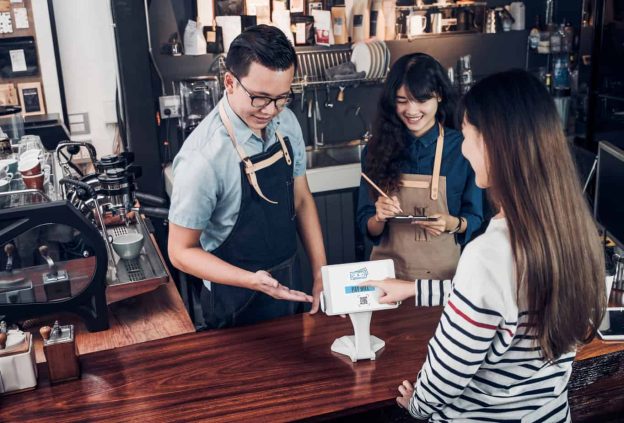
customer self service order drink menu with tablet screen and pa

Different Ways To Increase Conversions and Customer Retention With a Point of Sale System

Are you an online entrepreneur? If so, today we’re bringing you the only guide you’ll need for POS systems and customer retention strategies. In this article, we’re going to be defining all of these terms and giving you some tips and tricks of the trade so that you’re ready to rock the e-commerce world!

If you’ve had an online business for years or you’re starting a new brand, the chances are that you know how hard it is to make revenue. It’s a struggle selling all the inventory each month, paying for expenses, etc. Online business management can also feel cold and impersonal. 

You see a bunch of names scrolling past you on your screen, but you don’t know these people, and you’ve never seen their faces. How are you supposed to get them to trust you? Well, POS systems may be just the thing you need to build a loyal customer base that can get you through tough times.

Don’t Know What We’re Talking About?

Before we dive into this guide, we may have to define some terms. We’ll go one by one, so it’s easier. 

Firstly, what are conversions? Well, when we talk about conversions in eCommerce, what we’re talking about is your conversion rate, which you can calculate by figuring out what percentage of the people who visit your website make a purchase. If your rate is high, then that’s awesome; good for you! But if it’s not what you want it to be then, it may be time to innovate.

Secondly, we’ll talk about a more complex term: customer retention. What does this mean? Are we suggesting that you hold your customers’ hostage? No such thing! Customer retention is essentially your store’s ability to not only acquire new customers but also to get them to become regulars and help you stay in business even in tough times.

Finally, let’s approach the most important term of them all: point for sale systems. Well, a point for sale system (or POS) is a system that gives points to your customers each time they make a purchase. The goal is to redeem a number of these points for discounts, limited products, and rewards.

Incorporating this system into your business will exponentially increase the level of trust and engagement with your products, as customers will want to buy more from your store to gain access to special offers and benefits. But what else can it bring to your commerce and, most importantly, how can you implement it? We’re going to answer these questions now as we delve deeper into the topic of POS systems.

Make Inventory Management Seamless!

Everyone knows the disappointment of finding the perfect product only to realize it’s out of stock. There’s no worse feeling in the world. Undoubtedly, your customers get that same disappointment when they find out that one of your products is out of stock and they have to buy it from someone else. This is why you must keep track of all your inventory so you can keep this from happening.

POS systems are a great asset to avoid this situation since they help keep your inventory complete and up to date. All you need is a barcode scanner and a printer, and you’re good to go! 

By keeping track of your inventory, you can also offer customers the option of notifying them via email when the product they like is back in stock and available for them to purchase. This keeps customers from jumping the fence to buy identical products from another company while also improving your relationship with them.

Use It For Marketing!

Talking about all the rewards that people can get from your point-based system is a fantastic way to make your business more alluring.

Sponsored Instagram ads are great, but what if those ads could also promise customers that if they purchase a certain number of items, they earn points that they can then redeem for gifts, exclusive items, and more? This is how POS works in your favor; it plays into people’s FOMO (fear of missing out) by reminding them that if they don’t buy now, they might miss out on a chance to get limited items. 

Likewise, you can use POS rules in other forms of marketing like newsletters, coupons, and discounts. Newsletters are especially significant since they send a message right to your customer’s inbox, enticing them to all the beautiful things they can get if they buy from your store! This also helps you build a loyal customer base, as you can attach personal letters to these cards. This will make your customers find you more authentic and start to feel that they know you.

Launch A Customer Loyalty Program

This is the ultimate way to boost your sales and create a loyal customer base simultaneously! All you have to do is add a pop-up on your website saying that if customers contribute to your business each month, they can get exclusive deals, gifts, and discounts.

Depending on how much they spend, you can also add tiered rewards depending on how much they spend so that customers are more enticed to stay on your website longer or spend more money to get the rewards they want. This will help build a better relationship with your customers since it gives both of you a shared level of trust and intimacy as you reward them with limited products for supporting your business.

Conclusion

When it comes to running an online business, no one said it would be easy, but nobody said it couldn’t be fun, either! That’s why points programs are so popular. They’re the tried-and-true way to build a personal relationship with your customers so that they can support you through hard times and help you grow your business daily. 

As we all know, running a business can be very stressful and challenging, so ensuring you have loyal customers who have your back can be a massive relief during those times when you might be struggling greatly.

yum brands logo 99912309

Yum Brands Acquires “Chat Commerce” Company Tictuk to Boost Digital Presence

The Louisville-based Yum Brands company operates various prominent fast food and quick-service restaurant chains worldwide. The company owns the KFC, Taco Bell, and Pizza Hut brands alongside a few others. The entity remains one of the world’s top food business organizations around, and it is continuing to grow thanks to its recent acquisition of the “chat commerce” company Tictuk.

Tictuk is a software startup that produces a platform that helps people engage with brands. People can place orders with these brands through various messaging platforms. These include connections with WhatsApp, Facebook Messenger, Telegram, and different SMS-based systems. The setup helps people interact with the company for many intentions. It reviews customer behaviors and creates new marketing options and promotional efforts based on what people are interested in, helping businesses attain better overall sales.

Yum’s acquisition of Tictuk comes as part of the company’s efforts to use technology to build its business operations. Yum also acquired the AI analytics company Kvantum, giving Yum access to a platform that creates customer behavior models to establish marketing insights.

Yum has also seen a rise in digital ordering activities as of late. Yum saw a rise of 45 percent in digital sales in 2020, equaling a total of $17 billion. The effort comes as Yum’s digital ordering tools are being refined and have become more accessible. Increased demand for online interaction and orders have helped place Yum in a positive position. The acquisition of Tictuk will help Yum in retaining the newfound digital business it has gathered this past year.

Yum also sees an ongoing rise in its stock value as the news evolves. The stock, which trades on the New York Stock Exchange under the YUM symbol, has gone back over the $100 mark after struggling to stay there in late 2019.

What Is Tictuk?

Tictuk is a privately-held company from Tel Aviv that was formed in 2016. Tictuk produces a conversational commerce program that lets users complete their orders with different companies and other brands. Customers can interact with these brands through various social media and chat channels, digital apps, and other programs. Tictuk supports communications through Facebook Messenger, WhatsApp, QR codes, SMS, and many other activities.

The online ordering program from Tictuk supports various engagement-based solutions, including marketing-based activities. Tictuk uses intelligent marketing to review customer behaviors and to create new messages and promotions based on what people might respond to the most. The effort entails promoting things that individual customers might be more interested in, including items that are potentially more viable.

An entity can use Tictuk by joining the program, uploading one’s catalog of products or services, and utilizing the interface provided to integrate with the Tictuk API. The system provides a flexible approach that can integrate with other items in moments.

Tictuk’s platform integrates with POS setups and other payment systems. It can work for pick-up, dine-in, and delivery services alike. It can also work with smartphones and tablets alike, giving businesses more control and access to their customers.

Tictuk is most commonly associated with online food ordering, but it can also be utilized for other applications. Tictuk promotes itself for ecommerce, instant checkout, and product delivery services.

In addition to boosting customer engagement, Tictuk also increases the likelihood of sales conversions. It reduces the risk of abandoned shopping carts, plus it can retarget customers based on what they purchase or what they’re interested in the most. The live order monitoring system also reviews how customer behaviors work, what interests people hold, and many other points of value, making it easier for them to handle transactions and other activities in moments.

Currently Used At Yum Spots

Yum has been using the Tictuk platform in some of its locations to gauge customer activities and review what they are managing in many forms. The company uses Tictuk in about nine hundred KFC, Taco Bell, and Pizza Hut locations outside the United States. Yum will expand Tictuk’s reach and bring it to more countries soon. The timing for when it will reach the United States remains unclear, but the effort may be inevitable at this point.

Further Growth For Yum

Yum is expected to continue growing, especially as it expands its reach and acquires more restaurants and develops more appealing ideas for marketing. The Tictuk investment is part of its ongoing plans. Yum has been expanding its reach in many countries and has experimented with various fast-casual and quick-service restaurant concepts. The company also acquired the Habit Burger Grill chain in 2020, giving Yum nearly 300 fast-casual hamburger locations and drive-thru spots for ordering. Most of these sites are in California, but it also has a presence in twelve other states, China and Cambodia.

Yum also acquired the Kvantum AI insights company for additional help. Kvantum focuses on building unique sales opportunities and supporting the right media budgets for promotional purposes. Part of the work entails monitoring customer behaviors and identifying trends in different geographic areas and cases where menus and promotions start changing.

Ongoing Competition

Yum’s acquisition also comes as other companies have been leveraging technology to grow. Domino’s has recently partnered with the machine learning company Datatron to identify marketing potentials and to create personalized promotions for customers. Other companies are using AI-based analytics to personalize loyalty programs and other offers. For example, El Pollo Loco uses AI programs to review the rewards it offers and to provide unique options for regular customers to enjoy.

The work Yum is putting in with Tictuk will help keep its brands more viable and profitable as people become more interested in online ordering. Tictuk provides a distinct setup that helps manage transactions in various forms, producing a better approach to sales that all parties can utilize for many purposes. People who regularly order from Yum restaurants may start to notice some of these changes and other developments very soon as Tictuk starts to roll out and become more accessible at Yum locations.