Tag Archives: retail trends

COVID-19 Payment Trends

COVID-19 Payment Trends Are Here to Stay, Says Visa

As we near the one-year anniversary of the pandemic, it’s apparent that the latest payment trends that took place at swift speeds are here to stay.

The most common changes businesses are implementing include contactless payments, ‘buy now, pay later’ options, and increased security protection. In short, small and micro businesses need to cater to customers in the areas they need it most – they want to stay safe, yet still conduct business as usual.

According to the Visa ‘Back to Business Study,’ more than 80 percent of small and micro businesses changed the way they accepted payments and/or did business. The study also found that business owners are still looking for ways to implement new strategies to protect consumers from fraudulent transactions, accept contactless payments, and offer additional payment opportunities.

What Most Businesses are Doing Today

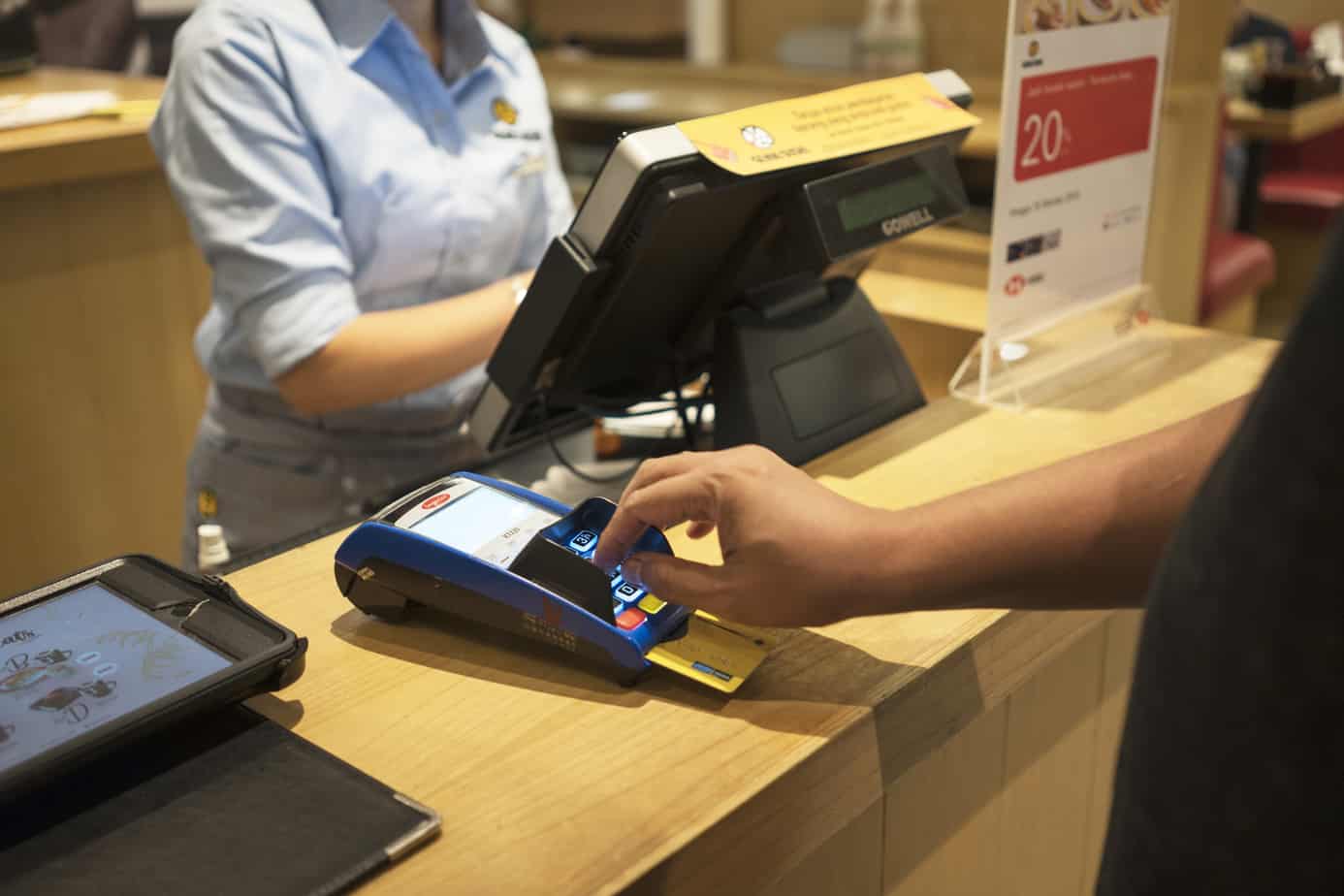
  • Contactless payments – The largest surge of payment changes are how merchants collect payments. In-person swipe or chip cards aren’t nearly as common as contactless payment options. In the summer of 2020, only 20 percent of small businesses offered contactless payments. Today, that number is at 40 percent of businesses and climbing.
  • Increased digital payment options – Many small businesses also reported meeting customers where they are – online. Most customers want to do business digitally to avoid unnecessary contact that could put them at risk. Whether that means curbside pickup or home delivery options, many small businesses are adapting to what consumers need.
  • Protecting against fraud – Protecting against fraudulent transactions is the key to successful business transactions. Many businesses still have a long way to go in this department, but many businesses are going in the right direction.

Why Contactless Payments are so Important

Many businesses focused first on mask use in-store, which is a large concern. But consumers have more concerns than the airborne risk not wearing a mask poses. They want to know they’re protected from all shared devices which include pens, credit card machines, and handling cash.

Offering contactless payment options for credit card processing keeps your customers safe and gives them a reason to come back. If they don’t feel supported or validated in their concerns, they’ll take their business elsewhere.

What Else are Businesses Doing?

Besides the precautions taking place in the store with credit card processing and avoiding shared devices, customers want an online shopping option too.

Businesses that didn’t sell anything online are now online. According to the Visa study, in the summer of 2020, only 27 percent of small businesses jumped online, while by winter of 2020 43 percent of businesses are online and the number keeps growing.

Small businesses that want to see their business through to the end of this pandemic must meet the customer where they are. The trends that the pandemic started aren’t going to go away when the pandemic dies down. Instead, it will be the ‘new normal’ for most consumers, so the sooner you jump on the bandwagon, the more your business will grow.

Installment Plans Gain Traction Among Consumers, Predicted to Grow in 2021

Installment Plans Gain Traction Among Consumers, Predicted to Grow in 2021

The pandemic has been hard on almost all business owners and consumers across the world. With people losing their jobs and expenses rising, millions of consumers have been going through a financial crisis for the last 10-12 months.

Such wide economic gaps are compelling buyers to trim their shopping lists and finding better ways to save. Consumers are also seeking more flexible payment options, especially contactless payments, to prevent the spread of coronavirus.

As a result, the past few months have witnessed a drastic change in people’s purchasing trends and patterns, along with a massive shift in their interests and preferences. For example, according to research, about 4% of Americans preferred the ‘Buy Now, Pay Later’ option during the Black Friday season.

This is why installment payment providers gained significant traction during the past few months all over the US market. COVID-19 has been unexpectedly favorable for these companies and has opened doors for them to grow further.

As mentioned earlier, more shoppers are going for budget-friendly and more flexible purchases. Therefore, numerous merchants are pursuing several methods to accelerate their sales by offering more convenient payment options to their customers.

During lockdown restrictions imposed in various countries across the globe, consumers relied more on eCommerce stores, which naturally gave a significant push to the growth of online sales for merchants. Another aspect that online shopping gave rise to is installment payments. These are the major causes of the rapid growth seen in M&A activities.

The new ‘Buy Now, Pay Later’ (BNPL) trend is an extremely convenient method for customers, so much so that a study shows that most of them are not willing to buy from merchants not providing this solution. The trend is not only popular in the online shopping platforms, but also in stores, especially during holiday seasons such as Black Friday.

What are Installment Payments?

Installment payments refer to the method by which a customer pays a bill in small parts over a fixed period of time. These kinds of payments are arranged and agreed upon between the buyer and the seller. Examples include ‘Buy Now, Pay Later’ models and point-of-sale financing, which provide buyers with the flexibility to pay their purchase bills over time as per their convenience.

Some merchants even offer installment payment solutions without charging any interest. This is convenient for customers and merchants as well, who get paid by installment providers, thus increasing their conversions and average order values (AOVs).

For this reason, installment payments are most suitable for merchants who are in the high-AOV categories, including furniture, electronics, travel, fashion, and apparel. This is why several market players are occupying the entire installment payments industry. Some popular names among them are PayPal, Afterpay, Credit, Klarna, Affirm, etc.

Benefits of Installment Payments

Some of the top advantages of installment payments for both buyers and sellers include:

For customers:

  • They help customers keep track of their finances.
  • Buyers can stay within their budget limits.
  • They allow consumers to stretch the cost of the purchase through a longer time period.
  • Customers can make low monthly payments easily.

For sellers:

  • You can provide more shopping flexibility for your customers.
  • You can regulate and stabilize your cash flows.
  • You can bring in more sales and boost your profit margins.

How to Track Installment Payments?

One excellent way to record or track your installment payments is through invoicing software, which ensures that your customers are paying their monthly installments on time. Two best methods to record installment payments are via recurring invoices per installment or partial payments for a single invoice.

If you use recurring invoices, you can set that up for every installment amount. The process will be smoother if you have your customer sign a payment contract, explaining to them the payment plan.

If you prefer partial payments, you would first need to generate the invoice for the particular consumer, ensuring you state the installment periods and payment terms clearly on the invoice. Next, when the time comes for the client to pay the first installment amount, you will need to add a partial payment to the created invoice.

Some software will have the option to update the status, such as partially paid, and the remaining amount to be paid.

The Current Status and Future of Installment Payments

For quite some time now, installment payments have been extremely popular in various markets, such as Australia and Europe. However, the trend has gradually been increasing in the United States for the last 12-18 months. The overall 2019 spending in the installment payments markets has been $623 billion.

The adoption of installment payment options has been especially prominent among Millennial and Gen Z customers. According to 451 Research, more than 1 out of 3 buyers within the age group of 18-37 believe that the availability of a flexible and convenient installment option has been a major factor affecting their buying decisions positively.

This is why merchants are noticing a rising demand in this trend and more successful order completions. Gradually, more than 40% of merchants from various industries have started offering this option during checkout, which has also reduced cart abandonment rates.

However, another 43% of the online-centric merchants are considering making the change or are discovering the benefits associated with it. A study in 451 Research’s Q2 2020 Voice of the Enterprise (VotE) revealed that among the top initiatives taken by merchants since the COVID-19 outbreak include adding flexible payment methods to their e-Commerce portals.

Some well-known merchants providing options for flexible installment payments in the US include Sunglass Hut, Walmart, Abercrombie, Peloton, Warby Parker, etc.

The mutual benefit that installment payment plans have for both consumers and merchants means that buyers will be more willing to return to your business and continue to make recurring purchases in the future.

Frequently Asked Questions

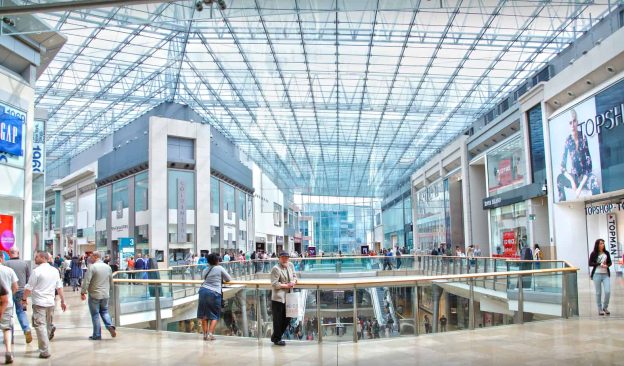
retail merchant mall

Retail Merchant Trends for 2020

As the effects of the pandemic continue, we’ll likely see more changes in the retail industry. Retail merchants had to make major changes while the economy was shut down, but those changes may continue. Retailers need to adapt to what consumers want and what the economy allows. Today, that means a lot more e-tailing than retailing among other things.

What retail merchant trends should you watch for? Here are some top contenders.

1.Brick-and-mortar locations will remain

Nothing replaces the in-person contact consumers need with a brand or product. In-store is where consumers fall in love. You may not see retailers expanding or new retailers popping up. What you may see, though, are more long-term pop-ups, flagship stores, or community events creating that brand awareness.

2.Quick order fulfillment

Thanks to Amazon Prime, consumers want their products now. They don’t even want to wait 2 days. Retailers must oblige if they want to compete. This means greater forecasting and understanding product cycles. If you can’t fulfill needs/desires quickly, consumers will move onto the business that can.

3.Personalized and streamlined experiences

retail merchants trends 2020

Retail merchant trends are rapidly evolving in 2020.


Retail merchants should use technology to their advantage. You can predict what consumers want using their past search and purchase history. Giving consumers personalized suggestions, or even pre-loaded lists excite consumers. They don’t have to waste time looking around. It also makes them feel ‘special.’ The combination is a win-win for you and your customers.

4.Brandless brands will increase

If consumers learned anything in the pandemic, it’s the value of a dollar. Even before the coronavirus, consumers’ interest in brandless brands increased. Now it’s skyrocketing. Today, consumers want the best bang for their buck. They don’t care as much about the label on the clothing as the quality they get.

5.Direct-to-consumer sales will increase

The direct-to-consumer industry has been around for ages. It may look a little different today, though. D2C companies realize consumers want relationships. They want to see, feel, and touch the items. This leads to ‘shoppable showrooms.’ Consumers can see and touch the products. They can even buy them there with the products shipped directly to them. There’s little overhead for these retail merchants. They use the area to promote loyalty and brand-image rather than carrying products.

6.Use in-store technology to create better experiences

Retailers can’t predict how consumers will react. They also can’t read their minds. They can, however, use beacon and NFC technology. This helps retailers track consumers’ habits while in their store. Customers using store loyalty apps give retailers information on their whereabouts in the store. Stores can compare those whereabouts to the customer’s purchase (or lack of purchases) to make better marketing decisions.

Retail merchants face an ever-changing environment. As the economy opens up, stores will look different. They’ll cater to their e-commerce sector. But they must nurture the in-person customers too. It’s a delicate balance retailers must carry. Following the trends and giving what consumers want is the only want retailers today will survive.