Tag Archives: retail technology

Convenience Store

Smart Tech Keeps Convenience Stores Relevant as Industry Declines

As the pandemic continues and more people turn to online shopping versus running into local convenience stores, the industry has seen a decline of almost 2 percent since 2019. Consumer spending habits changed drastically as everyone tries to stay safe.

Fortunately, smart tech helps keep convenience stores relevant in society by thinking outside the box and helping stores offer services they didn’t offer before.

How are Convenience Stores Changing?

With fewer people commuting and/or fewer people making traditional brick-and-mortar purchases, merchants are finding ways to meet customers where they need it.

For example, 7-Eleven and other large convenience stores implemented delivery services. Some partnered with companies like Shipt and DoorDash, while others offer their own delivery services within a specific radius.

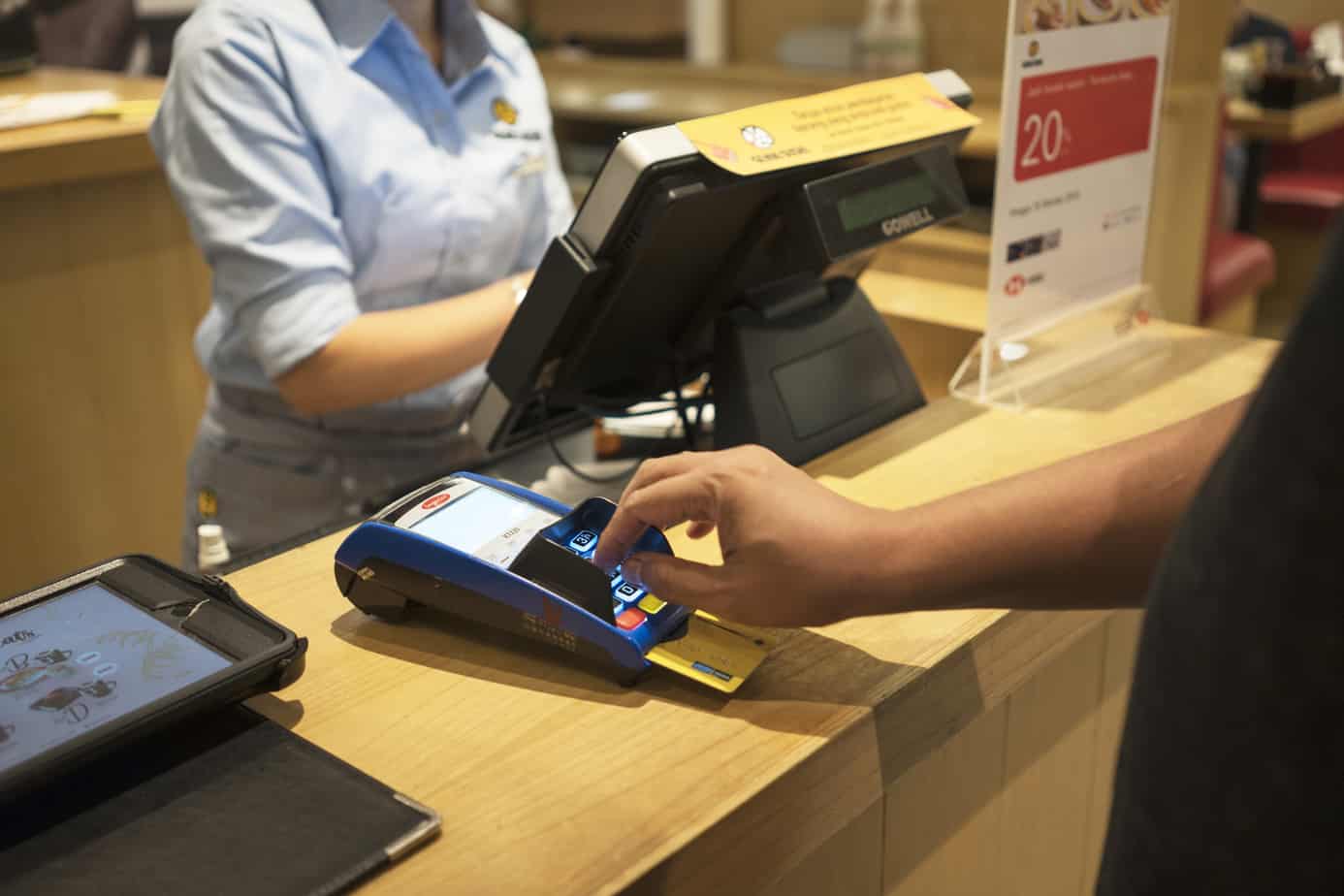
Convenience stores also offer contactless payments for their credit card customers and self-checkout choices for consumers who want as little contact as possible.

Some convenience stores in large areas, such as airports, are utilizing Amazon’s ‘Just Walk Out’ technology which recognizes the items a customer takes and charges the purchases to their credit card. Amazon has used the technology in their retail stores for a while and convenience stores are taking advantage, too.

Focus on How you can Instill Convenience

The name of the store says it all – ‘convenience.’ It’s why millions of people subscribe to Amazon Prime – they can have what they need/want to be delivered the next day usually. They don’t have to leave their home and still have the convenience of what they need in hand.

As the pandemic continues and the convenience store industry sees almost a 2 percent decline, it’s important to think outside the box.

How can smart technology help you give your customers the convenience they desire?

Credit card processing is big. While most stores already accept credit cards, instilling contactless payment methods is the key. Customers want as little contact as possible. When they feel safe shopping in your store because of the minimal contact, they’re more likely to shop at your store.

Smart apps and mobile payments are another great option. Whether you partner with a delivery company like DoorDash or you do your own thing – providing customers with contactless delivery gives them the option to stay loyal and safe.

If delivery isn’t an option for your convenience store, consider curbside pickup. This offers your customers another way to get the products they need without unnecessary contact.

Think Outside the Box

Today, it’s all about convenience and safety. Customers are even willing to pay more in certain situations if they know their safety is protected.

Show your audience you care about their wellbeing and will do whatever is necessary to keep them safe while providing the products they know and love.

As the pandemic continues and the industry continues declining, it’s about who stays in front of the issues, utilizing smart technology and giving customers alternative ways to shop and pay so they have the products they need and continue to patronize your business.

More Consumers Want to Use Venmo at Retail Stores [2023 Update]

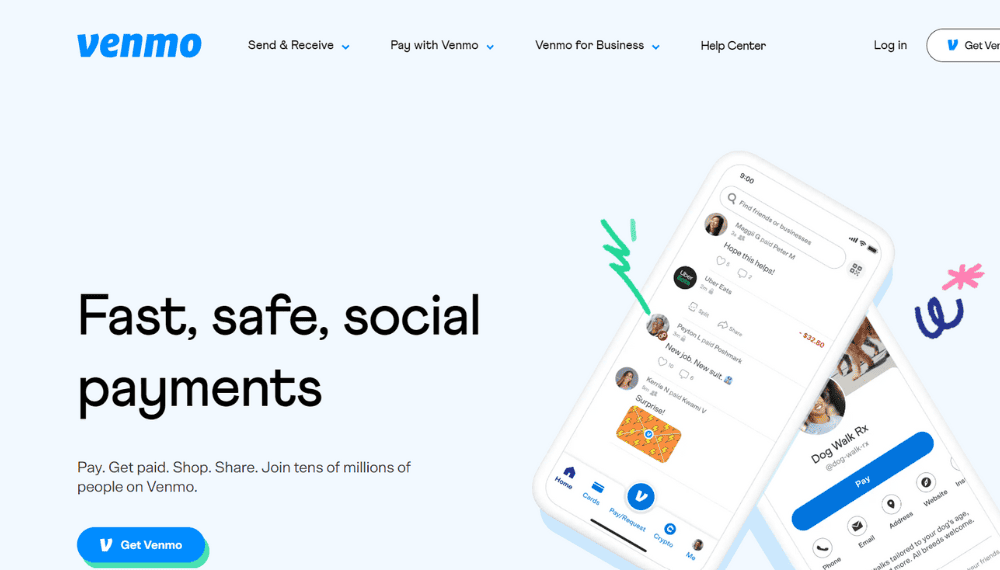
Venmo started as a fun way for peers to pay one another, but it’s quickly becoming the payment method of choice at retailers too.

Venmo has become a household brand – it’s the brand consumers trust when paying friends and family, and now they want retailers to use it too. While contactless payment options are more available than ever before, consumers don’t trust all of them, but Venmo is an exception.

Venmo Has an Incredible Following

Over 65 million people use Venmo to send and receive funds. Much of the audience is the younger generations, but it also includes affluent and educated older generations who’ve embraced contactless payments today.

Venmo users love the versatility Venmo offers including splitting the bill with family and friends. It’s a natural transition to use it to pay retailers, especially in restaurants when out with a group, and splitting the bill always causes that award silence everyone hates.

Consumers Want to Change Their Habits

At the start of the pandemic, consumers shopped mostly online as many retailers were closed while the entire country was shut down. The trend continued for a while, but slowly, retail trends indicate that consumers are shopping in-store again.

When they do, they want options to stay safe and that includes contactless payment options, of which Venmo is a top choice.

Since consumers are already comfortable with it, they don’t have to learn a new platform or discover if it’s safe or not. They know Venmo is safe. With consumers able to add funds to their Venmo account and/or pay their balance over time, Venmo is quickly the most popular choice.

What Troubles Would Retailers Face?

While consumers are on board with paying for retail purchases via Venmo, the platform itself isn’t quite ready.

While some retailers use Venmo, they are few and far between. It’s primarily a peer-to-peer app that doesn’t need to consider taxes or fees. With the onslaught of changes accepting retail payments would offer, Venmo’s platform would have to change considerably to handle the pressure of accepting retail payments.

Why is Contactless Payments so Popular?

Is Venmo Safe for Sellers

Image source

As the pandemic continues, consumers want contactless payment options. It creates the best of both worlds for consumers – they can shop safely, in person, and not have to worry about touching shared devices or even exchanging payment with the cashier.

The more hands-off the shopping experience can be, the better off we’ll be in the end. Not using cash and using phones to pay is the epitome of cashless spending. You can check out with ease, shop in person, but not have to worry about the risk the virus poses with shared devices.

Will Venmo Jump on Board?

The jury is still out if Venmo will become the way of the future. But one thing is for certain, all consumers want contactless credit card processing systems. Whatever you can do to make that happen in your store will help increase your sales.

retail merchant mall

Retail Merchant Trends for 2020

As the effects of the pandemic continue, we’ll likely see more changes in the retail industry. Retail merchants had to make major changes while the economy was shut down, but those changes may continue. Retailers need to adapt to what consumers want and what the economy allows. Today, that means a lot more e-tailing than retailing among other things.

What retail merchant trends should you watch for? Here are some top contenders.

1.Brick-and-mortar locations will remain

Nothing replaces the in-person contact consumers need with a brand or product. In-store is where consumers fall in love. You may not see retailers expanding or new retailers popping up. What you may see, though, are more long-term pop-ups, flagship stores, or community events creating that brand awareness.

2.Quick order fulfillment

Thanks to Amazon Prime, consumers want their products now. They don’t even want to wait 2 days. Retailers must oblige if they want to compete. This means greater forecasting and understanding product cycles. If you can’t fulfill needs/desires quickly, consumers will move onto the business that can.

3.Personalized and streamlined experiences

retail merchants trends 2020

Retail merchant trends are rapidly evolving in 2020.


Retail merchants should use technology to their advantage. You can predict what consumers want using their past search and purchase history. Giving consumers personalized suggestions, or even pre-loaded lists excite consumers. They don’t have to waste time looking around. It also makes them feel ‘special.’ The combination is a win-win for you and your customers.

4.Brandless brands will increase

If consumers learned anything in the pandemic, it’s the value of a dollar. Even before the coronavirus, consumers’ interest in brandless brands increased. Now it’s skyrocketing. Today, consumers want the best bang for their buck. They don’t care as much about the label on the clothing as the quality they get.

5.Direct-to-consumer sales will increase

The direct-to-consumer industry has been around for ages. It may look a little different today, though. D2C companies realize consumers want relationships. They want to see, feel, and touch the items. This leads to ‘shoppable showrooms.’ Consumers can see and touch the products. They can even buy them there with the products shipped directly to them. There’s little overhead for these retail merchants. They use the area to promote loyalty and brand-image rather than carrying products.

6.Use in-store technology to create better experiences

Retailers can’t predict how consumers will react. They also can’t read their minds. They can, however, use beacon and NFC technology. This helps retailers track consumers’ habits while in their store. Customers using store loyalty apps give retailers information on their whereabouts in the store. Stores can compare those whereabouts to the customer’s purchase (or lack of purchases) to make better marketing decisions.

Retail merchants face an ever-changing environment. As the economy opens up, stores will look different. They’ll cater to their e-commerce sector. But they must nurture the in-person customers too. It’s a delicate balance retailers must carry. Following the trends and giving what consumers want is the only want retailers today will survive.