Tag Archives: payments

restaurant payment fraud

Essential Tips for Reducing Restaurant Payment Fraud

The past several years have been a complete paradigm shift for the restaurant industry. Although noncash payments were always a norm among restaurant clientele, it became an absolute necessity, with most activity shifting to online and remote overnight. Based on the 2021 Diary of Consumer Payment Choice by the Federal Reserve Bank of San Francisco, the number of consumers conducting in-person payments fell by nearly 21% year over year, even as not-in-person spending at restaurants “increased substantially.”

Restaurants cannot ignore these trends, given the numerous challenges in their adoption and the subsequent threats of payments fraud. As more and more restaurants start processing an increasing volume of noncash payments, payment fraud at restaurants has also increased significantly.

These percentages and patterns are anything but small. In fact, they’re seismic as they are accelerating trends already in motion with the advent of smart devices and improving internet speeds. Consumers have been altering their spending away from cash at an ever-faster rate for the better part of a decade. The focal point of all human activity is growingly centered around their smartphones, and spending habits are no exception. Even physical rather than digital currencies are seen as sovereign existential threats.

In this article, we’ll explore the many different forms of payments processed and how restaurant payments fraud is becoming rampant. There is also the case of the changing legal liability and what security precautions the industry can implement in response to nip restaurant payments fraud in the bud once and for all. 

Types of payments

types of payments

Gone are the simple days of paying by cash, credit cards, or debit cards. Now, they’re a myriad of payment options, and consumers not only wish they could use to pay by but rather demand it. There are options such as Payment Service Providers such as PayPal, Zelle, Venmo, Cash App, and a multitude of digital wallets, including Apple Pay, Google Pay, and Samsung Pay, among a host of others.

The threat of losing customers by not offering that ease of payment is very real. The pendulum has swung such that restaurants unable to cater to such payment options face ubiquitous competition from those that can. Below is a more in-depth account of some of the standard payment types being adopted.

Swipe – this is the traditional way in which consumers have been accustomed to using credit cards over the past couple of decades. The merchant would swipe the credit card through a card reader that scans the black-colored magnetic stripe on the lower backside of the credit card.

Dip – a relatively new and more secure way of processing a card transaction. With the new EMV chip, the merchant dips the card into a particular reader that captures the data stored on the golden-metallic colored chip. This payment method has proven to be less prone to fraud as the EMV chip is almost impossible to duplicate, unlike a

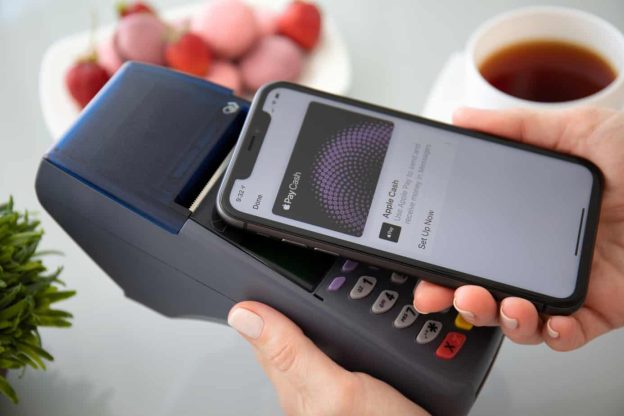
Tap – this is the latest method of payment in which smart devices such as a smartphone, tablet, or smartwatch exchange payment details stored on those devices with near-field communication (NFC) enabled point of sale terminal by either touching it or placing the device very near the machine.

The Growing Risks of Restaurant Payment Fraud

payment fraud

There has been a growing chorus within the industry sounding the alarm on an increase in payments fraud targeting the restaurant activity. One specific activity is the root cause of restaurant payment fraud. It all stems from something known as chargebacks but can vary in the different ways that fraud manifests itself.

Chargebacks are disputed payments that consumers raise once they see unfamiliar charges on their account statement. Once a cardholder files a chargeback, their issuing bank withholds disbursement of funds intended for the merchant to investigate the transaction. Chargebacks can be classified as ”friendly fraud” or true fraud.

Chargebacks arising from true frauds are a result of stolen card information being used to process the transaction. There has been a substantial increase in true frauds at restaurants as the industry has started taking in more digital orders and delivery requests in which the physical card isn’t present.

Friendly fraud (do not be fooled by the name) occurs when the rightful owner of a card uses it to pay for a meal at a restaurant and then later disputes the charge on the card. This is often due to dissatisfaction with the service, food quality, or actual malintent. However, friendly fraud can also arise due to the customer not recognizing the transaction based on the descriptors used by the merchant. It can also be that there is no contact information to reach out to the merchant directly, so the cardholder instead simply calls the bank.

The main driver of this increased level of restaurant payments fraud has been driven by payments by card in which the cardholder is not physically present for the transaction, also known as Card Not Present.

The EMV Liability

Earlier, we discussed Dip as one of the payment methods used where the restaurant would dip the EMV chip-enabled card into a special EMV chip card reader. That is presently the most secure method of payment as an EMV chip stores all cardholder data in an encrypted format and transfers cardholder data via a process called tokenization. EMV cards still have the older magnetic stripes at the back of the card, so merchants can still use the older swipe technology.

The EMV liability shift is that if a merchant swipes an EMV card instead of using the dip option for any reason whatsoever, it is the merchant who will be liable for any fraudulent charges exceeding $25. Hence the term liability shift explains that the liability has shifted from the issuing bank to the merchant, in this case, the restaurant.

Safety measures

Considering the prevalent frauds and the changing liability landscape, it helps to understand what safety precautions are available to minimize restaurant payments fraud. Below are some examples of what measures restaurants must implement immediately.

EMV readers – to avoid the liability shifting to restaurants, all POS equipment, and card readers must have EMV capabilities. EMV-enabled cards have a nano computer installed into them that stores all the cardholder information, which cannot be duplicated or tampered with and is additionally protected by encryption and tokenization.

Point to Point Encryption (P2PE) – If POS equipment is P2PE enabled, it employs additional security measures in which cardholder data is encrypted at the point of capture and is decrypted at the endpoint, i.e., the bank receiving the data to process the payment.

3D Secure – During the authorization process of accepting a card payment, the industry is increasingly adopting the 3D secure option that is employed by all major card networks. 3D secure creates a code for a single-time use and sends it to the consumer to enter into the payments gateway to verify their customers’ identity and that it matches all internal contact information on record. This is another security layer considered to be very effective in authenticating customer identity by payment processors worldwide.

PCI Compliance – all these mechanisms, along with additional measures such as tokenization, Address Verification Systems (AVS), Card Code Verification service (CVV2), and AI-powered fraud detection and monitoring, are all security measures codified in the Payment Card Industry Security Standards Council (PCI SSC) guidelines. PCI Compliance can help in reducing restaurant payments fraud down to zero.

Employee Training – One of the best ways to minimize restaurant payments fraud is to increase the awareness of the various fraudulent activities among your employees. Your staff is on the front lines of your restaurant operations, and they will be your best defense in ensuring that there are limited occurrences of fraudulent activity.

Restaurants are making a form of investment when they train their employees in not just detection of payments fraud but good customer service. A great customer support experience can mask fraud detection protocol, given the intrusive nature of requiring additional personal information to authenticate a transaction.

Furthermore, staff should have appropriate training on common inquiries versus payments fraud activity versus customers calling in to verify a charge they see on their account statement. Employees should know the differences between these scenarios and understand the process of how to escalate them with management.

Billing Descriptors – Last but not least, billing descriptors are an essential defense to avoid restaurant payments fraud. Effectively using billing descriptors can go a long way in avoiding friendly fraud.

A billing descriptor is what cardholders see in their statements to identify specific charges. Every time a merchant charges a cardholder, they have to select specific information about their business and the nature of the transaction that will appeal on the statement the cardholder receives. It is often this information is unclear that leads to many friendly frauds. The cardholder may not recall the name of the business mentioned, they may not understand what they purchased, and there may be no contact number listed to clarify the charges.

As a result, some best practices for effective billing descriptors to avoid chargebacks classified as friend fraud are:

Always include the business name of the restaurant the customer visited. Not the trade name or the parent company name, but the actual venue the customer visited. This would be the best way to help a customer remember what, when, or where the charges occurred. So, if you are a Taco Bell, a Pizza Hut, or a KFC, your billing descriptor should mention precisely that, not Yum! Brands, the conglomerate that is the parent company of these businesses.

Also include the address of your business. It doesn’t need to be the complete address, but the street name along with the venue can help.

Finally, listing a contact number can help customers quickly access that number to call the restaurant directly to verify the charges. It is a lot better for the cardholder to call the restaurant rather than their bank to dispute those charges. Even if your business wins a disputed chargeback, too many of those and your business may be classified as a high-risk merchant.

Be careful contracting with Food Delivery Platforms: Food delivery platforms such as Deliveroo, Uber Eats, DoorDash, and others have a direct relationship with consumers ordering food from your restaurants. Technically, they are customers of the food delivery platform and not your restaurant. Their contracts should hold the restaurants liable for any fraudulent card activity on their apps. Furthermore, it is essential to ensure that the platforms have strong data protection and security protocols to limit credit card fraud.

The restaurant industry has undergone many transformations in the last couple of years. Digitization of the overall transaction and the payments by cards and other noncash means became the de facto standard overnight. All the while, the actual volume of transactions in the new form skyrocketed.

These were small shifts, but rather seismic, and they were sudden. And although the restaurant industry was unprepared for the influx of such a change and contended with significant amounts of fraudulent activity during that transformation, many restaurant owners learned that there are ways to manage the risks of these changing times and thrive. The industry still faces many hurdles and growing pain. However, the shifts in consumer spending habits and smart devices dictating more of how they spend their time and money are likely to increase. The changes restaurants have undergone over the past couple of years will be a permanent fixture and likely to intensify. As a result, restaurants must adapt specific best practices in managing the changes in payments platforms, shifts in legal liability, and the potential for payments fraud.

smiling doctor or medic using credit card and wireless tablet 61908444

3 Healthcare Payment Trends Post Pandemic

Are you a healthcare provider looking for fast new ways to make your patient’s lives easier? Well, you’ve come to the right place!

The COVID-19 pandemic has completely changed how we go about our business in our everyday lives. Every time we walk out the door, we make sure we have our phone and keys and our masks. We say ‘hi’ to people by giving them fist bumps instead of kisses on their cheek, we’re more careful about the things we touch, and we take our shoes off before entering our homes. 

These changes have also translated to how we pay for things. Next time you go to the grocery store (or any other store, really), try to count how many people pay with cash. You’ll probably be surprised by how small that number is. The truth is that many forms of payment have recently become obsolete and been replaced by newer ones that you need to be aware of to provide your patients with the best experience possible. 

So, let’s dive into these financial innovations and how you can include them to optimize the operation of your business for the good of your patients.

Email Is The New Paper Mail – Completely Obsolete

After witnessing how technology rapidly changed the world, many healthcare providers decided to evolve and switched to sending bills by email. Probably they thought: ‘that oughta do it!’ The truth is that they were wrong. Very, very wrong. 

Email has recently become an archaic form of communication, and no one expects to find their bills there. Furthermore, email is also unreliable since bills can end up in people’s spam folders (which usually no one checks) and get deleted after about thirty days, which will make your patients feel angry and frustrated. 

But, if not by email, how are you supposed to notify your patients about the due date of their bills? Well, several ways have become increasingly popular after COVID, including:

  • Online patient portals (basically allowing patients to pay through your website, in the same way, they would pay for any other online purchases)
  • Mobile app
  • Contactless mobile wallets
  • Pay by text message
  • QR code

According to recent surveys, the last three options are especially favored by Gen Z people. They’re trendy now that the pandemic has turned pretty much everything we touch (especially money) into a potential biohazard. This is why many companies have already switched to these forms of online payment to make their patient’s lives easier. 

No one wants to use cash anymore. Having to scroll through your spam folder feels as strange as going through your paper junk mail; therefore, consider adopting these tactics before losing more patients to more modernized companies.

Make Office Experiences Safer With Contactless!

The pandemic has made going to the doctor a more terrifying experience than it already was. It is common knowledge that, under normal circumstances, most people hate going to the doctor. However, knowing that a doctor’s office or hospital can be filled to the brim with people who have the modern plague, those fears are maximized. In conclusion, everyone gets incredibly anxious and scared when they go to the doctor’s office.

The mentioned above is one of the main reasons why millions of practices have switched to contactless payments. Owners have found that it makes people feel more secure, as they don’t need to hand their card over to someone else to make a payment. Therefore, they don’t feel like they have a chemical bomb in their wallet when they go home.

How can you implement this into your practice? Well, one way to do it is to buy a contactless device off Amazon and set it up to the computer at your front desk! When patients come to pay, tell them to bring their credit card to the device, and that’s it.

A simple change like that not only makes patients feel better but also makes them trust you more. By including these forms of payment in your practice, patients will feel like their concerns are being heard. They will indeed feel respected and prioritized! Precisely for this reason, making contactless payments, a standard, should be the top priority for all healthcare providers at this time.

Provide Patients With A Way To Manage Their Expenses!

If you’ve lived in the US for any period, then you know that healthcare costs can sometimes go through the roof, especially for people who don’t have health insurance. Even for the people who do it, franchises can cost up to thousands of dollars, all for something as simple as an IV bag.

As a result, patients are now looking for healthcare providers to have greater control over their finances. One of the ways to do this is to let people choose where to spend their money. 

Keep in mind that, due to the vast economic catastrophe generated by the pandemic, many people have had to cut back on their spending by prioritizing certain things over others. Millions of people have recently lost their jobs, their homes, and, with them, their health insurance. That’s why it’s so important to lend people a hand by allowing them to have more control over their expenses.

Does that mean people want this kind of thing? You’d be surprised. Recent surveys say that 59% of patients prefer recurring bill payments, but a whopping 46% are much more likely to take advantage of an early payment discount that allows them to pay for the entire service or treatment. 

Patients are often very anxious about these types of issues. They want to know when payments are due and how much money they owe to keep their financial expenses under control. A great way to help them is through IVR (Interactive Voice Response), an intelligent tool that allows you to keep patients informed about their due dates and amounts to be paid.

Conclusion

Change is an undeniable fact of life; it’s always there, it’s a constant. This is why the only remedy for change is to embrace it and try to fit into the new model of the world as best as you can. Making healthcare payments easier is one of the many ways in which you can do so!

an asian woman is using a tablet to make an online purchase 205701806

Best Practices For eCommerce Merchants Selling on Shopping Engines

These days, everyone is selling their stuff online, from fashion giants like Zara and H&M to small, hand-made businesses with few employees. If you’re the latter, then you know that getting your products out there can be tricky. Sometimes ad campaigns and word of mouth are not enough, and when those bills come in the mail, your heart starts racing as you wonder if you’re going to be the next ones to close up shop and hitch a tent in the park. 

Well, we have the solution. It’s called a Comparison Shopping Engine, and while it may sound weird and unfamiliar right now, you’ll probably get the hang of it in minutes.

Let’s get into what Comparison Shopping Engines are and how you can use them to generate more revenue, so you don’t have to eat out of cans for the rest of your life.

What Are Comparison Shopping Engines?

This is a great question to start with. Just what are these futuristic-sounding engines? Are they like car engines with physical parts? Do they require fuel? Well, the good news is that they don’t! You’ve probably heard of the term ‘search engine’ before being used to describe websites like Google, Bing, etc. These are called ‘search engines’ because they’re like giant digital machines people search for information. 

Comparison Shopping Engines are a lot like that, except buyers use them to search products and compare everything from shipping costs to prices instead of just searching for any information. 

Comparison Shopping Engines are every buyer’s secret weapon since they typically use them to get the best deals on products by looking at what multiple places are selling that product for, how much the shipping costs, etc. 

Why Should You Be On Them?

Well, this is a simple question to answer. Just like companies pay Google to show the links to their websites at the very top of the results page, you too can use Comparison Shopping Engines to get your products in front of more people.

In addition, people who use Comparison Shopping Websites are the best customers you can hope to find since they want to buy that product and they’re by far the most likely to complete the purchase during their visit. Comparison Shopping Websites are also the first to show up on Google’s result page so that you can gain a lot from their visibility.

If your products show up on these websites, then you’re pretty much guaranteed more traction to your online store, especially since it helps to build trust between you and the customers. When people see your products on Comparison Shopping Engines, they’ll know that you offer good deals and will be more likely to want to do business with you in the future.

Choosing The Right One

With so many different Comparison Shopping Engines to choose from, how are you supposed to know which one is best for your business? Well, there are some factors to consider. For starters, you need to know which Comparison websites your competitors are on. This comes with advantages and drawbacks. 

The advantage is that people who visit that particular engine are more likely to search for the types of products you sell. This is because all the traffic for that kind of product is going there. The disadvantage is that since all of your competitors are on that particular engine, you may have trouble standing out and might have to lower your prices to compete. 

Another option is to use a Comparison Shopping Engine that none of your other competitors have even heard of. You may get less traffic, but you’ll also probably make more sales since you appear to be the only one offering the kind of product that your customers desire. 

Top 3 Comparison Shopping Websites

Alright, now that you know what Comparison Shopping Engines are, let’s dive into some of the best of them so that you too can compare and contrast which one is best for your business.

  1. Google Shopping

Google Shopping is probably the most popular Comparison Shopping Engine out there. Since it’s built right into the Google platform, it’s very easy to find, and it probably offers the most visibility out of all of them since it showcases links to products at the very top of their results page when people search for them. If you want to get as much exposure as possible, Google Shopping is a fantastic choice.

  1. NexTag

NexTag is a veteran in the Comparison Shopping Engine world, established back in 1999 when you used to spend your days watching Saved By The Bell, collecting pogs, and wearing neon hoop earrings. Millions of people use the website every day, and it’s also probably the most versatile when it comes to products since you can list real estate, concert tickets, travel, and much more.

  1. PriceGrabber

PriceGrabber is a great choice both for buyers and sellers alike. In addition to having features of any other shopping comparison website, it also has features for buyers! With its easy-to-use Market Report, you can track purchases and monitor pricing trends so you can stay on top of your game.

But How Do You Get On Them? 

There’s the big question: all these websites may sound fantastic, but how are you supposed to get your products on them? Well, the first step is to get your products listed on them. You can do this easily by filling out the search engine’s CSV (Comma-Separated-Value), which is a bunch of information they need to list your product according to their format. 

This information includes product title, price, description, and image location. The website will then use this information to get you listed on their websites and put you in front of potential buyers!

The Bottom Line

Running a small business can be extremely difficult, but Shopping Engines can get the job done fast and easily. Don’t hesitate! List your products today and get them in front of buyers so that you can continue to grow.

bitcoin ethereum and other cryptocurreny coins on top of lottery tickets and money 219344635

Resorts World Las Vegas Partners with Gemini Crypto Exchange to Allow Patrons to Use Crypto Wallets

Resorts World Las Vegas is aiming to be the next exciting casino and resort on the Las Vegas Strip. Resorts World opened late June and is already accepting reservations for hotel stays.

The property made headlines nearly a month before it opened, as it will accept cryptocurrency payments. It is working with one of the world’s top crypto exchange teams to help take in these payments, making it all the more convenient for people to enjoy.

How the Cryptocurrencies Will Work

Resorts World will be unique from other resorts on the Las Vegas Strip in that Resorts will soon allow people to use their cryptocurrency wallets to complete transactions. Resorts is partnering with Gemini Crypto Exchange to produce new programs where patrons can use crypto payments while on site.

The two parties are planning efforts to make crypto payments available around all parts of the property. These include dining and entertainment spots. There are also plans to allow people to convert their dollars to crypto assets while at the property. Further details on what Resorts and Gemini will be doing soon remain unclear. But no matter what happens, Resorts World will become the most crypto-friendly casino and resort on the Strip.

The development is exciting, as Resorts World has been one of the most highly-anticipated properties in Las Vegas in years. The site is the first new ground-up resort development on the Las Vegas Strip in more than ten years. The property is also expected to become highly popular this year, as travel demand will likely increase as the year progresses.

What Potentials May Occur?

There are no details over how people can use their cryptocurrencies just yet, but it is expected that various spaces throughout the property will support these currencies. These include support for Bitcoin and other common choices.

The setup will likely entail people using digital currency wallets to pay for items. These include wallets that Gemini may support, although whether people will need to be members of the Gemini Crypto Exchange remains unclear.

The crypto support feature will help customers pay for many items with their currencies. A customer can possibly use an app and send a payment out through a QR code that links one’s private and public keys. The QR code transfer process ensures all payments are made safely and in moments.

Proper hardware and software will be necessary throughout the property to ensure these transactions can safely go forward. Whether people can use cryptocurrencies to get funds to play casino games remains unclear, although it is possible people could exchange whatever chips they win for cryptocurrencies. Proper support for various currency blockchains would still be necessary, especially since it can take a while for some chains to process transactions.

What Is Gemini?

Gemini Crypto Exchange is one of the world’s top cryptocurrency sales groups. Gemini provides a platform where customers can buy and sell cryptocurrencies. The platform is accessible at Gemini.com.

Gemini is one of the world’s oldest exchanges, as it was formed in 2014. Crypto traders worldwide trust Gemini for how it offers a simplified approach to managing cryptocurrencies. It is also a fully secure system that ensures all data remains encrypted and that all crypto transactions remain safe through the proper private and public key exchanges.

Gemini is popular for offering support for various cryptocurrencies. It can handle major options like Bitcoin and Ethereum, but it can also use small-value choices like Dai and Filecoin. People can also earn interest on some of their investments by securing their assets in unique accounts.

The service also simplifies how people can find currencies. It offers analytics systems to help people see what is happening with certain currencies. They can make decisions based on how these currencies are trending, plus they can use the data to back further research surrounding whatever is open for investment purposes.

About Resorts World Las Vegas

Resorts World Las Vegas opened in late June at 3000 South Las Vegas Boulevard. The new property is in between the Circus Circus resort and the Fashion Show Mall on the Strip. The area is in the middle of one of the world’s most popular thoroughfares for leisure and entertainment.

The property is associated with Hilton Hotels and Resorts. The Malaysian group Genting Berhad is behind the development, with the Nevada Gaming Commission providing full support. The property incorporates a few local Hilton hotels, including the Conrad Las Vegas and the Las Vegas Hilton. There will be more than 3,500 rooms and suites at the property.

Resorts World will be the most prominent opening on the Strip in years. The venue features a full casino with a poker room and sportsbook. The property is also home to the Sky Casino, a high-value property on the sixty-sixth floor. It is an intimate site that people can only access through reservations and by providing the necessary assets for playing games there.

The property also features a new theater operated by AEG Presents. The theater already has a few high-end bookings, with Celine Dion, Carrie Underwood, Katy Perry, and Luke Bryan all planning residencies at the theater in late 2021 and early 2022. Resorts World features multiple dining spots, including quick bite eateries and high-end restaurants like the Genting Palace and Kusa Nori restaurants. Additional features will appear throughout the resort in the coming years.

Customers can pay for experiences at many of these things at Resorts World Las Vegas through cryptocurrencies thanks to the property’s partnership with Gemini Crypto Exchange. This development will be an intriguing point to watch, especially as cryptocurrencies continue to be popular. Giving patrons at the resort the option to use cryptocurrencies to pay for what they enjoy at Resorts World Las Vegas will be a noteworthy move that other properties in the city could copy.

business statistics success concept businessman analytics financial chart and graph 88207955

A Review of Wave Accounting Software

Did you know Wave Accounting Software is a free alternative to more expensive accounting software like QuickBooks and Sage? Despite its lack of capabilities, Wave’s boundless expenditure tracking and free invoicing make it a perfect choice for many freelancers. 

Most things in life, including Wave Accounting and Wave’s other free programs such as Wave Invoicing and Payments by Wave, have some limits. In general, its free accounting and bookkeeping software provide freelancers and solopreneurs with accurate, uncomplicated accounting support for the wonderful price of zero dollars.

When you work for yourself, you don’t need to spend hundreds of dollars a month on pricey accounting software. Wave accounting software could be a good fit. It crunches numbers and handles payments swiftly.

In addition to freelancers and independent contractors, Wave might also be utilized by small businesses with employees. Payments for payroll or customer payments are not included. Some of its accounting software is updated with new features, but the corporation is continually making subtle internal tweaks that could improve your day-to-day accounting operations. Customer statements and cash basis reporting are among the new features Wave has implemented since our last study. Earlier this year, H&R Block bought the Wave software company.

What are the other costs to use Wave?

Whereas other firms charge for their services, Wave’s primary accounting operations are free.  Payment processing charges per transaction are 2.9 percent + 30 cents (3.4 percent plus 30 cents per transaction for American Express). Bank payments are subject to a 1 percent fee, with a $1 minimum. As a base service, Wave Payroll costs $35 per month, plus $6 per employee or contract. For freelancers and others who cherish every dollar, Wave’s free status is a big plus.

For small businesses, Wave’s lack of a monthly fee may not be a problem. A four-tiered price structure is available for QuickBooks Online users. If you want to start small, you can do so, and then upgrade to a full-featured version when you need it. QuickBooks Simple Start costs $25 a month, while QuickBooks Advanced costs $150 a month, according to the company’s website. QuickBooks Plus ($70 a month) is the most popular product in the line. They all offer 30-day free trials and 50 percent off the first three months of service.

Great Setup Tools

While registering for Wave, you’ll be taken through Wave’s onboarding process. What is the first step in the setup process? You submit your name, company name, and industry. In the beginning, I chose accounting. Following this, the wizard asks you some questions about your work efforts. Using drop-down choices, you enter your responses before moving on to options such as connecting your bank or controlling your transactions and setting up sales tax, among others. A step that requires further preparation will be directed to this page. Click the Launchpad button to return to the original setup options if you’ve completed all the essential steps in one segment.

About this step, there’s conflicting feelings. If you click on it, you will be sent to your Chart of Accounts. Depending on which categories you create, you can add, amend, or archive the accounts you create. Bank and credit card accounts are a given.    

In addition to utilizing the website’s toolbar and Settings menu to set up Wave, you’re less likely to make a mistake by using the dedicated setup procedure. Around the fact that the settings menu is always available; you can add and change information as needed and read through Wave’s options before you start, especially if you haven’t completed the entire setup procedure.

The fact that Wave is built on data sharing makes it essential that you link to your financial account. You can enter transactions manually, but it’s nearly impossible to run a business this way because you won’t know whether deposits and withdrawals have cleared until your monthly statement comes. Transactions can be downloaded for both corporate and personal use. Use the categories Personal Expenses or Withdrawal and Deposits from Personal to categorize these transactions for bookkeeping purposes. When you log in, the site updates your information every time you log in.

Smooth operation

Simple to use is a claim made by all online accounting services. Wave lives up to its billing and delivers on its promises. In many ways, it’s even easier to use than FreshBooks. While Wave adheres to the concepts of double-entry accounting, it does the grunt labour behind the scenes. As such, QuickBooks Online has the same limitations as QuickBooks Desktop. Although it has a wide range of features, non-accountants may quickly learn how to use it and keep track of their accounts, despite its comprehensive capabilities.

Wave pros and cons

A week-long Starz trial on Amazon Prime is not Wave—you won’t be hit with an unexpected credit card charge a month later because you forgot to cancel. When you sign up with Wave, you don’t need to supply any credit card information; just your email address and a password.

Aside from freelancers and solopreneurs, Wave can also be beneficial to other small business owners. For starters, the company’s payroll plans are affordable: It costs $20 per month to subscribe to Wave’s self-service plan (see below). As a result, if you’re looking to package accounting and payroll, Wave’s full-service payroll plan starts at $35 per month.

There are 14 states in which Wave’s full-service payroll is not available at this time. All 50 states are covered by most other major payroll firms, like Gusto and QuickBooks Online, so if you need payroll tax service, you’ll want to seek elsewhere.

If you’re self-employed, you won’t have to worry about paying your employees. Both freelancers and small-business owners with employees will find that Wave’s only mobile apps are its invoicing and receipt apps, which is a downside for both. It has garnered positive reviews on both the Apple App Store and Google Play (which is pretty rare in the world of small-business accounting apps). You’re out of luck, however, if you were hoping to use Wave to do accounting on the go.

build trust with first-time customers

How Online Merchants Build Trust With First-Time Customers

Every business needs to build trust with its customers if they want to have lifelong clients. Customers who aren’t happy with the businesses they support will not trust them all that much. Those who do have trust in these businesses will keep returning to them and will be more likely to spend extra money on services with them. 

The increased assortment of retailers out there has made the need to build trust all the more essential. A customer can choose from many other options if one isn’t happy. The online retail world has especially grown during the global pandemic, as many people choose to shop online instead of through in-person sites.

Trust is especially critical for work, as most customers use trust as their main motivator when choosing who they will shop with and support the most. People want to be assured that they are getting the best possible experiences from businesses and that their payment data will stay safe without potentially being lost.

Online merchants need to recognize what they can do to build trust with first-time customers. Businesses can utilize a few points to grow their business efforts.

Simple Checkout

Customers are likely to trust businesses when they can check out well. Customers don’t want to deal with excess steps when completing their orders. They want checkout experiences that are sensible and easy to follow.

A successful checkout can entail many things:

  • The customer can utilize multiple payment methods, including credit cards or online transfer services.
  • All data will remain secure and protected.
  • People can check and confirm their purchase data to ensure they are buying what they want. The effort reduces the risk of purchase and shipping errors.
  • The checkout section can also include a space where people can enter in codes or other bits of data to get discounts.

Everything in the checkout section should be easy to figure out. Customers will feel more comfortable buying from a website when they see they can check out of a spot in moments.

A Quality Layout

Online merchants also need to ensure their websites are laid out well to where people can easily use them. A good layout can include many features:

  • A website can be easy to load. It should start working in a few seconds.
  • The website isn’t overly complex or convoluted. A website should have clear labels and directions for people to follow. Anything that lets the customer find what one wants in the least amount of time is worthwhile.
  • A page can also work well on mobile devices. People are shopping on mobile devices more than ever before. A page that is easy to read on a smaller screen is a necessity.
  • The images, videos, and other features on the website should come up in moments. The website should not require any plug-ins or other inconvenient items that might be tough to load.

Preventing Errors

Customers will lose trust in businesses when they commit errors. These include issues like shipping the wrong items, charging more for something, or getting things out late. Businesses must plan their work efforts to reduce bottlenecks and remove excess steps to ensure every action stays accurate and functional. The work should be about keeping people comfortable.

Businesses can review their business activities surrounding how they gather data and how they manage shipments. They can also check how each department communicates with one another, ensuring all payments and transactions can safely move forward without risking more losses than what is necessary.

Security Is Critical

Online retail will always have security risks, especially since people send their financial and personal data over a network while shopping. But online retailers can ensure every transaction remains safe and protected by reviewing their practices.

The website PYMNTS.com reports that data security is a critical deciding factor among people of all income levels. First-time customers are especially concerned with security, although older customers who might not be as online-savvy may also worry about what they find while online.

Online businesses can use a few points to help them keep their businesses safe and protected:

  • Proper firewalls are necessary for ensuring legitimate data can come through a network. Firewalls prevent unauthorized parties from trying to enter a website and steal data.
  • Encryption ensures that people can keep their payment data protected from outside parties. Bank-grade encryption and tokenization are especially critical for safety.
  • Online retailers can meet PCI DSS standards for storing card data. The efforts can include keeping card number databases protected while avoiding storage of certain details. All info can also be made available on a need-to-know basis.
  • A website must also be fully functional with no dead ends or broken links. A website that has exposed vulnerabilities is more likely to be hacked.

Proper security ensures customer data will stay safe. The work can be critical for ensuring there are no worries about what a business offers.

Communication Is Critical

Trust is also easier to attain when customers can communicate with a website. There are a few things an online retailer can do to help people interact with a website well:

  • A website can include active social media connections. A website can provide reports on what it offers and updates on different business events through Twitter, Instagram, and even LinkedIn.
  • The retailer’s customer service department should be accessible at all times. Chatbots are popular, although a toll-free hotline that works during certain hours may also be preferable.
  • A help section can also work on a website. A help section can include articles and posts that answer some of the more common questions people might have when doing things online.

Trust will be critical for the success of any online retailer. Trust has become essential, as customers aren’t willing to support businesses if they feel they cannot trust what they have to offer. Proper work is necessary for ensuring a business can move forward and become successful while bringing in more customers.

woman hand holding apple iphone 11 pay pass online terminal 162910035

Why Are Apple Pay, the Starbucks App, and Samsung Pay More Successful Than Other Mobile Wallets?

The odds are you’ve heard about many online wallet solutions. These systems let customers link their credit or debit cards to a wallet setup. The customer can then complete a transaction through one’s phone or another NFC-enabled device. It offers a convenient way to handle payments. It ensures people can complete transactions with physical cash or with a credit or debit card.

There are two mobile wallets that are more successful than the others. Apple Pay has become a staple in the mobile payment industry, while Samsung Pay has also been growing in prominence.

There’s also one unique app that is rising in prominence. The Starbucks coffee chain has a dedicated app people can use when purchasing items from various Starbucks locations.

eMarketer writes that there are about 25 million Apple Pay users and 12 million Samsung Pay users in the United States. These totals are based on how many people have completed at least one transaction with these wallets in the last six months. The Starbucks app has an even greater user base of about 28 million.

But what makes these three payment solutions more popular than other mobile wallets? Let’s take a look at what makes these so prominent.

Apple Pay

First, let’s look at Apple Pay, the most prominent of the online wallet programs around. Apple Pay was one of the first such wallets out of the gate, as it was introduced in 2014.

Apple Pay uses NFC technology to transfer payment data. A user can waive an Apple Pay account over an NFC reader to transmit funds. The system can work on many Apple devices, including the iPhone and Apple Watch.

Apple Pay offers many positives:

  • Customers don’t need online connections to use Apple Pay. All payment data stays in the cloud, ensuring the content can move forward as necessary.
  • Apple Pay uses a biometrics-based system where the user can touch a specific part of one’s phone or watch or another device that uses the setup. The two-part ID system ensures only the right person will initiate the transaction.
  • Most payment networks and banks support Apple Pay. The system ensures people can use the wallet in more places.

The immense popularity of the iPhone and other Apple devices will also ensure that Apple Pay will become more accessible in the future. As more people use the latest Apple devices, more retailers will accept Apple Pay payments.

Like with many other Apple features, this only works on Apple devices. But Apple’s products are still popular enough to make Apple Pay a highly sought-after solution for managing payments.

Samsung Pay

Samsung Pay has also been around for a while, as the system started in 2015. It is slightly different from Apple Pay in that while it stores payment data in a cloud, the tokens it produces will go from the cloud to the device when the purchase is made. An online connection will be necessary in this case.

What makes Samsung Pay useful is that it is easier to use it in more locations. Samsung Pay uses a Magnetic Secure Transmission or MST system to transfer data. It can work in more POS readers, including non-NFC magstripe readers. MST technology is easier to find on devices than NFC technology.

An MST system uses a few steps to work:

  1. The device will produce a magnetic signal like what you’d produce on a traditional magstripe card when you swipe it.
  2. The card reader will identify the signal. It will find the card number and other pieces of security data.
  3. The POS terminal will read the card data and process the transaction from there. You’ll get a note on your phone through a cloud network after the transaction is complete.

Samsung Pay doesn’t have as much of a reach as Apple Pay, although it is still a prominent choice of note. The Samsung S6 and S6 Edge phones will make the system more popular.

The Starbucks App

The idea of a single company’s app being highly popular among mobile wallets sounds surprising. But there aren’t many companies that are as widespread as Starbucks.

The Starbucks app lets people load money from a separate credit or debit card to the app. The customer can then use the app at any Starbucks location to pay for the coffee or whatever else someone orders at the location.

The app features a useful setup and is ideal for people who frequently visit Starbucks. But there are many other reasons why the Starbucks app is so popular. These points may help show other retailers why starting their apps might be a good idea:

  • The Starbucks app provides rewards to regular customers. People can earn points they can use for various free purchases, giving them an incentive to return for future purchases.
  • There’s more loyalty attached to the Starbucks app. Since it isn’t preloaded on the phone like the other wallets for specific devices, people can choose to download the app if they tend to do business at Starbucks more often.
  • The app gives Starbucks regular customer insights and data. The company can use this data to provide rewards and other features to its customers. Starbucks also keeps the data to itself, ensuring its security.
  • The app also supports various debit and credit cards. This feature may be thanks to Starbucks’ immense reach and power, but it does help the company take in more money and handle payments well.
  • Since the transactions come through physical devices, it is easier for Starbucks to manage these deals without risking chargebacks and other common concerns.

All three of these mobile wallets are very popular for different reasons, but they all have one thing in common. They make it easier for people to complete their transactions. It is no surprise that they are all prominent in today’s online world and continue to be useful to many people.

medicine doctor touching electronic medical record on tablet dna digital healthcare and network connection on hologram 154742526

Healthcare Providers Need To Pick Up the Digital Pace

Healthcare providers have been more active than ever before. The global pandemic has prompted people to take their health more seriously. However, healthcare providers aren’t always ready to accept payments. They may not do well in keeping patient data safe and free from being stolen.

Many healthcare groups have outdated end-to-end payment platforms. Customers often have a tough time paying for their latest visits. They don’t understand the bills they earn, nor are the customers getting them in layouts they can support.

There’s also the worry that healthcare providers might not have secure data systems. These providers could lose their customers’ payment data if they aren’t cautious enough.

However, healthcare providers can improve how they operate if they look at what they’re doing to secure customer data. A healthcare team can review the needs customers have and make the necessary adjustments to make their work safer and more convenient. The result should be about ensuring all customers feel comfortable with what they are managing for their health.

Healthcare Providers – A Lack of Digital Work

The website PYMNTS conducted a survey of consumers on how well they can pay for their latest healthcare visits. At least 15 percent of the people surveyed had some difficulty in paying for their last visits. But while it was easy for many people to pay for general primary healthcare provider services, it was harder to pay for specialists. These include orthopedic and ear, nose, and throat specialists.

Healthcare providers in digital world

Difficulty Shopping

Customers also report that they have been struggling to find quality healthcare services. Customers want to be capable of shopping for healthcare services like how they would shop for anything else. They want solutions that are easy to find.

Protecting Data

There’s a general worry among patients that their sensitive bits of data might be lost or stolen. Patients are providing information on their finances and their most personal health needs. Patients will want to be assured the healthcare providers they contact are keeping their data safe. They want their contents to stay encrypted and sealed off from unauthorized parties. They also want all unnecessary bits of data on their health to be erased from their records as necessary. Customers will not want to support a business that doesn’t work with their best needs in mind.

Healthcare providers - Protecting Data

Accessibly Is a Must

Patients often have unique health worries that need to be addressed as soon as possible. But not all people have the ability to get to healthcare sites at certain times.

Teleconferencing may be best for some people, as they can communicate by video with a doctor about whatever issues they hold. The doctor can conduct business online at the patient’s convenience. The doctor won’t require an in-person visit unless there’s a significant concern the doctor wants to discuss with the patient.

Unique Things a Business Can Provide

A healthcare business could improve how it supports its customers by using a few points:

  • Telehealth support will be a necessity. Telehealth services have become critical during the pandemic, as some people prefer to visit their doctors from their homes. Healthcare sites must have the infrastructure ready to handle telehealth appointments.
  • Healthcare providers should include clear definitions of what they charge for services. They can list details on what they offer based on the rates available and what people can expect to spend for average visits. The effort clarifies details on what people might spend on things.
  • Digital check-in and check-out tools can help people review their charges. Some digital reports can be more accurate and easier to understand than traditional paper-based documents that healthcare sites might produce.
  • Support for digital wallets could also work. People have been using these wallets more often, as they facilitate faster payments.
  • Clear explanations on insurance policies will also be critical. A healthcare business can explain to customers what insurance policies it supports and how people can provide data on their plans.

It should not be tough for most businesses to provide these things to their clients. There’s a need for these healthcare sites to ensure everyone feels comfortable with what they will utilize. It becomes easier for those clients to refer a professional to others when they feel confident in what is available here.

Preventing Data Breaches

Data breaches are significant concerns for healthcare providers to note. But there are a few things that healthcare providers can do to keep such breaches from being prominent:

  • Any sensitive data that a healthcare provider holds should be destroyed as soon as the content is no longer necessary. Paper files can be shredded, while hard drives and other electronic items can be wiped clean.
  • All patient data must be separate from public information when moving online. A business can use separate networks for public and private needs. The proper information can move over the right networks without mixing anything up in the process. All employees will need information on what can work here.
  • All network systems should be kept up to date. Anything outdated may not be properly updated, plus they could be susceptible to various viruses and other outside attacks.
  • Encrypted programs can prevent data from being stolen or captured.
  • SSL protection will be critical for handling all payments. SSL systems can prevent unauthorized parties from entering a network.

Data breaches can be risky, especially considering how sensitive the details in a system can be. But data breaches can be prevented if a healthcare site does the right things and ensures the data won’t be stolen or put at risk of harm.

A Final Word

Healthcare providers can produce more positive relationships with their patients if they can manage their clients’ data well and have an easier time accepting payments. The pandemic has made people more reliant on these healthcare groups. It is high time that these companies start finding ways to ensure everyone stays safe and protected. The process of improving how the business operates is easier for groups to manage than they might expect.

business people handshake after partnership contract signing 94512900

Amazon Taking a Novel Approach to Cross-Border B2B Payments

Businesses worldwide are struggling to find ways to keep their costs down as the pandemic continues. One way how companies are adapting to the pandemic is through online marketplaces. Such venues allow people to share product or service info and to complete transactions online. The effort will enable businesses to make money from people who might otherwise have little interest in leaving their houses at this time.

Many of these online marketplace transactions are being utilized by business-to-business or B2B entities. B2B companies are looking to handle transactions with other entities that need resources in moments. Online interactions are ideal for B2B companies, as they make it easier for them to interact with others without worrying about the expenses or possible restrictions associated with manual or in-person sales.

These are also ideal for cross-border payments. The online world makes it easier for people from different parts of the world to interact and manage transactions. B2B payments can handle various values and also work alongside whatever currency exchange rates are necessary for work purposes.

But payment processing speeds haven’t been as effective as B2B entities wish they could be. PYMNTS.com found in a recent study that nearly half of B2B businesses are concerned about payment processing speeds. They aren’t satisfied with how these payments are working, and they argue their ability to accept payments is being negatively impacted by the pandemic.

It’s no surprise that many B2B companies are partnering up with Amazon. The prominent online retail giant has been working alongside many smaller businesses to facilitate many of their activities, from selling items online to shipping them out to other places. The work that Amazon has done for B2B companies has helped them move forward and make their efforts more accessible, providing a simple approach to work that everyone can support.

Why Move Online?

The decision of B2B companies to move their work online comes from many points:

  • It helps companies increase their revenues. A study from tmcnet.com reports that moving to digital sales channels boosts revenue growth by at least 60 percent.
  • It is easier for these companies to bring in new clients and prospective buyers. Nearly a third of B2B entities can bring in more sales through different companies and clients, expanding their potential to bring in more money later.
  • Supply chains are easier to manage through B2B efforts. It becomes easier for a company to shift its products and to work for various purposes when there are enough items available for shipping and moving. Deliveries can go faster when managed well.
  • International or cross-border transactions are especially critical. Going online makes it easier for transactions to work in moments.

Online activities will be critical to success in many forms. Amazon’s work to help people facilitate B2B transactions will help improve how well businesses can handle projects and payment efforts in many forms. It is all about producing positive results for whatever work projects one wishes to manage.

What About Offline Activities?

Amazon is helping businesses focusing on moving supply chains online. Many supply chains for B2B entities are offline because they are often easier for businesses to manage. While they can list their inventories online and also highlight their services of value, it is necessary to watch how well these can be highlighted online. Moving a supply chain online may help reduce the stresses associated with offline activities. People can do business with others online without having to rely on as many in-person activities as one might wish.

The Value of the Marketplace

Online marketplaces are especially critical for B2B companies if they want to interact with more parties. Amazon has simplified the sales process over the years to facilitate transactions with more people in less time. An online marketplace can allow a business to grow in prominence and stay active.

But all marketplaces must meet the unique processing needs people hold. Part of this includes processing payments as soon as possible without having to rely on in-person transactions. The need for online payments is especially critical today, what with there being many restrictions over what in-person activities people can manage.

The Demand For Fast Speeds

Amazon’s immense wealth and infrastructure make it capable of potentially helping manage B2B transactions faster. Amazon will need to respect the needs of the public if it wishes to thrive. About two-thirds of all firms want to follow new technologies that can help them process payments faster. The firms will want to handle these efforts to ensure they can facilitate payments well.

Will Cross-Border Payments Grow In Prominence?

People can expect cross-border payments to become more noticeable as time passes. Online B2B sales are rising, with companies tallying about $1.3 trillion before the end of 2019. More companies are moving forward here, making it easier for them to keep things moving well.

The increased interest in B2B actions and cross-border payments make it where the infrastructure must improve. These include cases surrounding how the infrastructure can handle payments and process them sooner.

Can This Work For Other Entities?

Amazon’s approach to handling businesses has also grown to where it can manage more than traditional B2B companies. It can also manage small businesses that might operate in one or two locations. It could also work for public sector entities that can help facilitate many payments.

All entities will need to manage faster payments that aren’t tough to manage. These companies must watch for how well different payment solutions can work and to see they can handle whatever transactions they wish to complete for any intention. Having a sense of control over what works will be necessary for many forms of work.

Partnering with Amazon will still be a necessity considering how well cross-border payments and B2B activities work. Amazon has been helping businesses interact with each other and to process transactions and financial data. But Amazon’s success will depend on how well the platform can simplify the transaction process and get people to handle their funds sooner.

Woman Doing Online Shopping Using Credit Card 103311834

Merchant Services Trends for 2021

With the advent of smarter technologies in the financial industry, the payment processing sector has undergone a revolutionary change in recent years. These trends are shaping the way merchants would deal with their everyday business in the upcoming days, especially after the pandemic crisis.

Although contactless payments started out as a necessity the previous year to prevent the spreading pandemic, it is expected to gain popularity as the mainstream payment mode. Both customers and businesses find it convenient, fast, and secure, and it hastens the entire checkout process.

Being a business owner, especially in the eCommerce sector, it’s important to understand the latest technologies and new implementations in the payment processing industry. Here is a list of the top credit card processing trends that you must know to stay afloat.

1.  Buy Now, Pay Later

As the name suggests, this payment method offers the highest form of flexibility to buyers by allowing them to own a product and use it before completing the payment. In this case, the payment is usually made in easy installments as per the convenience of the consumer.

The best thing about the Buy Now, Pay Later system is that it involves no interest or late fees if you make the payment on time. Some of the top benefits of this trend are –

  • It increases the basket size of the customers, which is a plus point for merchants. Shoppers tend to add more items to their carts since they don’t have to pay for them immediately. As a result, it enhances the cash flow of both the merchant and the customer.
  • It reduces cart abandonment rates. A study conducted by Salesforce has shown that 85% of customers have abandoned their carts in the second quarter of 2020. This may require the merchant to spend more money to make these buyers complete their purchases. However, the new Buy Now, Pay Later trend may solve this problem and help merchants regain their lost revenue.
  • It boosts long-term growth. Buy Now, Pay Later offers us the flexibility to pay for our purchases, and it helps manage our budget more efficiently. Therefore, it is a highly demanding payment mode and is expected to facilitate business growth.

2.  Mobile Payments

Mobile payments are not new, and customers and businesses have been using this method even before the pandemic. However, it grew significantly after the coronavirus outbreak as it prevents the spread of the virus and is a better alternative to credit card payments as well.

It all started when Apple introduced its mobile wallet technology by launching Apple Pay in 2015. Soon after that, other brands like Samsung, Google, Chase, etc., have come up with their mobile wallet versions, all of which help users transfer funds instantly and flexibly. By 2017, 39% of shoppers in the United States were using smart mobile wallets to make payments at retail stores and eCommerce portals.

Summing up the benefits of mobile payments, they are –

  1. Convenient and Flexible
  2. Allows you to pay from anywhere, at any time.
  3. Provides numerous payment modes.
  4. Highly time efficient.
  5. Offers an added layer of security.
  6. Enables you to manage your expenses better.
  7. Comes with exciting deals and offers.

3.  Frictionless Payments

Who doesn’t like to experience a smooth and efficient buying process? Offering frictionless payments can make you stand out and give you a good competitive edge. At times, when two merchants are providing the same product at the same price point, what really makes one of them the preferable brand is the number of flexible and seamless payment options it is accepting.

Hence, business owners must widen their payment methods by accepting more cards and other different transaction methods like digital wallets, gift cards, loyalty programs, installments, or by reducing surcharge fees. Having such a wide variety of payment methods will surely make your customers return, thus increasing your brand loyalty.

4.  Artificial Intelligence and Machine Learning

The advancements in AI and ML have been strongly felt in the past few years, including the payments industry. AI technologies can be extremely beneficial for merchants who can reconcile their payments better using anti-fraud systems and smarter applications.

For instance, technologies like personalization and automation of the POS system can streamline consumer experiences and offer high security levels while processing payments. It also enables merchants to manage their vital data as well as settle payments with ease.

5.  NFC and EMV

NFC or Near Field Communication is a popular modern payment system because of its better security standards and ease of use. NFC is a process by which data can be transferred wirelessly via smartphones, tablets, laptops, and other devices when in close proximity to the device or terminal receiving the data.

In the payment industry, NFC technology is the driving force behind contactless payments involving eWallets like Apple Pay, Google Pay, Android Pay, and other contactless cards.

EMV chip, similarly, is a tap/wave technology associated with credit cards and is another popular type of contactless payment. EMV (or Europay, MasterCard® and Visa®) is a more secure method of transferring funds using a chip embedded within debit, credit, or prepaid cards.

EMV chips can help reduce the liability of both the merchant and the credit card processor since the transactions are more secure. Furthermore, EMV payments are usually cost-effective since they come with slightly lower processing fees for merchants compared to the regular swipe/touch payments.

6.  Cloud Migration

Cloud migration is gaining momentum rapidly as it comes with numerous benefits. It is defined as the process of transferring applications, databases, and IT processes to the cloud. Cloud migration may also involve the process of transferring data from one cloud to another.

Although many financial institutions still work on legacy systems, they are soon expected to change their processes. By adopting cloud solutions, payment processing systems would be able to access, store, and process tons of data over the internet.

The cloud migration system would eliminate the need to store and manage data on physical devices, which is a cumbersome process and quite risky. With cloud technology, your data will be secure, and you can have better agility and scalability. Besides, these solutions come with low operational costs and an added efficiency.