Tag Archives: mobile payments

HEB Consumers Can Now Pay With SNAP EBT For H-E-B Curbside, Home Delivery

San Antonio-based grocery company H-E-B has recently announced that all of its stores will now accept SNAP EBT (Supplemental Nutrition Assistance Program Electronic Benefit Transfer) payments directly via its mobile app or website, www.heb.com, for all curbside and home delivery orders.

The Process – HEB.com

To do so, customers need to already have or sign up for a SNAP EBT account. Customers input their SNAP EBT information into their H-E-B account on their website, heb.com, or through the My H-E-B app. After the registration is done, customers can place their orders.

During checkout, they can choose the SNAP EBT option where they simply need to enter their PIN. Electronic Benefits Transfer, or EBT, is an electronic system designed to enable a SNAP participant to pay for their food order using the benefits offered by SNAP.

However, for items or payments not eligible on SNAP EBT, one would need a debit or credit card. The company offers options for making payments using gift cards as well. One can view their SNAP EBT card balance by logging into the My H-E-B app or at heb.com. The app is available for both Android and iOS devices and is easily accessible from mobile phones or tablets.

To ensure you are buying SNAP-eligible items at HEB, you can use the filter function while doing a product search. Moreover, one can also check which items are SNAP-eligible on their online shopping cart, which gives a clear indication of the same. The contactless payment option is available at all the curbside and delivery store locations of H-E-B.

This announcement made by the grocery giant on Friday, 18 December 2020, in a news release, has made it easier for consumers to make contactless digital payments for their food or grocery orders, both for curbside or home delivery.

Currently, the grocery chain has over 230 stores having curbside services. Further, the company is planning to expand across over 20 more locations in the state by the end of 2021. The company also added that most of those locations providing curbside services will be offering home delivery facilities as well.

As per the statements of the vice president of H-E-B digital commerce operations, Esther Castelo, this is one of the most essential initiatives that their team has come up with. He further said that the team members are excited to offer their customers this convenience.

According to Texas Health and Human Services, the total number of benefit cases associated with SNAP food purchases was higher than 131,000 in the previous month of November. The best thing about H-E-B is that they provide either same-day or next-day curbside pickup services, in which the stores load the customers’ vehicles with their groceries. This service carries a $4.95 personal shopper charge.

Further, all curbside orders are made free for those who have placed their orders more than 2 days out. And the company will charge a delivery fee of $5 for all home delivery orders. You can place your home delivery or curbside orders seven days in advance.

This new feature is considered a part of the company’s expansion of the SNAP EBT facility, which H-E-B implemented as a pilot to some of its locations in May.

Under the SNAP Online Purchasing Pilot, which was launched by FNS (Food and Nutrition Service) of the US Department of Agriculture, 46 states as well as the District of Columbia are now allowing SNAP beneficiaries to purchase and pay for food and groceries digitally. The retailers participating in this program include Amazon, Walmart, ShopRite, and Aldi, among many others.

SNAP food benefits are included onto a Lone Star Card, and is designed to help people having budget constraints. These cards let people meet certain program rules, such as work rules and income limits.

Previously, H-E-B has said that it will carry the COVID-19 vaccine after it is made available at its pharmaceutical chains, and will distribute it to the public.

In fact, the grocery brand began to foresee the aftermath of the coronavirus pandemic on their industry. Many of its stores started to see much reduced traffic since the lockdown restrictions were declared worldwide. The issue was more prominently seen by mid-April when the company was experiencing initial supply issues.

It also gave rise to the number of digital app use cases among the audience willing to purchase food and groceries, which are the daily essentials. According to research, food was seen as the number one pick to make expenses after federal stimulus funds were distributed to Americans during the early days of the pandemic outbreak.

Meal kit businesses emerged victorious from the crisis, especially when restaurants were closing their doors. Following this trend, the supermarkets like HEB attempted to sell pre-made meals to their consumers.

About H-E-B (and HEB.com)

H-E-B is an American supermarket chain based in the City of San Antonio, Texas. Today, it has more than 340 stores in 150+ communities spread across the state and in northeast Mexico.

As per the 2014 revenue reports, H-E-B was ranked the 20th largest retailer in the US. The grocer donates 5% of its annual pre-tax earnings to charity in and around its store locations. The common institutions the company distributes the money to include educational institutions and food banks.

H-E-B was founded on 26 November 1905 by Florence Butt, who first opened the C.C. Butt Grocery Store at her Kerrville family home. She opened the store with her savings of $60 by realizing her need to support her poor family. The current CEO of the brand is Charles Butt, who inherited his family business in 1971.

The H-E-B Plus team aims to cater to the unique needs of the different lifestyles followed by the people of Texas. HEB is known for selling and delivering a range of services, including fruits and vegetables, bakery products, meat and seafood items, dairy products, pantry items, deli and prepared foods, frozen foods, beverages, health and beauty products, everyday essentials, baby foods and healthcare products, home and outdoor decor items, pet supplies, etc.

The company also has provisions for allowing its visitors to make charity donations of their choice with a minimum of one dollar.

HEB H-E-B and HEB.com
Mobile Technology Trends for 2021

Mobile Technology Trends for 2021

Mobile technology continually improves and 2021 is bound to see some of the greatest changes. As we move into another year of living with social distancing, consumers want contactless payments and more capabilities from the comfort and safety of their own homes.

Mobile Wallet Security

It’s not enough to offer mobile wallet payment options next year. While customers want contactless payments, they also want security. Double authentication with mobile wallet payments is crucial.

Rather than just scanning the payment, users will need to enter a PIN or use the facial recognition feature. While it’s another step in the payment process, it’s still touchless and it decreases the risk of fraudulent charges.

Mobile Point of Sale

The Apple store used to be one of the only places you’d find a mobile ‘register.’ Today because of the need to have contactless payments and a way to get in and out of a store fast, mobile point of sale is more common everywhere.

mPOS units are great inside a store, checking customers out where they are rather than making them stand in line. Even big stores like Target are doing this. But, mPOS also helps merchants sell their products anywhere – farmer’s markets, trade shows, or mobile trucks.

Increased Use of AR and VR

Augmented Reality and Virtual Reality are becoming more mainstream for all industries, not just by technical companies. Healthcare companies travel, and educational companies are taking advantage too. They also provide more opportunities for companies to increase sales without seeing customers in the physical store.

Increased use of Chatbots

No one likes to sit on hold waiting for a customer service representative. Chatbots are making it easier than ever to answer customer questions instantly. This is just what customers want. In addition to everything mobile and touchless, they want instant answers without wasting time sitting on hold. Chatbots answer the most frequently asked questions quickly and if they can’t answer the question, they pass the customer onto a human advisor.

Social Shopping

There’s a reason social media influencers are the ‘big thing’ right now. Everyone wants what everyone else, which is why the rise in social shopping is so great. With the ability to scroll through Instagram or Facebook and buy what you see others buying, it increases sales quickly. Social shopping decreases the lag time between seeing an item and finding it in store or even online. It uses that instant gratification that customers love, making it easy to make impulse buys or just buy products/services they wanted while they’re thinking about it.

Mobile Technology is Making Changes

2021 is bound to be a year of big changes in the mobile technology industry. With possibilities abound, merchants can make the most of the opportunities to serve customers where and how they want service. With the ability to offer mobile and contactless payments, shopping opportunities, and even sales demonstrations, 2021 should be a year of promise and growth for merchants in all industries.

Wearable Devices Are Becoming More Attractive as Digital Wallets

The cashless paradigm has gone from credit and debit cards to smartphones, and the next logical step appears to be wearable devices such as smartwatches and fitness trackers; however, it should be noted that wearable digital payment systems do not necessarily need to be part of smart devices. In early 2017, market research firm Tractica issued a forecast that suggested more than $500 billion worth of wearable retail transactions will be made in the year 2020; nonetheless, a more recent estimate by MasterCard Europe revises this projection closer to a billion dollars.

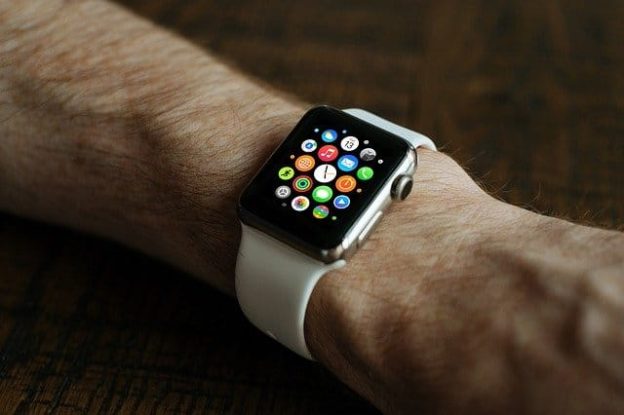
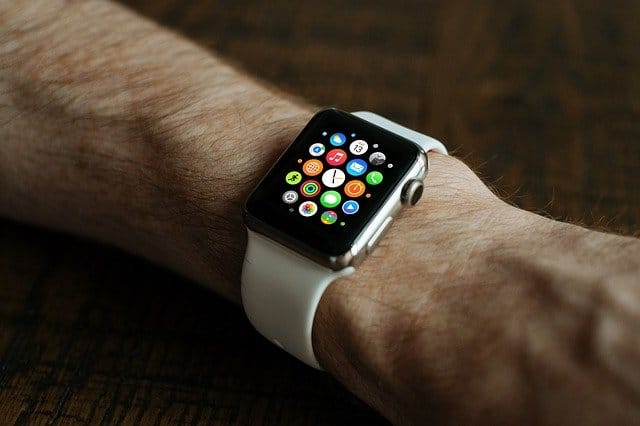
Contact-less payments technologybest mobile payment options is at the heart of this wearable digital wallet revolution, which is powered by Radio-Frequency Identification (RFID) and Near-Field Communications (NFC). These solutions are not exactly new; in the United States, RFID key fobs were marketed to drivers about a decade ago for the purpose of facilitating the process of paying for fuel purchases right at the pump. NFC payments were initially designed almost exclusively for smartphone, but smart wearable devices such as the Apple Watch, which links with the iPhone and the iPad, are making more sense as digital wallets.

MasterCard has a good reason to follow the wearable payments segment; the debit and credit card giant has a good opportunity to catch up to its rival visa in terms of global market share through wearable devices, which are not limited to smartwatches. Consumers who do not particularly care for smartwatches and prefer more traditional analog and digital versions can get watch straps equipped with contact-less payment technology, and MasterCard wants to be the primary processor in this regard. The company started working with luxury watchmakers in Sweden and Switzerland about a year ago, but MasterCard has recently struck partnerships with manufacturers of aftermarket watch straps to give more consumers the ability to pay with accessories they wear.

Mobile point-of-sale transactions are taking hold in Asia and Europe more so than in North America. At European brick-and-mortar stores, 61% of transactions are already contact-less, and about 16% are made with wearable devices. One aspect of wearable devices that is resonating with consumers is that many of them coming on the market are of the passive kind, which means that they do not rely on smartphone batteries to operate; this technology has been around since the key fob days, and it is regaining interest as an alternative to mobile devices such as smartwatches and smartphones, which only allow digital wallet transactions as long as their batteries will last.

online-shopping

New Mobile Payment Trends Your Business Should Investigate [2023 Update]

Juniper Research analytics estimates two billion people will use mobile banking by 2020. Already outnumbering desktop connections, mobile users’ first banking experience is via a mobile device in developing countries. 

While dealing with complex regulatory compliance, banks are also charged with creating a more secure authentication system for their mobile banking security. In an ever-changing mobile environment, both banks and merchants are bending to customers, offering the convenience and speed mobile banking can provide. 

Here are the top mobile payment trends for 2023:

1. Mobile Point of Sale

With mobile swipe readers at farmer’s markets and coffee shops, mobile point of sale (mPOS) is growing increasingly popular. Meeting customers where they are, businesses can use mPOS to check out a customer in a decentralized manner – at their table or in the dressing room.

2. Mobile Wallets

Offering convenience, speed, and security, mobile wallets are one of the fastest growing trends in the technology of mobile payments. Accounting for $75 billion in 2016, mobile payments are predicted to hit $500 billion in 2020, making for an annual growth rate of 80% over a five year period.

3. Touchless Transactions

Contactless payment liberates consumers from cards and the associated technology limitations of swiping and inserting. With Apple, Google, and Samsung providing avenues of touchless payments, consumers are embracing the convenience, as well as the security, of NFC (near field communication).

4. Social Media Commerce

5G Mobile Payment ProcessingRather than redirecting a potential customer to a separate site, social media apps like Facebook allow buyers to click “shop now” and make purchases within the same app. Mobile payment processing technology integration with social media requires a flexible and dynamic processor to provide this convenience. Autofill coupled with chatbot checkout expedite the mobile commerce transaction, allowing shoppers to shop where they’re already looking.

5. Biometric Authentication

Mobile devices are using biometrics, including facial recognition, fingerprints, and retinal/iris scan, to authenticate a transaction, as well as to confirm identification. Combating fraud and identity theft, biometric authentication will grow to be a more reliable method for merchants to verify identity.

6. Artificial Intelligence

Amazon’s Alexa is the trailblazer for the future of voice-activated orders and payments for merchandise. Accommodating AI on their sites, merchants can leverage AI not only to sell merchandise but to also detect fraud.

Host Merchant Services

Host Merchant Services offers state-of-the-art POS systems personalized for your business. From retail to restaurants and everything in between, HMS provides businesses the tools they need to be successful. For payment processing, HMS can help your business accept all credit and debit cards with the lowest transaction rates on the market. We are able to retain customers with our low rates and excellent customer service – not our contracts. With 24 hour customer service, seven days a week and 365 days a year, we require no term commitment, and we charge no upfront fees or hidden fees. Nor do we charge application or setup fees. An industry leader, Host Merchant Services is always here for you.

Alipay Launches International E-Wallet, Giving Tourists Access to a Mobile Payment Platform in China

Those who’ve spent any time in China as a tourist will know first hand just how difficult it can be to perform the seemingly simple task of paying for things with a format other than cash.

One of the most popular forms of mobile payments in China is Alipay, and most people will use Alipay to make payments using a QR code on their phone. The vast majority of places won’t accept domestic staples such as Visa or Mastercard, so most travelers would have no choice but to rely on cash until Alipay’s recent intervention.

Gen Z Prefers Mobile Payments AppUntil Ant Financial, the Alibaba affiliate that runs Alipay’s platform, made the following announcement earlier this month, users of the Alipay platform were required to have a Chinese bank account. Until now, that is, with Alipay announcing a program called “Tour Pass” through which the company will introduce a version of the Alipay app that will launch and feature full support for international debit and credit cards. Once users have download the Alipay app onto their iOS or Android device, they will be able to use their phone number to set themselves up for the international version of the app.
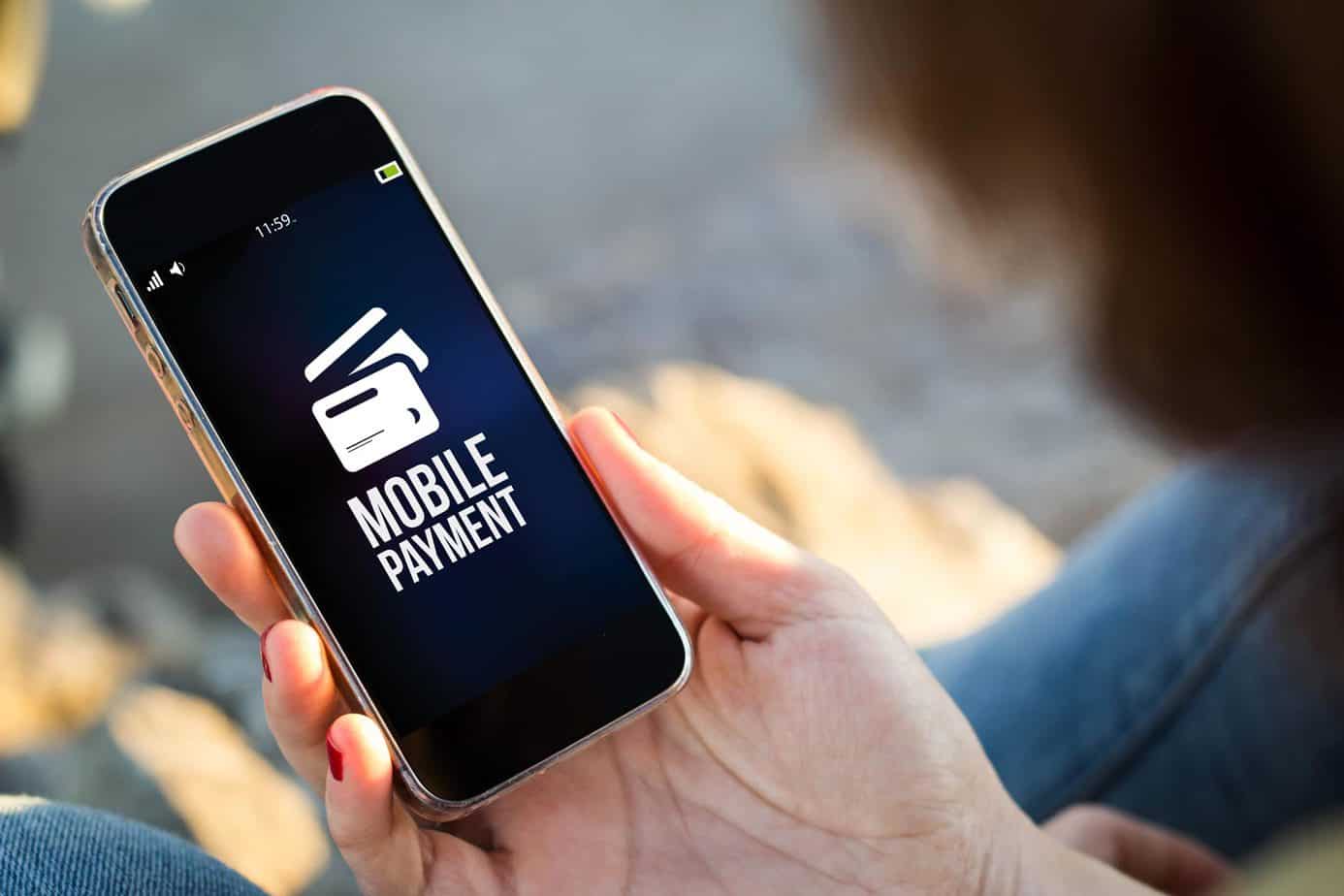
Alipay users will then be able to top off a pre paid virtual card from their Visa, Mastercard, Singapore’s Diners Club, or Japan’s JCB cards and begin spending all across China. The international version will not be available to Hong Kong and Macau users as there is already Alipay HK that they can use. If Hong Kong users need to use the international version of Alipay, they can do so by opening a Chinese bank account through Bank of China from within Hong Kong.

The minimum top-up amount for the 90-day prepaid card is 100 yuan and the balance will be capped at 2,000 yuan. Users will be able to top up the card multiple times.

This move allows Ant Financial to further extend its reach and dominance across the domestic Chinese market and cement themselves a place in China’s ever-growing tourism industry. In 2018, Chinese tourism saw an increase of 4.7% on their numbers from 2017, which works out to 30.5 million additional foreign visitors, to bring the total to 141 million. Ant Financial estimates that these 30.5 million tourists spent around US$73.1 billion while in the country on food, shopping, lodging, and other things.

Alipay’s biggest competitor in China’s cashless economy is WeChat Pay, run by Tencent Holdings. Both Alipay and WeChat Pay have a higher than 90% penetration rate amongst online users, according to a report from 2018 on China’s third-party mobile payments market. WeChat Pay has also announced plans to introduce access to their mobile payment platform for international visitors, only with additional support for American Express customers.

Upon Tencent’s announcement, Visa tweeted: “This partnership means that we’ll be working towards an environment where Visa cardholders will be able to use their Visa card in China at the millions of places where WeChat Pay is accepted, instead of having to rely on cash.”

ApplePay Faces Challenges in Europe

Various technology giants have been looking at the emerging mobile payments sector with great interest, particularly if they have already claimed some market share with regard to mobile devices, apps, and services. The big three in this regard are Apple, Google, and Samsung, and it could be said that Apple is in the best position to remain a leader, but this does not mean that it will be an easy undertaking.

Ready for Success

Gen Z Prefers Mobile Payments AppApplePay seems to have all the ingredients to carve a nice slice of the mobile payments pie: the iPhone continues to be one of the most popular mobile devices in the world, and virtually all of its models in use today have Near Field Communications (NFC) technology, not to mention the recent introduction of the Apple Card and the heavy promotion of its various digital payments options. Although the North American market is one of the most lucrative for Apple’s ambitions with regard to smartphone payments, adoption is always quicker in Asia and Europe, and it is in the latter market where the company seems to have run into a snag.

According to a report published by CNBC, European Union regulators who oversee business competition and antitrust issues have been receiving complaints related to ApplePay, enough for Margrethe Vestager, director of the EU Competition Commission, to announce that her office will be taking a closer look into the way Apple is entering the mobile payments market in the bloc.

Cause for Concern

One of the issues that EU regulators are likely to consider is the way Apple creates mobile ecosystems that rely on exclusivity for their growth. The iPhone and the iPad are locked into a single operating system, and it so happens that the iOS Wallet app does not allow users to integrate payment options that are not controlled by Apple. To make matters even more complicated for Apple once EU regulators start looking into ApplePay, the NFC chip of iPhones is actually disabled during some point-of-sale transactions, thus leaving users with the option of using the payment service preferred by Apple.

Recent statements by executives at Apple Park are not making things easier on the company with regard to anti-competitive behavior. After the Apple Card was rolled out with the underwriting of investment banking giant Goldman Sachs, Apple made it clear that skyrocketing growth was on the horizon, and that this method of payment could soon overtake the market share held by PayPal.

Even though the EU is already looking into claims made by music streaming service Spotify against Apple, this is hardly the only technology giant being investigated for potential antitrust activity. Facebook and Google are also being looked into by EU regulators with regard to their offerings in the bloc, particularly the former with its intentions of providing a digital currency system that will enable payment transactions and money transfer services to users of Instagram, Facebook, and WhatsApp.

PayPal’s Xoom Launches Domestic Money Transfers with Walmart

PayPal’s international money transfer service Xoom has this week made the announcement that, for the first time, their customers will be able to make money transfers to recipients in the United States. These P2P mobile payments will occur in a matter of minutes thanks to strategic alliances set up with Walmart and money transfer company Ria.

Near Field Communication Mobile PaymentThis has the potential to benefit more than 44 million foreign-born men and women who are living in the U.S. and regularly send money to friends and family back in their native countries. The partnership with Walmart allows Americans to take advantage of Xoom to send money to one of almost 5,000 locations all over the country for almost immediate cash pickup.

In a statement earlier this week, Vice President and General Manager of Xoom Julian King said, “Many of our customers in the U.S. already send money to loved ones in the country, and they usually prefer that the money is available right away.” He went on to say, “This rollout reinforces our commitment to make money transfers fast, easy and affordable for everyone, whether they are at home or on the go.”

In addition to King’s statement, CEO of Euronet’s Money Transfer Segment Juan Bianchi said, “At Ria, we are delighted to further consolidate our relationship with Xoom and Walmart. Our continued partnership is a fine example of how Ria’s technology can serve as an enabler between platforms, offering consumers and partners an added layer of security and compliance screening, in turn facilitating value creation within the Fintech ecosystem.”

All of this comes shortly after Xoom expanded into the United Kingdom and European markets earlier in July with remittances being paid out to individuals living in 130 countries such as India, China, Nigeria, and the Philippines. Xoom also made the announcement in October that individuals in the United States, Canada, the United Kingdom, and 31 other European markets are now able to directly send P2P payments to South Korean bank accounts. In only a matter of minutes, money can be sent from the app and received by Woori Bank, Shinhan Bank and Kookmin Bank.

Xoom has set themselves up as a pioneer in digital remittances by offering their customers fast and secure ways to send money and pay bills for friends and family living in over 160 countries worldwide. For many of these people all over the world, these remittances serve as something of a lifeline and help them to pay their day-to-day expenses such as medical bills, utility bills, and education costs. In the more traditional ways of old, the cash-based system of sending money to other countries has been full of costly fees, paperwork, and a load of uncertainty as to whether the money will arrive, or if the money will arrive in time for when it’s needed. PayPal and Xoom have been helping to improve and expand the finances of millions worldwide by providing them with speedy, secure payment options when sending money or making mobile payments across borders, only with none of the aforementioned drawbacks.

US to Spend Record

US to Spend Record 126 Billion Online This Holiday Season [2023 Update]

According to recent data released by Adobe Analytics, American shoppers will be going online to spread the holiday cheer among retailers in 2019. The Adobe study was published a few weeks ahead of Black Friday and Cyber Monday, two of the most active and lucrative shopping events in the United States. As has been the case in recent years, e-commerce activity will once again expand this holiday season, and even brick-and-mortar chains will be processing more digital payments than they did in previous years.

Online E-commerce Mobile Payments

Retailers in the U.S. got an early start on their holiday offerings because the season will be a few days shorter in 2019. Once the e-commerce extravaganza known as Cyber Monday wraps up, shoppers will only have 22 days to complete their lists before Christmas. As for digital payments, some shoppers will likely be eager to try out new methods such as the Apple Card on their iPhones. One trend that analysts believe will rise sharply this holiday season is the “buy online to pick up in-store” (BOPIS) method, which is attractive to retailers because they can launch strategic marketing displays near pick-up counters.

Black Friday was displaced by Cyber Monday as the busiest online shopping event of 2018, and this will probably happen again this year. All the economic elements seem to be in place for a busy holiday shopping season: the economy continues to show signs of stability thanks to low unemployment, and consumer confidence remains positive despite a few concerns related to delinquency in subprime auto loan payments. Reaching the projected $126 billion sales target should not be a problem unless political uncertainty in the White House reaches an overly critical point.

For brick-and-mortar retailers, even those that operate a single location, being able to offer a diversity of payment options will be crucial to their success this holiday season. Some financial institutions such as Ohio’s KeyBank are offering cashback rewards to shoppers who make online purchases, and this is a smart move to entice individuals concerned about the trade war between the United States and China, which has resulted in items such as toys and holiday decorations being priced higher this year.

Citizens Bank Partners with Microsoft for Xbox All Access

With 2020 looking to be the year that all the next generation games consoles will begin to hit the market, it won’t come as a surprise to learn that many eager consumers are starting to put money aside. For many, a lack of immediately available funds will direct attention to credit, but this past week, Citizens Bank has released details of a brand-new funding option for consumers ready to buy new Microsoft products.

Xbox All Access Program

Mobile Payments For Video GamesCitizens Bank and Microsoft have joined forces to provide financing for the Xbox All Access program, offering consumers the choice of Xbox One X, Xbox One S, or the Xbox One S All-Digital Edition console bundles paired with a 24 month subscription of Xbox Game Pass Ultimate. This gives customers access to more than 100 games and online multiplayer via Xbox Live Gold. In addition, Xbox Game Pass Ultimate features multiple new Xbox exclusives, with new content added constantly, along with reliable and fast online multiplayer gaming. This will be predominantly available via Amazon, and will have a complete point-of-sale experience as well as 0% APR financing.

For the time being, the program is limited to just the current generation of Xbox consoles. Consumers who do pick up a current-generation Xbox through the Xbox All Access Program, however, will be eligible for an upgrade once what is currently only known as Project Scarlett launches, presumably next year.
Citizens Bank president of consumer deposits and lending Brendan Coughlin, said about the integrated payment solution, “Consumers want affordable ways to make purchases without taking on additional credit card debt. Xbox All Access bundles hardware, services and software with affordable and predictable financing delivered through Amazon’s online check out process. Xbox All Access represents the first time a lender, manufacturer and retailer have come together to offer a seamless way for consumers to buy, and we believe that it will be the model for how purchases are made and financed in the future.”

Looking Toward the Future

While it may not seem right now that this type of payment solution will send Xbox sales soaring, it’s worth remembering that Microsoft have very definitively lost this generation of the console wars, so this could be a cunning plan for the next generation. By offering potential future customers an easy way to pick up a console now while holding their place in line for the next console, Microsoft seems to be hoping to snatch away a few Sony supporters ahead of the game. Also, with each new console generation, or any new generation of any technology, supply issues tend to be a bit of an issue in the early days. This has by no means been confirmed by Microsoft, but perhaps those who buy under the Xbox All Access program will have priority access to Project Scarlett when it releases.

Early in 2019, Microsoft announced it was ending its mobile payments solution Microsoft Wallet. Support for the mobile payments app ended in February 2019 less than a year after Microsoft announced it integrated Microsoft Pay with Masterpass which allowed users to use the Edge browser to make online purchases with retailers who accepted Masterpass. The decision was inevitable since Microsoft Pay had a low user rate and the company discontinued support for its Windows 10 Mobile operating system which had just 2.4% of the market share of US mobile operating systems.

Payment Option For China

Ingenico Offers New Mobile Payment Option For China [2023 Update]

On Thursday, October 10, 2019, international payment services provider Ingenico announced its plan to open up the mobile payment processing market in China to the world through several unprecedented business partnerships. Ingenico has decided to focus in-country on China’s local e-commerce and mobile payment systems: It has partnered with bank card services provider UnionPay and Alipay and WeChat Pay, which are two of China’s top app platforms that utilize mobile payment systems.

Why Pick China?

China’s internet user population represents a quarter of all internet users worldwide. China also has a huge e-commerce market, the largest in the world, that grows by leaps and bounds every year because of online retail sales. A large part of China’s population uses convenient mobile and online options to fulfill their shopping needs. Mobile tech users alone make up 82 percent of the population and primarily use apps for offline and online payments. Whether shopping in a brick-and-mortar store or online, consumers typically use Alipay for all of their purchases. Additionally, the WeChat app is used for a wide mix of reasons by approximately 1.1 billion users daily. China is also one of the leading countries for creating new and successful offline and online consumer engagement strategies. As a result, mobile shoppers in the country connect quickly to brands through a variety of apps.

How Do Merchants Benefit?

Merchants from outside of China have traditionally found it difficult to operate in-country through China’s e-commerce systems because of the differences in platforms and the dominance of local payment solutions. Ingenico’s announcement means that international merchants will increasingly gain access to China’s mobile consumer population. Merchants will have the ability to accept real-time payments from mobile and desktop devices through UnionPay support and Alipay upgrades. Ingenico also plans to offer a full range of currency conversion options that make it possible for merchants to accept Chinese Yuan as payment. Through the WeChat text and voice messaging service, Ingenico will provide full support so that local WeChat users can make purchases from businesses without leaving the app. WeChat Pay support will extend to both official accounts and advanced sub-applications known as mini-programs. No other payment services provider currently offers this option on a global scale.

At Host Merchant Services, we stay on top of changes in the payment processing industry to provide the newest and best business opportunities to our clients. We will continue to keep an eye on this and other Ingenico developments and publish updates as they become available. For answers to any questions that you might have about this specific announcement or our payment processing services, contact us today.