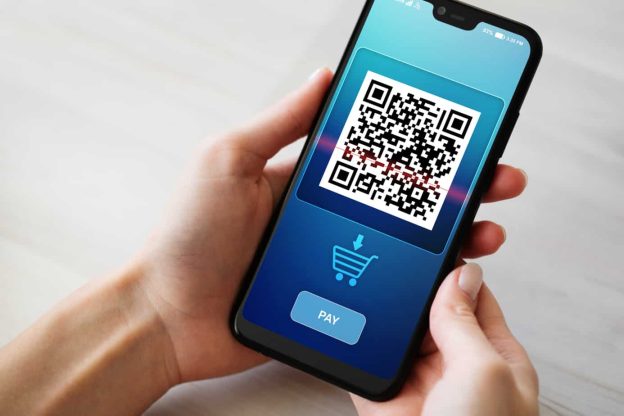
Tag Archives: mobile payments

credit card processing trends

Trends in Mobile Credit Card Processing for Fall 2021 and 2022

Over the last 12 months, almost every retailer felt the need to shift from the in-store traditional payment methods to the new-age digital methods. Businesses have also understood that this shift has a vast scope – it is not just a momentary reaction to the prevailing coronavirus pandemic, but a long-term trend. IBM’s U.S Retail Index study revealed that the transition to digital payment was speedy due to the pandemic, which otherwise would have taken five years. E-commerce purchases are predicted to grow by 20% this year. 

Even in these uncertain economic times, retailers can be confident that online and hybrid shopping will continue to grow. Today, the customers have become more aware and want more flexibility and security in mobile solutions from these brands. And therefore, brands cannot just sit quietly. 

We know that even if the pandemic ends, the e-commerce growth and related customer needs are here to stay. For businesses to keep up with the competition, they must shift to modern payment methods. This article will discuss six trends in mobile credit card processing for fall 2021 and 2022 that will make their way into the future.

#1 E-Wallets

With the increasing number of smartphones, e-wallets have become the most convenient mode of payment for consumers. A mobile wallet syncs your bank accounts and credit cards and turns your smartphone into a contactless payment device. According to some statistics, the global estimate of smartphone users in 2021 was 3.8 billion, compared to 2.6 billion in 2016. A smartphone has become a necessity as it gives you apps for every need from banking to driving, social to nutrition tracking related to all aspects of your life. 

55% of Americans use their smartphones when shopping, all due to the increasing use of e-wallets like Google Pay and Amazon Pay. With mobile wallets becoming popular and the growing use of peer-to-peer transfers, the security of these apps has also increased. E-wallets are going to change the way how we pay now. It is one of the most significant trends in mobile credit card processing that cannot go unnoticed. 

#2 Social Shopping

A retailer’s most remarkable ability is being able to use personal relationships to his advantage and engage their customers in their business. More than 78% of customers trust the recommendation of their friends and family for shopping, so brands can count on social media sharing and engagement as a better proof of purchase than a direct message to the consumer.

Retailers can hire social media influencers for promotion and make use of social media tools to get to know their customers better. They can further promote positive reviews, give better customer service and sell directly on the platform where their customers spend substantial time. 

#3 Contactless Payments

During the pandemic time and earlier, we would hesitate to touch cash as we did not know how many hands the bill was exposed to. With credit cards, handing them over to the cashier for a swipe and typing your card pin is avoided to minimize the touch. Things have changed much over the past months, and Mastercard’s survey suggests the same. The survey says that more than 51% of people use cashless payment in some form. Contactless payments are now more secure than the traditional swipe method with scanning technology to complete the transactions. All this is possible because of the encrypted microchips and mobile apps.

#4 Mobile POS Devices

As more and more consumers use contactless payments, retailers align their shopping experience with POS technology. With the help of mobile POS, retailers can accept payments anywhere as these are wireless devices and not connected to checkout locations. This gives even the smallest brick and mortar storse the flexibility to offer customers multiple checkout locations. With various payment solutions, customers can safely pay in line with social distancing norms. More than 73% of customers want more checkout options with advanced technology. Having said this, mobile point-of-sale devices are fast becoming a necessity for retailers large and small.

#5 Biometric Authentication

If someone had talked about authenticating a process using biometrics five years ago, it would seem like a scene from a futuristic movie. Now this process is everywhere and most of use this technology daily to unlock our phones. Biometric authentication consists of fingerprints, face, and voice recognition that we use today to unlock e-wallets. Biometric authentication gives more security as it is unique to each customer, and due to this trust, the technology attracted huge investments. According to a study by Mobile Payment Authentication & Data Security, by the year 2024, the use of biometric authentication is expected to grow more than 1000%, with a transaction value of more than $2.5 trillion. By the end of 2019, transactions valued at $228 billion were already authenticated by biometric technology.

#6 Flexible Payments

With consumers demanding more convenience and security while using mobile wallets for payments, the pandemic has also forced them to maintain and stick to a budget. Retailers now offer options like installments or Buy Now Pay Later to their customers. With enhanced security, convenience, and accountable spending, consumers have accepted these offers enthusiastically. Consumers get maximum flexibility with the zero-interest installment schemes which the retailers offer at the point of sale. It helps the customers to make large purchases easily without worrying about the having the full payment up front. The popularity of e-commerce and online shopping is growing drastically. The mobile payment strategy of the retailer will play a significant role in the purchase pattern of their customers. This strategy is almost 80% responsible for the rise or fall in sales. If the customer is getting complete flexibility in payments, multiple payment choices, and a streamlined checkout process, nothing can stop him from completing the decisive step of the final purchase. 

Bottomline

As the digital world is changing fast, all kinds of e-commerce stores and other retailers need to adapt to the latest payment trends as soon as possible. With contactless payments and e-wallets offering complete convenience to consumers, they are becoming popular at an unimaginable speed. If your customers get absolute security along with seamless checkout, they will keep coming back to shop at your store. Therefore it is important for all fintech companies to keep a watch on. One thing is certain – that even if the pandemic ends, the e-commerce growth and the related customer needs are here to stay. For businesses to keep in the competition, they must shift to modern payment methods.
merchant services

Top Merchant Services Trends to Watch in Fall 2021 and 2022

The past year has been full of surprises for merchants, processors, and everyone involved in the payment processing ecosystem. There have been many unexpected highs and lows, but overall the trajectory of the industry has been positive despite some immense challenges. We saw the evolution of payment channels to handle consumer demands and COVID-19 threats. Governments imposed social distancing rules. Customers of all ages quickly shifted to contactless digital payments. There are many important and emerging trends to watch in merchant services through fall 2021 and into 2022.

COVID19 had a major impact on the economy over the past 18 months. While it isn’t going away anytime soon, we have reasons to be optimistic about the future. A study by JP Morgan showed that about 54% of consumers said that they started using digital payment tools more due to the pandemic. There have been significant developments in the industry, and looking at the trends we have all the reasons to be excited about merchant services in 2022.

Here are the top merchant services trends to watch in the fall of 2021 and 2022.

#1. Online Shopping Changed Digital Payments

When we had the COVID-19 first wave, we saw more and more consumers using online services. And businesses had to adapt to the new situation. A study showed that more than 76% of companies agreed that most consumers are now using different payment methods. Digital wallets are now a new normal and people are using them in buying all types of things over the internet. Even those customers who were not comfortable sharing their financial details with businesses have started to shop regularly. More than 18% of the consumers shopped online for the first time during the pandemic. People became confident and habituated to online payments. 38% of consumers said that even after COVID-19 is entirely gone, they will continue to shop online more. This is one of the most encouraging signs for merchant services trends that are going upwards in 2022. It is expected that even after 2022 it will grow exponentially.

#2. Spending and Tracking Tools for Payments

During the pandemic, the businesses saw that consumers had a different paying pattern. They also saw that consumers needed to manage their spending accurately too. With the rise of multiple digital wallets, consumers are getting added advantages. With wallets, the biggest advantage is that they now have a clear picture of how, when, and where they spend their money. This trend was accelerated further due to the COVID-19 pandemic. There are many mobile apps that offer wallets and quick payment options. They also offer you options to manage your spendings and also provide financial advice. With the use of AI (Artificial Intelligence) in future apps, it will be easy to track and control spendings.

#3. Increased Use of Biometric Authentication

The first factor that shook the payment industry is PSD2. The industry will see a significant impact on the growth trends next year. This is also because the time limit to implement the PSD2 strong customer authentication was ending soon. From January 2021, the transactions without any multi-factor verification will be automatically declined. We will witness a significant increase in the use of biometric tools for payment verifications. A study by Juniper Research also predicted that the use of biometric verification for transaction value would be more than $210 billion just in 2021. And the figure will touch $3 trillion by the end of 2023. This trend will increase in the coming years. With the introduction of compulsory biometric verification, people have started to trust online payment gateways. They feel it is far safer now to spend online. Thus the increased use of biometric authentication has boosted the trend in a positive direction.

#4. Global Rise in Real-time Payments

With the COVID-19 pandemic, experts predicted that real-time payments would see good growth in the US. This trend was increasing in 2021 where the value of real-time payments increased by more than 50%. But it did not just limit the growth to the US. One of the studies predicted that real-time payments will grow at a rate of 29% globally between 2020 and 2025. COVID-19 started the trend of real-time payments and will also accelerate its growth in the next year too.

#5. New Focus on 5G Technology

The year 2020 also saw a prediction about the growing importance of 5G and IoT. Where the pandemic accelerated many expected trends, the adoption rate of 5G slowed down. At the same time, far more people were spending much time at home, entertaining themselves over the internet. The number of people who shopped online grew exponentially. And the 4G could have not matched this overload. It failed miserably. 46% of businesses agreed that they lost sales due to slow checkout times. All credit to the 4G technology. The businesses wanted a frictionless in-store experience for their customers. So they now have started shifting their focus to 5G technology to overhaul the store checkout time. The sooner 5G technology is adapted by the market, the better results for merchant services trends in 2021 and 2022.

#6. A Steep Rise in Subscription Models

The pandemic saw many businesses launching their subscription models because of the business need. The customers were also looking for more benefits and they also showed great interest in subscription-based services. More and more customers were planning to increase their subscriptions from what they had earlier, and the age group of 18-34 years was a frontrunner in this trend. Surprisingly, this trend was not limited to digital services only. The famous Pret A Manger coffee chain started its in-store subscription service for coffee in the UK. The subscription model was a success and many businesses will use it and replicate a similar success for their products and services.

#7. Crypto Payments Go Mainstream

Anything that can boost the entire ecosystem of merchant services in the coming years is the use of crypto payments. The fintech companies have been working to find more real-world use for cryptocurrencies. Initially, it was a big challenge to start a system of crypto payments. Big projects like Facebook Libra saw significant setbacks due to regulations. 2021 saw a breakthrough in eCommerce payments. Many big payment processors announced that they would be enabling payments in cryptocurrencies at merchant locations as a priority. This is encouraging and will certainly boost the online payment numbers in the years to come.

#8. Using AI and Machine Learning to Prevent Fraud

AI is comparatively a new technology. But the rate it is growing is astonishing. And the banking sector was the pioneer in implementing this technology. As this technology grows, the online payment gateways will get more secured and robust. For the last few years, online crimes have been increasing rapidly. And the only way to control this is AI implementation that can learn fast and respond with enhanced security. Banking sectors need to expedite the process of implementing AI systems because during the corona pandemic online transactions grew multifold. And fast implementation of AI to protect consumers and merchants is the need of the hour. Although a recent report shows that banks have spent more than $217B for implementing AI. And they plan to implement it further and faster to safeguard consumers from any type of fraud.

#9. Payment Apps with the Customer Loyalty System

Businesses are not only adapting digital payments but also encouraging their customers. They are pushing their customers to use the digital mode for transactions. To do so they offer rewards, discounts, loyalty points, and various other loyalty schemes to their customers. The customers have responded well. Each time they make a transaction, they get benefits. This is a mix of traditional and digital systems. The customer loyalty program has been successful in the past and it will still define merchant services trends in 2022 and beyond.

#10. Peer-to-Peer Payments Merchant Adoption

Another prediction that came true was about the increase in peer-to-peer payments. In the US alone, more than 50% of consumers are now using P2P apps. The use of cash has been declining. The use of apps to send money to family and friends is increasing rapidly. And this will see faster growth in the next few years. But this growth will not be for the US alone. Other regions like South America will also see an explosion in the use of such apps. P2P networks have been positively pushing the merchant services trends since the beginning of the pandemic. And it is expected that this trend will continue to grow upwards for many more years to come.

selective focus to customer hand holding smart phone to scan qr code payment 188176594

Advantages and Disadvantages of QR Codes

QR or the quick code has become a popular technology used extensively by many retailers around the world recently. Unlike the regular bar codes located on the commercial packaging, the QR code is a comprehensive code that can be scanned and decoded with smartphones. The best example of a company using QR codes for in-store payments is Starbucks.  

It may look as simple as the black and white squares, but these codes have the capacity to store a large amount of information. They make an excellent option for connecting the offline and online world seamlessly. Customers can make payments through QR codes by scanning them using their smartphones, and the retailers can accept payments directly to their bank accounts or mobile wallets with these codes. 

A Brief on its History

Denso Wave, a famous Japanese automobile manufacturing company, launched QR codes back in 1994. The main purpose of launching these codes was to deal with the limitations of barcodes. 

The quick response code was designed to store infinite information within small white and black squares. These codes started gaining popularity in Japan in 2002 when the country launched smartphones with the ability to scan and read QR codes. Since then the popularity of QR codes has skyrocketed.  

QR Code Advantages

A QR code is used as a marketing tool to attract more people to your business. It’s one of the ideal ways to turn your prospects into regular customers. Here are a few major benefits of using QR codes for your business.

  • Good for Networking

As mentioned earlier, QR codes are not the regular barcodes printed on your company’s package. It is a marketing technique that can get your customers to your Facebook, Twitter, and LinkedIn pages. Bringing your audience to your social media means higher engagement and more attention. These people will spread the word about your brand to their social media friends.

  • Call-to-Action

You can use QR codes to direct your audience to instructional posts, websites, landing pages, emails, and trailers. Businesses have started linking these codes to the email and call function where people are directed to your email page as soon as they scan the code. Some retailers allow their audience a huge discount if they scan the QR code. 

  • It is Versatile

Another advantage of QR codes is their versatility. You can use it for a wide variety of purposes ranging from social media marketing to online transactions. In addition to directing people to your landing pages and social platforms, a QR code can be used to make payments. You can integrate different payment methods into your QR code, thus allowing your audience to choose a convenient payment option.

  • It Makes You Creative

Ideally, the QR code is the black and white squares that can be scanned in simple taps. However, it comes with infinite creative possibilities. You can make it look super interesting by using a personalized and colorful QR code, designed for your business. It’s a great way to make your brand stand out from your competitors and attract a wider audience.

  • Your Customers Find Them Attractive

Customers like QR codes for a few reasons. For starters, they are easy to use. All your customers need is a simple scanning and they will be taken to your company’s landing page or email address. They no longer need to write the website address or remember the email. 

Besides, only a few people remember to visit your website later. QR codes make your customers’ life a lot easier by allowing them to visit your website by scanning the code. If you make it easier for your audience to find the latest offers and connect with your brand, there is a good chance they will convert. 

  • It Helps You Go Digital

With QR codes, you can save time and money on traditional advertising campaigns. It is the ultimate way of going digital with your business. You no longer need to get posters, flyers, and other paper materials for your company’s publicity. 

Instead, a QR code is all your customers need to find just about any type of information about your business – be it the latest product launch or your website’s landing page. It also saves you the cost of traditional marketing methods. Printing flyers and brochures can cost you hundreds of dollars. QR code, on the other hand, is a one-time investment.

Disadvantages of QR Codes

A QR code comes with a set of limitations for businesses and customers. Here are a few disadvantages of using QR codes.

  • Not the Best Customer Experience

QR codes were designed to direct people to the company’s social media, landing page, and other informative content in a single snap. However, your audience needs to download a QR code reader in order to make it work. So, for those who are not comfortable with installing a new software app on their device, the QR code is not a viable option.

  • You May Have to Offer a Better Reward to Your Audience

A QR code is useful for businesses that are willing to offer exciting rewards and promotional deals to their audience. So, just linking your social media or directing your users to your email may frustrate your customers, as this is the basic information. If you don’t have any special discount to offer, the QR codes might not work for you. 

  • It isn’t Accepted by all Customers

QR codes can get your business on a digital platform, but it is not embraced by customers looking for traditional marketing techniques. If your audience doesn’t know how to use the QR codes or they aren’t comfortable with it, they will never convert. So, it is better to stick to the conventional advertising methods than a QR code, which may confuse your target audience.

Bottom Line

These were the pros and cons of QR codes. While the technology works as a solid marketing tool to expand your reach to a wider audience worldwide, it comes with a few drawbacks.

credit card payment app attached to mobile phone 67534402

Today’s Top Credit Card Machines Are Wireless

You can collect credit card payments from anywhere with a wireless card machine. Wireless models are among the top credit card machines you can utilize today. These connect online and help you manage payments from anywhere.

How Does This Work?

A wireless credit card machine uses the same standards for processing a payment as any of the other top credit card machines out there can handle. The machine sends a payment to a processor for authorization, who then sends that request to a card association and then an issuing bank. The device also lets you know if you can approve or decline a transaction.

Since the machine is wireless, it does not require a direct link to an online network or phone line. It will utilize a unique connection system that fits your needs.

What Is the Design?

Most wireless credit card machines are mobile devices. These include tablet or smartphone-shaped items with small screens that let you review payment data. These should also include ports to help you physically read cards. Some models can also support contactless payments.

Traditional POS solutions can also include wireless systems. These include setups that can link to a local Wi-Fi network. Wireless computing items are convenient for how you can start them up in moments and not worry about complicated wires and other things getting in the way.

Some wireless machines come with physical keypads. These allow customers to enter PINs or custom tip amounts. You can also enter in charge data through some setups. The programming in your device will link to many applications to give you further control over your work.

Connection Options

A wireless card machine will use one of many methods for getting online. It can use a wireless cellular signal to reach a phone number. 3G and 4G card machines are common, but some of the top credit card machines today can support 5G signals currently under development.

Other devices can use Wi-Fi connections to get online. You will require access to a suitable Wi-Fi signal to manage transactions, but such signals are ubiquitous enough to where you shouldn’t struggle to find anything of use.

What If You Can’t Get Online?

There might be cases where you cannot get online for any reason. There might be a power outage, or you might be in a rural area where online or cellular signals are hard to reach.

The top credit card machines can save payment data and process those payments when you reach a signal once again. The process ensures you are paid for all your transactions. But you must also ensure whatever payments you collect are legitimate and that the risk of them being declined for any reason will be minimal.

Check To See What Works For You

You can find many of the top wireless credit card machines through your merchant services provider. These machines are effective enough to handle many payments, plus it won’t take long for you to process your transactions from anywhere you go.

Mobile Payments vs. Credit Card Payments

Mobile Payments vs. Credit Card Payments

Mobile payments have never been more popular. People are using mobile payments these days to complete quick transactions through their mobile devices. You’ll notice a few distinct differences when looking at mobile payments vs. credit card payments. Many of these entail the technologies used and how people may find mobile payments to be more useful for their needs.

The Concept of Mobile Payments

Payment Orchestration is an Important Piece of the Global Commerce Puzzle

A mobile payment entails a transaction made through a mobile device. The customer can use a smartphone, smartwatch, or even a wristband. 

The user will pay for something with a mobile payment solution like Apple Pay or Google Pay. The system incorporates credit card or bank data in one platform. The user will transmit one’s payment information from that account to the retailer to complete the purchase.

Each mobile payment comes from a digital wallet. The wallet will link to an appropriate interface or platform. The wallet will include the bank or card info. The mobile payment system takes the payment info from the digital wallet and uses it to cover the transaction. Some digital wallets, like what PayPal uses, can include specific amounts of money someone withdraws from a bank or credit line before spending that total.

The system simplifies how people can pay for their purchases. Customers don’t have to get a physical credit card out to complete a transaction. The buyer will have more control over the purchase experience, especially as that person can handle the payment in less time. The customer may also feel more comfortable with the transaction process when using a mobile payment system.

Mobile Payments vs. Credit Card Payments – A Safer Solution

One difference between mobile payments and credit card deals is that mobile transactions are safer. A mobile payment can help the customer send data from a digital wallet to the retailer, completing the transaction without providing any cards. The mobile payment system ensures full security over a deal.

Mobile Payments vs. Credit Card Payments

You won’t see that same security with a credit card. Although credit cards have evolved to feature a chip-based system that is harder to hack, there is always the potential for someone to steal a card. A person can always steal a card or its identifying numbers and use it to commit fraud.

But with a mobile transaction, the thief would have to use a thumbprint scan or other system to confirm one’s identity. It would be tough for that person to try and duplicate that thumbprint in this process. Many mobile devices are also locked through PINs or other biometric features, so that adds extra security to the deal.

How People Get These Systems

People will apply for credit cards by filling out the proper forms to get them ready. People will submit credit info to highlight their ability to pay their balances. Some people may be rejected for cards if they have poor credit ratings. The ones that do get accepted may be subject to high-interest rates and restrictive charges.

A mobile payment is different, as a customer will require a suitable payment app on one’s device. Google Pay and Apple Pay are the most prominent apps, although Samsung Pay is available on many Samsung devices. The user will link one’s existing bank or card info to the app. The system is simple and gives the customer more power over how one will pay for items.

Since people don’t need credit to get a mobile payment account, you can expect these payments to be more common. People prefer payment choices that don’t require lots of effort or risk. Some of these payments will entail direct bank transfers, making the transaction process easier to follow.

Convenience For the Customer

Customers also use mobile transactions because they are more convenient:

  • There’s no need for the customer to keep lots of cards on hand. The customer’s payment info is all on the same mobile payment app.
  • It takes less time to complete a mobile payment than it does to run a credit card.
  • It is easier to track a phone or other smart device if it gets lost than if one’s credit card is lost.
  • Mobile payment platforms can inform customers of whatever coupons or other discounts they have stored with them. They will not forget about these like they would if they had traditional coupons they would use with a credit card.

What Systems Accept These?

One difference between mobile payments and credit cards entails the point of sale or POS systems that can accept these choices. Most POS setups can accept credit cards, with the technology being so common.

However, not all platforms can accept mobile payments. A POS system must support a system like Google Pay or Apple Pay to complete mobile payments. A POS setup can also work with different integrations with systems like PayPal, Venmo, or anything else a customer wants to use.

The extra effort necessary to accept mobile payments makes it tough for some retailers to support them. As more people start using mobile payments and the technology becomes more commonplace, you can expect to find more POS solutions that can support mobile deals.

Will Mobile Payments Take Over?

Mobile payments may become more popular than credit cards after a while. It will take a long time before anyone can figure out what will happen.

The problem with mobile payments is that many people are uncertain about how they work. They also might not have the mobile devices necessary to complete these payments. Some are also comfortable with credit cards, especially since chip-based ones are more secure than older magstripe models.

Will Mobile Payments Take Over

You can expect mobile payments to become more prominent, especially as mobile devices become more accessible. Potential advances in payment technology will also help increase the chances for these payments to be popular and useful among people. Whatever happens, it will be exciting for people to see as they look at how payment trends change, and people start to see what’s more efficient and effective.

FAQ

multi factor authentication checklist with a pen 83045213

The Benefits and Shortcomings of Multifactor Authentication For QSR Fraud [2023 Update]

Quick Service Restaurant or QSR fraud is a concern for businesses that has become increasingly common as more QSR locations focus on delivery and carry-out services. QSR chains are experiencing more online orders than ever before. The risk of fraud increases as these entities do more business online.

QSR fraud often entails someone breaking into a person’s online account and ordering and paying for items. But the person who owns that account might not have approved these purchases. The customer would require a chargeback to avoid potential losses. But the chargeback can be costly to a QSR establishment.

It isn’t hard for many people to commit QSR fraud either. While most instances of QSR fraud entails someone acquiring another person’s email address and password, it could also entail malware that accesses one’s login credentials. Some data thieves can also produce lookalike apps or incorrect listings that can steal login data from susceptible patrons. Machine learning has also become a worry, as fraudsters could use malware to access more accounts and to predict when people are likely to provide their data for getting on certain websites.

QSRs have a weapon in hand with multi-factor authentication. The authentication process entails a QSR requiring multiple login factors for each customer who wants to order something. Instead of entering in a username and password, the customer would have to enter something else in the system. The content can come from a text message, a mobile app, or anything else the QSR uses to confirm an identity. The extra data confirms that person’s identity, ensuring the QSR can trust the new visitor.

The authentication effort can work on mobile and desktop devices alike. The setup is necessary for mobile devices, with many people using them to order foods from QSRs.

The effort is advantageous and easy to plan. But it is not without its shortcomings, as these details illustrate.

Multifactor Authentication

Positives

  1. Multi-factor authentication adds extra layers of security.

QSRs won’t always correctly predict a customer through a traditional username and password. A QSR can add an extra point like a security question, a biometric scan on a mobile device, or answering a particular equation produced on a website or app. QSRs can utilize whatever authentication solutions they want, or they can include a combination of methods. They can also let the customers choose which ones they wish to utilize.

  1. People stealing login data is a common cause of QSR fraud. Multi-factor authentication removes this problem.

Sometimes the people who steal the login data are directly related to the account owner. It could be someone else in the household who wants to buy something. Some customers may request chargebacks if those people access an account and buy things without their permission. A multi-factor approach can reduce that threat, eliminating a prominent cause of QSR fraud.

  1. It stops bots from acting.

Many fraud bots can steal data and automatically generate orders. A multi-factor authentication system can use a system that requires human interaction to answer. A bot can enter the username and password, but it will struggle to manage another factor. Bots also cannot intercept text messages or other things that can only be read in one space.

  1. The authentication process can rely on one’s physical location.

Sometimes the second factor will come through a text message or code on a mobile device. The code can come through an email, but it may also come from a dedicated mobile app that the QSR supports.

The customer must be near that mobile device to access the data necessary to confirm an order. The person will enter a message or code from that device to access one’s account. The data will be inaccessible if that person doesn’t have one’s phone or another device on hand. Anyone who sees this code without having access to the website won’t be able to enter anything new.

Since people cannot intercept text messages or other pieces of mobile data that rely on a physical location, it becomes harder for QSRs to fall victim to scammers. Some QSRs could even establish systems where they will only accept orders when someone is within a physical restaurant location.

  1. Multi-factor authentication doesn’t always require a network connection.

Not all new forms of authentication require a person to get on the same network. A biometric-based system can work with whatever device someone already uses, for example. It can identify the unique thumbprint or retinal scan feature that a device has already saved.

Negatives

  1. People may not always have access to the things necessary for multi-factor authentication.

Some multi-factor authentication processes require a person’s mobile phone. These efforts include text messages, mobile app codes, and other things that utilize a phone. These authentication methods aren’t worth anything if the customer isn’t near one’s phone or doesn’t have it on hand.

A customer might also be in a spot where one has poor phone reception. It would be tough for that person to receive a message or confirm one’s identity in that case.

  1. There’s always the risk that bots can evolve and become more powerful.

There are no known bots that can intercept authentication codes produced by apps or other programs. But the risk of there being one that can do this is always present. Bots have evolved and have become more powerful than ever before. Whether these bots will become more effective soon remains unclear, but it is a risk people cannot ignore.

  1. Customers could still become frustrated by these features.

As convenient as multi-factor authentication can be, not all confirmation methods will be effective. Some people may lose their secondary confirmation data. They may also struggle with some technical aspects of these authentication features, especially with biometrics. Proper refinement may be necessary to make multi-factor authentication easier to manage.

Multifactor authentication is a useful solution for QSRs to prevent fraud. The practice isn’t perfect, but it can still keep them safe if used well.

blockchain and mobile computing background 84021886

Future Trends In Mobile Payments We Can’t Ignore

Mobile payments have never been more popular than they are now. Mobile payments are extremely valuable in the United States, as the mobile payments market is valued at about $1.5 trillion in 2020. The industry will likely grow by more than three times that value before 2026.

Many startups are introducing new ways for how people can use mobile payments. The payments industry has seen nearly $15 billion in annual investment money each year on average, a total that has been rising over the past few years. 

People have also been willing to adapt to mobile payments. They are interested in contactless payment solutions, including mobile payments that people can complete through their mobile phones and various smart devices.

Mobile payments are exciting for how they make it easier for people to pay for things and to purchase more items. There are many other future trends to watch in this field. These trends show that the mobile payment industry is evolving and changing. They also show that people will be more likely to find some interesting developments that will make the field all the more exciting for people to watch.

Utility Payment Support

People have traditionally paid for city services and utilities through traditional platforms. Some people pay for these through the mail, while others can pay for what they use online.

As time progresses, these utility payments will become easier for people to manage through mobile devices. Mobile payment API solutions will eventually integrate with various utility and city service systems. These include energy providers, water companies, sanitation services, and other entities. APIs can allow people to pay for these services and others through one mobile payment endpoint.

Utility payment support has been prominent in a few places around the world. The DubaiNow app is one example. People living in the emirate of Dubai can use DubaiNow to settle utility bills and other charges through one mobile platform. The system simplifies how people can pay for things, plus it makes it easier for the local government to collect the funds they are owed.

Expect these payment systems to expand to where they are open in more places. API development of new utility payment platforms will be critical to future success, especially if they offer more unique services and systems that people can benefit from using in their work.

5G Makes a Difference

High-speed cellular networks have made it easier than ever for people to manage mobile payments. The development of 5G technology is exciting, as 5G signals will produce higher data rates that allow people to send and receive content faster. The lower latency also ensures there won’t be much of a lag in the network.

Expect more businesses to start focusing on mobile payment support very soon. They will want to take advantage of the new 5G market and how well the system works.

Data Analysis Will Make a Difference

Data analysis efforts are also important to spot. Data analysis entails businesses and retailers to review customer data surrounding how they spend their money and what might influence people to spend extra. These businesses will likely incorporate what they discover in their mobile payment efforts. They can promote their payment solutions to people who may use them the most.

Easy Cross-Border Trade

One benefit of mobile payments is that they can work in any currency one wishes to use. This benefit will be heavily utilized soon, as businesses use mobile payments to handle cross-border transactions.

Banks routinely link with one another when managing cross-border payments. A sending bank may need to make deposits in the currency that a receiving bank will use. The process can take a while, plus it may be subject to some fees.

Mobile payments will make these cross-border deals easier to facilitate. New platforms can help link and convert currencies in moments. These may also work with cryptocurrencies and other items that can work regardless of the country.

Mobile cross-border trades will especially be critical for places where traditional payments may be too expensive. For example, cross-border transactions in Africa often entail fees of 20 percent of their value. With mobile payments, it becomes easier for countries in Africa to avoid these exorbitant fees.

Proper API development is necessary for ensuring the work is easy to follow. The new API processes should include support for multiple currencies and the ability to switch between them as necessary. Mobile payments that can handle these features will be easier to manage than ones that still use an old method of handling content.

Working With Social Media

Social media platforms have never been as effective and thorough as they are now. People can access their financial data and pay for things through social media accounts. They can link their credit card or banking data to their accounts to facilitate whatever payments they want to make.

Social media websites will likely start producing new social media setups similar to what Venmo and other mobile payment systems use now. These will allow people to make mobile payments to other members on a social media platform.

PaaP Focus

The last mobile payments trend to see involves the rise of the payments-as-a-platform or PaaP sector. The PaaP segment has seen many new entities pop up over the last few years. Some of these groups include BlueSnap, WePay, Braintree, Stripe, Authorize.net, and Amazon Pay.

Expect more PaaP businesses to pop up as mobile payments become more prominent in society. But expect there to be good competition between these groups as they aim to differentiate themselves over what they provide to people. Each entity will require a unique selling proposition to make its offerings more interesting to the public.

The mobile payments industry will continue to grow and expand as more options become available and people start to see what makes the field worthwhile. Expect these trends and many others to become more prominent, as there will be many unique and exciting developments that will produce a more interesting environment for all to watch.

generation z business concept 109099249

Gen Z Millennials’ Changing Preferences Drive Financial Technology

Technology and trends change with each generation, a point that is true about millennials. The millennial generation has some unique preferences surrounding how they handle their finances that are different from what other people have used in the past. These points are especially true for credit cards. Millennials have unique ideas for what they want out of their cards.

The Most Intriguing Developments

There are many notable developments surrounding what millennials prefer for their finances:

  1. Close to half of all millennials prefer to use credit cards to complete their transactions.
  2. Traditional cash payments aren’t as prominent as they used to be. About 12 percent of millennials use cash as their preferred method for paying for items.
  3. About 40 percent of millennials use debit cards for their payment needs. The total is a drop from nearly 60 percent a few years back.
  4. Millennials are more likely than others to use mobile apps for their financial needs. They often use mobile apps to make deposits.
  5. Millennials are interested in doing business with traditional financial institutions. But they especially appreciate the ones that will invest in technology systems and setups.
  6. People have been completing balance transfers on their cards a little more often than they used to. Some of these transfers may come from debt-related issues.

Can They Cover Their Balance Statements?

There’s a good concern over whether millennials can cover their balance statements when paying off their credit cards. But the Motley Fool-associated Ascent website found in a recent survey that most people do cover their balance statements every month. About 60 percent of consumers say that they pay off their balances on their cards each month.

But slightly less than 20 percent of the respondents in that survey said that they pay the minimum balances on their card bills. The point is a concern, as people who cannot pay off their expenses will be subject to high interest charges. It would also take longer for people to pay off their entire balances if they don’t cover them soon enough.

What Do Millennials Want In Their Credit Cards?

The credit card industry is especially evolving, as it is looking to adapt to the unique needs that customers have when making purchases. Millennials are showing unique thoughts surrounding their credit cards. They want various things in their cards, including these points:

  • Most millennials are looking for cash back offers on their cards.
  • Millennials also want cards that don’t have annual fees.
  • About a quarter of millennials want credit cards with low interest rates. While the number of those who pay their minimum balances is relatively small, those who do this are probably more likely to look for cards with these lower rates.
  • Credit-related perks are prominent among millennials. These include points like credit monitoring and fraud protection support.
  • Purchase protection is also critical among many card users. Return protection and extended warranty support are among the most popular points people can utilize.

What Types of Cards Do Millennials Want?

An average millennial will have about two credit cards in one’s name. The number is on par with other older generations, although baby boomers are more likely to have three cards.

Millennials have unique attitudes surrounding the cards they want:

  • Store-specific cards aren’t as popular among millennials as they are with baby boomers. But they are still convenient for those who want something to pay for purchases at one site, especially since some come with special shopping benefits.
  • Airline and travel cards are still popular with millennials. These cards allow people to earn rewards for travel purchases.
  • Millennials do not think about whether card issuers are as widely accepted as others. They may be more willing to accept cards from any particular network out there.

Smartphones Will Especially Be Critical

Millennials use smartphones more than other generations. Financial technology will likely evolve and update to meet the needs that millennials hold. This work can include linking credit cards, bank accounts, and other investment items to apps people can access on their devices.

Millennials will prompt businesses to start making their financial services available anywhere. The effort will include providing quick access to accounts and other details while also offering consistent alerts. The fraud and purchase protection alerts that credit card companies offer today are examples of how they communicate with their customers more often.

Will Banks Compete?

While millennials are influencing changes in the financial technology and credit card industries, there are worries about whether banks can adapt to the needs people hold. Companies like PayPal and Stripe have been growing in prominence thanks to how easy it is for millennials to access these services. But traditional banks have been worried about whether their systems are going to be interesting to millennials.

The general worries that banks have is that they might be seen by millennials as being inflexible and incapable of managing their needs. Millennials might also consider these banks as being too regulated and strict.

Banks and other traditional financial service providers will need to adapt to the unique needs that millennials hold. They will need to do a few things to make their efforts more viable:

  • They will need to offer more protection and coverage for clients. This work can include monitoring transactions and activities and providing alerts as necessary.
  • Mobile access will be critical for traditional companies to consider. Mobile access can include providing apps that link people to their accounts from anywhere.
  • The ability to integrate with multiple platforms will be essential. Banks and other groups that can integrate with social media systems and various tech items will be easier for millennials to trust and support.
  • Decentralization may also be a necessity. Blockchain technology has made decentralized transactions more appealing. Banks could start working with cryptocurrencies and other blockchain-related assets, although they must also watch for the risks associated with these before they start.

Millennials are changing the credit card and financial technology industries. The ways these fields will continue to change will be interesting for people to watch as time progresses.

qr code mobile phone scan on screen business and technology concept 145543233

Facebook Pay Tests Use of Personalized QR Codes

QR codes are already helpful for containing more data than UPCs, plus they are encrypted and more secure than UPCs. QR codes have been critical for many touchless payment activities. Businesses are looking to facilitate more touchless payment solutions, so QR codes have never been more of a necessity. Programs like Venmo have especially been using these codes to manage safe transfers between people.

Facebook Pay is taking advantage of QR codes by testing person-to-person QR code payments. It will allow people to transfer funds between each other with one scan. The system can work for P2P deals, but it may also work well for traditional business purchases.

Facebook has not released details on how many people are testing the system. The group is slowly rolling this system out to identify what is working and how it can be used by the public. An emphasis on efficiency and safety will be critical.

The new QR code system will be similar to what Venmo already uses. But the new codes will be personalized to focus on specific people. These unique codes will ensure they can only work for specific P2P moves. It is exciting to see what might happen when getting it to work well, although details on when these codes will be available to the public remain unclear.

How Does This Work?

Facebook Pay’s new personalized QR codes entail a few steps:

  1. The user goes to the Facebook Pay carousel at the top of the screen.
  2. The user selects the Scan button.
  3. A QR code will appear on the screen. There will also be a unique URL at the bottom. The URL displays a unique code that matches up with the QR listing, confirming the data.
  4. The app then uses the device’s camera to scan the other person’s QR code.
  5. The user chooses the amount of money that will be transferred. This work includes whether the user will send money to that other person, or if the user will receive the funds from that someone.
  6. The payment will then be transferred after everything is confirmed.

Facebook Pay will also produce a payment link for those who want to utilize a more direct approach to handling payments. The process facilitates a secure process for transferring funds.

Each transaction will come with a different code. These codes will ensure each transaction is unique. The risk of an outside party copying or hacking into a system will be minimal, as a distinct code will work for each situation.

Focusing on Physical Payments

The new personalized QR code system will allow Facebook Pay to work for direct in-person transactions. Facebook Pay has already been supporting various online payments since its introduction in 2019. Facebook Pay is already part of various Facebook apps like Messenger, WhatsApp, and Instagram. But all earlier moves have been through the Facebook and Messenger apps. The P2P transaction support that Facebook Pay is seeking will improve how well people can complete these deals and get their accounts up and running.

The system would work for cases where someone needs to complete a payment with someone as soon as possible. These include situations where someone needs to pay for unexpected costs, or someone needs extra funds for some sort of activity. The new QR code system would help ensure people can complete these payments sooner.

Bringing New Attention

A critical part of why Facebook Pay is offering this feature is to increase awareness of the system. Most people aren’t fully aware of how Facebook pay can be utilized to transfer money between parties. But many may know about how they can purchase items through Facebook ads or the Facebook Marketplace. Providing personalized QR codes for P2P transfers will help people recognize what Facebook has to offer here.

Terms For Use

There are a few terms for users to follow when using these personalized QR codes from Facebook Pay:

  • All users must be at least eighteen years of age.
  • The only users that can use this feature right now are American customers. Facebook hopes to move this out to other countries soon.
  • Each person must have a supported payment method. These include a PayPal account or a Visa or MasterCard debit card. Facebook Pay can also support various prepaid cards or government-issued cards.
  • The system will remain free to utilize.

The terms are simple, but there is a potential they may change. Facebook’s current testing process will identify what will work for the QR code system.

When Is the Test?

Facebook Pay is currently testing these QR codes and should have them available to the public soon. Facebook has not divulged info on when these tests started or when they will end. It is possible more people will get access to these codes as the year progresses and Facebook refines the technology. It will make for an exciting point for those looking for a unique way to transfer money to others.

What About Novi?

The new feature for Facebook Pay is separate from Novi, Facebook’s cryptocurrency wallet. But there’s a chance that Facebook Pay could start working with Novi. The effort comes as Facebook continues to consider looking at a possible crypto choice.

A Potential For Growth

The Facebook Pay system makes it easier for people to transfer funds. The new QR code feature from Facebook Pay will produce an even more convenient approach to handling the effort.

The most substantial potential for Facebook Pay is that it could help create a viable P2P payment solution. Many people see Facebook Pay as a niche solution available mainly for Facebook users. But the special QR code support that Facebook Pay can handle will possibly make it closer to Venmo and other contenders. It could create a new system that makes it easier for people to complete transactions. It will be inviting for people to see how well Facebook Pay can work for their general payment needs.

Using a Credit Card Reader with Apple iPhone

Are you planning to use your iPhone as a POS system for accepting payments from your consumers? Congratulations, you have made a good decision! Accepting payments from an iPhone has the potential to grow your business. One can pay for their purchases using an iPhone compatible credit card reader literally from anywhere!

The best part is anybody can start accepting payments via an Apple device (like iPhone or iPad). You will be surprised to hear that it’s quite affordable and above all, highly efficient, fast, and secure!

Before you start accepting payments via your iPhone, you will need –

  • An Apple device, of course! It can be either iPhone or iPad, make sure it’s connected to a working internet connection, like WiFi or cellular network.
  • A credit card reader offered by a good mobile payment processing company.
  • A credit card processing app that’s installed on your Apple mobile device.

An Apple iPhone card reader offers you the maximum flexibility of accepting payments from any place and at any time. This, in turn, can boost your sales tremendously and make the invoicing process much simpler and more efficient. Because with an iPhone crest card reader, you can receive payments and generate invoices on-the-go!

With Host Merchant Services, getting a credit card reader for your iPhone is not just affordable, but it’s super convenient too! We will help you to get customized solutions for managing your mobile payments, eCommerce payment processing, POS systems, EMV terminals, and many more.

Whether you are getting started with accepting credit card payments or simply willing to switch to a more flexible and mobile payment option, Apple-based credit card readers are the best option for any business looking for quicker, anywhere-anytime transactions.

However, besides choosing the right credit card reader, you must also take into consideration the features accompanying the device, and of course, the costs associated. Also, make sure that your provider is offering a strong customer support service to help during emergencies.

While choosing the best iPhone credit card reader for your business, there are a few things you need to consider. Whether you want it for a curbside delivery or pickup, or simply to manage transactions from various locations, your credit card reader must comply with the latest social distancing norms for ensuring your consumers’ safety. In other words, merchants are searching for safer and more mobile options for accepting payments using their Apple devices.

The key factors you must keep in mind while selecting your Apple-based card reader include –

  1. It must be compatible with your Apple iPhone or iPad
  2. Wireless connectivity like Bluetooth
  3. Initial and recurring costs
  4. Your business type and model
  5. Your consumers’ unique needs and preferences
  6. Hardware options
  7. Your monthly or annual sales volume
  8. Features of the credit card processing app
  9. The reputation and brand image of the credit card processing company.

Let’s check out our top picks in the arena of iPhone credit card readers, and what each has to offer to help your business grow.

1.  SwipeSimple

SwipeSimple comes with a flexible and highly portable credit card reader and an intuitive mobile app. By integrating the card reader and the app with your iOS or Android device, you can start accepting payments from your buyers anytime, anywhere.

SwipeSimple Card Reader has –

  1. Compatible tools for catering to modern payment standards, such as –
    1. EMV Quick Chip to speed up chip transactions
    1. Magnetic stripe to support legacy cards
    1. Contactless payment modes, including Google Pay and Apple Pay

The two popular card readers from SwipeSimple are –

  • B200 Card Reader
  • B250 Card Reader

Both of the above devices can accept EMV Quick Chip as well as magnetic stripe payments. However, the B250 has an additional option of accepting contactless payments, which is the best choice for businesses in the COVID-19 era and beyond.

SwipeSimple Mobile App has –

  1. Easy-to-use interface combined with robust, time-saving features
  2. Powerful features like –
    1. Getting an overview of your past transactions
    1. Gaining accurate business insights, including total charges, tax or tip collected, average charge, etc.
    1. Performing voids easily along with numerous partial refunds.
  3. Advanced capabilities like –
    1. Offline mode
    1. Customizable settings for signature prompt, taxes, tips, etc.
    1. Sending receipts via text or email or printing them using a compatible receipt printer.

2.  Vital Mobile

Vital Mobile is another popular Apple compatible credit card reader that is regarded as an all-in-one, affordable mobile POS solution. Besides, it enables you to operate your business right from your smartphone any time and at any place.

Vital Mobile is the right solution for small and mid-sized businesses that want to accept payments on-the-go beyond any fixed store location. This robust yet easy-to-use reader is compatible with almost all iOS (and Android) devices, and requires a super quick set up process. Its intuitive design offers a superior user experience, and one needs minimal training to get started.

Vital Mobile comes with reliable and simple tools to help you operate your business efficiently. The highlighting features of this card reader are –

  • Inventory management using real-time data to maximize sales.
  • Accept all kinds of payments to boost profitability and cash flow.
  • Establish and manage price points, customer loyalty programs, and discounts across multiple locations and products.
  • Set up and manage taxes and tax reporting procedures for accounting operations.
  • Manage employees, track their performance, and configure user permissions and roles.

3.  Clover Go

Clover Go is a sleek, lightweight, and compact card reader as well as an app built with tremendous processing power. The device is designed to accept payments on-the-go, while maintaining safety and security.

Some significant features of Clover Go that need mention are –

  • Take payments instantly from any place at which you have a good WiFi or cellular network connection. You can accept all kinds of payments using Clover Go, such as contactless, swipe, and chip from across multiple apps and payment services, including Apple Pay, Google Pay, and Samsung Pay.
  • Your Clover Go is ready simply by charging, connecting, and pairing the Clover Go app with your iOS or Android device.
  • Clover Go offers the highest security levels by protecting you and your customers’ sensitive data end-to-end. The device’s advanced tokenization and encryption technologies help it to provide top-notch security standards.
  • What’s more, you can even sync your Clover Go device or app with the Clover web dashboard. This way, you can have complete control over your core business functions, such as creating orders, managing and tracking employees and their performance, processing transactions, updating and tracking the inventory, and so on.

Before opting for a card reader, make sure to do good research on the available options and check which caters to your modern business needs.