Tag Archives: MasterCard

What is EMV Chip Card Technology?

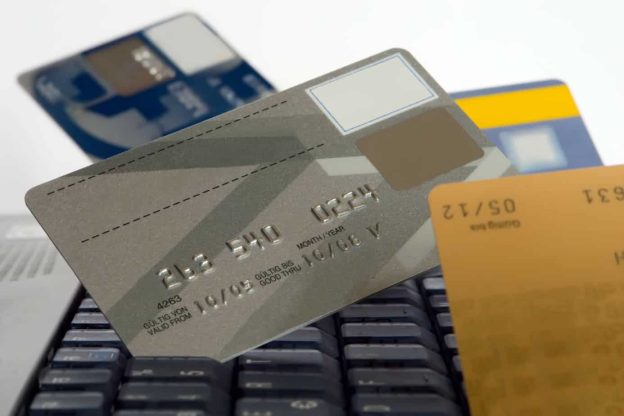
EMV® is a worldwide standard for credit and debit card payments based around the use of chip card technology. The acronym stands for Europay, MasterCard, and Visa, who collaborated to create the technology. The goal of this project was to create a card that worked based off of a microprocessor chip that is read by the payment terminal.

How it works

The transaction has a built in verification system that requires both the chip in the card and a PIN number the customer enters. This extra step verifies that the person with the card is in fact authorized to use it. This is just the first facet that makes these transactions more secure. Each chip contained in the card generates an original and unique code for each transaction. This unique identifier makes it easier to track transactions and identify fraud.

Comparison to Existing Magnetic Stripe

Everyone knows the magnetic stripes exist on almost every single card in the U.S. currently. These pass very simple data through the system at the time of the swipe, mainly just card number and expiry data. The data passed back and forth between the terminal and chip card is much more sophisticated and encrypted for added security. Another downside to the magnetic stripes is their shelf life. Many frustrated clerks can tell you that a card that is used often does not usually make it to its expiration date. Merchants should know that they need to swipe the card to get the lowest interchange rates for most cards. Often times, front line workers do not know that the business is paying a higher rate if the card is keyed as opposed to swiped.

Future Growth

EMV is already widely used worldwide. As of Q4 2012, there are roughly 1.62 billion EMV cards in consumers’ hands. Combine this with the 23.8 million terminals that have been deployed throughout Europe, Asia, and Africa and it’s easy to see that this technology is here to stay. HMS fully supports EMV processing and works with merchants to offer this to their customers. With Visa and MasterCard poised to really step on the gas concerning U.S. migration, merchants need to be up to speed on the new processes and technologies.

EMV-chart

This upgrade in technology will have an impact on a wide range of hardware including:

  • ATMs
  • Existing POS machines
  • Vending machines
  • Automated fuel pumps
  • Ticketing kiosks
  • Etc.

While replacing the vast amounts of existing hardware might seem daunting on a macro level , the time and capital committed to this migration is absolutely worth it when you consider the upside. The combination of both new terminals and chip cards will reduce risk for both consumer and business. Also, by making chip cards more universal, American tourists who travel abroad will have a consistent experience and won’t need a “special card” for overseas trips. This point is even more powerful when you consider that there are roughly 56 million trips outside the country by U.S. citizens just in 2012. So send us an email or better yet just give us a call at 877-517-4678 to discuss how Host Merchant Services can help your business stay ahead of the EMV curve.
Thieves use ATMs in multi-million dollar heist

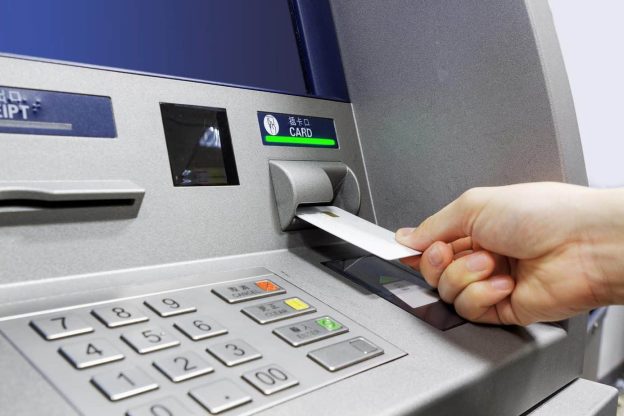
Late last week prosecutors unsealed Federal court documents that charge eight men with stealing $45 million dollars from numerous global banks to pay for high-end watches, expensive cars and other luxuries. In December 2012 and February of this year, the prosecutors allege that these men withdrew $2.8 million dollars from ATMs in only two attacks throughout the New York City area. The additional $42 million was withdrawn from other banks around the world by a team known as a “cashing crew.”

Authorities say that the global crime ring used prepaid debit cards in addition to hacked bank account numbers and PINs to withdraw the money in six continents and 27 different countries. The simple version of how they pulled this off is as follows: the hackers hacked their way into the banks’ systems and radically increased the values that were loaded onto the cards. Then with the information they obtained about the accounts, account and PIN numbers, used the cards to go on an ATM emptying spree.

In total, the operation needed over 40,000 individual transactions over the course of several months. It has been described as a “virtual criminal flash mob, going from machine to machine drawing as much money as they can before these accounts are shut down.” The eight suspects arrested in NYC followed what seemed to be a pre-planned route around the island of Manhattan, seemingly making a loop around Central Park. Those arrested had pictures on their cell phones of piles of $20 bills and also purchased a couple Rolex watches, a Porsche and Mercedes SUV.

This story not only caught my eye because of the sheer number of money stolen but also because of how the thieves went about pulling it off. In effect, they traded out ski masks and guns for computers and an internet connection. While the ringleaders were able to do the majority of the leg work online without much risk of being caught they still had to rely on “foot soldiers” to carry out the rest of the process.

The fact that this involved prepaid debit cards is what piqued our interest here at HMS as we value the security of debit and credit card processing. Attacks like this are a great reminder of why there are the comprehensive checks and security measures when it comes to card transactions. The fact that the authorities were able to trace these transactions, track down those involved, and arrest them is a testament to the vigilance of those enlisted to watch for fraud and other malicious activities when it comes to the financial services industry.

Being reactive is sometimes not enough though. Because of these recent events we are likely to see regulations and more security put in place in an effort to become more proactive in preventing attacks like this from occurring in the future. Who knows exactly what this will mean for the industry? For that we will just have to stay tuned.

Small Business Saturday: Nov. 24th

Today, the Official Merchant Services Blog shines a light on a little known holiday that falls between Black Friday, and Cyber Monday called Small Business Saturday.

Since Host Merchant Services has many small businesses in its customer base, we wanted to take a moment to spotlight this newer day of shopping focus and frenzy. This is the third year that American Express is promoting Small Business Saturday, which encourages consumers to shop from small, local businesses on Nov. 24.

The Basics

First of all, what is Small Business Saturday? It is a shopping holiday created by American Express, held on the Saturday after Thanksgiving during one of the busiest shopping periods of the year. It’s not that old. It was first celebrated on November 27, 2010. Small Business Saturday is designed to be a counterpart to Black Friday and Cyber Monday –– which feature big box retail and e-commerce stores respectively. Small Business Saturday encourages holiday shoppers to patronize smaller, local retail businesses.

Benefits For Consumers

The most basic perk to the Small Business Saturday campaign is that it gives money back to consumers for shopping at local small businesses. As defined by American Express at their Small Business Saturday Page here“You can receive a one-time $25 statement credit when you register any eligible American Express® Card and use that Card to make a purchase of $25 or more at a small business on November 24, 2012.”

Benefits For Merchants

A survey by American Express found 93% of consumers believe shopping at small businesses is important, and are backing that sentiment up by spending about a third of their discretionary income at local small businesses. This prompted AMEX to initiate the campaign in the first place. And if you are a small business merchant, AMEX is going the extra mile to get you involved in the perks and promotions of this holiday.

Even if you are a late-comer to this event, there is still quite a lot of value to be had from participating in Small Business Saturday. The $25 credit program applies no matter what else you do. But there’s also these amazing resources still available:

  • From AMEX you can get free in-store signage, and a free online marketing kit.
  • AMEX also offers a free personalized ad, which geo-targets potential customers
  • You can use AMEX’s Go Social app to create mobile-based deals for your American Express card-wielding customers.
  • A joint venture from Google and YouTube offers up My Business Story which lets you create custom videos using YouTube’s editing tool to entice your customers.
  • For inspiration, you can even view some Small Business Saturday Success Stories on American Express’s website.

Too Early To Tell?

So what do you think? Will Small Business Saturday catch on? Cyber Monday seems to be gaining some traction, fueled by the rapid growth in online shopping and e-commerce, and standing on the precipice of a predicted boom in mobile payment business. Black Friday is still going strong, with big chains like Toys”R”Us and BestBuy fueling it year in and year out. Is there room for Small Business Saturday? Are you a small business merchant and have you participated in this event last year? Will you be doing it this year? Feel free to share you thoughts and insights on this bold campaign from AMEX.

Interchange Settlement Given Preliminary OK

On Friday, the Judge presiding over the controversial Interchange Settlement case in Brooklyn, N.Y. gave preliminary approval to the settlement of credit card interchange litigation announced July 13. The Official Merchant Services Blog recently explained why the controversial Interchange settlement was being considered for preliminary approval, despite the backlash from merchants and large corporations. We also began talking about the possibility of ‘The Big Cash Comeback’ when the settlement was first announced, and later we discussed the opposition to the settlement.

U.S. District Judge John Gleeson indicated in late October that his cursory review showed that the settlement probably met the legal requirements for preliminary approval. He scheduled a hearing for Nov. 9 to get input from lawyers for the merchant plaintiffs and network and bank defendants. The judge said final approval requires a higher standard, and lawyers don’t expect final sign-off anytime before 2013. Opponents argued that the plan didn’t even meet the lower threshold for a preliminary approval.

The National Retail Federation, the leading retail-industry trade group and an outspoken foe of the agreement, quickly issued a statement saying it would “explore all legal options.” But the Electronic Payments Coalition, a lobbying group of card networks and banks, said it viewed Gleeson’s ruling “as further indication that this historic settlement is a fair and balanced resolution to the epic swipe-fee battle.”

The NRF’s Mallory Duncan said in a statement  that “retailers, their customers and competition would suffer irreparable harm if this one-sided deal is allowed to move forward. We will consult with our attorneys and act as soon as possible to correct this injustice.” The NRF is not a plaintiff in this case, and made no mention of which legal remedies it would pursue.

MasterCard Inc. general counsel Noah Hanft said in a statement that the settlement “was reached with the assistance of the court and was supported by the merchant class representing millions of large and small retailers, and prominent trade groups across the country.” MasterCard also said it remains confident that “the court will grant final approval in the coming months.”

Visa Inc. said “this settlement is a fair and reasonable compromise for all parties. It is the result of two years of negotiation between retailers, their legal counsel, the networks, financial institutions and two highly regarded mediators under the supervision of the court.”

Merchants and some trade associations sued Visa, MasterCard, and about a dozen banks in 2005 alleging credit card interchange is unfair under federal antitrust laws. With a trial set for September 2012, the parties reached a settlement that calls for the defendants to pay more than $6 billion in damages and temporarily lower credit interchange to the tune of $1.2 billion. The networks also are to grant relief from some of their rules, including an easing of restrictions on surcharging, and let merchants negotiate in groups in the interchange-setting process. In return, the merchants are to agree not to sue the networks over interchange and rules in the future.

Opponents said the plan would protect what they view as anti-competitive interchange practices from further challenges by merchants, even from merchants that don’t yet exist. Opponents also questioned the value of the new surcharging freedoms, noting that 10 states prohibit the practice. This settlement attempts to force a one-size-fits-all solution onto a wildly diverse group of merchants, which may be extremely unsuccessful.

While we have discussed this settlement from different aspects previously, noting the advantages it would seem to give the Issuing Banks over merchants, the settlement seems to be proceeding along without any further adjustment or negotiation. Although it is not finalized yet, the dissenter’s cries seem to be going unheard, as they believe that the settlement protects the status quo more than anything, and will not change the way the networks set interchange. Host Merchant Services will keep you informed of all the latest news involving this legal battle between the merchants and the card-issuing giants.