Tag Archives: iPhone

Using a Credit Card Reader with Apple iPhone

Are you planning to use your iPhone as a POS system for accepting payments from your consumers? Congratulations, you have made a good decision! Accepting payments from an iPhone has the potential to grow your business. One can pay for their purchases using an iPhone compatible credit card reader literally from anywhere!

The best part is anybody can start accepting payments via an Apple device (like iPhone or iPad). You will be surprised to hear that it’s quite affordable and above all, highly efficient, fast, and secure!

Before you start accepting payments via your iPhone, you will need –

  • An Apple device, of course! It can be either iPhone or iPad, make sure it’s connected to a working internet connection, like WiFi or cellular network.
  • A credit card reader offered by a good mobile payment processing company.
  • A credit card processing app that’s installed on your Apple mobile device.

An Apple iPhone card reader offers you the maximum flexibility of accepting payments from any place and at any time. This, in turn, can boost your sales tremendously and make the invoicing process much simpler and more efficient. Because with an iPhone crest card reader, you can receive payments and generate invoices on-the-go!

With Host Merchant Services, getting a credit card reader for your iPhone is not just affordable, but it’s super convenient too! We will help you to get customized solutions for managing your mobile payments, eCommerce payment processing, POS systems, EMV terminals, and many more.

Whether you are getting started with accepting credit card payments or simply willing to switch to a more flexible and mobile payment option, Apple-based credit card readers are the best option for any business looking for quicker, anywhere-anytime transactions.

However, besides choosing the right credit card reader, you must also take into consideration the features accompanying the device, and of course, the costs associated. Also, make sure that your provider is offering a strong customer support service to help during emergencies.

While choosing the best iPhone credit card reader for your business, there are a few things you need to consider. Whether you want it for a curbside delivery or pickup, or simply to manage transactions from various locations, your credit card reader must comply with the latest social distancing norms for ensuring your consumers’ safety. In other words, merchants are searching for safer and more mobile options for accepting payments using their Apple devices.

The key factors you must keep in mind while selecting your Apple-based card reader include –

  1. It must be compatible with your Apple iPhone or iPad
  2. Wireless connectivity like Bluetooth
  3. Initial and recurring costs
  4. Your business type and model
  5. Your consumers’ unique needs and preferences
  6. Hardware options
  7. Your monthly or annual sales volume
  8. Features of the credit card processing app
  9. The reputation and brand image of the credit card processing company.

Let’s check out our top picks in the arena of iPhone credit card readers, and what each has to offer to help your business grow.

1.  SwipeSimple

SwipeSimple comes with a flexible and highly portable credit card reader and an intuitive mobile app. By integrating the card reader and the app with your iOS or Android device, you can start accepting payments from your buyers anytime, anywhere.

SwipeSimple Card Reader has –

  1. Compatible tools for catering to modern payment standards, such as –
    1. EMV Quick Chip to speed up chip transactions
    1. Magnetic stripe to support legacy cards
    1. Contactless payment modes, including Google Pay and Apple Pay

The two popular card readers from SwipeSimple are –

  • B200 Card Reader
  • B250 Card Reader

Both of the above devices can accept EMV Quick Chip as well as magnetic stripe payments. However, the B250 has an additional option of accepting contactless payments, which is the best choice for businesses in the COVID-19 era and beyond.

SwipeSimple Mobile App has –

  1. Easy-to-use interface combined with robust, time-saving features
  2. Powerful features like –
    1. Getting an overview of your past transactions
    1. Gaining accurate business insights, including total charges, tax or tip collected, average charge, etc.
    1. Performing voids easily along with numerous partial refunds.
  3. Advanced capabilities like –
    1. Offline mode
    1. Customizable settings for signature prompt, taxes, tips, etc.
    1. Sending receipts via text or email or printing them using a compatible receipt printer.

2.  Vital Mobile

Vital Mobile is another popular Apple compatible credit card reader that is regarded as an all-in-one, affordable mobile POS solution. Besides, it enables you to operate your business right from your smartphone any time and at any place.

Vital Mobile is the right solution for small and mid-sized businesses that want to accept payments on-the-go beyond any fixed store location. This robust yet easy-to-use reader is compatible with almost all iOS (and Android) devices, and requires a super quick set up process. Its intuitive design offers a superior user experience, and one needs minimal training to get started.

Vital Mobile comes with reliable and simple tools to help you operate your business efficiently. The highlighting features of this card reader are –

  • Inventory management using real-time data to maximize sales.
  • Accept all kinds of payments to boost profitability and cash flow.
  • Establish and manage price points, customer loyalty programs, and discounts across multiple locations and products.
  • Set up and manage taxes and tax reporting procedures for accounting operations.
  • Manage employees, track their performance, and configure user permissions and roles.

3.  Clover Go

Clover Go is a sleek, lightweight, and compact card reader as well as an app built with tremendous processing power. The device is designed to accept payments on-the-go, while maintaining safety and security.

Some significant features of Clover Go that need mention are –

  • Take payments instantly from any place at which you have a good WiFi or cellular network connection. You can accept all kinds of payments using Clover Go, such as contactless, swipe, and chip from across multiple apps and payment services, including Apple Pay, Google Pay, and Samsung Pay.
  • Your Clover Go is ready simply by charging, connecting, and pairing the Clover Go app with your iOS or Android device.
  • Clover Go offers the highest security levels by protecting you and your customers’ sensitive data end-to-end. The device’s advanced tokenization and encryption technologies help it to provide top-notch security standards.
  • What’s more, you can even sync your Clover Go device or app with the Clover web dashboard. This way, you can have complete control over your core business functions, such as creating orders, managing and tracking employees and their performance, processing transactions, updating and tracking the inventory, and so on.

Before opting for a card reader, make sure to do good research on the available options and check which caters to your modern business needs.
iPhone and NFC issues

The iPhone and NFC issues [2023 Update]

Apple’s Latest iPhone 5S and iPhone 5C Lack NFC Support, Market Setback Expected

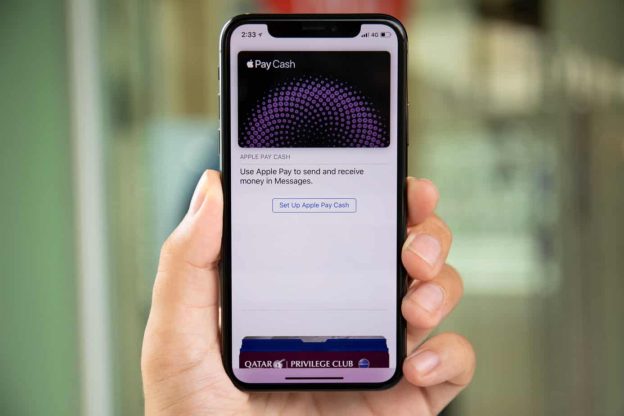
The iPhone and NFC issues can lead to a market setback. The sphere of influence of the iPhone apparently extends into industries that develop products for mobile payments. Mobile credit card processing and various merchant services, including various point-of-sale applications, are also influenced by Apple’s decisions. The close relationship between these technologies is most visible in the market for mobile payments.

Specifically, there is a lack of near-field communication, or NFC, support inside the iPhone 5. The absence of this capacity could delay the standardization and adaptation of associated applications. This restriction is already creating waves, which are rippling throughout Western Europe as well as North America; however, Asian markets are not expected to sustain any substantial impact.

Apple’s main competitors fully embrace NFC technology, and the mobile credit card processing market is also doing very well. This situation certainly begs the question: Is this a part of a larger marketing strategy, or did Apple simply drop the ball when developing compatibility for merchant services?

Facilitating mobile credit card processing and other instant transactions does not constitute small potatoes, so it is worth taking a closer look at the situation.

iPhone and NFC issues – Motives and Methods

iPhone and NFC issues - Motives and Methods

Two items seem to be present and capable of driving the decision to scrap the addition of NFC compatibility within the iPhone. First, it is possible that Apple might be attempting to undercut certain competitors. Since these products are targeted at initiating a new method for making fast and secure mobile payments, there could also be a conflict of interest lurking in the background.

Apple could also be attempting to establish a position of influence in the market for merchant services by changing the company tune only when outcry for their support reaches a high point. In addition, Apple has elected to develop the iPhone technology by using iBeacon, which employs similar transmission functions, but it is done via Bluetooth Low Energy or BLE.

Analysts observe that this single decision could put certain product developments for processing mobile payments behind for at least two years. Retailers have certainly responded by delaying their financial commitments for relevant point-of-sale devices and supporting products.

Since several alternatives to NFC are already in development, it seems like a stretch of the imagination to assume that this move is indeed strategic or even deliberate. Perhaps Apple is simply unresponsive to the various market dynamics created by its key decisions; however, this decision could also be motivated by its desire to control the technology and shift market dynamics with iBeacon. Only time will reveal the details.

About NFC

About NFC

One remarkable technological innovation that has transformed our interaction with devices is NFC! Abbreviated as Near Field Communication NFC has gained attention in years, particularly in the realm of ecommerce business. So, what exactly is NFC? How does it work its enchantment?

What is NFC?

NFC, also known as Near Field Communication is a technology that enables devices to communicate and share information within distances. It works on the principle, of Bluetooth and Wi-Fi connections by utilizing radio frequency waves. However, what makes NFC unique is its ability to establish a connection by bringing two devices close together.

Unlike communication methods that require complicated setup processes or pairing codes, NFC allows for seamless interaction with just a tap or touch. This convenience has made NFC widely popular across applications such as payments, ticketing systems, smart home automation, and data transfer between smartphones.

One of the features of NFC is its compatibility with existing infrastructures. Many modern smartphones already come equipped with an integrated NFC chip that enables users to make payments using wallets like Apple Pay or Google Wallet. Additionally, businesses can utilize NFC-enabled point-of-sale terminals for transactions without the need for cash or physical cards.

NFC tags are another aspect of this technology. These small adhesive stickers can be programmed with instructions such as launching apps connecting to Wi-Fi networks or even triggering actions, on your device when tapped against them.

NFC is a way of communicating that makes it easier for devices to connect through close interactions. Its flexibility and user-friendly nature make it a valuable tool, for improving user experiences in industries and everyday situations alike.

Use Of NFC

One of the applications of NFC is for making mobile payments. With a tap of your smartphone or smartwatch, you can conveniently and securely make purchases at stores and restaurants without having to take out your wallet.

Another purpose of NFC is to transfer data between devices. By touching two devices together you can easily share photos, videos, contacts, and more. No need for cables or complicated setup processes.

NFC also finds its usefulness in access control systems. Imagine the convenience of entering your office building or hotel room by tapping your phone on a reader. This eliminates the need for keys or swipe cards. Provides a seamless experience.

Moreover, NFC tags have the ability to automate tasks on your device. For instance, you can program an NFC tag in your car to automatically launch navigation apps or enable Bluetooth connectivity with a tap using your phone.

In addition, to these applications, NFC technology is also being incorporated into marketing strategies. Brands are leveraging this technology to offer engaging interactions, for their customers through posters and product packaging. These interactive elements can activate content when touched with a device that supports Near Field Communication (NFC).

As demonstrated by these examples Near Field Communication has a range of applications, in our lives. It enables us to make payments share files, access buildings, and even enhance marketing initiatives. The potential seems limitless!

How Does NFC Interact With My Device?

How Does NFC Interact With My Device?

When you tap your smartphone against another NFC-enabled device like a payment terminal or another phone the two devices establish a connection. This connection enables them to exchange information without any delay.

The interaction between your device and the NFC-enabled one happens because of fields. When the devices come close to each other their antennas generate these fields that facilitate communication between them.

Once the connection is established data can be transferred between the two devices. This could include making payments at stores or sharing files like photos and videos between smartphones.

One of the things about NFC is its simplicity. There’s no need, for setups or passwords – just a simple tap is all it takes to initiate communication.

It’s worth noting that both devices involved in an NFC transaction must have hardware and software for it to work correctly. Fortunately, most modern smartphones already come equipped with NFC capabilities.

NFC interacts with your device by utilizing fields generated by antennas. It makes things easier, such, as paying and sharing files by creating connections, between devices that work together with a simple tap. So the time you come across that NFC” symbol on a device you’ll have an understanding of its functionality!

Know more about NFC here.

What Brand is Your Wallet? [2023 Update]

Today The Official Merchant Services Blog keeps examining the rapidly growing payment processing sector of Mobile Payments. With an never ending stream of deals being made by startups and established companies developing the latest gimmicks and technology to bring mobile payments and mobile wallets to the average everyday U.S. consumer driving the marketplace, it’s easy to get lost in a sea of mobile payment processing media hype.

In our blog yesterday we were able to see how some of that disconnect works. Visa pushed mobile payment technology aggressively at the London games. Their plans were almost scuttled by a malfunction with the processing terminals during a men’s soccer match between Great Britain and United Arab Emirates. The crowd was cranky as they were unable to pay for concessions using a mobile phone or a credit card. They had to resort to cash, and many patrons were unprepared for the anachronism.

This wrinkle in Visa’s mobile plans underscores how fragile mobile payment technology still is; and it also highlights how close we’ve come to a cashless society — the kind of society where mobile payments promise to be a thriving and convenient way to pay for goods and services.

The Knock on Mobile Wallets

The continued skepticism U.S. consumers have with mobile payments can be found summarized well in this L.A. Times article by David Lazarus. The main theme is something we’ve covered extensively in the past year: Mobile Payments are the future, but people are worried that the payment processing is not secure. It seems that for almost every story published about how mobile wallets are going to revolutionize e-commerce and make billions and billions of dollars in profit, there’s a story like this one that says consumers are worried about security, fraud and identity theft.

These are valid concerns. Much like regular old online shopping — which has become ingratiated into the average U.S. consumer’s shopping habits — the threat of tech savvy criminals stealing pertinent payment information is an ongoing issue. Everything from phising scams to data breaches affect e-commerce. But none of it has stopped the juggernaut from steam rolling consumer buying habits. Everyone shops online because of the ease and convenience. This is powered by how easy it is for people to be online, click some buttons and buy something. The power of convenience trumps security concerns.

This will happen for mobile wallets as well. Once the technology gets out in front of people they will flock to it because it is easy to use and available where they shop.

Convenience is the Key

So what I believe is the current obstacle holding Mobile Payments back from making a huge splash with U.S. consumers is the fractured marketplace. They’re not readily available at the store when you go there. There’s too many variations on the theme. And too many different companies trying to inject a new technological advance into the sector before it gets traction with consumers. We covered the top types of Mobile Payment technologies recently, and even keeping our analysis to just a few contenders we’re stuck noticing a competition between Near Field Communication driven “Swipe Phone” technology and QR-Code driven “Scan” technology.

iPhone 4S Drives Mobile Commerce

Recent reports by Monetate show it gets even simpler than that — Smartphones themselves. Gone will be the advertising slogan of Captial One, “What’s in your wallet?” that questions what plastic card you use. Instead it will be “What brand is your wallet?” Or rather, which smartphone are you using to pay for things with — iPhone or Android?

According to the data from Monetate, the answer used to be in doubt as late as Q4 2011; and is now a resounding iPhone by Q2 2012. Monetate released its E-Commerce Quarterly Report for the second quarter of 2012, and the figures showed some dramatic changes in smartphone usage driving e-commerce traffic.

According to the report, “Leading e-commerce websites receive 3.31% of their total visits from smartphones running Android, up from 1.76% last year and an increase of 85% in total shopping sessions. These same websites receive 5.41% of their traffic from iPhones compared to 2.45% a year earlier, an increase of 117% in total shopping sessions over the same time period.”

The data showed that in Q4 of 2011 websites received 1.99% of their total visits from Androids and just 2.25% of their visits from iPhones, suggesting the two competing smartphone systems were about dead even. The iPhone 4S was released that quarter however, and iPhones spiked way ahead of the Android.

Despite that spike in iPhone usage, the report indicated that shoppers on Android-powered smartphones converted better than iPhone users — Android converting at a 1.26% clip and iPhone at a 1.00% clip.

What Does This All Mean?

Well even with iPhone getting a bigger spike than Android, both phones grew their e-commerce usage in 2012. That means the goal of realizing those heady revenue predictions from companies like Juniper and Gartner Research are on course. The security concerns may make good copy for the media, but the real obstacle remains saturation in the actual physical marketplace. Give people more opportunities to pay with their phones and they will readily begin to pay with their phone. It will start off as some new gimmick people want to try. And then it will become second nature.

Customized E-Commerce

The Official Merchant Services Blog switches its focus today back to e-commerce. After the boom in mobile phone usage this past weekend from Black Friday on through Cyber Monday, it’s becoming increasingly clear that smartphones and mobile internet users are becoming very important parts of the  e-commerce industry. As such, businesses that utilize e-commerce need to consider including the mobile phone element in their online shopping capability.

This increase in the importance of mobile usage –– most notably mobile payments –– is leading many e-commerce businesses to develop mobile apps. These mobile apps let those businesses customize their service and stay in touch with their consumers who prefer to connect via mobile networks. The trend is moving e-commerce mobile solutions away from the traditional Wireless Application Protocol (WAP) sites. That’s a paradigm shift in the industry. E-commerce businesses are developing and designing their own applications –– or at the very least branding their own versions of mobile apps.

Applications Over Surfing

E-commerce leaders are finding out that users prefer using a mobile application instead of going to a business through their mobile phone’s web interface. This article from The Hindu Business Line quotes Amarjit Batra of OLX.in as saying: “We found users more comfortable in having a mobile application than opting for mobile web search or using WAP sites.”

This change in e-commerce puts an emphasis on having payment gateways accessible across different mobile platforms. To put it simply, a business with a mobile payment aspect to its e-commerce presence needs to have a mobile payment system compatible with Android, iPhone and Blackberry.

Host Merchant Services is staying ahead of this curve, offering a series of customizable e-commerce solutions to its merchants. Included in that package are mobile payment services apps that work on both iPhone and Android. HMS keeps its options flexible so that its merchants can tap into the rapid growth in mobile payments.

Mobile is Key to E-Commerce

This growth is looking like a trend for businesses in the burgeoning mobile payments market. Juniper Research is often cited as predicting the Mobile Payment Industry is going to blossom from a $240 billion industry to a $670 billion industry by 2015. This makes it very helpful for businesses to recognize consumer behavior in terms of their mobile device usage. Google Analytics provides a great free source of tracking for e-commerce merchants to monitor traffic from mobile devices. That’s a great first step for a business to determine what kind of mobile payment option or customization might be needed for the e-commerce a merchant is already doing. At least get an indication if there is a need for mobile payments or a customized and branded mobile app for your business.

The move towards individual businesses dabbling in their own branded app development also extends from the fluid nature of the industry as it grows and evolves. With so many different companies –– Google, PayPal, Visa to name some of the giants –– all coming up with their own variation on mobile payments, the flexibility to customize and brand their own version of mobile payment services is extremely important for all players involved in the process. This includes merchants themselves as well as merchant services providers.

Stitching it all Together

Besides just crossing platforms between the major mobile carriers, the applications being developed need to integrate web services and payment options into the solution. Essentially the goal is to make e-commerce seamless for mobile users as well as internet users. The whole range of potential business needs to be taken into account with a business’ e-commerce package. And that’s why the focus is on customization.

Sachin Singhal, e-commerce expert for Naaptol, underscores this in the Business Line article when he told them: “A mobile app is more user-friendly than having a WAP site. However, integrating the payment window with it makes the application complete.”

Host Merchant Services has been aware of this trend from its beginning. And that’s why the company offers powerful tools to its merchants that help them complete this integration –– giving them an across the board e-commerce solution that caters to mobile users and internet surfers alike. HMSPay and HMSExpress are both important elements that allow the company to capitalize on this trend and give online businesses the flexibility they need to cater to the huge growth happening in mobile payment sector.

Customer Service vs. Marketing? [2023 Update]

Much of the content I provide for The Official Merchant Services Blog I write like a news story. The goal there is to provide quality, insightful information on topics that relate to what we feel our visitors and merchants can use in their business. But this is still a blog. And today I’m going to take a more casual, more blog-like approach. In the end though it’s all going to come back to a very relevant point about customer service, e-commerce, and the holiday shopping season.

Good Call Gone Bad

I have ended my relationship with the Apple iPhone. Which is a pretty significant departure for me. I’ve had an iPhone since 2007. While I wasn’t the first in line to get one, I was still a very early convert and had one a couple of months after its launch. I “wow-ed” my friends with its touch screen technology, and became a loyal iPhone customer all the way up until this week.

What Caused Me to Leave the iPhone?

Poor customer service is what caused me to switch to a different smartphone plan and leave the iPhone. Here’s what happened:

I hadn’t upgraded my iPhone in awhile. I was still using the 3G. My battery was getting spotty. My internet connection through it was definitely showing its age. It was time for me to upgrade. And conveniently enough the iPhone 4S had just been released. I thought this was an amazing opportunity to upgrade right before Christmas. And luckily (or so I thought) for Apple, I had two phones to upgrade. I had purchased an iPhone as a Christmas present for my mom a couple of years back. And it was on my phone plan, and she was really unhappy with her internet speed on the phone. Win-Win for the Apple store right? Two phones to upgrade.

One Step Forward, One Step Out the Door

So I went into my local Apple store Monday evening looking to upgrade. At $200 per upgrade, I was basically walking through the front door with at the very least $400 to spend on their products.

That’s when things got all bizarro-world. Up was down, North was South, and making sales was not the salesperson’s goal this day. I was told that I could not upgrade my phone that day. That I had to do one of two things:

  1. Log onto their web-site and purchase the phone online directly from the apple store’s site. I was told this would take 1 to 2 weeks to deliver.
  2. Log onto their web-site and make a reservation to pick up a phone the next day. I was informed that I had a very specific window in which I could make this reservation (between 9 p.m. and 11 p.m. at night). I was told that I would run into high internet traffic and would likely have to refresh the page multiple times. I may not make it into the reservation quickly enough because of this (The salesperson compared it to bidding on something on eBay but in my head it sounded more like trying to obtain playoff tickets before they sell out). And I was told I had a very specific window of opportunity to make it into the store the next day to pay for my reserved iPhone.

And after explaining all that, I was ushered out of the store. Just like that, $400 walked out of their store.

Cool Like That

I have to ask: What is wrong with that business model? I mean, I fully understand there’s some marketing tactics being employed right now by Apple. Part of what makes Apple the brand that it is stems from their marketing of “cool.” That their style drives the demand in their product and that they can give that aura of being too cool to worry about beating their competitors with boring numbers. But how far does that extend? Is it a good move to let $400 walk right out of the door? What kind of customer service is that?

To get back to my misadventure, after walking out of the store with no service, I did indeed go home and jump onto the web that night. But instead of visiting Apple’s web site, I went to AT&T’s site –– my phone service and data plan provider. I just wasn’t even going to try and deal with Apple’s site. Especially with all of the obstacles they put in front of me. I did note that AT&T’s site would give me an upgrade to an iPhone 4S and promised 2-day  priority shipping. But I didn’t really investigate the details of what they were going to offer. I was that annoyed with the Apple Store’s treatment of me. I had been a loyal customer of this product for 4 years. I’d upgrade multiple times in the past. And never once experienced anything like this. Apple did not want my money. So as fascinated as I was by AT&T’s offer, it was time to move on.

Ex-Phone to the Next Phone

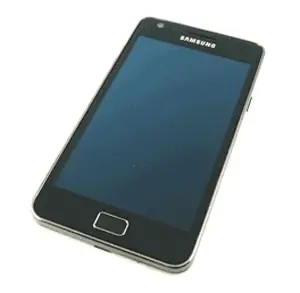
I upgraded my service plan and smartphone to a Samsung Galaxy S II. For the exact same price as the iPhone 4S.

My phone arrived last night. And now for the first time since 2007 I’m not using an iPhone. It all comes down to the customer service.

I’ve read stories explaining that demand for the iPhone 4S is higher than supplies. So that’s why this reservation process exists. However I question the circumstances that led up to this situation existing. The iPhone 4S was released in time for the holiday shopping season of 2011. The iPhone is an industry leader. And this is one of Apple’s biggest releases of the year. What prompted them to under produce?

I tend to think it’s part of their “oh so cool” marketing strategy. By under producing they help continue to stoke the flames of demand. It’s this slick new gadget from the hip tech company. And you want it even more because you can’t have it.

The Bottom Line

There is a lot of power in that strategy. But as I said to a friend of mine the other day at lunch, Microsoft will stay ahead of Apple on a lot of things simply because Microsoft would rather have my $400, and your $400 and everyone else’s $400. They’d rather make the sale. Customer service wins out over cool branding and hip marketing. And that’s something very important for merchants to remember heading into the most frenzied portion of the holiday shopping season. The iPhone 4S is trying to be the Tickle-Me-Elmo of the smartphone industry. The must-have/can’t-find item. And I am guessing that in the long-run losing out on my $400 isn’t going to hit them very hard. But that’s not a mistake smaller businesses can make.

It’s All About Service

Customer service is key. With e-commerce being so prevalent, consumers are blitzed by options. They can shop around by clicking from here to there. And your business needs to make an impression on customers. Especially those that walk into your brick and mortar operation with money in hand looking to purchase. If the Apple store had done anything to retain my business, they’d have kept me around for a few more years. Instead they showed me the door. Literally.

The Samsung Galaxy S2

I didn’t just decide to blast Apple without checking around to see what the deal was with this. And I do have a certain level of understanding about how the company has to now deal with their short supply and still move forward with trying to sell the product. I have a friend who went through the reservation process and was as flustered with it as I was just being told about it by the salesperson in the store. I also poked around to find some relevant stories and information on this.

Here’s a Conversation Marketing Blog about trouble with Apple Store customer service. The issue is completely different. But I did get a chuckle out of this image. And it underscores my overall theme here –– Customer Service needs to improve.

That blog led me to this article about Gary Vaynerchuk’s book The Thank You Economy. The book makes “a compelling case for why businesses need to adapt to the new reality that one-way push communications are no longer as effective as building a real, sustainable relationship with your customers.”

Which gets round to the whole reason this story exists on The Official Merchant Services Blog: Quality customer service is at the very heart of the Host Merchant Services business philosophy. As our CEO often says, “You stay with us because you’re happy.” It’s just that simple. No contracts, no termination fees, no tricks. Host Merchant Services will not run you off the way the Apple Store feels it can with customers who are looking to spend hundreds of dollars. It’s not part of the HMS philosophy.

Virtual Gifting [2023 Update]

The Official Merchant Services Blog continues its series focusing on the upcoming holiday shopping season and how the e-commerce industry is shaping the future of shopping. Yesterday we looked at Mobile Gift Cards and studied their potential to be a popular gift giving idea. They can end up being extremely easy to use and very convenient for shoppers in a pinch, turning the process into a few simple clicks and an e-mail away from delivering a gift card the recipient can then use instantly, no matter the distance between gifter and giftee.

Today we’re going to look at what was a burgeoning gift giving idea last year, that we predict will continue to build steam and become a major choice in holiday shopping ideas: Apps. Smartphones are obviously a very popular part of peoples’ everyday lives. And with that comes the apps that fuel their usage. This makes virtual gifting of those apps a viable and useful purchase option for consumers looking to give someone that perfect, albeit tiny, little gift that they know the person will enjoy. Be it a fun game like Angry Birds or Words With Friends or Plants vs. Zombies, or something more functional like a flashlight or Facebook messenger app, virtual gifts are fast becoming stocking stuffers. And as such, both Android and Apple have created a gift-giving functionality for their apps.

Here’s a story that ran in India’s The Business Standard giving tips and advice on which apps that may work as stocking stuffers for Apple and Android users. The article states: “Mobile applications or apps can keep tablet PC and smartphone users engaged for hours. With hundreds of apps releasing every day, these are the best gift this season for your app-addict friends or family members.” 

List of Virtual Gift Ideas

Virtual Gift Ideas

For iPhone users, the article runs through the process of either using their iTunes gift card service or using their “gift” button to virtually gift an app. It then suggests a short list of gift ideas:

  • Tweet Speaker, an app that lets users hear their twitter tweets in a hands free, convenient process that avoids having to finger through the updates.
  • LoopyHD, a music app that lets aspiring mobile DJs and musicians record music loops, merge them, import them and keep them all in sync.
  • Bobo Explores Light, an interactive learning tool that takes children on an educational journey to discover how light interacts with the world.

For Android users, the article details how Amazon has an Amazon App Store for Android ready to go.  The article states: “Amazon’s Appstore in fact puts Android within striking distance of the iTunes store for the first time, from a functionality and desirability perspective. Amazon’s Appstore gift cards, which you can email, send via Facebook, or even print out for any amount. This way you can give the gift of apps to other Android users, or provide your kids with an app allowance of sorts. To redeem, simply enter the card’s code value while purchasing the app from Amazon store.”

The Android Apps that are suggested are the Paper Camera App that gives you preview functionality through a viewfinder, and the Easy Tether app that lets you siphon off the internet connection from your phone to your computer.

As smartphones ingrain themselves more and more into our society, virtual gifting is going to become a much more commonplace activity. Driving the strength of e-commerce higher and higher. So just be aware that the holiday shopping season of 2023 is going to keep that business sector thriving.

Steve Jobs passes away 2011

Steve Jobs 1955-2011

Steve Jobs, Apple co-founder and former CEO of the company, passed away Wednesday October 5, 2011. Apple’s website posted this as a remembrance:

“Apple has lost a visionary and creative genius, and the world has lost an amazing human being. Those of us who have been fortunate enough to know and work with Steve have lost a dear friend and an inspiring mentor. Steve leaves behind a company that only he could have built, and his spirit will forever be the foundation of Apple.”

The impact Jobs had on the payment processing industry is still being defined even now after his passing. Mobile Payments are a booming sector in payment processing, and technology is still being developed and tweaked and polished to harness the revenue potential that some predict will blossom by billions of dollars in the next four to five years.

And the iPhone that Jobs helped Apple launch is a key element in mobile payments. Host Merchant Services‘ own mobile payment solution, HMSPay uses an iPhone application to function. The iPhone, the iPad, the iPod are three of Jobs’ greatest legacies and innovations. These items that Jobs brought forth into the world are still only at the beginning of their use in terms of payment processing and its evolution.

You can find out more about Steve Jobs and his life from these links: