

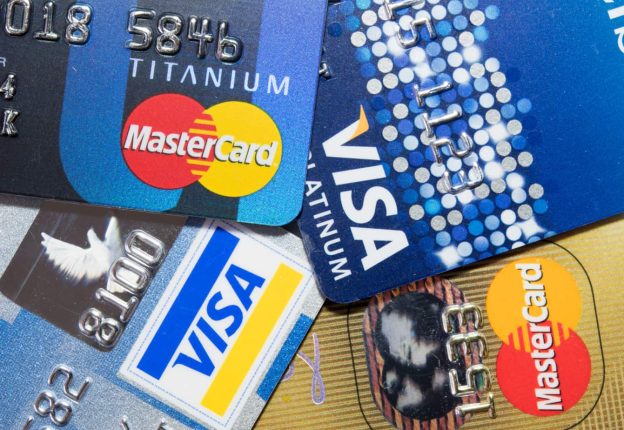
Visa and MasterCard were both planning on changing their interchange rates in 2021. But pandemic-related issues and concerns have prompted them to delay their increases. They will change their interchange rates in April 2022.
These rate changes reflect various ways how Visa and MasterCard operate. Your business will experience a significant impact, as the higher rates will cut from your profit margins and cash flow. You can keep these changes from being a problem if you plan ahead.
Changes Through Visa
Visa was planning on putting in a few changes to its interchange rates and fees in April 2020, but they were delayed by a year due to the pandemic. They have been delayed another year due to worries about how businesses can recover from the pandemic.
Visa’s first change will entail how it will handle card-not-present or CNP transactions. The fee for a traditional Visa card on transactions of $100 or more will rise from $1.90 to $1.99. For premium cards, the fee will go from $2.50 to $2.60.
Visa also has plans to increase the interchange rates for supermarkets and grocers. But it has not been open about how much of an increase will occur here. Visa has since announced it will delay the increase to 2022.
The highest rates for Visa cards are around 2.95%. The company will likely go past the 3% mark in 2022, although how high the network will go remains unclear.
Visa did make one other move, as the Electronic Interchange Reimbursement Fee or EIRF has been eliminated. The EIRF entails proper reimbursement for some losses in downgraded transactions.
What MasterCard Is Planning
MasterCard has announced it will be increasing the interchange rates for various industries. These include supermarkets, convenience stores, and some physical retailers. These increases will help MasterCard manage its network and handle its reward programs.
MasterCard has not been forthcoming on what it will specifically do with its increases. MasterCard will likely add a few tenths of a percentage point to each rate it offers for these businesses. The company will not go forward with these increases until 2022.
MasterCard offers various protective features for cardholders and offers support for anti-fraud measures. MasterCard often charges slightly higher rates than Visa offers, so you can expect MasterCard’s rates to continue to remain high. But the rates MasterCard charges are nowhere near as significant as what American Express charges to businesses that accept their cards.
What Everything Means
The plans for Visa and MasterCard to increase their rates in 2022 means that businesses may struggle to keep their cash flows under control. The problem with interchange rates is that they have been rising, which is problematic in industries where credit transactions have become more common.
All businesses that accept credit cards will require an analysis of their efforts in how they accept these payments. They must look at how much they are collecting from customers versus what they are losing in interchange charges. Businesses can recognize how their customers are spending money to see what changes they need to consider for their operations.
What Can Your Business Do To Offset These Increases?
The potential increases that Visa and MasterCard will impose will be substantial concerns for businesses to watch. You can offset these increases by using a few measures to help you keep these changes from being as significant:
- Use a sensible pricing model for your industry.
Merchant account providers can help you find different pricing models that fit your business. These include providers that will offer an interchange-plus or tiered pricing platform. A tiered program may work if you accept specific card payment types versus others. An interchange-plus platform is best if you accept a variety of cards.
- Look at a possible cash discount system.
You can use a cash discount program where you can promote that people will spend less on their orders when they pay with cash. You can adjust the prices at your store to cover the increase in the interchange rate, and then offer a percentage discount for people who pay for something with cash. The effort is useful as it doesn’t entail an additional surcharge that might not be legal in some places. But the cash discount should be promoted well, and any prices you list should be reflective of what people will spend if they pay in cash.
- Enter a Level 2 or 3 tier for how you collect credit card payments.
You will qualify for a lower interchange rate if you provide more information on your business. Card networks will assign a specific tier level to your business based on how much information you provide. A Level 1 business will pay the highest rates and only submit its name, the purchase amount, the date, and the billing zip code in each transaction.
A Level 2 business will include these features plus a tax indicator, a customer code, a merchant tax ID, an invoice and order numbers. A Level 3 business will add a product or SKU description, details on each unit price and the quantities available, discount amounts, and any shipping totals and duty charges.
You will pay less in interchange totals if you gather more data on each card payment. The increased info will help a network identify your business transaction and will produce a lower rate. You could save a few tenths of a percentage point on interchange fees if you use the right measures.
- Use anti-fraud measures to prevent chargebacks.
Sometimes a high interchange rate may be due to your business being at risk of chargebacks and fraud. You can use a few anti-fraud measures to keep these in check, thus reducing your average rate:
- Conduct transactions by phone or mail when possible.
- Use an address verification service to confirm one’s address when processing an order.
- Settle the purchase authorization within two days of shipping a product.
- Provide as many details on a product or service to the customer as possible. The customer will be less likely to require a chargeback when one knows what is happening at a time.