

Since March 2019, pro-democracy activists in Hong Kong have been staging massive rallies that often turn violent and destructive. Clashes between protesters and riot control police units have claimed more than 2,500 injuries and millions of dollars in damages. The lucrative tourism and retail industries of Hong Kong have also been deeply impacted; according to data compiled by regulators, sales transactions have plunged by more than $30 billion since November 2019, one of the worst plunges ever experienced by this autonomous region of China.
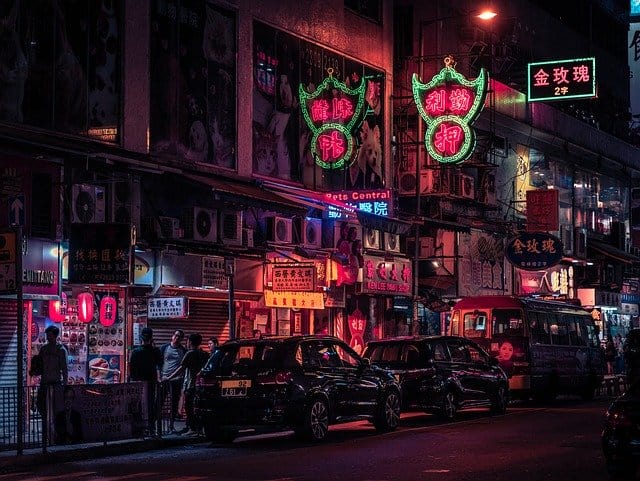 The worst month for retail sales in Hong Kong was October, which posted a 24.4% drop on an annual basis. Amazingly, market analysts expected an even more calamitous report for November when considering just how violent the protests have turned since October. The resolve of activists in Hong Kong has not shown any signs of abatement; on New Year’s Day, one of the most impressive rallies drew hundreds of thousands out onto the streets of the Kowloon district, and leaders who spoke to international journalists explained that they are not ready to stop until the Communist Party of China gets the message: People of Hong Kong do not want to abandon the democratic system.
For small business owners, particularly retailers, the protests have been disastrous to their bottom lines. Hong Kong is one of the most active markets in terms of digital payments, but this is not an advantage when storefront operators are forced to shut down their establishments, which are often damaged by vandalism during protests. Being a leader in digital payments means little when shoppers are too nervous about visiting stores because they fear protests will get unruly.
At a time when holiday sales in Asia are posting record annual increases, the situation in Hong Kong is dispiriting. Luxury brands such as Louis Vuitton, which rely on purchases by foreign visitors, are closing up stores in some of the busiest districts. As for foreign tourist arrivals, their volume has dropped by more than 55% on an annual basis.
Needless to say, representatives from the Hong Kong Retail Management Association are dismayed by the current situation. A recent survey among retailers revealed that 7,000 business owners are planning on closing up shop over the next six months unless things improve and the protests stop. Sensing that the worst is still to come, government regulators have urged commercial space landlords to put a moratorium on raising lease contracts. A deteriorating retail economy is the last thing Hong Kong would like to experience; thus far, the hardest-hit in this regard have been luxury retailers such as jewelry stores, but thereare fears about protest leaders calling for shopping boycotts in 2020.
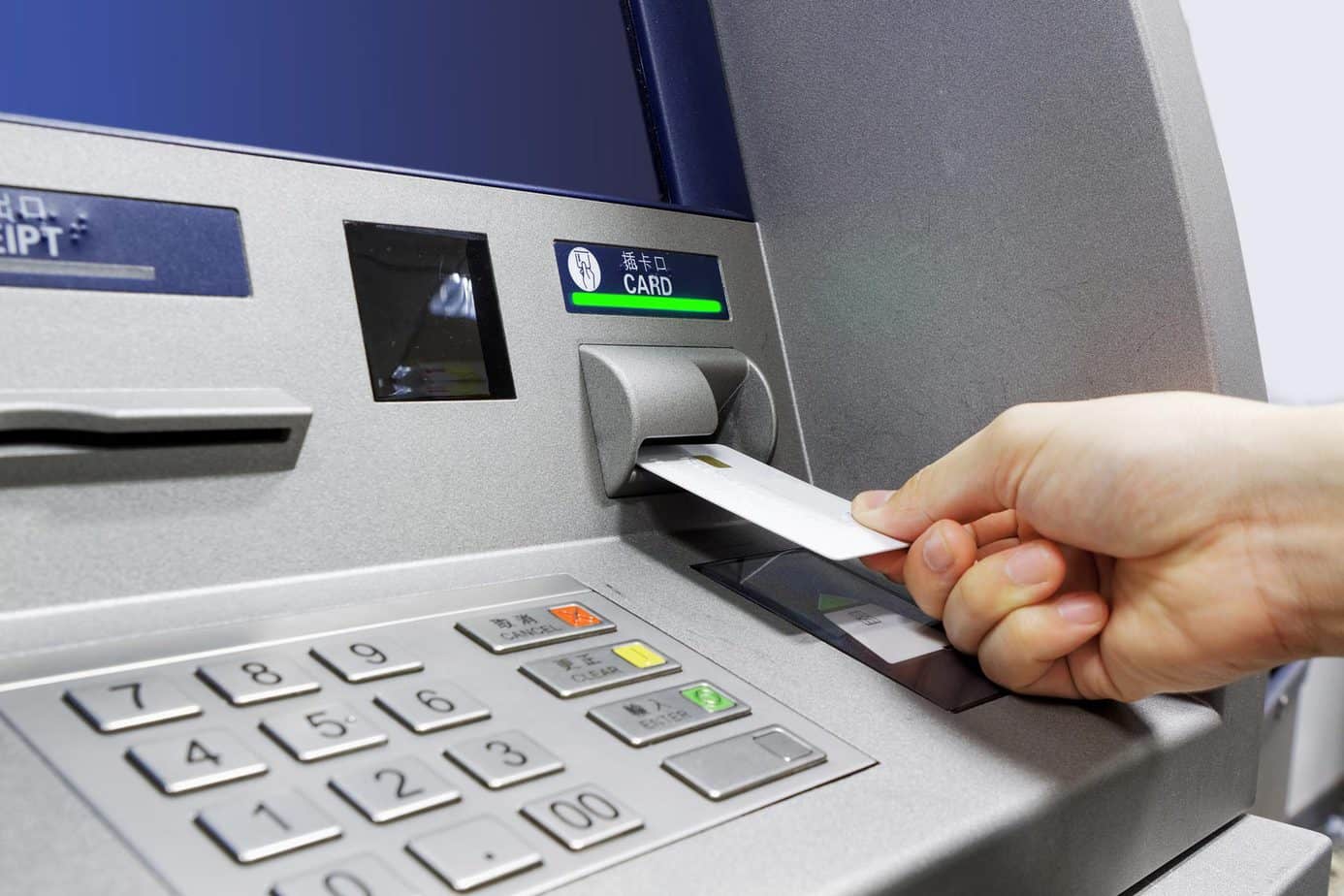 LINK, the business entity that controls the national network of cash machines located within corners shops across the United Kingdom, has sharply reduced the interchange fees, and it is planning even more cuts in the near future. ATM operators have taken swift action to cut their losses by removing machines from corner shops. The Association of Convenience Stores is now urging LINK to scrap the next fee reduction so that ATM operators do not end up removing all their cash machines, particularly in communities where residents do not have easy access to their banks.
 Before discussing details about this security incident, it should be noted that Landry’s POS system was not breached. In fact, the restaurant chain operates a system that not only encrypts data but also blocks all scripts it does not recognize which means that unrecognized malware would have no effect. There was another card-reader system affected, but not one used for payments. With this in mind, the scope of the incident is sharply reduced because the credit and debit cards that may have been intercepted were not supposed to be swiped in the targeted system anyway.
 Project Sand Dollar went live just two days after people across the Bahamas celebrated Christmas with a traditional dinner of baked ham, rice and peas, and potato salad. Central bank officials explained that although there is a
  Even though online shopping accounted for a little less than 15% of the overall sales volume, it should be noted that the Cyber Monday shopping event continued to grow, particularly in the consumer electronics segment, which experienced a boost of 10.7% on a year-over-yer basis. Specialty apparel was the segment that shoppers expressed greater interest in compared to 2018, but even department stores posted a nice growth of 6.9% despite industry analysts warning that the heyday of American shopping malls is behind us.
 According to security reasearcher Bob Diachenko, who discovered the unsecured Elasticsearch dabatase along with Comparitech, it may not have belonged to Facebook, rather a cybercriminal organization.
 Having joined PayPal in 2013 after their purchase of his
 There are two emerging cryptocurrencies making a circulation splash, and they share one factor in common: their value is tied to the United States dollar. Tether (USDT) and U.S. Coin (USDC) are known as “stablecoins” which means that their currency exchange value will always be the same as the American dollar because this is the business plan of their respective development teams. In the case of USDC, which is backed by investment banking giant Goldman Sachs, its market capitalization has increased considerably this year because users of this digital currency enjoy its stability and trust in Goldman Sachs as the manager of the underlying