Tag Archives: Identity Theft

Fraudsters Don’t Take a Vacation During the Holidays

Fraudsters know that some of the greatest opportunities to commit theft occur during the hustle and bustle of the holiday season. Consumers do not only have to worry about double-swiped credit cards at checkout and phone or email scams. Criminals study consumer buying habits and use those habits against them during the holidays.

Here are the top three worst habits:

Poor Attention

Shoppers are more likely to forget important safety and security habits when rushing around during the holidays. Always hold on to anything that might contain identifying information about you or property, including shopping bags, phones, wallets and purses. Additionally, pay close attention when you park your car and pump gas. Many criminals look for unlocked cars this time of year.

Cheap Attitudes

Some shoppers are so obsessed with the cheapest deals that they ignore common sense and known security risks when shopping online. They click links in emails and pick the cheapest deals even when the sources of these supposed deals are unfamiliar merchants. Fraudsters then steal their identities or banking information through phishing sites or perform payment scams where they take orders, forward the orders to known merchants and then keep the payments for themselves.

Technology Dependence

Now more than ever before, shoppers are depending on portable devices, the internet and apps to help them find great deals. Criminals use this dependence to their advantage by hacking portable devices in public places where shoppers use free WiFi to get updates about real-time deals and coupons. They also create fake shopping and merchant apps that collect personal information. To block thieves, never use portable devices through unsecured public networks, change passwords after every shopping trip and only install apps from verified merchant websites.

You do not need to become a victim. To stop fraudsters from ruining your fun over the holidays, always attempt to keep yourself aware of your environment and your actions and curb any impulsive and bad shopping and technology habits.
Identity Stolen

Who is Likely to Have Their Identity Stolen?

Identity theft is a growing problem. Part of the reason for this rise in the number of people having their identities stolen is the use of the internet for social and commercial interaction. A recent study has shown that people who spend the most time and do the widest range of activities online are up to four times as likely to have their identities stolen. They routinely share personal information on multiple online channels, and this behavior increases their degree of online exposure.

A growing number of people see the convenience of online activities as being more important than privacy and security. While many companies are working to create methodologies and technologies to protect people’s identities online, cybercriminals are becoming more sophisticated with each passing day. They’re able to capture sensitive information from a wide range of people, and it’s getting harder to catch them. People trying to reduce their risk of becoming a victim of identity theft should be careful about what information they share online and what sites they share it on.

The increasing popularity of social media is also making people more vulnerable to identity fraud. Each day millions of people interact on social media. Yet few of them know how to protect their identities online. In an attempt to generate revenue through the use of targeted advertising, these sites encourage users to share as much personal information as possible. Users trust the social platforms and freely share private information. Sadly, many social platforms lack effective policing and security methods so their users’ information is vulnerable to nefarious characters.

People who share their full name including middle name, date of birth, home town, school name, location, and graduation date, relationship status, pet names, affiliations, hobbies and interests on social media run a great risk of becoming a victim of identity theft and other types of fraud.

PayPal President Hacked [2023 Update]

Twitter, the modern equivalent of Mad Libs and the yellow journalism of the late 19th century, has revealed to us a gem of irony that makes the whole Target getting hacked story seem that much more poignant.

No one is safe in this bold new era of credit card hackers and identity thieves. Not even the president of a major payment processing company.

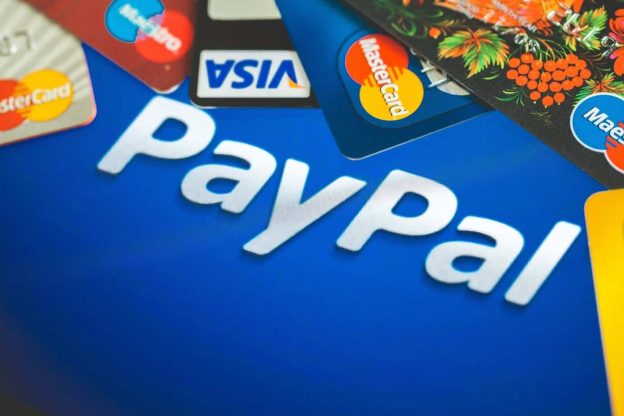
PayPal President David Marcus has been the victim of credit card fraud, he said on Monday. The leader of the online payments company revealed via Twitter that his credit card information had been stolen on a trip to the United Kingdom and he’d racked up a “ton” of fraudulent transactions on his account.

Smart Chip Didn’t Help

Marcus speculated that thieves probably skimmed the info from the magnetic stripe on his card, even though his card had an EMV chip, a technology that makes cards in Europe more secure than the ones commonly used in the U.S.

EMV® chip technology– or EMV — is a worldwide standard for credit and debit card payments based around the use of chip card technology. The acronym stands for Europay, MasterCard, and Visa, who collaborated to create the technology. The goal of this project was to create a card that worked based off of a microprocessor chip that is read by the payment terminal. Because the U.S. has yet to widely deploy embedded chip technology, the nation has increasingly become the focus of hackers seeking to steal such information. The stolen data can easily be turned into phony credit cards that are sold on black markets around the world.

Is it Just a Marketing Ploy?

Marcus adroitly used the incident as an opportunity to plug his own company, suggesting that the fraud wouldn’t have happened if the merchant had accepted PayPal. His company is currently trying to expand its presence as a payment option in physical stores, putting it in direct competition with platforms like Square and Google Wallet.

It also comes right when data breaches are major news in the payment processing industry. On December 19 2013, Target confirmed a sophisticated data breachoccured. In their press release they stated: “Approximately 40 million credit and debit card accounts may have been impacted between Nov. 27 and Dec. 15, 2013. Target alerted authorities and financial institutions immediately after it was made aware of the unauthorized access, and is putting all appropriate resources behind these efforts.  Among other actions, Target is partnering with a leading third-party forensics firm to conduct a thorough investigation of the incident.”

So Marcus’ misfortune happens right at the time identity theft, credit card fraud and hackers are on everyone’s mind. With EMV chip cards being touted as one of the best solutions to the hacking problem, Marcus’ mishap even taps into that buzz.

Identity Theft Restoration

Identity Theft Restoration [2023 Update]

When your identity is compromised

Every individual’s identity is unique to him or her. The problem with this is that there are many others who would love to take that away. They would like to steal identities in order to benefit themselves. Unfortunately this happens far more often than we would like to believe. In fact it is a crime that is so common that law enforcement worries that they are not able to prevent too many cases of this. However, there are things that you can do when if this situation arises in order to try to get your affairs back in order.

Identity theft restoration is the best possible first step. It is the process of trying to set everything in order after your identity has been stolen. The individual who was the victim of identity theft can sign a limited power of attorney. This will allow an identity theft expert to begin to work on your case.

There are things that you can to do as an individual to set your record straight. You are still going to have to fill out a police report and fill out the FTC fraud affidavit. Most of the work can actually be handled by a professional as you continue to try to move on with your life. After all, you will have to carry on in some way as your identity theft case is being worked through.

There are identity theft restoration programs that can also help individuals prevent this crime from occurring again. These programs can include notification to creditors, a complete review of your credit report to ensure accuracy and a dedicated case worker assigned to your case. You can use these tools to try to make sure that you are not a victim of identity theft or fraud in the future. It is also advised to change all online passwords in an attempt to thwart any hackers attempt to access your accounts.

Other things that are done to prevent identity theft from happening again include making sure that there are not others who are selling your identity. This sometimes happens when less then reputable companies sell off the information that they have gathered on their customers. Thus, it is important to review a business’s privacy policy prior to giving any sensitive information that you may not want to fall into the wrong hands.

How to Protect Against Identity Theft?

Identity theft can cause an individual or family to lose much of their financial life. They can take a huge hit to their credit score, retirement savings and much more. They can also be seen by the financial world as someone who is not credit worthy. It is something that can cause huge problems for those who have gone through this issue. Thus it is best to try to get these issues solved as quickly as possible. The best thing to do is to act quickly as soon as you suspect that you have had your identity stolen or been a victim of fraud.

Host Merchant Services offers tips on how to protect against Identity Theft

Tips to Prevent Identity Theft

College students are commonly targeted for identity theft. Because they are such common victims of identity theft, Host Merchant Services recommends taking a few simple steps to protect your identity:

– Secure your mail.

Campus mailboxes are often easily accessed in a dorm or apartment. Have sensitive mail sent to a permanent address such as your parents’ home or invest in a secure post office box.

– Don’t share too much on social networks.

Studies have found that identity fraud can be twice as common for people who have been on social networking sites for five years or more. Javelin research found that those people not using privacy settings on their networks were at a higher risk of exposing crucial information to fraudsters. So to protect yourself, take the time to update and adjust your privacy settings for the various social networking media you utilize.

– Important documents should be securely stored.

All important documents you have should be stored somewhere safe. This includes your Social Security card, passport and bank and credit card statements. Shred all paper documents that contain sensitive financial information and any credit card offers that come in the mail.

– Never loan your credit or debit card to anyone.

If you feel the need to pay for a friend’s meal or a tank of gas, go with them instead. Avoid co-signing for a loan or other financing.

– Make sure your computer software is up-to-date.

Many public Wi-Fi systems can be susceptible to hackers, especially those that are not password-protected. Download updates to your antivirus and spyware software on a regular basis to keep your personal documents and information safe. Never use a shared computer workstation to pay bills or shop online.

– Check your credit and debit card statements frequently.

Look for any suspicious activity or purchases. The sooner you identify potential fraud, the sooner any fraudulent charges can be refunded to you.

– Start with trust.

When shopping on unfamiliar websites, always check for the BBB Accredited Business seal and click to confirm it is legitimate. If there’s no seal, check the company’s BBB Business Review at bbb.org.

– Check your credit report at least once a year.

Experian, Equifax and TransUnion each offer a free credit report once a year. Visit www.annualcreditreport.com to request a report and look for any suspicious activity or inaccuracies.

To check the reliability of a company and find trustworthy businesses, visit bbb.org.