Tag Archives: Host Merchant Services

when will bitcoin hit $100,000

When Will Bitcoin Hit $100,000? Maybe Sooner Than You Think!

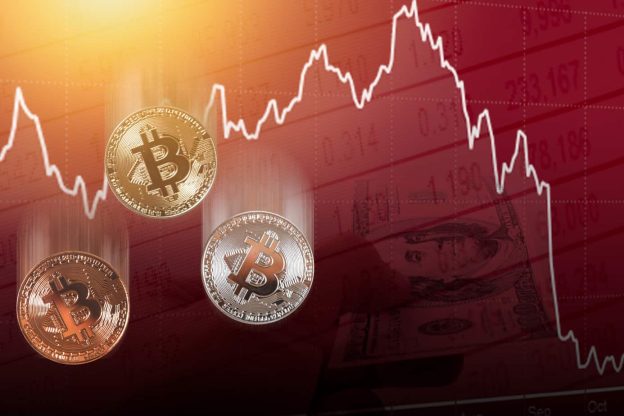
Many experts are now growing more confident in their beliefs that Bitcoin will hit $100,000 sooner than people think. Many also strongly believe that it will hit that price point by the end of 2022. These claims are backed by technical and fundamental analysis.

News and Indications

The world of cryptocurrency has recently come about with some potentially bullish news. To start with, President Joe Biden has finally signed the cryptocurrency executive order in March of 2022. The markets had been waiting on this order for months to gauge its potential impact. As a result of this executive order, BTC jumped higher with the removal of uncertainty from the market, however it has recently suffered declines along with the broader market. However the issuance of this executive order did remove the overhang of some uncertainty that had potentially been holding back many crypto assets. Many experts say this executive order may spark other occurrences that help propel Bitcoin to greater heights.

Some analysts agree that the price of each bitcoin could go as high as a million dollars. Out of all of the catalysts that have got bitcoin so far, Walmart just may be the one that pushes it significantly higher. It is now hosting Bitcoin ATMs where you can go in and buy bitcoin with cash.  

In other happenings, you also have the Houston pension funds that are supposed to pay retired firefighters. They have a five billion dollar pension, out of which, they used 25 million dollars to purchase Bitcoin and Ethereum. This is a good indication that big money investments are now starting to enter the crypto space.

Facebook Partners with Coinbase

Facebook is partnering with Coinbase to introduce its wallet. Very soon, people will be able to send cryptocurrencies to each other using the platform. Not to mention, Facebook’s brand reinvention into Metaverse is also a bullish indication for Crypto. Anyone who has not invested in Bitcoin yet may change their minds once Facebook introduces its crypto wallet.

Bitcoin’s Price

The market cap of Bitcoin has reached 1.2 trillion dollars which means that it is very close to surpassing the entire market cap of silver. Despite its rising price, many critics still believe that Bitcoin does not hold long-term value, and this is because its price has fluctuated over many stages and cycles. To get a better perspective on the price of Bitcoin and where it could be headed, it is important to look at the stock-to-flow model.

This model looks at finite limited resources such as gold, diamonds, and other commodities. Looking at these commodities, one can somewhat accurately predict the price of a particular asset sector in the future. Many experts have used the stock-to-flow model and applied it to bitcoin.

Keep in mind that this model only looks at the stock, which refers to the amount of something in existence. It then compares it to the flow, which refers to the rate at which you create, produce, or find something. The stock-to-flow model for bitcoin has been extremely close to following its price, and according to its chart, the price is on the verge of something very big about to happen.

Bitcoin is Backed by Strong Narrative

One of the biggest reasons why bitcoin has been accelerating in value is because of the narrative behind it. Money is on everyone’s mind, and the narrative surrounding bitcoin is getting stronger, which will lead to further adoption. This narrative has to do with how the government is still printing plenty of fiat currency and using it as an easy escape to get rid of their economic shortcomings.

Excessive printing of money is causing high rates of inflation in the country along with other factors. This allows them to use the money to buy up bonds, corporate debt, and other assets. This incentivizes people with money to buy assets which are perceived to be a store of value, like commodities and now also cryptocurrency. All of this has the effect of asset inflation which leaves more dollars in the system competing for the same amount of goods.

This does not mean that your net worth is increasing. Instead, it simply just takes more money to get the same amount of available goods. This narrative of money is very persistent and will set the foundation for bitcoin adoption. 

How Talking Points and Distrust Will be Enough

Inflationary pressures have investors strongly considering alternative asset classes as a way to stay ahead of the curve. Historically investors have looked to perceived “stores of value” like gold and silver to stay ahead of inflation, but cryptocurrency has potential in this area.

For some investors, they may consider putting all of their money into stocks, as a means to outpace inflation. For some, this means putting their money into bitcoin and crypto assets. Many are even labeling bitcoin as the fastest horse in the race of all existing asset classes according to the data. Some models predict that bitcoin is the best hedge against inflation.

Final Thoughts

Overall, gauging bitcoin’s performance will require plenty of patience, and since it is dependent on some external factors like world events, anything can happen in terms of its valuation. Whether or not its price will reach the $100,000 mark by the end of 2022 is very debatable. However, there are more bullish fundamental indicators than bearish ones, which is why you can expect good things from your bitcoin investment.

Coinbase Registers with the SEC

Coinbase Registers with the SEC

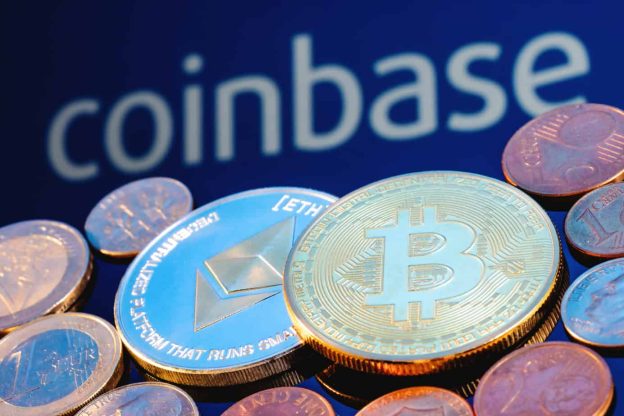
On May 10th, Coinbase announced that it had filed for a registration statement with the Securities Exchange Commission (SEC). The announcement came along with their reports for the first quarter of 2022, where they reported missing the revenue estimates that were previously given by analysts and sending shares down as much as 19%.

In a released statement from Coinbase discussing their registration statement with the SEC, the statement was intended to be used for potential prospective offerings, including the sale of new securities. However, new securities won’t be immediately available.

This statement, and their recent Q1 results, came during a major sell-off in the crypto market which has been referred to by some as a crypto crash, with Bitcoin dropping below $30,000. Coinbase has lost more than 70% of its value since late March.

Coinbase commented on its goals and approach to capital structure over the years, stating that its aim has always been to raise capital at the lowest cost possible to its shareholders. They expect that the shelf registration would speed up the process of issuing securities to a matter of days, which they hoped would allow them to time the market conditions better.

While these are the company’s statements on the matter, the reality is that their decision could have been driven by other factors, such as the uncertainty surrounding crypto assets regarding the U.S. federal securities law, as well as the mounting pressures for crypto regulation.

Coinbase reported, in their filing, that the SEC traditionally doesn’t confirm the status of crypto assets as securities in advance. Since the evolution of crypto assets and their classification is still ongoing, it’s difficult to predict how to classify them. The only crypto assets that the SEC has given a definitive view on are Bitcoin and Ethereum, which they don’t see as securities. However, Coinbase stated that the SEC’s views are not binding for courts, other agencies, or even the SEC itself. Coinbase believes that should the SEC change its approach, it could have a significant impact on the business.

Other crypto assets have yet to be ruled out as securities by the SEC under their current rules, though the company’s analysts argued that none of the assets traded on their platform are considered securities.

For their part, Coinbase gave a warning on their filing for people investing in crypto assets. They warned that should the SEC, or any other regulatory authority be it national or foreign, determine that a crypto asset traded on the platform was a security, Coinbase wouldn’t be able to continue offering said asset until they could do so in a compliant manner.

This statement helps shed light on Coinbase’s decision to file with the SEC, as they seem to be preparing in advance to offer crypto assets on their platform that are considered a security by the SEC or any court.

The registration has more potential benefits for Coinbase, as it would allow them to provide the company’s crypto products and assets on top of those from third parties. As of now, there is regulatory uncertainty regarding the company’s yield-generating activities such as staking and lending. These could eventually be considered securities, but the filing would allow Coinbase to act quickly on that matter.

Coinbase also revealed that it had received investigative subpoenas from the SEC regarding its stable coin and yield-generating product plans. Should these be classified as securities, the registration could help the company keep these services afloat by meeting the necessary compliance measures.

In the last part of their statement, Coinbase mentioned that they believed this shelf registration statement would enhance the company’s flexibility, as well as enable access to other capital markets more efficiently and effectively when market conditions were optimal.

How Can My Business Accept EBT?

EBT (Electronic Benefit Transfer) card payments enable SNAP (Supplemental Nutrition Assistance Program) and TANF (Temporary Assistance to Needy Families) recipients to purchase food and other goods. Replacing the previous “food stamp” system, EBT allows recipients to use a card similar to a debit card to make purchases. The government pre-loads the EBT card with funds, which the recipient can use to purchase SNAP-approved food items.

With more than two and a half billion EBT card transactions annually, accepting EBT payment is a step toward expanding your business. In addition to growing your customer base, EBT transactions also cost your business less than traditional debit and credit cards.

Requirements for EBT Registration

Because EBT cards only work with approved retailers, your business must register with the government before you can accept EBT cards. Your store must meet one of two requirements regarding staple foods: 50 percent of your store’s retail sales must consist of SNAP eligible foods (staple foods) OR your store must offer at least three types of eligible foods in addition to at least two perishable eligible foods. The eligible or qualifying groups are breads and cereals, dairy, fruits and vegetables, and meats, including poultry and fish. 

In addition to the traditional brick and mortar stores, qualified farm stands and farmers’ markets can also apply for a SNAP permit. And if you own 10 or more qualified retail food stores, an FNS representative will work with your business directly in lieu of the online application.

How to Apply for EBT Payments

The US Department of Agriculture’s Food and Nutrition Service (FNS) administers the SNAP program and distributes permits to merchants that qualify for EBT cards. If your business qualifies, you’ll first verify your identity by way of a USDA eAuthentication  account. 

After you activate your USDA account, then you can apply online to accept SNAP benefits. While the application only takes as little as 15 minutes, you may need to research your records for some of the answers. You’ll also need copies of the following supporting documentation, which you can upload online or print and mail to FNS:

  • Photo identification, e.g. driver’s license, passport
  • Social Security cards, copies for all owners, partners, officers, shareholders, and spouses
  • Business license
  • Your bank’s name and address
  • Merchant account provider’s name, phone number, address, and website

Payment Terminal for SNAP Benefits

Once your business obtains a SNAP permit, you’ll need a terminal that accepts PIN debit cards, complete with a PIN pad. Your merchant account provider can either provide the required equipment or can program your existing equipment with encryption keys. You will need to provide your merchant account provider your seven-digit FNS Account Number to set up EBT merchant services.

Host Merchant Services

If your business needs support in signing up for EBT Merchant Services, Host Merchant Services will provide your business preferential treatment. Our service team is four times larger than our sales team! We know it’s better to keep our customers happy than it is to find new customers. HMS provides US-based support 24 hours a day, 365 days per year.

Apple Pay And Google Pay Icons 145949978

How to find stores that accept Apple Pay, Google Pay [2023 Update]

Google Pay and Apple Pay offer a convenient and secure way to pay for goods and services with nothing more than your smartphone. But, how to find stores that accept Apple Pay and Google Pay in 2023?

If it’s been a while since you gave them much thought, you’ll be surprised to learn they are both accepted at thousands of stores from major retailers and websites to smaller businesses.  If you’re looking to accept Apple Pay for your business you can get started here.

Invest In Crypto. Get A $10 Bonus
Before you leave your wallet behind, it’s a good idea to double-check that the store will actually accept one of these payment options. Here’s how to easily find stores that accept Apple Pay and Google Pay.
 
How to Find Stores That Accept Apple Pay And Google Pay

find stores that accept apple pay and google pay

apple pay symbols

  Invest In Crypto. Get A $10 Bonus

Using Apple Pay
To use Apple Pay, you will simply need to hold your iPhone up to a wireless credit card machine at the store and use Touch ID to complete the transaction. You don’t need to launch the Wallet app or even wake up your iPhone — it will happen automatically when it’s in range of the wireless terminal – this is called contactless payments.

Apple Pay is accepted in so many places, it’s hard to maintain a complete list. You can use this payment system in boutique stores, hotels, grocery stores, retailers, many apps, and participating websites with supporting merchant services.

A sample of stores that accept the payment include:

  • Restaurant and fast food chains such as Jamba Juice, Jersey Mike’s, Jimmy John’s, Baskin Robbins, McDonald’s, and White Castle
  • Target accepts Apple Pay in the US at all locations.
  • Retailers like Gamestop, Disney Store, Best Buy, Kohls, Five Below, Petco, and Petsmart
  • Office supply retailers Staples, Office Depot, and OfficeMax accept Apple Pay
  • Gas stations such as Chevron, Texaco, and ExxonMobil
  • Major drug stores including CVS and Walgreens
  • Grocery stores like Publix, Meijer, Albertsons, Trader Joe’s, and Whole Foods
  • Costco accepts Apple Pay but only Visa and Visa Debit cards linked to the Apple Pay wallet.


Notably, Walmart still does NOT accept Apple Pay and is unlikely to accept it in the future. Major discounters such as Dollar Tree and Dollar General DO NOT accept Apple Pay.  Home improvement stores Home Depot and Lowes also do not take Apple Pay as of 2021.  Kroger is another notable major retailer that does not accept Apple Pay in 2021.

The Apple Pay payment system is now accepted in 21 countries and it is supported by dozens of U.S. banks, credit unions, and credit card issuers.

Finding Stores That Accept Apple Pay
Unfortunately, locating stores near you that accept this payment system still isn’t straightforward. Aside from looking for the Apple icon on a drive-through or store window, there are two main options available.

The first is to open the Apple Maps app on your iPhone and search for a store. After tapping on the store’s name, you can bring up more information. The Useful to Know section usually displays the Apple icon if the store accepts the payment method.

Another option is the Pay Finders app which uses crowd-sourced data from users of the payment system and information provided by business owners. You can view nearby stores on a map or search their database.

google pay symbolFinding Stores That Accept Google Pay
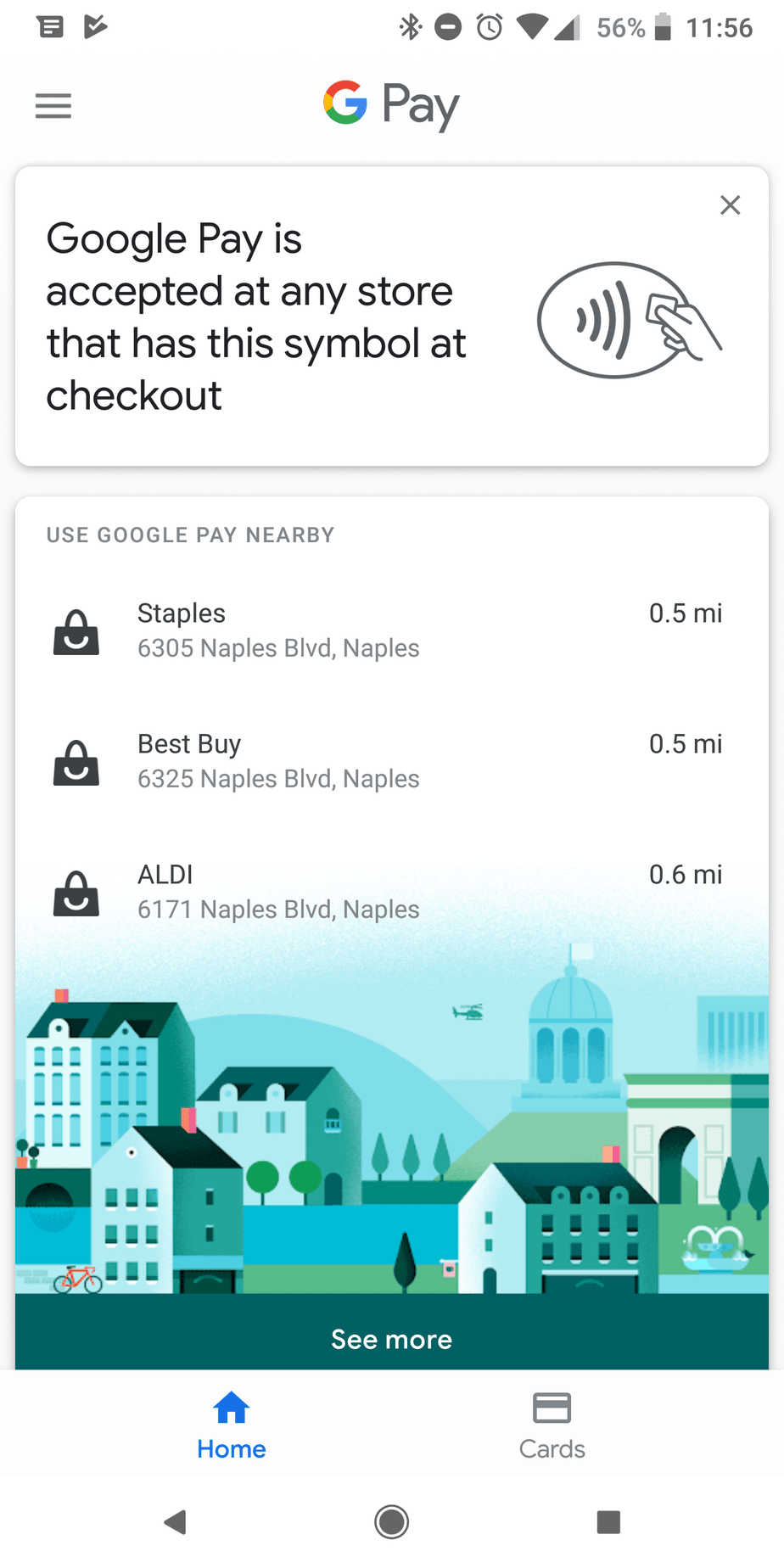
Google Pay has now replaced Android Pay which a redesigned app that makes it easier than ever to find stores nearby that let you checkout with your phone. Once you have cards added to your account, you can find nearby retailers from the Home tab of the app. When you reach the list of cards, pay attention to the last two.

The second-to-last card is an informational card with the NFC payment icon that allows you to use your phone as a digital wallet when Google Pay isn’t accepted. The last card is labeled “Use Google Universal Contactless Payment Symbol logoPay Nearby.” When you select this option, it will automatically show the three closest stores that accept the payment method. You can also choose “See More” for a longer list. The list will include everything from fast food chains and retailers to gas stations and grocery stores.
An ever-growing number of retailers are adopting NFC-compatible payment technology to improve customer convenience and credit card processing security. With greater efficiency, shorter lines, convenience, and security, mobile payments are certainly here to stay with benefits for customers and merchants alike. And it is not difficult anymore to find stores that accept Apple Pay and Google Pay. 

 
Google Pay Nearby Location Tool
Google pay locations list
 

target wallet

Target Pay Coming Soon

Apple, Android, and Google have their own pay services, where people can make payments directly from their devices. Recently, Wal-Mart joined the bandwagon when it released Walmart Pay. Target is now joining the game, planning to release its own payment service, Target Pay, later this year. Although Target has not decided if the service will be part of the Cartwheel Coupon App, the main Target app, or perhaps a feature of both apps, mobile payments are definitely coming to Target.

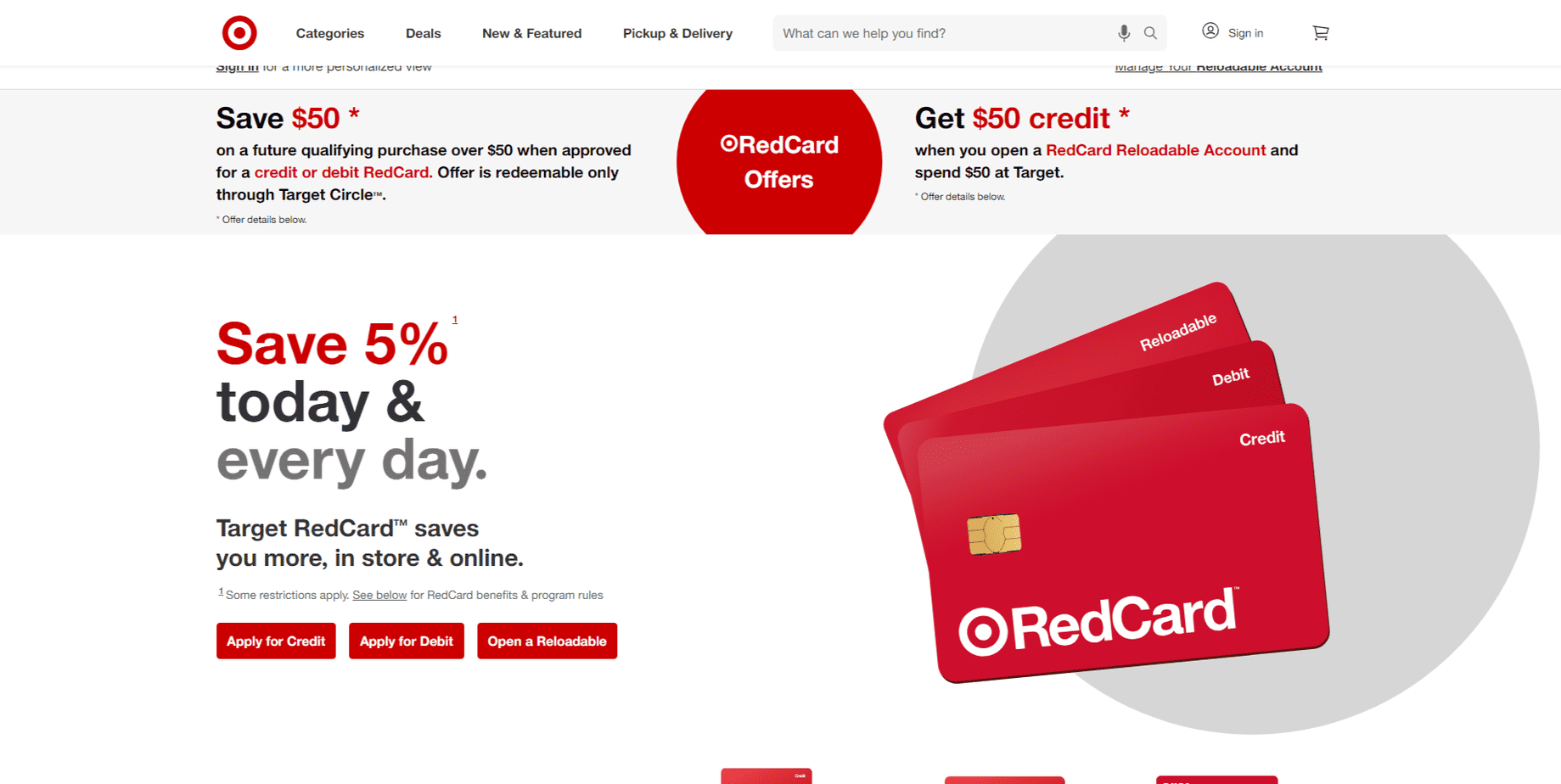
This means that customers can leave their credit cards at home. If the feature is anything like Walmart Pay, Target customers will scan a QR code with their phone to initiate payment processing. Target Pay will only be available to REDcard customers. At least, at first. This differs from retailers like Walmart and Kohl’s, which offered an option for mobile payments to all of their customers from the start. Target does say that it will allow customers to use and earn rewards as well as process payments. This is very similar to what their retail competitors are already doing.

The announcement comes after Target saw a drop in its in-store sales and a rise in its online sales over the holiday season. Overall sales have been flat year after year, which was also hurt further by sales in electronics and entertainment, which have declined. However, online transactions have increased by 30%. It is hoped that by extending a mobile payment option, Target can increase its sales. Significant growth in both numbers could easily put Target at an all-time high.

While options like Apple Pay will continue to be allowed online, users will find that they cannot use those payment services in-store. The only in-store mobile payment service that Target will accept will be its own. However, users will be able to use Target Pay online. For Target, mobile payments could mean new opportunities, and it remains to be seen how their service will stack up against their competitors.

Recent Updates – Target Pay And Target Wallet

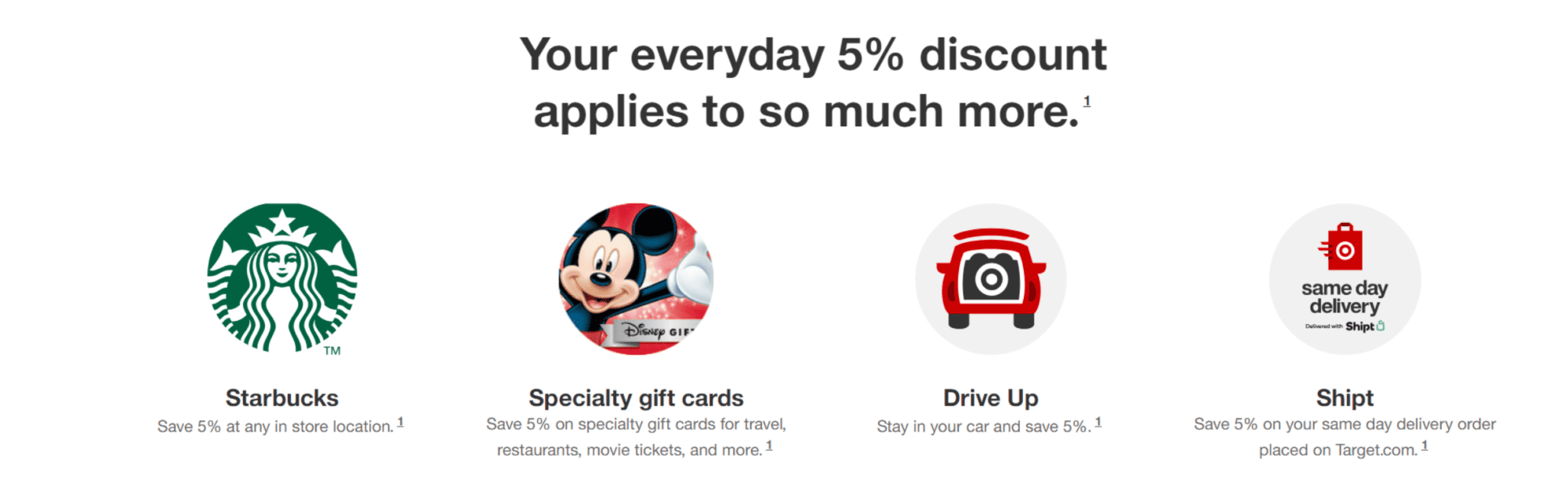
In a recent update shared on their company blog, Target announced the integration of a Wallet feature in their app, revolutionizing the checkout process for shoppers. With Wallet, customer can easily pay with their Target REDcard and access savings through Cartwheel with just one scan of their smartphones at checkout. The initiative aims to expedite the payment process while consolidating digital discounts, Cartwheel offers, weekly ad coupons, and the 5 percent discount for REDcard holders into a single, convenient location. Target also revealed plans to enhance Wallet’s functionality by enabling the storage and use of Target gift cards.

Mike McNamara, Target’s Chief Information and Digital Officer, emphasized that Wallet in the Target app is designed to streamline the checkout experience significantly. He highlighted the added convenience for customers of having a unified platform for handling payments, discounts, coupons, and gift cards.

This development is part of Target’s broader strategy to amplify its presence in the eCommerce arena, a move that could potentially escalate its market value by 20 to 30 percent in the next two years, as per analyses by Barron’s magazine. Target’s proactive strategies to outperform Amazon have led to a noticeable increase in online sales, with eCommerce accounting for 4.4 percent of their total sales in the most recent fiscal year—a jump from 2.8 percent in fiscal 2016, outpacing growth at Walmart.

Target pay

Furthermore, Target’s launch of exclusive in-house brands, like the children’s apparel line Cat & Jack, contributes to its upward trajectory. The retailer plans to introduce 12 unique brands by the end of 2018, with eight slated for release during the 2017 holiday season, spanning various categories from baby and children’s items to men’s and women’s apparel and home goods.

Benefits of Using Target Wallet

Target’s Wallet revolutionizes the checkout experience, offering shoppers benefits for smoother, safer transactions. This mobile payment option streamlines purchases by allowing a single barcode scan from your phone, directly integrating discounts and loyalty rewards into the payment process. With advanced security measures, including encryption and biometric authentication, Wallet ensures your payment details are safe. Additionally, its support for contactless payments and real-time updates enhances convenience and customer peace of mind.

How to Set Up and Use Target Wallet

Setting up and using Target’s Wallet for seamless payments is simple and quick. Follow these steps to get started easily:

1. Download the Target app: If you don’t already have it, download the Target app on your mobile device. It is available for both iOS and Android versions.

2. Create or sign in to your Target account: To use Wallet, you’ll need a Target account. If you don’t have one, create a new account by providing the required details. If you already have an account, sign in.

3. Navigate to the Wallet feature: Once you’re signed in, locate the Wallet feature within the Target app. It is usually found in the main menu or navigation bar.

4. Add your payment methods: In the Wallet section, you can add various payment methods, such as credit cards, debit cards, and even Target gift cards. Enter the necessary information for each payment method you wish to use.

5. Set a preferred payment method: If multiple payment methods are added, you can choose one. This will be automatically selected when making a purchase using “Wallet.”

6. Verify your identity: Target may require you to verify your identity for security purposes. You can do this by providing additional information or following a verification process.

7. Start using Wallet for payments: Once you’ve completed the setup process, you can start using Wallet to make payments in-store. At the checkout, open the Target app, navigate to the Wallet feature, and scan the barcode presented by the cashier.

Security Features of Target Wallet

With Target’s Wallet, you can enjoy the convenience of making contactless payments using your mobile device. It’s a secure and hassle-free way to complete your shopping transactions at Target.

Target prioritizes your security with Wallet by incorporating encryption, tokenization, biometric and multi-factor authentication, and continuous fraud monitoring. These robust security features safeguard your information, providing a trustworthy and stress-free shopping experience.

Compared to other mobile payment options like Apple Pay, Walmart Pay, CVS Pay, and Kohl’s Pay, Target’s Wallet stands out for its accessibility across all Target stores, comprehensive security features, and seamless integration of loyalty and discount programs. Unlike these competitors, Wallet is designed to enhance Target’s shopping experience, making it a uniquely convenient choice for Target customers.

MasterCard Using Artificial Intelligence to Attack False Declines

One of the biggest problems for merchants accepting credit cards is not fraudulent transactions, but rather false declines. Certainly, credit card fraud is costly, but it’s estimated that merchants lose $118 billion due to credit card declines where the transaction is genuine and the customer is not over their limit. It’s estimated that 15% of all transactions are falsely declined. It’s a problem that credit card companies like MasterCard are working on solving.

It’s easy to see just how bad the problem is. When a customer is declined, there is a good chance they won’t return. In fact, statistics show that 33% of customers who are declined falsely don’t return to the business ever again. This is due to several reasons, but likely embarrassment plays a role in this. Imagine having your transaction declined when you know you have enough money in your account or you are well below your credit limit.

False declines are a problem that the major credit card companies are aware of and are working on. MasterCard has recently begun using artificial intelligence (AI) to attack false positives. It’s an effort to ensure that customers are able to use their card when and where they want to.

Previously, MasterCard would use a very narrow band of parameters to decide if a transaction was valid or not. It was strongly biased to guard against fraud, but it didn’t take into account other data points. This is why they developed their Decision Intelligence engine and have deployed it globally.

The Decision Intelligence system looks at more than just the narrow band of variables and takes in a more complete picture of not only the customer but the retailers and even the card terminal itself. By looking at these richer data points, including customer behavior and even retailer behavior, the rate of false declines can be reduced.

MasterCard’s Decision Intelligence AI could be a winner for retailers. Instead of turning away up to 15% of their customers, they can convert these customers into repeat customers. That means more money in the pockets of retailers going forward.

Fraudsters Don’t Take a Vacation During the Holidays

Fraudsters know that some of the greatest opportunities to commit theft occur during the hustle and bustle of the holiday season. Consumers do not only have to worry about double-swiped credit cards at checkout and phone or email scams. Criminals study consumer buying habits and use those habits against them during the holidays.

Here are the top three worst habits:

Poor Attention

Shoppers are more likely to forget important safety and security habits when rushing around during the holidays. Always hold on to anything that might contain identifying information about you or property, including shopping bags, phones, wallets and purses. Additionally, pay close attention when you park your car and pump gas. Many criminals look for unlocked cars this time of year.

Cheap Attitudes

Some shoppers are so obsessed with the cheapest deals that they ignore common sense and known security risks when shopping online. They click links in emails and pick the cheapest deals even when the sources of these supposed deals are unfamiliar merchants. Fraudsters then steal their identities or banking information through phishing sites or perform payment scams where they take orders, forward the orders to known merchants and then keep the payments for themselves.

Technology Dependence

Now more than ever before, shoppers are depending on portable devices, the internet and apps to help them find great deals. Criminals use this dependence to their advantage by hacking portable devices in public places where shoppers use free WiFi to get updates about real-time deals and coupons. They also create fake shopping and merchant apps that collect personal information. To block thieves, never use portable devices through unsecured public networks, change passwords after every shopping trip and only install apps from verified merchant websites.

You do not need to become a victim. To stop fraudsters from ruining your fun over the holidays, always attempt to keep yourself aware of your environment and your actions and curb any impulsive and bad shopping and technology habits.

MasterCard is Serious About Digital Wallets

Although the United States is considered to be a global leader in finance and technology, the country has strangely been a laggard in the realm of digital payments. According to John Lambert, executive vice president at payments giant MasterCard, the American system of retail banking and payments is in dire need of adopting a set of standards to help it move in the right direction.

Lambert recently announced that his company is serious about the future of digital payments; to this effect, MasterCard has issued a call to action that will hopefully inspire the major tech and finance players to work together and establish a common framework for digital payments. This call to action includes four principles for establishment:

1 – Accessibility
2 – Privacy
3 – Security
4 – Transparency

The materials and foundations to completely modernize the payments industry have been available for a few years, but the efforts to create digital wallets and major networks have failed to take hold. In the retail world, more than 90% of purchase transactions are still being settled at the point of sale via cash or with credit and debit cards. This preference extends to the online world, where transactions are rarely settled by means of digital wallets.

MasterCard believes that digital payments should follow the path of Apple Pay, the first digital wallet that was not solely dependent on being linked to credit or debit cards. The network has taken a first step with MasterPass, a digital wallet system developed with the aforementioned four principles in mind. The network is not calling on the payments industry to copy its wallet; the goal is to stimulate developers into creating similar solutions that can be easily adopted by merchants and shoppers alike.

The current landscape of digital wallets and payment solutions in the U.S. is too disjointed when compared to various Asian and European systems. The payments industry could clearly benefit from a coordinated call to action to create consistency and consolidation.

Samsung Pay Rewards

In a world where digital media and the use of mobile apps are taking over, the new Samsung Pay Rewards system is seemingly one that is built for long term success. Not only will customers be able to use the service to track their mobile payments, but use of the app also allows for current subscribers to benefit directly from simply using the system as a form of payment in their everyday purchases. This is because the new rewards program offers tiers of reward benefits based on the sheer number of transactions logged by the app.

These Samsung Rewards points are not only able to be redeemed through a simple cashback transaction, but can also be used in the acquisition of gift cards, memberships, and other forms of merchandise. This adds a whole other dimension to the relevancy of the rewards program on a global scale, as customers are now able to use their accumulated points on a variety of different potential reward benefits. While rivaling credit card rewards services which are now beginning to expand their available redemption options, the service will surely look to benefit individuals who enjoy choices.

Despite the introductory success of the Samsung Pay program, a statute of limitations is currently in effect due to the limited number of cell phones and service companies which provide the app as a platform. Without a current cellphone subscription to one of the four more high-end Samsung Galaxy phones, the mobile app is not compatible. Ultimately, as Samsung Pay continues to revolutionize mobile payment services as well as provide a credible rewards network, the company will look to expand the platform for its app in the hopes of maximizing its potential consumer pool.

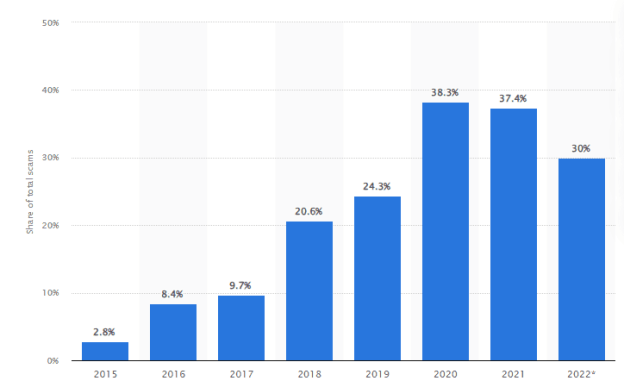
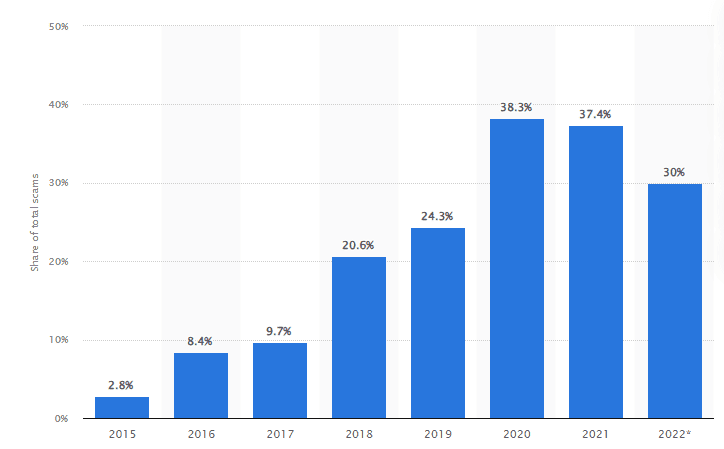
About $11 Out of Every $100 in Digital Sales is Fraud

As online sales continue to trend up, there is an increased exposure to digital sales fraud specifically for card-not-present related fraud.

According to Forter, a fraud protection company, fraudulent activity accounts for about $11 of every $100 in digital sales nowadays. Fraudsters are remaining flexible in fighting the industry’s effort to stop these criminal acts. In response to changes in the marketplace, some of these criminals have found ways around the new mitigation techniques.

A large part of this trend is due to the introduction of EMV, which is the chip that most credit cards now have. On one hand, the chip has been successful in mitigating point-of-sale fraud in traditional brick-and-mortar stores. However, this has resulted in an upward trend for card-not-present issues for e-commerce merchants, resulting in an overall upward trend for digital sales fraud.

Online digital sales fraud

Source: Statista

The hardest impacted segments of the market are the merchants who deliver digital products such as music, movies, and other on-demand content. This makes sense when you consider the nature of their business in which the consumer expects their product at the time of purchase. Digital goods merchants do not have the luxury of time to mitigate fraud on those transactions. This results in a significant amount of chargebacks. A whitepaper published by Javelin indicates that the amount of chargebacks that come from online transactions is almost triple that of in-person transactions.

Not only do merchants have to deal with the losses directly related to the transactions impacted by these types of criminal activity, but there is also the indirect cost of managing and mitigating fraudulent transactions. Based on Javelin’s whitepaper, fraudulent activity costs e-commerce merchants 7.9% of their revenue. The effort required to reduce and manage these effects accounts for a whopping 74% of fraud-related costs.

One thing is for certain if e-commerce merchants want to remain profitable, combating fraud-related activities will continue to be at the forefront of their operations. Fortunately, there are companies that specialize in this very thing, giving merchants an alternative to solving this in-house. This gives merchants the ability to focus on what they do best, sales.

What is Digital Sales Fraud?

fraud in MOTO

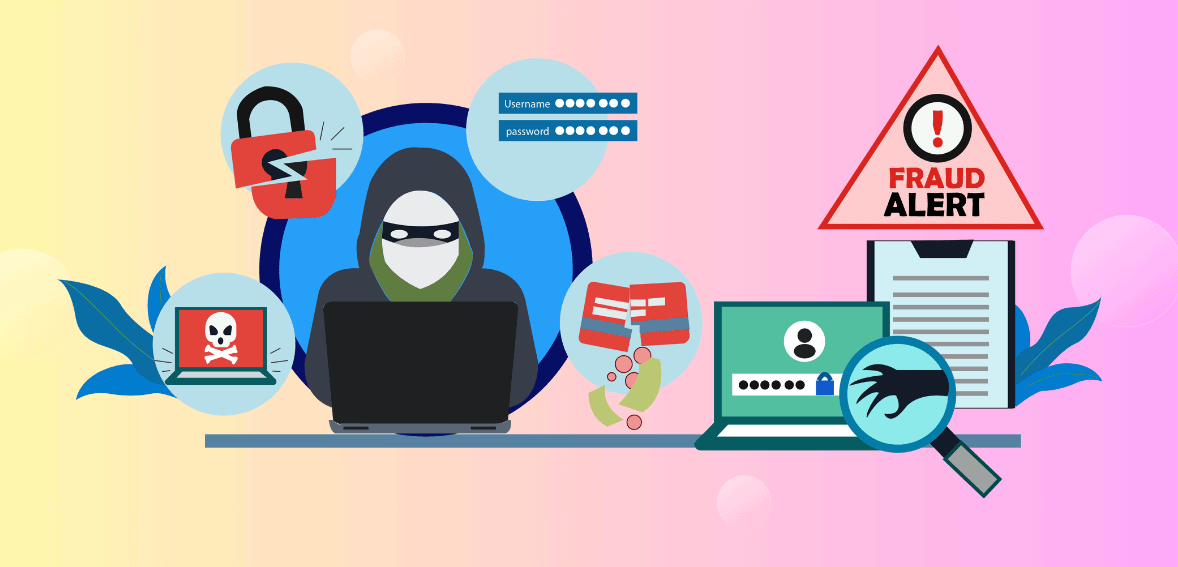
Digital sales fraud encompasses fraudulent practices that occur in online transactions. It involves exploiting technology and digital platforms to deceive individuals or businesses resulting in financial loss compromised information or both. These scams manifest in ways, such, as websites, phishing emails, counterfeit goods, and identity theft.

One common form of fraud is called “phishing.” It happens when scammers send emails pretending to be companies to trick people into revealing sensitive information, like passwords or credit card numbers. Another type of fraud involves creating marketplaces where sellers advertise products at unbelievably low prices but never deliver them after receiving payment.

Scammers also employ tactics like creating replica websites that closely resemble well-known e-commerce sites but have variations in the URL. They may even use social engineering techniques to manipulate individuals into sharing information.

The consequences of falling prey to sales fraud can be severe. Not only can you lose your hard-earned money but your data may also end up in the wrong hands leading to identity theft or financial ruin.

To safeguard yourself against sales fraud it’s crucial to remain vigilant and skeptical when engaging in transactions. Exercise caution when sharing information and always verify the authenticity of a website before making a purchase. Watch out for warning signs such as bad grammar, website email addresses, and offers that seem too good to be true.

Types of Digital Sales Fraud

digital sales fraud


Digital sales fraud is a growing concern in today’s online world. As technology advances, so do the tactics used by scammers to deceive unsuspecting consumers. It is important to be aware of the different types of digital sales fraud so that you can protect yourself and your hard-earned money. Always remember, educating yourself is the best prevention from such frauds.

One of the most common types of digital sales fraud that you might also know is phishing scams. These are common globally. A fraudulent email or a website that resembles well-known brands are some of the most common ways fraudsters use to rob you. An individual is tricked either to spend money on the site or share his or her personal information. Personal information may include passwords, credit card details, or other types of personal information.

Another very common way of online sales fraud is by using counterfeit products. Ecommerce has grown exponentially over the years. Fraudsters use counterfeit products to lure people. These products are exact replicas of the original product and for a layman, it is difficult to differentiate. Usually, this type of fraud is done by launching a new eCommerce website where these products are sold. Once the fraudster generates the expected income the website is removed and it becomes difficult for the buyer to contact the seller.

Online auction fraud is also prevalent in the digital sales world. Scammers may create fake listings, bid on their items, or fail to deliver goods after receiving payment. To avoid falling victim to this type of fraud, research sellers thoroughly and read reviews from other buyers before participating in an online auction.

Identity theft scams are unfortunately common where criminals aim to steal information to commit fraud like opening credit card accounts or making transactions. To safeguard your information it’s crucial to use strong passwords and enable two-factor authentication whenever available. Regularly keep an eye on your financial statements for any signs of suspicious activity.

How to Spot and Avoid Digital Sales Fraud

The rise of digital technology has undoubtedly made our lives more convenient, but it has also given rise to a new kind of threat – digital sales fraud. As consumers increasingly turn to online platforms for their shopping needs, scammers have found new ways to exploit unsuspecting buyers. However, by staying vigilant and following a few simple tips, you can spot and avoid falling victim to digital sales fraud.

One telltale sign of potential fraud is when a deal seems too good to be true. If you come across an offer that promises unbelievable discounts or prices significantly lower than the market value, proceed with caution. Scammers often use these tactics to lure in victims and make quick profits.

Another red flag is poor website design or unprofessional appearance. Legitimate businesses usually invest in well-designed websites that are easy to navigate and provide clear information about their products or services. On the other hand, fraudulent websites may appear hastily put together with spelling errors or inconsistent branding.

It’s essential always to do your research before making a purchase from an unfamiliar seller or website. Look for customer reviews and ratings on independent review platforms or social media channels. If there is limited information available about the seller or numerous negative reviews, consider it a warning sign.

Additionally, pay attention to secure payment options provided by sellers. Reputable e-commerce platforms typically offer secure payment gateways such as PayPal that protect your financial information during transactions. Be cautious if a seller insists on alternative payment methods like wire transfers or cryptocurrency since these options are harder to trace if something goes wrong.

Furthermore, be wary of spammy emails or messages offering incredible deals from unknown sources—especially those requesting personal information such as passwords or credit card details through links embedded within them (phishing). Legitimate companies rarely ask for sensitive data via email and will usually direct you back to their official website for any account-related actions.

Conclusion

Digital sales fraud is a growing concern for businesses and consumers alike. With the increasing reliance on online transactions, it’s important to be aware of the various types of fraud that can occur and take steps to protect yourself.

By understanding what digital sales fraud is and being able to spot the warning signs, you can avoid becoming a victim. Remember to always research sellers before making a purchase, use secure payment methods, and be cautious of deals that seem too good to be true.

Additionally, staying informed about emerging trends in digital sales fraud can help you stay one step ahead of scammers. By following these tips and remaining vigilant, you can protect yourself from falling victim to digital sales fraud.

So next time you’re browsing online or making an e-commerce transaction, keep these tips in mind. Stay safe and enjoy your online shopping experience without worrying about falling prey to digital sales fraud!