Tag Archives: Google Pay

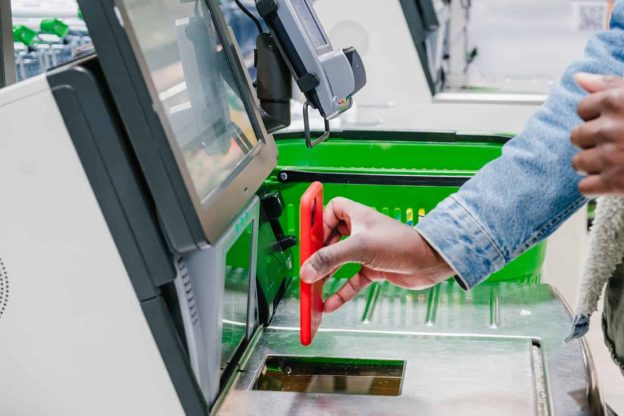
a close up of an african man x27 s hand paying at a grocery supermarket checkout with a contactless payment using a mobile 220100705

Google Pay Adds Grocery and Transit Service Deals

Google Pay is already a popular mobile payment system, as it supports wireless payments on various Android-enabled devices. It is flexible enough to work on any Android-powered tablet, phone, or watch. It uses a secure approach to paying that can link to a credit card or another payment source.

Google Pay isn’t done evolving, as it is partnering with various grocery store chains to offer more benefits for customers who shop with this digital wallet app. Google Pay is partnering with the Target department store and the Safeway grocery chain to offer grocery deals. It is also working with various transit companies in the United States to offer more affordable and convenient ways for users to purchase tickets.

The new development is the latest move from Google Pay to become more convenient and useful for work needs. Google Pay has been expanding its options for how it works while staying competitive with Apple Pay and other competing solutions.

Grocery Support

The first part of Google Pay’s update is to help customers find the best deals on purchases at Target and Safeway grocery stores. The update will work for all Target locations around the United States. It will also run at many Safeway locations across the country. These include Albertsons, Randalls, Tom Thumb, Vons, Pavilions, and Jewel-Osco locations in different areas.

The new Google Pay update allows app users to browse Safeway and Target’s weekly circulars. These features will highlight the latest deals these stores offer.

Google Pay can also recommend different deals from each circular. It can identify prior purchases and one’s preferences to find the best deals.

Google Pay will also notify users of weekly deals when they are near participating stores. The feature works when the device reads the customer’s location. It automatically sends details on the deals available in that location, giving the customer the details one needs before shopping.

What makes this development noteworthy is that in-store shopping hasn’t been as popular as of late. The global pandemic has prompted people to look at online shopping, including digital shopping where people can get their grocery items delivered to their homes. The location-based system Google Pay will likely face a challenge as people might not be willing to return to in-person shopping as soon. But the risk of in-person shopping has been dropping as vaccination rates rise, making it possible that the new move from Google Pay could be more successful than people expect.

Transit Support

Another part of the Google Pay update involves helping people buy transit tickets in moments. Google Pay will help customers buy transit tickets in more than eighty cities around the United States.

People can use Google Pay to search for transit tickets and to buy them with their Google Pay accounts. People can then load their tickets on their apps and use them to board whatever buses, trains, or other transit services they wish to use.

Google Pay transit feature will now work in Chicago and the San Francisco area. The move comes not long after Apple Pay announced its support for the Clipper transit card for Bay Area Rapid Transit services in the San Francisco area.

The Google Pay customer will hold one’s device up to a reader to board the bus or train service. A visual ticket may be necessary if there are no readers available.

Google Pay also uses Token Transit integration to help people pay for public transit services in smaller towns around the United States and Canada. Token Transit lets people search for bus agencies around the country. People can choose whatever passes they need and specify how much time they will require. The system supports various bus transit services in many smaller communities.

Part of an Ongoing Expansion

The new features on Google Pay are part of the app’s ongoing expansion to provide more services and solutions for payment needs. Google Pay facilitates contactless payments, plus it can track a person’s finances. The app even introduced the Plex system as a partnership with major banks to help people keep track of their bank accounts and funds while on the go.

Google Pay is still changing to offer more things. It is working to produce more detailed insights and analysis reports on how people spend their money and how they research things of value. These reports can come from whatever purchases someone makes through Google Pay, including details on what one spends and what specific stores one visits. The insights will help customers find deals on whatever they are more likely to find at stores.

Competition Is Critical

The hope for Google Pay is that it will continue to expand to offer more things of value. But there are some contenders who are trying to capture some of Google Pay’s momentum. These include entities that go well beyond Apple Pay, including a few that have become highly prominent in their own right.

PayPal is hoping to update its app to make it more thorough and comprehensive. PayPal’s app has been updated to support QR code payments that are easy to follow. PayPal can also support buy-now-pay-later transactions, plus it can support some cryptocurrencies.

Facebook also has plans to produce a competitor to Google Pay. Novi, a program formerly known as Calibra, will support full integration of all Facebook programs. These include the WhatsApp, Instagram, Messenger, and Kustomer platforms. The setup allows people to pay for more items and to access various things of value. The app will also potentially link to the Diem cryptocurrency that Facebook is planning, although it is unclear when Diem would be made available.

The competition will likely prompt Google Pay to advance and evolve further. Google Pay has already become a popular choice for payments, and its new efforts in facilitating transit payments and in helping people find shopping deals are proof that the app is still changing.
What Are NFC

What Are NFC, Apple Pay, and Google Pay?

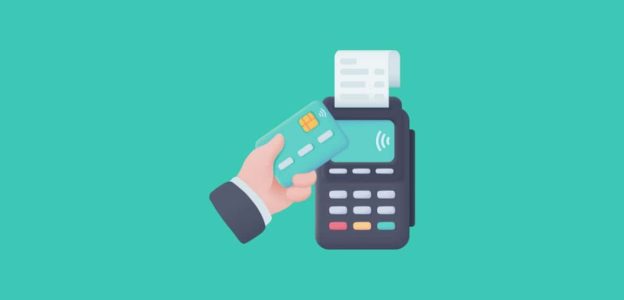
Today, consumers either don’t use cash or they try to avoid it as much as possible. Many even avoid using their credit card, and thanks to NFC, or ‘Near Field Communication,’ it’s possible.

What is NFC?

NFC allows two devices near one another to ‘talk’ to exchange payment information. Apple Pay and Google Pay are two of the most common NFC type payments used today, although there are others. How do they work and what should users pay with them?

Apple Pay – How it Works

As you probably guessed, Apple Pay is a payment option for Apple users. Customers may also use their Apple Watch to make payments. When a user is near an NFC terminal where they want to make a payment, they do the following:

  • Unlock the phone or watch using face ID or entering the passcode
  • Hold the phone near the NFC reader
  • They’ll hear a beep or feel a tap when the transaction is complete
  • The screen will show a check mark to show it’s done

Using these steps will pay with the default card set up in Apple Pay. If you want to use a different card, you must switch cards in the app before paying.

Google Pay – How it Works

Google Pay is the equivalent of Apple Pay but for Android phones. Users store a credit card in the Google Pay app and use the default card for contactless payments.

Users use these steps to pay with Google Pay:

  • Unlock the phone or watch
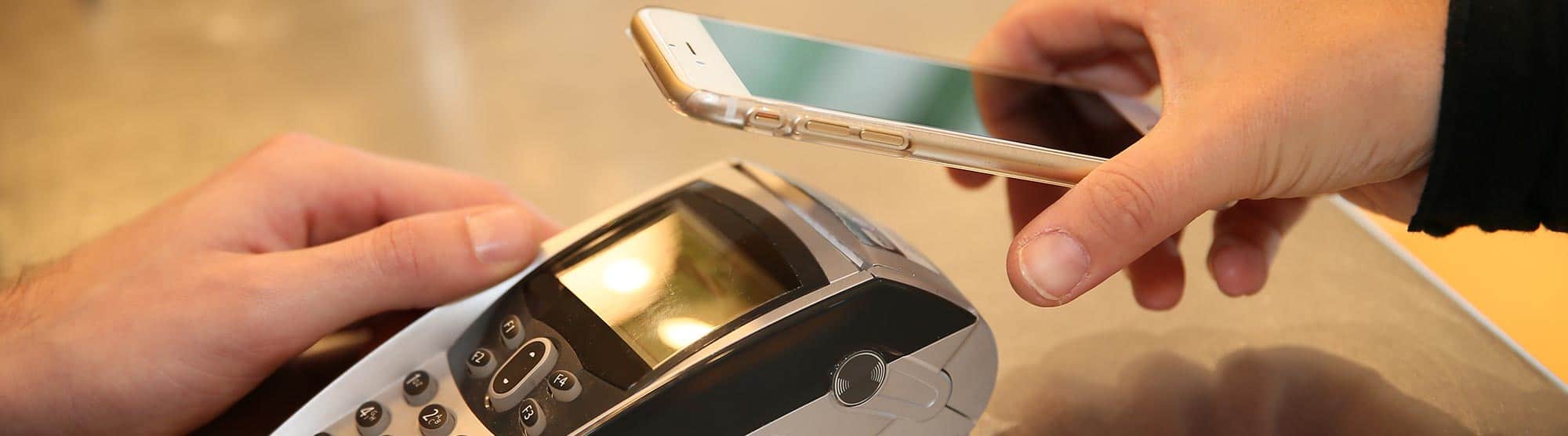
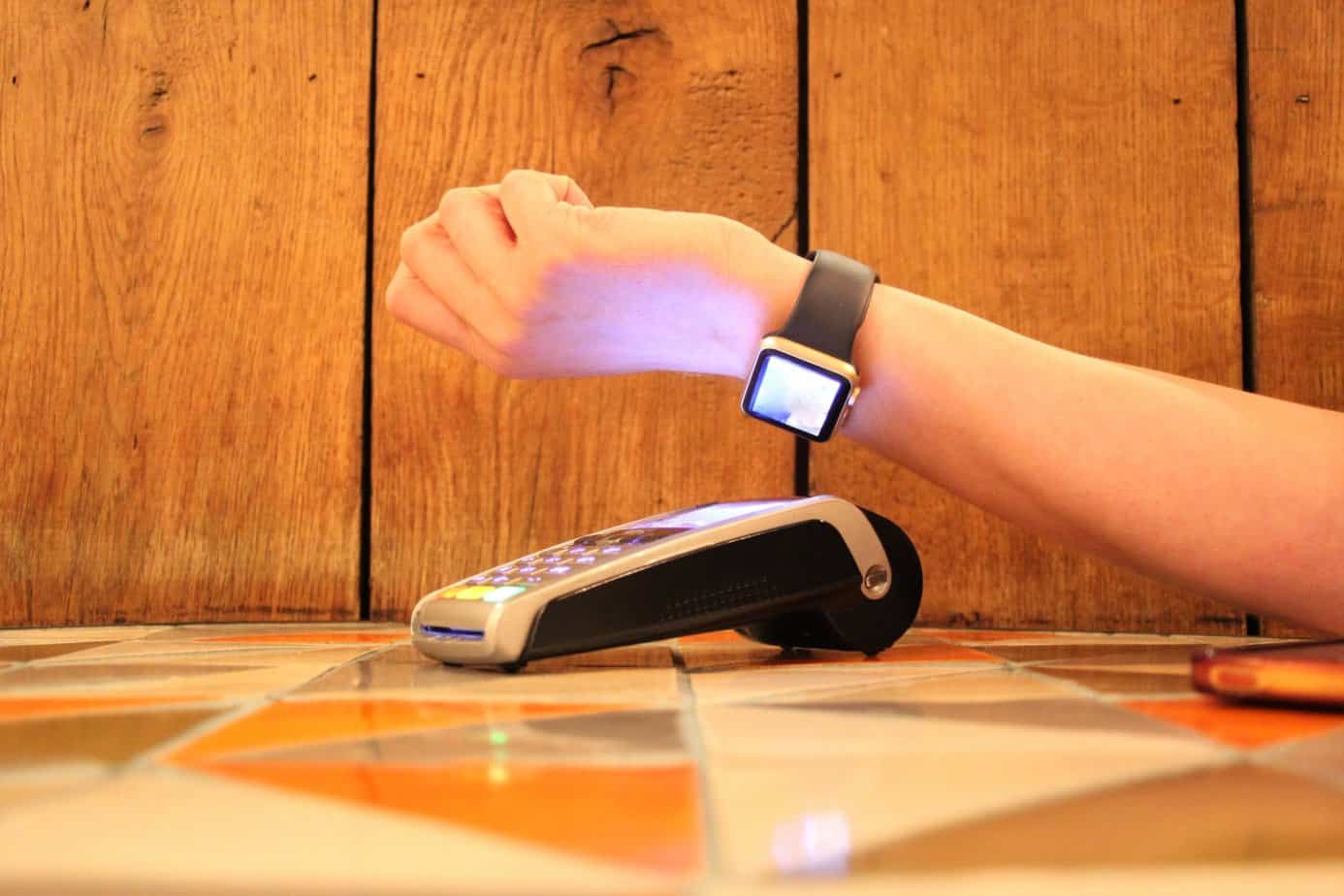
  • Hold the phone or watch near the NFC reader
  • Their device will show a blue checkmark when it’s complete
  • The user’s device will buzz when the payment is complete

Are NFC Payments Safe?

Consumers and merchants have reason to worry about NFC payments’ safety. It seems like it would be riskier, but there is less risk using NFC payments than a credit card.

Since you don’t have to share any personal information or even show a picture ID, there’s a lower risk of the consumer’s information being stolen. Users also have to unlock their phone for the payment to take place, so unless a thief has the passcode, they couldn’t use the Apple or Google Pay function.

Also, both Apple and Google Pay have the option to switch the function off from any device. If a user’s phone is stolen, they can shut off the payment app via any internet-enabled device.

Why is NFC the Wave of the Future?

NFC payments were popular before, but the pandemic further popularized NFC. People were almost forced to adopt the technology, which made it more widely spread. Now that people know how it works and that it’s safe, they are more likely to use NFC payments moving forward.

As a merchant, it works to your benefit to adopt the technology in your store. Consumers will patronize businesses they know keep them safe, and adding NFC payments to your checkout process is a sign of safety.

AfterPay Announces In-Store Availability for Apple Pay and Google Pay Users

Putting further pressure on credit cards, AfterPay now offers support for Apple Pay and Google Pay in select US retailers starting in July 2020. The Australian-based mobile app that offers “Buy Now, Pay Later” (BNPL) installment options, AfterPay is offering Apple Pay online and in physical stores and Google Pay as an in-store option in the U.S.

Despite paying a fee to Apple and Google to allow its installment payments to be made via their smartphone digital wallets, AfterPay’s costs of rolling out to new merchants are still reduced. The deal will also help drive customer adoption. Allowing customers to complete payment in four installation payments, AfterPay does not charge upfront fees or interest, similar to AfterPay online.

AfterPay In-Store Tap and Pay

At the point of sale terminal, customers can tap the card icon in the AfterPay app to activate the AfterPay card in the Apple wallet. Among the first retailers to offer Apple Pay with AfterPay, Forever 21, Skechers, Fresh, and Solstice Sunglasses are participating in the rollout. Operating in Australia, New Zealand, and the U.S., AfterPay operates under the name ClearPay in the U.K.

Introduced four years ago in Australia and New Zealand, AfterPay’s in-store offerings comprised 24 percent of total sales with nearly 40,000 shops offering the service. AfterPay is offered by more than 55,000 retailers across the globe with nearly 10 million active users.

BNPL Increasingly Popular Due to COVID-19

Thanks to COVID-19, BNPL companies are soaring in popularity. Consumers looking to stretch their dollar are hoping to buy time until incomes are restored in the wake of a reeling economy. With a clear aversion to financial risk, millennials have been shifting away from credit cards since 2009. Avoiding credit card interest and fees, consumers are not only leaning on BNPL platforms but also on debit cards, as well.

“As we enter the second half of the year and retail re-emerges across the world, its critical we help our partners drive business growth,” both online and offline,” Nick Molnar, co-founder and U.S. CEO at AfterPay, said in the press release. “As a proven solution for driving incremental sales and new customer growth, we are thrilled to introduce our new omnichannel solution to U.S. retailers as they begin to open their doors and bring shoppers back to their physical stores.”

Host Merchant Services

If your business is considering an upgrade to your point of sale system, Host Merchant Services can help with every step of the way. HMS delivers fantastic service without the headaches. When you work with HMS, we consider you part of the family. As part of our family, we want your business to grow. That’s why we offer exceptional service with no contracts and no hidden fees. Businesses stay in the HMS family for our high-quality service and super low rates. You won’t find exceptions in fine print. How can Host Merchant Services help your business navigate the challenges posed by the pandemic?

Everything You Need to Know About Contactless Payments During COVID-19

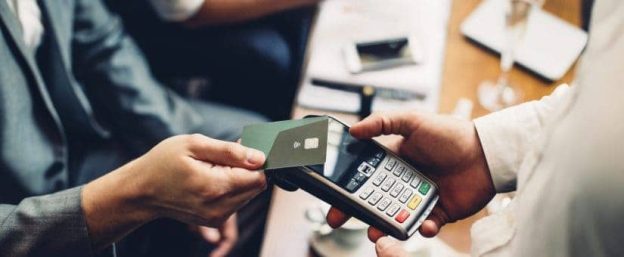
Contactless payments allow consumers to pay for goods or services without needing to physically swipe a card in a machine or pass the card to another person. By tapping a phone or card on or near a terminal, near-field communication (NFC) enables the consumer to transmit payment information without physically touching anything. For a variety of reasons, U.S. consumers were slower than their global counterparts in adopting the technology, but due to the fear of COVID-19 infection, they are quickly catching up.

A new study from Visa shows that more than two thirds of customers say they would switch to businesses now offering contactless payment solutions. And more than three quarters of consumers say they have changed how they pay due, in part, to the COVID-19 pandemic. The study involved a survey asking 250 business owners around the world their view of business operations in a post-COVID world, as well as a survey of 1,000 adult consumers asking about their payment and shopping habits.

And in a MasterCard survey of 1,000 Americans, 51 percent used contactless payments at the point of sale in March or April 2020, and half of those people said the COVID-19 pandemic prompted them to try the technology for the first time. Roughly half of U.S. consumers told MasterCard they’re using cash less, or not at all, due to the pandemic.

The pandemic rushed U.S. consumers to a place where the rest of the world already lived. In 2018, only 3 percent of cards in use in the U.S. were contactless as opposed to 64 percent in the U.K. and 96 percent in South Korea, according to a study by global management consulting firm A.T. Kearney.

The Federal Reserve’s annual “Diary of Consumer Payment Choice” showed cash, which was the #1 payment method last year, came in second to debit cards this year. Credit cards were a close third place.

Here are just a few points regarding contactless payments:

  • Contactless Payment Most Important Safety Measure
    The Visa survey reports 46 percent of consumers believe contactless payments are the most important safety measure for retailers to provide.
  • Signature Required
    One thing contactless payments cannot help are required signatures. Some retailers are still requiring signatures even in the middle of a pandemic.
  • Public Transit
    Contactless payments allow commuters to speed through a subway turnstile versus waiting in line to load money onto a transit swipe card.
  • Digital Coupons & Loyalty Points
    Some grocery stores still require customers type in their phone number to redeem digital coupons and receive loyalty points despite simultaneously offering contactless payments. One workaround is asking the cashier to type in the number.

Consumers are rewarding businesses that put COVID-19 safety measures at the top of their priorities. With more and more consumers adopting contactless payments in response to COVID-19, businesses who offer the technology are finding an increase in demand.

Host Merchant Services

Don’t run the risk of losing out on business: Host Merchant Services can help your business implement contactless payment capability. Depend on a stable and reliable payment processor to partner with your business to minimize the impact of worldwide instability. Payment processing should be the least of your concerns. Delivering personalized service and clarity, Host Merchant Services takes the time to explain your payment processing. We want you to understand your monthly statement, and we will ensure that your statement matches our promises during our sales presentation. If you do have questions, you can reach a live representative any time, any day. HMS offers wonderful customer service, as well as great rates.

Host Merchant Services even explains where our profit lies in the pricing structure to be fully transparent in all directions. Pricing fairness and transparency is our strategy in helping our customers find success with their businesses.

Google Pay to Offer Digital Bank Accounts by 2021

In early August 2020, eight banks in the US have announced that they are partnering with Google to offer digital-first bank accounts directly in the Google Pay app. The partner banks will manage the financial side of these accounts while Google will provide the front-end, intuitive user experience, as well as financial insights exclusive to Google’s digital bank accounts.

Offering built-in budgeting tools, as well as the financial insights, the Google Pay app will launch sometime next year. Known internally as the “Cache” project, the partnership originally started out last year with two financial institutions.

An extension of Google’s original ventures into digital bank accounts from Citi and Stanford Federal Credit Union (SFCU), the partnerships now include six additional banks, namely Bank Mobile, BBVA USA, BMO Harris, Coastal Community Bank, First Independence Bank, and SEFCU.

With the intent to help customers benefit from useful insights and budgeting tools while keeping their money in an FDIC or NCUA-insured account, Google will enable a digital experience that can meet the evolving needs of a new generation of customers.

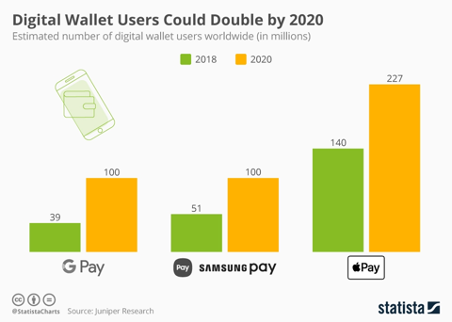
Up from 39 million global users in 2018, Google Pay is estimated to grow to 100 million users this year. Offering a complete digital banking service next year, Google did not indicate whether or not customers will have access to physical debit cards issued either through Google or through its partners.

Google Pay is an app allowing users to pay online or make contactless payments with their phone. Protected with multiple layers of security, paying with Google Pay is a fast and simple alternative to paying with cards. Using an encrypted number instead of your actual card number, Google Pay allows you to pay with your phone while your details stay secure. In addition to enabling rewards programs and cash back programs from a bank or PayPal, Google Pay also enables loyalty programs from chains.

Host Merchant Services

Depend on a stable and reliable payment processor to partner with your business during the upheaval of 2020. Payment processing should be the least of your concerns. Delivering personalized service and clarity, Host Merchant Services takes the time to explain your payment processing. We want you to understand your monthly statement, and we will ensure that your statement matches our promises during our sales presentation. If you do have questions, you can reach a live representative any time, any day. HMS offers wonderful customer service, as well as great rates.

Coca-Cola Introduces New “Pour by Phone” Contactless Technology

Contactless payments have been there since the 1990s, but the COVID-19 pandemic has brought it to the limelight. Moreover, the trend is here to stay for a more extended period, given the circumstances.

Recently, the global beverage brand, Coca-Cola, is all set to add a variant by launching a contactless option for its consumers’ feasibility regarding pouring their beverages. A touchscreen-operated dispenser would deliver around 200 drink options with a simple tap on the smartphone.

According to Chris Hellmann, Coca-Cola Freestyle’s vice president, “All Coca-Cola beverage dispensers are safe with recommended care and cleaning. However, given these uncertain times, people may prefer a touchless fountain experience.”

Speaking of this, this newly launched contactless solution makes selecting and pouring a drink just a few clicks away for consumers.

How Pour By Phone Works

All it takes for the customer is to scan the QR code on display, leading them to the cloud, bringing the Coca-Cola Freestyle user interface to the phones. Following this, they can feel free to select their favorite drink and flavor from the menu. Before making its way to the Coca-Cola, the idea was run through initial testing at Firehouse Subs, Five Guys, and Wendy’s locations in Atlanta.

We intentionally designed this so anyone with a smart device could pour a drink,” Michael Connor, chief architect of the Coca-Cola Freestyle, said in a statement. “When you have a tray or a sandwich in one hand, you don’t want to deal with downloading an app.” He also added that they have invested time and effort and went the extra mile to ensure necessary steps have been taken to make the solution easy and fast and the experience super-reliable.

The Need of the Contactless Technology

By this summer, the software will be available at around 10,000 Coca-Cola Freestyle dispensers. Also, all of the dispensers will be compatible with contactless technology by the year-end.

As per a study from Civic Science, about 65 percent of people going to a restaurant choose to pour drinks on their own than having a waiter do it for them.

It is pertinent to mention that QR code now making waves once enjoyed a maligned status. However, it has managed to come up as the enabler of contactless commerce. This development came in when China-based Alipay and rival Tencent’s started making use of QR code and went to fulfill their endeavor of standardizing it.

Subsequently, a consortium of platforms has emerged normalizing the use of QR codes to process transactions. Walgreens now accepts payment through the platform of Alipay while Apple is upping its game via Apple Pay. In addition to this, even Walmart has also altered its Walmart Pay app to incorporate QR codes and adopt the new touchless technology.

Final Thoughts

Ever since the COVID-19 crises erupted, many experts suggested contactless payments to curb the spread of the virus through cash, debit, or credit cards.

The news of contactless dispensers is another addition as going contactless became the new normal amidst the COVID-19 global crisis considering that many businesses resorted to the contactless payment option. All eyes are now on how these touchless dispensers by Coca-Cola would fair in the coming future.

Accepting Contactless Payments. What You Need to Know.

Your customers don’t want to touch your credit card machine.

It’s nothing personal, they don’t really want to touch anything that they don’t have to these days. Luckily for those of us that still use hand held or counter top credit card machines to either swipe or dip the chip to accept payment, contactless solutions are easy and inexpensive to implement. Chances are, the machine you currently have already has the hardware required to do this, so it might just be a matter of calling your merchant services provider to get instruction on how to enable it and allow your customers to utilize their contactless payment methods on it.

Contactless payment methods come in three common forms. Your customers will either have a smart phone, a smart watch, or an NFC enabled credit card. All of these use NFC, short for Near Field Communication, as the underlying way to perform the transaction. How exactly NFC works is beyond the scope of this article, suffice it to say, it allows your device or card to talk to a properly configured credit card terminal so long as it is within about 1 inch of the reader. It’s easy, it works reliably and it’s reasonably secure.

You might be wondering, ‘if all you need to be is an inch away from a reader, isn’t it possible for someone to get close to my customer and steal their card information?’ Yes and no. While it is technically possible to intercept the signal, the hacker wouldn’t be able to do much with the information. Smart pay devices like Apple Pay do not directly transmit sensitive card holder data in the transaction. Instead, they submit a unique one-time pass code to the credit card reader, which then sends that pass code to a very secure data center operated by your bank. The bank is then able to communicate with Apple to retrieve the actual card information. A process that happens within a fraction of a second and is completely out of scope of the interaction of the customer with the payment device itself.

To start allowing your customers to use contactless payments, start by checking if you’re already setup with it. The best way to check is to read the wording of the credit card machine when it comes time for the customer to give their payment. If it only says “swipe, dip or enter card” when it is ready to accept payment, it might not be setup for contactless. If you see the word “tap” anywhere, you’re already good to go. Find a customer that wants to use their phone, watch or NFC enabled credit card and try it out. It’s nothing more than holding the device within an inch of the face of the credit card machine.

If you don’t see the word “tap” and holding an NFC enabled payment method near the machine does nothing, you still likely do not need to buy a new machine. Now is the time to call your merchant services provider. Either you have a machine made in the last 5 years and it’s just a matter of asking customer service to help you get it enabled, or you’re due for a new machine. Most providers will provide a free terminal replacement. If they don’t, get a new merchant services provider. They fight fiercely to acquire and retain customers, so the relatively small cost of replacing your terminal for free is worth it to them to keep you as a customer. If not, there are plenty of providers out there that will happily give you a modern terminal if you switch to them.

As consumer sensitivity to sanitary habits in the retail environment continue, NFC is a great way for you as a retailer to make sure your customers continue to feel safe making purchases. The security of the payment itself, coupled with the fact that any would-be coronavirus’s can’t make the 1 inch jump through thin air, make NFC the go-to choice for payment acceptance. It’s either already ready to go, or you have a couple of free options to get it setup, you’ve got nothing to lose.

Contactless Payment Trends in 2020 – Apple Pay, Google Pay, NFC, and More

Amidst the global pandemic, many countries are resuming the routine life and easing the lockdown. However, recent studies have shown that around half of the US population is still worried about their health and how shopping, eating, and social interaction can affect it. Therefore, many businesses and shoppers are more inclined to make contactless payments, which has shown a 40% jump in the first quarter of 2020. As the payment trend has grown prominence, NFC-enabled payments across the world can exceed $130 billion within 2020.

What are Contactless Payments and Their Global Outreach?

Contactless payment is a well-encrypted, secure payment mode to buy products or services using NFC (near field communications) enabled devices or cards. When the reader and payment device are near, it activates NFC chips to exchange encrypted data for money transfer. In simple terms, you wave your device in front of an NFC powered payment terminal to make purchases, contact free. But you also require NFC-encrypted payment apps such as Apple Pay, Google Pay, Fitbit Pay, or Samsung Pay on your mobile device to make the contactless payment happen.  Some credit and debit cards also have contactless capability embedded in chips that you can then wave or tap to pay on an NFC enabled reader.

Before the Coronavirus outbreak, this global trend wasn’t prevalent in the US, as only 10% of the consumers were using the technology. Europe however had the largest share in the contactless payment terminal market, due to an increase in smartcard rollouts and technological advancement. According to UK Finance, around 1/3rd of all the card-based payments happened through contactless methods in Q1, 2019. However, the Asian region has been slower to adopt NFC based technologies due to its efficient QR code system that doesn’t require select apps, or POS systems.

Coronavirus – The Driving Force for Contactless Payment in the US

The number of digital wallet users worldwide has doubled in 2020, with Apple Pay and its 227 million users becoming the most prominent, according to the Wall Street Journal.

apple pay google pay samsung pay

https://www.statista.com/chart/19972/digital-wallet-users-double-2020/

The pandemic has redefined consumer priorities, making no-touch payments a necessity. New York Transit Authority laid the groundwork in May 2019, when it announced contactless payments for select subway lines. Being early adopters, they were still pretty late in the global market in relation to other significant metropolises, including London Underground System which adopted the technology in 2014. It is not only public transport, but the worldwide financial industry that relies on contactless payments today. In the Netherlands, every store allows no-touch payment methods, whereas the US didn’t have major adoption for NFC until 2019 when contactless payments increased by 150%.

Meanwhile, food services brands such as Starbucks, McDonald’s, and Dunkin’ led the way with their contactless payment apps. The wearable market also accelerated the adoption rate in the US with the popularity of smart watches and similar devices. The tech-giant, Apple, teamed up with many different brands to improve mobile payment experience. Scooter rental company Bird and clothing retailer Bonobos some notable partners offering NFC-enabled payment to Apple users, without the need for any third-party apps. Small businesses have also reported a 27% growth in the contactless payment made through smart cards and mobile phones.

Nevertheless, card issuers control the widespread adoption of contactless payment in the US. Analysts believe NFC-enabled technology can coexist with traditional card systems and mobile wallets as depicted by tech-savvy nation worldwide.

Should my Business Adopt Contactless Payments? [2023 Update]

A Guide To Contactless Payments

What are contactless payments, and how do they work? Are they completely safe, and should you opt for the convenience of contactless payments? Over the years, technology has changed, and it has brought innovations in the way we conduct business and also in the way we many things. One of the innovations in technology is contactless payments and the tap and go form of payments. This article will talk about how you can use contactless payments, and it will also help you differentiate between contactless and cashless payments.

Contactless Vs. Cashless Payments

Contactless payments are two terms that are often used interchangeably, but these two terms are very different. Cashless payments are payments that are made without using cash and bank transfers, credit card payments, etc. are all categorized under cashless payments. Contactless payments are the form of payments that use radio frequency identification technology to make payments. Some examples include Apple Pay, Google Pay, and Samsung Pay. Instead of swiping your card, you simply wave your card to make payments, and you don’t require any signature or any pin number entered on the payment terminal. All you need to do is wave your card or smartphone near the payment terminal, and your payment is made. With smart phones, authentication may be required in the form of a pin, facial recognition, or a fingerprint scan.

What Are The Problems With Contactless Payments?

nfc apple pay google pay

Many customers are using contactless payments with their smartphones.

Like every form of payment, contactless payments are not that perfect, and they come in with their own share of problems. With contactless payments, many customers worry about fraud and whether or not their financial information will be safe. The perpetrator needs to gain access to your card to make contactless payments, and in most cases, you are notified by your bank about unusual transactions taking place, and you can easily block that card. Over time, in-person fraud has become more and more challenging to carry out, and most forms of contactless payments are PCI compliant, which protects consumers.

Why Should Businesses Adopt Contactless Payments?

Contactless payments are easy to carry out, and they are also convenient for your customers. Customer convenience is the topmost priority for businesses, and therefore companies should work on adapting measures that help make things easier for their clients. Your clients will think that you have an upgraded and futuristic approach towards the way you do business, and it will leave an overall positive impression. With the advent of technology, there are many more payment options available like Apple Pay and NFC, and many people don’t merely rely on their credit and debit cards for payments. Some customers also use their fitness watches and their wristbands for contactless payments. If you’re thinking about accepting contactless payments, then you should also consider the type of customers your business attracts. If your business attracts people that are more technologically oriented, then installing contactless payment systems can be a good option for your business, but even if not, most contactless payment terminals still allow more traditional payments like EMV chip cards. At Host Merchant Services, most solutions we offer are enabled for NFC and contactless payments at no extra cost, so our merchants are ready when their customers begin adopting these technologies.

Frequently Asked Questions

Where can I use Google Pay?

Where can I use Google Pay? [2023 Update]

Google Pay allows Android phones, tablets or digital watches to make tap-to-pay purchases. Near field communication (NFC) allows the Android device to transfer the credit card information over to a point of sale system, making transactions fast and easy. By saving your cards to your Google Account, you’ll receive the same rewards and discounts when you use Google Pay as you would with a normal credit card. Google Pay also offers peer-to-peer and online payment services. The following are the stores, apps, sites, and transit systems that accept Google Pay:

Which Retailer In The US Accepts Google Pay In 2024?

A store that accepts Apple Pay or Samsung Pay will also accept Google Pay. You might notice the Apple Pay symbol on store entrances, but it’s often used as a general term for all mobile payments. Apple Pay and Google Pay use the same NFC technology, allowing tap-and-pay transactions.

However, it’s worth noting that not all big names in the US have adopted mobile payments. Some smaller businesses haven’t made the switch, primarily due to the costs associated with NFC terminals provided by banks, which can eat into their profits.

You can use Google Pay to buy goods or services at the following retailers:

use Google Pay
  • ACME Markets
  • Aeropostale
  • American Eagle Outfitters
  • B&H Photo Video Pro Audio
  • Barneys New York
  • Bashas’
  • Best Buy
  • BevMo!
  • BiLo
  • BJ’s Wholesale Club
  • Bloomingdale’s
  • Champs
  • Chevron
  • Chick-fil-A
  • Coca Cola
  • The Coffee Bean & Tea Leaf
  • Crate & Barrel
  • Cub
  • Disney Store
  • Duane Reade
  • Dunkin Donuts
  • Express 
  • Farm Fresh
  • Firehouse Subs
  • Food Maxx
  • Foot Locker
  • FootAction
  • The Fresh Market
  • Fuddruckers
  • GameStop
  • Giant 
  • Giant Eagle
  • Harveys Pharmacy
  • Hornbacher’s
  • House of Hoops
  • Jamba Juice
  • Jersey Mike’s
  • jetBlue
  • Jewel Osco
  • KFC
  • Kohl’s
  • Lady Foot Locker
  • LEGO
  • Lin’s
  • Luby’s 
  • Lucky
  • Macy’s
  • McDonald’s
  • Meijer
  • Nike
  • Office Depot/OfficeMax
  • Panera
  • Peet’s Coffee
  • Pep Boys
  • Petco
  • Pepsi
  • Philz Coffee
  • Raley’s
  • Rubio’s
  • Save Mart
  • Schnucks
  • Sephora
  • Shaw’s
  • Shop n Save
  • Shoppers
  • Six: 02
  • Sprouts
  • Staples
  • Star Market
  • Stater Bros.
  • Stop & Shop
  • Subway 
  • SuperValu
  • Texaco
  • Trader Joe’s
  • Ulta Beauty
  • United Supermarkets
  • Unleashed
  • Walgreens
  • Walt Disney World
  • Wegmans
  • White Castle
  • Whole Foods
  • Winn Dixie

The following apps and websites accept Google Pay:

  • 1-800-flowers
  • Airbnb
  • Caviar
  • Doordash
  • Fandango
  • Groupon
  • Hotel Tonight
  • Houzz
  • Instacart
  • Kayak
  • Starbucks
  • Wish

The following transit systems accept Google Pay:

  • CTA and Pace Chicago metropolitan area
  • Las Vegas Monorail
  • Miami-Dade County Transit
  • MTA Metro-North and Long Island railroads New York metropolitan area
  • Portland Hop Fastpass

What Is Google Pay?

Google Pay is a digital payment service by Google that allows users to make purchases using their Android devices at physical stores and on compatible websites and apps, including the Google Play Store. In 2023, Google Pay is the most trusted mobile payment app with 25.2 million users in the US alone.

To use it, people connect their credit or debit cards to Google Pay. This linked card is then used for both in-person and online transactions. For payments at stores using Android devices, Google Pay employs NFC to communicate with payment terminals. Additionally, when users are logged into their Google account on the Chrome browser, they can use Google Pay on websites offering this payment option.

How Google Pay Works?

ApplePay, GooglePay, and other contactless payments are gaining acceptance.

To start using Google Pay, download the Google Pay app and link it with your preferred payment method, such as a credit or debit card. While many banks, credit unions, and other financial services support Google Pay, confirming if your specific card is compatible is essential.

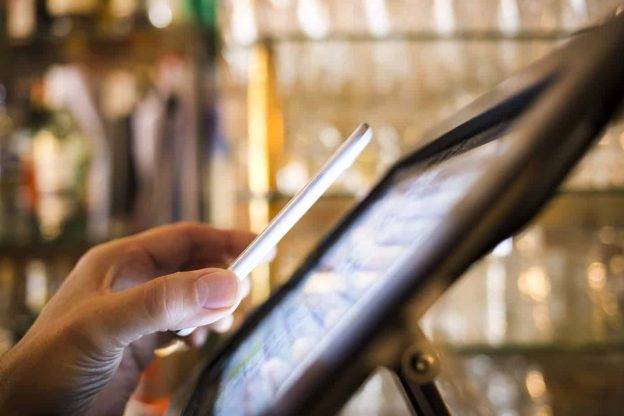
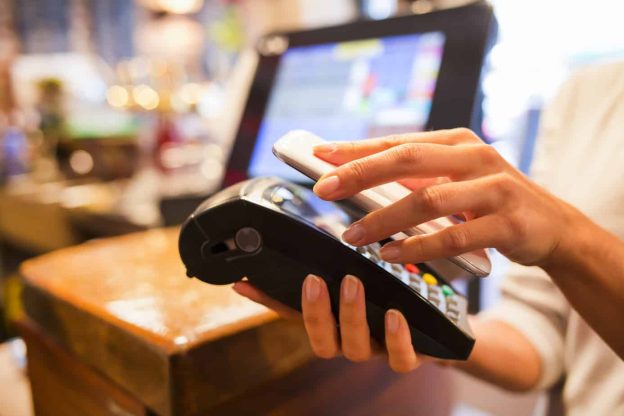
Once set up, Google Pay allows you to make online and in-store payments. For in-person transactions, tap your phone on the payment terminal, similar to a contactless card. When shopping online, choosing the Google Pay option at checkout streamlines the process by automatically filling in your payment and shipping details, eliminating the need for manual entry each time you make a purchase.

Safety Features of Google Pay

When transacting with Google Pay, it uses a special encrypted number instead of revealing your credit card details. This adds an extra layer of security.

Plus, if you ever lose your device, you can use Google’s Find My Device feature to erase any important data remotely. For added security, you also have the option to log into your Google Pay account from another device and remove any linked cards or bank accounts.

Understanding Google Pay Fees

google pay fees

Google itself doesn’t impose any fees when you use Google Pay for tap-and-pay or online transactions. However, it’s essential to note that your card issuer might have charges associated with your purchases.

  • Transaction Charges:

While Google Pay doesn’t have transaction fees, any fees applicable to your physical card usage still stand. For instance, standard interest charges and penalty fees may apply if you use a credit card via Google Pay and don’t clear your bill on time.

However, Google Pay is rolling out some additional “convenience fees” for some specific transactions. As of 2023, the stance Google has around the charges by its application is unclear. Apart from this, there are no charges currently charged by the application Google Pay.

  • Credit Card Linked With Google Pay:

When you link a credit card to Google Pay, remember that your credit card company might charge the merchant a fee of up to 4%.

Some merchants may then pass this fee to you, adding it to other transaction charges. This could mean you end up paying as much as 6% extra for your purchase. To avoid unexpected costs, asking merchants about fees before using Google Pay is a good idea. A linked debit card or bank account can help sidestep these higher charges.

  • Using Google Pay Abroad:

If you use Google Pay while traveling or making purchases in a foreign currency, be aware of potential fees from your bank or card provider.

These include foreign fees, typically around 3%, applied to non-USD transactions. Remember that these fees can vary based on the specific card you have linked to Google Pay.

Conclusion

In 2023, Google Pay emerged as a versatile digital payment solution, trusted by millions in the US. Offering convenience across various platforms—from retail giants like Costco and Macy’s to popular apps like Airbnb and Doordash—it simplifies transactions with robust safety measures.

While it generally doesn’t impose fees, users should consider potential card issuer charges and international transaction fees. Overall, Google Pay is a reliable tool for seamless and secure payments across various outlets.

Frequently Asked Questions

Q: Where can I use Google Pay for transactions?

Absolutely! You can use Google Pay or Google Wallet wherever you spot those handy contactless or Google Pay symbols. Keep an eye out for them on the payment terminal screen or cash register during checkout.

Q: Can I use Google Pay for purchases at Walmart in 2023?

Currently, Walmart doesn’t accept Google Pay as a payment method. It’s always good to check for your preferred stores’ most current payment options.

Q: How do I get started with Google Pay?

Setting up Google Pay is a breeze. Locate the app on your phone, and if it’s not already there, just grab it from Google Play. Add your card linked to your Google account by confirming a few details. You can even snap a picture to add a new card. Once everything’s set, unlock your phone, tap, and you’re ready!

Q: Is Google Pay secure?

Absolutely! Google Pay offers enhanced security compared to traditional magnetic-stripe cards. It’s not just convenient; it’s also swift. Unlike chip card transactions that may take a bit, contactless payments with Google Pay process in a flash. Plus, you get a handy payment confirmation on your phone, making it easy to spot any fishy activity. In case of loss or theft, you can lock your device using Android Device Manager, securing your info.

Q: Can Google Pay be used for payments at Target?

Yes, you sure can! Target happily accepts any contactless payment, be it contactless credit/debit cards or digital mobile wallets. Simply tap your contactless card or mobile device over the payment terminal and follow the prompts on the reader screen.

Q: Does Walgreens support Google Pay?

Absolutely! Walgreens is all in for contactless payments. Whether tap-to-pay credit cards, Apple Pay, or Google Pay, they’ve got you covered. Just wave your contactless card or mobile device over the payment terminal and follow the prompts on the reader screen.

If you’d like to learn more about how to use Apple and Google pay click the link here!