Tag Archives: google

gafam the biggest companies in information technology 209504587

Big Tech Earnings Reveal Big Ideas For What’s Next In Commerce

Some of the top entities in Big Tech recently released their latest earnings reports. Amazon, Google, Microsoft, Apple, and Facebook all performed beyond what analysts predicted. Analysts also predict these earnings reports will highlight a greater emphasis on commerce soon. All of these entities have distinct plans for what they will do with their investments.

Ongoing Growth For Amazon

It is no surprise that Amazon is still growing in prominence. Amazon saw about half its revenue come from product sales. The company’s revenue rose by nearly a third to about $57.5 billion this past quarter. The company’s service portfolio also saw a 50 percent increase in revenue to $51 billion in the past quarter. The service portfolio includes Prime Video subscriptions and Amazon ad sales.

But Amazon Web Services saw a drop in its operating income in the first quarter. AWS had $4.2 billion in operating income, which is less than the 75 percent profit burden it had last year. But AWS’ income is still significant enough to make a substantial difference in how the business operates.

Amazon is expecting further growth, although its growth rate in the second quarter will likely slow by about a quarter. Amazon will still be raking in money, as it will likely see operating profits of at least $4 billion in that period.

The development comes as Amazon prepares for a significant transition. Founder and CEO Jeff Bezos will be departing from his position this summer, but he will remain an executive chairman with the company. AWS CEO Andy Jassy will replace Bezos as the company’s CEO. Whether there will be any other surprise announcements from Amazon remains uncertain, but Bezos’ influence will likely remain a constant at the company.

Amazon’s growth is no surprise, as the company continues to be a strong force in today’s economy. Amazon has been a company that people rely on for many reasons. The possible new things that Amazon will have to offer and its next innovations will be worth spotting, especially as they could make Amazon an even more profitable company.

Facebook’s Hope

While Amazon is continuing with business as usual in the commerce industry, Facebook has plans to enter the commerce field. Facebook promoted in its earnings report that the company has more than a billion Marketplace users. Facebook also plans on using virtual and augmented reality programs to help facilitate digital commerce activities.

Facebook has plans to boost its digital commerce activities. These include efforts on the Facebook and Instagram platforms alike. One potentially involves retailers being capable of directly selling products to people through their Facebook and Instagram profiles or feeds.

Facebook continues to be in the news for how it operates and how it regulates its content. But Facebook will soon start focusing more on commerce activities without relying too much on the communication features that people often expect to find through the company. This development will be something to watch for when looking at possible investments.

What Google Wants

Alphabet, the company that runs Google, also wants to do more in the commerce industry. Alphabet has reduced product listing fees on Google’s shopping section. The company has also reduced commission fees for sales facilitated by the Google shopping search feature. Google’s moves are helping people use the system while making it easier for them to manage various transactions while online.

Alphabet reports that its commerce efforts are working through a combination of traditional searches, Maps listings, and YouTube reports. People are searching for local businesses on Google more than ever, making Google a more viable solution for search needs. Google frequently updates its systems to make its data more visible and useful, especially when showcasing some of the specifics surrounding different businesses in local areas.

Google has also been helping businesses with omnichannel marketing. Retailers and other companies can use all of Google’s features to reach customers. They can use the Maps feature to highlight their locations and list their products on Google’s shopping search results. Retailers can also pay extra to advertise on Google and to have their products or services be the top results on searches. The system allows retailers to become more visible to everyone, providing further growth.

Google also has partnerships with PayPal and Shopify, two of the most prominent online shopping systems. Google’s work with these entities will make it easier for people to market their products and for customers to pay for their orders.

Microsoft and Apple Are Competing Well

Microsoft and Apple may be direct competitors, but they are both alike in how they want to reach more people through commerce. Apple regularly reviews different commerce opportunities through its products, including how its products can support NFC transactions and various apps provided by retailers. The Apple Pay contactless payment system has especially become a necessity for many retailers to have.

Microsoft’s commerce work also deserves notice. Microsoft has been highlighting its MS Cloud development and how it can help businesses organize their operations online.

Microsoft is also buying its way into the commerce field by purchasing the online communications system Discord. Microsoft is spending nearly $10 billion on its acquisition. The total is a fraction of the company’s $2 trillion market cap, but it shows how committed Microsoft is in finding ways to expand.

Microsoft also recently purchased Nuance Communications, a healthcare technology firm. The acquisition of Nuance will help Microsoft enter more healthcare-related activities. Nuance particularly focuses on artificial intelligence and speech recognition systems. The potential for Microsoft to use Nuance’s technology for more things could be worth watching, especially when looking at how it continues to thrive in the digital environment.

A Strong Future For All

The Big Tech companies have shown that they are all looking to grow further, and they are ready to use the commerce industry to make it happen. They will become more ubiquitous and inviting for all investors to explore as they look for growth opportunities that they could utilize.

Google Pay to Offer Digital Bank Accounts by 2021

In early August 2020, eight banks in the US have announced that they are partnering with Google to offer digital-first bank accounts directly in the Google Pay app. The partner banks will manage the financial side of these accounts while Google will provide the front-end, intuitive user experience, as well as financial insights exclusive to Google’s digital bank accounts.

Offering built-in budgeting tools, as well as the financial insights, the Google Pay app will launch sometime next year. Known internally as the “Cache” project, the partnership originally started out last year with two financial institutions.

An extension of Google’s original ventures into digital bank accounts from Citi and Stanford Federal Credit Union (SFCU), the partnerships now include six additional banks, namely Bank Mobile, BBVA USA, BMO Harris, Coastal Community Bank, First Independence Bank, and SEFCU.

With the intent to help customers benefit from useful insights and budgeting tools while keeping their money in an FDIC or NCUA-insured account, Google will enable a digital experience that can meet the evolving needs of a new generation of customers.

Up from 39 million global users in 2018, Google Pay is estimated to grow to 100 million users this year. Offering a complete digital banking service next year, Google did not indicate whether or not customers will have access to physical debit cards issued either through Google or through its partners.

Google Pay is an app allowing users to pay online or make contactless payments with their phone. Protected with multiple layers of security, paying with Google Pay is a fast and simple alternative to paying with cards. Using an encrypted number instead of your actual card number, Google Pay allows you to pay with your phone while your details stay secure. In addition to enabling rewards programs and cash back programs from a bank or PayPal, Google Pay also enables loyalty programs from chains.

Host Merchant Services

Depend on a stable and reliable payment processor to partner with your business during the upheaval of 2020. Payment processing should be the least of your concerns. Delivering personalized service and clarity, Host Merchant Services takes the time to explain your payment processing. We want you to understand your monthly statement, and we will ensure that your statement matches our promises during our sales presentation. If you do have questions, you can reach a live representative any time, any day. HMS offers wonderful customer service, as well as great rates.

Google Comes Under Scrutiny for Acquisition of Cloud Data Science Firm

Just one week before Christmas, the Competition and Markets Authority of the United Kingdom made an announcement that may have played a part on shares of Alphabet, the parent company of Google, losing nearly 3% on the Nasdaq. Usually, announcements related to information security issues tend to have an immediate effect on company stock, but such is not the case with the British CMA; the problem is related to Google’s acquisition of Looker Data Sciences, a data visualization platform headquartered in California.

According to a news report by the Associated Press, the CMA became interested in the aforementioned acquisition in early December with an enforcement notice. The concern was that the merger would make consumers think of Google UK and Looker as indistinct business entities; in other words, there are valid concerns that integrating Looker would unfairly make Google the most attractive choice for business owners and individuals looking for cloud computing services, particularly with regard to website and application hosting.

Let’s say an e-commerce fashion entrepreneur in London is looking for a platform where she can set up her online boutique. She wants bandwidth, security, a shopping cart, a digital payment solution, and visual reports of website traffic as well as transactions. After acquiring Looker, Google will probably be the most attractive cloud hosting option for this e-commerce entrepreneur because she thinks Google is providing everything all the way down to data visualization. In this example, it is easy to see the CMA concern because third-party data visualization companies would not stand a chance to compete against Google.

The CMA will have from now until February 2020 to update the public on this matter. Google began taking over Looker in June 2019 and has thus far obtained regulatory approval in the United States and Austria. It should be noted that the UK is still part of the European Union, so other nations could very well start looking at this acquisition deal for signs of anti-competitiveness. In the U.S., Google is one of various technology giants being investigated for what state and federal regulators may consider antitrust activity; interestingly, one of the aspects of these investigations focuses on digital payments, particularly popular platforms such as Apple Pay and Google Pay.

Former PayPal COO is New Google Commerce Chief

Back in June of this year, PayPal made the announcement that COO Bill Ready would be stepping away from his long tenure at the online giant, and we now know precisely why. This coming January, Ready will be stepping into a new role with Google as their new commerce chief, a position from which he will be reporting directly to Prabhakar Raghavan, Google’s Senior Vice President of Engineering.

New Google COO From PayPalHaving joined PayPal in 2013 after their purchase of his payment gateway startup Braintree for $800 million, Ready saw himself moving steadily up the ranks before becoming PayPal’s EVP and COO in 2016. While working in this role at PayPal, Ready was responsible for overseeing product, technology, and engineering, along with PayPal’s merchant, consumer, Venmo, Paydiant, Braintree and Xoom businesses’ end-to-end experiences. On top of this, he co-chaired PayPal’s revenue and profit-focused Operating Group. Today, businesses such as Uber, Facebook, Jet.com, and Airbnb rely on Braintree to power all of their payments.
Many of PayPal’s biggest moves as a company can be traced back to Ready’s tenure, such as the introduction of PayPal One Touch (their most rapidly adopted product of all time), PayPal Commerce, the expansion of Braintree’s global reach, Pay with Venmo, and the redesign of PayPal’s mobile app.

When speaking with regards to Ready recently, Raghavan said “Bill’s exceptional track record building great experiences for consumers and deeply strategic partnerships makes him a powerful addition to our team. I couldn’t be more excited for the future of commerce at Google.”

Ready himself followed this up, saying, “I’ve long admired how Google has enabled access to the digital economy for everyone/ Google has been making world-class commerce capabilities universally accessible to partners of all sizes, and I look forward to furthering that mission.”

Bill Ready’s role as Google’s new commerce chief won’t see him getting directly involved with anything to do with the payments side of the business, PayPal’s competitor Google Pay, but it will instead see him focusing on leading the vision, strategy and delivery of Google’s commerce products. While not directly involved in payments operations, he will, however, be working in close partnership with them, along with Google’s advertising operations.

Being in charge of commerce at Google will be no easy task for Ready, in part due to the nature of the close proximity to advertising, which is parent company Alphabet’s largest source of income. Out of a total revenue of $40.5 billion, Google’s ad revenue in Q3 of 2019 alone was $33.29 billion.

When making a statement with regards to Google’s hiring of Ready, CEO of Google and Alphabet Sundar Pichai stated, “I’m thrilled to welcome Bill to Google as we continue our work to create more helpful commerce experiences and build a thriving ecosystem for partners of all sizes.”

NFC loyalty down by contact for Google [2023 Update]

Google Wallet dropped NFC Loyalty Points and Gift Cards

Google recently announced fundamental changes to its Google Wallet service. On August 21, Google Wallet stopped supporting NFC redemption for gift cards and merchant loyalty points. In these competitive times, more and more businesses have come to rely on loyalty programs to spur consumer activity. By simplifying the point-of-sale experience, NFC payments are supposed to optimize loyalty programs for mobile shoppers. The new changes to Google Wallet may make some companies rethink joining Google’s bold experiment in merchant services.

Though Google says it is looking for new ways to process loyalty and gift cards, no details are available as of yet. Nor has Google revealed a specific reason for scaling back its mobile wallet service. Furthermore, this newest change caps a string of high-profile personnel shuffles and policy changes for Google Wallet. In the wake of embarrassing security issues, Google discontinued its virtual prepaid debit cards last year. Since prepaid cards are gaining popularity very quickly, Google’s move inspired curiosity and controversy alike. In May, many observers were startled by the sudden departure of Osama Bedier, the vice president and public face of Google Wallet.

The story of Google Wallet demonstrates the complex pitfalls of pushing technological innovation in merchant services. For years, Google has boosted NFC technology as a game-changer for the mobile wallet industry. Though the company remains officially committed to NFC-enabled point-of-sale transactions, the changing dynamics of Google Wallet could herald future troubles for the payment system. In 2013, the public is increasingly worried about privacy and security issues. As details emerge about corporate involvement in NSA snooping and surveillance, many are wondering if Google is fully committed to safeguarding customer data. For many, these concerns may overshadow and obscure the security advantages of Google’s NFC-powered transactions.

Deeply invested in NFC technology, Google’s course is innovative yet arguably too experimental for many companies. Even forward-thinking carriers and vendors have limits to their adaptability. If Google Wallet’s limited market share is any indication, many smaller merchants are still unsure about the practicality of adopting NFC payments.

Mobile Commerce

Mobile Commerce Concerns [2023 Update]

Today The Official Merchant Services Blog turns its tech-obsessed eyes once again to the Mobile Payment Solution sector. Recently, Host Merchant Services became fully mobile and able to offer a mobile payment solution for Android and iPhone devices. This expansion continues, and HMS now also provides a payment processing solution for iPads as well. You can read about the expanded HMS Services in our April 9, 2012 Blog Entry.

Mobile devices are ingrained in the lives of consumers these days. Like the recurring ad sarcastically states, the smartphone beta test is over. And people are wandering around everywhere with their phone bringing their social media, camera, and buying power with them.

Suri, the voice of the iPhone, is holding the hands of stars from Samuel L. Jackson to Zooey Deschanel, helping them manage such difficult life tasks as making gazpacho to putting off cleaning till the next day on one’s calendar.

Coming with this ingratiation into our daily lives are two key elements.

  1. We’re really just one artificial intelligence glitch/accident/sabotage away from launching the type of dystopian sci-fi worldview found in Terminator, The Matrix or Magnus Robot Fighter.
  2. We’re flying full force into a world where we’ll also start to wave our phones around like a Hogwarts Magic Wand, paying as we go from place to place, store to store.

Mobile Payments are brisk and bustling because people are buzzing to take advantage of the convenience they offer. Here’s a graphic based on data compiled by the AITE Group showing the trend in spending via smartphone in a 5-year stretch:

But it’s not all phones-n-roses. As one might expect, the state that’s home to Cyberdyne Systems and our eventual AI-overlords Skynet, has a university — the University of California — that did a study titled “Mobile Payments: Consumer Benefits and New Privacy Concerns.”

The bottom line of this study is that American consumers are still wary of what this convenient technology will bring. The study found some interesting answers to questions about consumer thoughts on their privacy.

The study found that respondents overwhelmingly oppose the revelation of contact information to merchants when making purchases with mobile payment systems and an even higher level of opposition exists to systems that track consumers’ movements through their mobile phones.

This article by Kit Eaton at Fastcompany.com dissects the numbers in the study. Eaton states that: “The numbers are stark. When asked if they thought their phones should “share information with stores when they visit and browse without making a purchase,” 96% objected to the tracking, 79% said they definitely would forbid it, and 17% said they “probably” wouldn’t allow it–meaning just 4% were indifferent or positive about the idea. When the question was instead about information sharing (phone number, address, and so on) at the actual point of sale, 81% objected to phone-number sharing–a mere 15% said they’d probably allow it and 3% definitely so. Similar figures emerged when the information shared was respondents’ home address. “

This is all well and good and you can download the study here at this link. But what the study seems to overlook is exactly how many people, many of the people most likely polled in that very study, are already well past the point of no return in terms of their privacy concerns.

Any of those who object to tracking are likely already being tracked by Google and Facebook, social media they use with ease and frequency from their smartphones.

All those who object to sharing contact information may have already shared this information easily and readily when making an online purchase in the past few years. And statistics indicate that e-commerce is booming and replacing brick and mortar in the retail sales tug-of-war.

Eaton catches on to this flaw in the study, and states in her article: “And that’s the key to unraveling this problem right there: When you do use a current-tech store loyalty card you are effectively voluntarily giving the store your personal information, and “tracking” yourself. It’s why the cards exist, of course–they’re partly there as a sales incentive, to get customers back in the door via money-off offers, but mainly so the store can collate information about customers and work out what kind of products to stock, what offers to run, and what future products to plan for.”

And Eaton even points out that in a Pew Research Survey, 71% of Americans use the internet for shopping — meaning that they’ve already typed in their personal contact information.

So essentially, Mobile Payments seem primed to take advantage of the marketplace. The worry over security is still genuine to some extent — identity theft and phasing scams and data breaches abound as we get more and more tech ingrained. But in the end, the American consumers already dove headfirst into this when they fell in love with social media. The tweets, the +1’s and the Likes have already been tracking you. So when Facebook transforms itself into Skynet, or simply when Facebook and Google go toe-to-toe with Visa in the titanic tussle for your smartphone swipes … your dollars will be as easy to find as your latest status update or check-in.

Google+ is Here for Businesses [2023 Update]

The Official Merchant Services Blog has been following Google+ and its beta for awhile now. We previously detailed the potential upside of Google+ for small businesses in this blog entry. The major setback to Google+ for businesses at that point time was that Google hadn’t fully allowed businesses to function in Google+.

That changed three days ago. On November 7 Google announced that businesses were fully allowed to add pages and started accepting submissions. No longer restricted to just personal accounts and no longer tied to strictly Gmail, Google+ gave users the ability to utilize their fledgling social networking tool.

Host Merchant Services jumped on the offer, and you can find our Business Page here. You can also find our local small business page here.

So now that Google has opened the flood gates to businesses, what is the impact going to be? Should you jump right in feet first? What will this do to help your business and its marketing?

The Nuts and Bolts

First let’s review what Google+ Pages can functionally do for businesses:

Google+ Pages are different from regular use profiles. They have some limitations, such as Pages can’t add people to circles unless the page is added first or mentioned. Pages default privacy settings are public, they can’t +1 other pages nor can they +1 stuff on the web. Pages don’t have the option to share to “extended circles,” they don’t receive notifications via e-mail, text or in the Google bar. Pages can’t initiate a hangout on a mobile devices.

Google+ Pages also have advantages, such as they can be made for a variety of different purposes (brands, shops, celebrity figures, sports teams). They have the +1 button and can +1 certain things. Local pages include information about a business’ physical location (map, address, business hours and contact details).

The Pros

One  big factor for Google+ Pages right now is the functionality of circles. It’s more flexible and offers merchants more abilities than its Facebook equivalent. G+ Pages can use circles to segment different groups of connections, better organizing a business’ connections with its customers. The default settings already demonstrate the power of this over Facebook, as it sets up the circles for “customers,” “VIPs,” and “team members,” making it easy to target how you share information with your followers.

Another big plus for Google+ is the Hangouts feature –– which allows users to set up one-click video conversations with other users, fans or colleagues. The potential for your business from Hangouts is quite robust and Facebook offers nothing like that. You can utilize this as standard customer service, or instant face-to-face feedback from customers; you could also utilize it for marketing services, or running mini-workshops or webinars. That’s just a few off the cuff ideas on how to utilize this feature.

And then there’s the as yet unrealized potential of Direct Connect –– the feature that lets you quickly navigate to a Google+ page (and add that page to your circles) directly from a Google search bar. And that’s the real strength of Direct Connect: The Google search bar. This feature is still being worked on so it only works for a handful of big brand name pages, such as Pepsi. But this is definitely something that will shape businesses and what they can do, because it ties the social media extension into the Google searching functionality. Which is the bread and butter of Google.

The Cons

What are the cons of Google+? It’s still new, still in testing so there are some very noticeable drawbacks to Google+. Right up front, one of the biggest ones is G+ Pages do not currently allow multiple page administrators. So while with your Facebook page you can have multiple people in your business accessing the page and managing the content, G+ still only has its Pages as an extension from a single account. That needs to change. And Google is aware of the issue and is working on it. But for now it does create a bottleneck in terms of usage and is an obstacle for businesses in terms of utilizing Pages as powerfully as other social media options.

Another drawback is that Google+ does not allow contests. This TechCrunch article reveals that there’s explicit language in the Google+ Pages terms of service prohibiting businesses from running contests, promotions, sweepstakes, offers, or coupons. That’s a big blow for businesses, as all of those activities are popular with other social media outlets. From Facebook to Groupon, businesses are extensively using Social Media to promote and market through coupons and contests.

And another problem for Google+ Pages stems from the difference between a Page and a Local Business Page. The Local pages include your business’ location, and is tied into Google Maps and the Google Local features. But it is separate in some of its functions from a page setup based on the other list of purposes. Google explains the difference as: “Currently, Place pages and Google+ Pages must be managed separately. A Place page provides information about a business and makes it easy for customers to find local businesses on Google Maps and local search; while a Google+ page provides business owners with additional ways to engage, build relationships and interact directly with customers.

Many businesses already have their Local entry set up through Google maps. So this raises some concerns and issues with compatibility that Google itself opened up by making the Local entry available in the Google+ Pages signup.

The Verdict

Google+ Pages have revitalized the Google+ project. It launched with a lot of buzz and then it tapered off. It comes storming back into peoples’ attention with this new development. And even with the few obstacles and issues it currently has, it’s definitely worth getting your business involved in it. From the start it benefits your e-commerce presence. Right now Google+ may not overtake the established juggernauts, like Facebook. But it’s really quick and easy to create your G+ Page and get it set up. Tying it into other social media outlets and continuing what you were already doing is what The Official Merchant Services Blog would advise.

Keeping it fresh and active will help you in the long run, because in terms of marketing your business, the potential that Google+ has over all the other social media tools is that it’s going to be able to impact the Google search engine more directly. And that’s the bottom line for businesses: Page ranking. The value to be had in the long term is too great to not get started now. As Direct Connection gets worked on and improved and as Google+ begins to ramp up its efforts to compete with Facebook and profit off of the investment in its social media tool, the strength of the search engine is what everything will hinge on. Including your business and its online presence.

So give Google+ a try, get your Page going and prepare yourself for more SEO opportunities.

Use Analytics to Maximize E-Commerce

Then next phase in The Official Merchant Services Blog series on assisting merchants with beefing up their e-commerce presence this holiday shopping season focuses on web analytics. In a previous blog we gave merchants tips on how to improve the overall e-commerce picture. That blog focused on broad strokes and the process of landing on the merchant’s site and purchasing goods or services from the site. A second blog delved into Search Engine Optimization, assisting merchants with boosting their web site’s page rank when potential customers searched for the goods and services the merchant was selling.

Today’s blog brings both of those strategies together through web analytics. The process needs to be streamlined and strong. Your customers need to be able to find your page when they search, find your products when they get there and buy your products with no hassles. Click, click, purchase.

And how do you know if that is working? If your site is actually doing that and doing it well?

That’s where analytics come in.

Good website analytics take the mystery out of wondering who’s visiting your website and why. You don’t need to be an online marketing whiz to use them effectively. There are plenty of analytics packages for sale, but you can get started for free through Google Analytics. The Google service provides you with a line of code to plug into each of your website pages, and you can then start tracking your site’s data. You can get a breakdown not only of how many visitors came to the website, but how long they stayed, what site they previously came from, what search terms they used to reach the website, and which pages they visited the most.

Here are five questions to help you maximize your use of website analytics:

  • Do your visitors already know you? The whole point of the website is to link you with potential new customers who interested in your business. A well-designed website should only have a small percentage of visitors who have used the company’s name to find it in a search query –– suggesting they already know your business before they stopped by.
  • Are you bringing in potential customers? You want to make sure that people landing on your page are getting there using specific keywords. These keywords are relevant to the goods and services you provide. That way the traffic that seeks you out is the traffic that wants to purchase what your site is selling. Let’s say you’re a web hosting provider. You want the people searching for “web hosting” or “cloud hosting” to find you.
  • Does your social media presence work? Analytics let you monitor where your visits come from. So you can gauge how many visitors are coming from your social media activities. Google Analytics also lets you set goals, which can then be tuned to your social media outlets. Essentially you can judge how effective your Facebook Ad or Google Ad campaigns are by seeing what traffic they generate. And you can also tailor your goals section to track specific things related to your social media profiles. For example you can set a goal to monitor how much traffic you get from a specific Facebook ad or a Twitter Tweet.
  • Are visitors bailing from your homepage? Google Analytics tells you your homepage’s bounce rate, the percentage of homepage visitors who never clicked on additional pages. This is key for analyzing your e-commerce vitality. A lot of sites can generate visits, but if you’re not keeping people around and they’re not clicking through to your goods and services, you’re going to have a high bounce rate. If the bounce rate is more than 60 to 70 percent, you have a problem with your landing page, and possibly your marketing strategy. This problem is infecting your entire e-commerce setup and hurting your business. The search terms your visitors are using to find the site tell you whether they’re the people you want. If they are the right type of visitors and they aren’t delving deeper into the site, then the blame goes on the homepage.
  • Are they looking at your product or service pages? Your website is designed to generate sales or interest in your services. So beyond just the bounce rate of the homepage, it’s important to analyze your product pages. If website visitors aren’t looking at the pages that allow this to happen, then either your homepage is not doing its job or (if your bounce rate is not terrible, but your business isn’t being generated) there’s a problem with the product pages themselves. The homepage should be divided into decision-making paths that quickly separate visitors by their interests and lead them to the information they are looking for. The goal is to make the click through process easy and seamless. The customer arrives, finds what they want and goes and gets it.


That’s analytics in a brief nutshell. The data that programs like Google Website Analytics gives you can help shed light on problem areas with your e-commerce package. It is easy to use, so don’t be intimidated by the numbers. Take your time learning the program as these numbers are the key to finding out whether your website is effectively generating business.


E-Commerce SEO Tips for Merchants [2023 Update]

The Official Merchant Services Blog once again picks up its thread about the impact 2011’s holiday shopping season is going to have on e-commerce. Previously we gave merchants tips on improving their e-commerce experience for customers. These tips were primarily focused on things merchants can do with their website and their online shopping cart. Today we’re going to offer some tips on improving your site’s Search Engine Optimization (SEO). This is basically the other side of the coin. With the first set of tips the goal was to make it easy for your potential customers to use your site, and buy things from you effectively. With these SEO tips the goal is to make it easy for potential customers to find your web site in the first place.

What is SEO?

SEO

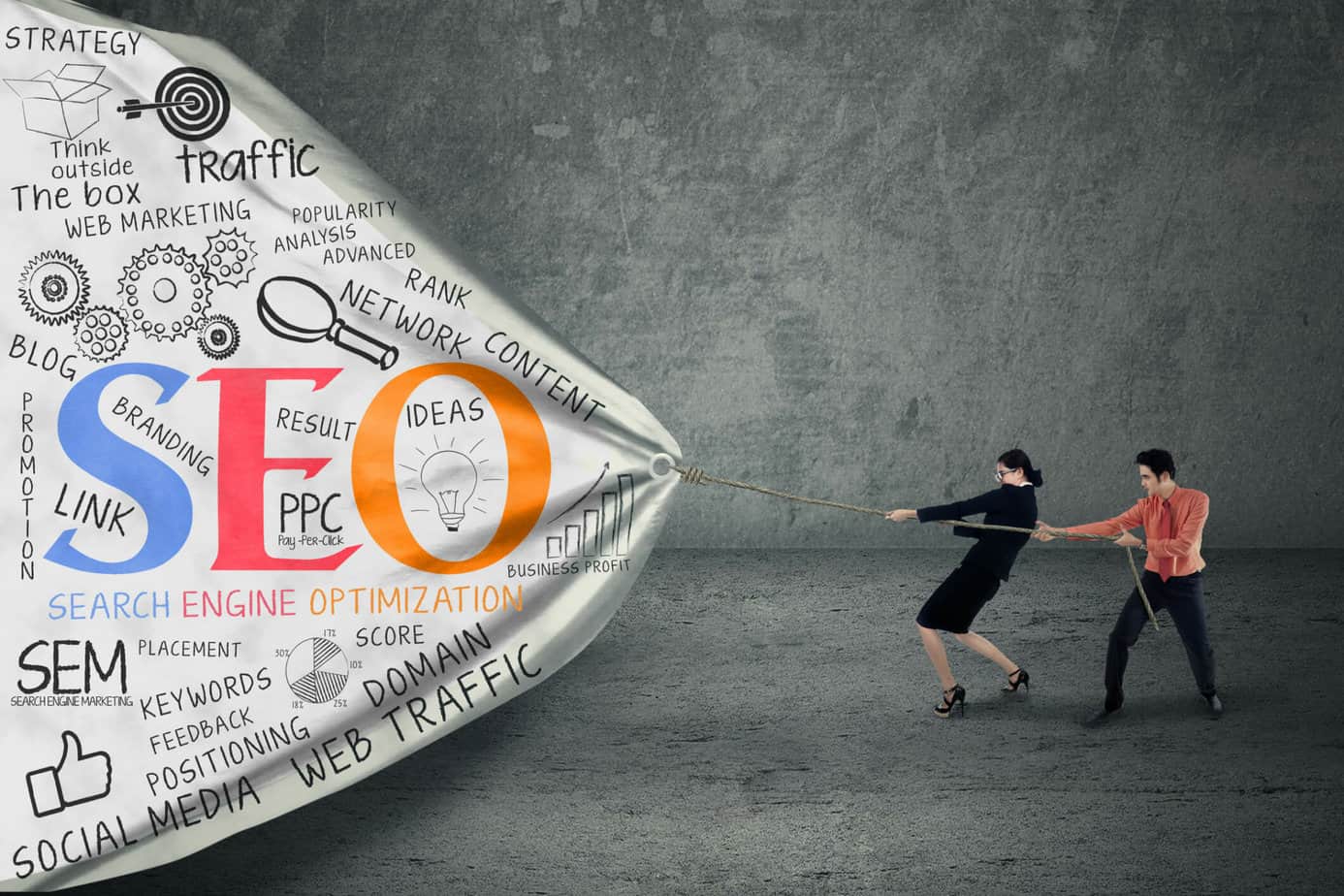
Search engine optimization (SEO) is the process of improving the visibility of a website or a web page in search engines via the “natural” search results that come up from using the search engine. SEO is absolutely vital to your online business. SEO is what helps the search engines such as Google find your website or your products in whichever marketplace you are using. In general, the earlier (or higher ranked on the search results page), and more frequently a site appears in the search results list, the more visitors it will receive from the search engine’s users. So the basic goal of SEO is to get a web site ranked on the first page.

How to Improve your SEO

Here are a few effective tips from Google itself and its SEO Report Card to help you use best SEO practices and boost traffic to your website or listings:

  • Offer Quality Content and Services

    –– According to Google, interesting websites will increase search engine recognition on their own. The internet is content driven. So the first step in improving your SEO is to make sure you have compelling, consistent content. In fact, here is what the Google SEO gurus have to say about your site’s content: “Creating compelling and useful content will likely influence your website more than any of the other factors discussed here.” Great content is more apt to be shared and linked to, which will help boost your rankings with the search engine results pages, or SERPs.

  • Create more descriptive title tags

    –– Optimized keywords and an effective URL naming structure can help the search engine understand the content of the page better. It is suggested to use a maximum of 60 characters on title tags as an opportunity to tell both users and search engines what the focus of the page is. There’s no need to go past this many characters, as most search engines will display ellipses ( … ) after this limit. Also, search engines may give less weight to words after a certain point.

  • Write Better Anchor Text

    –– What is anchor text? It’s the clickable text that users see as the result of a link and is placed within the anchor tag. This text tells Google and the other search engines, as well as internet users, a little something about the page you are linking to. You should use descriptive, concise text and format links so that they’re easily spotted. Don’t neglect your internal anchor text, either.

  • Create effective URLs

    –– Choose the form of the URL that is easiest to remember as the canonical and be consistent with this canonical form across all products. Think of the most common URL forms visitors are likely to try and then 301 redirect these to the preferred/canonical URL or be sure to use the rel=”canonical” link element if you cannot redirect.

  • Optimize Your Use of Images

    –– In the last blog post, we discussed the importance of using high quality images of your products in your shopping cart and how that helps you make sales. Those same images can help your SEO, if you utilize the text that comes with them properly. You can use a filename along with alt text for images and should take full advantage of both. The content of the alt attribute contains information about your image. Don’t scatter your image files in a bunch of directories and subdirectories, but store them all in a single directory. This will greatly simplify the path to your images. Use commonly supported file types such as PNG, JPEG, GIF and BMP.

The real work here for a successful e-commerce merchant is combining the strategies from the previous blog with the tips presented here. You need to make your site come up on the first page of a google search so customers can find you. Then once they click you need to have an strong, easy to use site so those same customers can make their purchase quickly and hassle-free. All of this leads up to the final submission of the sale, which is where Host Merchant Services steps in and makes the payment processing easy for you and completely worry-free. Let our tips and information help you with the first two steps, and then we’ll handle the processing.