Tag Archives: Fraud

chargeback neon concept self illumination background 178854354

How to Analyze the Root Causes of Chargebacks

Chargebacks are disputed everyday at every business, sometimes they can be difficult but have you ever looked back and analyzed the true cause for the chargeback?  Chargebacks are a common problem for businesses and especially for high-risk businesses. Chargebacks protect the consumer from fraudulent transactions as well as rectify errors from simple miscommunication. It’s not just small businesses that are subject to chargebacks; large, established retail enterprises fall prey to chargebacks as well. As such, it is essential to analyze the root causes of chargebacks carefully. Such analysis may uncover genuine problems with specific areas of operations of a business that may need to be rectified to wrest control over chargebacks.

Below, we explore what chargebacks are, why they are essential to dispute effectively, the root causes of chargebacks, how to analyze these root causes, and what preventive measures to take to prevent chargebacks from occurring.

What are Chargebacks?

Chargebacks are payment disputes the customer raises about a particular charge to their credit card. When a chargeback arises, the issuing bank withholds the funds from the merchant until it decides the accuracy of the transaction. If the bank rules for the business, the funds are released to the merchant. However, if the bank rules in favor of the customer, it reverses the charge on the customer’s credit card. The chargeback process is often a lengthy and cumbersome process that requires a significant amount of documentation and recordkeeping.

Importance of chargeback disputes

Disputing chargebacks is a crucial facet of running a business. There are specific cash flows associated with transactions involved in chargebacks that are suddenly on hold and may not possibly arrive. This becomes even more pronounced because the business has already incurred the costs of manufacturing the product, shipping it out and may now be assessed chargeback fees if the dispute is unsuccessful.

As businesses go through the motions of the dispute, they simultaneously need to get to the root cause of why the chargeback transpired. Everything from fraudulent activities to genuine issues the client raises, analyzing chargebacks’ root causes is vital to tackle recurring problems effectively.

Analyzing chargebacks root causes 

Merchants often revert to focusing on the disputing chargebacks and the revenue lost and how to adjust budgets for the cash flow that will not be coming in. Those are necessary steps for a business to carry out but only the first steps in a series of actions they must take.

There is a lot of information available in the chargeback merchants receive. For starters, merchants can analyze the cause of the transactions being disputed. Reviewing these causes can help merchants get to the root causes of chargebacks in their business. This root cause analysis may uncover that specific changes may be needed in any one of the following areas:

Customer Support – Evaluate whether the customer made any effort to reach out to the support team to rectify any qualms about the product before filing a chargeback complaint with the bank. It is essential to understand the consumer journey and identify any friction that can lead to miscommunication or a lack of communication that manifests into chargebacks unnecessarily.

Delivery – What are the merchant’s processes around the delivery of goods. It may be a bit hard to successfully dispute a chargeback when a child’s Christmas gift ordered a week in advance is received on Easter. Preferred delivery vendor relations may be offering your charge rates but costing you much more in lost revenue and negative customer feedback.

Sales Staff – Having a professional and well-trained sales staff is vital to a robust revenue pipeline and happy clients. If your sales team is overpromising and hyping up expectations of customers that don’t pan out upon delivery, it may be time to revisit your company’s sales tactics. You want to ensure overzealous sales staff aren’t being too aggressive in closing sales that customers end up regretting shortly after purchasing the product, let alone receiving it.

Product – This is a critical facet to consider. There may be a shortcoming with the product that the client doesn’t value as much. Is it a manufacturing or quality flaw? Are there durability issues? Lower quality goods can lead to client dissatisfaction and chargebacks. Furthermore, word of mouth in today’s hyper-social environment can further alienate clients from your company’s products if quality issues lead to chargebacks.

Card Related issues – Was the card valid? Was all the credit card information collected to process the payment? Merchants should carefully review the process in place of collection, verifying, and storing card data to ensure that there aren’t any inefficiencies in that operation leading to chargebacks.

Safeguards around chargebacks

Once businesses understand the true nature of the problems that give rise to chargebacks, they can successfully place safeguards to avoid them going forward. Some examples of safeguards can include:

Appropriate training levels for sales staff to work with clients by partnering with them as trusted advisors instead of looking to close a quick sale and moving on. It may not work all the time and may require changes from the top-down. However, it can reap significant benefits from both a revenue and branding perspective.

Emphasize stellar customer support. This will also require an investment of time and money in training and upskilling your support staff to set the appropriate tone of empathy towards current and future clients.

There are specific technologies merchants can invest in to avoid the chances of fraudulent transactions. These include:

  • 3-D Secure – an online authentication protocol for card not present transactions.
  • Tokenization – a storage mechanism of securing card data being used to process a payment.
  • BIN checkers – used by merchants to ensure the card details used in transactions are legitimate before they process the payments

Understandably, chargebacks are not an easy issue to tackle for businesses. Chargebacks cost real money. Merchants end up paying for chargebacks in many ways; through lost sales, shipping and handling costs borne by them, and chargeback fees by the merchant account provider. The merchant account provider may also start evaluating the merchant as a high-risk business leading to higher payment processing rates.

Sometimes it isn’t in a merchant’s control how a chargeback dispute is settled. However, there is hope and reason to be optimistic and take action on the matter. Merchants have a lot of control over chargebacks arising. By being deliberately proactive and using the steps in tackling chargebacks it will become easier to dispute them. 

alphabet letter block in word high risk on wood background 159541643

Why is a Business Considered High Risk For Merchant Services?

High risk businesses are subject to more expensive merchant service charges than others. A business will spend more to process each transaction if it is a high-risk entity. It could also be subject to increased charges. Contract terms for the business could also be restrictive. Some companies may even have some of their revenues tied up in rolling reserves. They may not get those funds in their reserves until weeks after they are paid. 

The issues that come with being a high-risk business for merchant services are significant. But what would cause a business to become high-risk in the first place?

You must be aware of these concerns that can cause a business to become risky for merchant service providers. There’s always a chance you might fall into this category.

High Risk Business For Merchant Services – Top reasons

The Industry May Be Risky

The most common reason why a business can be considered risky is because of its format. Businesses in certain fields are more likely to experience chargebacks, fraud, and other concerns.

High Risk Business - Online electronic sales

Some of the industries that are often high-risk include:

  • Adult product businesses
  • Bail bonds
  • Online electronics sales
  • Debt services
  • Timeshares
  • Telecommunications sales, including for VoIP services or calling cards
  • Travel services
  • Firearm dealers, including those who sell ammunition
  • Software downloads
  • Dating and personal sites
  • Online auctions
  • Multi-level marketing programs
  • General business opportunities; include promotions where someone could invest in a business endeavor that hasn’t gotten off the ground yet

These industries and many others have higher chargeback rates than others. Their financial stability and legality can also be in question in some cases. There’s a chance a company might shut down or become heavily regulated, causing its risk to increase.

The Products or Services Are Questionable

A business can also be a high-risk one if it sells products or services that might be of concern to some merchant service providers:

High Risk Business - selling memberships
  • A company sells expensive items. These include customized vehicle parts, high-end computing systems, and many other high-price things.
  • A business can provide memberships or other items that entail automated recurring billing processes. Billing errors often occur here, thus leading to chargebacks.
  • A business could sell items that banks might ban. These banks could prohibit the sale of certain products or services. While some banks may allow these sales, the fact that others will not do this could increase a company’s risk.
  • Some of the products a website offers can be future deliverables. These include things like event tickets, hotel or transportation reservations, and other things that will be scheduled for later. A business may issue chargebacks or returns for cases where these events are cancelled or the purchaser has buyer’s remorse and wants to walk back the transaction.

These threats are significant ones that can occur among many businesses. A business can review its operations to see what types of items or services it sells to determine its risk.

MATCH Listing

High-risk businesses will be on the MATCH list. The Merchant Alert To Control High-Risk list highlights merchants whose accounts have been terminated in the last five years. The MATCH list highlights companies that have struggled to manage their accounts and have been deemed unable to work with them as desired.

Not Enough Financial Data

A merchant service provider may list a business as high-risk if it doesn’t have enough company financials to review. A business must have enough money to support its chargeback liabilities. A company that doesn’t have enough proof to show it can handle chargebacks will be charged more.

Not Enough Financial Data

This problem is more prominent among newer businesses. But more established companies could also have the same issue. Some businesses may be willing to conceal their financial data to reduce the risk of losing funds.

Poor Credit

A business could also have a poor credit rating. The weak rating may be due to a business running up significant debts and being unable to manage its inventory. A business with a weak credit score may be high-risk due to how it might be unable to manage chargebacks and other threats. A business needs to manage its funds well, or it will be unable to get a better credit rating going forward.

Time In Business

Most business owners don’t assume that the amount of time they’ve spent in business will influence their risk. But businesses that have been around for a while won’t be as risky to merchant service providers. A long-running business will be more established and will have an idea of how it can run its operations. It will be more stable, thus reducing its general risk.

Online Operation

A business can reduce its risk for chargebacks by managing physical card transactions. But companies that don’t see the actual cards these customers use will be high-risk entities.

A business that operates online will complete CNP or card-not-present transactions. These deals allow someone to enter one’s card data online. While a website might offer a secure platform for transactions, there’s always the chance that someone might engage in card fraud. Someone who isn’t the proper customer might take the physical card and enter it into a website for a purchase. The risk of purchase fraud will increase the general risk that the business holds.

Check Your Business Status

Take a good look at your business and see how it operates and functions. Be aware of what it is doing and that you have control over how you operate things. Look at what you sell and how your finances look, especially if you’ve been around for a while. Your review can help determine if your business is a high-risk entity and if you’re going to spend more on credit card processing efforts.

But don’t think that if you’re a high-risk business operator you can’t find merchant services. You can still look for many merchant services that can support high-risk entities. But be advised that you will still pay more for the service than if you were at a lower risk than what someone is often willing to afford or support.

multi factor authentication checklist with a pen 83045213

The Benefits and Shortcomings of Multifactor Authentication For QSR Fraud [2023 Update]

Quick Service Restaurant or QSR fraud is a concern for businesses that has become increasingly common as more QSR locations focus on delivery and carry-out services. QSR chains are experiencing more online orders than ever before. The risk of fraud increases as these entities do more business online.

QSR fraud often entails someone breaking into a person’s online account and ordering and paying for items. But the person who owns that account might not have approved these purchases. The customer would require a chargeback to avoid potential losses. But the chargeback can be costly to a QSR establishment.

It isn’t hard for many people to commit QSR fraud either. While most instances of QSR fraud entails someone acquiring another person’s email address and password, it could also entail malware that accesses one’s login credentials. Some data thieves can also produce lookalike apps or incorrect listings that can steal login data from susceptible patrons. Machine learning has also become a worry, as fraudsters could use malware to access more accounts and to predict when people are likely to provide their data for getting on certain websites.

QSRs have a weapon in hand with multi-factor authentication. The authentication process entails a QSR requiring multiple login factors for each customer who wants to order something. Instead of entering in a username and password, the customer would have to enter something else in the system. The content can come from a text message, a mobile app, or anything else the QSR uses to confirm an identity. The extra data confirms that person’s identity, ensuring the QSR can trust the new visitor.

The authentication effort can work on mobile and desktop devices alike. The setup is necessary for mobile devices, with many people using them to order foods from QSRs.

The effort is advantageous and easy to plan. But it is not without its shortcomings, as these details illustrate.

Multifactor Authentication

Positives

  1. Multi-factor authentication adds extra layers of security.

QSRs won’t always correctly predict a customer through a traditional username and password. A QSR can add an extra point like a security question, a biometric scan on a mobile device, or answering a particular equation produced on a website or app. QSRs can utilize whatever authentication solutions they want, or they can include a combination of methods. They can also let the customers choose which ones they wish to utilize.

  1. People stealing login data is a common cause of QSR fraud. Multi-factor authentication removes this problem.

Sometimes the people who steal the login data are directly related to the account owner. It could be someone else in the household who wants to buy something. Some customers may request chargebacks if those people access an account and buy things without their permission. A multi-factor approach can reduce that threat, eliminating a prominent cause of QSR fraud.

  1. It stops bots from acting.

Many fraud bots can steal data and automatically generate orders. A multi-factor authentication system can use a system that requires human interaction to answer. A bot can enter the username and password, but it will struggle to manage another factor. Bots also cannot intercept text messages or other things that can only be read in one space.

  1. The authentication process can rely on one’s physical location.

Sometimes the second factor will come through a text message or code on a mobile device. The code can come through an email, but it may also come from a dedicated mobile app that the QSR supports.

The customer must be near that mobile device to access the data necessary to confirm an order. The person will enter a message or code from that device to access one’s account. The data will be inaccessible if that person doesn’t have one’s phone or another device on hand. Anyone who sees this code without having access to the website won’t be able to enter anything new.

Since people cannot intercept text messages or other pieces of mobile data that rely on a physical location, it becomes harder for QSRs to fall victim to scammers. Some QSRs could even establish systems where they will only accept orders when someone is within a physical restaurant location.

  1. Multi-factor authentication doesn’t always require a network connection.

Not all new forms of authentication require a person to get on the same network. A biometric-based system can work with whatever device someone already uses, for example. It can identify the unique thumbprint or retinal scan feature that a device has already saved.

Negatives

  1. People may not always have access to the things necessary for multi-factor authentication.

Some multi-factor authentication processes require a person’s mobile phone. These efforts include text messages, mobile app codes, and other things that utilize a phone. These authentication methods aren’t worth anything if the customer isn’t near one’s phone or doesn’t have it on hand.

A customer might also be in a spot where one has poor phone reception. It would be tough for that person to receive a message or confirm one’s identity in that case.

  1. There’s always the risk that bots can evolve and become more powerful.

There are no known bots that can intercept authentication codes produced by apps or other programs. But the risk of there being one that can do this is always present. Bots have evolved and have become more powerful than ever before. Whether these bots will become more effective soon remains unclear, but it is a risk people cannot ignore.

  1. Customers could still become frustrated by these features.

As convenient as multi-factor authentication can be, not all confirmation methods will be effective. Some people may lose their secondary confirmation data. They may also struggle with some technical aspects of these authentication features, especially with biometrics. Proper refinement may be necessary to make multi-factor authentication easier to manage.

Multifactor authentication is a useful solution for QSRs to prevent fraud. The practice isn’t perfect, but it can still keep them safe if used well.

monetizing phrase on vintage watch 3d render 78724722

Is Monetizing Data the Key to Competing in Payments? [2023 Update]

Banks and other financial institutions are often willing to use data sets to make decisions. They need data to figure out who is more likely to use certain services or products. They also want data on customers to see who has the greatest risk of being delinquent or otherwise unable to complete payments as necessary.

Banks can potentially earn revenue from the data they use by using various monetization efforts. While banks might earn funds from traditional transactions, those won’t be enough for banks to survive in an increasingly competitive market. Transaction fees and other charges issued for certain services can be plentiful, but there’s no guarantee that customers will always use the services that provide the banks with the income they want. The effort also requires banks to change some of their long-set attitudes on how they can manage funds.

Review Fraud and Delinquency Issues

Review Fraud and Delinquency

One way banks can monetize their data is to review general signs of fraud and delinquency. A bank can review instances of fraud and delinquency among its clients and review general signs or behaviors in these cases. They can look at how customers invest their funds, how they interact with banks, and general payment behaviors. A bank can use these details to predict future issues where customers might not pay their funds properly and avoid lending to those who might be risky. The effort reduces the general risk of fraud.

Focus on External Data

Estimates show that banks typically focus on internal data. A business might take 80 percent of its data from internal sources, while the remaining 20 percent comes from external data. The external data includes reports from social media, local economic data, and other content the bank might find suitable.

For a bank to monetize its data, it needs to switch to a 20-80 format where 80 percent of its data is from external sources. Banks can review employment data, tax reports, and other things about customers that the bank doesn’t traditionally hold. It will need to request these details for proper info as necessary. The bank can use this information to figure out someone’s net worth and whether someone is capable of handling loans and other services.

Customer Profiles Are Critical

A business needs to produce a comprehensive profile of each customer to be successful. A bank can use a predictive model for identifying customer needs by creating unique profiles for each person who requests services.

Profiles can include details on any private wealth someone holds, retail behaviors, and any assets one might regularly operate. A profile can also include details on whatever small business operations one might run. All profiles can be as complete as necessary, but they should provide enough points on whatever might work in any situation.

Monitor What Needs People Hold

Another way banks can monetize data is to look at how customers might hold unique financial needs based on their behaviors. A bank can analyze customers based on when they ask for funds and what they might look for the most. They can promote loans and other services to people based on life events, changes in income, and other things that might suggest someone could be more willing to contact a bank for help. Banks can use these details to market what they offer to people at the best times.

Who Is At Risk Of Leaving?

One idea to review surrounding customer behaviors involves how some customers might express behaviors when they choose to leave for other service providers. Customers might not be willing to check their accounts as often, or they might relocate to certain places where they might feel a need to use a different financial service provider.

A bank could review prior instances when customers left for other providers and use those details to see what can work to retain those people. The effort should be about reducing the risk of customers leaving for other sites. A bank could promote its services further and maybe highlight some of its benefits that might be different from what people might see elsewhere.

Why Aren’t Banks Willing To Monetize?

Banks could monetize their data to earn more money, but there’s no guarantee they actually will. One reason why is that banks are often more focused on short-term gains. They want to gain money from existing revenue streams that they know are proven to work. But the gains they’ll get through those efforts might not always be worth as much as they might assume.

Meanwhile, banks might not understand how they can transition to new methods to help them collect funds. They may need further guidance to help them understand what they should be doing when moving forward in accepting new funds.

A Long-Term Transition Is Necessary

The effort to transition from a short-term to a long-term strategy for gaining revenue will be a challenge for some banks to manage. But a long-term strategy will entail reviewing unique bits of data surrounding each person who uses a bank’s services.

A bank will need a proper roadmap that helps review what it is doing and how it can bring in more funds from prospective borrowers. The bank can use the roadmap to make decisions on how it will manage its assets the right way and how it can communicate with its customers. Observing behaviors and habits among customers will also be a necessity. The work here can help a bank figure out what is right when dealing with people and knowing what works.

There will be a great potential for banks to monetize their existing data stores. But it will require effort to ensure it all works and that everything remains accurate and useful. Banks that know what is open for work and recognize when customers might need services the most will have more success in monetizing the data they collect.

Improving the Bottom Line With Fraud Mitigation

Improving the Bottom Line With Fraud Mitigation

Ecommerce fraud has become a significant concern in today’s economy. People are flocking online more than ever before to make purchases. Some retailers are also focusing more on their digital commerce efforts than their in-store work.

People are using digital commerce services more than ever, but there are worries about the fraud mitigation efforts these companies use. Some businesses are unaware of what they can do to stay safe while online. Others might not be willing to evolve their websites to make them more secure and functional.

But more people are engaging in ecommerce fraud than ever before, as businesses lost about $17.5 billion in online fraud this past year. That total is expected to rise to $20 billion in 2021, especially as people become more reliant on digital sales and less on going to traditional outlets for things.

Fraud Mitigation

Many of these losses come from synthetic ID fraud. The practice entails a user using another person’s identifiable data to acquire something online. The person who makes a transaction is not the person that the website assumes is making the deal.

New efforts to mitigate the risks of online fraud are critical for the industry’s survival. The threat of synthetic ID fraud is too significant for people to ignore, as are various other worries. But artificial intelligence can be critical to preventing possible threats from becoming worse.

Fraud Mitigation – Synthetic ID Fraud Concerns

The most significant worry about synthetic ID fraud is that it isn’t easy for traditional fraud mitigation measures to identify. Sometimes synthetic fraud entails using one piece of identifiable data to move forward. A person’s Social Security Number could work, but the person’s address or name may not be there. A website could assume the customer is the one that links to the SSN in this example.

Fraud Mitigation - Synthetic ID Fraud

Sometimes the synthetic fraud will entail behaviors that are similar to what someone might utilize online. These issues are impossible for some old online platforms to recognize. It becomes easier for people to get away with fraud this way, forcing businesses to write off their losses.

Other Fraudulent Activities

Online fraud can occur on any shopping website through many other methods:

  • A person might steal credit card data and test it on a website. The person can test the card to see the possible credit limit on that card. Once someone knows that a card works, that person will want to continue making expensive transactions on that card.
  • People could steal passwords and other bits of verification data when getting online. A person might use the data one finds to impersonate an actual person’s account.
  • Interception fraud can occur when someone uses the same billing and shipping info on a stolen card, but the person will intercept the goods in transit. The customer might contact a customer service department to change the shipping address right before moving out of a warehouse.

Many other fraud instances could occur, and they can all be dramatic. The worries that people have surrounding fraud can be dangerous and risky, but they don’t have to be worrisome if the best measures work. Artificial intelligence is a suitable solution to use, as the next section shows.

AI Is Necessary

Artificial intelligence-based solutions will be critical for helping businesses stay safe and to avoid fraud. AI can review customer actions and compare them with general signs of fraud. For example, an AI system can flag situations where someone tries to commit interception fraud by changing the shipping address after placing the order.

Fraud Mitigation - AI Is Necessary

An AI system can use a database that highlights general examples of fraud and common warning signs. The AI review will compare multiple activities in a transaction with the known fraud instances and then flag transactions that may be a concern.

Depending on the setup a business uses, the company can either alert a customer or block the transaction altogether. The held transaction could also be secured if the customer provides enough data to confirm one’s identity. The work can be extensive at times, but it is about ensuring everything happening online stays safe and secure without risking possible losses on either end of the deal.

There are many ways how an AI system can work:

  • Customer behaviors can be gauged versus what people normally do on a website. A website can review when someone gets online, when that person is purchasing things, and where someone accesses a website.
  • A system can also review the payment methods that people use. An entity that uses multiple payment methods might be trying to use many accounts for the same item.
  • Some parties may be using foreign sources for funds. They might use credit cards issued by banks in different countries. Others might be using funds through accounts that support cryptocurrencies that some retailers might not accept for payment purposes.

A business can use multiple third-party programs to identify connection sources and to verify addresses and other details. The business can include these programs surrounding whatever one feels is right for use.

The goal of the analysis is to reduce the risk of chargebacks by identifying fraudulent cases as soon as possible. All activities can be reviewed versus whatever norms the website experiences. 

Responding Is Critical

All online retailers must be ready to respond to potential fraud cases. The process requires twenty-four-hour support that can identify anything new.

But the response should include a personal touch. A company must review the norms that customers express and find cases where something is outside the ordinary. It becomes easier for businesses to reduce their fraud risks when they recognize what is working and what they should be doing when keeping their efforts afloat.

Fraud is a significant worry that can impact any business, but it will be easier to rebound and reduce risks if the right measures work. Businesses can stop various concerns if they know what they are doing while recognizing possible changes that might occur after a while.

Lenders Dealing with Emerging PPP Loan Fraud

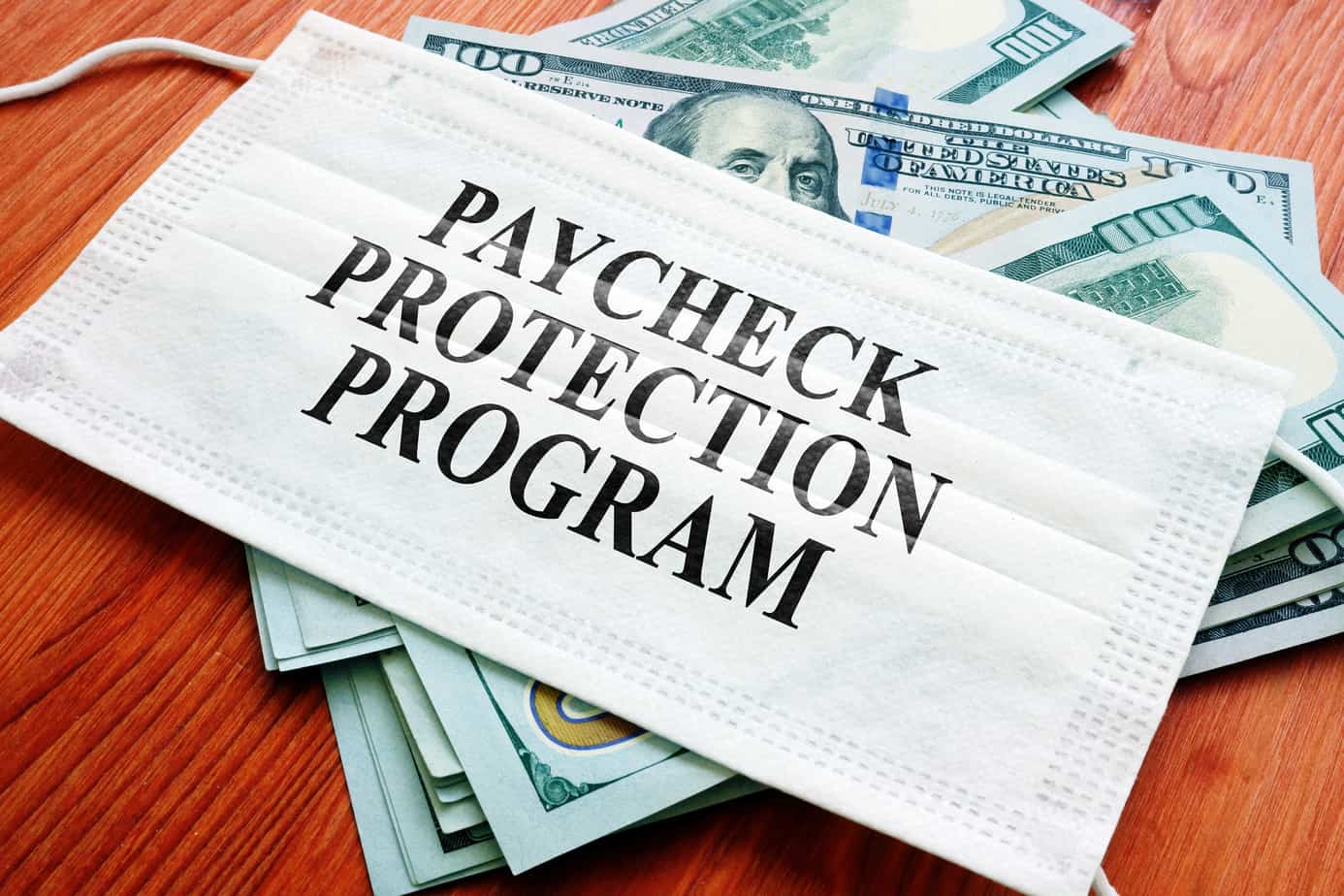
PPP paycheck protection programLast month, a bank in Rhode Island bank was given an application for a $144,050 loan through the Paycheck Protection Program (PPP). PPP is an enormous federal effort that is designated to assist many small businesses that are severely affected by the Coronavirus pandemic. This PPP loan application was made on behalf of a restaurant located in Warwick, R.I. with about 18 staffs boasting an average monthly payroll of a $46,000.
Many suspicions arose after a bank official drove past the building, indicating that the restaurant had been closed before the pandemic. Many dumpsters were seen on the property, and notices ordering the halting of business were seen posted on the door and windows. This formerly popular restaurant had been shut down two years ago and federal prosecutors recently charged two men with conspiracy to commit bank fraud.

The case was the first criminal fraud prosecution related to the Paycheck Protection Program. Industry officials caution that it will likely be one of many charges related to this program. Banks are working hard to tackle misconduct in the $660 billion program, one former official calculated that fraud rates may be as high as 10% to 12%. Derek Cohen, a former federal prosecutor who currently represents white-collar defendants at Goodwin Procter, stated that the rate of fraud increases when government relief programs are assembled rapidly in response to any disaster.

A few weeks ago, many banks started accepting applications from new small business customers. Towards the end of March 2020, the Coronavirus relief law (CARES act) was enacted as the economic destruction caused by the pandemic spread. This law requires the SBA to register loans with the use of Taxpayer Identification Numbers (TINs) in order to stop the same borrower from receiving more than one SBA loan, an issue known as loan stacking.

Immediately after the loan has been submitted, the SBA’s E-Tran system gives a specific application number to the lender that is assumed to reduce most of the dangers of duplicate applications. Meanwhile, questions have arisen about the SBA’s system for examining taxpayer ID numbers. It is theorized that it is possible for fraudsters to manipulate the system and engage in loan stacking.

Recently, the Office of the Comptroller of the Currency held a feedback session with bankers concerning fraud in PPP. Most participants talked on condition of anonymity and stated that there remained a host of problems, such as fraudulent documents and payroll verification. In the course of securing Paycheck Protection Program (PPP) funds, small businesses have encountered difficulty, distress, and an absence of clarity on the rules of the program. The procedure was chaotic for lenders too, leaving the program exposed to fraud amidst an unprecedented SMB stimulus struggle. The urgency with which these lenders were expected to get applications and provide funding created opportunities for fraudsters to take advantage.  Time will tell how many fraudulent applications are caught and prosecuted, but while not perfect, the PPP has provided much needed relief to many small businesses.

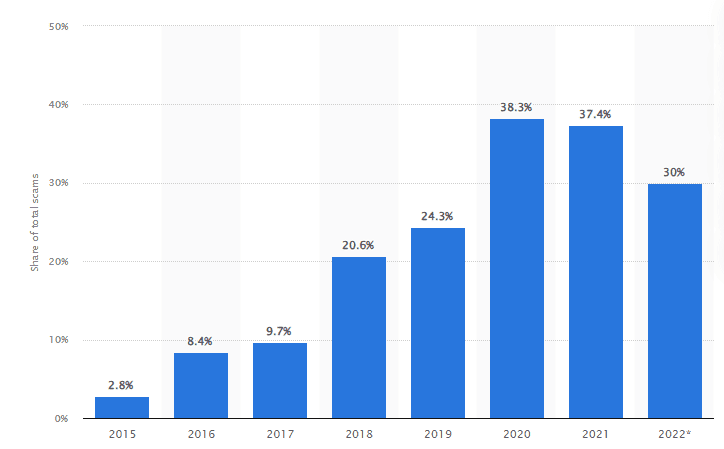
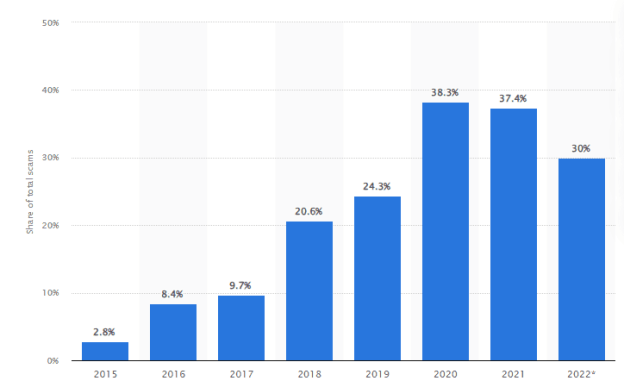
About $11 Out of Every $100 in Digital Sales is Fraud

As online sales continue to trend up, there is an increased exposure to digital sales fraud specifically for card-not-present related fraud.

According to Forter, a fraud protection company, fraudulent activity accounts for about $11 of every $100 in digital sales nowadays. Fraudsters are remaining flexible in fighting the industry’s effort to stop these criminal acts. In response to changes in the marketplace, some of these criminals have found ways around the new mitigation techniques.

A large part of this trend is due to the introduction of EMV, which is the chip that most credit cards now have. On one hand, the chip has been successful in mitigating point-of-sale fraud in traditional brick-and-mortar stores. However, this has resulted in an upward trend for card-not-present issues for e-commerce merchants, resulting in an overall upward trend for digital sales fraud.

Online digital sales fraud

Source: Statista

The hardest impacted segments of the market are the merchants who deliver digital products such as music, movies, and other on-demand content. This makes sense when you consider the nature of their business in which the consumer expects their product at the time of purchase. Digital goods merchants do not have the luxury of time to mitigate fraud on those transactions. This results in a significant amount of chargebacks. A whitepaper published by Javelin indicates that the amount of chargebacks that come from online transactions is almost triple that of in-person transactions.

Not only do merchants have to deal with the losses directly related to the transactions impacted by these types of criminal activity, but there is also the indirect cost of managing and mitigating fraudulent transactions. Based on Javelin’s whitepaper, fraudulent activity costs e-commerce merchants 7.9% of their revenue. The effort required to reduce and manage these effects accounts for a whopping 74% of fraud-related costs.

One thing is for certain if e-commerce merchants want to remain profitable, combating fraud-related activities will continue to be at the forefront of their operations. Fortunately, there are companies that specialize in this very thing, giving merchants an alternative to solving this in-house. This gives merchants the ability to focus on what they do best, sales.

What is Digital Sales Fraud?

fraud in MOTO

Digital sales fraud encompasses fraudulent practices that occur in online transactions. It involves exploiting technology and digital platforms to deceive individuals or businesses resulting in financial loss compromised information or both. These scams manifest in ways, such, as websites, phishing emails, counterfeit goods, and identity theft.

One common form of fraud is called “phishing.” It happens when scammers send emails pretending to be companies to trick people into revealing sensitive information, like passwords or credit card numbers. Another type of fraud involves creating marketplaces where sellers advertise products at unbelievably low prices but never deliver them after receiving payment.

Scammers also employ tactics like creating replica websites that closely resemble well-known e-commerce sites but have variations in the URL. They may even use social engineering techniques to manipulate individuals into sharing information.

The consequences of falling prey to sales fraud can be severe. Not only can you lose your hard-earned money but your data may also end up in the wrong hands leading to identity theft or financial ruin.

To safeguard yourself against sales fraud it’s crucial to remain vigilant and skeptical when engaging in transactions. Exercise caution when sharing information and always verify the authenticity of a website before making a purchase. Watch out for warning signs such as bad grammar, website email addresses, and offers that seem too good to be true.

Types of Digital Sales Fraud

digital sales fraud


Digital sales fraud is a growing concern in today’s online world. As technology advances, so do the tactics used by scammers to deceive unsuspecting consumers. It is important to be aware of the different types of digital sales fraud so that you can protect yourself and your hard-earned money. Always remember, educating yourself is the best prevention from such frauds.

One of the most common types of digital sales fraud that you might also know is phishing scams. These are common globally. A fraudulent email or a website that resembles well-known brands are some of the most common ways fraudsters use to rob you. An individual is tricked either to spend money on the site or share his or her personal information. Personal information may include passwords, credit card details, or other types of personal information.

Another very common way of online sales fraud is by using counterfeit products. Ecommerce has grown exponentially over the years. Fraudsters use counterfeit products to lure people. These products are exact replicas of the original product and for a layman, it is difficult to differentiate. Usually, this type of fraud is done by launching a new eCommerce website where these products are sold. Once the fraudster generates the expected income the website is removed and it becomes difficult for the buyer to contact the seller.

Online auction fraud is also prevalent in the digital sales world. Scammers may create fake listings, bid on their items, or fail to deliver goods after receiving payment. To avoid falling victim to this type of fraud, research sellers thoroughly and read reviews from other buyers before participating in an online auction.

Identity theft scams are unfortunately common where criminals aim to steal information to commit fraud like opening credit card accounts or making transactions. To safeguard your information it’s crucial to use strong passwords and enable two-factor authentication whenever available. Regularly keep an eye on your financial statements for any signs of suspicious activity.

How to Spot and Avoid Digital Sales Fraud

The rise of digital technology has undoubtedly made our lives more convenient, but it has also given rise to a new kind of threat – digital sales fraud. As consumers increasingly turn to online platforms for their shopping needs, scammers have found new ways to exploit unsuspecting buyers. However, by staying vigilant and following a few simple tips, you can spot and avoid falling victim to digital sales fraud.

One telltale sign of potential fraud is when a deal seems too good to be true. If you come across an offer that promises unbelievable discounts or prices significantly lower than the market value, proceed with caution. Scammers often use these tactics to lure in victims and make quick profits.

Another red flag is poor website design or unprofessional appearance. Legitimate businesses usually invest in well-designed websites that are easy to navigate and provide clear information about their products or services. On the other hand, fraudulent websites may appear hastily put together with spelling errors or inconsistent branding.

It’s essential always to do your research before making a purchase from an unfamiliar seller or website. Look for customer reviews and ratings on independent review platforms or social media channels. If there is limited information available about the seller or numerous negative reviews, consider it a warning sign.

Additionally, pay attention to secure payment options provided by sellers. Reputable e-commerce platforms typically offer secure payment gateways such as PayPal that protect your financial information during transactions. Be cautious if a seller insists on alternative payment methods like wire transfers or cryptocurrency since these options are harder to trace if something goes wrong.

Furthermore, be wary of spammy emails or messages offering incredible deals from unknown sources—especially those requesting personal information such as passwords or credit card details through links embedded within them (phishing). Legitimate companies rarely ask for sensitive data via email and will usually direct you back to their official website for any account-related actions.

Conclusion

Digital sales fraud is a growing concern for businesses and consumers alike. With the increasing reliance on online transactions, it’s important to be aware of the various types of fraud that can occur and take steps to protect yourself.

By understanding what digital sales fraud is and being able to spot the warning signs, you can avoid becoming a victim. Remember to always research sellers before making a purchase, use secure payment methods, and be cautious of deals that seem too good to be true.

Additionally, staying informed about emerging trends in digital sales fraud can help you stay one step ahead of scammers. By following these tips and remaining vigilant, you can protect yourself from falling victim to digital sales fraud.

So next time you’re browsing online or making an e-commerce transaction, keep these tips in mind. Stay safe and enjoy your online shopping experience without worrying about falling prey to digital sales fraud!

Identity Theft Restoration

Identity Theft Restoration [2023 Update]

When your identity is compromised

Every individual’s identity is unique to him or her. The problem with this is that there are many others who would love to take that away. They would like to steal identities in order to benefit themselves. Unfortunately this happens far more often than we would like to believe. In fact it is a crime that is so common that law enforcement worries that they are not able to prevent too many cases of this. However, there are things that you can do when if this situation arises in order to try to get your affairs back in order.

Identity theft restoration is the best possible first step. It is the process of trying to set everything in order after your identity has been stolen. The individual who was the victim of identity theft can sign a limited power of attorney. This will allow an identity theft expert to begin to work on your case.

There are things that you can to do as an individual to set your record straight. You are still going to have to fill out a police report and fill out the FTC fraud affidavit. Most of the work can actually be handled by a professional as you continue to try to move on with your life. After all, you will have to carry on in some way as your identity theft case is being worked through.

There are identity theft restoration programs that can also help individuals prevent this crime from occurring again. These programs can include notification to creditors, a complete review of your credit report to ensure accuracy and a dedicated case worker assigned to your case. You can use these tools to try to make sure that you are not a victim of identity theft or fraud in the future. It is also advised to change all online passwords in an attempt to thwart any hackers attempt to access your accounts.

Other things that are done to prevent identity theft from happening again include making sure that there are not others who are selling your identity. This sometimes happens when less then reputable companies sell off the information that they have gathered on their customers. Thus, it is important to review a business’s privacy policy prior to giving any sensitive information that you may not want to fall into the wrong hands.

How to Protect Against Identity Theft?

Identity theft can cause an individual or family to lose much of their financial life. They can take a huge hit to their credit score, retirement savings and much more. They can also be seen by the financial world as someone who is not credit worthy. It is something that can cause huge problems for those who have gone through this issue. Thus it is best to try to get these issues solved as quickly as possible. The best thing to do is to act quickly as soon as you suspect that you have had your identity stolen or been a victim of fraud.

Alert: New Phishing Scam [2023 Update]

The Official Merchant Services Blog wants to alert its readers to a new fraudulent phishing e-mail scam that is going around the internet. Authorize.net, one of the leading providers of payment gateway services, has received reports that an e-mail is being sent to merchants. The e-mail claims to be from Authorize.net, but is actually a phishing attempt by an unknown source. If you receive an e-mail with the subject line “Successful Credit Card Settlement Report,” and the e-mail does not include your Gateway ID or Reseller ID, please disregard this e-mail and do not click on any of the links provided. It is not from Authorize.net. It is fraud.

Here is a copy of what this fraudulent e-mail scam may look like in your inbox:

Remember, do NOT respond to this or click any links provided in this scam e-mail. You can visit Authorize.net’s fraud resources here. But if you or someone working for you may have inadvertently responded to, or clicked a link, in this fraudulent e-mail, please contact us at Host Merchant Services for guidance on how to secure your account.

About Authorize.net:

Authorize.net has been a leading provider of payment gateway services since 1996, managing the submission of billions of transactions to the processing networks on behalf of merchant customers. Authorize.net is a solution of CyberSource Corporation, a wholly owned subsidiary of Visa. Authorize.net enables merchants to authorize, settle and manage credit card and electronic check transactions via Web sites, retail stores, MO/TO cell centers and mobile devices.

Industry Terms: EMV Cards

This is the latest installment in The Official Merchant Services Blog’s Knowledge Base effort.  We want to make the payment processing industry’s terms and buzzwords clear.  We want to remove any and all confusion merchants might have about how the industry works.  The Host Merchant Services promise, we deliver personal service and clarity.  So we’re going to take some time to explain how everything works.  This ongoing series is where we define industry related terms and slowly build up a knowledge base and as we get more and more of these completed, we’ll collect them in the resource archive for quick and easy access.  Today’s term is EMV,  or chip-based cards.

Europay, MasterCard, Visa (EMV)

EMV cards, also known as smart cards, were developed and backed by four of the major card brands.  First implemented in Europe, the cards rely on an imbedded microchip to send and receive payment data with a merchant’s EMV-enabled terminal or POS system.

The chips, only about 3 by 5 mm in size, transmit unique numbers to the payment processors each time the cards are used.  This increases the security since the customers’ name and signature are not used or stored.  Making the chip-based cards unaffected by breaches.

These cards have been used in Europe for more than a decade and have appeared in Canada as recently as two years ago.  So what’s holding the United States up?  That’s right, you guessed it, the price tag.  Javelin Strategy & Research estimates the cost of deployment for EMV in the U.S. at about $8.6 billion.  The major card brands, however, have decided to make the push from the current magnetic strip standard, to the more secure form, EMV.

AmEx joins the club

In late June, American Express announced that it would be joining Visa and MasterCard, in requiring the chip-based cards.  Visa began an aggressive push last year for EMV cards; the company claimed more than a million of the cards were in circulation at the end of 2011.  AmEx, however, will require they be implemented in April 2013, instead of the 2015 mandate set by Visa and MasterCard.

Fraud Free

You may find yourself asking, at such a large implementation cost, are EMV cards really worth it? The answer is yes!  The savings comes in the form of decreased fraud.  The chip-embedded cards are much harder to duplicate than their magnetic strip enabled counterparts.  Criminals can modify or replace the information on mag-stripe cards easily.  Whereas the signals EMV cards give off, cannot be duplicated.

Fraud in the United States amounted to more than $3.56 billion in 2010.  Globally, the U.S. contributed to about 27% of payment-card purchases, yet accounted for 47% of global payment-card fraud.

In summary, EMV cards are coming to the U.S. whether merchants want to accept them or not.  The cost to implement them may cause a bit of a sticker shock, but the long-term benefits of virtually eliminating card fraud heavily outweigh it.  The decreased fraudulent charges will eventually translate into more savings for you, the merchant.