Tag Archives: ecommerce

secure payments

How to Know Your Payments are Secure

There are a few different dynamics related to the secured payment environment that are presently shifting simultaneously. The most significant shift that has been in the making for nearly a decade but has recently accelerated is consumer preferences for both eCommerce andmCommerce, short for mobile commerce. This has also resulted in an increase of cashless payments, emphasizing the need for secure payment mechanisms.

The second shift is the unruly environment of cybersecurity. It is believed to be the most significant form of fraud risk that businesses are preparing for. Recently, 38% of companies surveyed are increasing their technology spending for cybersecurity to ensure secure payments. This is especially relevant since the US government recently warned that businesses will be susceptible to cyber-attacks.

As a result of these ongoing changes and new trends, it is essential to know how businesses ensure secure payments. Below we look at how payments are secured and a further review why this is important now.

What are secure payments?

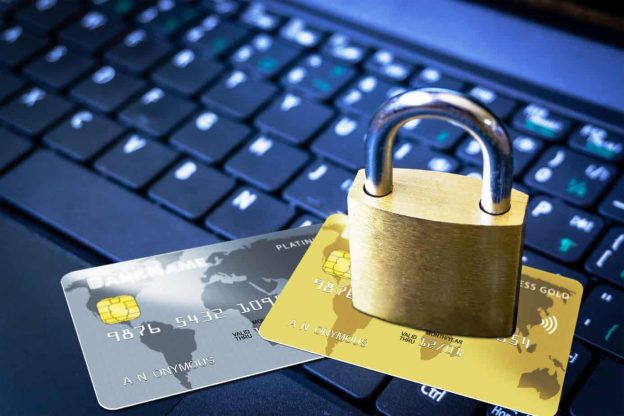
A secure payment is when the payment information used in a transaction is protected via cryptographic encryption while being transmitted for payment processing. The credit card number or the debit card number, expiration date, and the three or four-digit code on the backside of a card are hidden from view and free of unauthorized access throughout the entire process.

A secure payments system ensures that personal and financial information is safe and helps builds trust in the platform on which it is used.

What are ways to ensure your payments are secure?

When customers process payments online on an eCommerce platform or any other site from which they conduct a transaction, those sites have to demonstrate how customers’ financial data is secured.

One form of security measure to check for on a site is SSL, short for Secure Socket Layer. SSL is an encryption method that ensures the security of the financial information that passes between various parties while the transaction is being processed. Customers can check if the website they’re on has an SSL certificate by right-clicking on the payment section of the website and then clicking on Properties and then Details. If the site’s list of encryption certificates has included SSL, then the website is protected by SSL encryption.

Another option would be a next-level proactive filter to detect fraud. These filters let you monitor and set limits of specific transaction thresholds and filter out certain geographical regions culpable of the higher fraudulent activity. An excellent example of one such tool is the Advanced Fraud Detection Suite from Authorize.net.

Finally, there is authentication another layer of security used to verify the cardholder’s identity by having shoppers enter the three or four-digit code on the back of their credit card, known as the Card Code Verification service. (CVV2). An alternative to CVV2 verification is the Address Verification Service (AVS), which will require the cardholder to verify a portion of their address on file with the issuing bank.

Within the authentication process, there is also the popular 3D secure optoin, which all the major card networks have adopted. 3D secure generates a one-time code sent to the cardholder to enter into the payment gateway during a transaction to verify the user’s identity. The 3D Secure protocol is considered to be a strong customer authentication security layer by many regional jurisdictions such as the EU.

Why do you need secure payments?

Security protocols have been applicable to merchants accepting card payments online for nearly two decades. The Payment Card Industry Security Standards Council (PCI SSC) introduced its first security protocol iteration in 2004, including numerous security control mechanisms and data encryption guidance.

Meanwhile, online shopping has been around since the early ‘90s. Consumers’ shopping habits via the web really started to grow over the past decade with the advent of smart devices that let them quickly look, scan, search, find, and pay for items. That adoption has further accelerated during the past couple of years, and just eCommerce alone is now expected to grow to as large as $500 billion globally[MF1] .

However, as the opportunities have grown, so have the risks. Businesses consider cyber-fraud their most significant fraud risk. Even government bodies are more vocal now, identifying the risk cyber-attacks pose to companies. Just the eCommerce industry alone is expected to lose as much as $75 billion between 2019 through 2023 globally, according to Cybersource[MF2] .

According to an American Express Digital Payments Survey, 77% [MF3] of the business surveyed have been a victim of some type of fraud relating to digital payments.

Regardless of the risks posed, consumers are increasingly more comfortable with online payments, feeling it is okay for merchants to store their payment details on their systems, and feel that additional security measures may be too cumbersome. The title theme of the 2021 American Express Digital Payments Survey was “Digital Convenience Is Here to Stay.” The survey results found that merchants are increasingly cognizant of the trends and are looking to draw a balance between that convenience and the need for enhanced security efforts.

We’ve experienced a complete paradigm shift in how we interact, do business, learn, work, shop, and pay in the past couple of years. All of these are not a foreign concepts that were suddenly introduced to us but ones that have accelerated with great intensity during this time.

As a result, the security around these behaviors has become paramount, specifically those that track our identity, finances, and spending habits. Payments is that one domain that intersects all those areas and where we should exercise great caution to ensure that there is a robust mechanism for secured payments. It is essential to understand what secure payments are, how they are achieved, and why they are crucial.


 [MF1]https://www.gartner.com/en/newsroom/press-releases/2022-04-19-gartner-forecasts-worldwide-public-cloud-end-user-spending-to-reach-nearly-500-billion-in-2022#:~:text=Worldwide%20end%2Duser%20spending%20on,to%20reach%20nearly%20%24600%20billion

 [MF2]https://www.cybersource.com/content/dam/documents/en/cybersource-ecommerce-fraud-explained-ebook-2020.pdf

 [MF3]https://network.americanexpress.com/globalnetwork/dam/jcr:09c34553-b4a2-43ca-bf3e-47cbc911ea51/American%20Express%202019%20Digital%20Payments%20Survey_Insights%20Paper.pdf

digital marketing banking payment and online shopping businessman touching global business networking on colorful background 172987534

Trends to Global eCommerce Success

Global eCommerce is a necessity in this digital age. The borderless business has gained immense popularity. Most of the credit goes to social media, search engine marketing, SEO, and other digital marketing campaigns. Not only does it benefit retailers, but the advent of online businesses has made it possible for customers to shop for products from any corner of the world and make payments online. 

The mobile and internet are the main components that drive maximum sales for businesses running on a global scale. Even during the pandemic, global sales witnessed a growth of 25%, according to a report published by Statista. And, credit/debit cards and PayPal were considered the most sought-after options for payments. Here are a few common trends for global eCommerce success.

global ecommerce

Global eCommerce –Mobile Shopping – A New Normal

With land-based stores shutting down overnight, customers were left with no other option than to buy things online. Technological advancements and M-commerce have made customers’ lives a whole lot easier, as they can purchase just about anything with simple clicks. 

The product is delivered to their doorsteps and the payment is processed either online or through credit card machines. The Mobile e-commerce industry is expected to be worth $3.56 trillion in 2021, according to Oberlo. The pandemic has made mobile eCommerce an efficient way to shop for goods online, not only for customers but for B2B sectors and wholesalers as well. 

Global ecommerce trends - mobile shopping

This trend is expected to continue when the pandemic ends and everything goes back to normal. Considering its current popularity, it is safe to say that mobile shopping is not going out of trend anytime soon. 

Shopping Overseas is Easier than You Think

Going global was a big step for any business before the digital era. However, the Internet has transformed the way businesses are executed. You do not need a global presence to go global with your brand. Nowadays, buyers are often looking for purchases outside their countries. So, setting up a borderless business is a breeze. 

You don’t need to set up a warehouse or fulfillment center for international merchants or have a separate office in the countries you are covering. Cost-effective marketing combined with a broad range of advertising tools makes global business ideas a success for emerging businesses. Geographic targeting can help companies target the international audience and promote their brands to people based in different corners of the world effortlessly. As far as product delivery is concerned, many international courier delivery companies offer discounts on bulk shipping. So, you can have your products delivered to your international customers at a reasonable delivery cost and without any hassle.

Understanding the Product Market

Your product market is different for every region. For example, the demand for deodorant in China was always low because of biological reasons. Despite the solid marketing tactics, the product never gained popularity in this economy. 

So, a product market should always be your first consideration when going global. Research the demand for your product in the particular region, along with potential revenues, and opportunities. There is no point in targeting a region where there is no market for your product or an area where customers are not interested in your services. Research the market thoroughly before promoting your brand. 

Understanding the Product Market

Monitoring the Global Analytics

Analytics is the key to a successful global marketing campaign. Google insights tell you how your business is performing on a global scale and whether you are reaching your target audience. A global analysis gives you comprehensive details of your business’ performance in different regions. 

Check out the traffic to your websites and social media by country data. Note down the countries with the highest traffic and also the regions where you are attracting a large audience but low conversions. This shows that the demand for your product and services is high in certain regions, but people don’t buy from you because of the onsite barriers, such as language, currency conversions, and more. Focus on addressing these issues to extend your reach and build audience engagement. These stats show you the data that will help you target countries with the best product-market fit.

Local Language is Important

Another trend in the global e-commerce business is the language. The language is often a communication barrier for your international audience, especially in regions where English is not the first language. Translating your content, including product descriptions, return & refund policies, terms & conditions, and blogs into your audiences’ first language is the easiest way to connect with your prospects. It also increases your chances of converting your prospects into loyal customers.

Posting content in your customers’ native language has a significant impact on your brand’s success in international countries. You can offer a native experience to your target audience by getting your website translated into their native language. According to research by CSA, 65% of customers want website content in their native languages. 40% of customers do not buy products from a company that doesn’t translate the website content into their native language. 

Customers Prefer Different Payment Methods

One of the common mistakes of startups and SMEs is choosing a payment method that works domestically for the international audience. The payment preferences of customers vary by country. In some areas, PayPal is the most suitable payment option, while buyers in other regions may use credit and debit cards for online shopping. 

More and more customers are now adapting to digital wallet payment methods, such as Apple Pay, Google Pay, and PayPal for instant transactions. The online payment modes offer great perks. For starters, they transfer payments immediately. Moreover, they are easy to use.

Bottom Line

If there is one thing we have learned from these trends and stats, it is that global eCommerce is no longer a luxury, but a must for every business. The size of your business doesn’t matter, as it has nothing to do with your ability to go global. So, take advantage of these trends and expand your business on a global level.

shopping online order purchase buying concept

Integrated vs. Non-Integrated Credit Card Processing

Do you own an online business? Are you trying to find ways to navigate the complex world of e-commerce? Well, no need to keep searching! You’ve come to the perfect place to answer all your questions about online finances, payment processes, and more.

Today, we will discuss credit card processing, focusing on integrated vs. non-integrated credit card processing. While these two may seem pretty similar, they have many crucial differences that make them suitable for certain businesses. Want to find out which one is best for your online shop? Then, keep reading to discover more as we dive deeper into the battle between integrated and non-integrated credit card processing.

Integrated vs. Non-Integrated Credit Card Processing – What’s The Difference?

Learning the difference between both is an excellent place to start. First, we need to define our terms to answer this fundamental question.

 Integrated credit card processing is a method built into the platform or website where you sell your products. It is revered for being fast, easy, and convenient and helps retain customers by making their checkout experience quick and effortless.

On the other hand, non-integrated credit card processing is a way of processing credit card payments that aren’t run by your platform but by a third company. This company creates a safe payment gateway for consumers to buy things while keeping their personal information safe. 

Now that we’re all on the same page let’s discuss each process in detail so you can weigh the pros and cons and see which is right for your business.

Credit Card Processing – How Does It Work?

Credit Card Processing

Well, it depends entirely on which process you choose. Let’s compare the two by proposing a hypothetical situation. A young woman named Samantha has found her way to your online shop via Instagram. She sees a pair of earrings she loves and decides to have them immediately. 

If the website uses integrated credit card processing, here’s how it will all go down:

Step 1: Samantha will click “go to checkout.”

Step 2: Samantha will put in all her personal information without getting redirected anywhere else and finish her purchase all in one fell swoop!

But if the website has non-integrated credit card processing, this is what will happen:

Step 1: Samantha will click “go to checkout.”

Step 2: Samantha will put in her information

Step 3: Samantha will be redirected to a third company page to choose which payment option she prefers. Since she’s a young person, she’s most likely to choose PayPal, as many young people nowadays find it easier and more convenient to use, especially when shopping online. 

Step 4: Once she has entered her payment info, it will be authenticated, and as soon as it does, it will redirect her to the website, where she will be asked to complete her purchase. 

Right off the bat, you can probably spot the main difference here: time. The integrated processing options are done in a few seconds, while the others can take up to a few minutes. But can this impact the consumer’s decision? It turns out that it does quite a lot.

Wanting to buy something from an online business and then getting redirected can quicken consumers’ hearts since they feel like they’re getting scammed. Although PayPal is a favorable option, it still takes some time to put in your information, which will most likely make your customers impatient and abandon their carts. 

With integrated processing, everything is done in one place. The shopper will most likely feel safe giving the company their information since the power to process credit cards builds trust and security. The shopper also has less time to panic because the transaction is completed in seconds. They finally get to sit back, thankful that modern technology allows them to buy things without leaving their home.

Alright, now that you’ve examined how each option behaves in the same scenario, let’s examine each payment process in more detail. 

Integrated Credit Card Processing

Integrated Credit Card Processing

Integrated Credit Card Processing is used by almost all the major brands that have online stores, providing a clean and comfortable way for people to shop. 

An integrated processing system does all the work by authenticating the shopper’s information and interacting with their bank’s server without needing a third-party processor. This also means it won’t redirect customers to another page, making them feel more secure and dissipating doubt that they’re getting scammed. 

Now that you’ve got a short description let’s get down to the nitty-gritty by looking at the pros and cons: 

Pros:

  • Fast
  • Efficient
  • It makes customers feel like they had a better experience
  • All your payments are processed in one place
  • Safe
  • Useful
  • Modern

Cons:

  • It may take a while to sort out since you’ll need to hire a software developer to add it to your website or switch platforms if the one you’re using doesn’t have integrated payments.
  • It may require an initial investment.

Now, let’s compare this method with non-integrated credit card processing. 

Non-Integrated Credit Card Processing

Non-integrated processing is done through a third party instead of your website. It can be run through any software, from a Chrome extension to a mobile app. 

Pros:

  • Safe for the customer and the merchant
  • Intuitive
  • Useful

Cons:

  • It takes longer to process payments
  • May make consumers feel like they’re getting scammed by redirecting them
  • It takes too long to finish the purchase

Conclusion

The truth is that the only way to know which process is best for your business is to try one of them yourself. If you’ve been using non-integrated payment processing for a long time and it hasn’t caused any trouble, then you can continue to use it. After all, if it isn’t broken, don’t try to fix it! But if you see your revenues starting to drop or you want a change, investing in some software to make payments easier can go a long way.

customer self service order drink menu with tablet screen and pa

Different Ways To Increase Conversions and Customer Retention With a Point of Sale System

Are you an online entrepreneur? If so, today we’re bringing you the only guide you’ll need for POS systems and customer retention strategies. In this article, we’re going to be defining all of these terms and giving you some tips and tricks of the trade so that you’re ready to rock the e-commerce world!

If you’ve had an online business for years or you’re starting a new brand, the chances are that you know how hard it is to make revenue. It’s a struggle selling all the inventory each month, paying for expenses, etc. Online business management can also feel cold and impersonal. 

You see a bunch of names scrolling past you on your screen, but you don’t know these people, and you’ve never seen their faces. How are you supposed to get them to trust you? Well, POS systems may be just the thing you need to build a loyal customer base that can get you through tough times.

Don’t Know What We’re Talking About?

Before we dive into this guide, we may have to define some terms. We’ll go one by one, so it’s easier. 

Firstly, what are conversions? Well, when we talk about conversions in eCommerce, what we’re talking about is your conversion rate, which you can calculate by figuring out what percentage of the people who visit your website make a purchase. If your rate is high, then that’s awesome; good for you! But if it’s not what you want it to be then, it may be time to innovate.

Secondly, we’ll talk about a more complex term: customer retention. What does this mean? Are we suggesting that you hold your customers’ hostage? No such thing! Customer retention is essentially your store’s ability to not only acquire new customers but also to get them to become regulars and help you stay in business even in tough times.

Finally, let’s approach the most important term of them all: point for sale systems. Well, a point for sale system (or POS) is a system that gives points to your customers each time they make a purchase. The goal is to redeem a number of these points for discounts, limited products, and rewards.

Incorporating this system into your business will exponentially increase the level of trust and engagement with your products, as customers will want to buy more from your store to gain access to special offers and benefits. But what else can it bring to your commerce and, most importantly, how can you implement it? We’re going to answer these questions now as we delve deeper into the topic of POS systems.

Make Inventory Management Seamless!

Everyone knows the disappointment of finding the perfect product only to realize it’s out of stock. There’s no worse feeling in the world. Undoubtedly, your customers get that same disappointment when they find out that one of your products is out of stock and they have to buy it from someone else. This is why you must keep track of all your inventory so you can keep this from happening.

POS systems are a great asset to avoid this situation since they help keep your inventory complete and up to date. All you need is a barcode scanner and a printer, and you’re good to go! 

By keeping track of your inventory, you can also offer customers the option of notifying them via email when the product they like is back in stock and available for them to purchase. This keeps customers from jumping the fence to buy identical products from another company while also improving your relationship with them.

Use It For Marketing!

Talking about all the rewards that people can get from your point-based system is a fantastic way to make your business more alluring.

Sponsored Instagram ads are great, but what if those ads could also promise customers that if they purchase a certain number of items, they earn points that they can then redeem for gifts, exclusive items, and more? This is how POS works in your favor; it plays into people’s FOMO (fear of missing out) by reminding them that if they don’t buy now, they might miss out on a chance to get limited items. 

Likewise, you can use POS rules in other forms of marketing like newsletters, coupons, and discounts. Newsletters are especially significant since they send a message right to your customer’s inbox, enticing them to all the beautiful things they can get if they buy from your store! This also helps you build a loyal customer base, as you can attach personal letters to these cards. This will make your customers find you more authentic and start to feel that they know you.

Launch A Customer Loyalty Program

This is the ultimate way to boost your sales and create a loyal customer base simultaneously! All you have to do is add a pop-up on your website saying that if customers contribute to your business each month, they can get exclusive deals, gifts, and discounts.

Depending on how much they spend, you can also add tiered rewards depending on how much they spend so that customers are more enticed to stay on your website longer or spend more money to get the rewards they want. This will help build a better relationship with your customers since it gives both of you a shared level of trust and intimacy as you reward them with limited products for supporting your business.

Conclusion

When it comes to running an online business, no one said it would be easy, but nobody said it couldn’t be fun, either! That’s why points programs are so popular. They’re the tried-and-true way to build a personal relationship with your customers so that they can support you through hard times and help you grow your business daily. 

As we all know, running a business can be very stressful and challenging, so ensuring you have loyal customers who have your back can be a massive relief during those times when you might be struggling greatly.

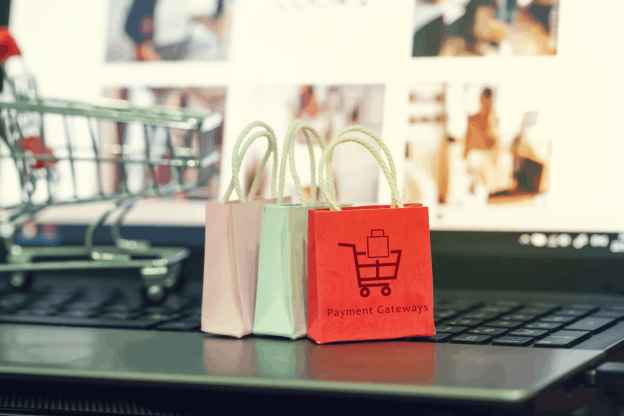
shopping online e commerce concept paper shopping bags on notebook keyboard depicts purchase of products and services on the 202873753

Payment Gateway Integrator For E-Commerce Websites

Are you the proud owner of an online business? Congratulations! Owning and managing an online business can be wonderful, but it can also be very stressful sometimes. With so many things to juggle, from inventory to listings and credit card frauds, it can prove to be exhausting running an online business. Through this article, we’ll be giving you all the tea on what a payment gateway integrator is, how safe it is and how you can use it to increase your revenue and expand your business!

In this article, we’re going to be answering all the questions you could have about payment gateway integrators, from what they are to how useful they are to your business, their safety, and integration methods. Anyway, without further ado, let’s get right into talking about payment gateways!

What Is A Payment Gateway?

Well, let’s start from the beginning: a payment gateway is an essential tool that makes it easier for your customers to pay for your products. If you’ve ever shopped for stuff online yourself, there’s a good chance you’ve seen these before. Whenever we want to purchase online, the website takes us to a secure payment gateway to complete the transaction quickly and safely! 

All online businesses have this, from giants like Amazon to small businesses on Shopify or eBay. Essentially, the payment gateway works with a third party authenticating the credit card and completing the transaction. These tools are vital for your business since they can do transactions for you and protect you against financial risks like credit card fraud. 

Once the payment gateway has gathered all the customer’s information and ensured that there’s no fraud involved, they redirect your customer back to your platform and send you the money! All forms of payment, from credit to debit cards to e-wallets to even bitcoin, manage transactions from this kind of gateway. 

How Is A Payment Gateway Useful?

Well, we can answer in several different ways. For starters, a payment gateway makes it easier for your customers to complete their transactions, saving you a lot of money by avoiding the forever sought-after online cart abandoners

These types of people most often leave their only purchases abandoned because they don’t understand the payment method or find it confusing. No one wants to deal with all that hassle. So, that is probably why these customers close the tab and move on with their day. 

Integrating a payment gateway into your platform is extremely important since it optimizes customer experience, especially at check out, which is the most vital part of the experience. Payment gateways are also helpful because this may shock you: not many people use cash anymore. In modern days, cash has become obsolete, and everyone buys everything either by card or online. 

What makes payment gateways so valuable is that they make the transaction easier and offer payment options familiar to the customer. 

How Does It Work?

While all this technical stuff may make it seem not very easy, it’s pretty easy, especially when thinking about it from a customer’s perspective. If you’ve done any shopping online, you know the drill: you see an incredible product on Instagram, their profile takes you to their website, you add your product to the cart and click on ‘buy.’ 

The website then takes you to another page where you can put in all your information (safely, of course), and once you click accept, boom, you’re done! You’ll receive your cornflower blue stapler in three to five business days!

But what happens in the background? Well, there are several steps that the system takes to make this process accurate. First, the system gathers all the information and puts it on your server. It authenticates all the information to ensure no credit card fraud, subtracts the amount from their card, and ultimately adds that amount to your server. Once that’s done, it authenticates the transaction, and you’re ready to go.

Is It Safe?

With change comes fear. More so, with brand new technological advancements comes the fear of getting robbed blind. Luckily, this method is not as dangerous at all. For starters, the payment gateway company is held accountable by following specific protocols such as not keeping and later selling customer information. There are many ways to make this process even safer, such as:

  • TLS Encryption: a TLS certificate that gives your customer the knowledge that their data is safe
  • PCI-DSS Compliance: standardized policy created by credit card companies that make the payment gateway more secure
  • Tokenization: creating a token that your customer has to enter, so you know the transaction is being made by them and not someone else (possibly their child stealing their credit card from their purse)
  • Two-Factor Authentication: This one also ensures no fraud by asking your customer to give the go-ahead for the transaction and their bank. 

To sum up, yes, it’s as secure as it can be!

How Do I Integrate It Into My Platform?

If you’re now convinced that your online business needs a payment gateway (and you’re right because it possibly does), here are some ways to get it.

For starters, you need to decide if you want to use a platform that already has a payment gateway built-in or if you want to add one to your already existing website. If you choose the first option, do some research on the platform you’re using and ensure they follow the necessary protocols. Suppose you’re going for the second option. In that case, you can look into third-party payment gateways like GPay or Amazon Pay, or you can customize it entirely by hiring API software developers to develop your very own payment gateway! 

Conclusion

Payment gateways are an essential part of your eCommerce business, which is why it’s essential that, as a business owner, you take charge and figure out exactly which options are best for you. It will not only bring more revenue but also keep you and your customers safe as you navigate the online marketplace!

world banking and finance 32597812

5 Essential Features You Need In A Global Payment Processor

Did you start an online business in the past year? Good for you! With the rise of the pandemic, millions of people worldwide have become self-employed entrepreneurs by starting their businesses online. Many people have been able to sell things that would’ve been too niche to make returns before, like specialized jewelry, art prints, and even pottery art! 

All these developments have been fantastic, but if you’re an online business owner yourself, you know how hard it can be to expand. Sometimes you can feel stuck in a rut, especially when you’re constantly getting comments from people on social media telling you that they wished they could support you but live overseas, or they don’t use your same currency!

Don’t worry; we are here to help! Online businesses can significantly benefit by adding a global payment processor to their websites since it allows them to expand their customer base worldwide.

Do you want to learn how? Well, here are five essential features you need to take into account if you want to start using a global payment processor.

  1. Speak The Language (Literally)

The tricky thing about international e-commerce is something that you’ve probably already guessed: language barriers. While English is spoken at least as a second language worldwide, some people have difficulty understanding it, especially when it’s not their native language. This type of confusion can increase tenfold when dealing with an online purchase since they don’t want to lose money by accidentally buying something they don’t want.

As you can see, language detection and conversion is a crucial feature you have to look for when shopping for a global payment processor. The numbers can back this up as well. A survey conducted recently on consumers from ten different non-English speaking nations said that 73% of them prefer to buy things from websites written in their native tongue, and more than half of them would never buy from only English-speaking websites. 

Therefore, if you want to engage these customers, you have to learn to speak their language!… literally. 

  1. Not All Currencies Are Made Equal

If you didn’t have the pleasure of being born in a third-world country, then you probably don’t know the stress of having to try to memorize how to do decimal conversions in your head. 

It’s true! Many currencies represent a fraction of a dollar; therefore, when people living abroad see the final cost in dollars, they tend to get scared or confused because they can’t make the conversion in their heads. According to another study, 17% of customers claim abandoned shopping carts because they could not calculate the final cost. 

It is essential that any global processor that you get converts both the language and the currency of the user as quickly and accurately as possible. That way, international customers will feel more relaxed when shopping at your online store, which means more revenue for you.

  1. Let Them Pay How They’re Used To

Support for international payment methods is an essential part of any global payment processor. Big card brands are a thing of the past. Nowadays, most consumers (especially international ones) prefer paying with cash vouchers, e-wallets, and bank transfers. E-wallets are especially important since tons of people, mainly internationally, use them for everyday purchases. 

The same survey we mentioned before found that 7% of customers abandon their carts at checkout because they can’t use the payment method they usually do. This is why adopting a more comprehensive range of payment methods is essential to growing your business. 

  1. Work With Banks Worldwide

It may surprise you but working with banks worldwide helps reduce false positives and declines from international transactions. It means fewer angry customer emails for you to read and more glowing customer reviews to fill your inbox.

Working with international banks is essential for any online business to grow since it helps them work with an online market. It is also a significant step in growing as a brand. Many people who live in countries abroad use bank transactions to pay for everything since it’s easy and convenient. In other words, working with offshore banks offers you the opportunity to make payment of goods faster and more effective than ever before.

It also helps to improve your image since working with world-renowned banks makes international customers see you as a trustworthy source. Many people who live abroad are afraid of getting scammed online, so seeing that you work with a bank they’ve known for years dramatically increases their confidence in you! Not to mention, it increases the chances of raising the number of purchases. 

Another survey found that 17% of people abandon their online carts because they don’t trust the website to handle their personal information safely, and they’re probably right to be wary. Nowadays, there are plenty of online scams, and giving all your information to an unfamiliar business can be risky. 

Introducing renowned banks will also help increase customer satisfaction since many cards tend to be rejected at the time of purchase by not working with international banks. So, if you want to increase your revenue, a global payment processor that can link you to foreign banks is the way to go.

  1. Protect Yourself Against Fraud

Alright, we’ve talked plenty about customers and how to satisfy their needs, but let’s talk about you for a second. While international trade can be a new and exciting way to grow your business, it can also leave you vulnerable and exposed to international hackers. So, how can you protect yourself against this new enemy? The best way to do that is to find a global processor with global network-based feud protection built in. This will protect you from foreign hackers while keeping your customers safe, too!

Conclusion

Owning an online business can be exhilarating, heartbreaking, and rewarding all at the same time. You have independence and many benefits when you are your boss, but that freedom comes with responsibility. So, be conscientious by finding a suitable global payment processor and help your business grow!

happy 30s young man celebrating getting purchase from internet store 207761398

Don’t Forget the Post-Purchase Experience for eCommerce Merchants

Have you ever bought something nice and haven’t heard from the store again? That is not supposed to happen; usually, stores try to follow their customer purchases with some message. This allows them to maintain specific contact and, in the future. So, when the customer is looking to buy again, they will consider buying from the same store instead of buying somewhere else.

Most people, after a purchase, are highly interested in the post-purchase experience. For others, it is not a big deal. However, the seller should always leave a good impression. Many customers buy from the same store and do not change because of the post-purchase treatment. Also, attracting a new customer to your eCommerce business is more expensive than retaining an existing one. Indeed, to attract a new customer, you will have to make a bigger effort, so be smart and keep the ones you have; they are the ones that will generate a positive balance at the end of the day.

Strategies for a Better Post Purchase Experience

There are some things that you can do to make the customer enjoy more of their post-purchase experience. Some are more obvious than others, but at the end of the day, they all have the same objective: to generate more revenue by selling more to the same people. 

As said before, marketers use many strategies to make the customer return to the store because of the post-purchase experience. 

The first strategy is related to the delivery, how the customer is going to receive the product. Personalization is one of the essential features a customer is looking for in a product. So being able to customize the delivery of the product is essential for the customer. You need to be able to know your customer and learn to think like them. Then, you will understand what is on their mind and what they want. 

Nowadays, online reviews are the ones dictating if your product is good or not. Many good products never got to where they should have because the online reviews were terrible. So, creating an online base for your customers to talk and discuss could be a huge help, like a forum. Here, you would be able to connect with your customers and do some Q&As for them. 

Ideas for Customer Engagement 

You can do many things to make an excellent post-purchase experience; however, engaging your customer with your brand might be the best. 

Many stores will thank you after buying from them and nothing else. They might seem “cute” or “nice,” but they are not engaging at all. There are some examples of stores that will give you some discount for your next purchase. Giving people a reason to go back to the store page is what the company is looking for. Many stores will send you a follow-up mail offering you a big discount or giving you a coupon. 

Here are some ideas of how to maintain contact with your customer and retain them as interested buyers:

First, inviting them to download the store’s app is a great idea. For example, Disney will offer an invitation to download their app. To this, you can add a loyalty membership and offer some deals. Also, you can use the follow-up emails to engage them as well. Once the customer bought the product, they will be alert to any emails they received from the store. 

That is why you can use those emails to engage them. Also, in these emails, you can assure your customer that they made the right choice and keep them excited about their purchase. If you achieve it, it is more than probable that the customer will revisit your store; and you never know… maybe they end up buying something else. 

Another strategy you can use is to recommend other similar products to what the customer bought. For example, if the customer bought a pillow for the bed, maybe show them sheets or some other pillows, always trying to get the customer interested in your site. 

Loyalty programs

As I mentioned before, loyalty programs are an excellent way for customers to feel more attracted to the company and keep them “on the hook.” In this section, we will go in-depth with this strategy. Loyalty programs also accelerate the engagement to the store. And, they set the environment for a better post-purchase experience. 

Loyalty programs are made for recurrent customers. If they get into this program, they usually receive special offers, coupons, free shipping, and all sorts of benefits. What is great about these programs is that they will probably continue buying from your store once the customer is in. 

Conclusion

It is very common for stores to forget about the importance of the post-purchase experience, but as you now know, it might be crucial for the customer to go back to the store. Imagine a customer who bought the same or a very similar product from two different stores, and one of them offered him a great post-purchase experience. 

The next time, he will probably choose the one with the better experience. Why? Because the post-purchase experience makes the customer feel cared for and essential to the company. 

To sum up, companies should focus on having an excellent post-purchase experience. With many stores being online, where the customer does not interact with employees, it is vital to make them feel good and safe. Remember, an existing customer is cheaper to keep compared to a new customer. After checking out and purchasing anything, follow-up contact is essential, especially if it is an expensive or unique item.

ryazan russia march 21 2018 ebay mobile app on the display of tablet pc 114162191

10 Things To Know Before Selling on eBay

Everyone sells their products on eBay, from giant corporations to small businesses. Selling on eBay can be exciting, but it can also be quite intimidating if you’re starting and don’t know the first thing about the website or how to make your products pop. That’s why we bring you the ten most well-kept secrets that sellers on eBay hold dear to sell their products and make them pop! Make sure to follow these tips closely if you want to become a top seller and make it big!

Without further ado, here are the top 10 things you should know before selling on eBay

  1. Get Inside The Mind Of A Customer

If you want to sell, you need to think not like a seller but as a buyer. Pretend you’re a customer thinking of buying the kind of products you sell. Go on the website as a casual shopper and see which products are already listed. Once you’re there, you can begin noticing patterns: which sellers have the most enticing photos? What makes them incite? What’s the average price at which your products are sold on eBay? 

By knowing these critical pieces of information, you can make your listings as enticing as possible to potential consumers, as you know what they like and what drives them to make the purchase.

  1. Know Your Enemy As You Know Yourself

This is an adage that remains to be true. eBay is a very competitive platform since there are so many people on it. If you want to be a top competitor, you need to know how your adversaries think. 

Use the top-selling feature to see which products pop off on eBay. Also, study the product listings and take notes on what you think makes them so marketable. Do they name their products something in particular? What kind of photos do they use? What are their product descriptions like? These are the key aspects you need to know to be a top seller on eBay. 

  1. Know Your Fees

eBay itself isn’t exactly free. If you’re not into the whole auction thing but still want to sell on eBay, you’re going to have to pay some fees. eBay offers a variety of subscription packages, including:

  • Starter
  • Basic
  • Premium
  • Anchor
  • Enterprise

The monthly subscription fee depends on your subscription plan, so look for the one that’s right for you and make it easier for your customers to buy your products!

  1. Know-How To Price Your Items

This is yet another crucial feature to keep in mind if you want to remain competitive on eBay. Whether it’s kitchen appliances or Cheetos shaped like Jesus, no matter what you’re selling, there’s a high chance someone is selling the same thing at a lower price with better production photos. 

This is why it’s vital for you as a buyer to track what your competitors are selling their products for and work in that price range, so you genuinely have a fighting chance. You can also offer lower prices to make your products more enticing to potential buyers.

  1. Get The Perfect Shot To Sell Your Product!

Humans are visual creatures; this is why production photos are everything. Getting good shots of your product with a cohesive composition and lighting can be the difference between selling your product for $300 instead of $3. 

But how can you achieve those great product shots you see everywhere? Well, one way is to make your DIY lightroom. This kind of thing can be made with cardboard, paper, and glue, but it has the same effects as a professional photoshoot! 

  1. Write Product Descriptions Like You’re Writing Poetry

Images aren’t the only thing you can improve about your listing. Writing good product descriptions can also be the factor that either attracts customers or makes them walk away.  Here are some tips you can follow to write the best product descriptions:

  • Keep it short, sweet, and skimmable.
  • Please don’t use other people’s descriptions; make them unique.
  • Break up your text using bullet points, lists, numbers, and short sentences.
  • Triple-check your spelling so you don’t sound like you’re trying to scam people.
  • Give as much detail as possible.
  • Write enticing headings.
  1. Be Open To Constructive Criticism

Feedback isn’t only good for you, but it’s also good for your business. If buyers go to your listings and don’t see any product reviews, then they might get scared off by the fact that no one can vouch for your products. This is why it’s essential to get your products out there and encourage people to leave reviews so that other potential buyers know you’re legit.

  1. Promote, promote, promote!

This one is a no-brainer; no surprise there. If you want to sell, then you need to promote your products with everything you’re eCommerce business has to offer. Here are some tips on how to do that:

  • Social Media: buy ads on Instagram, Twitter, and every platform you can think of. These ads will get people to your store.
  • Promotion Boxes: eBay allows you to promote your products within listings, make sure to use it to remain competitive.
  • Content Marketing: advertising your products on a content platform such as a blog or YouTube channel can surely make you go far.
  1. Sell in Cycles

As you track your competitor’s listings, you’ll probably be able to tell that their prices don’t remain the same for long. On specific dates, they peak, and on others, they get lower. Make sure to follow these patterns so you can remain competitive!

  1. Look At The Big Picture

Becoming a top-seller doesn’t happen overnight; it’s a process. This is why you need to sort both short-term and long-term goals for yourself, so you can stay on track and remember that when things get tough, it’s okay; they’re supposed to get tough at some points. Just keep your chin up and keep trying! Success isn’t always gifted; it’s earned. 

Conclusion

Now you know everything you need to know before selling on eBay!

an asian woman is using a tablet to make an online purchase 205701806

Best Practices For eCommerce Merchants Selling on Shopping Engines

These days, everyone is selling their stuff online, from fashion giants like Zara and H&M to small, hand-made businesses with few employees. If you’re the latter, then you know that getting your products out there can be tricky. Sometimes ad campaigns and word of mouth are not enough, and when those bills come in the mail, your heart starts racing as you wonder if you’re going to be the next ones to close up shop and hitch a tent in the park. 

Well, we have the solution. It’s called a Comparison Shopping Engine, and while it may sound weird and unfamiliar right now, you’ll probably get the hang of it in minutes.

Let’s get into what Comparison Shopping Engines are and how you can use them to generate more revenue, so you don’t have to eat out of cans for the rest of your life.

What Are Comparison Shopping Engines?

This is a great question to start with. Just what are these futuristic-sounding engines? Are they like car engines with physical parts? Do they require fuel? Well, the good news is that they don’t! You’ve probably heard of the term ‘search engine’ before being used to describe websites like Google, Bing, etc. These are called ‘search engines’ because they’re like giant digital machines people search for information. 

Comparison Shopping Engines are a lot like that, except buyers use them to search products and compare everything from shipping costs to prices instead of just searching for any information. 

Comparison Shopping Engines are every buyer’s secret weapon since they typically use them to get the best deals on products by looking at what multiple places are selling that product for, how much the shipping costs, etc. 

Why Should You Be On Them?

Well, this is a simple question to answer. Just like companies pay Google to show the links to their websites at the very top of the results page, you too can use Comparison Shopping Engines to get your products in front of more people.

In addition, people who use Comparison Shopping Websites are the best customers you can hope to find since they want to buy that product and they’re by far the most likely to complete the purchase during their visit. Comparison Shopping Websites are also the first to show up on Google’s result page so that you can gain a lot from their visibility.

If your products show up on these websites, then you’re pretty much guaranteed more traction to your online store, especially since it helps to build trust between you and the customers. When people see your products on Comparison Shopping Engines, they’ll know that you offer good deals and will be more likely to want to do business with you in the future.

Choosing The Right One

With so many different Comparison Shopping Engines to choose from, how are you supposed to know which one is best for your business? Well, there are some factors to consider. For starters, you need to know which Comparison websites your competitors are on. This comes with advantages and drawbacks. 

The advantage is that people who visit that particular engine are more likely to search for the types of products you sell. This is because all the traffic for that kind of product is going there. The disadvantage is that since all of your competitors are on that particular engine, you may have trouble standing out and might have to lower your prices to compete. 

Another option is to use a Comparison Shopping Engine that none of your other competitors have even heard of. You may get less traffic, but you’ll also probably make more sales since you appear to be the only one offering the kind of product that your customers desire. 

Top 3 Comparison Shopping Websites

Alright, now that you know what Comparison Shopping Engines are, let’s dive into some of the best of them so that you too can compare and contrast which one is best for your business.

  1. Google Shopping

Google Shopping is probably the most popular Comparison Shopping Engine out there. Since it’s built right into the Google platform, it’s very easy to find, and it probably offers the most visibility out of all of them since it showcases links to products at the very top of their results page when people search for them. If you want to get as much exposure as possible, Google Shopping is a fantastic choice.

  1. NexTag

NexTag is a veteran in the Comparison Shopping Engine world, established back in 1999 when you used to spend your days watching Saved By The Bell, collecting pogs, and wearing neon hoop earrings. Millions of people use the website every day, and it’s also probably the most versatile when it comes to products since you can list real estate, concert tickets, travel, and much more.

  1. PriceGrabber

PriceGrabber is a great choice both for buyers and sellers alike. In addition to having features of any other shopping comparison website, it also has features for buyers! With its easy-to-use Market Report, you can track purchases and monitor pricing trends so you can stay on top of your game.

But How Do You Get On Them? 

There’s the big question: all these websites may sound fantastic, but how are you supposed to get your products on them? Well, the first step is to get your products listed on them. You can do this easily by filling out the search engine’s CSV (Comma-Separated-Value), which is a bunch of information they need to list your product according to their format. 

This information includes product title, price, description, and image location. The website will then use this information to get you listed on their websites and put you in front of potential buyers!

The Bottom Line

Running a small business can be extremely difficult, but Shopping Engines can get the job done fast and easily. Don’t hesitate! List your products today and get them in front of buyers so that you can continue to grow.