Tag Archives: E-Commerce

Plenty of Cheer During the 2019 U.S. Holiday Shopping Season

The numbers are in for the 2019 holiday shopping season, the final one of the decade, and retailers were pleased to learn that overall sales increased by nearly 3.5% compared to last year. Starting on Black Friday and culminating with last-minute shopping on Christmas Eve, retailers were definitely in the black this season, and this is despite the period being shorter than last year by six calendar days. E-commerce was the biggest winner with an increase of 18.8%, and the payments industry was pleased to see a greater volume of credit and debit card transactions along with digital payments.

e-commerce merchant optionsEven though online shopping accounted for a little less than 15% of the overall sales volume, it should be noted that the Cyber Monday shopping event continued to grow, particularly in the consumer electronics segment, which experienced a boost of 10.7% on a year-over-yer basis. Specialty apparel was the segment that shoppers expressed greater interest in compared to 2018, but even department stores posted a nice growth of 6.9% despite industry analysts warning that the heyday of American shopping malls is behind us.

According to the MasterCard Spending Pulse survey of retail activity during the holiday season, stores were prepared for the shorter shopping period this year; many retailers stepped up their omni-channel marketing efforts starting in early November. It should be noted that department stores actually saw a decline in their brick-and-mortar transactions, but they posted a 6.9% increase of their online sales.

Now that Christmas has come and gone, retailers are gearing up for the post-holiday blues, which tend to feature many gift returns or exchanges; a typical example is footwear, which tends to see a lot of exchanges because of size issues. Clearance and special discount situations will likely see a migration towards e-commerce channels, but brick-and-mortar retailers are ready to welcome more store traffic that should last through the first week of the New Year. Physical storefronts located within shopping districts have an advantage in this regard when merchants get together to organize entertainment and family events; the idea is to increase foot traffic at a time when many shoppers have time off work.

Wall Street Investors Also Enjoyed Holiday Cheer

The Santa Claus rally on Wall Street was delayed by just one day this year. According to market analysts at Nasdaq.com, exchange-traded funds that focus on the banking sector soared when traders returned to work after Christmas Day. This is good news for the payments industry, which does not exclusively rely on banks to stay busy. Consumers are warming up to alternatives to the traditional banking system; increased regulation and oversight along with a lack of flexibility by banks are driving consumers towards payment systems that they can manage from PCs and smartphones. Since providers of alternative banking services work closely with payments processors and clearinghouses, the future looks good for the payments industry.
US to Spend Record

US to Spend Record 126 Billion Online This Holiday Season [2023 Update]

According to recent data released by Adobe Analytics, American shoppers will be going online to spread the holiday cheer among retailers in 2019. The Adobe study was published a few weeks ahead of Black Friday and Cyber Monday, two of the most active and lucrative shopping events in the United States. As has been the case in recent years, e-commerce activity will once again expand this holiday season, and even brick-and-mortar chains will be processing more digital payments than they did in previous years.

Online E-commerce Mobile Payments

Retailers in the U.S. got an early start on their holiday offerings because the season will be a few days shorter in 2019. Once the e-commerce extravaganza known as Cyber Monday wraps up, shoppers will only have 22 days to complete their lists before Christmas. As for digital payments, some shoppers will likely be eager to try out new methods such as the Apple Card on their iPhones. One trend that analysts believe will rise sharply this holiday season is the “buy online to pick up in-store” (BOPIS) method, which is attractive to retailers because they can launch strategic marketing displays near pick-up counters.

Black Friday was displaced by Cyber Monday as the busiest online shopping event of 2018, and this will probably happen again this year. All the economic elements seem to be in place for a busy holiday shopping season: the economy continues to show signs of stability thanks to low unemployment, and consumer confidence remains positive despite a few concerns related to delinquency in subprime auto loan payments. Reaching the projected $126 billion sales target should not be a problem unless political uncertainty in the White House reaches an overly critical point.

For brick-and-mortar retailers, even those that operate a single location, being able to offer a diversity of payment options will be crucial to their success this holiday season. Some financial institutions such as Ohio’s KeyBank are offering cashback rewards to shoppers who make online purchases, and this is a smart move to entice individuals concerned about the trade war between the United States and China, which has resulted in items such as toys and holiday decorations being priced higher this year.

Citizens Bank Partners with Microsoft for Xbox All Access

With 2020 looking to be the year that all the next generation games consoles will begin to hit the market, it won’t come as a surprise to learn that many eager consumers are starting to put money aside. For many, a lack of immediately available funds will direct attention to credit, but this past week, Citizens Bank has released details of a brand-new funding option for consumers ready to buy new Microsoft products.

Xbox All Access Program

Mobile Payments For Video GamesCitizens Bank and Microsoft have joined forces to provide financing for the Xbox All Access program, offering consumers the choice of Xbox One X, Xbox One S, or the Xbox One S All-Digital Edition console bundles paired with a 24 month subscription of Xbox Game Pass Ultimate. This gives customers access to more than 100 games and online multiplayer via Xbox Live Gold. In addition, Xbox Game Pass Ultimate features multiple new Xbox exclusives, with new content added constantly, along with reliable and fast online multiplayer gaming. This will be predominantly available via Amazon, and will have a complete point-of-sale experience as well as 0% APR financing.

For the time being, the program is limited to just the current generation of Xbox consoles. Consumers who do pick up a current-generation Xbox through the Xbox All Access Program, however, will be eligible for an upgrade once what is currently only known as Project Scarlett launches, presumably next year.
Citizens Bank president of consumer deposits and lending Brendan Coughlin, said about the integrated payment solution, “Consumers want affordable ways to make purchases without taking on additional credit card debt. Xbox All Access bundles hardware, services and software with affordable and predictable financing delivered through Amazon’s online check out process. Xbox All Access represents the first time a lender, manufacturer and retailer have come together to offer a seamless way for consumers to buy, and we believe that it will be the model for how purchases are made and financed in the future.”

Looking Toward the Future

While it may not seem right now that this type of payment solution will send Xbox sales soaring, it’s worth remembering that Microsoft have very definitively lost this generation of the console wars, so this could be a cunning plan for the next generation. By offering potential future customers an easy way to pick up a console now while holding their place in line for the next console, Microsoft seems to be hoping to snatch away a few Sony supporters ahead of the game. Also, with each new console generation, or any new generation of any technology, supply issues tend to be a bit of an issue in the early days. This has by no means been confirmed by Microsoft, but perhaps those who buy under the Xbox All Access program will have priority access to Project Scarlett when it releases.

Early in 2019, Microsoft announced it was ending its mobile payments solution Microsoft Wallet. Support for the mobile payments app ended in February 2019 less than a year after Microsoft announced it integrated Microsoft Pay with Masterpass which allowed users to use the Edge browser to make online purchases with retailers who accepted Masterpass. The decision was inevitable since Microsoft Pay had a low user rate and the company discontinued support for its Windows 10 Mobile operating system which had just 2.4% of the market share of US mobile operating systems.

Online Retail Fraud on the Rise

According to the 2019 Fraud Attack Index by e-commerce security company Forter, attempts at defrauding online retailers have, for the second year consecutively, increased with online electronics and food and beverage retailers seeing the biggest hits.

After going through merchant and transaction data, Forter determined the rate at which e-commerce fraud attacks occur has increased between 2017 and 2018 over several different verticals.

Electronics

Electronic Retail Fraud SecurityFraud targeted at electronics retailers shot up by a huge 73% in 2018 compared to the year before. Electronic devices often come with hefty price tags, and they can be easily resold, making them so appealing to fraudsters. Forter’s analysis showed that customers are more than prepared to purchase their electronic goods from third-party sites in order to score a better deal, and many fraudsters will list their stolen items as “refurbished” items.

Food and Beverage

Fraudulent attacks against food and beverage companies saw an even bigger increase between 2017 and 2018 with a 79% increase in attacks. This comes following a 60% increase between 2016 and 2017. Forter’s analysis suggests that lower-priced online food and beverage items will be where fraudsters typically test out stolen cards or e-wallets, before then going onto more expensive higher-ticket items.

Clothing

Fraud attempts in the online clothing world rose by 47% between 2017 and 2018. Clothing has always been an appealing and attractive option to criminals, with bulk items being resold with relative ease. Much as was the case with electronic items, many legitimate buyers will be eager to purchase their clothing from third-party resale sites.

Bots can also be used by fraudsters to buy up large quantities of any limited edition clothing runs which they’ll then sell on with substantial mark-ups.

Jewelery and Luxury Items

Jewelry Retail Security MerchantsIt goes without saying that criminals have always been attracted to the high value of jewelry. 2018 saw a 19% year-on-year increase in attacks towards online sellers of jewelry and other luxury items.

The security company Forter’s study looked into many often undertaken means by which fraudulent attacks are typically launched upon online retailers. Account takeovers, whereby criminals will unlawfully gain access to an unsuspecting customer’s account with the aim to make illegal purchases, or even redeem loyalty points, grew by 45% in 2018 when compared to 2017. Fraudulent attacks coming from fraud rings, or even online criminals grouping together to commit fraud together grew by 26% year-on-year.

What saw the sharpest increase was policy abuse, which entails cheating retailers through discount codes and coupons, creating multiple accounts, or overusing referral reward programs. This saw an increase of a whopping 170%, whereas stricter e-commerce returns policies saw the more historically traditional fraudulent returns abuse drop by a huge 90%.

As of 2019, these are the 10 U.S. states with the highest rates of identity theft and fraud:

  • 1. District of Columbia
  • 2. California
  • 3. Nevada
  • 4. New Hampshire
  • 5. South Carolina
  • 6. Delaware
  • 7. Louisiana
  • 8. Texas
  • 9. New York
  • 10. Florida

And one last thing to consider if you are a merchant and you are worried about data breaches or fraud affecting your bottom line: Host Merchant Services Data Breach Security Program. Click that link to download a PDF explaining the value-added service HMS provides its merchants that goes above and beyond just simple PCI Compliance and helps ensure a merchant’s peace of mind.

5G Communications Could Change the American Retail Landscape [2023 Update]

5G Communications Could Change the American Retail Landscape [2023 Update]

In terms of telecommunications and payment transactions, the United States is strangely out of step with the rest of the world in some aspects. Paper checks, for example, are still used by many companies. The adoption of EMV technology by American retailers was slow enough to cause anxiety among providers of payment processing services. As for the fifth generation of wireless technology, commonly known as 5G, South Korea and China are examples of significant markets that rolled out 5G networks way ahead of the U.S.

How 5G Will Impact Brick-and-Mortar Stores

In major metropolitan areas such as Atlanta, wireless service providers have already upgraded their infrastructure to 5G. Widespread upgrades to 5G technology will take place over the next few years, and retailers have everything to gain from this development. In essence, 5G networks are able to handle vast amounts of data at much higher speeds; while it is easy to see how e-commerce operations can benefit from this technology, it is important to note that brick-and-mortar retailers will also be able to capitalize on this upgrade.

Mobile Payment Processing Systems

Retail storefronts do not have to compete against e-commerce because they can simply embrace it. With the advent of 5G, however, brick-and-mortar stores can give their e-commerce counterparts a run for their money through interactive experiences. Augmented reality features, for example, can let shoppers get more information about products on shelves, and they can also enable trying on clothes and putting on makeup prior to going into dressing rooms or approaching the cosmetics counter.

A more practical benefit of 5G technology as it relates to physical stores will be found at the point-of-sale. Payments industry analysts believe that 5G is the missing ingredient in the perfect recipe of true mobile payments, and this is something that merchant processing companies also believe will result in a digital payments revolution. That current lag experienced by shoppers who wish to pay with their smartphones at POS terminals should go away once 5G is implemented.

Mobile Shopping Trends

The use of digital wallets and other devices that enable contactless payments has been on the rise across Asia and Europe. In China, nearly 50% of retail purchase transactions are settled with digital wallets; in the U.S. only 23% as of July 2019. Another improvement that retailers can expect from 5G technology is to mobile equipment; brick-and-mortar stores that do not offer this option should start looking into ways of implementing it between now and the end of 2020.

The next major retail trend in the U.S. is expected to be a hybrid of mobile shopping and in-store pickups. A neighborhood pizzeria that offers takeout should strongly consider developing a native or progressive web app that enables mobile ordering and payments because this is what many consumers are showing a preference for: they want to browse menus, select toppings, and pay for their orders right from their smartphones, but they also want to be able to stop by the stores and physically retrieve their purchases.

Amex E-Commerce Safe Fast Bank Transfer

American Express Announces E-Commerce Bank Transfer

Starting later this year, American Express is offering online shoppers a brand-new way to pay retailers directly from their bank account, in real-time, without the need to use a debit or credit card in hand.

The new service, which will be offered to bank account holders in the U.K., even those without an American Express card, is set to roll out in the fourth quarter.

Here’s how the new Pay with Bank Transfer option will work.

What Is an American Express E-Commerce Bank Transfer?

Whereas before consumers were required to enter card details, thanks to American Express, this could all soon be a thing of the past. The service offers customers the option to instead make their payment via an American Express bank transfer with real-time payments directly from their bank account, rather than via their debit card. Customers will also be able to view their bank balances prior to confirming the transaction, and, according to American Express, will be able to benefit from “bank level data security.”

To make use of the service, all customers will have to do is click on the “Pay with Bank Transfer” button upon checkout, and select their bank from which they wish to make the purchase. They will then be redirected to their bank’s website where they will sign in and authenticate themselves, and approve the payment details before continuing to finalize the purchase.

Thanks to a wider initiative known as open banking, the data that people have stored with multiple financial institutions can be collected together and shared with trusted third parties, simplifying procedures while maintaining high levels of security.

Do I Need to Be an American Express Cardholder?

Not at all. The bank transfer service is open to anyone, whether they are an American Express customer or not. All that is required of the customer is a U.K.-based bank account.

What are the Benefits of an American Express E-Commerce Bank Transfer?

Amex E-Commerce Safe Fast Bank Transfer

Currently, bank transactions require having a physical card or card information to complete a transaction. With the Pay with Bank Transfer option, consumers have more options for paying retailers without sacrificing security.

Transactions are also much faster. The American Express service allows for instant transfers from customers to recipients, whereas paying with a credit or debit card would usually take a few days to a week to complete.

Where Can I Use the American Express E-Commerce Bank Transfer?

There will only be a handful of retailers utilizing the system at launch, however, a major rollout throughout 2020 will see the bank transfer system adopted by a wider range of online ecommerce retailers.

Some of those initially taking part in the American Express bank transfer scheme include JustGiving, Oak Furnitureland, Thai Airways, Richer Sounds, Hays Travel, and the Royal Lancaster London Hotel.

online e-commerce merchant password

What the Looming SCA Deadline Means for Merchants

With the Second Payment Services Directive (PSD2) now live, the European Union’s Strong Customer Authentication (SCA) regulation is now set to go into effect this month. The regulation, which aims to improve transaction security for customers and retailers, is set to bring a lot of confusion as merchants brace for the change.

What Is SCA?e-commerce online merchant security

Strong Customer Authentication is part of the PSD2 regulations that require greater security for many transactions using 2 of 3 forms of customer authentication. PSD2 went live in January 2018 with implications for all European companies that deal with payments. While PSD2 includes 11 mandates, one of the biggest implications is improving the security of e-commerce payments by increasing customer authentication.

Some transactions are exempt from SCA requirements including:

  • Trusted beneficiaries. Consumers can choose to add businesses they trust to a list of beneficiaries held by their issuing bank.
  • Recurring transactions involving subscription billing as long as SCA rules are applied to the first transaction or if the payment amount changes.
  • Low-value transactions of less than €30.

Merchant Responsibilities Under SCA

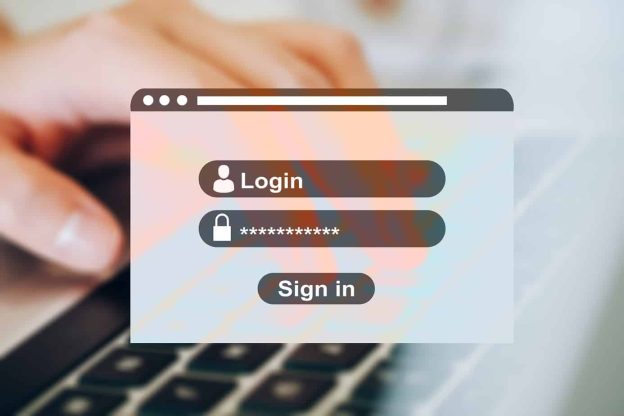
online e-commerce merchant passwordUnder the new guidelines, a merchant must provide card issuers with two authentication factors from customers for the transaction to be completed. The guidelines lay out three authentication factors:


  • Inherence, such as a fingerprint or other biometric
  • Possession, such as a credit card or device
  • Knowledge, such as a PIN or password

Soon, millions of consumers will need to confirm they are who they say they are during e-commerce transactions by responding to communication over a mobile device, providing personally identifiable information, or using a fingerprint or facial scan.

Are Merchants Ready for the Change?

SCA is required to be built into an online merchant’s checkout flow by September 14, 2019, although research shows most e-commerce retailers are nowhere near ready. A Mastercard survey found just 25% of online retailers were even aware of the impending SCA regulations and, of these retailers, 24% had no plans to support the new requirements by the approaching deadline.

Retailers who are not equipped for the Strong Customer Authentication requirements will soon see declines on European-based transactions if they are not exempt from the regulations or they do not have 3D-Secure authentication to securely verify card-not-present (CNP) transactions.

According to one estimate from Stripe, European businesses may lose up to $57 billion within the year of SCA requirements going into effect. The same study found just 40% of businesses that were aware of the Strong Customer Authentication guidelines were ready to meet the requirements.

Which Retailers Are Affected by SCA?

European merchants aren’t directly responsible for meeting the requirements of SCA as this falls on the issuers and acquirers within the European Economic Area (EEA). This includes the 28 members of the EU plus Liechtenstein, Iceland, and Norway. However, retailers who do not adhere to the guidelines will likely see an impact on authorization rates for card-not-present transactions.

SCA is only required for transactions in which the issuer and acquirer are in the EEA. Retailers who contract with an acquirer that is located in the EEA, for example, will be impacted with declines on transactions processed on cards issued in the EEA when SCA guidelines are not met.

What 5G Will Mean For Mobile Payments

The expected global rollout of 5G technology is predicted to bring many changes to today’s connected global economy. With real-time, high-speed data flow, 5G is likely to fuel even further expansion of mobile payments and change the credit card processing industry on a fundamental level. Here’s what 5G may mean for the future of mobile payment technology.

What Is 5G?

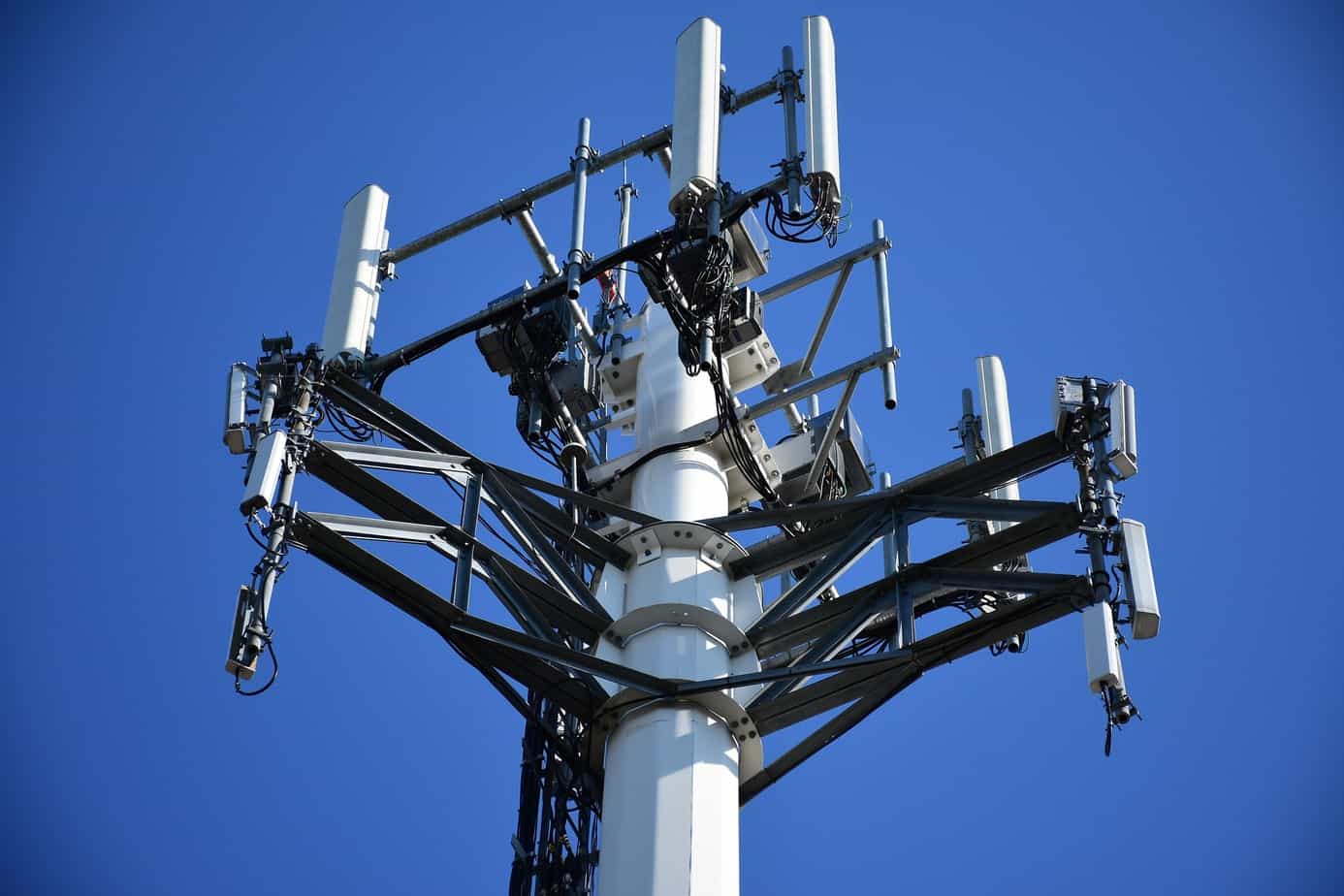
A major technology shift is occurring that will bring a big update to the wireless technology that delivers data to cell phones. 5G refers to the fifth-generation cellular network which will be a big step ahead of today’s wireless technology, 4G, by offering incredibly fast mobile internet speeds that will allow users to download movies within seconds. That’s about 20 times faster than the 4G experience. 5G technology won’t just bring faster speeds; it will also reduce latency or lag which happens when signals pass between different carrier switching centers.

5G Cellular Tower Mobile Payments

In addition to cell phones, the technology will also impact security systems, drones, and even vehicles. To get the full benefits of 5G, once the rollout is complete, users will need a compatible new phone and cell phone carriers will need to upgrade to new transmission equipment.

How Will 5G Technology Change Credit Card Processing?

The payment processing industry is expecting a big shakeup when 5G technology is finally rolled out. With dramatically faster speeds and reduced latency, 5G can:

5G Mobile Payment Processing

  • Streamline transaction processes
  • Increase transaction speeds
  • Improve the accuracy of fraud prevention
  • Support a more user-friendly experience

5G technology can revolutionize the mobile shopping experience. For example, it makes it easier to support virtual reality shopping to allow consumers to see what an item will look like in their home before buying or go through every step of buying a car — including the credit check, receiving personalized financing options, and funds availability — with mobile technology.

Increased speeds won’t just improve customer experience; speed also supports better fraud prevention. Fast data transmission allows banks to quickly verify data like geolocation and merchant ID to avoid errors. These factors can increase consumer confidence in digital payment technology to potentially sway more people to change how they pay.

All of these benefits may support increased adoption of mobile payments, especially in the United States which is far behind China and other areas of the world in terms of adopting mobile payment technology.

While China boasts a mobile payment usage rate of more than 80%, the adoption rate in the U.S. is less than 10%. In the United States, debit and credit cards are much more widely accepted than in other regions of the world, offering an alternative to paying without cash.

To accept a mobile payment, merchants need the right hardware which are tailor-made for mobile businesses. By improving security and transaction speeds while opening the door to more advanced mobile payment options, 5G may just help increase the adoption rate of mobile payment technology in the U.S.

gun vendor

Visa Continues To Support Mobile Gun Purchases

As the debate in the United States rages on over gun laws, some companies have been taking sides by choosing to take action. Visa, however, is one company that has refused to wade into the political fray. Instead, it has opted to continue along doing business as it has been in regards to mobile payments.


An announcement from the company came in early August that it would not block mobile payments for gun purchases. Visa Chairman and CEO Alfred Kelly made the announcement after back-to-back mass shootings in Texas and Ohio thrust issues surrounding guns back into the news. It is not a change of course for the company; instead, it was merely a confirmation that things will not be changing in regards to gun purchases.


The company’s stance regarding mobile payments for gun purchases is a different one than some of its competition has taken. PayPal and Square have opted to not allow their services to be used for such purchases.


gun shop mobile e-commerce purchasesThe rationale expressed by Visa CEO Alfred Kelly as to why the company will continue to support mobile gun purchases essentially comes down to it being simply a matter of not dictating morality to the company’s customers. It is legal for people to buy guns in the United States; therefore, the company will continue to process those purchases- just as it does other things that are legal but may be considered controversial by some.



 

That is not to say, however, that Alfred Kelly does not hold views regarding gun legislation in the United States. In an interview with CNBC, he expressed an interest in seeing lawmakers do more in regards to gun laws. However, no matter his personal views, he is not currently interested in applying them to the company that he heads up.


The company is not alone in this view, either, in regards to not dictating morality to its customers. Mastercard has also taken a similar stance. Its CEO Ajay Banga expressed similar sentiments as those of Alfred Kelly- refusing to determine what is right or wrong. As far as he is concerned, if it is legal to own an item his company will help customers purchase it.


Meanwhile, CEOs at other companies have taken a less neutral stance regarding guns. Apple CEO Tim Cook is one notable example of this. After the shootings in El Paso and Dayton, he took to Twitter demanding action.  

E-commerce Trends

Major Upcoming E-commerce Trends [2023 Update]

Payment Methods – Credit Card Processing & Beyond

Making the shopping experience easier for the consumer is the goal of new e-commerce tools. Every year, the e-commerce industry is dynamically transforming, moving in the direction of personalization and new sleeker customer experiences, especially with the increasing integration of AI. Streamlining payment processes and providing multiple avenues of payment are only part of a merchant’s strategy in making paying for products online as easy as possible.

PWA = Progressive Web App

With mobile conversions on the rise – a whopping 55% increase in mobile sales for 2018, eCommerce is shifting. By 2022, it’s predicted retail sales via smartphone will reach $175.4bn. With this shift, retailers are dropping mobile apps for PWA entirely. PWA, or progressive web app, leverages web capabilities to deliver an app-like experience to consumer. Indexed by search engines, URL-accessible, PWA’s are deployed to servers, making the user experience more robust and dynamic.

mobile app e-commerce payments

W3C = World Wide Web Consortium

The W3C, or World Wide Web Consortium – the international community working to ensure the long-term growth of the Web, is aiming to simplify online payments for the sake of decentralization. Allowing browser native UIs to use previously saved data such as an address and card information to make web payments is the ambition of the W3C. “Web Payments” is the name of the standard and will enable consumers to tap a few times versus filling out the same information on every new site.

Multi-Currency

Rather than paying conversion rate fees, consumers now can choose multiple currency options on sites like Shopify. Instead of restrictions via a retailer’s local currency, consumers can use the currency they are accustomed to. Multi-currency options are gradually being rolled out.

Voice-Command Currency

voice-command e-commerce mobile search

With over 20% of search queries made via voice command, e-commerce has a huge opportunity for growth in the order-by-voice future. By 2020, experts predict 50% of searches will be done by voice command and so on. Retailers should start focusing on long-tail keywords and structured product data now to accommodate the future.

B2B = Business to Business

80% of B2B organizations accept orders and payment through their website, according to a BigCommerce survey of 500 such businesses. This data not only indicates the growth of e-commerce payments in B2B industries but also demonstrates the complexity of a B2B e-commerce channel, which also accepts payments via quote, ACH, terms, check, and PO.

Influencers – The Social Media Swipe Up

E-commerce businesses also need to embrace social media influencers and the “swipe to buy” revolution. Not only do e-commerce merchants need to be available by mobile, they need to be available by social – social media that is. If an influencer markets a merchant’s goods and services while marketing their personalities, that merchant better make it easy for consumers to tap to purchase. Social media influencers can make a brand. They shape the future of the social media industry, as well as the social media presence of the products and services.  

Modern E-commerce is the next revolution in the American economy. Exponentially growing and innovating, e-commerce will not wait for merchants who can’t or won’t keep up. Being accessible on mobile devices is only the start for merchants. Catering to the smartphone consumer in a myriad of ways is the only path to success for the modern entrepreneur.

modern e-commerce social media influencers