E-commerce is all about offering customers convenience. The past 2 years have been full of massive changes, which also include changes in consumer behavior. Before the pandemic, nobody would have thought e-commerce and online shopping would become as popular as they have. Slowly but surely, more and more brick and mortar store owners understand the importance of having a well-run e-commerce store. This trend will significantly increase in 2022 and beyond and many analysts believe that now is the best time to step up your e-commerce game to get ahead of your competition.
If you are an e-commerce store owner and are wondering what it would take to become successful in this ever so competitive playing field, continue reading this piece as we will discuss the top hacks for e-commerce success.
Make the Most of Email Marketing
Many people think that email marketing is slowly fading away and is being replaced by other strategies. While there may be some truth to it, but it would be unfair to think that it is obsolete. In fact,if you utilize email marketing the right way, it could make a massive difference. You can start by regularly updating your email list and send people questionnaires regarding in-demand products or any other item customers have been looking for.
This is a surefire way to gain deep insights, which will help you position your e-commerce store better. Remember, the more value you add to your emails, the better. A lack of value is one of the biggest reasons why many email marketing campaigns fail. So, instead of merely creating template newsletters and articles, it would be better to personalize or humanize your emails according to your customers.Sure, it will take some time, but it will yield a better ROI eventually.
You can even take things up a notch by adding incentives. This could be in the form of a subscription link or box that offers free gifts or exclusive discounts, an excellent way to make customers feel welcomed and valued. Most importantly, make sure you pay special attention to your existing customers and retain them through meaningful mails, early bird offers and seasonal discounts.
Generate Traffic with Strategic Giveaways
World renowned e-commerce stores like Flipkart and Amazon often have giveaways to generate traffic. You can do the same by choosing a product that a huge chunk of your audience finds appealing and organize a giveaway. Doing so can greatly improve your e-commerce store’s traffic and generate leads for a better ROI. Here are a few things successful e-commerce stores do to attract traffic.
Providing sample products
Offering free trials for particular items
BOGO offers
Reward based incentives
Performing A/B Tests on Product Pages
Successful online stores often run A/B tests for learning which product page works and which one does not. This method heavily depends on trial and error and is perfect for testing your ecommerce store’s product pages. Many of you may be wondering if performing these tests is worth the hassle. Well, the answer is simple, YES. Product pages are vital, and a well-performing page can make a huge difference for your bottom line.
A/B tests can help you spot issues, ensuring you can improve your product page’s performance by making slight changes to the content, font, images, design, layout etc.
Utilizing Multi and Omni-Channel Marketing
In simple words, multi-channel marketing includes making your service or product available for customers through numerous channels like your website, Instagram, Amazon etc. Omni channel, on the other hand, includes every channel customized to improve a user’s experience. This means, if a customer uses their phone for shopping a product, they should be able to use their iPad or laptop without having to start over.
Contrary to popular belief, merely using one of these marketing channels is not enough. Instead, you should take advantage of both. Why? Because it will increase your customer base, resulting in more conversions. Being available on multiple channels means that you can cater to your customer’s buying experience according to their preference.
What’s more, being present on more than one channel greatly increases your brand’s exposure, resulting in more sales. As far as omni channel marketing goes, customizing your channel for the user will provide customers a smoother and better user experience while offering a good degree of personalization. By analyzing the behaviors and patterns of the consumers, you can spot important touch points to create an effective omni channel strategy.
If you want your e-commerce store to be successful, you must ensure it is responsive, loads quickly, is easy to navigate and provides users with a pleasant shopping experience. In addition, make sure the experience is unified across every platform, which means maintaining the same tone of voice, quality, content, product availability, etc.
Remember, multi-channel and omni-channel strategies work hand in hand. However, you must ensure you have the technical skills to apply these marketing strategies as it will help sustain your e-commerce store’s future.
Use Psychology to Create Pricing Structure
Many brands make use of tiered pricing structures to influence the purchasing decisions of their customers. This is often referred to as a decoy pricing structure. Using psychology is a great way to price your products effectively. This could be in the form of different options like expensive menu products or subscription models. A strategy like this is ideal for attracting customers as it offers them “better” prices once they subscribe to your website or perhaps follow your brand’s Instagram account.
Final Thoughts
If you want to reduce bounce rates, generate and convert leads and maximize retention of your e-commerce store, following the hacks discussed in this piece would be a great place to start. Other things like add extensions and content marketing can also prove to be incredibly handy. You can even take things a step further and use social media influencers to introduce more people to your brand, significantly increasing your sales in the process.
The eCommerce market has been growing dramatically in the last few years, particularly during the pandemic. According to eMarketer, worldwide eCommerce sales exceeded $5 trillion for the first time in 2022 and are expected to climb past $7 trillion by 2025. Starting a business in 2025 centered around selling eCommerce products is more relevant than ever.
However, succeeding in eCommerce takes more than just selling anything online. You need to choose the right product.
In this article, you’ll learn about 25 eCommerce product ideas that have the potential to be big winners in 2025. In addition, there are also tips for choosing the product that works best for you and suggestions for places to continue looking for more ideas.
Top 25 eCommerce Product Ideas to Start Selling Online
There’s a wide variety of products you can sell that are in great demand. The key areas to target are related to personal care, eco-friendly alternatives, work-from-home solutions, or tech gadgets. Take a look at this product list to find your next eCommerce project:
1. Home office solutions
Working from home has never been more popular, possible, or accessible. So naturally, products oriented towards creating your own home offices are in high demand.
In 2022, 16% of all companies have shifted to fully remote work, and 58.6% of the U.S. workforce works remotely. The circumstances of the pandemic caused the vast majority of Americans to switch from in-person jobs to remote work. And this phenomenon was seen all over the world.
Office chairs, seat cushions, and desks are good alternatives to offer comfort at home, while Wi-Fi repeaters and range extenders are great products that improve connectivity.
2. Home decoration products
With more people than ever working from home, it stands to reason that they’ll be interested in making their personal spaces more appealing, and the data supports this. The home décor market was already trending back in 2020, and it’s forecasted to have a constant growth of 4.8% between 2022 and 2026.
Carpets, beddings, and storage containers are just some of the products you can offer in this space. The benefit of these products is that their appeal is not limited to remote workers, which explains the projected constant growth of the sector.
3. Candles
If you are looking for a home décor product that is consumable and can be bought repeatedly by the same customers, candles are a great choice. They fill that desire to beautify your personal space and are easy to dispose of once all the wax has been consumed.
One great thing about candles is that they don’t need to be your entire business. You can easily sell them as part of a more extensive line of products, like beauty or meditation brands.
4. eLearning courses
Subscription-based products have been on the rise for a while now.In that category, eLearning courses are shining due to their low setup cost, as well as their ability to be sold over and over with little to no additional input. There’s only one significant investment with this product, the time and energy required for the initial creation. Once the course has been created, you don’t need to do anything else other than selling it.
You most likely already know enough about a topic to create your own course; you only need to arrange that information in a digestible package.
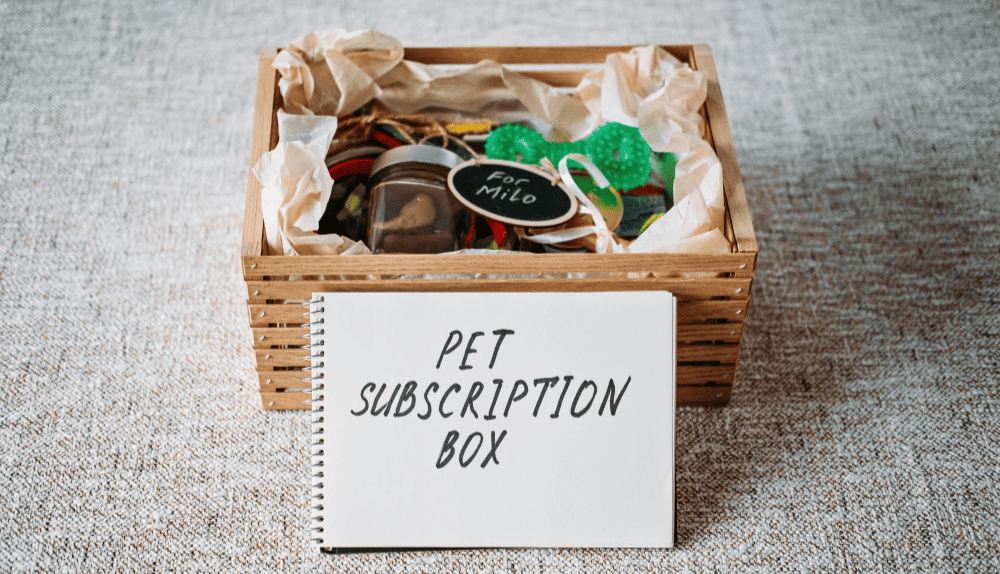
5. Subscription boxes
Building on the previous point of subscription services, one popular idea is selling subscription boxes that cater to specific interests. With these products, you get money so long as the customers remain subscribed.
A subscription box can take many forms, from catered snacks to food delivery kits, comics, toys, and even cosmetics. There are a lot of different approaches you can take to this idea, which makes it easier to tailor it for a specific niche.
If you can find one market that hasn’t been tapped by the subscription box craze, you will likely hit a gold mine.
6. IoT Devices
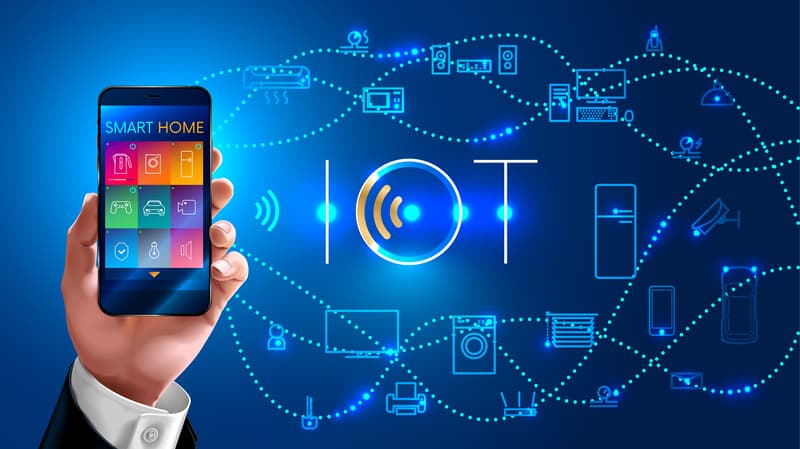
We’ve evolved from smart devices to those that interconnect to create a unified ecosystem of convenience. IoT, which stands for Internet of Things, is the term used to describe these types of devices. More and more people are looking for products that can synergize with those they already own and create a sort of “smart home” that they can control through one device or even their voice.
Smartphones are an obvious one, but there are also smart refrigerators, cars, and air conditioners. If this sounds out of your price range, you could go smaller with smart light bulbs, speakers, or watches.
7. Smart Lighting
Continuing to build on the IoT point, smart lighting is anexcellent choice for a smart product that is budgetfriendly for the seller and the buyer. The market for smart light bulbs has been growing incredibly fast and is expected to continue growing at a rate of 20.4% annually.
It gives customers a way to upgrade their home with a smart device that’s convenient, and even fun, at a reasonable price.
8. Software as a Service (SaaS)
With the increased evolution of our marketplaces and workplaces, businesses have felt the need for software options that are flexible and fulfill a wide variety of requirements, or just concrete ones. Customers, too, have demanded services that some of the current software solutions can’t provide.
That’s where Software as a Service, or SaaS, comes in. For people that have coding skills, selling a software solution that’s created specifically to solve the needs of a business or individual. But SaaS isn’t about a one-and-done deal.It’s about providing continued support to the end-users through tech support and additional changes.
9. At-Home fitness equipment
One of the other trends that you will notice on this list is an increased interest in products oriented towards improving your health and general wellbeing.Within that space, at-home fitness equipment has become particularly popular. Thanks to the ease with which we can look up exercise routines online, it’s easier than ever todo your own workouts at home. Plus, people are flocking to their own in-house gyms,thanks in part due to the effects of the pandemic.
Yoga mats, stationary bikes, and resistance bands are some popular products in the home fitness equipment area. You’ll want to target something that’s convenient, easy to use, and doesn’t require too much space.
10. Shapewear
Foundation garments, more commonly known as shapewear, havebecome so popular that even Kim Kardashian launched her own line, Skims, back in 2019. What started as a trend for women to look more fashionable has evolved into a culture of empowerment, body positivity, and inclusivity. These products are no longer about looking good but instead feeling good in your own skin. This continues the trend of products targeted at taking care of yourself gaining popularity.
Another similar product is athleisure, a type of hybrid clothing meant to provide comfort while still looking good. Both markets are expected to see continued growth in the future.
11. Skincare products
The skincare industry has always been popular. It’s been estimated before that the average American spends over $300 on skincare every year. With the increased awareness of physical wellbeing, this is likely to go up.
However, this isn’t an easy industry to get into, as there are a lot of safety regulations and tests to pass. On the other hand, these same barriers make it so competition is more limited than other products on this list.
12. Air quality appliances
Continuing the healthcare trend is the rise of interest in products that improve air quality. Air humidifiers, dehumidifiers, and purifiers are the main products in this category. These threefocus on different aspects of the air we breathe and, as such, don’t compete directly with each other.
Humidifiers increase the humidity levels in a roomthrough the use of water vapors or steam, while dehumidifiers do the opposite. The former is meant to help with issues like dry throat, nose, and skin, while the latter handlesallergies caused by mold and bacteria.
Lastly, purifiers remove air pollutants like pollen, spores, and pet dander through the use of a filter.
13. Air Fryers
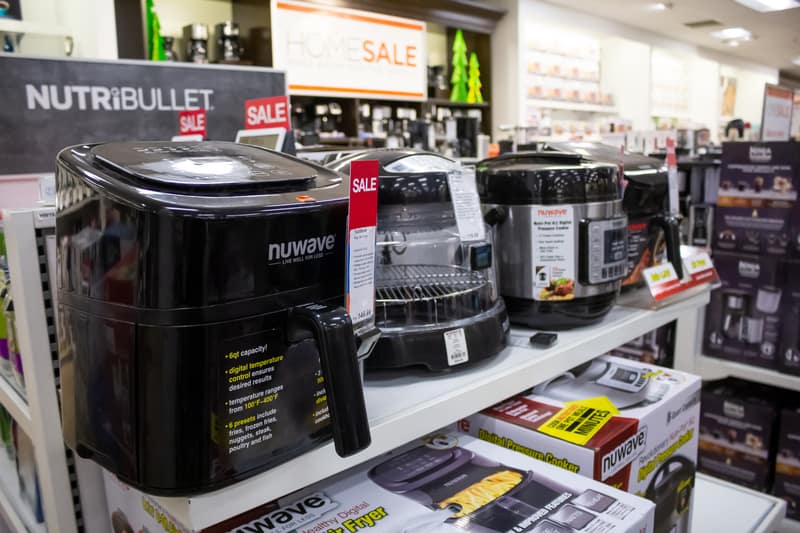
Another product that’s on the rise thanks to increased health consciousness is air fryers. More and more people are looking to lower their use of oil to fry foods, in a bid to lower cholesterol levels. Not only that, but a lot of people find air fryers significantly more convenient, thanks to their “fire and forget” approach to frying.
With the technological advancements in this space, they are easier to use and more energy efficient than ever, which is a great selling point.
14. Pandemic-related items with longevity
The pandemic saw a meteoric rise in interest formany products. While some of these, like toilet paper, have come back down to reasonable levels, other products continue to remain popular.
For example, oximeters to help keep track of your health and board games to have fun with folks at home.Anything pandemic-related that has use outside of the pandemic is a potential high seller.
15. Baby products
There are products that will always be popular, such as those targeted at mothers and babies. This is a market that will always exist, but also one that has been growing thanks to increased spending around the world. Parents are more concerned with safety and convenience than ever before, and products that answer those needs can carve their own spot in the market.
Currently, baby carrying straps, bouncers, and breast pumps are particularly popular products. Toys meant to help babies develop can also be a good choice.
16. Pet Products
Another market that is unlikely to go away anytime soon is that of pet products. The demand for online stores centered around our animal friends has continued to grow. Pet food is one product that will always be needed, but you might find it easier to offer other items like bathing tools, toys, or carriers.
The last item, in particular, has become more popular over time, with people looking for ways to travel with their pets while ensuring their safety and comfort.
17. Cannabis products
The cannabis industry is absolutely massive, even though its legal status in several countries across the globe remains a touchy subject. The market is projected to grow to $70.6 billion by 2028, and society’s views surrounding its recreational and medical uses are quickly shifting.
In the United States, cannabis is considered legal for medical purposes in Washington D.C. and 35 states. It’s also legal for recreational use in 16 states. In the U.S., CBD products can be legally sold in any state. THC products, however, are not legal in all states yet.
While cannabis is slowly being decriminalized in several other countries, including those in Europe, Africa, and South America, it still carries harsh punishments in many countries.
Make sure you are following your local laws and regulations if you decide to sell this product.
18. Biodegradable products
Thanks to an increased consciousness of the impact of climate change, eco-friendly and biodegradable products have gained popularity. Products that use environmentally friendly materials, or that are easy to recycle, have gained interest in the eye of a customer base that is more concerned with their ecologicalfootprint.
For example, some vendors are offering laptop sleeves and phone cases made out of compostable materials. There are even compostable yoga mats made out ofcork, which would allow you to tap into two markets simultaneously.
19. Reusable water bottles
Another product idea that targets those worried about the environment is reusable water bottles. It continues to build on the interest in sustainable products that current and upcoming generations have.
One significant aspect of this product is how much personality can be given to it through changes to its shape, color, design, or logo. You can customize your bottle to fit the image of your brand.
20. Phone accessories
All over the world, smartphones are one of the most common devices people own. And in the world of phones, accessorizing is second nature. It’s estimated that 83.7% of the world owns a smartphone, with 97% of the U.S. having a cellphone of some sort. That’s a gigantic customer base for phone accessories.
There are a lot of different products that you can sell to phone owners, which can help provide better functionality to their phones, make them last longer, or make them more visually appealing. For instance, in the convenience area, you can provide power banks, wireless charging stations, tripods, and wireless headphones.
21. Car accessories
While working from home is on the rise, people still spend a significant amount of time commuting to work, or just driving around in their cars. Not only that, but thanks to apps like Uber and Lyft, working from your car has turned into a popular job alternative.
And just like people enjoy customizingtheir home offices, they love personalizing their cars. Some of the products for car customization offer additional features or convenience, such as USB chargers, phone holders, or rear cameras.Other products target the comfort aspect, like air fresheners and seat covers.
22. Drones
The drone market is growing and evolving rapidly. Drones are used extensively in the military for their surveillance capabilities but have also been adopted for commercial and personal use thanks to improvements to the technology, and its price.
The drone market is expected to grow at a compound annual rate of 16% between 2022 and 2026, so the potential for this product is significant.
Nowadays, it’s not uncommon for people to own a drone. This has opened the market to hobbyists that want to have the latest and the best.
23. Jewelry
In this day and age, personalization is the name of the game. This has been highlighted by several prior entries in this list and can be seen very plainly in the evolution of the jewelry market.
Jewelry has moved from being more of a high-end product to one that’s more accessible to all. Marketplaces like Etsy have given rise to more personalized jewelry items that are still affordable.
24. Hair scrunchies
This might sound out of place with other products on the list, but thanks to a recent comeback, hair scrunchies are a strong candidate for eCommerce product. According to Pinterest, scrunchies outranked all other beauty trends in their platform by 6,309% back in 2020. While they aren’t as popular as during that year, they are still an appealing prospect thanks to their popularity and low cost.
25. Sex toys
While in the past such a product proposition might have seemed outrageous or out of place, societies changing sensibilities towards sexuality have given rise to increased adoption of sex toys as mainstream purchases. It’s even considered an aspect of self-care.
And the market is evolving with technology, with new toys having more tech-based functionalities and even falling into the area of IoT devices.
How to Find the Right Idea for You
With so many product ideas to choose from, selecting one might seem like an impossible task. However, it’s not one to be taken lightly. While all of the aforementioned products have a lot of market potential, they might not all be the right fit for you. When looking to choose which product to sell, consider the following:
Your location and the type of market regulations that you’ll face there
The offerings of your current competitors or potential competitors
The channel you would use to sell the product
Whether you will be drop shipping or wholesaling.
Places to Look for When You Need More Ideas
If you didn’t find an idea in this article that resonated with you, you could try looking for inspiration in other places. Here’s a brief list of spaces where you might find inspiration for a new product idea:
Consumer trend publications like TrendWatchingor Trend Hunter.
Product review websites like Uncrate, Cool Material, or Bless This Stuff.
Social curation sites like The Fancy or Wanelo.
B2B wholesale marketplaces like Alibaba or DSers
Online consumer marketplaces like Amazon or eBay
Crowdfunding websites like Kickstarter or Indiegogo.
Social media networks like Instagram or Pinterest.
Your competitors.
Closing Thoughts
The best time to jump into the eCommerce market was five years ago. The second-best time is now. This market is growing more and more every year, and the business opportunities keep increasing with this growth. If you target products that satisfy the public’s increasing interest in personalizing their spaces or taking care of their health and environment, you will be on the right path, given the current trends.
Starting a side gig can be a great way to supplement your income. Whether you’re saving for a dream vacation, a down payment on a house, or you need extra money to make ends meet, there are many ways to make money online and offline to help.
1. Start a Freelance Gig
If you have a special skill, such as writing, editing, voice-over skills, web design, or social media marketing, you can start a freelance gig and start working right away. When you freelance, you decide what services you’ll offer and what you’ll charge.
You can market yourself on your own social media pages, or you can join sites like Fiverr or Upwork to promote your services and leverage their large audience.
2. Start a Blog
If you love writing and are knowledgeable about a certain topic, you can start a blog and monetize it. Blog writing doesn’t require special skills. You just need a good command of the English language, and to know how to write to your target audience.
Once you build up a large enough following, you can monetize your blog by adding affiliate links and writing sponsored posts. Affiliate links are links from stores or services that your audience would like and that you believe in. Every time a reader clicks on your link and makes a purchase, you earn a small commission.
Sponsored posts are blog posts you write but are paid for by the sponsoring company. They pay you to promote their product, but you should always provide your honest opinion.
3. Drive for Uber or Lyft
If you prefer a more physical job, you could download the Uber or Lyft app and drive people to their destination. You are still a freelancer with Uber or Lyft, paying your own taxes and setting your own schedule.
Once you’re approved, which means you passed the background check and your car meets their requirements, you can turn yourself to ‘available’ whenever you want to work. You also get to choose with rides you pick up based on their destination and the amount you’ll make.
4. Shop for Instacart or Shipt
If you love to shop, get paid to shop and spend other people’s money by working for Instacart or Shipt. You can work as a delivery driver, which means you shop for customers’ groceries based on the order they placed and deliver it to their homes.
You could also work in-store, picking the orders but bringing them out to the customers’ cars rather than delivering it to their home.
Both options allow you to set your own hours and work when you want, except if you work curbside pickup, you must pick a 4-hour window that you’ll work to claim a shift.
5. Deliver Food
If you don’t mind driving, but don’t want to shop, consider delivering food for UberEATS or DoorDash. Both services have apps that you download and set yourself to ‘available’ to pick up orders in the area.
You can pick up orders at one or severalrestaurants and deliver them to the customer’s home. You’ll earn a fee from the service plus tips you earn from customers.
6. Be a Virtual Assistant
A virtual assistant is like a receptionist, but you work at home. You could assist small businesses doing just about any task they need including:
Answering emails
Answering phones
Managing the social media account
Managing appointments and/or the calendar
Writing blog posts
Bookkeeping
Miscellaneous tasks
You decide what services you’ll offer as a virtual assistant and can advertise them on freelance marketplaces like Fiverr or advertise the services yourself.
7. Sell Photography or Homemade Items
If you’re crafty or have an eye for photography, sell your items online. You can open your own ‘shop’ on Etsy or advertise your goods on Facebook Marketplace or even eBay. If you sell only photography, you can list your stock photos on sites like Shutterstock.
The nice thing about stock photography is you only take the picture one time, but you can sell it as many times as you want as the buyer is responsible for printing the picture.
8. Rent out Unused Space in your Home
If you have space in your home that doesn’t get used, consider renting it out. If you have an extra room or maybe an entire finished basement to rent, you can list it on Airbnb. If you have extra garage space or a parking spot you don’t use, list it on Spacer.com.
You choose the rental rates and the terms of the agreement. The service you list your room or space with will take a small portion of the fee for administrative costs and you keep the rest.
9. Sign up for TaskRabbit
If you’re a ‘jack of all trades’ sign up for TaskRabbit and people will hire you for your services. You can advertise a large number of services including:
Cleaning
Handyman services
Moving
Delivery
TaskRabbit is an app that anyone can use to find people like you offering services. All payment goes through the app so you know you’ll get paid when the job is complete plus you get to advertise your services to TaskRabbit’s large audience.
10. Be a Social Media Manager
If you’re good with social media, consider working as a social media manager. Social media is important for every business, but not everyone has the time or knowledge on how to do it. You can charge high prices to manage a company’s social media, allowing you to have a creative outlet plus make money doing what you’re good at.
11. Teach English
If you’re a certified teacher, you can make extra money teaching English to kids abroad. VIPKid is a great place to get on with to make money tutoring online. You’ll work on China times, though, which means either working early morning or late at night so you can work around the student’s school times. VIPKid creates the lesson plans. All you have to do is show up and present the lesson at the required time.
Final Thoughts
It’s easy to make extra money both online and offline. You could even combine the two, taking on a couple of extra jobs and make yourself extra money. While these side gigs won’t pay your mortgage, the money can add up when you work a few of them, allowing you to reach your financial goals without having to take on another job and dealing with another boss.
Over the last 12 months, almost every retailer felt the need to shift from the in-store traditional payment methods to the new-age digital methods. Businesses have also understood that this shift has a vast scope – it is not just a momentary reaction to the prevailing coronavirus pandemic, but a long-term trend. IBM’s U.S Retail Index study revealed that the transition to digital payment was speedy due to the pandemic, which otherwise would have taken five years. E-commerce purchases are predicted to grow by 20% this year.
Even in these uncertain economic times, retailers can be confident that online and hybrid shopping will continue to grow. Today, the customers have become more aware and want more flexibility and security in mobile solutions from these brands. And therefore, brands cannot just sit quietly.
We know that even if the pandemic ends, the e-commerce growth and related customer needs are here to stay. For businesses to keep up with the competition, they must shift to modern payment methods. This article will discuss six trends in mobile credit card processing for fall 2021 and 2022 that will make their way into the future.
#1 E-Wallets
With the increasing number of smartphones, e-wallets have become the most convenient mode of payment for consumers. A mobile wallet syncs your bank accounts and credit cards and turns your smartphone into a contactless payment device. According to some statistics, the global estimate of smartphone users in 2021 was 3.8 billion, compared to 2.6 billion in 2016. A smartphone has become a necessity as it gives you apps for every need from banking to driving, social to nutrition tracking related to all aspects of your life.
55% of Americans use their smartphones when shopping, all due to the increasing use of e-wallets like Google Pay and Amazon Pay. With mobile wallets becoming popular and the growing use of peer-to-peer transfers, the security of these apps has also increased. E-wallets are going to change the way how we pay now. It is one of the most significant trends in mobile credit card processing that cannot go unnoticed.
#2 Social Shopping
A retailer’s most remarkable ability is being able to use personal relationships to his advantage and engage their customers in their business. More than 78% of customers trust the recommendation of their friends and family for shopping, so brands can count on social media sharing and engagement as a better proof of purchase than a direct message to the consumer.
Retailers can hire social media influencers for promotion and make use of social media tools to get to know their customers better. They can further promote positive reviews, give better customer service and sell directly on the platform where their customers spend substantial time.
#3 Contactless Payments
During the pandemic time and earlier, we would hesitate to touch cash as we did not know how many hands the bill was exposed to. With credit cards, handing them over to the cashier for a swipe and typing your card pin is avoided to minimize the touch. Things have changed much over the past months, and Mastercard’s survey suggests the same. The survey says that more than 51% of people use cashless payment in some form. Contactless payments are now more secure than the traditional swipe method with scanning technology to complete the transactions. All this is possible because of the encrypted microchips and mobile apps.
#4 Mobile POS Devices
As more and more consumers use contactless payments, retailers align their shopping experience with POS technology. With the help of mobile POS, retailers can accept payments anywhere as these are wireless devices and not connected to checkout locations. This gives even the smallest brick and mortar storse the flexibility to offer customers multiple checkout locations. With various payment solutions, customers can safely pay in line with social distancing norms. More than 73% of customers want more checkout options with advanced technology. Having said this, mobile point-of-sale devices are fast becoming a necessity for retailers large and small.
#5 Biometric Authentication
If someone had talked about authenticating a process using biometrics five years ago, it would seem like a scene from a futuristic movie. Now this process is everywhere and most of use this technology daily to unlock our phones. Biometric authentication consists of fingerprints, face, and voice recognition that we use today to unlock e-wallets. Biometric authentication gives more security as it is unique to each customer, and due to this trust, the technology attracted huge investments. According to a study by Mobile Payment Authentication & Data Security, by the year 2024, the use of biometric authentication is expected to grow more than 1000%, with a transaction value of more than $2.5 trillion. By the end of 2019, transactions valued at $228 billion were already authenticated by biometric technology.
#6 Flexible Payments
With consumers demanding more convenience and security while using mobile wallets for payments, the pandemic has also forced them to maintain and stick to a budget. Retailers now offer options like installments or Buy Now Pay Later to their customers. With enhanced security, convenience, and accountable spending, consumers have accepted these offers enthusiastically. Consumers get maximum flexibility with the zero-interest installment schemes which the retailers offer at the point of sale. It helps the customers to make large purchases easily without worrying about the having the full payment up front. The popularity of e-commerce and online shopping is growing drastically. The mobile payment strategy of the retailer will play a significant role in the purchase pattern of their customers. This strategy is almost 80% responsible for the rise or fall in sales. If the customer is getting complete flexibility in payments, multiple payment choices, and a streamlined checkout process, nothing can stop him from completing the decisive step of the final purchase.
Bottomline
As the digital world is changing fast, all kinds of e-commerce stores and other retailers need to adapt to the latest payment trends as soon as possible. With contactless payments and e-wallets offering complete convenience to consumers, they are becoming popular at an unimaginable speed. If your customers get absolute security along with seamless checkout, they will keep coming back to shop at your store. Therefore it is important for all fintech companies to keep a watch on. One thing is certain – that even if the pandemic ends, the e-commerce growth and the related customer needs are here to stay. For businesses to keep in the competition, they must shift to modern payment methods.
The past year has been full of surprises for merchants, processors, and everyone involved in the payment processing ecosystem. There have been many unexpected highs and lows, but overall the trajectory of the industry has been positive despite some immense challenges. We saw the evolution of payment channels to handle consumer demands and COVID-19 threats. Governments imposed social distancing rules. Customers of all ages quickly shifted to contactless digital payments. There are many important and emerging trends to watch in merchant services through fall 2021 and into 2022.
COVID19 had a major impact on the economy over the past 18 months. While it isn’t going away anytime soon, we have reasons to be optimistic about the future. A study by JP Morgan showed that about 54% of consumers said that they started using digital payment tools more due to the pandemic. There have been significant developments in the industry, and looking at the trends we have all the reasons to be excited about merchant services in 2022.
Here are the top merchant services trends to watch in the fall of 2021 and 2022.
#1. Online Shopping Changed Digital Payments
When we had the COVID-19 first wave, we saw more and more consumers using online services. And businesses had to adapt to the new situation. A study showed that more than 76% of companies agreed that most consumers are now using different payment methods. Digital wallets are now a new normal and people are using them in buying all types of things over the internet. Even those customers who were not comfortable sharing their financial details with businesses have started to shop regularly. More than 18% of the consumers shopped online for the first time during the pandemic. People became confident and habituated to online payments. 38% of consumers said that even after COVID-19 is entirely gone, they will continue to shop online more. This is one of the most encouraging signs for merchant services trends that are going upwards in 2022. It is expected that even after 2022 it will grow exponentially.
#2. Spending and Tracking Tools for Payments
During the pandemic, the businesses saw that consumers had a different paying pattern. They also saw that consumers needed to manage their spending accurately too. With the rise of multiple digital wallets, consumers are getting added advantages. With wallets, the biggest advantage is that they now have a clear picture of how, when, and where they spend their money. This trend was accelerated further due to the COVID-19 pandemic. There are many mobile apps that offer wallets and quick payment options. They also offer you options to manage your spendings and also provide financial advice. With the use of AI (Artificial Intelligence) in future apps, it will be easy to track and control spendings.
#3. Increased Use of Biometric Authentication
The first factor that shook the payment industry is PSD2. The industry will see a significant impact on the growth trends next year. This is also because the time limit to implement the PSD2 strong customer authentication was ending soon. From January 2021, the transactions without any multi-factor verification will be automatically declined. We will witness a significant increase in the use of biometric tools for payment verifications. A study by Juniper Research also predicted that the use of biometric verification for transaction value would be more than $210 billion just in 2021. And the figure will touch $3 trillion by the end of 2023. This trend will increase in the coming years. With the introduction of compulsory biometric verification, people have started to trust online payment gateways. They feel it is far safer now to spend online. Thus the increased use of biometric authentication has boosted the trend in a positive direction.
#4. Global Rise in Real-time Payments
With the COVID-19 pandemic, experts predicted that real-time payments would see good growth in the US. This trend was increasing in 2021 where the value of real-time payments increased by more than 50%. But it did not just limit the growth to the US. One of the studies predicted that real-time payments will grow at a rate of 29% globally between 2020 and 2025. COVID-19 started the trend of real-time payments and will also accelerate its growth in the next year too.
#5. New Focus on 5G Technology
The year 2020 also saw a prediction about the growing importance of 5G and IoT. Where the pandemic accelerated many expected trends, the adoption rate of 5G slowed down. At the same time, far more people were spending much time at home, entertaining themselves over the internet. The number of people who shopped online grew exponentially. And the 4G could have not matched this overload. It failed miserably. 46% of businesses agreed that they lost sales due to slow checkout times. All credit to the 4G technology. The businesses wanted a frictionless in-store experience for their customers. So they now have started shifting their focus to 5G technology to overhaul the store checkout time. The sooner 5G technology is adapted by the market, the better results for merchant services trends in 2021 and 2022.
#6. A Steep Rise in Subscription Models
The pandemic saw many businesses launching their subscription models because of the business need. The customers were also looking for more benefits and they also showed great interest in subscription-based services. More and more customers were planning to increase their subscriptions from what they had earlier, and the age group of 18-34 years was a frontrunner in this trend. Surprisingly, this trend was not limited to digital services only. The famous Pret A Manger coffee chain started its in-store subscription service for coffee in the UK. The subscription model was a success and many businesses will use it and replicate a similar success for their products and services.
#7. Crypto Payments Go Mainstream
Anything that can boost the entire ecosystem of merchant services in the coming years is the use of crypto payments. The fintech companies have been working to find more real-world use for cryptocurrencies. Initially, it was a big challenge to start a system of crypto payments. Big projects like Facebook Libra saw significant setbacks due to regulations. 2021 saw a breakthrough in eCommerce payments. Many big payment processors announced that they would be enabling payments in cryptocurrencies at merchant locations as a priority. This is encouraging and will certainly boost the online payment numbers in the years to come.
#8. Using AI and Machine Learning to Prevent Fraud
AI is comparatively a new technology. But the rate it is growing is astonishing. And the banking sector was the pioneer in implementing this technology. As this technology grows, the online payment gateways will get more secured and robust. For the last few years, online crimes have been increasing rapidly. And the only way to control this is AI implementation that can learn fast and respond with enhanced security. Banking sectors need to expedite the process of implementing AI systems because during the corona pandemic online transactions grew multifold. And fast implementation of AI to protect consumers and merchants is the need of the hour. Although a recent report shows that banks have spent more than $217B for implementing AI. And they plan to implement it further and faster to safeguard consumers from any type of fraud.
#9. Payment Apps with the Customer Loyalty System
Businesses are not only adapting digital payments but also encouraging their customers. They are pushing their customers to use the digital mode for transactions. To do so they offer rewards, discounts, loyalty points, and various other loyalty schemes to their customers. The customers have responded well. Each time they make a transaction, they get benefits. This is a mix of traditional and digital systems. The customer loyalty program has been successful in the past and it will still define merchant services trends in 2022 and beyond.
#10. Peer-to-Peer Payments Merchant Adoption
Another prediction that came true was about the increase in peer-to-peer payments. In the US alone, more than 50% of consumers are now using P2P apps. The use of cash has been declining. The use of apps to send money to family and friends is increasing rapidly. And this will see faster growth in the next few years. But this growth will not be for the US alone. Other regions like South America will also see an explosion in the use of such apps. P2P networks have been positively pushing the merchant services trends since the beginning of the pandemic. And it is expected that this trend will continue to grow upwards for many more years to come.
The COVID-19 pandemic has been tough for a whole lot of industries, and in fact, some have yet to recover from the hurt inflicted. However, the previous year has unexpectedly accelerated the growth of some sectors, including the direct-to-consumer (D2C) markets.
A majority of the e-Commerce market is occupied by the D2C sector, mostly in response to the need for maintaining social distancing norms. For example, D2C brands like Casper and Warby Parker have been flourishing continually for quite some time now.
What is the D2C Business Model?
As opposed to the B2C (business-to-consumer) model, D2C companies manufacture and deliver their products directly to the end-user without involving any middleman or traditional stores.
B2C companies manufacture the goods and pass them over to a retailer who then delivers them to the customers. In B2C models, there is typically an intermediary retailer, such as Walmart or Amazon, who sell the products of various manufacturers.
The best part about D2C models is that buyers can enjoy a more simplified and streamlined shopping experience. Moreover, retailers no longer need to worry about meeting another company’s policies and standards or stocking up their shelves.
As a result, D2C merchants can develop more meaningful relationships with their customers and build a stronger brand image. This new business model also enables retailers to receive instant feedback on their products and services, thus creating more positive reviews and testimonials.
The Rising Popularity of Online Shopping
The pandemic has greatly accelerated growth in online sales and the D2C movement. After the WHO declared COVID-19 a global pandemic in March 2020, e-Commerce stores and retailers have witnessed a surge in online shopping.
In May, some businesses started reopening, which further gave a significant boost to page views and order counts. The next month saw a steady growth with order count and page view up by 57% and 75% respectively over the previous year.
Since people avoided stepping out, and most of them were working from home, they were ordering their daily essentials online. Since consumers were shopping online and didn’t have to worry about limited cash issues, they were spending more while purchasing online. And this was a huge plus point for retailers, especially the D2C businesses.
Why 2020 Was a Year for D2C Brands
The obvious answer to this is that brands are realizing the benefits of creating direct sales channels to connect with their consumers better. D2C strategies focus on enhancing customer relationships by offering more personalized solutions.
Further, the new business model is encouraging the development of more advanced recurring revenue systems, such as through subscription payments. Some of the key reason behind the success of D2C include:
Creating customized experiences. Direct-to-consumer business models are flexible enough to offer more personalized services to buyers. One can have complete control over the entire experience chain, be it product delivery, sending personalized messages, or offering a seamless website browsing experience. In short, D2C brands aim at providing more value-added services by building an emotional appeal around them.
Improvement of profit margins. D2C brands are now able to cut down distribution costs by eliminating all intermediaries. This further enables them to have greater control over their profit margins.
Taking control of data. If you are maintaining an excellent customer relationship, then you probably have access to all your buyers’ data in real-time. For example, tracking and analyzing vital consumer data like purchase histories, patterns, behaviors, trends, unique needs and preferences, etc., allow you to understand your shoppers better.
Since you know your customers’ tastes and have an idea about what they are likely to purchase next, you can explore new strategies to address their requirements at the right time. For instance, you can implement new marketing automation tools and workflows or try clustering new audiences.
Digital-first marketing opportunities. D2C brands are exploring various opportunities and possibilities of the digital world, getting global control over all their channels. They are working on regulating their brand and merging all their conversion efforts under one funnel. The journey towards D2C models might be through the development of more intelligent workflows throughout the product cycle.
Some Tips for a Better Future!
Now that D2C is going to take center stage for at least the next few months, here are some tips you can try to grow your D2C brand.
1. Don’t Close Your Physical Doors Entirely
Although online portals have a stronger presence within your target group, there are ways you need to improve your customer relationships. Offering efficient services and quality products at your brick-and-mortar store is among them. In fact, some brands are also providing the option of order pick-ups from a nearby retail store.
2. Cultivate the Right Talent
Adopting the new D2C model might mean a shift to a new business environment, mindset, and even talents. Whatever your strategies and upgrades, make sure each of your plans is centered around your customers. Use the right talent and hire the right teams to create engaging customer experiences.
3. Look Beyond SEM and Social Media
No, we are not saying that you must abandon special media marketing and SEM strategies altogether. In fact, try to look for better ways to promote your brand side-by-side, making social media strategies.
For instance, try to tie up with the latest streaming and smart TV services to attract your audience better and in more engaging ways. These advertisers are able to reach wider audiences than expected due to the pandemic.
4. Have a Specific Purpose
The pandemic crisis and lockdown restrictions have forced people to explore new hobbies and talents, which is why the previous year has seen a drastic change in customers’ behaviors and buying trends. Also, people have started to go for less expensive options and alternatives.
So, try to have a specific purpose, a unique value proposition, and a stronger way to engage your consumers.
Your restaurant marketing determines your restaurant’s success, especially during the pandemic. Life is difficult for so many industries but with the right steps, you can increase your sales, especially if you think outside of the box.
Here are seven tips for marketing your restaurant in 2020.
Create a Website
Everyone uses the internet to make decisions today, including restaurant decisions. If customers can’t view your menu and read about your restaurant online, chances are they will pass you up.
Your website can be as simple or as elaborate as you want. Think of it as your chance to show off what you do well. What do customers love the most about your restaurant? Try to capture that in photographs and videos. This is your time to shine.
In addition to photographs and videos, make sure your website includes a menu, online ordering capabilities, and a room for customer reviews.
Be Active on Social Media
Get your restaurant on every social media site including Facebook, Instagram, and even Tik Tok. Not only is this a chance to show off your food and drink, but there’s no better way to spread the word (for free) than when people share your social media posts.
Make your posts engaging, exciting (hot offers), and informative. Create a good balance between behind-the-scenes posts, hot deals, and pictures/videos of your favorite food and drink.
Don’t make your social media too salesly, make it the perfect balance between infuriate and sales.
Set up a Customer Loyalty Program
Nothing encourages customers to become loyal customers than a loyalty program. When they can get free items, they’ll be more likely to frequent your restaurant.
Set up your loyalty program and advertise it by offering something free or a small discount on their first purchase. For example, offering a free drink or free cookie with sign up probably doesn’t cost you much, but gets many more people interested in your program.
Set up Daily Specials
Now is a great time to entice customers with daily specials. Make it fun! Taco Tuesday and Margarita Monday are just a couple of ideas. Get creative with the food you offer and make daily specials.
If you want to switch them up, play with the weather, the day (look at the National Days schedule) and make your specials around those items. It brings awareness to your restaurant and gets more people to come in when they know they are getting a great deal.
Promote your Gift Cards
If your customers aren’t comfortable ordering food out right now, encourage the purchase of gift cards.
Now’s a great time to offer deals, such as Buy $100 in gift cards, get $10 free or Buy $100 in gift cards and get a free soup. Customers love anything free and it may entice them to buy your gift cards. When customers buy gift cards it’s almost a guarantee they’ll be back and they may even spend more than the value of the gift card when they are there.
Create Meal Kits and Family Meal Deals
Today everyone’s looking for a deal. If you want to make the most of your restaurant marketing efforts, create deals for large families.
Everyone is trying to save money today, but at the same time, you want them spending money at your establishment. Make it affordable for them to grab carryout or even meal kits and create special memories with their families.
Most restaurants today have family meal deals that give families everything they need in one meal for a great price. Think of soups, salads, and a meal or the main meal, drinks, and dessert.
If you want to do meal kits, create fun themes that families can do together. Fajita kits, pizza kits, and taco kits are all favorites, but of course, figure out what fits within what you offer.
Give to the Needy in your Area
Show your restaurant’s ability to care for your community by giving to the needy in your area. You can do this in several ways:
Give away a certain number of meals. Maybe give X meals for every X number of meals purchased by customers.
Donate unsold food at the end of the night to the local homeless shelter.
Offer some of your products to the local food banks.
Showcase your support on social media and get your customers to join in on your efforts. You’ll show your compassion for the community and increase your sales at the same time.
Organize Events (if you can)
If your area allows events, organize one for your restaurant. Even if it’s a socially-distanced event or an in-car only event, bring the customers out.
Some restaurants rented a large movie screen and created their version of the ‘drive-in movie.’ You charge for the movie and sell specific food and drink items and you can increase your sales significantly.
Movies aren’t the only option – there are many other events you can organize even socially-distanced events if you think outside the box.
Think about what your community loves and find a way to make it happen.
Restaurant Marketing is the Key to Success
Restaurant marketing is the only way to stay competitive today. With so many people home and thousands of other restaurants vying for the same attention, you need to step up your game.
Find ways to market your restaurant so your reach goes farther and wider than ever before. Let customers know what you offer, what sales you’re having, and how you think outside to box to help the community during the COVID-19 pandemic.
The collaboration between Walmart and Shopify is all set to conquer the e-commerce industry. They will provide fierce competition for Amazon, as around 1200 companies selling on Shopify will now be able to sell on Walmart U.S by the end of this year.
Shopify’s vice president of product, Satish Kanwar, considers Walmart of size and scale that only a few companies manage to match. He sees the deal as lucrative and fruitful for small and medium-sized businesses that will provide easy access to a whopping 12 million customers visiting Walmart every month.
The partnership between the world’s largest retailer, Walmart, and the e-commerce giant, Shopify, is an attempt to diversify the range of products and expand profitability. Other than this, it is a calculative move by both the companies to have a firm grip on the surge in online shopping because of the COVID-19 pandemic. According to a blog post by Satish Kanwar, their expertise in multi-channel commerce, coupled with Walmart’s reach, will storm the e-commerce industry. Furthermore, the alliance will lead to a better online shopping experience, both for merchants and consumers.
Walmart is No.2 to Amazon in U.S e-commerce space, but it has still suffered losses on occasion. The collaboration will boost both the scale and size of the business and generate more revenue.
Previously, Walmart CEO Doug McMillon expressed dissatisfaction with the way the marketplace was performing and appointed a new executive, Jeff Shotts. He also believed that the company had not done enough to support the marketplace sellers. The restructuring is an attempt to give the marketplace business a sound direction and provide sellers with all the necessary tools and services. In addition to this, he deemed it essential to successfully integrate the online business with its physical stores.
Both of the companies have been discussing this idea on and off, but only for the past six months have the talks intensified allowing for the plan to finally come to its fruition. They conducted a pilot test before the announcement with numerous Shopify sellers. The experiment turned out well, and Jeff Clementz saw potential in terms of thousands of sellers making their way to Walmart.
The partnership comes with its fair share of risk, but is likely to prove successful considering that Walmart is invite-only. This means it can vet the sellers to avoid any suspicious sellers. In addition to this, it also uses keyword recognition technology and uses machine learning to spot fraudulent sellers.
The Shopify merchants in the U.S will send out their application to Walmart to seek approval of selling. Once approved, their Shopify store will connect to their Walmart Seller Account. This will tie their product catalogs there and create product listings on Walmart. This way, it will be easier to track, monitor, and upgrade the inventory. Moreover, order and inventory management, in addition to the listings, will be in complete harmony.
How Is COVID-19 Transforming E-Commerce Merchants?
There is no doubt COVID-19 has redefined our life, and its impact could, presumably, last for years. The way we socialize, work, and function has rapidly changed, and so has our buying behavior. Online shopping has become the new norm as consumers are finding it safer and more reliable. Even local businesses are turning to online platforms for sales and services, but the non-essential industry has suffered dramatically. Grocery, medical supplies, healthcare items have experienced a sudden boom while the tourism industry has collapsed. Meanwhile, beauty items, fitness products, and tech retail have seen slow but steady growth.
Many big brands have restructured to meet the changing demands and increase their endurance during the pandemic. Here are a few practical ways to transform in the wake of COVID-19.
1. Entering New Markets
Corporations such as commercial airlines have entered new avenues to ascertain stable earnings. The unprecedented drop in commercial flights has led to large airlines like Virgin Atlantic, Lufthansa, and many others to switch to cargo flights. Passenger cabins are available for the transportation of grocery and healthcare items.
COVID-19 is rapidly transforming e-commerce by affecting consumer buying patterns.
2. Switching to Online Platforms
Grocery e-commerce soared during the pandemic as 72% shoppers used their mobile phones to buy household items. Due to this, many retailers and brands have launched user-driven apps and revamped their online stores to improve the online shopping experience. Encryption of personal details has become stringent to support safe and secure payment methods.
3. Offering Sales and Other Incentives
Many beauty and skincare brands are offering sales and discounts. Around 72% of the top online retailers are running promotional activities to attract consumers. Many luxury brands, including exquisite jewelers, have slashed prices to recoup sales. At departmental stores, markdowns are even steeper for steady revenue.
4. Setting Up Curbside Pick-ups:
Amidst the COVID-19 outbreak, many businesses have switched to BOPIS (buy online pick-up in-store) and curbside delivery methods. Since early January, around 55% of the consumers placed online orders and opted for BOPIS for convenience and safety. However, the industry is still in its developing stages as we can often see long queues at pick-up points. Digital check-ins and scheduled pick-up times could be a few ways to enhance the experience.
5. Strengthening Customer Relationships
To strengthen their brand image, many companies are supporting front-line fighters by providing them various incentives. Many cosmetic and alcohol brands have distributed hand sanitizers and protective gear among front-liners such as healthcare providers, law enforcement agents, and other essential workers. It is to show gratitude to those who are putting their lives at risk for our safety.
However, it is still too early to predict the implications as the circumstances are uncertain. The shopping behavior of millions of consumers has changed within just a few months. Besides, time-saving and convenience has put considerable strain on e-commerce merchants. Many are striving to remove friction in online shopping to build a loyal customer base. Nevertheless, there is a consensus among buyers and retailers that old shopping habits will resume once the lockdown ends. This would slow down the growth rate of e-commerce sales, thus giving them ample time to adapt to the new retailing landscape.
There’s been a new trend among shoppers when it comes to online shopping this holiday season: make the last-minute purchase online and pick it up in-store. It has, in fact, become so popular that both consumers and retailers alike have come up with a trendy new anacronym: BOPIS (buy online pick up in-store), and according to Adobe, BOPIS orders were to see a surge of 39 percent over the 2018 holiday season.
According to Target CEO Brian Cornell, this also leads to more shoppers leaving their shopping to later in December, which led to stronger retail sales overall due to the increase in physical brick and mortar shopping as opposed to shopping that was otherwise done exclusively online. In total, Target saw an increase of more than 5 times in the number of items bought for in-store pick up during the 2019 holiday season than they did in 2018.
According to data put together by Salesforce, when a store’s online site offers in-store pickup as an option, shoppers will start to become more active. In total, retailers who are offering in-store pickup can expect to attract an increase in customers of as much as 48 percent against those that don’t in the final 5 days running up to Christmas.
Overall, a company such as Walmart, for example, will be losing out on money for each digital order. If they are able to convince a customer to make their own way to an actual physical store to collect the item themselves, however, it can start to save Walmart some money. And it all soon adds up.
One of the first companies to adopt the concept of in-store pickups was Nordstrom. Nordstrom’s co-president Erik Nordstrom found that by allowing customers to pay online with their credit or debit card and collect in-store, they could greater engage with their customer base. Recently, Nordstrom has increased its openings of local smaller stores which, while not actually selling any products, allow customers to collect their digital orders.
Major big-box retailers like Target, Walmart and Best Buy are all now offering customers the option to pay online with their credit or debit card and pick up in-store at their convenience. Ultimately, for large name retailers such as these, offering their customers the option to make their purchases online and pick their items up in-store opens up the ability to leverage already existing store infrastructure, teams and tech against any losses made through their digital sales.
In total, holiday sales this year saw a rise of 14.6 percent over the 2018 holiday season, which, according to the NRO (National Retail Federation), way above what was expected and predicted.


















 Overall, a company such as Walmart, for example, will be losing out on money for each digital order. If they are able to convince a customer to make their own way to an actual physical store to collect the item themselves, however, it can start to save Walmart some money. And it all soon adds up.