

This is the latest installment in The Official Merchant Services Blog’s Knowledge Base effort. Well we want to make the payment processing industry’s terms and buzzwords clear. We want to remove any and all confusion merchants might have about how the industry works. Host Merchant Services promises: the company delivers personal service and clarity. So we’re going to take some time to explain how everything works. This ongoing series is where we define industry related terms and slowly build up a knowledge base and as we get more and more of these completed, we’ll collect them in our resource archive for quick and easy access. Today’s term is Debit Cards.
Debit Cards
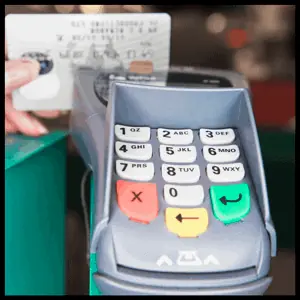
A debit card (also known as a bank card or check card) A debit card looks like a credit card but works like an electronic check. The thin plastic card that provides the cardholder electronic access to a bank account at a financial institution. Payments made with Debit Cards are deducted directly from that checking or savings account. If a cardholder uses a debit card at a retail store for example, the cardholder or the cashier can run the debit card card through a scanner — oftentimes the very same terminal credit card purchases are swiped through. This action enables the financial institution to verify electronically that the funds are available and approve the transaction. Most debit cards also can be used to withdraw cash at Automated Teller Machines (ATMs).
Unlike credit and charge cards, payments using a debit card are immediately transferred from the cardholder’s designated bank account. This difference is key in one sense, as it creates a completely different set of protocols and standards for debit transactions in the payment processing industry. This can be seen most recently in the Durbin Amendment of the Dodd-Frank Act. The financial reform legislation set a hard cap on debit card swipe fees. But has absolutely no affect on credit card transactions.
For many consumers, the card they carry can be used as both a credit and a debit card when presenting it at a retail store for purchase or using it online. Oftentimes, a consumer is asked to choose between credit or debit.
For the consumer the distinction can have this impact:
- The card’s individual rewards program can vary depending on debit or credit. In many cases, a credit transaction reaps greater points or rewards from these types of programs.
- A debit transaction can allow for cash back right at the point of sale.
- A credit card transaction can have stronger protection. It takes time before it is “batched” out by the merchant. And the credit cards themselves have more fraud protection layers than debit cards typically have.
For the merchant and for the banks involved the impact is this:
- The transaction network that the purchase is run through is separate for debit and credit.
- The fees associated with the transaction are different. After Durbin, the fees face a hard cap ceiling on what the merchant can be charged. Credit has no such ceiling and so smaller transactions — say purchases under $10 — can end up costing a merchant a bit more in fees.
The distinction between credit and debit was stronger in the 1980s and 1990s, but it still exists. It’s worth knowing what your options are as both a consumer and a merchant.

 Acquirer – a bank, which is often a 3rd party provider, who processes and settles merchant credit card payments. This can be a bank providing your merchant account or a service that provides it to your processing company. The acquirer works with the credit card issuer.
 Batching – is the review process done by a merchant on all credit card transactions for the business day. The review process involves ensuring all credit card transactions are authorized and signed by the cardholder. After the review process, the merchant sends the information as a batch to the acquirer to receive clearing for payment.
 Clearing – the third step in the payment process which happens after the acquirer sends the batch information through the card network to the issuing bank. The card network acts as a router depending on the credit card issuer found on the purchase detail. This process permits revenues for both the issuing bank and the card network called the interchange fee. After deduction of interchange fees, the issuing bank sends the information back to the acquirer through the same card network used.
 Funding – the fourth step in the credit card payment process. This involves the acquirer sending back the transaction information to the merchant less the discount fee. The merchant receives the remainder of the payment and is now considered paid. This generates the cardholder’s billing statement and accounts are funded appropriately.