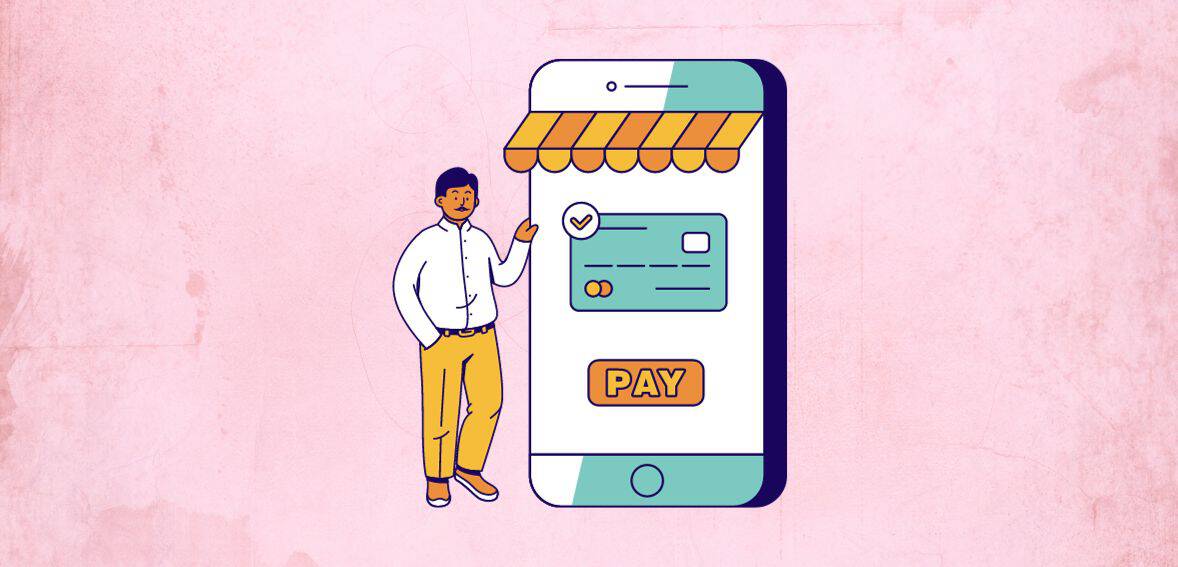
In modern business, those businesses without a mobile device card reader are missing out on substantial income. Anyone who sells merchandise or services on site will benefit from mobile payment processing through a card reader attachment. Customers are currently paying via mobile devices at a rate of $240 billion annually, and this figure is expected to increase substantially in the coming years.
Landscapers, caterers, repairmen, or anyone who deals with customers outside of their shop or office will benefit from a mobile device payment system. The system is perfect for those attending trade shows or other networking functions.
Cards vs. Cash or Check
Due to the ballooning use of credit cards and debit cards, people do not carry cash like they did in the past. Customers are more likely to spend more with a credit or debit card, because they have immediate access to more resources than the cash they have on hand. Checks must be deposited and there must be sufficient funds for the check to clear. The physical trip to the bank, as well as waiting for the check to clear, takes time and resources away from the business owner.
On the other hand, mobile payment processing insures immediate payment from the customer. The money is electronically deposited into the business owner’s account. An email receipt can be sent directly to the customer for payment. There is an immediate electronic record of the transaction for the merchant.
Initial Investment for Mobile Payment Processing is Small
Some are hesitant because they believe there is large start-up costs or expensive equipment to purchase. Most likely, the small business already has the equipment needed. All it takes is an iPhone or Android smartphone. There is no expensive or bulky card reader to carry around. The reading device is provided free of charge to the merchant.A small device attaches directly to the phone, and an app is downloaded into the phone. The merchant is then ready to accept mobile payments. All the equipment used can be attached to the merchant’s belt. The service is compatible with both iPhone and android software and can be used with all types of mobile calling services, including Wi-Fi, 3G and 4G networks.A reputable mobile processing service will provide state of the art security for the transaction, ensuring proper encryption of the process. The system can be argued to be safer than carrying large amounts of cash or checks on the merchant’s person.
Costs of Mobile Processing
The merchant pays a small percentage of the payment for the cost of the service, often less than 3% of the payment. The small percentage per transaction far outweighs the lost income the merchant suffers. Increased sales means increased profits. Without the cost of equipment purchases, the small fees for the service become even more attractive.
There is no longer any reason for the mobile merchant to remain in 20th century technology for payment processing. Adding another function to their iPhone or Android allows them to use state of the art technology at little cost.
For restaurant customers, credit card transactions allow you to pay for your meal easily and without much effort. You present your card to your server or cashier, who charges you accordingly. A gratuity is either added automatically, usually for large parties, or you write in how much you want to leave as a tip along with your signature. Within the next couple of days, your account will show a debit in the amount of your total purchase.
How Do Restaurant Credit Card Transactions Work for the Restaurant?
For the restaurant, the process is a little bit more complicated. After your card has been swiped and the total amount of your food and drink bill has been entered, someone on staff must manually enter tip information. At the end of the shift or day, someone at the restaurant, typically a manager or owner, will run a report and confirm the accuracy of the day’s credit card billing data. Once the information has been confirmed, he or she will send that information to the merchant that provides credit card processing for the restaurant.
What Is a Merchant?
The merchant — the company that does the credit card processing — acts just like a bank, so no other banks are involved in the transactions. The merchant receives the money for any purchases made by cardholders electronically, and it pays businesses like restaurants by depositing the money that it’s collected directly into the bank account of the business in the same way people receive paychecks via direct deposit. Because merchants behave like banks, they have capital on hand to pay businesses in the event there is a delay in receiving funds electronically from a credit card company. The merchant takes out any fees before depositing money into the business’s account.
What Does the Merchant Do?
Once this information has been sent to the merchant, it takes the funds from your credit or debit card and deposits those funds into the account of the restaurant owner or company. This usually occurs the next day although it may take longer. The amount of money that gets debited and deposited is based entirely on what gets entered into the credit card processing machine by an employee of the restaurant, which is why mistakes can sometimes occur.
How Do Restaurant Credit Card Transactions Work When There’s a Mistake?
If there’s a mistake at the time the card gets swiped, the restaurant staff can correct it relatively quickly by simply voiding the sale or issuing you a refund. A voided sale will not show up on your statement, but a refund will show up as two separate transactions—a charge and a refund. Because two transactions do actually occur, the money may get debited from your account and then refunded days later by your credit card company.
Noticing a Mistake on Your Statement
If you notice a mistake on your statement, first talk to the restaurant and find out if they made a mistake in billing. While you can dispute the charge through your credit card company, it may be faster and easier to work with the restaurant directly. If there was a genuine mistake, they can still issue you a refund that will be applied to your account much faster than if you had disputed the charge through your credit card company.
Welcome to the world of entrepreneurship! In today’s era creating and managing an eCommerce online store has become a popular way to transform your passion into a profitable venture. Whether you have a product idea or want to tap into a product category the possibilities are limitless, in the vast realm of eCommerce.
Where should you start? How can you ensure that your online store shines amidst competition? Don’t worry, because this comprehensive guide is here to assist you every step of the way. It will provide you with all the knowledge and tools to build an online store.
From selecting the right ecommerce platform and designing your website to choosing products that resonate with your target audience and implementing marketing strategies – we’ve got everything covered. So buckle up. Get ready for a journey, towards establishing your own thriving online empire!
Without further ado let’s dive in and discover how to create and manage a store that not only grabs attention but also generates unprecedented sales.
Choose the Right Ecommerce Platform
Setting up a store starts with selecting the right ecommerce platform. With a range of options, it can feel overwhelming to make a decision. However by understanding your needs and considering factors, like user-friendliness, customization options, and pricing you can narrow down your choices.
When choosing an ecommerce platform consider the size and scale of your business. If you’re starting small or don’t frequently engage in ecommerce a simple and affordable option might be suitable. On the other hand, if you have growth plans or require advanced features such as inventory management and customer segmentation opting for a more robust solution would be beneficial.
It’s important to think about how the platform integrates with tools and services that are crucial to your business operations. For example, if social media marketing plays a role in your strategy look for platforms that seamlessly integrate with social platforms.
Also, take into account the level of knowledge required to operate the chosen platform. Some platforms provide drag-and-drop website builders that make it easy, for anyone without coding experience to create their store. Others may require some HTML knowledge or professional assistance.
Keep in mind that every platform has its strengths and weaknesses when it comes to optimizing your website for search engines (SEO). Look for platforms that offer built-in SEO features, like URLs, options for optimizing tags, and page structures that are friendly to search engines.
By considering these factors and conducting research, on the various ecommerce platforms available today you’ll be able to choose one that perfectly matches your specific requirements. This will ultimately lead you towards establishing a store.
Choose a Niche and Develop a Business Plan
Selecting an area and crafting a thought-out strategy is a vital step, in establishing and operating an online shop. It’s essential to choose a niche that aligns with your passions, expertise, and market demand. The key is to find the balance where there’s both a need for your products or services and a level of popularity.
To begin identify a product category that enjoys appeal or an underserved market segment that resonates with your interests. Research thoroughly to grasp the concerns, preferences, and buying habits of your target audience. This valuable insight will enable you to tailor your products and marketing efforts
Once you’ve pinpointed your niche it’s time to create a business plan that will act as your roadmap to success. Outline clear goals, strategies, financial projections, and marketing tactics as contingency plans.
When formulating your business plan consider factors, like market conditions, competition analysis, customer acquisition costs, pricing strategy, shipping logistics, and customer support capabilities. A crafted plan will guide you through the stages of launching and expanding your online store.
Keep in mind that successful online stores possess their style and brand identity. Leverage this opportunity by offering products or delivering customer service to set yourself apart from competitors.
To achieve long-term success, in the eCommerce world, it is crucial to select the niche and create a well-thought-out business plan that caters to the specific needs of your target audience. By doing you position yourself effectively for growth and prosperity.
Plan Your Ecommerce Online Store
When it comes to launching a store one of the critical steps is carefully planning your ecommerce online store. This involves selecting the software or website builder that aligns with your business requirements and ensures a shopping experience, for your customers.
Consider the nature of the products you intend to sell and the level of customization you desire. Some platforms offer flexibility in terms of design and functionality while others may be better suited for stores with simpler needs.
Think about your target audience and their preferences. Take time to research what features and functionalities are important to them when they shop online. This will help narrow down your options and choose a platform that specifically caters to their needs.
Another crucial aspect to consider is search engine optimization (SEO). Look for platforms that come equipped with built-in SEO tools or provide ways to optimize your product pages for visibility on search engines.
In addition take into account factors such, as pricing, payment options, shipping integrations, and customer support. These elements can significantly impact the success of your store.
Lastly don’t forget about scalability. As your business expands you’ll want a platform that can handle increased traffic and sales without compromising performance.
Before you launch your store it’s important to plan your ecommerce online store. This will give you a foundation, for success in the market. Make sure to invest time in researching options and selecting the one that best aligns, with your business goals and meets the needs of your target audience.
Pick the Right Products
When it comes to running a store one of the most crucial aspects is selecting the appropriate products to sell. This decision does not affect your sales and profitability. Also determines how effectively you can attract and retain customers.
To make decisions, about which products to offer in your store conducting comprehensive market research is essential. Begin by identifying your target audience and gaining an understanding of their needs and preferences. What are they searching for? What problems do they need solutions for? By answering these questions you can discover product ideas that align with this demand.
Next, explore product categories that resonate with your target market’s interests. Are there any trending or niche items that you could leverage? Look for gaps in the market where competition’s limited but demand is high – this will give you an edge.
Another crucial factor when selecting products is whether they align with your brand identity. Your online store should have its style and values so opt for products that mirror this image.
Consider aspects such as profit margins and shipping requirements well. Ensure that the products you choose provide room, for profit while being easy to ship without incurring costs.
If you follow these steps and carefully choose the products, for your store you’ll position yourself for success, in the fiercely competitive world of ecommerce. Therefore it’s crucial to invest time in researching and assessing product options before making any conclusive choices!
Design Your Online Store
Creating an ecommerce online store business requires attention to designing your online store. It’s not, about making it look good; it’s also crucial to ensure that it is user-friendly and optimized for driving conversions.
When you design your store it’s important to consider the layout and navigation. Make sure your website is easy to navigate allowing visitors to quickly find what they’re looking for. Incorporate categories and filters to help users narrow down their search.
Another vital aspect of design is the appeal of your store. Choose a professional theme that aligns with your brand identity. Utilize high-quality product images. Provide descriptions to captivate customers.
In today’s mobile-driven world mobile responsiveness is paramount. Optimize your store for devices since more people are shopping on their smartphones or tablets than ever before. Ensure that the design seamlessly adapts across screen sizes.
Don’t underestimate the significance of trust signals on your website. Feature customer reviews, testimonials, and payment icons and prominently display contact information on each page to establish credibility, with customers.
Simplify and streamline the checkout process so that customers can easily complete their purchases without unnecessary steps or distractions causing friction along the way.
When you carefully consider these design aspects while establishing your store you will be able to create a welcoming atmosphere that imparts trust in visitors encouraging them to make purchases from you.
Begin Listing Your Products
Now that you have your ecommerce online store set up and your online store designed, it’s time to start listing your products. This is where the real work begins!
First, gather all the necessary information about each product you plan to sell. Take high-quality photos from different angles, write detailed descriptions that highlight the features and benefits of each item, and determine the pricing for each product.
Next, create a product page for each item on your website. Make sure to include all relevant details such as size options, color choices, and any variations or customization options available. Use keywords in your titles and descriptions to optimize them for search engines.
When listing your products, consider your target market and their needs. Think about what would appeal to them and how you can differentiate yourself from competitors in the same niche. Highlight unique selling points that make your products stand out.
Don’t forget to provide accurate inventory information so customers know if an item is in stock or not. This will help manage customer expectations and avoid disappointments or delays.
Regularly review and update your product listings based on customer feedback or changing market conditions. Stay vigilant with monitoring stock levels so you can quickly restock popular items before they run out.
Listing products may seem like a daunting task at first but with careful planning and attention to detail, it can become an enjoyable part of running a successful online store.
Choose The Best Payment Options
When it comes to running an online store, choosing the best payment gateway is a critical decision that can greatly impact your success. With so many different payment methods available today, it’s important to consider the preferences of your target audience and provide them with convenient and secure options.
It’s also essential to consider the specific needs of your target market when selecting payment options. If you’re targeting international customers, offering multiple currencies or alternative methods like Alipay or WeChat Pay might be beneficial.
Additionally, don’t forget about mobile payments. With more people shopping on their smartphones, providing options like Apple Pay or Google Wallet can enhance the user experience and streamline checkout.
Remember that security should always be a top priority when selecting payment providers. Look for reputable companies that offer fraud protection measures and comply with industry standards such as PCI DSS (Payment Card Industry Data Security Standard).
Choosing the best payment options for your online store requires careful consideration of your target audience’s preferences and needs while prioritizing security. By offering diverse and convenient payment methods, you can enhance customer satisfaction and increase conversions in your ecommerce online store journey
Finalize Shipping Strategies and Policies
Finalizing your shipping strategies and policies is a critical aspect of running a successful online store. It’s important to carefully consider all the factors involved in order to provide the best experience for your customers.
First, you need to determine what shipping options you will offer. Will you provide standard shipping, expedited shipping, or both? Consider the preferences and expectations of your target audience when making this decision.
Next, establish clear and transparent shipping costs. Customers appreciate knowing exactly how much they will be charged for shipping before making a purchase. Offering free shipping can also be an effective way to incentivize sales and attract more customers.
Another important consideration is the packaging. Make sure you choose appropriate packaging materials to ensure that products arrive safely and undamaged. This not only protects your reputation but also reduces the chances of returns or refunds due to damaged goods.
Additionally, it’s crucial to communicate your return policy regarding damaged items or other issues that may arise during shipment. Be sure to outline any requirements or steps that customers need to follow to initiate a return or replacement.
Consider partnering with reliable courier services or fulfillment centers that can handle the logistics of delivering orders efficiently and on time. Research different options available in your area and select one that aligns with your business needs.
By finalizing these aspects of your online store’s shipping strategies and policies, you can help build trust with customers while ensuring smooth transactions from start to finish.
Publish and Promote Your Online Store
Now that your online store is set up and ready to go, it’s time to get the word out and start driving traffic to your website. The success of your online store depends greatly on how well you promote it and attract potential customers.
One of the most effective ways to promote your online store is through digital marketing strategies. Utilize social media platforms like Facebook, Instagram, and Twitter to create a presence for your brand. Engage with your target audience by posting relevant content, running contests or giveaways, and interacting with followers.
In addition to social media marketing, consider investing in search engine optimization (SEO) techniques. This involves optimizing your website’s content so that it ranks higher in search engine results pages when users search for keywords related to your products or industry. Research popular keywords within your niche and incorporate them into product descriptions, blog posts, and meta tags.
Another powerful promotional tool is influencer marketing. Collaborate with influencers who have a following that aligns with your target market. They can help showcase your products through reviews or sponsored posts on their blogs or social media accounts.
Don’t forget about traditional marketing methods as well! Consider running ads in local newspapers or magazines if you have a physical location tied to your online store. Attend trade shows related to your industry where you can showcase and sell products directly.
Remember that promoting an online store requires ongoing effort – not just a one-time push at launch. Continuously analyze which marketing channels are driving the most traffic and conversions for you, then invest more resources into those areas while refining others.
By taking advantage of various promotional strategies tailored specifically for an ecommerce online store business model like yours, you’ll be able to reach a larger audience and increase sales potential significantly!
Conclusion
Setting up and running an online store can be a challenging but rewarding venture. With the right strategies and tools in place, you can create a successful online business and tap into the growing world of e-commerce.
By choosing the right ecommerce online store that suits your needs, selecting a niche market, planning your website layout and design effectively, listing products strategically, offering convenient payment options, optimizing shipping strategies, publishing and promoting your online store wisely – you are well on your way to creating a profitable online store.
Remember to conduct thorough research on your target audience and their needs. Utilize social media platforms to reach out to potential customers and engage with them regularly. Keep an eye on market conditions and adapt accordingly to stay ahead of the competition.
Building brand identity through effective logo design, utilizing search engine optimization techniques for better visibility in search engine listings, providing excellent customer support – these are all crucial aspects that contribute to the success of your online store.
As a new entrepreneur in the ecommerce online store market, it may seem overwhelming at first. However, by following these steps diligently while keeping an open mind for future adjustments based on customer feedback or changing trends – you can build a thriving online business that stands out from the rest.
Remember that setting up an online store is not just about selling products; it’s about creating an enjoyable shopping experience for your customers. By combining quality products with exceptional service and marketing efforts tailored towards reaching your target audience effectively – you will be able to establish yourself as a trusted player in the competitive world of e-commerce.
So go ahead! Take this comprehensive guide as a starting point for launching your own successful online store today. Embrace innovation, stay adaptable to change,and never stop learning along this exciting journey!
Here’s wishing you tremendous success in building and growing your very own profitable ecommerce online store empire!
The Official Merchant Services Blog would like to announce that Host Merchant Services has now added next-day funding to their already impressive line of services. Merchant services customers appreciate getting their deposits the next business day, as this is critical for funding payroll and inventory purchases for the week.
Merchants can now expect funding for MasterCard, Visa, and Discover transactions by the next business day, rather than within 48-72 hours, as is customary for other processors. All HMS Merchants can qualify. HMS long-term merchants will attain next-day funding, immediately upon request.
A merchant who currently has two day funding for example, would not see the money from a transaction processed at noon on a Monday, until Wednesday morning at the earliest, creating a 48-hour delay that could be the source of a merchants’ cash flow dilemma.
Any merchant that processes with Host Merchant Services and batches, or settles their terminal regularly in the evening, will receive those funds in their bank account by the next business day. Batching is the end-of-day or end-of-shift process in which the merchant balances and submits transactions for clearing and settlement. This allows executives to make quicker business decisions that impact their bottom line, as well as increase cash flow for the business.
Merchants should beware however that not all next day funding programs are created equal. While many companies claim to offer next day funding, merchant account providers have different capabilities and requirements resulting in very different times for fund dispersal.
Next day funding can benefit particular types of merchants like restaurants, principally when it comes to those that have heavy weekend volumes. For these merchants, next day funding can help them gain their weekend proceeds faster so they can be used to fund payroll and inventory purchases for the week. These restaurants would get their deposit for Friday, Saturday and Sunday activity on Monday instead of Tuesday, which is a very big cash flow benefit.
Host Merchant Services is always looking for ways to make it easier and more convenient to do business as well as provide added value in accelerating the growth of companies. With next day funding Host is enabling small business owners to improve their cash flow with faster funding of dollars earned through credit card sales. This corresponds with HMS’s ongoing goal to provide quality payment transactions solutions at the best price to merchants across the United States. Contact Host Merchant Services now to save money on your processing fees, as well as see your money a full day earlier than with other processors.
Today the Official Merchant Services Blog brings NFC technology back into the spotlight, with a look at a pilot program U.S. Bancorp is running in two test cities. The company, one of the nation’s more tech-oriented big banks, is joining the ranks of companies testing near-field communication (NFC) technology by pairing a rewards credit card with Apple Inc.’s iPhone in Salt Lake City, Utah, and Portland, Oregon.
It’s been a while since we discussed the technology surrounding Near Field Communication, or NFC, so lets take a moment to recap. NFC is a short-range high frequency wireless communication technology which enables the exchange of data between devices with a touch. This touch capability allows for sharing, pairing, and transaction capability between the NFC devices. A smartphone or tablet that is NFC capable can be used as a keycard or an ID card. The same device can also be used to make credit card payments.
U.S. Bancorp, based in Minneapolis is offering new holders of its FlexPerks Travel Rewards Visa Signature card a special sleeve for the iPhone 4 and iPhone 4S. The sleeve contains a microNFC chip, and an antenna that facilitates payments by communicating with contactless point-of-sale terminals. Unlike a small but growing number of smart phones running Google Inc.’s Android operating system, the iPhone does not have a built-in NFC chip. With the sleeve and U.S. Bank’s new Go Mobile app, cardholders will be able to use their iPhones to make purchases at any merchant location that accepts the contactless Visa payWave card.
Cardholders will receive the case free for participating in the test. The case also includes a battery that extends the iPhone’s charge time by more than 50%, a feature U.S. Bank says will appeal to frequent travelers. The card itself is free in the first year but afterward charges a $49 annual fee.
U.S. Bank, already has offered the FlexPerks card with a Europay-MasterCard-Visa (EMV) chip so that international travelers can use their cards easily in EMV countries, which is now most of the industrialized world. The new test is part of an effort to learn how consumers and merchants take to NFC, according to Dominic Venturo, chief innovation officer at U.S. Bank Payment Services.
Some major players in mobile payments, notably PayPal Inc., Square Inc. and Starbucks Corp., are using non-NFC technologies such as browser-based systems or 2-D bar codes. NFC is a high-capacity, fast technology, but skeptics cite its need for chip-equipped phones and POS terminals as reasons to use other technologies. And while still small considering that the U.S. has about 8 million card-accepting locations, Venturo says the number of locations capable of accepting NFC payments, is now up to about 300,000 and growing.
U.S. Bank picked Salt Lake City and Portland for the NFC testing because of their tech-oriented populations and previous experience with high-tech card or Internet systems. Salt Lake City, for example, is one of the two test cities for Isis, the NFC mobile-payments joint venture of AT&T Mobility, Verizon Wireless and T-Mobile USA. Also, the Utah Transit Authority, the Salt Lake area’s mass-transit system, already accepts contactless cards. Google, meanwhile, picked Portland as its first test site for Google Offers, a competitor of Groupon Inc.’s daily-deal offers now available in about 40 cities. U.S. Bank has no end date for the test and in fact considers it a limited rollout that may expand later this year.
This technology is being embraced by some major companies in the e-commerce industry for its ability to process credit card transactions. PayPal purchased Zong for just that reason. Visa invested heavily in mobile payments, as seen by their marketing plans for the 2012 Olympics. Google is making its Google Wallet and Google+ beta work toward that same vision of mobile payments made through NFC-based touch technology. Only time will tell if the future of NFC payments is in fact bright and as usual, Host Merchant Services will keep you up to date on any new developments.
This is the latest installment in The Official Merchant Services Blog’sKnowledge Base effort. We want to make the payment processing industry’s terms and buzzwords clear. We want to remove any and all confusion merchants might have about how the industry works. Host Merchant Services promises: we deliver personal service and clarity. So we’re going to take some time to explain how everything works. This ongoing series is where we define industry related terms and slowly build up a knowledge base and as we get more and more of these completed, we’ll collect them in our resource archive for quick and easy access.
E-Commerce
Today’s term is Electronic Commerce, or E-Commerce for short. E-Commerce is the process of using the Internet or computer networks in order to buy or sell information, services, or products. This includes all transactions involved in conducting business over the fore mentioned networks. The act of buying or selling over these networks allows for secure paperless transactions to happen electronically. It has also given many businesses the ability to expand from local and regional markets to national and global markets.
Initially E-commerce just involved business to business transactions over private networks, it wasn’t until the mid 1990′s that it became completely open to the public. These businesses were using Electronic Data Interchange (EDI), which was a transfer of electronic data from computer to computer and Electronic Funds Transfer (EFT), which was an electronic transfer of money from one computer to another in order to do business with each other. Doing business like this guaranteed that the transactions would be completed in a faster and less expensive way. Advancing computer networking capabilities led to the public use of the Internet and opened the doors of E-commerce to the world.
E-Commerce has a major impact on the markets that businesses can reach. Businesses now have the ability to reach a large global market allowing for a greater return on their product sales. Retailers can sell more of a particular product at a lower cost, as a result of business being done online and not by man power alone, which gives them the ability to lower prices and increase sales. Although we may take advantage of E-commerce and the ease it creates in our daily lives, its benefit to the global economy is always changing and ever-increasing as technologies continue to develop. Everyday we see new businesses from all over the world implementing E-commerce into their business strategies, resulting in the growth of a “global community”.
Host Merchant Services offers a variety of E-commerce solutions to fit your business, including HMS Express, our own cutting edge in house payment gateway. HMS is able to interface with most of the major Payment Gateways out there, including Authorize.net. We also offer unparalleled protection for all of our merchants in the form of our PCI Compliance Initiative.
Today the Official Merchant Services Blog brings you another update on the ongoing Interchange lawsuit settlement. We began talking about the possibility of ‘The Big Cash Comeback’ back when the settlement was first announced in July, and later we discussed the opposition to the settlement. Last week a federal appellate court denied a retailer’s appeal to review part of the controversial settlement in the massive credit card interchange case, clearing the way for the trial court to move toward final approval. At the same, the process of notifying the millions of merchants affected is getting under way.
Judge John Gleeson of the U.S. District Court in Brooklyn, N.Y., gave preliminary approval of the settlement on Nov. 9 and has set a hearing for next Sept. 13 to consider final approval.
Lawyers representing seven merchant trade groups as well as some individual merchants asked the Second Circuit Court to consider a narrow part of Gleeson’s preliminary approval, the provision of the settlement that releases defendants Visa Inc., MasterCard Inc., and some major banks from liability for interchange pricing policies. The provision is shaping up to be the key objection of the 1,200 retailers and trade associations since it would affect current and even future card-accepting merchants. This case, now seven years in the making, began when merchant plaintiffs accused the networks and banks of using anti-competitive practices in setting interchange rates.
Under the settlement announced in July by lawyers for both sides, the defendants will pay class merchants about $6 billion in damages, and Visa and MasterCard will provide another $1.2 billion in temporarily reduced interchange rates and ease up on certain rules, especially ones restricting merchants’ ability to add a surcharge for card transactions. In return, the networks want to be released from future court challenges by merchants regarding Interchange and network rules. The defendants also are paying about $550 million to a handful of large merchant plaintiffs that have now dropped their claims.
Judge Gleeson indicated that the standard for final approval is much higher than the one for preliminary approval, which means that the objecting plaintiffs still have some hope even though parts of the settlement already are going into effect or will be soon. For example, the networks have 60 days from Nov. 27, when the court entered Gleeson’s order implementing preliminary approval, to conform their rules to terms of the proposed settlement.
The district court meanwhile, is setting up the machinery to administer the settlement process. Gleeson appointed Kansas City, Kan.-based Epiq Systems Inc., a specialist in legal-systems administration and technology, to oversee notifications and related matters. That is no small task: the class settlement covers any merchant that has accepted Visa and MasterCard cards between Jan. 1, 2004, and late 2012. Experts estimate 6 million to 8 million affected merchants that must be notified. The settlement agreement also calls for merchant acquirers to assist in the notification process.
While we have discussed this settlement from different aspects previously, noting the advantages it would seem to give the Issuing Banks over merchants, the settlement seems to be proceeding along without much further adjustment or negotiation. Although it is not finalized yet, the dissenter’s cries seem to be going unheard, as they believe that the settlement protects the status quo more than anything, and will not change the way the networks set interchange. Host Merchant Services will keep you informed of all the latest news involving this landmark litigation.
This holiday season, the Official Merchant Services Blog brings you the latest on Facebook’s newest venture, Facebook Gifts. On Tuesday, the company announced that any U.S. member can now send Facebook friends tangible gifts, which includes wine, digital gift cards and even charitable donations.
Facebook Gifts
The Facebook Gifts program, previously available only to some users of the social media site, began as the ‘Facebook Wish List‘ program we covered a few months ago. Since Facebook takes a percentage of every transaction, this program could also be the “gift” that gives significant profits to the company. The social network hasn’t revealed how much it has made from the service, but Facebook’s 170 million users in the U.S. could generate an estimated billion-dollar revenue stream for the now-public company.
In addition to the advertisements that run on Facebook, the company has been selling virtual goods. Since the line is blurring between socializing and shopping online, this move builds on the companies existing strengths.
From Virtual to Real Goods
Billy Pidgeon, senior analyst at Inside Network told the E-Commerce Times, “Google is stepping up in e-commerce, and we’re seeing that Pinterist has a laser focus on retail. At the same time, we’re seeing that online retailers such as Amazon and eBay are looking to get more social. This is really just the next step in greater convergence of the two.” Social media sites looking to enter the e-commerce market, and online retailers looking to enter the social media market continue to point to expanding e-commerce trendsas the reasoning for branching out.
“This is a major opportunity for Facebook and could generate hundreds of millions of dollars in revenue,” said Greg Sterling of Sterling Market Research. “However, user experience, privacy and security considerations are critically important here. In addition, the selection of products that are available is also important.”
After the disappointment of Facebook’s May IPO, this could be the holiday miracle that Facebook and its investors hoped would deliver the goods. At the very least, it could help the company end the year on an upbeat note.
Facing Facebook Facts
The different types of products available will most likely determine whether this will be the gift that keeps on giving or whether the company will face a negative reaction that could turn off some users. The integration of gifts could make the Facebook experience a more organic one, and in turn the project could reap more success. However there will always be some people who are wary of giving Facebook their credit card numbers and purchase histories.
In order for end-users to feel comfortable using their credit cards and making purchases on the site, Facebook needs to change the culture of the user experience and provide sufficient security assurances, there enlies the challenge.
Today the Official Merchant Services Blogbrings you some predictions for this holiday season. In particular, there are six key trends to watch. Over the last 12 months the E-commerce sector has rallied against challenging economic conditions and driven innovation in business and shopping models. A flurry of technical innovations, most notably the emergence and rapid adoption of Smart phone and Tablet technology, has transformed the shopper seller relationship. Fueled by mobile technology, E-commerce growth shows no sign of stopping. JP Morgan estimates that global E-commerce revenue will hit $963 billion next year.
1.) T-Commerce and M-Commerce
In 2011 web enabled mobile devices transformed E-commerce, opening up a new 24/7 channel to the consumer and creating innovative new ways to engage them, from QR codes to location based offers. In 2012 m-commerce will continue to gather momentum and could represent about 12% of e-commerce sales this holiday season, but it is T-commerce that’s particularly exciting. The rich functionality of the tablet shifts the traditionally transactional and bargain hunting online experience into a virtual store experience, making the web an almost tactile experience. Better still, mobile commerce is not exclusively for big brands with big budgets. Merchants large and small can harness the mobile channel without incurring heavy infrastructure costs. Smart mobile web devices are estimated to overtake the total number of PC’s in use, exceeding 1.8 billion, by 2013. With 1.8 billion consumers just a click away this is too big an opportunity for retailers to miss.
2.) Bricks and mortar in the cloud
The boundaries between online and offline worlds are becoming increasingly blurred, as retailers fuse their digital and real-world offerings. Barcode scanning services such as ShopSavvy help users find the best deal, by allowing them to scan the barcode and search for better offers online. However, the challenge with these applications is they fail to reward the store whose display instigated the purchase.
3.) Shopping with your social network
Getting a second opinion before committing to a purchase is nothing new, but now rather than taking a friend shopping you can take your entire social network with you. Retailers are becoming increasingly aware of the power of “the fan” and social will form an integral part of the E-commerce evolution in 2012. Retailers are now using social media outreach not just for brand awareness, but for product development and customer service too.
4.) Borderless shopping communities
2012 will see the rise of the local global e-marketplace. In 2012, international marketplace models will provide sellers of all sizes around the world with the opportunity to expand their operations internationally, without the cost intensive outlay traditionally associated with establishing local delivery models, storage facilities etc. Sellers will be able to dabble in international shopping communities and dedicate resources based on real world demand. This will open up opportunities with emerging markets, such as China, India and Brazil.
5.) Flexible, Local shipping models
According to a report by Forrester in January 2011, shipping issues were one of the most common reasons for cart abandonment in Europe. It’s true that the Internet has created a global marketplace, but local market shopping preferences must be taken into account. In 2012, flexible shopping models will be vital for growth.
6. ) Online shopping gets personal
The old adage “Information is power” takes on new meaning in 2012 as retailers seek to capture the attention spans of information savvy internet shoppers. Today’s online retailers can acquire huge volumes of data on both their potential and existing customers based on user browsing habits. In 2012 data exchange between retailers and social networks will begin to provide solid business models for social platforms and offer new insights into the mind of the shopper. What matters most to retailers however is how their marketing teams translate this wealth of data into meaningful and timely communications with customers. To engage consumers in 2012 and beyond, retailers must learn how to harness user specific data to provide timely, personalized and relevant communications.
Host Merchant Services provides e-commerce solutions to our merchants that let them take payments smoothly and efficiently. We can help you navigate through the busy bustle of holiday shopping and find the transaction processing services that serve you best. The Official Merchant Services Blogwill also continue to provide insight on how merchants can maximize these opportunities.
Today the Official Merchant Services Blog brings you the most recent developments in the ongoing credit card interchange settlement lawsuit.
Merchants opposing the pending credit card interchange case filed an appeal last week challenging the court’s preliminary approval of a key part of the settlement. The appeal, filed by four merchants and seven merchant trade groups, asks the Second U.S. Circuit Court of Appeals to nullify the lower court’s preliminary approval. The merchants are collectively challenging a provision of the settlement that releases defendants Visa Inc., MasterCard Inc., and a handful of major banks from liability for interchange pricing policies. Meaning that merchants could no longer sue Visa or MasterCard for interchange policies they deem unfair.
“This settlement has fatal legal defects and should not get preliminary approval. We look forward to presenting the problems we see in this proposal to the Second Circuit Court of Appeals,” said Jeffrey Shinder, the merchant group’s attorney and managing partner at Constantine Cannon LLC, New York, N.Y.
About 1,200 merchants and trade groups have raised objections to the agreement since it was reached in July. In the deal, the card networks and banks agreed to temporary credit card interchange relief valued at $1.2 billion and $6 billion in damage payments for merchants along with relaxation of certain network rules, including ones that restricted surcharging. The pact received preliminary approval from the Brooklyn, N.Y.-based district court’s Judge John Gleeson on Nov. 9.
Besides the liability release, merchants have objected that the settlement does nothing to reform the networks’ interchange processes and cements in place a number of anti-competitive practices. “The merchant community is deeply committed to reforms that bring transparency and competition to the broken electronic payments market. The volume and diversity of those objecting to this flawed proposal is remarkable and continues to grow,” Shinder said in his statement.
The 11 merchants and merchant groups filing the appeal are: Coborn’s Inc., D’Agostino Supermarkets Inc., Jetro Holdings Inc., Jetro Cash & Carry Enterprises LLC, Affiliated Foods Midwest Cooperative Inc., National Association of Convenience Stores, National Association of Truck Stop Operators, National Community Pharmacists Association, National Cooperative Grocers Association, National Grocers Association, and the National Restaurant Association.
Opponents said the plan would protect what they view as anti-competitive interchange practices from further challenges by merchants, even from merchants that don’t yet exist. Opponents also questioned the value of the new surcharging freedoms, noting that 10 states prohibit the practice. This settlement attempts to force a one-size-fits-all solution onto a wildly diverse group of merchants, which may be extremely unsuccessful.
We have discussed this settlement from different aspects previously, noting the advantages it would seem to give the Issuing Banks over merchants. Although it is not finalized yet, the dissenter’s cries seem to be going relatively unheard, as they believe that the settlement protects the status quo more than anything, and will not change the way the networks set interchange. Host Merchant Services will keep you informed of all the latest news involving this legal battle between the merchants and the card-issuing giants.