Tag Archives: credit cards

Credit Cards

Can Chip Cards Stop the Hax? [2023 Update]

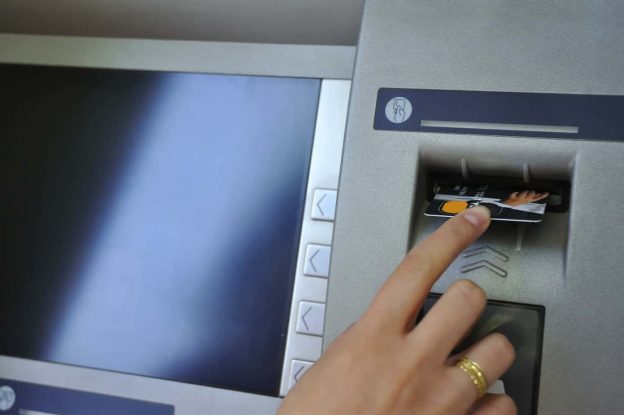
The massive data breach at Target is a big shining beacon illuminating exactly how behind the times the United States remains when it comes to credit card security — namely EMV® chip technology.

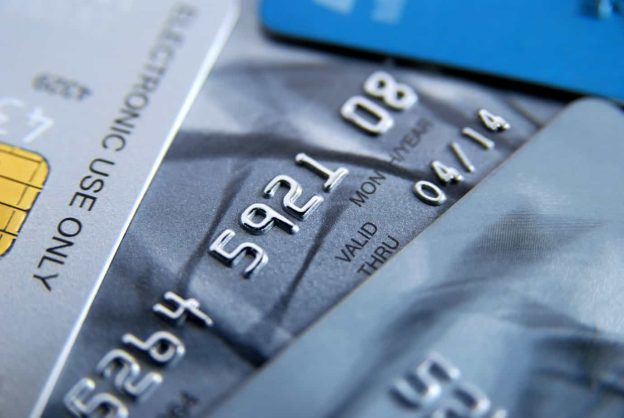
EMV is a worldwide standard for credit and debit card payments based around the use of chip card technology. The acronym stands for Europay, MasterCard, and Visa, who collaborated to create the technology. The goal of this project was to create a card that worked based off of a microprocessor chip that is read by the payment terminal. Because the U.S. has yet to widely deploy embedded chip technology, the nation has increasingly become the focus of hackers seeking to steal such information. The stolen data can easily be turned into phony credit cards that are sold on black markets around the world.

In fact, KrebsOnSecurity, the website that broke the news of the Target hack, has reported that the card information stolen in the Target Data Breach has been showing up on the black market. Credit and debit card accounts stolen during the security breach have reportedly flooded underground black markets, going on sale in batches of one million cards. The cards are being sold from around $20 to more than $100 each.

Over the last decade, most countries have moved toward using credit cards that carry information on embeddable microchips rather than magnetic strips. The additional encryption on these aptly named smart cards has made the kind of brazen data thefts suffered by Target almost impossible to pull off in other countries. Which is why as of Q4 2012, there were roughly 1.62 billion EMV cards in consumers’ hands and 23.8 million terminals deployed throughout Europe, Asia, and Africa. About 80 countries have adopted the technology as a standard. By comparison, about 1% ofcredit cards issued in the U.S. contain such technology, making the United States a tasty target for hackers.

“The U.S. is one of the last markets to convert from the magnetic stripe,” Randy Vanderhoof, director of the EMV Migration Forum told the LA Times. “There’s fewer places in the world where that stolen data could be used. So the U.S. becomes more of a high-value target.”

The credit card industry reports the U.S. accounted for only 24 percent of global credit card payments by volume in 2012, but it accounted for 47 percent of the fraud.

So Why No Chips in the U.S.?

According to experts the reasons the U.S. lags so badly in adopting smart cards are complicated. In part, there hasn’t been the political will to demand that businesses and financial institutions make the change. One might think the Target data breach would spur politicians to action or at least get consumers to light a fire under those politicians. But the Target hack is just one in a growing list of data breaches, and the 40 million compromised cards are rather mundane.

In April of 2011, the Playstation Network was hacked, compromising the vital information of 77 million accounts, and 24.5 million Sony Online Entertainment accounts. This has been touted as one of the largest personal data heists recorded in history, and prompted Sony to shut down its services for a month. In 2009, credit card processor Heartland Payment Systems disclosed that thieves had broken into is internal card processing network, and installed malicious software that allowed them to steal track data on more than 130 million cards.

If neither of those data breaches could spur on the adoption of EMV cards, it’s unlikely the Target hack will move the needle. The inertia built up against the smart cards then must be due to some other reason Analysts also say the payment processing system in the U.S. is more complicated, with merchants, credit companies and banks reluctant to spend the big bucks it would take to convert a system with 1 billion credit cards to EMV from magnetic stripes. But that’s still too murky.

The primary reason such technology has taken so long to make its way into the U.S. is far more simple: Chip-embedded cards are more expensive to produce. Each merchant would have to purchase new equipment to hand them.

What the Future Holds …

The good news for consumers is that the U.S. is indeed moving to embrace smart credit cards. The Official Merchant Services Blog reported almost two years ago that the United States was moving slowly but surely toward adopting chip cards. Visa took the lead in the U.S. push, reporting that as of December 31, 2011, the credit giant had issued more than 1 million credit cards that use “chip” technology to store consumer payment information. Visa made an announcement in August 2011 hat it planned to start issuing more EMV — Europay, Mastercard, Visa — smart cards to push the industry toward better security and an easier transition to mobile payments.

In the last couple of years major card issuers have laid out road maps for upgrading the card technology, and many have set out to achieve this by October 2015.

TransFirst, Host Merchant Services’ acquirer and one of the premier providers of transaction processing services and payment processing technologies in the U.S., issued a mandate in response to the EMV push. TransFirst said that Visa will require U.S. acquirer processors and sub-processor service providers to be able to support merchant acceptance of chip transactions no later than April 1, 2013. Visa also intends to institute a U.S. liability shift for domestic and cross-border counterfeit card-present point-of-sale transactions effective October 1, 2015, and for fuel-selling merchants by October 1, 2017.

Ocotber 2015 was chosen because at that point major credit card companies will change their rules about who is liable for fraudulent purchases caused by security breaches. Under the new rules, the entity in the payment chain — merchant, credit card, banks — deemed to have the weakest security will be liable. Credit card companies can’t make anyone adopt the technology, but they’re giving them a hard nudge.

The Bottom Line

While the Target Data Breach once again brings up the topic of credit card security, it seems like the U.S. is still poking along with its slow adoption of EMV chip cards. Hackers will still continue to target the low hanging fruit that the largely magnetic stripe based U.S. credit card industry still works with. But EMV chips and increased digital security of cardholder information is coming. October 2015 looms closer and closer.

Swipe Fee Suit Ongoing After Fairness Hearing [2023 Update]

A $7.25 billion settlement relating to credit card interchange fees continues to encounter stiff opposition from a number of major retailers and several significant retail trade associations.

Case History

The antitrust case against Visa, MasterCard and several issuing banks stemmed from a dispute relating to the percentage of credit card transaction fees that retailers must remit to the credit card processing network. The fees generally range from 1.5-3 percent and are shared with the bank that issued the card.

Also known as “swipe fees,” these charges serve to underwrite the supporting infrastructure that allows businesses to accept and process credit cards. Large retailers and supporting associations have repeatedly complained about the costs associated with accepting credit cards and the fees for merchant services.

These grievances resulted in a number of lawsuits filed in 2005, which were eventually consolidated into a single case known as the Payment Interchange Fee and Merchant Discount Antitrust Litigation.

There were 139 parties involved as plaintiffs, and the case was active for over eight years. In July 2012, a settlement was reached that provided $6 billion in damages to affected retailers and another $1.2 billion for a temporary reduction in interchange fees. As a further concession, Visa and MasterCard eliminated certain rules for merchant services that prohibited surcharging, which is a practice that allows retailers to recoup credit card costs by passing them on to the consumer.

Opting Out

Almost immediately, opposition to the swipe fee settlement began to emerge. The primary objections centered on the belief that the agreement does not provide any meaningful reforms to the current model. Many merchants believe that market forces will not allow for credit card surcharges since consumers will object to the added fees. Other retailers oppose the stipulation in the agreement that prohibits future swipe fee lawsuits.

As a result, major retailers such as Target, Nike, Home Depot, Lowes, Starbucks and Best Buy ultimately opted out of the settlement. Major trade organizations, including the National Restaurant Association (NRA), have voiced significant opposition to the agreement. In fact, the NRA strongly encouraged its constituent members to reject the settlement and highlighted the potential negative impact it could have on the emerging mobile payments market.

Many retailers ultimately declined to participate in the settlement. Since the total number merchants who opted out exceeded 25 percent of the collective annual U.S. retail transaction volume, MasterCard and Visa could have elected to withdraw from the deal. However, they chose to continue with the process.

In September 2013, a fairness hearing was held in U.S. District Court under Judge John Gleeson that allowed dissenters to present final arguments. Gleeson is expected to issue a decision on the settlement sometime in mid-January 2014.

Recent Developments

After assessing their options, Target Corp. and 17 other retailers filed a separate lawsuit against Visa and MasterCard in May 2013. The plaintiffs charged that the banks and credit card companies have engaged in an “illegal and anti-competitive scheme.” They contend that the Visa Check Swipe Fee settlement did not adequately address the basic issues of the original case.

In the most recent action relating to the new litigation, Visa and MasterCard argued in federal court that the pending antitrust action initiated by Target Corp. is prohibited under the terms of the July 2012 settlement deal. The defendants contend that the retailers have misinterpreted the terms of release relating to the previous case for the sole purpose of instigating additional litigation.

MasterCard and Visa strongly reject the plaintiff’s arguments and contend that the Visa Check swipe fee settlement case preempts any new action relating to interchange fees, which they contend were adequately addressed under the previous settlement.

The Saga

To review the full extent of this ongoing saga, you can read our previous coverage of this settlement:

  • The Big Cash Comeback
  • Don’t Call it a Comeback
  • NRF Opposes Interchange Settlement
  • Interchange Settlement Nears Preliminary Approval
  • Merchants Appeal Key Part of Interchange Settlement
  • Interchange Settlement Given Preliminary OK
  • Challengers Awaiting Final Approval
  • What Does the Future Hold for Interchange

iCloud Keychain to Now Store Credit Card Data [2023 Update]

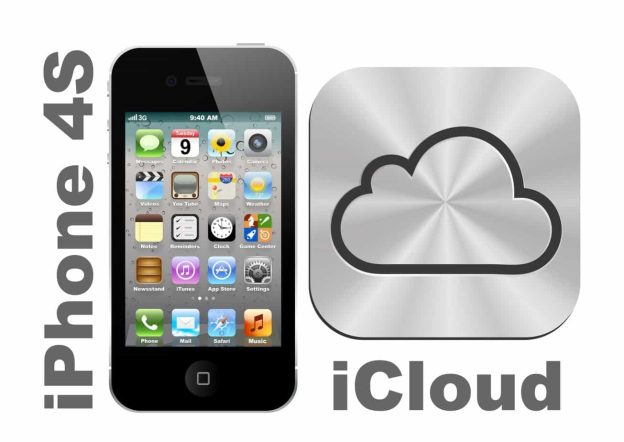
Apple’s recent software update includes a new product called the iCloud Keychain. With the feature, consumers can save sensitive information in a secure online file. Specifically, Keychain will save passwords and credit card information for all of their Apple devices. The program also helps Internet users create safer passwords.  Given the new functionality allowing users to store credit card data and synchronize with the cloud, we thought this functionality would be of particular interest to our customers and blog readers.

Keychain Details 

The Keychain service operates on Safari in iOS as well as OS X Mavericks. Once it has helped a consumer select a secure password, it will store the information and synchronize it to the consumer’s iOS and Mac units.  The software upgrade also makes credit card processing easier for consumers as Keychain saves the user’s credit card number and expiration date. To abide by MasterCard and Visa regulations, the program is unable to store the Card Verification Value, or CVV, code.

As a result, consumers will still need to input this information manually. Users should keep in mind that the software can only operate in Safari on Mac. Therefore, users of Chrome or FireFox will need to use a different password storage provider. In addition, consumers must have the iOS 7 upgrade installed on their devices.

Installation Overview

While installing the OS X Mavericks upgrade, the system will automatically ask the user if he or she would like to establish iCloud Keychain. When the user approves the setup, the program will direct him or her through the security key creating and linking process. If consumers prefer to establish the program manually, then they can access Keychain through the iCloud settings screen on a Mac device. Once a user has accessed the program, he or she will need to enter the password information manually into the system for the Apple program to save it. Keep in mind that other devices can be added to the program. However, the system will require approval for each extra unit. Once Keychain receives authorization, it will automatically begin updating on that unit. If a user decides to remove Keychain from his or her device, then the cancelation procedure is easy to complete. To remove the program, just click on the settings option and turn off the “Approve with Security Code” feature. Users who change their mind can easily reactivate the program.

Keychain Offers Convenience

Credit card processing is easier for consumers who have Keychain on their iOS and Mac devices. The Apple program is secure and helps users create better passwords to safeguard sensitive information. Keychain is a system feature that provides extra security and overall convenience.

How to Save Money on Credit Card Processing Fees

Here at Host Merchant Services we guarantee to save our customers money every month on their credit card processing. We understand that some of you are wondering how we do this! Transparency is a key cornerstone of our customer service values, so we have no problem sharing our secret formula and show everyone out there exactly how we carve out superior savings for every single one of our customers. We believe that when you get your statement every month, you should understand every item, and it should match what you were promised in the sales process. One of the first things to understand when switching to Host Merchant Services is we utilize the most cost effective and fair pricing available in credit card processing. It is called interchange plus or “cost plus pricing.” Interchange is a set of rates and fees determined by the card associations (Visa, Mastercard, and Discover). What this means is that our merchants are able to clearly see what interchange categories they qualify for. Here are a few different interchange categories that merchants pay with the same consumer visa credit card. Keep in mind each interchange category has a percentage and a dollar amount included in the category.

Supermarket Credit 1.22% + $0.05
Small Ticket (Transactions under $15) 1.65% + $0.04
Standard Retail / Restaurant 1.51% + $0.10
Charity 1.35% + $0.05
Service Station 1.15% + $0.25
e-Commerce / Mail order & Telephone order 1.80% + $0.10

These examples are based on interchange plus pricing. They also don’t include processor markup, and we have the lowest in the industry! There are other types of pricing that processors will use. You may encounter three-tier pricing (1.79% Qualified, 2.49% mid-qualified, and 3.29% non-qualified) for example. Some merchants are priced flat rate (2.9%, or 2.75%) or flat rate plus surcharges. There is also the dreaded enhanced bill back! Once you understand your pricing and category you need to look at how you are accepting your credit cards. Credit cards that are taken face-to-face (card present) often cost less than cards that are taken over the phone or on the Internet (card not present). For example, retail swiped transaction of 1.51% versus an e-Commerce transaction of 1.80%. Card associations justify this increased interchange rate due to transactions not being face-to-face. The next step in saving money is learning how much money is currently being spent on average to take in each dollar on credit cards. This is called your effective rate. This is calculated by totaling all the money you are paying in fees divided by the total amount your business processes in sales and refunds. For example a merchant who pays $300 in fees to bring in $10,000 in credit cards has an effective rate of 3.00% ($300 / $10,000 x 100 = 3.00%). A few other pieces of information are important to solving the puzzle. The average ticket or average transaction amount is also critical to understanding your rates. The reason being is that a $.20 transaction fee is not a substantial amount of an average ticket of $100 ($.20 / $100 = 0.20%). However, take that same transaction fee on an average ticket of $10 ($.20 / $10 = 2.00%). This goes to show that merchants with larger average tickets pay lower effective rates on average. Lastly we want to look at other fees; many processors will charge monthly fees, statement fees, administrative fees, regulatory and product fees, PCI fees, and annual fees. Host Merchant Services will help you save money on these fees as well! You can learn more about this process through our Official Host Merchant Services Road to Savings Infographic. The best way to start the process is to have one of our industry experts analyze a current merchant statement. We will walk you through the confusing process by explaining what you are currently paying versus what you would pay with HMS. Along with the potential to save hundreds to thousands of dollars each year on your credit card processing, we’ve upped the ante with our new $100 Challenge.

Call us today at (877) 517-4678 and let us design a solution that dramatically improves your bottom line – we guarantee it!

AlignCloud and HMS partner up

Host Merchant Services, an industry leading provider of payment processing and e-commerce services for small and medium businesses, announced a promising new partnership with cloud consulting firm AlignCloud. This partnership is the product of extensive research and collaboration and the bold new alliance  represents an exciting opportunity for customers to benefit from the combined expertise of these two companies.

AlignCloud tailors services for cloud providers and end-users alike. From cloud readiness assessment planning to cloud vendor management, AlignCloud provides indispensable services for all cloud customers. For cloud hosting providers, AlignCloud can help providers train sales staff, draft sales plans and fully engage with Web marketing and SEO. With its focus on the cloud and web hosting market, AlignCloud is a natural referral partner for Host Merchant Services.

HMS CEO Lou Honick has aptly summarized the buzz surrounding this collaboration. “Our expertise in e-commerce, payment cost optimization, and security meshes perfectly with AlignCloud to create compelling offerings,” Honick said of the AlignCloud partnership. AlignCloud clients can now seamlessly access secure, reliable merchant services, PCI compliance solutions, and e-commerce.

In the business world, demand for cloud services has reached an all time high. As mobile devices become more important for business, public worries about information security keep pace. Cloud Hosting is a type of hosting platform that allows customers powerful, scalable and reliable hosting based on clustered load-balanced servers and utility billing. Web hosting services allow individuals and organizations to make their website accessible via the World Wide Web.

For AlignCloud’s customers, HMS has designed services to insure absolute peace of mind. According to AlignCloud CEO Stacy Griggs, the program will provide clients with “lower rates and better service for credit card processing, mobile payments and merchant services.” The experts at HMS combine technical knowledge with uniquely dynamic customer service. Through expertise in data security and fraud reduction, Host Merchant Services promotes more confident commerce, both for businesses and customers alike.

A cloud hosted website can be more reliable than alternatives since other computers in the cloud can compensate when a single piece of hardware goes down. Also, local power disruptions or even natural disasters are less problematic for cloud hosted sites, as cloud hosting is decentralized. Cloud hosting also allows providers to charge users only for resources consumed by the user, rather than a flat fee for the amount the user expects they will use, or a fixed cost upfront hardware investment.

For Host Merchant Services, the partnership with AlignCloud is part of their successful strategy to partner with the web hosting and cloud services industry. Companies like AlignCloud can better serve clients by integrating credit card processing into their offerings. Through Host Merchant Services, AlignCloud customers will experience hassle-free credit card processing with 24x7x365 hour technical support and responsive website.

Clients of AlignCloud can also earn extra revenue by referring their customers to the program.

Credit Card Commerce Tips

Credit Card Commerce Tips to Keep Debt Under Control

Credit cards get a bad reputation, but they can actually be quite a handy financial tool if used correctly. There is no reason to go into unmanageable debt using credit cards. The following credit card commerce tips can actually help you use them to build wealth rather than destroy it.

Choose the Right Card

Choosing the right card can be overwhelming, but it is worth it in the end. Be picky about terms and incentives to ensure the best possible product available. Cash back, points, fraud insurance, and low interest rates are all things that should be insisted upon. Those with great credit can get these things easily, while those without such great credit should start with the lowest limit possible, follow the rest of these tips, and work up to eligibility for great incentives.

Use them in the Right Places

One of the best credit card commerce tips available is to carefully choose when and where to use the card. Many merchants accept credit cards but as a general rule, buy only what can be paid off the next month. If you get cash back, it is not a bad idea to buy everyday items such as groceries, and even pay bills on the card. Just be certain to spend no more than you would have spent any way, and pay of the purchases immediately. Do not use them for luxuries that would not be purchased otherwise.

One exception to this rule is appliances. It is fine to purchase appliances on a credit card even if it cannot be paid off the next month. Often stores offer no interest for a period of time, so take advantage but be certain to pay it off in that time frame to avoid interest. Another perk for the purchase of big ticket items on credit cards is purchase protection. Check with the credit card company to determine what may be available.

Pay it Off

Though this is one of a couple of credit card commerce tips already mentioned, it bears its own discussion. Be ruthless when it comes to paying off purchases immediately. If an emergency purchase must be put on a card, then set a plan for paying it off. Divide the total into manageable monthly payments and make that payment each month until it can be paid off. Do not simply pay the minimum payment each month. If having the car repaired cost $1,000, and a manageable payment is $200 per month, then pay $200 each month until it is paid off regardless of what the minimum payment is.

Take Advantage of the Perks

If the perks are not automatically cashed in, such as air miles or points, be sure to use them. Use the air miles, free hotel rooms, and cash in those points for gift cards. If there are discounts, then take advantage of them by choosing the retailers where the discounts are available. Not doing so leaves money on the table.

Credit cards do not have to be bad. In fact, they can be very useful money management tools if these tips are followed.

Zero Dollar Authorization

Visa’s New Zero Dollar Authorization Helps Merchants Keep Consumers Happy

Many merchants that offer free trials and accept credit cards via the Internet, phone and fax, perform what is commonly referred to as a one dollar authorization on Visa credit cards and debit cards with the Visa logo before approving a customer for a free trial, subscription service or future charge. Now, merchants who accept credit cards and debit cards with the Visa logo online can run a zero dollar authorization instead.

In the past, running a one dollar authorization was the only way that merchants that accept cards via the Internet, phone or fax could verify that a credit card or debit card was valid and that the cardholder is who they say they are. Due to on-going problems, Visa announced its plan to allow merchants to begin running zero dollar authorizations instead.

The decision to allow merchants to run what Visa refers to as “ghost” authorizations came after finding that their dollar authorization program was prompting calls and complaints from consumers. Many consumers call Visa, banks and merchants directly after finding a charge on their statement for what is supposed to be a free trial. Even if the charge is expected to drop off the statement in the future, many consumers disapprove of the charge for a service or product they have not yet decided to buy.

In some cases, the transaction never drops off and the consumer winds up paying a dollar even if he or she decides to cancel the trial. This led to additional problems for merchants, banks and Visa. By the time the consumer calls the merchant directly to find out why his or her Visa credit card or debit card has been charged, they are extremely frustrated. At the end, placing a one dollar authorization on a consumer’s credit card or debit card was causing more problems than Visa, consumers and merchants bargained for. This is one reason why Visa is now allowing merchants to process “ghost” authorizations.

Merchants were losing a tremendous amount of business. To avoid problems, merchants are now processing “Ghost” authorizations. To do this, merchants simply have to configure their payment processor to transmit and run the customer’s name, address, credit card number, expiration date and CVV number for verification. For merchants who run these transactions online, their payment processing page can be configured to run these types of verifications automatically. After running this type of authorization, merchants will know that the credit card is valid and the cardholder’s address is correct.

Visa’s zero dollar program gives merchants the added reassurance they need when accepting credit cards. The zero dollar transaction is also helping keep consumers happy. Consumers like being able to try out a product or service without feeling as though they have to make an upfront payment. Although the one dollar may not seem like much, consumers who sign up for a free trial do not expect to pay anything until their free trial period is over. This is why so many merchants are taking advantage of Visa’s new authorization.

Merchants who have started running “ghost” authorizations have fewer issues to deal with and an easier time retaining new customers. If you have not started running zero dollar authorization, then you should consider how Visa’s new program can help grow your business on and offline.