Tag Archives: credit cards

credit card processing trends

Trends in Mobile Credit Card Processing for Fall 2021 and 2022

Over the last 12 months, almost every retailer felt the need to shift from the in-store traditional payment methods to the new-age digital methods. Businesses have also understood that this shift has a vast scope – it is not just a momentary reaction to the prevailing coronavirus pandemic, but a long-term trend. IBM’s U.S Retail Index study revealed that the transition to digital payment was speedy due to the pandemic, which otherwise would have taken five years. E-commerce purchases are predicted to grow by 20% this year. 

Even in these uncertain economic times, retailers can be confident that online and hybrid shopping will continue to grow. Today, the customers have become more aware and want more flexibility and security in mobile solutions from these brands. And therefore, brands cannot just sit quietly. 

We know that even if the pandemic ends, the e-commerce growth and related customer needs are here to stay. For businesses to keep up with the competition, they must shift to modern payment methods. This article will discuss six trends in mobile credit card processing for fall 2021 and 2022 that will make their way into the future.

#1 E-Wallets

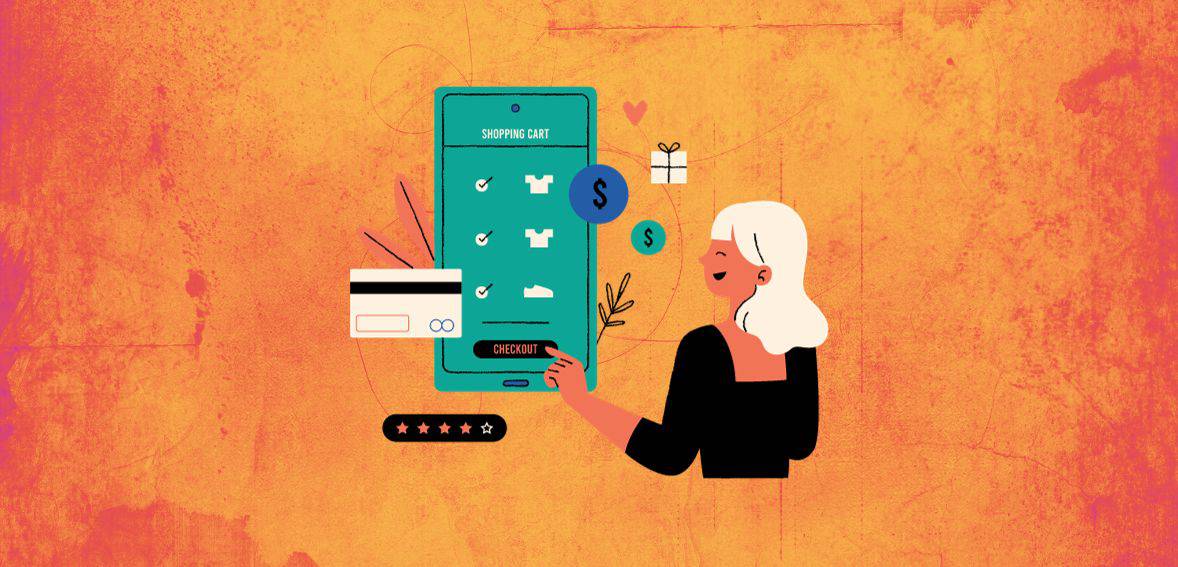
With the increasing number of smartphones, e-wallets have become the most convenient mode of payment for consumers. A mobile wallet syncs your bank accounts and credit cards and turns your smartphone into a contactless payment device. According to some statistics, the global estimate of smartphone users in 2021 was 3.8 billion, compared to 2.6 billion in 2016. A smartphone has become a necessity as it gives you apps for every need from banking to driving, social to nutrition tracking related to all aspects of your life. 

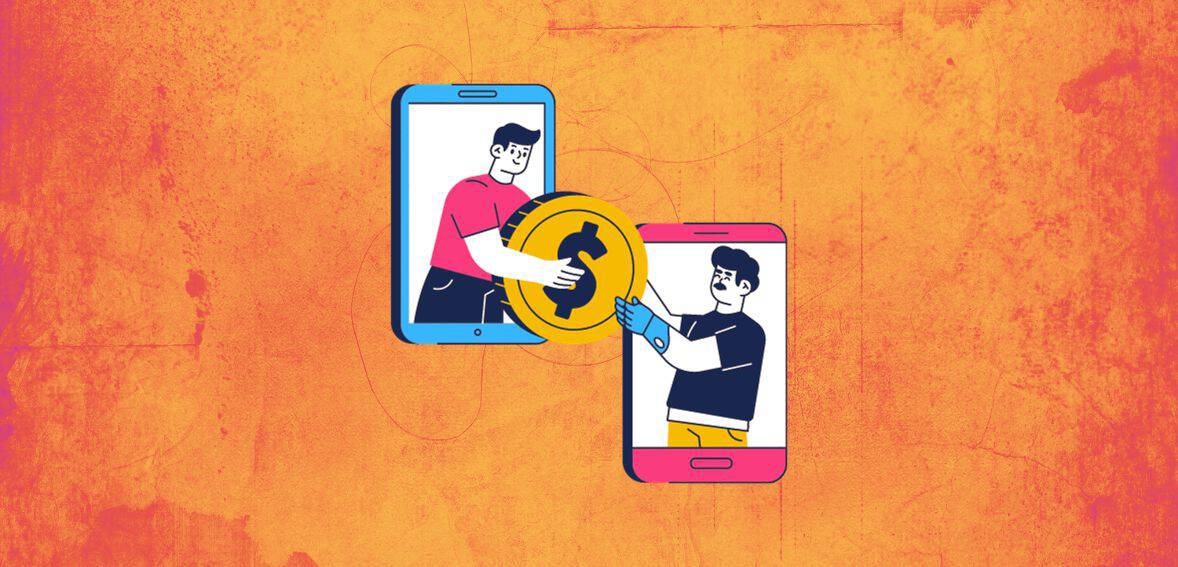
55% of Americans use their smartphones when shopping, all due to the increasing use of e-wallets like Google Pay and Amazon Pay. With mobile wallets becoming popular and the growing use of peer-to-peer transfers, the security of these apps has also increased. E-wallets are going to change the way how we pay now. It is one of the most significant trends in mobile credit card processing that cannot go unnoticed. 

#2 Social Shopping

A retailer’s most remarkable ability is being able to use personal relationships to his advantage and engage their customers in their business. More than 78% of customers trust the recommendation of their friends and family for shopping, so brands can count on social media sharing and engagement as a better proof of purchase than a direct message to the consumer.

Retailers can hire social media influencers for promotion and make use of social media tools to get to know their customers better. They can further promote positive reviews, give better customer service and sell directly on the platform where their customers spend substantial time. 

#3 Contactless Payments

During the pandemic time and earlier, we would hesitate to touch cash as we did not know how many hands the bill was exposed to. With credit cards, handing them over to the cashier for a swipe and typing your card pin is avoided to minimize the touch. Things have changed much over the past months, and Mastercard’s survey suggests the same. The survey says that more than 51% of people use cashless payment in some form. Contactless payments are now more secure than the traditional swipe method with scanning technology to complete the transactions. All this is possible because of the encrypted microchips and mobile apps.

#4 Mobile POS Devices

As more and more consumers use contactless payments, retailers align their shopping experience with POS technology. With the help of mobile POS, retailers can accept payments anywhere as these are wireless devices and not connected to checkout locations. This gives even the smallest brick and mortar storse the flexibility to offer customers multiple checkout locations. With various payment solutions, customers can safely pay in line with social distancing norms. More than 73% of customers want more checkout options with advanced technology. Having said this, mobile point-of-sale devices are fast becoming a necessity for retailers large and small.

#5 Biometric Authentication

If someone had talked about authenticating a process using biometrics five years ago, it would seem like a scene from a futuristic movie. Now this process is everywhere and most of use this technology daily to unlock our phones. Biometric authentication consists of fingerprints, face, and voice recognition that we use today to unlock e-wallets. Biometric authentication gives more security as it is unique to each customer, and due to this trust, the technology attracted huge investments. According to a study by Mobile Payment Authentication & Data Security, by the year 2024, the use of biometric authentication is expected to grow more than 1000%, with a transaction value of more than $2.5 trillion. By the end of 2019, transactions valued at $228 billion were already authenticated by biometric technology.

#6 Flexible Payments

With consumers demanding more convenience and security while using mobile wallets for payments, the pandemic has also forced them to maintain and stick to a budget. Retailers now offer options like installments or Buy Now Pay Later to their customers. With enhanced security, convenience, and accountable spending, consumers have accepted these offers enthusiastically. Consumers get maximum flexibility with the zero-interest installment schemes which the retailers offer at the point of sale. It helps the customers to make large purchases easily without worrying about the having the full payment up front. The popularity of e-commerce and online shopping is growing drastically. The mobile payment strategy of the retailer will play a significant role in the purchase pattern of their customers. This strategy is almost 80% responsible for the rise or fall in sales. If the customer is getting complete flexibility in payments, multiple payment choices, and a streamlined checkout process, nothing can stop him from completing the decisive step of the final purchase. 

Bottomline

As the digital world is changing fast, all kinds of e-commerce stores and other retailers need to adapt to the latest payment trends as soon as possible. With contactless payments and e-wallets offering complete convenience to consumers, they are becoming popular at an unimaginable speed. If your customers get absolute security along with seamless checkout, they will keep coming back to shop at your store. Therefore it is important for all fintech companies to keep a watch on. One thing is certain – that even if the pandemic ends, the e-commerce growth and the related customer needs are here to stay. For businesses to keep in the competition, they must shift to modern payment methods.


charity donation help support charitable assistance concept

What Are Recurring Donations and Why Are They Good For Nonprofits? [2023 Update]

Nonprofit organizations have never been more popular. The average person donates hundreds of dollars to nonprofits each year. But the way people send money to these groups has changed, as most people donate to them by credit or debit card now.

The good news is that nonprofits can adapt to these changes in the industry by accepting recurring donations. These are donations provided to nonprofits that require regular funds for managing their missions and providing support for their causes.

A donor can sign up for a recurring donation program with a nonprofit. The person’s payments will be automatically removed from one’s credit card at the right times. The money will directly go to the nonprofit without having to use a third-party solution to manage the process.

Recurring Donation

How a Recurring Donation Works

A recurring donation uses a few steps to make it work:

  1. The nonprofit organization will set up a new program. It will provide different donation levels and frequencies for customers to choose online.
  2. The donor will set up an account on the nonprofit’s website. The donor will require the account to facilitate payments and to keep the donations within the website.
  3. The donor will select the specific donation option one wishes to follow.
  4. The person is then billed for the donation at the proper times. The donor is usually billed every month, but it can also be every quarter or year if desired.
  5. The person will continue to be billed until that someone decides to leave the program or that person’s payment method is no longer valid.

The nonprofit will need to provide the proper interface on one’s website to promote its recurring donation program. The system should be easy to review and read as necessary.

Provides Stable Revenue

The best part of recurring donations for nonprofits is that they provide stable revenue that these groups can trust. A nonprofit needs regular revenue to ensure it can stay operational. The funds can also help the nonprofit predict what it will receive each month, providing guidance for whatever operations or fundraising events the nonprofit wishes to run.

Reduce Operational Costs

Nonprofits often spend a while trying to find new donors. It also costs more to bring in new donors than it does to keep existing ones. By offering recurring donations, a nonprofit can get more funds from its existing donors. There’s less of a need for the nonprofit to promote itself or to look for grants or other things for help in keeping the operation running.

The operating costs remain cheap because the recurring donors will stay loyal to the nonprofit group. These donors may contribute additional one-time payments alongside their regular donations, especially if they respect the nonprofit group.

There’s no need to process checks, cash donations, or other things that might get lost. Regular donors will also feel comfortable knowing they’re automatically completing their donations online, as they won’t have to go through the same donation process every year.

No Third Parties Necessary

A recurring donation system also ensures all donations will go through a nonprofit’s website. The nonprofit doesn’t need to utilize a third-party donation site. These third-party websites might charge people for listing their nonprofits there. Some donors may also be turned off from using two different systems when getting through a donation platform. Keeping the data intact will be critical to its success.

Tips For Running a Recurring Donation Program

A recurring donation program can be a lifeline for any nonprofit group, although it works best when run well. There are a few tips a nonprofit can use when getting a program ready:

  • The nonprofit must have a set goal in mind. It can entail any amount of donors or donations, but it must be reflective of whatever projects the nonprofit wishes to run.
  • The nonprofit must plan its program based on the donors it wishes to target. The system can include donation values based on the approximate money amounts people are willing to part with each month.
  • All recurring programs should be marketed well based on the benefits involved with these donations. A nonprofit could promote that a specific monthly donation will provide a unique benefit that the nonprofit can carry out, for example.
  • A payment processor must help collect credit and debit card payments to make the recurring donation program easy to follow. It should offer reporting tools to help the nonprofit review how effective its program is, plus it should provide ACH support for automatic recurring payments.
  • Proper incentives are necessary for keeping donors intact. A nonprofit can offer rewards or benefits to people to donate enough funds or stick with a campaign long enough. The nonprofit can put some of its funds aside for this case, but it shouldn’t spend more on this than necessary.

The best way to run a recurring donation program is to ensure the donors see the difference a nonprofit makes. Donors will be more invested in a program when they see where their money is going and how it benefits society. People will be more passionate when they notice they are making a difference with their donations.

How Will Donors Cancel Their Recurring Donations?

Some donors might need to cancel their recurring donations for various reasons. A donor might not have enough money to give, or the donor might not feel comfortable with offering. A nonprofit can offer the choice to cancel one’s recurring donations. The user can go to one’s profile on a website and then click the proper button on one’s payment method to stop one’s donations.

It will likely be easy for nonprofits to keep their donors through a recurring platform. The recurring system provides a simple design for work that helps a nonprofit collect its regular payments. A nonprofit can predict what it will earn, and donors will feel confident in the process, knowing that their funds are going directly to the organization.

PSCU Prepared for Contactless Cards Growth in 2020

With a predicted rush in 2020 for more merchants and customers to jump onto the contactless payment cards bandwagon, PSCU announced earlier this week that they are fully prepared to handle whatever will be coming their way over the following year.

Contactless Credit Card PaymentsHaving already rolled out more than half a million NFC (Near Field Communication) enabled cards via natural reissuance to members amongst 14 owner credit unions, the credit union service organization (CUSO) PSCU anticipates that they will be distributing in excess of 3 million new NFC enabled cards throughout 2020 to more than 100 credit unions.
By keeping themselves ahead of coming payment innovations, PSCU can help to ensure that its owner credit unions members’ accounts are most frequently used, and by offering NFC enabled cards to owners, Jeremiah Lotz, managing vice president of digital experience and payment products at PSCU said, “We help our credit unions achieve top of wallet status” as the adoption of tap to pay solutions continues to rise.

The second yearly Eye on Payments study by PSCU has shown that 25 percent of respondents make transactions with an NFC enabled card a few times per month. They have cited reasons such as ease, convenience, speed, and security, while non-users stated that the stores they frequent aren’t as of yet accepting NFC enabled card transactions.

With an ever-increasing number of merchants each year opting into NFC technology and accepting NFC enabled payments, it’s believed that more consumers will begin to adopt the technology and participate. As many as 95 percent of all payment card terminals feature NFC enabled capabilities, according to Visa, and as of October 2019, 80 percent of the top 10 merchants were accepting NFC transactions.

Jeremiah Lotz has also stated: “Credit unions should be prepared to not only offer contactless cards to their members, but also have information readily available to educate members on how to use these new payment methods and ascertain whether a merchant’s point of sale terminal is contactless enabled.”

The PSCU’s original model is scale and collaboration, and for more than the past 40 years, the company has leveraged its influence on behalf of credit unions and their members. To this day, PSCU provides an end to end competitive advantage that helps to enable the secure growth of credit unions, making sure that they are able to meet ever-evolving consumer demands.

Frequently Asked Questions

Pretentious Amex Branding Does Not Entice Millennials

Membership may have its privileges, but American Express is finding out that members of the Millennial Generation do not consider feeling snooty as a privilege.

As a credit card and as a symbol of refinement by means of wealth, American Express has long been associated with the moneyed class and the jet set, and this association can be explained by the company’s marketing and branding efforts over the last few decades. Unfortunately, this marketing image seems to have backfired in relation to appealing to millennials.

A recent article in The New York Times illustrated the woes currently experienced by the legendary credit card company, which is trying its best to attract millennials, particularly those that have made their fortunes at an early age and would be eager to travel the world and spend at their leisure. It so happens that young and wealthy are more likely to leave home without Amex cards because they fear that they may be labeled as snobs.

The New York Times article explains that a competing credit card issuer held a focus group by inviting millennial professionals to dinner at an expensive restaurant. These are the kind of cardholders that Amex would drool over; however, there was a surprise at the end of the meal when the focus group participants were casually asked which credit they would use to pay for the meal. Right off the bat, a diner explained that flashing an American Express card was out of the question because it would seem as a blusterous act of braggadocio.

The other millennials in attendance at the dinner agreed that using Amex for payment would send an unwanted message, one that screams “look at me: I’m rich!” To drive the dagger even deeper and twist it, one of the dinner guests said that he would prefer to pay with a Chase Sapphire Reserve card, clearly a better choice among millennial cardholders.

What Chase has accomplished with its Sapphire Reserve product is exactly what Amex would like: capture the attention of young cardholders. The problem is that Amex is no longer considered cool; young consumers are not particularly interested in being lumped with the “one percent.” The Chase Sapphire, on the other hand, is heavily marketed on social media and offers benefits that speak to the Millennial Generation. In other words, Amex will likely need to change its image for the purpose of becoming cool again.

Room for Improvement: Commercial Cards in 2017

The year 2016 was not exactly a breakthrough period for commercial cards and other payment tools available to the competitive business-to-business sector. According to research recently published by the Professional Association for the Commercial Card and Payment Industry, B2B credit cards and virtual cards are gaining corporate acceptance, but they are not quite ready to completely replace checks.

The aforementioned year-to-date study was published in mid-December, and it shows that ¾ of business owners who have implemented purchasing cards in their companies are satisfied with using them. The respondents of the study feel that they do not have the same level of control as they used to with their commercial checking accounts that were tied to credit lines.

What is interesting about the current sentiment on commercial cards is that business users are not fully aware of how they work and everything they have to offer. Some purchasing managers who have previously used company credit cards for small expenses do not understand that P-cards are not necessarily credit accounts.

Purchasing cards can take many forms; for example, a virtual card can be assigned exclusively to a sole vendor for the sake of making B2B electronic payments. The terms and conditions do not have to change; in fact, some of them can be programmed to be executed automatically. If a business is used to floating invoices for 30 days, such a payment frequency can be scheduled.

commercial cards

Less than a third of company owners and managers using P-card solutions are interested in using SMS alerts or mobile payments. Not being familiar with the system and security concerns are the major reasons why business owners are not interested at this time.

Clearly, it is up to leaders in the payments industry to educate corporate America about the benefits of leaving their company checkbooks behind. Features such as electronic invoices and convenience checks that simulate old-fashioned payments could help in this regard.

What Are Commercial Cards?

Commercial cards refer to credit or debit cards that companies provide to their employees. These cards allow workers to make purchases on behalf of their employers. They are usually co-branded with retailers or fuel stations and restrict where the employee can use them.

Types of Commercial Cards

There are types of cards available, each designed to meet the diverse needs of businesses. Now let’s explore some variations:

Purchasing Cards (P Cards)

These cards are primarily used for making company purchases. They provide businesses with a way to manage their procurement processes.

Travel and Entertainment Cards (T&E Cards)

T&E cards are specifically intended for businesses with employees who frequently travel or entertain clients. These cards simplify expense tracking and management related to travel, accommodations, meals, and entertainment.

Corporate Cards

Corporate cards are typically issued to ranking executives within an organization. They offer flexibility and higher spending limits. Additionally, these cards come with benefits like access to concierge services, airport lounge entry, and other exclusive perks.

Fuel Cards

Tailored specifically for businesses that have fleets or frequently use vehicles, fuel cards allow for effortless monitoring of fuel-related expenses while also presenting discounts at gas stations.

Virtual Card Solutions

As the name implies, these cards do not exist physically. Virtual card solutions are an addition to the commercial card landscape and provide enhanced security by generating unique card numbers for each online transaction.

Benefits and Advantages Of Utilizing Commercial Cards

Benefits and Advantages Of Utilizing Commercial Cards

  • Using cards offers advantages to all types of businesses regardless of their size. One significant benefit is the ability to streamline expenses and effectively manage cash flow.
  • With a commercial card, employees can make company purchases without the need for reimbursement processes. Handling petty cash.
  • Commercial cards often come with reporting features that make it simple for business owners to track and analyze spending patterns. This can be valuable in identifying areas where costs can be reduced or optimized.
  • Another advantage is the increased security provided by these cards. They typically incorporate fraud protection measures, like real-time transaction monitoring and zero liability policies. This ensures that businesses are protected against charges and fraudulent activities.
  • Furthermore, commercial cards offer convenience by acting as a payment solution. Businesses no longer need to rely on payment methods or carry amounts of cash. Instead, they can opt for cards to cover expenses such as travel bookings, supplier payments, and office supplies.
  • Commercial cards often come with perks like reward programs or discounts from partner vendors. These incentives offer businesses the opportunity to save money or earn rewards based on their spending habits.

Tips for Selecting the Commercial Card for Your Business

When it comes to choosing a card for your business, there are several factors you should consider. Here are some tips to assist you in making the decision;

Evaluate your business needs: Start by assessing your company’s spending patterns and financial goals. Determine which features and benefits would be most valuable in streamlining your expenses.

Consider rewards programs: Many commercial cards offer rewards programs that can provide savings or perks such as cashback, airline miles, or discounts on office supplies. Look for a card with rewards that align with your business needs.

Review fees and interest rates: Carefully examine the fees associated with each card option, including fees, balance transfer fees, late payment penalties, etc. It is important to compare interest rates to ensure that you are obtaining a card with the lowest rates.

Look at the credit limit options and evaluate whether they align with your company’s requirements. Make sure they are neither excessive nor restrictive.

Look for services that may come bundled with commercial cards, such as expense management tools or travel insurance coverage. Determine if these offerings would be advantageous or not for your business operations.

Check the acceptance network of the card to ensure acceptance both domestically and internationally. This will allow you to use the card wherever necessary without any inconvenience.

Do proper research on the quality of customer support provided by card issuers. Look into their reputation for assistance as it can make a difference when dealing with any issues or inquiries related to the card.

Tips for Selecting the Commercial Card for Your Business

Conclusion

Commercial cards offer value to businesses of all sizes by providing convenience, control and enhanced security in expense management and simplified payment processes. By utilizing these cards, businesses can enjoy benefits like improved cash flow, simplified expense tracking, advanced reporting capabilities, and exclusive rewards programs.

It is crucial for businesses to carefully consider their needs and requirements when selecting a card. Factors such as credit limits, interest rates, rewards programs, and acceptance networks should all be taken into consideration. It is recommended to compare different merchant service providers and carefully evaluate the terms and conditions before making a choice.

In today’s business landscape, where efficiency holds importance, commercial cards provide a practical solution for seamless transaction management. Whether it solves the purpose of paying suppliers or vendors, keeping track of employee expenses, or implementing spending limits across departments – commercial cards offer flexibility and control.

To sum up, commercial cards go beyond a piece of plastic. They are powerful tools that help businesses stay organized financially while reaping the many benefits they have to offer.  If you’re searching for a way to handle your company’s finances while also enjoying these advantages, it might be worthwhile to consider incorporating cards into your business strategy today.

switches from american express to visa

Costco Switches from American Express to Visa

Millions of Costco members are finally ready to get rid of their American Express credit cards (aka Amex cards) to shop at Costco, the giant Seattle based Wholesale warehouse. Costco has about 81 million members worldwide, and the company has recently started accepting Visa cards instead of Amex cards. The move is a major advantage for customers who use any Visa-branded credit cards. Costco members are free to use their own Visa cards or use the newly issued Visa branded Costco store card, which will replace its existing TrueEarnings Amex branded store card.

Costco allows other forms of payments such as cash, ATM Cards and Electronic Benefits Transfer Cards. The move is expected to create competition among card issuing banks such as JP Morgan Chase, Bank of America, Citi and many others. Most of these issuers of Visa-branded cards have already started offering cash back on purchases at Costco and other warehouse stores. Consumers have the freedom to choose the best Visa-branded card that will work at Costco as well as other places such as gas stations, grocery stores and online stores.

The Costco Anywhere card issued by Citi offers 2% cash back on all purchases at Costco stores. The card also offers 1 to 4% cash back at other places such as gas stations and restaurants. The cash back amount is redeemable only at Costco stores. The issuance of the new Costco Anywhere card will not affect the customer’s credit scores, as Citi will not check customers’ credit reports. Another option is to use a Chase Freedom card, which offers 5% cash back at Costco, Sam’s and BJ’s through the end of this year.

American Express is expected to lose significant market share from the termination of its partnership with Costco. Most Costco members signed up for an Amex card to make purchases at Costco. These customers are likely to abandon their Amex cards, with the switch to the new cards now in place. Customers are free to use the Amex card at other stores where American Express cards are accepted. Amex charges applicable interest rates on any unpaid balances.

The business of credit card processing is highly competitive. The fortunes of credit card companies such as Amex are tied to the brand loyalty garnered from their partnership with companies such as Costco. Smaller credit card companies are badly affected if they lose a major partnership, such as Amex did with Costco. Visa is expected to get a significant boost from the changes made by Costco. The impact to other card issuers is unknown at this time. The merchant services segment is facing tough competition, and deals such as Costco’s certainly throws a monkey wrench into the entire business model.

Clearly, customers benefit more than anyone else in Costco’s decision to replace Amex. Customers can immediately benefit from a new Costco membership if they already own a Visa card.

Bank of America to pay $772 Million Penalty

On Wednesday April 9, 2014 Bank of America settled a lawsuit and agreed to pay $772 million in penalties for deceiving millions of customers into buying costly and unneeded services when they signed up for credit cards.

The Crux of the Case

The Consumer Financial Protection Bureau said that Bank of America illegally deceived 2.9 million customers into buying extra credit card services those customers did not need and that Bank of America charged others for needless credit monitoring between 2000 and 2012.

“Bank of America both deceived consumers and unfairly billed consumers for services not performed,” Richard Cordray, director of CFPPB told the Associated Press. The settlement deal is the largest refund amount ordered to date by the CFPPB, and is the biggest settlement over credit card “add-on” services won by the federal government.

Bank of America will also have to pay an additional $20 million penalty to the Consumer Financial Protection Bureau and $25 million to the Office of the Comptroller of the Currency.

Delving into the details of the settlement, some of the misleading practices included Bank of America telemarketers telling customers that the first 30 days of a service were free when instead the customers were charged. Also, the bank led customers to believe that they were merely agreeing to receive additional information about add-on services, when in fact the bank was enrolling those customers into the services during calls.

Bank of America released a statement saying that the bank had already refunded money to a “majority” of the affected customers.

Bank of America’s Been to the Dance Before

This isn’t the first time Bank of America has been hit hard by its desire to charge customers fees. Back in 2011, when the Durbin Amendment going into effect was all the rage, Bank of America came up with a plan to charge their customers a fee for using their debit cards.

Bank of America stated its reason for this fee was to offset predicted losses the bank would incur because of the Durbin Amendment.

This went over like a lead balloon, and eventually Bank of America backed off this idea. It’s no mere coincidence that this fee and the resultant backlash heralds from the time period covered in the lawsuit. It seems back in those days, Bank of America was just really into adding fees for everything it could think of.

Transparent Pricing and No Fees

Host Merchant Services was hip to the pitfalls of fees right from its inception. HMS delivers personal service and clarity. The company promises no hidden fees. And a transparent pricing plan so that its customers are not saddled with all of these “add-ons” that Bank of America was so gung-ho about in 2011.  HMS  believes that when you get your statement every month, you should understand every item, and it should match what you were promised in the sales process.

Wal-Mart Sues Visa

The swipe fee antitrust lawsuit that The Official Merchant Services Blog has been covering for a few years now has an update: Wal-Mart, accusing Visa of excessively high card swipe fees, is suing Visa for $5 billion. The action by Wal-Mart is being taken because Wal Mart opted out of the settlement of the class action lawsuit between merchants and Visa and MasterCard.

This follows our previous report of the Minnesota Twins also opting out of the settlement. Wal-Mart filed the suit Tuesday, March 25, in the U.S. District Court for the Western District of Arkansas, where Wal-Mart is headquartered.

Wal-Mart’s Side of the Suit

Wal-Mart, the world’s largest retailer, is seeking damages from price fixing and other antitrust violations that it claims took place between January 1, 2004 and November 27, 2012.

In its lawsuit, Wal-Mart contends that Visa, in concert with banks, sought to prevent retailers from protecting themselves against those swipe fees, eventually hurting sales. Wal-Mart stated in court documents: “The anticompetitive conduct of Visa and the banks forced Wal-Mart to raise retail prices paid by its customers and/or reduce retail services provided to its customers as a means of offsetting some of the artificially inflated interchange fees. As a result, Wal-Mart’s retail sales were below what they would have been otherwise.”

Wal-Mart contends that that the way Visa set up the swipe fees violated antitrust regulations and generated more than $350 billion for card issuers over the time period in question, in part at the expense of the retailer and customers.

Case History

The antitrust case against Visa, MasterCard and several issuing banks stemmed from the dispute relating to the percentage of credit card transaction fees that retailers must remit to the credit card processing network. The fees generally range from 1.5 to 3 percent and are shared with the bank that issued the card. Also known as “swipe fees,” these charges serve to underwrite the supporting infrastructure that allows businesses to accept and process credit cards.

Large retailers and supporting associations have repeatedly complained about the costs associated with accepting credit cards and the fees for merchant services. These grievances resulted in a number of lawsuits filed in 2005, which were eventually consolidated into a single case known as the Payment Interchange Fee and Merchant Discount Antitrust Litigation.

There were 139 parties involved as plaintiffs, and the case was active for over eight years. In July 2012, a settlement was reached that provided $6 billion in damages to affected retailers and another $1.2 billion for a temporary reduction in interchange fees. As a further concession, Visa and MasterCard eliminated certain rules for merchant services that prohibited surcharging, which is a practice that allows retailers to recoup credit card costs by passing them on to the consumer.

After a settlement was reached in the case, major retailers such as Target, Nike, Home Depot, Lowes, Starbucks and Best Buy ultimately opted out of the settlement. Major trade organizations, including the National Restaurant Association (NRA), have voiced significant opposition to the agreement. In fact, the NRA strongly encouraged its constituent members to reject the settlement and highlighted the potential negative impact it could have on the emerging mobile payments market.

The Saga

To review the full extent of this ongoing saga, you can read our previous coverage of this settlement:

PayPal President Hacked [2023 Update]

Twitter, the modern equivalent of Mad Libs and the yellow journalism of the late 19th century, has revealed to us a gem of irony that makes the whole Target getting hacked story seem that much more poignant.

No one is safe in this bold new era of credit card hackers and identity thieves. Not even the president of a major payment processing company.

PayPal President David Marcus has been the victim of credit card fraud, he said on Monday. The leader of the online payments company revealed via Twitter that his credit card information had been stolen on a trip to the United Kingdom and he’d racked up a “ton” of fraudulent transactions on his account.

Smart Chip Didn’t Help

Marcus speculated that thieves probably skimmed the info from the magnetic stripe on his card, even though his card had an EMV chip, a technology that makes cards in Europe more secure than the ones commonly used in the U.S.

EMV® chip technology– or EMV — is a worldwide standard for credit and debit card payments based around the use of chip card technology. The acronym stands for Europay, MasterCard, and Visa, who collaborated to create the technology. The goal of this project was to create a card that worked based off of a microprocessor chip that is read by the payment terminal. Because the U.S. has yet to widely deploy embedded chip technology, the nation has increasingly become the focus of hackers seeking to steal such information. The stolen data can easily be turned into phony credit cards that are sold on black markets around the world.

Is it Just a Marketing Ploy?

Marcus adroitly used the incident as an opportunity to plug his own company, suggesting that the fraud wouldn’t have happened if the merchant had accepted PayPal. His company is currently trying to expand its presence as a payment option in physical stores, putting it in direct competition with platforms like Square and Google Wallet.

It also comes right when data breaches are major news in the payment processing industry. On December 19 2013, Target confirmed a sophisticated data breachoccured. In their press release they stated: “Approximately 40 million credit and debit card accounts may have been impacted between Nov. 27 and Dec. 15, 2013. Target alerted authorities and financial institutions immediately after it was made aware of the unauthorized access, and is putting all appropriate resources behind these efforts.  Among other actions, Target is partnering with a leading third-party forensics firm to conduct a thorough investigation of the incident.”

So Marcus’ misfortune happens right at the time identity theft, credit card fraud and hackers are on everyone’s mind. With EMV chip cards being touted as one of the best solutions to the hacking problem, Marcus’ mishap even taps into that buzz.