Tag Archives: credit card processing

Merchant Services and Payments Impacted by COVID19 [2023 Update]

The COVID-19 pandemic and the resulting stay-at-home orders across the globe and country during the past few months has led to a significant reduction in both the number of merchant services transactions and dollar sales in our country. With predictions of a global decline in GDP, there are few bright spots in the economic fallout. One concrete result of the pandemic is a move to touchless transactions in efforts to reduce the spread of the virus.

Cashless Society
merchant cash discount covid19

COVID19 Pandemic Has Merchants Looking for Solutions

After the World Health Organization warned that banknotes may spread coronavirus, they recommended using contactless payments to mitigate the spread. Not to mention, microorganisms can transfer to credit cards at point-of-sale terminals during credit card processing, and PIN pads carry similar health risks. And because retailers had to shut down and sell online exclusively, the use of cash is disrupted due to the shutdown.

Global Scale

Depending on the spread of the virus, the public health response, and the effectiveness of the fiscal, monetary, and broader public response, the global GDP would potentially decline by 1.5% in 2020 after two to three months of economic lockdown in Europe and the United but would decline by 4.7% after a resurgence of the virus in China and continued spread in the United States and Europe.

A slowing global payment-revenue growth is expected to cost the payment industry $165 billion to  $210 billion in 2020 revenue. The net interest-margin component, which is the source of 60% of payments revenues, accounts for 20% of the decline. The transaction component, which is the source of 40% of payments revenues, is responsible for 80% of the decline. A 1.5% economic contraction would lead to an 8-12% reduction in payment volumes.

Local Scale

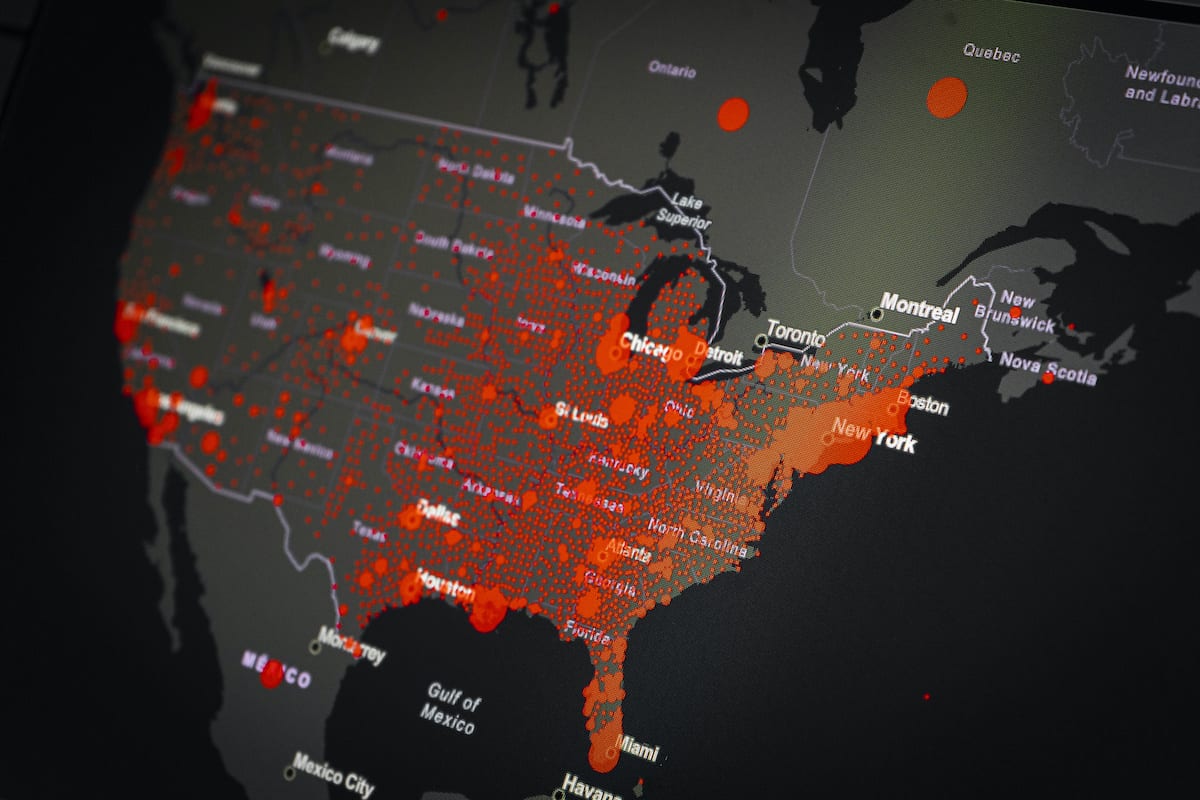
Due to stay-at-home orders and the close of non-essential businesses, total transactions and dollar sales fell nearly 50% and more than 25% respectively in the weeks following shutdown orders. Active merchants dropped by 25% with more than a quarter of merchants posting no transactions at all. Urban areas showed sales decreasing by 22.5% since the first week of March while medium-sized cities have decreased 26.5%, small cities 26.5%, and rural areas 31.1%.

Despite the drop in card-present sales (nearly 50% drop in March), card-not-present sales only decreased by 15.2%. Sales for on-site technical services such as plumbing, heating, and contractors remains steady perhaps due to stay-at-home restrictions. Also sales between 5 am and 11 am are increasing, accounting for the special hours for seniors and high-risk shoppers, as well as for customers looking to shop outside of traditionally busy hours.

Host Merchant Services

During these turbulent economic times, depend on a stable and reliable payment processor to partner with your business to minimize the impact of worldwide instability. Payment processing should be the least of your concerns. Delivering personalized service and clarity, Host Merchant Services takes the time to explain your payment processing. We want you to understand your monthly statement, and we will ensure that your statement matches our promises during our sales presentation. If you do have questions, you can reach a live representative any time, any day. HMS offers wonderful customer service, as well as great rates.

Host Merchant Services even explains where our profit lies in the pricing structure to be fully transparent in all directions. Pricing fairness and transparency is our strategy in helping our customers find success with their businesses.


How to Be a Top Merchant Services Independent Sales Agent

Because of the potential to earn residual income, a merchant services agent program is a path to profitability – but only if you make sales. In order to be a successful credit card processing agent, you not only need to know your business, but you also need to know how to sell. An Independent Sales Organization, or ISO, can provide opportunities to a good salesperson to earn unlimited profits in the merchant services world. Follow these steps to be a top merchant services independent sales agent:

Choose Your Merchant Services Partner Wisely

Due to a lack of federal regulation, the merchant services industry is notorious for deceiving sales agents and vice versa. Ask to see your potential merchant services partner’s “buy rate” or “Schedule A,” which indicates their split with you. Inquire of their internal support staff and the levels of agent.

Know Your Business

Credit card price structures are complicated. Understanding the cost-savings of a merchant deal is invaluable to your customers. After all, that’s their priority outside of the actual processing of payments. Keep up with the ever-shifting trends of your industry, from eCommerce to security to mobile payments. Become a payments expert.

Know THEIR Business

Before walking into a business, research the basics. Of course, learn the business’ name, as well as the name of the person you will meet with, and the needs of businesses in their industry. Research the industry if you’re not already familiar with it. And prepare questions for the merchant, revealing your well-researched knowledge.

Focus on Good Prospects

Merchant Services ISO Agent ProgramIf a merchant is willing to speak with you during your visit to their business, they are a good prospect. Don’t spend time or energy trying to talk to someone who doesn’t want to talk to you. You may not find a willing merchant until you’ve visited 10, 20, or more unwilling businesses. Keep going until a prospect is willing to speak with you. And when a merchant does finally speak with you, let them do the talking. Only talk half as much as your prospect does.

Follow Up

Whether you’re following up with a prospect or with an existing client, keep a schedule for following up with all of your merchants even if they haven’t signed up with you yet. Send a couple of emails to your prospects after meeting with them, asking follow up questions. For existing clients, stop by for a visit – or call or send an email.

Processing Statement In Hand

After you find your good prospect, request a processing statement. No matter how long it takes the merchant to deliver the processing statement to you, stay persistent – even if it takes months.

Educate Your Merchants

Review your merchants’ statements with them. Explain the fee codes. Make yourself available to answer their questions – even if they ask the same questions over and over again. They will grow to trust you, and they will put their faith in you. If you help them save money, they will refer business to you.

Referrals Build Your Business

Beyond referrals from your existing customers, find referral partners in bookkeepers, accountants, PTA parents, and anyone you know who has a relative with a business. Let them know you pay referral partners a percentage of your monthly residuals from the referred merchant.

Host Merchant Services

Partnering with global processing platforms such as TSYS and First Data, Host Merchant Services features a merchant services agent program with numerous boarding partners. Boasting terrific customer service, HMS offers cash discount programs and multiple high-risk bank partnerships, providing merchant services agents benefits and features they can pitch to their clients. 

To learn more about our independent sales agent program, click here. If you have any questions about our program, please feel free to reach out.

What 5G Will Mean For Mobile Payments

The expected global rollout of 5G technology is predicted to bring many changes to today’s connected global economy. With real-time, high-speed data flow, 5G is likely to fuel even further expansion of mobile payments and change the credit card processing industry on a fundamental level. Here’s what 5G may mean for the future of mobile payment technology.

What Is 5G?

A major technology shift is occurring that will bring a big update to the wireless technology that delivers data to cell phones. 5G refers to the fifth-generation cellular network which will be a big step ahead of today’s wireless technology, 4G, by offering incredibly fast mobile internet speeds that will allow users to download movies within seconds. That’s about 20 times faster than the 4G experience. 5G technology won’t just bring faster speeds; it will also reduce latency or lag which happens when signals pass between different carrier switching centers.

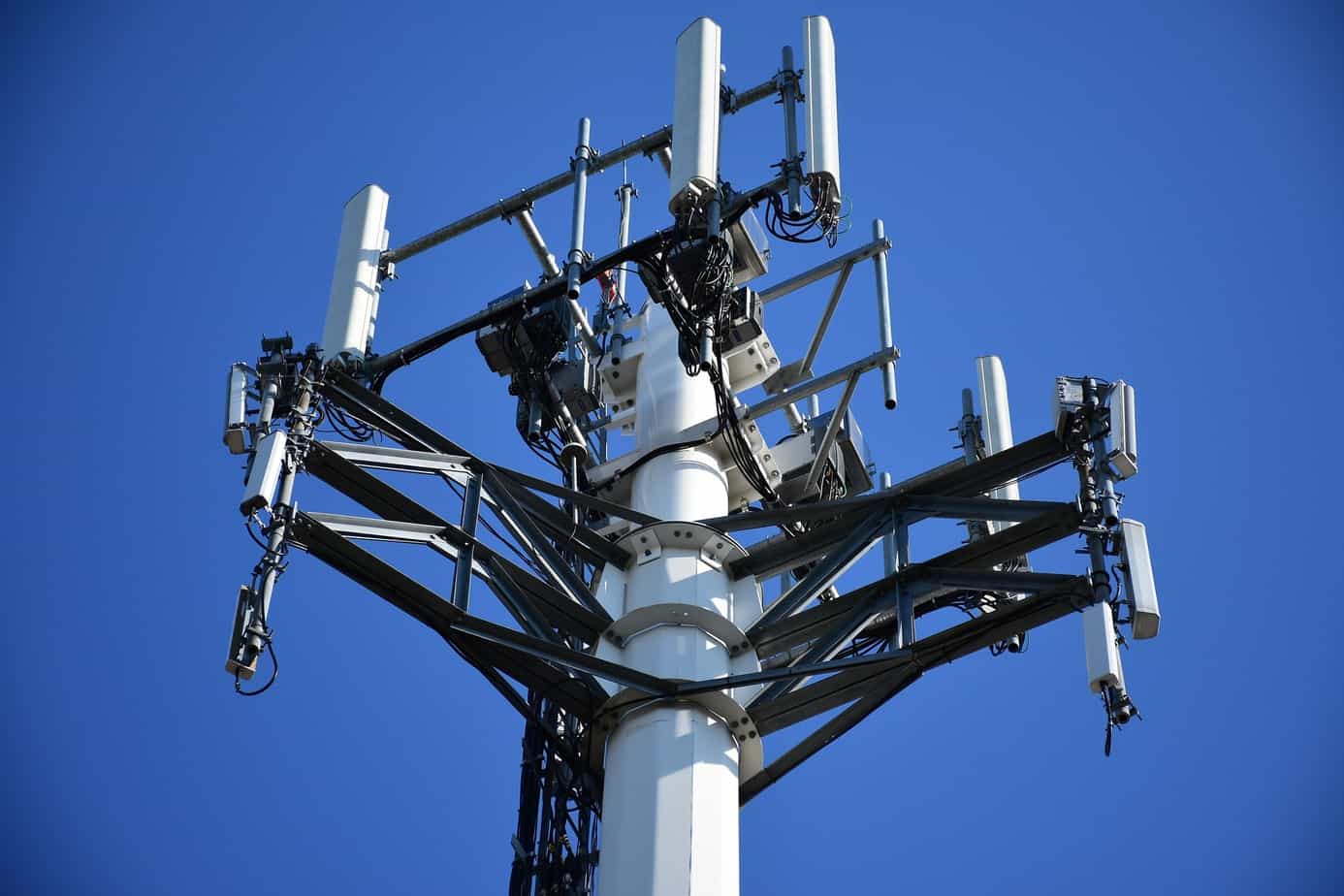
5G Cellular Tower Mobile Payments

In addition to cell phones, the technology will also impact security systems, drones, and even vehicles. To get the full benefits of 5G, once the rollout is complete, users will need a compatible new phone and cell phone carriers will need to upgrade to new transmission equipment.

How Will 5G Technology Change Credit Card Processing?

The payment processing industry is expecting a big shakeup when 5G technology is finally rolled out. With dramatically faster speeds and reduced latency, 5G can:

5G Mobile Payment Processing

  • Streamline transaction processes
  • Increase transaction speeds
  • Improve the accuracy of fraud prevention
  • Support a more user-friendly experience

5G technology can revolutionize the mobile shopping experience. For example, it makes it easier to support virtual reality shopping to allow consumers to see what an item will look like in their home before buying or go through every step of buying a car — including the credit check, receiving personalized financing options, and funds availability — with mobile technology.

Increased speeds won’t just improve customer experience; speed also supports better fraud prevention. Fast data transmission allows banks to quickly verify data like geolocation and merchant ID to avoid errors. These factors can increase consumer confidence in digital payment technology to potentially sway more people to change how they pay.

All of these benefits may support increased adoption of mobile payments, especially in the United States which is far behind China and other areas of the world in terms of adopting mobile payment technology.

While China boasts a mobile payment usage rate of more than 80%, the adoption rate in the U.S. is less than 10%. In the United States, debit and credit cards are much more widely accepted than in other regions of the world, offering an alternative to paying without cash.

To accept a mobile payment, merchants need the right hardware which are tailor-made for mobile businesses. By improving security and transaction speeds while opening the door to more advanced mobile payment options, 5G may just help increase the adoption rate of mobile payment technology in the U.S.

What is Walmart Coin?

In an attempt to reduce credit card processing fees, Walmart recently filed an application with the U.S. Patent and Trademark Office to launch its own crypto-currency.  Although it’s too soon to say how far this will go, it’s worth paying attention to.

Walmart Blockchain

The application describes Walmart’s currency as “tied to the US dollars and can be blockchain verified”.  The application also says the currency would be,

 “available for use only at selected retailers or partners. In other embodiments, the digital currency is available for use anywhere. The digital currency can provide a fee-free, or fee-minimal place to store wealth that can be spent, for example, at retailers and, if needed, easily converted to cash” 

Without fees or the need to monitor cash-flow, this could ease the financial burden for those struggling to afford the expenses of banking. Furthermore, the coin could also be beneficial for Walmart’s financial situation, as it would reduce credit card processing fees.

 This digital currency might also make it possible to offer customized deals and rewards for individual customers based on purchase history.

Walmart vs Facebook’s Libra

Facebook has caused quite a stir with its own cryptocurrency plans, which might eliminate credit card processing fees. 

Libra is similar to Walmart’s currency in several ways.  Both are going to be a stable coin and will specifically target those who are not involved in the banking system.

However, there are certain key differences between the two.

First, Walmart intends to keep the currency internal, only allowing it to be used for Walmart transactions.  And unlike Facebook’s collaboration with major companies like Visa and Mastercard, Walmart is not looking to join forces with anyone else.

It would be smart to keep an eye on how this unfolds.  Just because it hasn’t been unleashed yet, doesn’t mean that Walmart’s coin won’t become a reality in the near future.

Protect Your Business from Credit Card Skimmers

Protection from Credit Card Skimmers

Protect Your Business from Credit Card Skimmers

Each year, companies sign on to take advantage of merchant services offered for credit card processing. Skimmers are quickly becoming a threat to unsuspecting customers as companies rely more heavily than ever on point of sale services for their businesses. As a merchant, you want to protect your customer from all potential forms of credit card scams.

Continue reading

New FDA Regulations Affect Online Vape Credit Card Processing

It seems that the U.S. Food and Drug Administration (FDA) is finally beginning to crack down on the growing vape and e-cig industry, after it announced last year that all e-cigarettes and other vaping products will now be regulated in the same way as cigarettes are under the 2007 Family Smoking Prevention & Tobacco Control Act. The law now applies to all electronic nicotine delivery systems (ENDS) and other vapor-producing products, meaning that all retailers and manufacturers of these products must now meet certain regulations in order to sell their products.

By extending its authority over e-cigs and vape products, the FDA is forcing both retail and online merchants to incur many additional expenses related to bringing their business in line with the new regulations. As these regulations cover the manufacturing, labeling, marketing and advertising of any e-cig related products, the expenses tend to pile up quite quickly.

Unfortunately, the new FDA regulations have also led to MasterCard changing its policy concerning online merchants. Previously, all companies who sold tobacco and tobacco-related products were required to prove their legal compliance and pay a $500 yearly registration fee in order to accept credit cards. However, the revised policy means that all vape merchants who wish to accept MasterCard payments are required to pay this yearly fee. Worse still, it seems certain that Visa and American Express will soon follow suit.

What the New Regulations Mean for Your Vape Business

One of the biggest problems associated with the FDA regulations is that they will make it much harder for merchants to continue to accept Visa and MasterCard payments. While $1,000 in total yearly registration fees will definitely have a negative impact on your company’s bottom line, there are many hoops you’ll first need to jump through before you can even get to the registration process.

In order for a merchant to register with one of the credit card companies, they’ll need to make sure that all transactions are properly age-verified. This means restricting sales to anyone under the age of 18, and, for online merchants, ensuring that all products require a signature from a legal adult upon delivery. As well, merchants also need to obtain a letter from an attorney legally verifying that the business is in compliance with all state and federal regulations.

The problem is that even paying the registration fee doesn’t actually entitle you to accept credit card payments, as you’ll then need to find a credit card processor that’s willing to underwrite your business. Despite the work you’ve put in to become complaint, the credit card processor is the one who has the burden to prove it.

Unfortunately, many credit card processors are currently unwilling to take the risk that goes along with it, meaning many online retailers may be left without a way to accept online credit card payments or will be forced to pay much higher fees in order to do so. For this reason, the FDA regulations seem certain to have a major impact on the industry, both in the short and long term.

Fraud Costs Cut in Half Since the Introduction of EMV

Great news for the credit card processing industry: Just one year into the shift towards the Europay, MasterCard and Visa (EMV) system in the United States, and counterfeit fraud costs have been slashed by just over 50%.

According to a report issued by credit card giant MasterCard in mid-September, counterfeit fraud costs are being sharply reduced thanks to more American merchants adopting the EMV system for accepting chip cards.

The report covers the period from April 2015 to April 2016, and it looks at the two million American businesses that have successfully installed the new terminals. The situation for merchants who have not yet switched to the chip card system is not looking good, as their counterfeit fraud costs climbed an astonishing 77%.

MasterCard described the reduction in fraudulent transactions thanks to chip card terminals as being very positive for shoppers, merchants, and banks.

This positive trend can be attributed to a sharp drop in counterfeit credit and debit cards. When American shoppers complete transactions with their new chip cards, unique codes are being created for every purchase. These codes can only be produced when the chips on the cards communicate with the new EMV terminals. This level of sophistication was absent from the old magnetic stripe system.

Shifting to the chip card system initially brought about some technical and behavioral concerns. Although credit card processing has not been substantially changed by the shift, there has been a learning curve for consumers plus longer lines at the register in some stores.

The initial terminal woes are being alleviated by smart practices. When European merchants switched to the chip card system years ago, they also went through some growing pains; however, those were eventually overcome. The same can be expected to happen in the United States as MasterCard plans to roll out M/Chip Fast, which is an enhancement that will speed transactions at the register. This enhancement will hopefully be in place in time for the busy holiday shopping season.

Pay By Check

More Businesses Than You Think Still Pay By Check

Modern payment methods in the United States range from EMV chip cards to digital wallets to bitcoin; however, there’s one traditional form of payment that has managed to survive the shift towards digital.

Use of Paper Checks by American Business Entities

The use of paper checks by American business entities and individuals remains uncomfortably high in the 21st century. A 2013 survey by the Association of Financial Professionals indicated that half of all U.S. companies were happy using old-fashioned checks for their payment transactions.

In 2016, a survey conducted among 120 American retailers revealed that only half of respondents were interested in going digital for their payment methods; among those that were still using checks, 10% stated that they had no intention of switching to electronic payments ever.

The most surprising data of the aforementioned 2016 survey is that they half of the respondents explained that 3/4 of their payments were still made by writing out checks. Some of these retailers do not accept checks from shoppers, but they will still write and mail a check when they need to make a payment to a vendor. The only electronic payments they make are to international vendors.

When it comes to the adoption of electronic payment methods and advanced credit card processing, the U.S. is notorious for being a slow adopter. Many Latin American nations have virtually eliminated checking accounts in lieu of express deposit accounts with debit cards for consumers and electronic ledgers for business entities; this is a financial trend that dates back to 2005. Even the switch to EMV credit card processing is taking much longer than expected in the U.S.

Retailers and other businesses still using company checkbooks in the U.S. need to realize that a significant amount of fraud is perpetrated through gaining access to checking account information, which can be easily collected from each and every check printed.

Electronic payment platforms and credit card processing offer far more security measures to prevent theft and fraud, and they tend to be less costly than checking accounts. Automating the accounts payable process with digital platforms is clearly the most sensible way of doing business in the 21st century, and this is something that the American enterprise world should realize. Host Merchant Services takes pride in helping businesses switch over to using electronic payments, which are far more secure and up-to-date in the 2016 business world.

Chip Card Checkout

Speeding up Chip Card Checkout Times with Visa

Over the last couple of years, more retailers and providers of merchant services in the United States have been settling into the new Europay, MasterCard and Visa (EMV) credit card processing system. As EMV acceptance expands, business owners will start to see more technology upgrades offered by through their merchant services providers.

One current quirk of chip card acceptance is that shoppers believe it takes too long in comparison to the old magnetic stripe system that enabled the swipe transaction. Current EMV implementations do not allow swiping; instead, shoppers have to insert their cards into the credit card processing terminals and wait for the processes of verification and authorization to be completed.

What is a Quick Chip?

Quick Chip, a new EMV technology improvement by Visa, which is starting to make its way to select merchants, aims to make transactions smoother at the register. With Quick Chip, chip card acceptance will be vastly improved for Visa chip card holders.

How Quick Chip Benefit the Shoppers and Business Owners

In essence, Quick Chip speeds up the checkout process for the benefit of shoppers and business owners. This new merchant services upgrade allows shoppers to insert their cards into the terminal and wait just one or two seconds. Upon receiving acknowledgment, shoppers can retrieve their cards and put them away in their wallets, purses or pockets.

To a certain extent, the Visa Quick Chip emulates the swipe transactions of yesteryear, which were very satisfying for both store clerks and consumers. With this upgrade, which rolled out in select California stores in late July, the crucial check out experience speeds up considerably for the purpose of making shoppers happier.

A very advantageous aspect of Quick Chip is that it can be rapidly implemented. The first installation in California was a network of chip card terminals at a chain of grocery stores with seven locations. In only one week, the new system was running flawlessly.

When it comes to credit card processing, speed is of the essence. The Quick Chip system comes at a time when shoppers at major metropolitan areas have noticed that lines at the cash register are getting longer and moving slower due to the new chip card systems. This could be a good argument in favor of near field communications (NFC) payment systems and smartphone wallets, but this transition will take a while. For the time being, solutions such as Visa Quick Chip are the kind of technology upgrades that merchants and shoppers are looking for.

Oracle MICROS Hackers

Oracle MICROS Hackers Also Hacked 5 Other Companies

American companies that use credit card processing and merchant services are on high alert after a Russian hacking group breached the servers of various POS or point of sale systems.

The first victim of the breach was tech giant Oracle, which in mid-2016 acquired MICROS Systems, a major provider of POS solutions for the retail and hospitality industries.

Cyber-Attack on Oracle MICROS

Following the cyber-attack on Oracle MICROS, five more providers of cash registers reported being hacked by the same Russian crew.

The companies targeted by the hacking group have an important business aspect in common: they all offer cloud cash registers, which are advanced POS or point of sale systems integrated with functions such as employee scheduling, customer relationship management (CRM), credit card processing, marketing intelligence, merchant services, and more.

Security analysts who covered the aforementioned incidents explained that the Russian hackers were specifically looking for individual customer account records, which means that they were trying to get their hands on credit card data. A likely suspect has already been mentioned, the Carbanak Gang.

An initial security investigation indicates that Oracle became aware of the breach when it detected a malicious code in a few servers used by nearly 700 customers. The attack also included a help desk system used by Oracle to provide technical support to clients. This is very concerning because hackers could gain the ability of intercepting service tickets and spoofing support agents.

It is not unusual to see hacking crews such as the Carbanak Gang being suspected of pulling off major cyber heists. Internet security experts have been following this cybercrime group for a while; they believe that this group may be associated with the Bratva, which is the name insiders use to describe the Russian mafia.

It is interesting to note that one of the reasons major cyber-attacks come from Russia is that computer education has major support in public schools and state-funded universities. It is believed that the Russian government often recruits malicious hackers to work as cyber warfare agents.