Tag Archives: covid-19

How Is COVID-19 Transforming E-Commerce Merchants?

How Is COVID-19 Transforming E-Commerce Merchants?

There is no doubt COVID-19 has redefined our life, and its impact could, presumably, last for years. The way we socialize, work, and function has rapidly changed, and so has our buying behavior. Online shopping has become the new norm as consumers are finding it safer and more reliable. Even local businesses are turning to online platforms for sales and services, but the non-essential industry has suffered dramatically. Grocery, medical supplies, healthcare items have experienced a sudden boom while the tourism industry has collapsed. Meanwhile, beauty items, fitness products, and tech retail have seen slow but steady growth.

Many big brands have restructured to meet the changing demands and increase their endurance during the pandemic. Here are a few practical ways to transform in the wake of COVID-19.

1.   Entering New Markets

Corporations such as commercial airlines have entered new avenues to ascertain stable earnings. The unprecedented drop in commercial flights has led to large airlines like Virgin Atlantic, Lufthansa, and many others to switch to cargo flights. Passenger cabins are available for the transportation of grocery and healthcare items.
merchant covid19 e-commerce buying

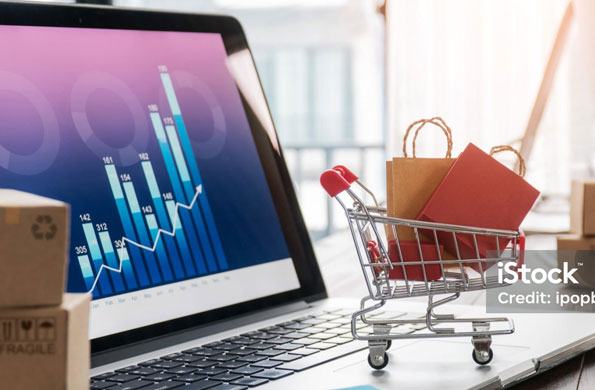
COVID-19 is rapidly transforming e-commerce by affecting consumer buying patterns.

2.   Switching to Online Platforms

Grocery e-commerce soared during the pandemic as 72% shoppers used their mobile phones to buy household items. Due to this, many retailers and brands have launched user-driven apps and revamped their online stores to improve the online shopping experience. Encryption of personal details has become stringent to support safe and secure payment methods.

3.   Offering Sales and Other Incentives

Many beauty and skincare brands are offering sales and discounts. Around 72% of the top online retailers are running promotional activities to attract consumers. Many luxury brands, including exquisite jewelers, have slashed prices to recoup sales. At departmental stores, markdowns are even steeper for steady revenue.

4.   Setting Up Curbside Pick-ups:

Amidst the COVID-19 outbreak, many businesses have switched to BOPIS (buy online pick-up in-store) and curbside delivery methods. Since early January, around 55% of the consumers placed online orders and opted for BOPIS for convenience and safety. However, the industry is still in its developing stages as we can often see long queues at pick-up points. Digital check-ins and scheduled pick-up times could be a few ways to enhance the experience.

5.   Strengthening Customer Relationships

To strengthen their brand image, many companies are supporting front-line fighters by providing them various incentives. Many cosmetic and alcohol brands have distributed hand sanitizers and protective gear among front-liners such as healthcare providers, law enforcement agents, and other essential workers. It is to show gratitude to those who are putting their lives at risk for our safety.

However, it is still too early to predict the implications as the circumstances are uncertain. The shopping behavior of millions of consumers has changed within just a few months. Besides, time-saving and convenience has put considerable strain on e-commerce merchants. Many are striving to remove friction in online shopping to build a loyal customer base. Nevertheless, there is a consensus among buyers and retailers that old shopping habits will resume once the lockdown ends. This would slow down the growth rate of e-commerce sales, thus giving them ample time to adapt to the new retailing landscape.

retail merchant mall

Retail Merchant Trends for 2020

As the effects of the pandemic continue, we’ll likely see more changes in the retail industry. Retail merchants had to make major changes while the economy was shut down, but those changes may continue. Retailers need to adapt to what consumers want and what the economy allows. Today, that means a lot more e-tailing than retailing among other things.

What retail merchant trends should you watch for? Here are some top contenders.

1.Brick-and-mortar locations will remain

Nothing replaces the in-person contact consumers need with a brand or product. In-store is where consumers fall in love. You may not see retailers expanding or new retailers popping up. What you may see, though, are more long-term pop-ups, flagship stores, or community events creating that brand awareness.

2.Quick order fulfillment

Thanks to Amazon Prime, consumers want their products now. They don’t even want to wait 2 days. Retailers must oblige if they want to compete. This means greater forecasting and understanding product cycles. If you can’t fulfill needs/desires quickly, consumers will move onto the business that can.

3.Personalized and streamlined experiences

retail merchants trends 2020

Retail merchant trends are rapidly evolving in 2020.


Retail merchants should use technology to their advantage. You can predict what consumers want using their past search and purchase history. Giving consumers personalized suggestions, or even pre-loaded lists excite consumers. They don’t have to waste time looking around. It also makes them feel ‘special.’ The combination is a win-win for you and your customers.

4.Brandless brands will increase

If consumers learned anything in the pandemic, it’s the value of a dollar. Even before the coronavirus, consumers’ interest in brandless brands increased. Now it’s skyrocketing. Today, consumers want the best bang for their buck. They don’t care as much about the label on the clothing as the quality they get.

5.Direct-to-consumer sales will increase

The direct-to-consumer industry has been around for ages. It may look a little different today, though. D2C companies realize consumers want relationships. They want to see, feel, and touch the items. This leads to ‘shoppable showrooms.’ Consumers can see and touch the products. They can even buy them there with the products shipped directly to them. There’s little overhead for these retail merchants. They use the area to promote loyalty and brand-image rather than carrying products.

6.Use in-store technology to create better experiences

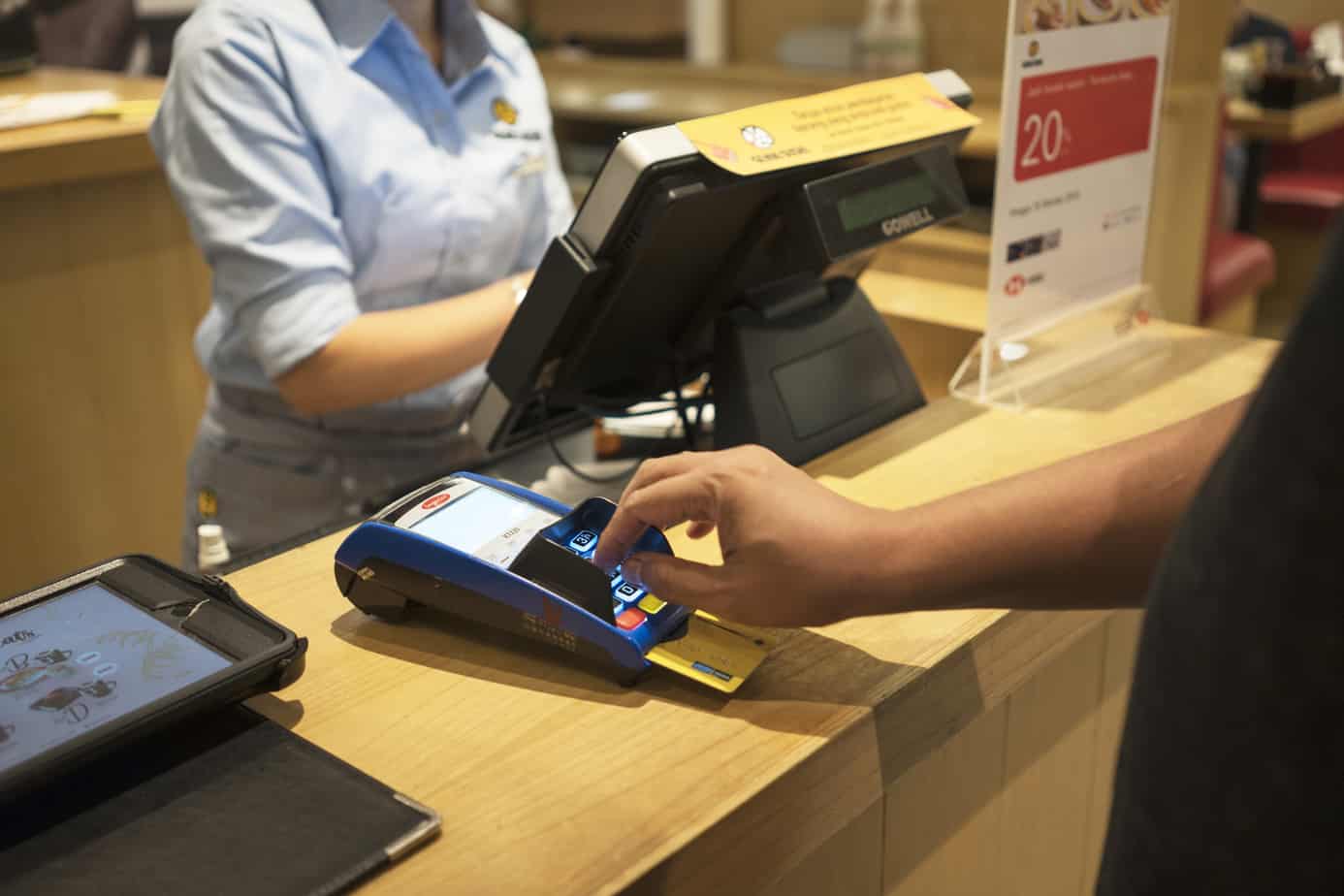
Retailers can’t predict how consumers will react. They also can’t read their minds. They can, however, use beacon and NFC technology. This helps retailers track consumers’ habits while in their store. Customers using store loyalty apps give retailers information on their whereabouts in the store. Stores can compare those whereabouts to the customer’s purchase (or lack of purchases) to make better marketing decisions.

Retail merchants face an ever-changing environment. As the economy opens up, stores will look different. They’ll cater to their e-commerce sector. But they must nurture the in-person customers too. It’s a delicate balance retailers must carry. Following the trends and giving what consumers want is the only want retailers today will survive.

PPP Funds Still Available yet Applications Slowing Down [2023 Update]

PPP funds disappeared in as little as 2 weeks when first released. The relaunch occurred on May 11, allowing more small merchants to take advantage. But, today the funds still exist and applications for the help are slowing down.

What are PPP Funds?

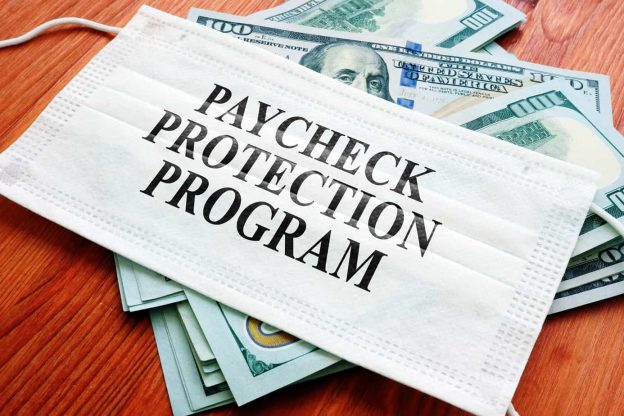
If you haven’t heard, PPP funds or the Paycheck Protection Program is a Small Business Administration Program providing small businesses with financial relief. The program gives employers an incentive to keep employees on payroll rather than letting them go.

With PPP, employers must keep employees on payroll for 8 weeks during the pandemic. The employer must also use the funds for payroll and other important bills, such as rent, mortgage, or utilities. The PPP funds should help keep the business running and employees off unemployment. In other words, it’s an attempt to keep your business open.

Why are Applications Down?

Many small merchants figured out their plan by now. They had their moment of panic when the PPP emptied within 2 weeks, leaving millions of businesses wondering ‘what now?’ That moment is gone. Businesses have done one of two things:

• Closing up shop and cutting their losses
• Created a plan to adapt to the current economy, change their offerings, and move forward

Many businesses think the Paycheck Protection Program has too many ‘unknowns’ and/or requirements. Yes, the loan may be forgiven, but only if you meet strict requirements. Many small business owners wonder if they met those requirements. What if things change?

ppp merchants loan covid-19 coronavirus

PPP is a program designed to assist merchants with maintaining payrolls through COVID-19

Worse yet, if you don’t apply for forgiveness, you must repay the loan. Many small business owners don’t want this extra load on their shoulders right now.

Are Small Merchants Coming Back?

As economies open up, with Georgia one of the first, business owners wonder if they should come back too. Is the largest worry over? Are consumers ready to spend money again?

All small merchants agree on one thing – we have to start somewhere. This may be why PPP applications are down. Business owners don’t want a bailout – they want to get back to doing what they love and that’s serving customers. If they delay things, take PPP and take their time planning, they may miss the boat.

The businesses that put their neck out there and tried it may succeed, leaving those that took the PPP in the dust. Is that where you want to be? Would you rather test the waters and slowly make a comeback on your own? Do you want government regulations breathing down your neck or do you want to reopen your business at your pace, doing what you’re comfortable doing?

PPP is a great opportunity for those that need it, but the numbers show that’s not a lot anymore. Small merchants want their business back. They don’t want another potential debt on their back that they can’t repay. It’s time for businesses to make a plan and see where they go.