Tag Archives: covid-19

FDIC Reports about bank profits

FDIC: Bank Profits Dropped 36.5 Percent In 2020

FDIC: Bank Profits Dropped 36.5 Percent In 2020

The Federal Deposit Insurance Commission or FDIC report says that United States banks saw significantly lower profits in 2020 than in 2019. Banks had earnings of about $147.9 billion in 2020. While the value might seem massive, the tally is 36.5 percent less than they had in 2019.

The profits dropped as banks guarded themselves against potential losses triggered by the COVID-19 pandemic. The ongoing uncertainty over how much banks could lose kept them from managing all their assets like usual.

FDIC Report: What Banks Were Doing

American banks were managing their funds a little differently as the 2020 year progressed. Banks were spending billions to hedge against the economic threat of the pandemic. The firms kept plenty of funds aside and wouldn’t start to use those funds until the second half of the year. The banks got through these losses late in the season due to people not having enough money for many reasons. Many people lost their jobs during the pandemic, and some have struggled to try and financially stay safe.

FDIC Report - What Banks Were Doing

Provisioning funds was critical to the success of these banks. Provisioning ensures that these banks have money set aside to cover any losses that develop. The unpredictable nature of the pandemic has made it necessary for banks to provision their funds well enough to keep their expenses in check.

Late-Year Growth in FDIC Reports

The FDIC reports that bank profits increased by 9.1 percent in the fourth quarter versus a year earlier. The profits went to $59.9 billion in that timeframe. The effect came from American banks holding enough cash to protect themselves from pandemic-related losses. The added protection gives the impression that these banks will start to rebound and produce more profits in 2021.

Late-Year Growth in FDIC Reports

The profit growth came mainly from the reserves dropping as losses kept on increasing. The totals were open to prevent banks from falling further behind and struggling.

The provision deficit that measures changes in funds set aside to pay for future losses saw a drop in the fourth quarter. The FDIC states that the provision deficit dropped by about three-quarters at the end of 2020. The number was at $11.4 billion at the end of 2019, but it has dropped even further to $3.5 billion this past year. The total is the lowest it has had since 1995.

The Power of Banks

While the significant drop in profits was noteworthy, FDIC chair Jelena McWilliams said in a statement that American banks remain powerful. McWilliams encourages people to trust American banks and see that their funds will be in positive shape.

McWilliams’ statement says that American banks are resilient and that their liquidity levels remain viable. The consistent capital these banks hold ensures they can stay safe against possible future losses.

What About Low Rates?

Banks have been dealing with low rates throughout the pandemic. Interest incomes have dropped for the past five quarters. Net interest margins were stuck at record lows in the fourth quarter. The lack of interest income has made it tougher for banks to stay profitable, thus requiring them to manage more reserves to cover these potential losses.

Other Losses of Note

Banks also saw losses from declines in commercial real estate prices. Many loans were scrapped during the pandemic as businesses shut down. Many vacant storefronts haven’t been replaced due to the economy continuing to struggle. The closures caused commercial real estate prices to drop, making it harder for these banks to bring in funds.

Commercial real estate losses may also continue to rise as the year progresses. The economy has seen a slight rebound and is expected to become stronger in 2021, but it might take a while before it can get back to pre-pandemic levels. People are also continuing to work and shop from home, making it rough for some of these commercial sites to stay open. How long it will take for these commercial real estate sites to become viable once more remains unclear.

Could Capital Requirements Become Stronger?

Federal Reserve Chairman Jerome Powell said in testimony to Congress that capital requirements on banks may change. These requirements might become stronger, meaning that banks would have to follow more standards for determining how much liquid capital each will have on hand.

The Federal Reserve relaxed some of these capital requirements last April. The relief will expire at the end of March, although there is a chance the relief will be expanded beyond that point.

Better Planned Than Others

While the American banks didn’t see as much of a profit in 2020, it was still better than what banks in other parts of the world saw. Other banks did not hedge against the possible losses they would experience in 2020 during the pandemic, leading to some significant struggles.

An example can be seen in Germany, where Commerzbank announced a loss of €69 million or about $84 million in the third quarter of 2020. While the loss wasn’t as dramatic as anticipated, it is a far cry from the nearly €300 million profit the country’s second-largest bank had in the third quarter of 2019. Commerzbank also reports that the country could see more bankruptcy filings as the country starts locking down once again.

The lack of preparation shows that banks can potentially lose money if they don’t figure out what might happen. The struggle to prepare proved harmful to Commerzbank, as the bank struggled to get anywhere from a financial standpoint this past year.

A Positive Development For Banks

While American banks are attaining fewer profits, they are still as strong as usual. Banks have been hedging against losses for a while, and they are ready to continue to hedge against possible threats. Banks can continue to see a rise in profits as the pandemic starts to ease up and the economy progressively recovers.

The FDIC has high hopes for American banks to have a more successful 2021. The infrastructures of all these banks prove that they are ready for a rebound.
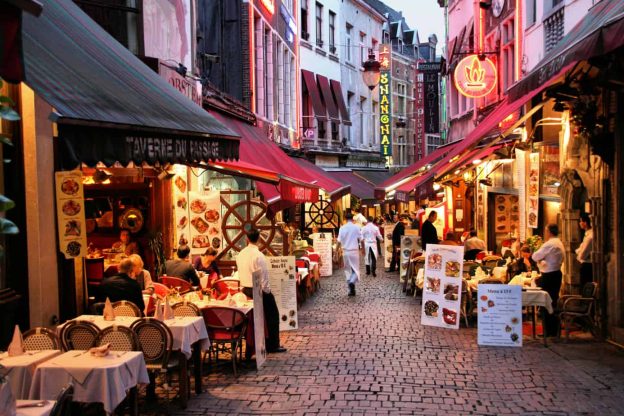
Restaurant and Hospitality Rebound 2023

Restaurant and Hospitality Rebound? Demand for Dining Set to Surge Post-Pandemic [2023 Update]

The COVID-19 pandemic has caused immense harm to many industries. Many places are unable to open, and the ones that can open are doing so with significant restrictions. There’s also the concern of people not feeling comfortable returning to certain public places for fear of the spread of COVID-19.

However, the restaurant and hospitality rebound is expected in the coming future. The demand for dining will rise, especially as the signs of the pandemic start to deteriorate. But the ways how the field will change and what people can expect in the future remain interesting to watch, especially with some people having a better chance of returning.

The restaurant and hospitality industry has especially been impacted by the pandemic. People are not willing to enter dining and entertainment establishments, what with them being places where many people can be found at a time. There’s a general fear among many that these places are “super-spreader” spots.

Restaurant and Hospitality Rebound – A Strong Interest In Leaving the House

Many people who used to enjoy going to restaurants and other places outside the house have expressed a reduced interest in doing so during the pandemic. Many of these people have gone towards alternatives like dining at home and ordering in. But as it turns out, there has been an increased interest in people wanting to go places once again.

Restaurant and Hospitality Rebound

The website PYMNTS recently reported that a majority of people are interested in leaving home more often. A survey of 2,000 people found that nearly 60 percent of them have some significant level of interest in leaving the house and go places. The numbers are higher for those who make at least $100,000 a year, as those who do have a greater interest in out-of-home experiences.

People also have varying reasons for why they want to leave their houses more often. Some people want to see their friends and family members more often. Others want to go to leisure events or travel more often. Some people are simply bored and want to go back to the physical locations where they normally enjoy in their lives.

How Old Will These People Be?

PYMNTS found baby boomers are the people most likely to want to eat at restaurants more often. Each age group after that is less likely to want to go out, with people in Generation Z having the least interest in eating at restaurants. The traditional entities that baby boomers may be interested in may have a better chance at rebounding than the trendy ones that cater to younger audiences.

Restaurant and Hospitality Rebound - GenZ eating out

Some younger people might have settled in on routines that have developed in the past year. These include efforts like shopping at grocery stores and other things that people might deem to be “necessary.” Getting people to escape their newfound comfort zones may be a challenge unless businesses know how to cater to their expectations.

Who Will Survive?

While the restaurant and hospitality industry is expected to make a comeback, there exists a concern over which entities will survive. Businesses with an average unit volume or AUV of at least $1 million appear to have more control over the situation at hand. About a third of these restaurants saw their revenues drop since the start of the pandemic. Meanwhile, nearly two-thirds of restaurants with AUVs of less than $250,000 saw their earnings decline during the pandemic.

Managing Consumer Expectations

The industry will also need to understand and respect the new expectations consumers have. Many people, particularly younger audiences, may see dining and hospitality experiences to be unsafe and dangerous. They might think that they continue to be unnecessary forms of human interaction.

Consumers are expecting businesses to focus on the health and safety of their patrons. Part of this might entail focusing on capacity restrictions, cleaning protocols, and digital experiences.

Restaurant and Hospitality Rebound - Managing Consumer Expectations

Contactless hospitality may be a point to see in the future. People may not be comfortable with using public kiosks or other items that people may get in contact with throughout the day. The development of one-stop mobile apps that allow people to handle many things in their dining and hospitality experiences will be critical. A single app could help with everything from managing payments to setting up reservations and many other points. The overall goal should be to allow consumers to control their experiences while also minimizing potentially unnecessary contact.

Focus on Reservations

Reservations may also be critical for the restaurant and hospitality fields. It used to be that people would often walk into a restaurant at any time of day and enjoy a meal. People could also choose to reserve a hotel at random times if they travel and anticipate they will need service sooner than expected. But people aren’t willing to do that during the pandemic, and their habits might have changed to where they’ll expect reservations in the future.

By allowing people to schedule reservations when they can use certain services, it becomes easier for a business to keep people feeling confident about where they enter. They will know that a business cares about managing its capacity standards.

Mobile Ordering Is Necessary

While these fields should rebound after the pandemic, it may be a challenge for some to recover, as many younger audiences have adapted to new ways of living. Mobile ordering may be a necessity for the future. Mobile ordering allows people to reserve their meals or other experiences ahead of time, letting them know what they are getting is safe and easy to utilize.

A PYMNTS report says that most restaurants have seen a rise in sales through mobile ordering offerings. These establishments can provide mobile ordering opportunities to make their products accessible to everyone, including those outside these spots.

An Interesting Future

The restaurant and hospitality fields will see a rebound in the coming years after the pandemic ends. But how these industries will change in the long run remains unclear. The ways how these businesses will interact with others and details on which ones have the best chance to survive remain uncertain.

Convenience Store

Smart Tech Keeps Convenience Stores Relevant as Industry Declines

As the pandemic continues and more people turn to online shopping versus running into local convenience stores, the industry has seen a decline of almost 2 percent since 2019. Consumer spending habits changed drastically as everyone tries to stay safe.

Fortunately, smart tech helps keep convenience stores relevant in society by thinking outside the box and helping stores offer services they didn’t offer before.

How are Convenience Stores Changing?

With fewer people commuting and/or fewer people making traditional brick-and-mortar purchases, merchants are finding ways to meet customers where they need it.

For example, 7-Eleven and other large convenience stores implemented delivery services. Some partnered with companies like Shipt and DoorDash, while others offer their own delivery services within a specific radius.

Convenience stores also offer contactless payments for their credit card customers and self-checkout choices for consumers who want as little contact as possible.

Some convenience stores in large areas, such as airports, are utilizing Amazon’s ‘Just Walk Out’ technology which recognizes the items a customer takes and charges the purchases to their credit card. Amazon has used the technology in their retail stores for a while and convenience stores are taking advantage, too.

Focus on How you can Instill Convenience

The name of the store says it all – ‘convenience.’ It’s why millions of people subscribe to Amazon Prime – they can have what they need/want to be delivered the next day usually. They don’t have to leave their home and still have the convenience of what they need in hand.

As the pandemic continues and the convenience store industry sees almost a 2 percent decline, it’s important to think outside the box.

How can smart technology help you give your customers the convenience they desire?

Credit card processing is big. While most stores already accept credit cards, instilling contactless payment methods is the key. Customers want as little contact as possible. When they feel safe shopping in your store because of the minimal contact, they’re more likely to shop at your store.

Smart apps and mobile payments are another great option. Whether you partner with a delivery company like DoorDash or you do your own thing – providing customers with contactless delivery gives them the option to stay loyal and safe.

If delivery isn’t an option for your convenience store, consider curbside pickup. This offers your customers another way to get the products they need without unnecessary contact.

Think Outside the Box

Today, it’s all about convenience and safety. Customers are even willing to pay more in certain situations if they know their safety is protected.

Show your audience you care about their wellbeing and will do whatever is necessary to keep them safe while providing the products they know and love.

As the pandemic continues and the industry continues declining, it’s about who stays in front of the issues, utilizing smart technology and giving customers alternative ways to shop and pay so they have the products they need and continue to patronize your business.

COVID-19 Payment Trends

COVID-19 Payment Trends Are Here to Stay, Says Visa

As we near the one-year anniversary of the pandemic, it’s apparent that the latest payment trends that took place at swift speeds are here to stay.

The most common changes businesses are implementing include contactless payments, ‘buy now, pay later’ options, and increased security protection. In short, small and micro businesses need to cater to customers in the areas they need it most – they want to stay safe, yet still conduct business as usual.

According to the Visa ‘Back to Business Study,’ more than 80 percent of small and micro businesses changed the way they accepted payments and/or did business. The study also found that business owners are still looking for ways to implement new strategies to protect consumers from fraudulent transactions, accept contactless payments, and offer additional payment opportunities.

What Most Businesses are Doing Today

  • Contactless payments – The largest surge of payment changes are how merchants collect payments. In-person swipe or chip cards aren’t nearly as common as contactless payment options. In the summer of 2020, only 20 percent of small businesses offered contactless payments. Today, that number is at 40 percent of businesses and climbing.
  • Increased digital payment options – Many small businesses also reported meeting customers where they are – online. Most customers want to do business digitally to avoid unnecessary contact that could put them at risk. Whether that means curbside pickup or home delivery options, many small businesses are adapting to what consumers need.
  • Protecting against fraud – Protecting against fraudulent transactions is the key to successful business transactions. Many businesses still have a long way to go in this department, but many businesses are going in the right direction.

Why Contactless Payments are so Important

Many businesses focused first on mask use in-store, which is a large concern. But consumers have more concerns than the airborne risk not wearing a mask poses. They want to know they’re protected from all shared devices which include pens, credit card machines, and handling cash.

Offering contactless payment options for credit card processing keeps your customers safe and gives them a reason to come back. If they don’t feel supported or validated in their concerns, they’ll take their business elsewhere.

What Else are Businesses Doing?

Besides the precautions taking place in the store with credit card processing and avoiding shared devices, customers want an online shopping option too.

Businesses that didn’t sell anything online are now online. According to the Visa study, in the summer of 2020, only 27 percent of small businesses jumped online, while by winter of 2020 43 percent of businesses are online and the number keeps growing.

Small businesses that want to see their business through to the end of this pandemic must meet the customer where they are. The trends that the pandemic started aren’t going to go away when the pandemic dies down. Instead, it will be the ‘new normal’ for most consumers, so the sooner you jump on the bandwagon, the more your business will grow.

PPP Round Two

PPP Round Two: What You Need to Know

The Paycheck Protection Program is back and supposedly better than before, helping small businesses stay open during the pandemic. If you didn’t make the first cut or were confused by what was required and/or offered, here’s your second chance to get funds to help you stay afloat. Here’s what you need to know.

The Requirements

Businesses eligible for the second round of PPP loans must meet one or more of these requirements:

  • Proof of at least a 25 percent revenue deduction in any 2020 quarter versus your 2019 revenue for the same quarter
  • Proof you expended all or most of the first round of your PPP loan if applicable
  • Proof you have 300 employees or fewer

If you didn’t receive a PPP loan in 2020, the requirements differ slightly:

  • Proof you started your business before February 15, 2020
  • Prove you have no more than 500 employees
  • Proof you are still open and operating despite the pandemic

Proving the 25% Revenue Reduction

Businesses have two ways to prove the 25 percent revenue reduction, which is a requirement if you received the first round of PPP loans:

  • Prove your gross annual revenue was at least 25 percent lower in 2020 than in 2019
  • Choose a specific quarter from 2020 versus 2019 and prove the revenues decreased at least 20 percent for that quarter

How can you Use the PPP Funds?

The first round of PPP funds was limited to payroll, rent, and utility expenses.

The second round of PPP loans has looser guidelines and may be used for:

  • Operating expenses
  • Property damage costs (e.g., from public disturbances)
  • Supplier costs
  • Purchase of PPE for employees

Loan Forgiveness

The loan you receive and the amount that’s forgivable may vary. The forgiveness rules for the second round are similar to the first.

You must use at least 60 percent of the funds for payroll and your staffing level must be similar to the staffing levels before the pandemic. Any remaining funds beyond the 60 percent used on payroll must be spent on eligible operating expenses to keep the business running.

Businesses must apply for forgiveness when they expend all loan proceeds and before the loan’s maturity date. Businesses that don’t apply for forgiveness within 10 months of the covered time must make payments on the loan.

You apply for PPP forgiveness through the lender providing the PPP loan.

Ensure you Qualify Before Applying

The first PPP round was questionable as many businesses who claimed were ‘small businesses’ technically didn’t qualify for the loan.

The second round has tighter restrictions for qualifying and threatens an audit and legal trouble if the loans were taken under false pretenses.

If you’re a small business struggling and you meet the above requirements, contact your local bank authorized to offer the PPP loans and see if you qualify. It’s the best way to keep your company afloat while we navigate the rest of the pandemic throughout 2021.

Couple In Restaurant Eating Fast Food 14084025

Tipping Goes Virtual as COVID19 Impacts US Restaurants

COVID-19 has affected restaurants harder than many other industries mainly due to the lack of cash flow. Not that restaurants aren’t making the money, they just make it differently. Most payments are electronic to avoid the risk of passing germs with cash (not necessarily because of the lower accessibility of it).

That leaves restaurant owners and wait staff with a problem. How do they get paid? If there’s no cash, owners have to run to the bank, which isn’t as easy as it used to be thanks to the pandemic. Wait staff, who deserve to have their tips right away, are now forced to wait, sometimes as long as two weeks until they receive their paycheck.

Fortunately, many restaurants have started tipping virtually, here’s what that means.

eTipping is an Option

Many restaurants have turned to eTipping, similar to what Uber and Lyft offer. At the end of the night when the restaurant closes out the tabs, they electronically send your tips to your bank account. You should have the funds within a day (usually less) this way.

Here’s the problem.

It doesn’t work for every restaurant or employee, for that matter. If an employee doesn’t have a traditional bank account, it could cause more trouble than it’s worth.

Pay Cards

Another more common solution is pay cards. They work like debit cards and restaurant owners can load the cards with the appropriate tips at the end of each night. Employees then have the money available on a card that they can use like a debit card.

Here’s the problem.

Not all retailers or businesses accept all cards. Many pay cards also have fees, sometimes a monthly fee and sometimes a fee for each use. This reduces an employee’s pay, which right now is the last thing anyone needs.

The Benefits of Electronic Tipping

No matter which method you choose, there are many benefits of electronic tipping including:

  • You don’t have to worry about cash flow. With fewer customers paying cash, you’d have to constantly run to the bank to payout tips in a timely manner.
  • You don’t have to resort to payroll tips. Waitstaff and bartenders are used to receiving tips the same day they earn them. Making employees wait until payday would mean putting them off for 2 weeks. This could cause bill paying problems and financial destruction.
  • There’s a lower risk of mistakes and theft. Dealing with cash is risky business. Withdrawing large amounts of cash and doling it out creates plenty of room for errors, misplaced cash, and even theft.

Virtual tipping isn’t as ‘new age’ as it sounds and it could be more beneficial for restaurant employees in the long run. Restaurant owners must work out the kinks, find the right program that suits their employees, and make sure it’s an easy enough system to adapt during these trying times when every aspect of our lives are changing whether we want it to or no.

Covid 19 Business And Financial Crisis Concept Dollar Money Bill With Coronavirus Icons 3d Illustration Covid Impacts Global 180851930

COVID19 Drives Adoption of Contactless Payments and Curbside Pickup

Today, shopping retail and even picking up food at a restaurant looks different. Most customers prefer contactless payments and curbside pickup. They are the norm – they are expected. Contactless payments are just one more way to reduce the risk of sharing the virus. With less cash flowing around, the risk lessens, especially when consumers can pay online before they arrive or can use a digital wallet, like Apple Pay.

Curbside pickup used to be a luxury and one that not many customers used. COVID-19 turned the tide on it and so far it looks like there is no going back. Stores and restaurants need to offer curbside (touchless) pickup if they want to remain competitive.

Adopting Contactless Payments

Most stores and restaurants accepted the standard payments – credit and debit cards and some accepted digital wallets, but not many. Fast forward to today and it’s rare to see a business that doesn’t accept contactless payments, whether online payments, digital wallets, or direct transfer from PayPal or Venmo.

Consumers look for those extra payment options. They want the choice of how they’ll pay whether it’s online or in person. Everyone’s looking for contactless payments so even if they shop in-store, they don’t have to touch the credit card machine that everyone else touched too.

Curbside Pickup is the New Norm

Customers today want to walk into a store as little as possible. Rather than paying shipping costs and waiting days for it to arrive, they want instant gratification with curbside pickup. This means two things for retailers:

  • Your inventory system must be up-to-date in real-time all the time. You can’t have customers buying products to pick up that day only to find out a few hours later that it’s not in stock. You won’t have happy or repeat customers.
  • You need a seamless curbside pickup routine. This may mean hiring more staff, setting up new procedures, and creating new routines. The key is keeping a steady flow in the lot, and getting customers their items fast.

Buy Now Pay Later Plans are Important Too

During these trying times, many consumers need help. They don’t want to change their normal holiday shopping routine and give less during such a treacherous time in our lives, but many can’t afford it.

Buy Now Pay Later options give customers more choice. They can shop like they used to despite not having the cash resources today. Adding Buy Now Pay Later options on your website makes it easy for customers to apply in the privacy of their own homes. With an instant answer, they’ll know their options without facing anyone face-to-face.

Getting with the Times

COVID-19 changed a lot for retailers, and the changes are continuing. It’s important to adapt to what consumers need today to keep them and yourself safe, but also your business thriving. The right business model will help your business get through the pandemic and all that it’s changed.

Natural Christmas Background With Happy Holidays Label 45255814

Top Ways Merchants Can Succeed During the Holidays in 2020

COVID-19 changed so much for millions of people, but retailers were among the hardest hit. Now that the holidays are upon us, retailers must act smart and fast. What happens in the last quarter of 2020 could make or break your business.

So how can you succeed during the holidays? Check out our hottest tips.

Have an Online Presence

Every business, even small brick-and-mortar stores need an online presence. Millions of consumers will shop online this year and skip in-person shopping altogether. Not having an online presence could be the difference between staying in business or not.

If you already had a website now is a great time revamp, update, or otherwise make it better.

Make Sure your Website is Fast and User Friendly

Your website must be able to handle a lot of traffic and your staff able to handle the influx of shipments, deliveries, and returns, all while providing great customer service. If shoppers are frustrated at your website speed, they may move onto a competitor.

Aside from speed, think of user-friendliness. How easy is it to use the website? Can all customers (including new customers) find what they need quickly? Is it easy to spot where and how they can contact customer service?

Offer Valuable Services

Today, consumers want to know what you’ll do for them that goes above and beyond the norm. Sure, they can order online, but what else do you offer?

Here are a few ideas:

  • Curbside pickup for contactless service
  • Real-time inventory updates for better service
  • Offer more payment options including ‘buy now pay later’
  • Staff accordingly so you can answer customer questions, provide timely curbside pickup times, and offer any other necessary support

Market your Business

Don’t forget in the madness of the holiday rush, all the changes, and observing COVID-19 regulations, to market your business.

All businesses will be operating online and hoping for the same target audience. Find a way to stand out from the crowd. What do you have to offer that others don’t? Focus on that when you market your business.

Don’t forget to get on social media – all platforms including Facebook, Instagram, and even Tik Tok if you have a young audience. Offer specials and give other reasons to get your company ahead of the market.

Get Ahead of the Market

This year will look different than any others. Black Friday may not bring in the same numbers in-store, but you can do the same thing online. Appeal to your audience who feels more comfortable staying home and prepare yourself now.

Most customers are shopping early this year – don’t miss the opportunity to grab the sales now, earlier than ever, and build trust in your customers. Don’t use this as a time of trial and error, but rather a time to find a solution to the problem that all businesses will face today – satisfying both the in-person and online customer to the same level.

Everything You Need to Know About Contactless Payments During COVID-19

Contactless payments allow consumers to pay for goods or services without needing to physically swipe a card in a machine or pass the card to another person. By tapping a phone or card on or near a terminal, near-field communication (NFC) enables the consumer to transmit payment information without physically touching anything. For a variety of reasons, U.S. consumers were slower than their global counterparts in adopting the technology, but due to the fear of COVID-19 infection, they are quickly catching up.

A new study from Visa shows that more than two thirds of customers say they would switch to businesses now offering contactless payment solutions. And more than three quarters of consumers say they have changed how they pay due, in part, to the COVID-19 pandemic. The study involved a survey asking 250 business owners around the world their view of business operations in a post-COVID world, as well as a survey of 1,000 adult consumers asking about their payment and shopping habits.

And in a MasterCard survey of 1,000 Americans, 51 percent used contactless payments at the point of sale in March or April 2020, and half of those people said the COVID-19 pandemic prompted them to try the technology for the first time. Roughly half of U.S. consumers told MasterCard they’re using cash less, or not at all, due to the pandemic.

The pandemic rushed U.S. consumers to a place where the rest of the world already lived. In 2018, only 3 percent of cards in use in the U.S. were contactless as opposed to 64 percent in the U.K. and 96 percent in South Korea, according to a study by global management consulting firm A.T. Kearney.

The Federal Reserve’s annual “Diary of Consumer Payment Choice” showed cash, which was the #1 payment method last year, came in second to debit cards this year. Credit cards were a close third place.

Here are just a few points regarding contactless payments:

  • Contactless Payment Most Important Safety Measure
    The Visa survey reports 46 percent of consumers believe contactless payments are the most important safety measure for retailers to provide.
  • Signature Required
    One thing contactless payments cannot help are required signatures. Some retailers are still requiring signatures even in the middle of a pandemic.
  • Public Transit
    Contactless payments allow commuters to speed through a subway turnstile versus waiting in line to load money onto a transit swipe card.
  • Digital Coupons & Loyalty Points
    Some grocery stores still require customers type in their phone number to redeem digital coupons and receive loyalty points despite simultaneously offering contactless payments. One workaround is asking the cashier to type in the number.

Consumers are rewarding businesses that put COVID-19 safety measures at the top of their priorities. With more and more consumers adopting contactless payments in response to COVID-19, businesses who offer the technology are finding an increase in demand.

Host Merchant Services

Don’t run the risk of losing out on business: Host Merchant Services can help your business implement contactless payment capability. Depend on a stable and reliable payment processor to partner with your business to minimize the impact of worldwide instability. Payment processing should be the least of your concerns. Delivering personalized service and clarity, Host Merchant Services takes the time to explain your payment processing. We want you to understand your monthly statement, and we will ensure that your statement matches our promises during our sales presentation. If you do have questions, you can reach a live representative any time, any day. HMS offers wonderful customer service, as well as great rates.

Host Merchant Services even explains where our profit lies in the pricing structure to be fully transparent in all directions. Pricing fairness and transparency is our strategy in helping our customers find success with their businesses.

How Will the Pandemic Change the Landscape for Restaurants in the US?

The Coronavirus pandemic has been wreaking havoc on the hospitality industry worldwide. However, some unexpected casualties are on their way for the US as a surprisingly large percentage of its restaurants decline and are forced to shutter their doors permanently.

Due to a mix of lockdowns and social distancing restrictions, many restaurants have frantically tried to adapt their business model to the “new normal.”  Since eateries could only send out their orders through takeout, online ordering, delivery etc. and many were forced to decrease their dine-in occupancy count, the sharp decline had to happen. In fact, experts suggest that the above factors are enough to lead many restaurants to shut their operations.

An Overview of the Current Condition of the US Restaurants

According to celebrity chef Wolfgang Puck, around 25 percent of small US restaurants will never see the light of dawn. He said, “They’re going to stay closed because they ran out of money and the landlords are evicting them. So it’s a really tough time.”

Running a restaurant is a challenge in a healthy economy, let alone managing a tattered one. For a restaurantowner to generate and maximize profits, he/she needs to fill at least 80 to 85 percent of the seats. Only then they can achieve break-even.

Now, with a pandemic-stricken economy, the costs and risks have greatly increased. The food delivery services, such as Uber Eats, keep 15 to 20 percent of the overall restaurant payment bill. Other than this, hosting customers means added costs to ensure that SOPs are followed, and safety measures like hand sanitizers, masks, and shields are available in quantities. However, not every restaurant can survive with these restrictions.

“The reality is not all of these restaurants are going to come back,” says Christopher Gaulke, a lecturer in the food and beverage area at Cornell University’s School of Hotel Administration. “Expectations are that as many as 30 to 40% may not come back, of the independent restaurants, your mom-and-pop-style sit-down [restaurants].”

On the other hand, restaurants like Domino’s and Chipotle, who solely thrived on takeout and delivery, are coping well.

The Takeout Restaurants Are Doing Fine

“Anyone that was in the takeout and delivery game before this has just done incredibly well,” Gaulke points out. “If you look at Domino’s, Chipotle, these chains that had invested so heavily in the technology for enabling third-party delivery or online ordering, etc., they’re all doing well.” Since their dine-in facility was only more or less an extra source of revenue, they don’t feel threatened and aren’t expected to lose everything to the pandemic.

The only way US restaurants can survive the COVID-19 crises is through innovation and working on their ability to adapt. They need to go beyond standard menus and design meal kits to cater to the masses. As Gaulke puts, “We have a company here in town that has started selling meal kits and groceries, as well as pre-made foods.”

Final Thoughts

It is never too late! Restaurants heavily dependent on in-house dining will continue to suffer compared to the delivery and takeout spots. Hence, it is advisable to invest time, energy, and money to redesign the restaurant business models and prioritize delivery, meal or grocery kits, and takeout if restaurants want to remain in the business through the COVID-19 pandemic.