
Tag Archives: chargebacks

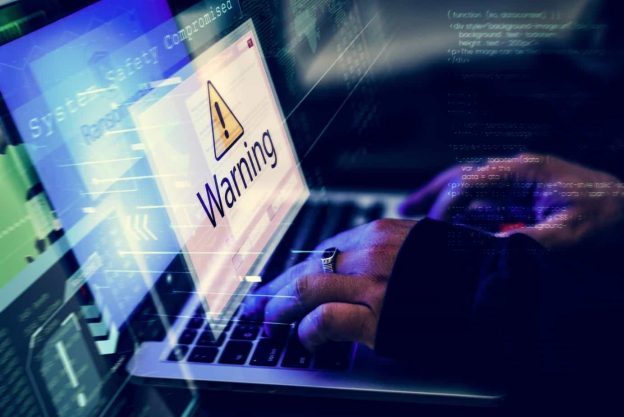
hacker trying to hack in to computer network with warning screenshot 122102799

Merchants Called To the Offensive In Battle Against Cyber Fraud

Cyber Fraud has been a concern that merchants have been dealing with for a while. But the increasing use of online payments during the global pandemic has forced merchants to take it a little more seriously. The risk of fraud has never been greater than it is now.

People are engaging in fraudulent activities while online more than ever. Friendly fraud is a concern, as people are requesting chargebacks on many transactions after they collect their items. While customers are running off with various things, online retailers are losing money from chargebacks. 

Traditional forms of cyber fraud are still prominent. These include the use of malware, remote access Trojans, and other things that can target a merchant’s system. It becomes easy for thieves to steal data and compromise a website with these tools. A business will lose money on chargebacks if this happens. These chargebacks can be worth significant amounts of money, as data thieves often make expensive purchases through the identities they steal.

Online merchants are more susceptible to fraud than ever, but it doesn’t have to be this way. These retailers are working harder than ever to control cyber fraud. They are using many efforts to reduce the risk of fraud and to keep their investments under control. All of these moves are about going on the offensive and working harder towards identifying fraud.

Confirming the Customer’s Identity

Many cases of cyber fraud can occur when a person tries passing oneself off as another person. Online identity theft is a concern, as anyone could log into an account and claim to be that person. The customer will quickly engage in fraud after stealing that identity.

Merchants are fighting this form of fraud by using further measures to confirm each customer’s identity. The business can confirm details like one’s billing and mailing address, credit card data, and other factors.

The customer’s IP address will also be a factor. The IP address of the connection one uses when purchasing something would have to link up to the billing or mailing address one uses, for example.

Customers can also monitor other things surrounding a person’s identity, like one’s phone number or email address. A phone number might be listed in an area outside one’s area or have a billing address outside where one lives. The email address might also look fake or be registered in a different spot.

Other sudden changes like a higher frequency of orders or a significant increase in one’s order amount versus prior purchases could also be points of review. Merchants can check these things to flag possible fraudulent activities that might result in chargebacks.

Managing Internal Data

Internal data can also help identify cases of fraud. The business can monitor all the activities the customer enters. The team can monitor when that person logs into an account, what products someone purchases, unique promo codes one uses, and other activities. A merchant can compare internal data with everything else a customer is doing to confirm a transaction or to directly question whatever someone is doing while online.

The work is about finding unique changes in one’s behaviors. Anything that is out of the ordinary will be flagged. The goal is to prevent the customer from completing the transaction before anything can go forward.

Finding Fraud Through Behavioral Analysis

Artificial intelligence will play a critical role in preventing cyber fraud in the future. Behavioral biometrics technology is one part of the work. This system is a solution where a customer’s behavior is monitored in real-time. The customer’s interactions with online apps and devices are measured to identify how they act and if they show signs of possible fraud. The AI system will review these details and determine if the user is real or if that person is trying to commit fraud.

The behavioral biometrics system can also identify when a user is a remote access Trojan, a malware program, or a non-human entity. The effort can catch parties that might commit fraud. The work does not entail going through specific private details, but rather about confirming the person is accessing a site from a place where one might appear.

Positive Profiling Also Works

Another solution for preventing cyber fraud entails positive profiling. The practice involves using Big Data to review a person’s behavior through various retailers and websites. The customer’s behavior is compared with actions from other confirmed fraud suspects. The customer is screened instead of the transaction, providing a more accurate response to the issue.

Positive profiling is not about trying to uncover private data on a customer. It is about monitoring the customer’s shopping activities. It confirms that the customer is acting like any other shopper and that nothing is out of the ordinary.

A Chronological Analysis

The last point merchants are using to stop cyber fraud entails using a chronological review of everything happening in a chargeback. This part of stopping cyber fraud entails what happens after the transaction, but it can potentially prevent friendly fraud cases.

A time-based review can analyze the customer’s identity, prior purchase or shopping behaviors, and other details surrounding a transaction. The retailer can review how the deal is different or similar to others. The work is about showing that a person might have made a proper transaction and is trying to cheat one’s way out of paying for it. But it could also confirm that a legitimate chargeback is necessary. Whatever the case, it can still reduce the general risk of excess chargebacks in the process.

Will Everything Work?

People are going to keep on attempting cyber fraud no matter what happens. Some people will want a free ride on things, while others might be desperate and willing to do what it takes to avoid spending money on items. Whatever the case, online retailers are more proactive in reviewing possible cyber fraud cases. Their work is about preventing fraud and protecting their investments. With fraud being on the rise, these businesses will need to be more adamant when fighting fraud.

Frequently Asked Questions

cozy restaurant 39875776

Friendly Fraud Becomes Sworn Enemy For Restaurants

Restaurants have already been hit hard during the pandemic, as they are subject to various restrictions. Many places cannot open for anything other than delivery. Reduced dining room capacity keeps these businesses from bringing in as much income as usual. There’s also the worry about further restrictions coming later.

One other concern that is harming restaurants entails friendly fraud. This issue has become more prominent during the pandemic. People are buying more products and services online than ever. It has become easier than ever for people to get refunds on purchases they already consumed or utilized. People can get chargebacks instead of restaurant-issued refunds on their purchases.

The problem is simple, but it can be resolved or reduced if a restaurant uses the right measures. These include efforts for reviewing disputes and for accepting alternate forms of payment.

What Is Friendly Fraud?

Friendly fraud is where a customer will get a chargeback on a transaction the customer completes while online. The effort entails a few steps:

  1. A customer will complete a purchase with a credit card while online.
  2. The person receives the products or services.
  3. The customer will then request a chargeback from the issuing bank. The person must file an explanation surrounding the removal.
  4. The bank will review the request.
  5. The bank then decides to accept or decline the chargeback.
  6. If accepted, the bank will cancel the transaction.
  7. The consumer receives a refund of whatever one spent on that purchase.

The effort makes it easier for people to get things they want for free. Restaurants are hurt by this as people purchase foods for delivery or takeout online. Those people can then ask for chargebacks after they acquire whatever foods they ordered. The move provides free meals at the restaurant’s expense.

Who Is Liable?

A restaurant or other business will be held liable when a chargeback occurs. The merchant is accountable despite any efforts to verify the deal. Sometimes the customer requesting the chargeback might say the transaction was unauthorized. The move makes it easier for that person to get the full refund.

This concern has become prominent during the pandemic. Fewer people are dining at restaurants and are ordering home delivery. They do this for safety reasons, but some are starting to abuse the system.

It is easier for friendly fraud to occur when someone completes an online to-go order. The card doesn’t have to be present for an online transaction.

Other Payment Platforms Hurt

Another concern restaurants are dealing with entails how other payment platforms work. Many digital platforms people use for ordering foods from restaurants will move transaction data through an outside party. There exists another layer between the customer and restaurant due to these external programs.

It could become easier for people to request chargebacks if they purchase foods through these other platforms. The customer could claim that the food one ordered was ruined while in transit, or the delivery never came. But these points might not be valid, and it might be tough for a third party to dispute this point.

Why Do Card Issuers Usually Side With the Customers?

While the customers often lie about their chargebacks, it is easy for them to take advantage of this point. There are many reasons why card issuers will stick with the customers in these disputes surrounding friendly fraud:

  • Card issuers have zero-liability policies, meaning the customer isn’t liable for any unauthorized purchases.
  • Online transactions are card-not-present deals, meaning anyone could use a card so long as one has it in one’s possession.
  • Consumer protection regulations focus on protecting customers from abusing card companies or businesses. They may be more willing to support the customers to keep their positive images intact.

Why Are People Engaging In Friendly Fraud?

The main reason people participate in friendly fraud towards restaurants entails their own financial struggles. Many people have lost their ability to bring in income during the past year. People might be willing to do anything they can to reduce their expenses.

The faulty mechanisms surrounding fraud protection for online food purchases are another factor. Since these transactions are card-not-present deals, it becomes easier for people to produce claims. They could say someone else had the card in hand, for example.

How Can Restaurants Fix This?

Friendly fraud is a legitimate concern that will likely become worse. More people will start to learn about it and take advantage of this point. But restaurants can fix this problem before it can become more widespread. They can use a few points for help:

  1. Digital wallets can add protection.

Digital wallets like Google Pay or Apple Pay allow people to complete transactions through a P2P network. The system doesn’t require any outside banks or delivery parties. It is also easier for people to confirm their identities through these digital wallet programs.

  1. Cash-on-delivery may also work.

Cash-on-delivery transactions may become necessary for some restaurant purchases. COD deals allow people to pay for their foods when they are delivered or when they pick them up. The customer can use a credit card, although cash could also work if the customer prefers this option.

  1. Artificial intelligence support is necessary.

Restaurants can use artificial intelligence or AI technology to review and resolve disputes. AI can review customer disputes and identify the best resolution methods. The work reduces the risk of chargebacks and ensures businesses can issue refunds when they are legitimate.

  1. Regular interaction is critical.

A restaurant can also communicate with the customer whenever there’s a problem. The restaurant can talk with the customer about the issue at hand. The two parties can find a reasonable way to resolve the issue before a chargeback is necessary. Having a more transparent system may also discourage people from committing friendly fraud.

Friendly fraud will be a significant concern for restaurants to watch for now and into the future. But the taking the right efforts for preventing the issue will help.

What to Know About Chargebacks, How to Avoid Them, and How to Win Them

What to Know About Chargebacks, How to Avoid Them, and How to Win Them

An unfortunate part of running a business is the risk of chargebacks. While they are a natural part of accepting credit card payments, if they get too excessive, it can make you a ‘risky’ merchant, causing you to lose your merchant account.

Here’s what you must know.

What is a Chargeback?

A chargeback is a charge reversal. The customer initiates it and it’s usually due to wrongdoing on the merchant’s part, or at least that’s what most people think. Since a chargeback protects the consumer and not the merchant, you’re on the losing end right from the start.

Common Reasons for Chargebacks

Chargebacks happen for a million reasons, but some of the most common include:

  • Customer dissatisfaction
  • Fraudulent charges
  • Clerical error

The most common reason is identity theft or fraudulent charges. But anything can happen, and customers can initiate them if they feel warranted.

So how do you avoid chargebacks? Here are some tried and true methods.

Make your Payment Description Clear

How often have you seen a charge on your credit card you don’t recognize? Your first instinct is to dispute it. Sometimes, it’s from a company you did initiate a transaction with, but the name differs from the name customers know of you. Use the same name or description and you’ll avoid chargebacks.

Have a Friendly Return Policy

You are in business to make money, but if customers aren’t happy, you won’t make money. Instead, make your customer service and return policy so friendly that customers won’t have a reason to initiate a chargeback. If they know you will figure out the issue, they will most likely trust you rather than making you go through the investigation process.

Watch for Suspicious Transactions

It’s hard to figure out which transactions are legit and which aren’t, but here are a few key areas to watch for:

  • Multiple attempts to use the same card
  • Unusually large purchases for your business and/or industry
  • Questionable answer when you accept a card-not-present transaction

Despite your best efforts, you may not prevent all chargebacks, but you can still ‘win’ at them. Here’s how to win at chargebacks.

Watch the Timeframe

You have only a few days to answer the chargeback. If you ignore it, the dispute will count against you. If you respond right away and can work things out, you may win it. Missing a dispute is like letting your opponent knock you out in a boxing match.

Have the Right Documentation

Don’t let the timeline stress you out. Instead, have your documentation ready so you have everything the merchant processor needs to decide about the chargeback. The more information you have, the better your chances of it going in your favor.

Write a Great Rebuttal

A chargeback is a he said/she said situation, but if you draft a proper rebuttal, you may get your way. While you don’t want to make customers mad, if you have a valid point, it should be taken when going through the process.

Chargebacks are a part of doing business, but when you have great customer service and proper protocols in place, you can minimize them. If they happen, don’t worry, but do your best to ‘win’ so you don’t ruin your rating with the merchant processor.

Amex Changes EMV Chargeback Policy

The transition to chip cards, or EMV (Europay, MasterCard and Visa chip technology) hasn’t been an easy one for merchants to adopt. In order to ensure that they are compliant with new rules, merchants have had to upgrade credit card processing systems in order to accept the new chip cards. Failure to do so leaves the merchant responsible for fraudulent charges, since old systems leave gaps in security features.

As you can imagine, this can quickly add up to a frightening liability, all due to neglecting to upgrade their credit card processing system.

American Express Relieving the Stress of EMV Chargebacks

The EMV chargeback liability that could extend from merchants being responsible for fraudulent charges is huge, and American Express seems to understand that it might be a little too burdensome and punitive for merchants who are struggling to update expensive credit card processing machines. That’s why, by September 2016, American Express will no longer be charging back for fraudulent transactions under $25.

Sensing that maybe this isn’t enough, American Express is going to go even further beginning by the end of the year. In late 2016, they will place important caps on the total number of chargebacks a merchant faces, placing the cap at 10 transactions per card. This means that after the first 10 chargebacks for fraudulent activity, the credit card issuer will become responsible rather than the merchant.

All good things must come to an end, and that includes American Express’s enlightened chargeback policy. They’re giving merchants only until April 2018 to enjoy these lightened liabilities. After that, if a merchant hasn’t upgraded his or her credit card processor to a chip-enabled system, they will once again become fully responsible for fraudulent charges. That is hopefully enough motivation for merchants who haven’t made the switch yet.

Visa’s Take on EMV Liability & Chargebacks

Credit card processors and merchants in the U.S. are starting to experience the true implications of the enormous switch to the EMV system, which stands for Europay, MasterCard and Visa.

In the wake of several terrible data breaches by hackers who went after major retailers such as Target and Home Depot, the payments industry has made it clear that merchants in the U.S. need to implement the EMV chip card system, which has proven to be much more secure than the status quo of magnetic band swipes.

There is no question that the new EMV system needs to be adopted as soon as possible.  This was actually foretold by the major credit card companies as early as August of 2011. All the industry stakeholders, from credit card companies to merchants and from issuers to regulators, knew that completion of the switch wouldn’t happen overnight due to the size of the American retail landscape.

In an attempt to speed up and reinforce the transition, a deadline for liability shift was set for October 2015. This meant that merchants who for whatever reason had not fully adopted the new system yet could now be the ones liable for chargebacks caused by fraudulent use of credit cards.

Many merchants in the U.S. have complained that they are absorbing major hits because of the liability shift. Specifically, they are being affected when they swipe a magnetic strip card that was fraudulently copied from a different card. If the swipe is done at a traditional terminal that is not EMV chip card supported, then the burden of liability falls onto the merchant.

As to be expected, many merchants are fighting against the EMV chargebacks, particularly when they have already made the effort of becoming compliant by obtaining new POS terminals, which are not being used only because they have not been certified yet.

For smaller merchants who operate with only a few Point-of-sale terminals, the EMV switch has mostly been a smooth process because they don’t face the same problems as big retailers when it comes to certification. Multiple point-of-sale terminals connected to a local network that works with custom coding take longer to certify, therefore it is not too surprising to learn that retail chains are the ones being affected the most by the new chargeback structure.

According to Visa, the continuing chargeback issue is not as tricky as it seems. Visa has pledged to work with merchants and issuers with regard to the certification process. They believe that credit card fraud will be greatly reduced within the next few years.

Eleven-letter Dirty Word: Chargebacks

If you surveyed everyone in the payment processing world, both merchants and processors, what they wish they could do away with for good, I would venture a guess that 8 out of 10 would say chargebacks. Unfortunately this is not going to happen in the foreseeable future. And the reason for that is simple: the credit card associations and credit card issuing banks have setup the system to ensure that consumers feel secure in using their credit cards.

The causes of chargebacks vary but inevitably boil down to one simple truth: the customer disputes the charge on their account from the merchant. These range from circumstances that are out the control of the business owner to conditions that can easily be remedied. They include, but are not limited to the following:

  • Fraud occurred or is suspected
  • Discrepancy in amount charged
  • Good or service paid for but never received
  • Unauthorized or duplicate transaction
  • Quality of the good or service did not match customer’s expectation
  • Customer does not recognize the transaction or the associated company name

Just based on this short list alone it is evident that chargebacks are inherent within the credit card system. While the majority of industries are compliant, there are certain verticals that have been identified as having higher occurrence of chargeback rates. The card associations tend to deem these “high risk” and many have trouble getting on boarded with most merchant services providers.

Avoiding Chargebacks

Depending on what type of merchant you are, there are simple steps you can take to greatly reduce the risk of having chargebacks. Let’s explore some different scenarios.

Brick and Mortar Merchants

Typically if you are a retail merchant with a physical location your risk of chargebacks is relatively low. The customer is receiving the good or service right at the time of payment and if the merchant has good business processes the customer should be happy with the quality. Also, your staff should be aware that whenever possible to swipe the physical card to ensure the lowest possible rate. Common practice is also to get a signature on the receipt and keep copies on file for 18 months in case of disputes. If you must key in the transaction by hand, be sure to make an imprint of the card with a signature as well.

Internet & Mail/Telephone Order

With the absence of a face-to-face transaction there are a number of added hurdles that need to be cleared in order to ensure a successful transaction. One first step is to make sure that your processor includes your customer service number along with your DBA (doing business as) name to be displayed on the customer’s statement. This will eliminate any confusion as to where the charges are coming from.

Online sellers should take advantage of fraud prevention tools that are available by the processing bank. These include AVS and CVV2. Address Verification System (AVS) compares the billing address with what is on file with the card issuer. Now while AVS does not approve or decline a transaction, a merchant can use the resulting code that is returned to pre-screen the transaction before committing to the sale. Card Verification Value 2 (CVV2) is the three-digit number that is printed on the back side of the card to the right of the signature panel. In a card-not-present environment this is just one more step to help protect the merchant. For more information read the VISA card-not-present tools.

What to do when…

When you find yourself facing a chargeback claim, a compliance allegation, or an arbitration request the biggest thing to keep in mind is to pay attention to the deadlines presented, act quickly, and provide as much supporting documentation as possible. The more documentation you gather over the process of doing business, the more ammunition you will have to support your claim. Also, failure to abide by the timelines for response means the loss of the transaction amount. In addition, the business may also be fined for non-compliance.

Industry Terms: Chargeback

This is the latest installment in The Official Merchant Services Blog’s Knowledge Base effort. Well we want to make the payment processing industry’s terms and buzzwords clear. We want to remove any and all confusion merchants might have about how the industry works. Host Merchant Services promises: the company delivers personal service and clarity. So we’re going to take some time to explain how everything works. This ongoing series is where we define industry related terms and slowly build up a knowledge base and as we get more and more of these completed, we’ll collect them in our resource archive for quick and easy access. Today’s term is:

Chargeback

Chargeback typically refers to the act of returning funds to a consumer. The action is forcibly initiated by the issuing bank of the card used by a consumer to settle a debt. Essentially what happens is a consumer disputes a transaction, and the credit card company’s bank responds by taking the money back from the Merchant and returning it to the consumer.

Customers dispute charges to their credit card usually when goods or services are not delivered within the specified time frame, goods received are damaged, or the purchase was not authorized by the credit card holder — the latter being the most common reason for a chargeback.

The chargeback mechanism exists primarily for consumer protection. To start a chargeback a consumer will contact their credit card company and ask for a chargeback. The dispute process then begins. During the dispute process he merchant will have to provide proof they rendered service properly. If the merchant can’t provide sufficient evidence, the credit card company debits the transaction amount from the merchant’s account and credits it to the consumer’s account. Additionally, the credit card company charges the merchant a chargeback fee as a penalty.

With each chargeback the issuer selects and submits a numeric reason code. This feedback can help the merchant and acquirer diagnose errors  and improve customer satisfaction. The code also helps the merchant better investigate the transaction in order to find proof during the Dispute Process. Reason codes vary by bank network, but fall in four general categories:

  • Technical: Expired authorization, non-sufficient funds, or bank processing error.
  • Clerical: Duplicate billing, incorrect amount billed, or refund never issued.
  • Quality: Consumer claims to have never received the goods as promised at the time of purchase.
  • Fraud: Consumer claims they did not authorize the purchase or identity theft.


For transactions where the original invoice was signed by the consumer, the merchant may dispute a chargeback with the assistance of the merchant’s acquiring bank. The acquirer and issuer mediate in the dispute process, following rules set forth by the corresponding bank network or card association. If the acquirer prevails in the dispute, the funds are returned to the acquirer, and then to the merchant.

The merchant’s acquiring bank accepts the risk that the merchant will remain solvent over time, and thus has an incentive to take a keen interest in the merchant’s products and business practices. Reducing consumer chargebacks is crucial to this endeavor. To encourage compliance, acquirers may charge merchants a penalty for each chargeback received. Payment service providers, such as PayPal, have a similar policy. In addition, Visa and MasterCard may levy severe fines against acquiring banks that retain merchants with high chargeback frequency. Acquirers typically pass such fines directly to the merchant. Merchants whose ratios stray too far out of compliance may trigger card association fines of $100 or more per chargeback.

For More Information

To find out more about Chargebacks and to gain some Chargeback Tips, be sure to CLICK HERE and read The Official Merchant Services Blog entry from January 9, 2012.