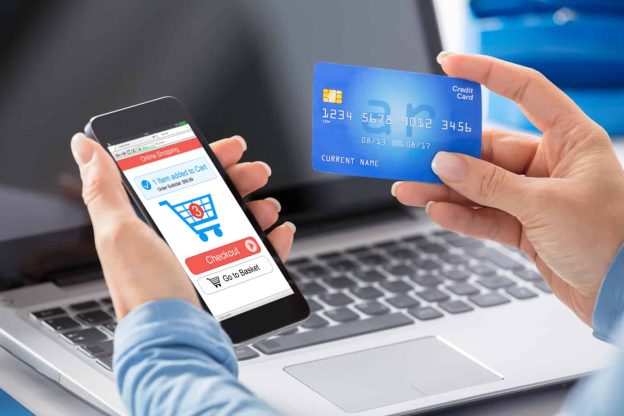
With the advent of smarter technologies in the financial industry, the payment processing sector has undergone a revolutionary change in recent years. These trends are shaping the way merchants would deal with their everyday business in the upcoming days, especially after the pandemic crisis.
Although contactless payments started out as a necessity the previous year to prevent the spreading pandemic, it is expected to gain popularity as the mainstream payment mode. Both customers and businesses find it convenient, fast, and secure, and it hastens the entire checkout process.
Being a business owner, especially in the eCommerce sector, it’s important to understand the latest technologies and new implementations in the payment processing industry. Here is a list of the top credit card processing trends that you must know to stay afloat.
1. Buy Now, Pay Later
As the name suggests, this payment method offers the highest form of flexibility to buyers by allowing them to own a product and use it before completing the payment. In this case, the payment is usually made in easy installments as per the convenience of the consumer.
The best thing about the Buy Now, Pay Later system is that it involves no interest or late fees if you make the payment on time. Some of the top benefits of this trend are –
- It increases the basket size of the customers, which is a plus point for merchants. Shoppers tend to add more items to their carts since they don’t have to pay for them immediately. As a result, it enhances the cash flow of both the merchant and the customer.
- It reduces cart abandonment rates. A study conducted by Salesforce has shown that 85% of customers have abandoned their carts in the second quarter of 2020. This may require the merchant to spend more money to make these buyers complete their purchases. However, the new Buy Now, Pay Later trend may solve this problem and help merchants regain their lost revenue.
- It boosts long-term growth. Buy Now, Pay Later offers us the flexibility to pay for our purchases, and it helps manage our budget more efficiently. Therefore, it is a highly demanding payment mode and is expected to facilitate business growth.
2. Mobile Payments
Mobile payments are not new, and customers and businesses have been using this method even before the pandemic. However, it grew significantly after the coronavirus outbreak as it prevents the spread of the virus and is a better alternative to credit card payments as well.
It all started when Apple introduced its mobile wallet technology by launching Apple Pay in 2015. Soon after that, other brands like Samsung, Google, Chase, etc., have come up with their mobile wallet versions, all of which help users transfer funds instantly and flexibly. By 2017, 39% of shoppers in the United States were using smart mobile wallets to make payments at retail stores and eCommerce portals.
Summing up the benefits of mobile payments, they are –
- Convenient and Flexible
- Allows you to pay from anywhere, at any time.
- Provides numerous payment modes.
- Highly time efficient.
- Offers an added layer of security.
- Enables you to manage your expenses better.
- Comes with exciting deals and offers.
3. Frictionless Payments
Who doesn’t like to experience a smooth and efficient buying process? Offering frictionless payments can make you stand out and give you a good competitive edge. At times, when two merchants are providing the same product at the same price point, what really makes one of them the preferable brand is the number of flexible and seamless payment options it is accepting.
Hence, business owners must widen their payment methods by accepting more cards and other different transaction methods like digital wallets, gift cards, loyalty programs, installments, or by reducing surcharge fees. Having such a wide variety of payment methods will surely make your customers return, thus increasing your brand loyalty.
4. Artificial Intelligence and Machine Learning
The advancements in AI and ML have been strongly felt in the past few years, including the payments industry. AI technologies can be extremely beneficial for merchants who can reconcile their payments better using anti-fraud systems and smarter applications.
For instance, technologies like personalization and automation of the POS system can streamline consumer experiences and offer high security levels while processing payments. It also enables merchants to manage their vital data as well as settle payments with ease.
5. NFC and EMV
NFC or Near Field Communication is a popular modern payment system because of its better security standards and ease of use. NFC is a process by which data can be transferred wirelessly via smartphones, tablets, laptops, and other devices when in close proximity to the device or terminal receiving the data.
In the payment industry, NFC technology is the driving force behind contactless payments involving eWallets like Apple Pay, Google Pay, Android Pay, and other contactless cards.
EMV chip, similarly, is a tap/wave technology associated with credit cards and is another popular type of contactless payment. EMV (or Europay, MasterCard® and Visa®) is a more secure method of transferring funds using a chip embedded within debit, credit, or prepaid cards.
EMV chips can help reduce the liability of both the merchant and the credit card processor since the transactions are more secure. Furthermore, EMV payments are usually cost-effective since they come with slightly lower processing fees for merchants compared to the regular swipe/touch payments.
6. Cloud Migration
Cloud migration is gaining momentum rapidly as it comes with numerous benefits. It is defined as the process of transferring applications, databases, and IT processes to the cloud. Cloud migration may also involve the process of transferring data from one cloud to another.
Although many financial institutions still work on legacy systems, they are soon expected to change their processes. By adopting cloud solutions, payment processing systems would be able to access, store, and process tons of data over the internet.
The cloud migration system would eliminate the need to store and manage data on physical devices, which is a cumbersome process and quite risky. With cloud technology, your data will be secure, and you can have better agility and scalability. Besides, these solutions come with low operational costs and an added efficiency.