Tag Archives: BNPL

bnpl services

29M People Have Used BNPL Services in the Past Year

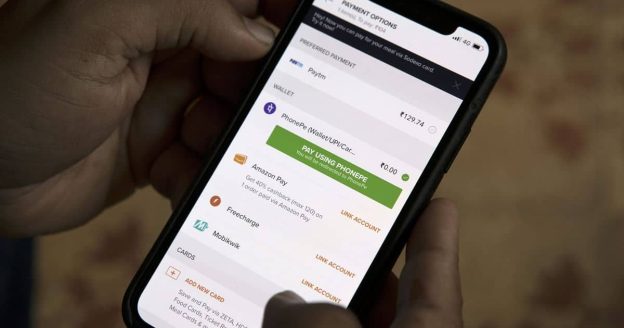
Buy now, pay later is the new craze when it comes to the present trends of the payment industry. The BNPL market has grown exponentially in the Asia-Pacific region recently. These services allow customers to split a more significant payment into smaller ones that they can pay over some time.

Businesses faced a very polarizing effect when the pandemic struck the world back in 2020. Some business models faced immense depressions and went bankrupt, while others flourished. The e-commerce and digital payment sectors were amongst the sectors that benefited.

Despite the tremendous success of cashless and online business models, FinTech saw a decline in revenue. Now, companies are resorting to new business tactics to gain traction as the economy stabilizes and expands. BNPL services are amongst the recent trends that are becoming popular as the world recovers from the pandemic.

Even PayPal intends to cash in on this burgeoning trend. Paypal wants to acquire a Japanese BNPL service known as Paidy. This decision came as a result of their rival, Square acquiring AfterPay, another buy now, pay later firm from Japan. The excessive growth has gotten its share of criticism too. Regulators are pressing these firms to ensure that the customers don’t take on more loans they can afford to pay.

A recent survey of around 2200 people showed that customers prefer the convenience that BNPL provides them with. Customers are getting BNPL on lesser-priced items, too, not just on big-ticket ones. Consumers state that using BNPL services is much easier than getting a loan for the same purchase.

In the past year, 29 million consumers from the U.S. have used the buy now, pay later services, and 59% of them even agree to accept these services from a third-party provider. It is a desirable option for people living a paycheck to paycheck lifestyle. Through BNPL, they can afford vacations and other expensive purchases that they usually cannot pay for up front. 

A personal finance company called Credit Karma recently showed that U.S. consumers have already started to fall short on their BNPL payments. Around 72% of those consumers had a decreased in their credit score too. The most prone to miss their payments were younger consumers, especially Gen Z and the millennials.

The problem with these payments is that they do not have the same impact that a regular purchase does. People quickly buy stuff that they would never purchase when paying in full. The consequences seem less dire, but that also the cause of trouble. 

Most consumers that use BNPL payments purchased an item of $500 and less. Gen Z is the most likely to make low-cost BNPL purchases. Half of the purchases by Gen Z are even less than $100.

Regardless, BNPL payments still seem to grow in popularity every day. For a considerable forecast period, they seem to show no signs of slowing down!

word writing text buy now business concept for asking someone to purchase your product provide good discount writing 166946211

What Are the Risks of the Convenient Buy Now, Pay Later (BNPL)?

Buy now, pay later has taken off over the past few years. Maybe it’s the psychological factor driving adoption and growth where the consumer gets instant gratification of being able to buy what you want right now. Or it’s the new watered-down form of financial engineering giving the masses freedom to make a purchase, even of small-ticket items.

There are benefits of this buy now, pay later phenomenon. However, there are considerable inherent risks in the behavior this program encourages. Below we’ll explore buy now, pay later, how it works, its pros and cons, and who are the biggest players offering the service.

What is Buy Now, Pay Later?

As the name suggests, buy now, pay later lets consumers make purchases now and then pay for them in installments. This segment of payment types is fast-growing compared to debit and credit cards. The service is a relatively cheap, if not free financing option that approves almost all types of customers. Another benefit to the shopper and one Fitch Ratings has cautioned about, is that buy now, pay later service seldom have reporting requirements to credit agencies about the debt a consumer is incurring, or even adverse payments histories resulting from these payment plans.

Convenience and speed by which a buy now, pay later allows shoppers to complete the transaction and get their product is another factor driving mass adoption of payment options.

How does the service work?

The actual client of the buy now, pay later industry is the merchants, not the consumer. Merchants partner with buy now, pay later service providers to sell their products to consumers. The service provider works a factoring service, taking on the risk in exchange for a small margin of the sale price and collecting the monthly payments from the consumer.

For consumers, the transaction can be potentially interest-free and without any fees, as long as the payments are made timely.

Why is it such a big deal?

Buy now, pay later is gaining a lot of traction lately. Large players offering the service are being listed on the stock market at lofty valuations. What was once offered as a service via a partnership with merchants, more and more businesses are considering building out their own offerings with more control over data and pricing. One of the largest consumer hardware companies, Apple, has partnered with Affirm to offer buy now, pay later services in select jurisdictions. This announcement came after the company is reported to be building its own services called Apple Pay Later, with Goldman Sachs.

In August 2021, Square announced that it would be acquiring Australian-based Afterpay for $29 billion in an all-stock deal, making the transaction the largest acquisition of an Australian company.

Many consider buy now, pay later a nascent industry with a huge opportunity for growth as it makes a small piece of the $3.4 trillion e-commerce industry, or the $7.1 trillion cashless transactions space.

What are the benefits?

Considerable benefits are driving the adoption overall, particularly the younger demographics. There is a general shift away from non-cash transactions. The convenience of conducting transactions quickly, and via mobile devices has been a prerequisite for some time. Now there is also instant gratification. Consumers who would have historically waited to save to make a purchase can now simply purchase right away and allot their savings to installment payments.

However, consumers have also become price-conscious over the past year and a half, prompting consumers to shop smartly. They have jumped at opportunities where BNPL  service providers offer the option to make interest-free installment payments in exchange for timely payments.

What are the risks?

Of the number of benefits available in the industry, the risks are also tantamount. There is the possibility of regulation which buy now, pay later service providers may be required to be treated like banks. They may also be required to disclose information on consumer credit and credit quality reporting. The industry may also come under further scrutiny of consumer watchdogs around the globe, where many of the program covenants are reminiscent of payday loans, including no interest or fees unless there is a late payment.

There is also the potential of consumers not realizing the limits of their own spending habits and may end up accumulating more debt than they can afford to make purchases of items they may not necessarily need.

That leads to the next risk, buy now pay later leads to overspending. Consumers purchase more often and are emboldened to spend on big-ticket items. Based on a survey by a buy now, pay later service provider, many consumers would balk at the purchase if the service was not an option. These exact facts and figures are used to market the product by the industry as more and more merchants see this as to quickly increase sales, cash flows, all without any consumer credit risk.

For merchants, they may lose out on 3-4% of the sale proceeds to the buy now, pay later service provider, but the added sales is more than the markup for any margin shortfalls. Plus, businesses may just be breaking even on the margin shortfalls as they no longer have to incur payment processing fees.

Who are the major Buy Now, Pay Later service providers?

There are several large players in the budding buy now, pay later industry. Many large consumer product companies are looking to capitalize on the payment industry shift by offering their own version of the service, namely, Apple Inc.’s Apple Pay Later.

One of the largest service providers in the industry is Swedish-based Klarna, with a valuation of nearly $46 billion. The company has processed $39 billion in payments in the first half of 2021.

Another major player is Afterpay, an Australian company that Square has just decided to pay $29 billion for. Other smaller players include another Australian-based company called Zip and the San Francisco-based Affirm.


business travel concept generic design of white luxury private jet flying in blue sky at sunset uninhabited desert 85089873

Fly Now Pay Later Plans BNPL Liftoff In the US Travel Market

The buy-now-pay-later or BNPL format has become commonplace in the American economy. With a BNPL transaction, a customer can purchase a product or service and pay for it in installments. The customer will get what one needs now, and that person will cover the cost for it over time. The process is convenient for many, especially for those who might be dealing with financial issues. It doesn’t require a credit check, making it easier for people to access than a credit card or a traditional loan. 

It is no surprise that the BNPL format is expanding to other industries. The American travel market is one of the latest fields where the BNPL industry is entering. The British fintech company Fly Now Pay Later is making this happen, as Fly Now Pay Later is planning on operating in the United States.

Fly Now Pay Later recently raised capital to help it start a test platform for American travel companies. The company raised £10 million in Series A funding, which is equal to $14 million. FNPL now has £45 million or $62 million in funds. The work goes alongside the £35 million or $48 million that the team raised at the start of last year.

FNPL has been beta-testing its current technology in the United States since late 2020. The new funds FNPL has raised will help the company expand its efforts in the country. The company also has hopes of expanding its work to Germany and other parts of Europe soon.

FNPL uses a system that helps people book travel services and pay for them over time. Instead of paying for them upfront, people can pay for those services over a few months. The service charges a single fee for its convenience and to cover the risk with the transaction. The system offers a useful setup that helps people pay for their travel services without worrying about paying too much right away.

How Does FNPL Work?

Fly Now Pay Later uses a distinct approach to help people book travel services:

  1. A customer will download the FNPL app to start. The app is available on iOS and Android devices. Customers can also send their mobile numbers to the website for a download link if the app isn’t available for their devices.
  2. The customer will then look through the different vacation listings available through the app. FNPL has partnerships with various travel service providers, including prominent domestic airlines.
  3. The customer then provides the necessary payment information for one’s order after determining what one wishes to utilize. The customer can provide one’s credit card data to provide proof of a source for paying for something, for example.
  4. The buyer will enter a payment plan at the end. A customer can choose to pay for one’s travel purchase in as little as thirty days. The customer could also pay for services over a few months with lower monthly totals.
  5. The customer will be subject to a one-time transaction fee. The fee is worth 14.99% of the total transaction. The customer will get a complete look at the total cost for the trip before agreeing to pay for everything.
  6. After agreeing to the deal, the customer can enjoy one’s vacation and then pay for it at the agreed-upon times.

The system can prepare limits over how much someone can use at a time. There may be a limit of about $4,000 for each transaction, for example. Such limits ensure FNPL will stay protected and that the travel service providers will not lose funds from those who cannot pay for services.

What Makes It Useful For Customers?

Customers can utilize FNPL for many reasons:

  • FNPL ensures buyer’s protection, meaning all items one books through the app will be fully confirmed and paid.
  • Many FNPL transactions can work with no financing required.
  • The payment terms are flexible. Customers can pay for their travels over up to twelve months if necessary.

Why Would Businesses Want To Use FNPL?

Businesses that offer travel services can use FNPL because it makes their services more accessible. Travel service providers can offer more flexibility, as they help people see what it will cost for them to use their services.

FNPL also provides full protection, ensuring that all service providers are covered for any potential losses they might experience. The 14.99% transaction fee FNPL puts on all its transactions ensures that FNPL has the funds necessary to cover whatever losses a provider might experience in a deal.

Possible Gains Are Coming

Fly Now Pay Later is looking forward to expanding to the American market, especially as demand for travel starts to pick up. The global pandemic has forced many people to cancel their prior travel plans. But as infection rates drop and vaccination rates rise, more things are starting to reopen throughout the country. People will be more likely to want to travel to different places, and they might have been saving up their funds to enjoy more exciting trips.

Fly Now Pay Later will be there to help people book their vacations as they get back on the road. FNPL hopes to take advantage of the newfound interest people will have in traveling, especially as more parts of the country start to reopen.

Will There Be Competition?

Fly Now Pay Later may be subject to some competitors, especially as travel becomes more popular in the United States. The BNPL service Uplift recently introduced support for domestic air travel payments. The company has also reached agreements with many airlines as of late.

It is also possible that various groups like the home-share company Vrbo could potentially enter the BNPL field. The convenience and flexibility of the BNPL industry will be something that such companies will want to enter.

The one thing that’s for certain is that travel demand will increase as the 2021 calendar year progresses. Fly Now Pay Later is in a strong position to gain revenue through this newfound demand, but that company won’t be the only one looking for some gains.

cryptocurrency fintech theme with man using a laptop 118540980

Top Market-Changing Fintech Predictions [2023 Update]

Financial technology or fintech is one of the most intriguing fields to explore, as it entails producing new ways for financial services to work for people. It is often tough to predict where the fintech industry will go, but there are a few moves that can be projected. Here’s a look at some of the things you can expect to see soon.

Payment Changes

The first fintech prediction of note involves how people pay for things. Digital payment services are going to become increasingly essential.

The pandemic has forced many people to explore mobile payment options. The concept of contactless payments has become a necessity to follow, as it is something people are often comfortable with managing. They like the convenience of such payments, and they know it reduces the overall contact points they will have while in a spot.

Expect mobile payments to become more common in the future. The limits for these payments may also rise, as more businesses and governments will support such payment solutions. The current limit for mobile payments in the United Kingdom is at £40, for example. That total could be twice as high soon.

Singular App Support

Fintech has evolved to where people need many apps for different financial activities. Expect super-apps to develop soon.

A super-app is a program made available through financial institutions that help people manage their bank accounts and payment efforts in one place. Such apps should streamline efforts for managing financial data on the go.

Super-apps have been utilized by many consumers in Asia as of late. Expect regulations to change to allow such super-apps to be available in the United States and elsewhere. The convenience of these apps will be a worthwhile endeavor, plus they can produce an extra bit of competition among service providers aiming to make their points more visible.

BNPL Becomes Active

Buy Now Pay Later

The Buy Now Pay Later or BNPL standard is useful for many online shopping activities. People can use BNPL solutions to pay for various items at rates that are convenient to them. BNPL efforts are essential for online purchases, as they reduce the risk associated with purchasing items. Some retailers may also appreciate the interest charges that come with some transactions. The potential for BNPL to be a viable choice for sales needs will be worth watching, especially since so many people see how useful this solution can be for their needs.

Outsourcing Grows

Fintech providers will start outsourcing their work to many tech platforms that have been utilized for a while and are already convenient for many needs. Companies will outsource to proven security processing and payment technologies. Part of this involves reducing the cost of keeping transactions moving, but it will also involve simplifying development efforts.

Outsourcing is already becoming popular, but most consumers aren’t fully aware of it yet. About half of all post-trade activities in the fintech industry move to other entities. That value will likely rise as more businesses start to notice the benefits of this work.

ESG Funds to Stay Popular

Environmental, Social, and Governance funds are expected to stay popular. ESG funds are ETFs that focus on companies focusing on producing positive influences on society. These can include reducing climate risk, increasing diversity rates in the workplace, and many other factors of value.

Asset managers will promote ESG funds more often, and there will be additional tech services available for managing these funds. Gathering information on investors who support these ESG funds may also assist people in finding interesting investment solutions.

Office Work Will Change In Many Forms

People will start to return to their offices in 2023, but every firm will have different ideas for how they will get back to physical interactions. But the ways how these offices will respond to the new working world will vary.

Smaller hedge funds will focus on physical interaction, especially when managing some sensitive details. More massive fintech entities will be fine with virtual interactions, especially since there are so many people involved in the work. Virtual actions can also increase the number of parties a team can serve at a time, providing more control and efficiency over what a business can manage.

Tokenization Rises

Tokenization is a concept where blockchain tokens represent real-world items. These tokens may represent shares in different investments. Tokenization will expand in the fintech world in 2023 and beyond, especially since it provides a democratic approach where more people can access the tokens they desire for different needs. It will be exciting to watch how tokenization changes and what items will have tokens.

AI Chatbots Rise

Customer service will be a priority for fintech developers. They’ll need to produce programs that are easy for people to use, but they’ll also need to create things that respond to whatever queries or concerns people hold. AI chatbots will be part of what fintech developers can do in the future.

AI chatbots are programs that can read customer queries and guide them to proper answers and responses through a database. Chatbots may answer some of the more common concerns or questions people hold about what’s open.

Chatbots should not be utilized as full substitutes for interactions with other customer service members. Chatbots should be complementary features that can address commonplace needs. The real customer service team members should still be on hand to answer some of the more detailed questions people may hold. Having enough control over the situation will be essential for a business that wishes to interact with its customers.

A Final Note

All these fintech points are interesting for how they suggest changes in the market. Financial technology is always evolving, and anything could happen in the field. New trends will keep changing and moving forward, providing a better experience for everyone to follow.

The best way for people to follow these fintech changes is to do sensible research into what works. Fintech can work when people understand what is open and how different activities can work for everyone’s needs.

Top Fintech Predictions For 2021