Tag Archives: biometric

women hand uses a mobile phone application to scan qr codes in stores that accept digital payments without money and plastic 185122541

Emerging Trends In Retail, Payment Methods and Open Banking

Retailers are always looking for ways to make shopping more accessible and convenient for their customers. Part of this includes finding new ways to handle payments. Businesses want to be as open to their customers as possible. Helping them support whatever payment methods they wish to utilize is part of what makes everything work.

The trends surrounding the industry are among the most intriguing ones in the industry to watch. Retailers can make more money if they handle additional payment solutions, including some that are becoming increasingly common.

The Rise of Open Banking

Open banking is a practice where open APIs allow third-party developers to produce new applications around a financial system. Open banking helps people access their financial information from anywhere, helping them manage their funds and make payments.

Banking-as-a-service programs can allow people to access their funds from their bank accounts and to pay for items in moments. These apps let people pay for retail items in minutes.

Most of these banking-as-a-service systems will require firm data review standards. The work includes using secure connections and setups to prevent data from being lost.

These solutions would require two-factor authentication to protect data. Two-factor confirmation allows the user to confirm one’s identity and location. The user cannot log onto an account with a username and password, as a second factor will be necessary.

Open banking will work so long as the proper entities create unique platforms. More banks are starting up open banking platforms to help people connect with their funds. Retailers will also need to establish their own open banking accounts to help them accept funds. The flexibility of such setups and the general convenience will be necessary for ensuring everything works.

The Use of Mobile Wallets

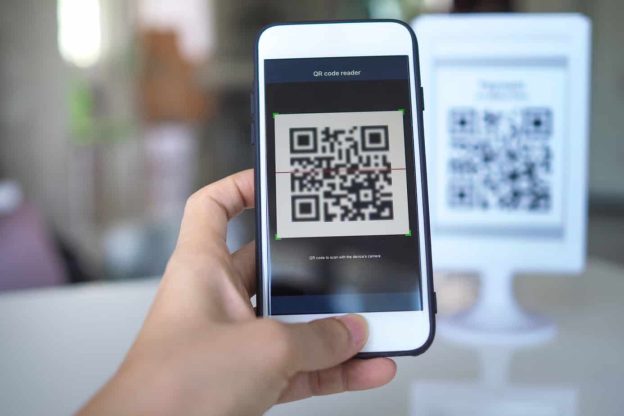
Mobile wallets will likely become more prominent when managing payments. Retailers can accept mobile wallet transactions through NFC-ready devices or QR code readers.

Mobile wallets like Google Pay or Apple Pay can be convenient for many reasons:

  • Customers can link their debit cards or other banking information to a mobile wallet. Customers do not need to use their physical cards, nor do they need to visit an ATM to withdraw physical cash.
  • Mobile wallets allow data to move through in moments without outside parties. It works like a person-to-person platform to send funds in moments.
  • These wallets utilize QR codes to help transfer data. It is easier for mobile wallets to move data through QR codes, as the content remains encrypted and less likely to be lost or stolen.
  • Mobile wallets can also support cryptocurrencies and alternative forms of currency. Customers can send their cryptocurrencies to a retailer, who will collect the fiat currency equivalent of the crypto item. Some businesses might establish their own cryptocurrencies for use in their stores if this trend continues.

Most of the advantages work for customers, but retailers will find many things to love about mobile wallets:

  • Mobile wallets utilize tokenization to replace an account number with random characters. The system allows data to move through a network without revealing actual bank account details.
  • Retailers won’t spend money on added transaction fees. Since the transaction goes directly between the retailer and customer, there’s no need to move funds through a network. This point eliminates the interchange fees someone might spend when accepting credit card payments.
  • Retailers can also produce unique wallets for use in their business spaces. Such wallets provide a distinct branding space. Retailers can recommend certain things, or they can plan reward events that fit one’s needs.
  • There’s no need to wait for a card transaction to be approved. A mobile wallet deal will be approved right away if the customer has the necessary funds for the transaction.
  • People may be reminded to come to a retailer more often if that person uses a mobile wallet. The customer will find the wallet to be convenient, making that person want to shop at a certain space more often.

This payment method will be a boon for retailers and customers alike. More locations will likely start supporting this solution once they start noting everything that makes the work so advantageous and useful. It becomes easier for people to handle transactions when they have access to the right payment systems for their convenience.

Additional Biometrics

Biometrics will become a part of payment methods to watch. Biometrics is a physical review solution that makes it easier for people to confirm their details when shopping.

Biometrics can incorporate many solutions. These entail different physical parts and features, but they all produce the same result in reading data:

  • Iris scanning
  • Facial recognition
  • Fingerprints
  • Voice ID

A person would have to be physically present to manage any of these biometrics solutions, and the way they will work will vary by platform. A fingerprint scanner may work on a credit card, for example. The fingerprint must be read while the card is inside a reader for the card to work.

Biometrics may not be as prominent with some retailers, especially considering the cost to get some of these setups ready. But it may be a necessity for some places, like ones that sell high-value items. The security biometrics provides a positive solution for many uses, especially when managing the high-value or sensitive purchases that customers may make.

A Bright Future

The most significant part of these emerging trends in retail entails how various crimes may become easier to prevent. As the world becomes increasingly cashless, the risk of monetary fraud will also drop. Digital wallets and payments are also making people less reliant on traditional credit or debit cards, potentially reducing the risk of fraud.

Retailers will need to be aware of these trends and how they will change the market. The goal for these retailers should be to establish new ways of accepting and managing funds. Whether it entails accepting crypto tokens or supporting NFC or biometric-based transactions, retailers must note what they can do when collecting payments.
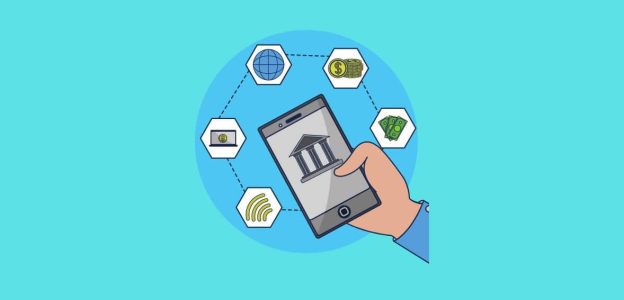
Hot Fintech Trends Emerging from the Pandemic

Hot Fintech Trends Emerging from the Pandemic [2023 Update]

The pandemic has been harsh on our financial infrastructure and has brought sea changes in the fintech industry. Fintech companies started coming to the forefront since the previous year, helping to shape digital payments.

In the previous year, people have taken to online shopping in large numbers, and today, almost every buyer is looking for contactless payment modes. As 2020 was approaching its end, the next one has already begun forming a new era with a promising future for the fintech world.

According to research conducted by the deVere Group, the coronavirus pandemic has been a major cause of the rapid growth of fintech apps, the usage of which increased by 72% in Europe.

The situation is similar in the US too, where around 73% of Americans are now viewing fintech tools and solutions as the new normal, as per another report. What’s more, 67% of the American shoppers have planned to continue using fintech apps for managing their day-to-day finances even in the post-COVID-19 period.

Experts have predicted the acceleration of the more fintech trends that are believed to impact every financial area, ranging from making transactions to banking. Some of the top fintech trends for 2023 are:

Digital-Only Banks

The rise of digital-only Fintech banks is one of the recent trends that made headway in 2020. Digital-only banks is the name given to those banks that offer several virtual banking solutions. These include crypto payment gateways, P2P transfers, contactless MasterCard providing free transaction fees, international remittance, and the ability to purchase different cryptocurrencies, such as Bitcoin, Litecoin, Ethereum, etc.

Digital-only banks are extremely convenient to consumers as it eliminates waiting in long queues, tedious paperwork, and the need to make frequent visits to the bank. This trend is expected to gain momentum in 2023, which in turn, would reduce the number of bank visitors.

Because of this new trend in banking, the number of people visiting banks physically is predicted to drop by 36% from 2017 to 2023. Some of the top reasons to go digital-only with your banking are:

  • You can reset pins right from your home.
  • You can manage your expenses conveniently.
  • They offer quick balance review features.
  • Enjoy instant bill payments on-the-go by snapping pictures.
  • Digital-only banks come with real-time data analytics.

Blockchain

The cutting-edge technology of Blockchain has transformed the fintech world completely. Since one can make payments faster and more securely, financial institutions like banks can confidently adopt Blockchain technology to stay ahead of the competition. It also comes with low processing fees and has a global reach.

According to a Business Insider Intelligence report, nearly 48% of the banking representatives believe that Blockchain technology will significantly impact the banking industry in 2021 and the years to follow.

The US and China are the leading users of Blockchain technology, which ensures its fast adoption in other markets across the world. Blockchain makes sure that all cross-border payments and the data stored are safe and secure.

One vital aspect of Blockchain is its new philosophy of decentralized finance that works on minimizing centralized procedures. The reason why Blockchain is so popular is its highly protected environment. Once your data is recorded into its system, it is extremely difficult for hacklers or malicious users to modify or access that data.

RPA

Robotic Process Automation, or RPA, refers to the process automation technology that uses digital workers or software robots to automate several tasks, thus saving time and human labor. RPA is designed to manage repetitive business processes using software robots that can fully or partially replace manual operations.

Since the process involves software robots and other digital workers, it is error-free, fast, and more accurate. The RPA technology has been largely beneficial for the financial service industry, as it improves the entire organizational efficiency in a more cost-effective manner.

Additionally, financial institutions can automate several back-end office tasks, including customer onboarding, security checks, trial balancing, account maintenance and closing, mortgage processing, credit card processing, and the list is endless! With RPA, banks can automate their core processes, thus saving time to focus on other vital areas.

Artificial Intelligence and Machine Learning

Banks across the world have started embracing AI to handle their day-to-day operations. According to Autonomous Research, AI is predicted to reduce 22% of the operational expenses of financial institutions by the year 2030. In short, banks will be able to save around $1 trillion by incorporating Artificial Intelligence technologies into their processes.

Artificial Intelligence and Machine Learning go hand-in-hand, since the algorithms of both have the ability to record each transaction with utmost preciseness and accuracy. What’s more, AI can be used to manage and mitigate the increasing cybersecurity risks and threats, as it can identify fraudulent activities immediately.

Besides, AI and ML, together, have tremendous capabilities of managing your customers through top-notch client service solutions, such as Chatbots. With such rapid growth in AI technologies and their increasing adoption by numerous industries, banks, and other financial institutions will soon implement them for better customer service.

Biometric Security Systems

In the face of rising cybercrime cases, customers are looking for more secure payment environments, since digital transactions are more of a necessity than a trend in this pandemic crisis. Therefore, companies in the fintech industry are implementing new ways to offer more secure payment infrastructures, such as biometric security systems.

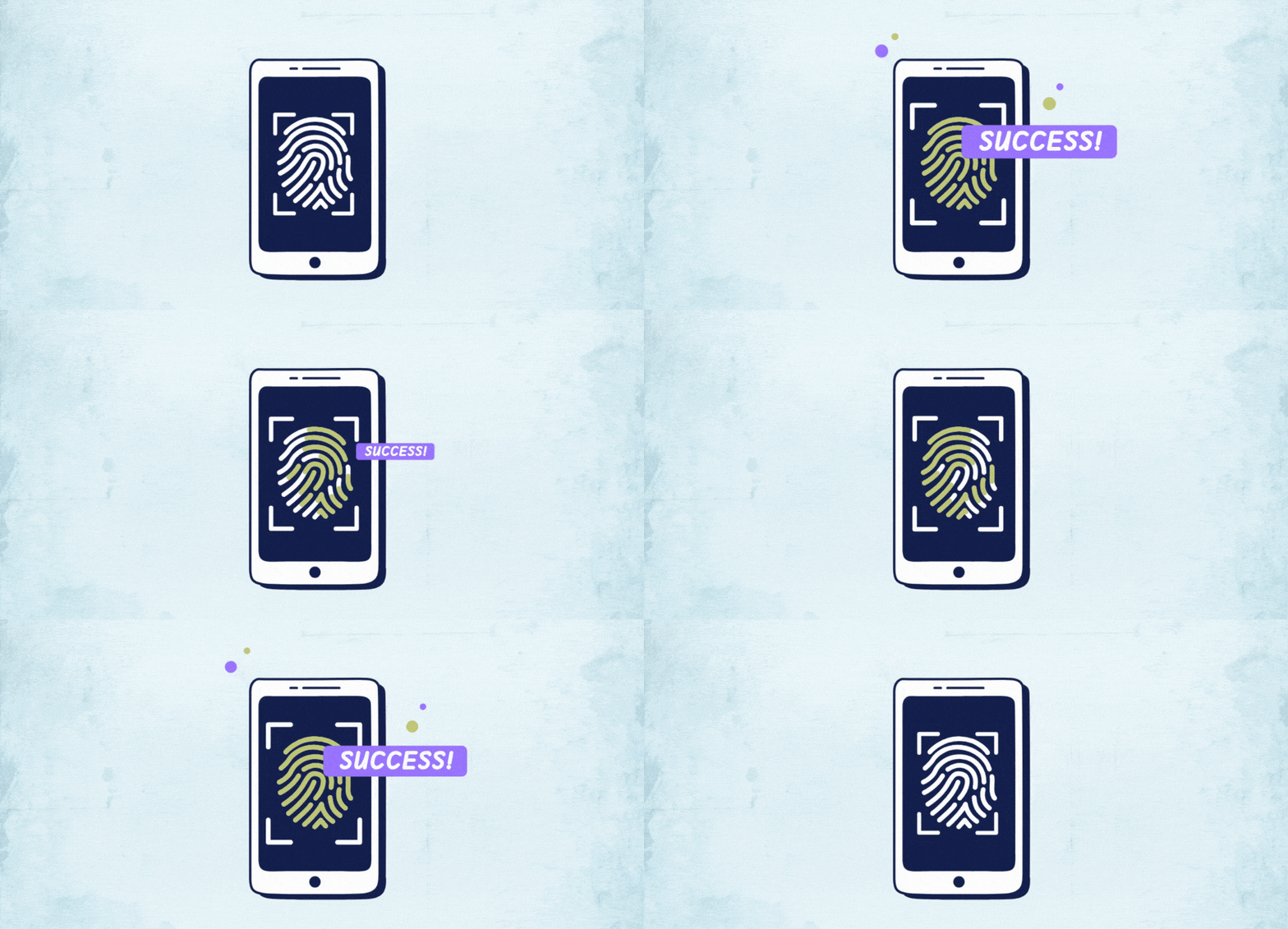
Biometrics like fingerprint authentication, facial recognition, etc., is the best way to add an extra layer of protection and security to one’s payment solutions. Biometric systems help consumers to be confident while making digital transactions.

Since the current COVID-19 restrictions have made it necessary to go contactless, or more specifically cashless, biometrics is the need of the hour. However, contactless biometrics like face ID recognition is having a higher adoption rate in COVID-19 times, while the touch-based fingerprint reading market is witnessing a downfall.

Open Banking

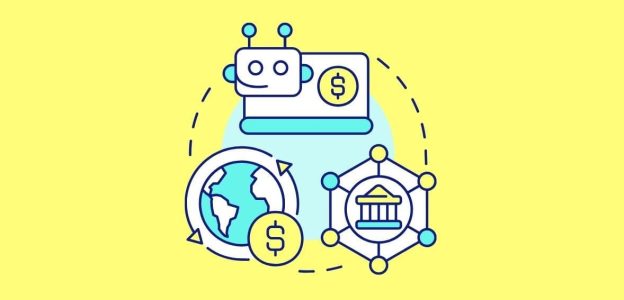
Open banking is a revolutionary technology that enables users to manage their money more efficiently and get the best deals on products and services. It helps consumers make smarter and more cost-effective buying decisions while also accessing all their accounts in one place.

Open banking is a practice of sharing one’s financial information between authorized service providers at the users’ consent. The technology enables banks and Fintech companies together, allowing seamless data networking across multiple institutions.

Experts and industry leaders predict that open banking will reshape the banking sector as we know it. In fact, a report has proven that open banking has already generated $7.29 billion in the year 2018. The numbers are expected to hit $43.15 billion by 2026!

Open banking has the potential to benefit various banking and other financial institutions, consumers, fintech workers, API industry figures and app developers, and even underserved markets.

Payment Processing Trends for 2021

Payment processing is constantly evolving, but the pandemic pushed things even further along. In 2021, chances are we will see even more changes (all good) to help merchants make payment processing an even smoother process than before.

Understanding the payment processing trends for 2021 and how they affect your business is the key to staying competitive in the new year as we continue to fight the pandemic and all that it has caused.

Cashless Payment Options

Today, consumers don’t want to use cash. They want contactless payment options, whether that means paying online before coming into the store or using their phone to pay in store. The key is that no cash exchanges hands and consumers don’t have to touch shared machines that other people have touched.

Increased Use of Biometrics

With an increase in online and mobile payments being made, biometrics are even more important. Fraud, hacking, and lost phones are common and serious risks when opting to utilize mobile payments. Biometrics provides another mechanism to prevent fraud by requiring a higher level of security, either your face or your finger.

Peer-to-Peer Payments

Splitting checks, buying group gifts, and covering the rent with a roommate is easier today with peer-to-peer payments. But consumers are so accustomed to making instant payments to their peers that they want the same capabilities with merchants. Not only does it allow for contactless payments, but it allows faster payments pushing consumers through the purchasing channels quicker.

Buy Now Pay Later Options

With the onset of the pandemic and many people suffering financial losses, buy now pay later opportunities are in high demand. Merchants who sell high-ticket items do themselves a favor by offering buy now pay later options on their website. This helps increase sales and even consumer loyalty when merchant helps them out by making products more affordable over time.

Mobile Wallets

Mobile wallets like Apple Pay were already in high demand, but 2021 will bring even more popularity for these payment options. Customers want contactless payment options and merchants who don’t offer it will be left in the dust. Offering payment options like Apple Pay, Google Wallet, and Android Pay are the way of the future, merchants who don’t offer it will be left behind for stores that do.

Take Advantage of 2021 Payment Processing Trends

The payment processing trends for 2021 promise a lot of things for merchants, including more sales. In a competitive world where consumers are trying to do their best to remain socially distant, be as contactless as possible, and afford the items they need/want, merchants have to step up.

If you want to be competitive, it’s time to think outside of the box. Cash and swiped credit cards aren’t the only way to accept payment. In fact, they are the old school ways to collect payments. Most consumers today want something much more sophisticated, contactless, and cutting edge.

Paying With Your Fingerprint? –2025 Update

Could the next emerging payment method be associated with your fingerprint? In a recent six-month trial, a grocery store chain in France gave their customers the choice of signing up for a voluntary program to test the technology. The pilot program ran from October 2012 through March 2013 and saw more than 900 participants. The results are encouraging and soon, you might be paying with your fingerprint.

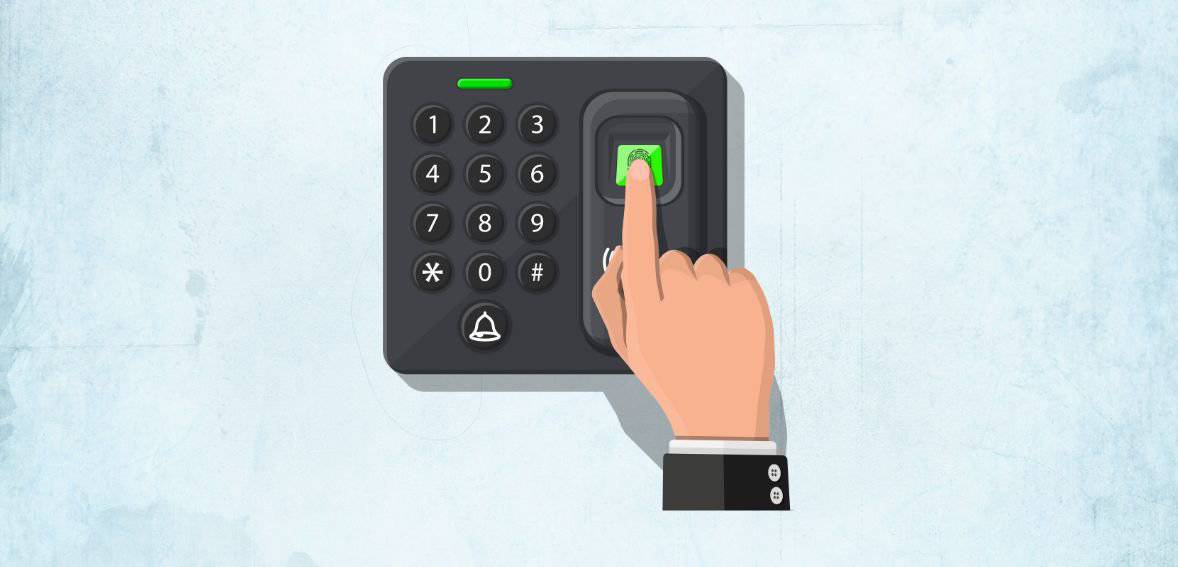
Those that chose to participate carried a payment card that had their fingerprint data stored on it and the terminal had a special add-on where the finger was inserted to be read. When customers were ready to pay they simply presented their card and inserted a finger into the reader, where either the actual fingerprint ridges or veins in the fingertip were read.

Paying With Your Fingerprint

In effect, the fingerprint data is the authentication method replacing the user entering a PIN number via a PIN pad. A recent, separate study of almost 2,200 shoppers showed that almost 50% of consumers were interested in biometric payment methods. Compared to just 30% and 23% in favor of contactless smartphone payment and text message payment methods respectively. Examples of biometric payments include fingerprint, palm, and iris scanners.

The 900 participants tallied a total of close to 5,000 transactions, which was considered to be a very good adoption rate. The average transaction amount was around €60, or about $78 USD. In a survey after the trial, 94% of the consumers who took part said they were open to the idea of paying with your fingerprint method for all in-store transactions.

It is interesting to see that the general public is open to this idea as a new form of paying for purchases. When the 24 Hour Fitness chain of fitness centers installed fingerprint readers as a way to speed up the check-in process of members, some were skeptical about whether the public would be open to this technology. Over three years later the company still utilizes the readers to speed up check-in and also increase validation of member usage.

While this one study seemed like a success, there aren’t any signs that you will be seeing in your local grocery store stateside anytime soon though. If you are a business owner looking for the latest in payment processing technology or would just simply like a free, no-strings-attached statement analysis to see if you are truly getting the best rate possible, one of our payment experts is here to help. Contact us today at 877-517-4678 or simply fill out our quick signup form and we will be in contact with you.

Paying With Your Fingerprint – Benefits of Using Fingerprint Authentication

Benefits of Using Fingerprint Authentication
  1. Enhanced Security; Fingerprint recognition is widely regarded as a form of authentication. Since each fingerprint is unique it significantly hinders individuals from gaining access to your payment information.
  2. Convenience; Opting for fingerprint-based payments often proves convenient compared to methods like entering PINs or passwords. It saves time. Requires effort on the users part.
  3. Preventing Fraud; Fingerprint authentication adds a layer of security effectively reducing the risk of fraud associated with stolen payment cards. With fingerprints being unique to each individual it becomes significantly harder for someone to misuse your payment information.
  4. User Friendly Approach; Fingerprint authentication prioritizes user friendliness, particularly benefiting individuals who may struggle with remembering passwords or PINs. It simplifies the payment process. Ensures accessibility for a range of users.
  5. Swift Transactions; The speed of fingerprint authentication enables transactions, which proves advantageous in time-sensitive scenarios such, as retail stores, public transportation, or online purchases.
  6. Reduced Reliance, on Physical Cards; Fingerprint payments offer the advantage of reducing our dependence on payment cards. This is particularly useful in situations where carrying cards may be inconvenient or pose a risk.
  7. Enhanced Security with Multi-factor Authentication; Fingerprint recognition can be combined with authentication methods creating a multi-factor authentication system that boosts overall security.
  8. ** Encryption of Biometric Data**; Fingerprint authentication systems employ secure encryption techniques to safeguard biometric data. This ensures that stored fingerprint information is not easily compromised.
  9. ** Experience**; Fingerprint payment methods can be tailored to users providing a more personalized and user-centric experience. This personalization extends beyond security encompassing preferences and settings well.
  10. Effortless Contactless Transactions; Fingerprint payments seamlessly integrate into contactless payment systems enabling users to make transactions without touching a payment terminal or card.

Drawbacks Of Fingerprint Authentication

how does fingerprint payment works

While there are advantages, to using fingerprint payment systems it’s important to consider the drawbacks;

  1. Privacy Concerns; The storage and usage of data like fingerprints raises privacy concerns. People may worry about the security of their information and how it could potentially be misused.
  2. Security Risks; Although fingerprints are unique to individuals they aren’t completely immune to being copied or forged. Sophisticated attackers might find ways to replicate fingerprints, which raises concerns about the security of this authentication method.
  3. False Positives and Negatives; Fingerprint recognition systems aren’t flawless. Can sometimes produce positives (wrongly authenticating someone) or false negatives (failing to recognize the correct person). These errors can create security issues and affect user experience.
  4. Accessibility Challenges; Certain individuals may face difficulties with fingerprint authentication due to factors like aging, injuries, or specific medical conditions that affect the quality of their fingerprints. This limitation can impact the inclusivity of fingerprint-based payment systems.
  5. Cost of Implementation; Implementing fingerprint payment systems can be expensive, for both businesses and consumers alike. It involves hardware and software requirements. Upgrading existing infrastructure can be a costly process.
  6. Reliance, on External Factors; The effectiveness of fingerprint recognition can be influenced by factors such as dirt, moisture, or finger injuries. These external elements have the potential to affect the accuracy and reliability of the authentication process.
  7. Lack of Standardization; Different fingerprint payment systems may lack uniformity in their implementation and compatibility which could pose challenges for adoption.
  8. Legal and Regulatory Challenges; Laws and regulations regarding the collection and usage of data may vary across regions and countries. Complying with these regulations can be complex for businesses operating in jurisdictions.
  9. Inherent Irreversibility; Unlike passwords or PINs that can be changed if compromised fingerprints are permanent. Cannot be easily altered. In case of a breach in a fingerprint database, the compromised biometric information cannot be “reset” like a password.
  10. Cultural and Social Factors; Acceptance of fingerprint payment methods may vary across cultures and societies due to personal reasons that make some people uncomfortable, with using their fingerprints for financial transactions.
    To overcome these limitations it is essential for companies and developers to incorporate security measures to give importance to user privacy and guarantee that fingerprint payment systems are easy to use and accessible, to a wide range of people.

Conclusion

While the advantages are noteworthy it’s crucial to consider drawbacks such as privacy concerns, the necessity for security measures to protect biometric data and the possibility of false positives or negatives in fingerprint recognition systems. Striking the balance, between convenience and security is vital when developing and adopting fingerprint payment technologies.