Tag Archives: 2021

business people handshake after partnership contract signing 94512900

Amazon Taking a Novel Approach to Cross-Border B2B Payments

Businesses worldwide are struggling to find ways to keep their costs down as the pandemic continues. One way how companies are adapting to the pandemic is through online marketplaces. Such venues allow people to share product or service info and to complete transactions online. The effort will enable businesses to make money from people who might otherwise have little interest in leaving their houses at this time.

Many of these online marketplace transactions are being utilized by business-to-business or B2B entities. B2B companies are looking to handle transactions with other entities that need resources in moments. Online interactions are ideal for B2B companies, as they make it easier for them to interact with others without worrying about the expenses or possible restrictions associated with manual or in-person sales.

These are also ideal for cross-border payments. The online world makes it easier for people from different parts of the world to interact and manage transactions. B2B payments can handle various values and also work alongside whatever currency exchange rates are necessary for work purposes.

But payment processing speeds haven’t been as effective as B2B entities wish they could be. PYMNTS.com found in a recent study that nearly half of B2B businesses are concerned about payment processing speeds. They aren’t satisfied with how these payments are working, and they argue their ability to accept payments is being negatively impacted by the pandemic.

It’s no surprise that many B2B companies are partnering up with Amazon. The prominent online retail giant has been working alongside many smaller businesses to facilitate many of their activities, from selling items online to shipping them out to other places. The work that Amazon has done for B2B companies has helped them move forward and make their efforts more accessible, providing a simple approach to work that everyone can support.

Why Move Online?

The decision of B2B companies to move their work online comes from many points:

  • It helps companies increase their revenues. A study from tmcnet.com reports that moving to digital sales channels boosts revenue growth by at least 60 percent.
  • It is easier for these companies to bring in new clients and prospective buyers. Nearly a third of B2B entities can bring in more sales through different companies and clients, expanding their potential to bring in more money later.
  • Supply chains are easier to manage through B2B efforts. It becomes easier for a company to shift its products and to work for various purposes when there are enough items available for shipping and moving. Deliveries can go faster when managed well.
  • International or cross-border transactions are especially critical. Going online makes it easier for transactions to work in moments.

Online activities will be critical to success in many forms. Amazon’s work to help people facilitate B2B transactions will help improve how well businesses can handle projects and payment efforts in many forms. It is all about producing positive results for whatever work projects one wishes to manage.

What About Offline Activities?

Amazon is helping businesses focusing on moving supply chains online. Many supply chains for B2B entities are offline because they are often easier for businesses to manage. While they can list their inventories online and also highlight their services of value, it is necessary to watch how well these can be highlighted online. Moving a supply chain online may help reduce the stresses associated with offline activities. People can do business with others online without having to rely on as many in-person activities as one might wish.

The Value of the Marketplace

Online marketplaces are especially critical for B2B companies if they want to interact with more parties. Amazon has simplified the sales process over the years to facilitate transactions with more people in less time. An online marketplace can allow a business to grow in prominence and stay active.

But all marketplaces must meet the unique processing needs people hold. Part of this includes processing payments as soon as possible without having to rely on in-person transactions. The need for online payments is especially critical today, what with there being many restrictions over what in-person activities people can manage.

The Demand For Fast Speeds

Amazon’s immense wealth and infrastructure make it capable of potentially helping manage B2B transactions faster. Amazon will need to respect the needs of the public if it wishes to thrive. About two-thirds of all firms want to follow new technologies that can help them process payments faster. The firms will want to handle these efforts to ensure they can facilitate payments well.

Will Cross-Border Payments Grow In Prominence?

People can expect cross-border payments to become more noticeable as time passes. Online B2B sales are rising, with companies tallying about $1.3 trillion before the end of 2019. More companies are moving forward here, making it easier for them to keep things moving well.

The increased interest in B2B actions and cross-border payments make it where the infrastructure must improve. These include cases surrounding how the infrastructure can handle payments and process them sooner.

Can This Work For Other Entities?

Amazon’s approach to handling businesses has also grown to where it can manage more than traditional B2B companies. It can also manage small businesses that might operate in one or two locations. It could also work for public sector entities that can help facilitate many payments.

All entities will need to manage faster payments that aren’t tough to manage. These companies must watch for how well different payment solutions can work and to see they can handle whatever transactions they wish to complete for any intention. Having a sense of control over what works will be necessary for many forms of work.

Partnering with Amazon will still be a necessity considering how well cross-border payments and B2B activities work. Amazon has been helping businesses interact with each other and to process transactions and financial data. But Amazon’s success will depend on how well the platform can simplify the transaction process and get people to handle their funds sooner.

Restaurant and Hospitality Rebound 2023

Restaurant and Hospitality Rebound? Demand for Dining Set to Surge Post-Pandemic [2023 Update]

The COVID-19 pandemic has caused immense harm to many industries. Many places are unable to open, and the ones that can open are doing so with significant restrictions. There’s also the concern of people not feeling comfortable returning to certain public places for fear of the spread of COVID-19.

However, the restaurant and hospitality rebound is expected in the coming future. The demand for dining will rise, especially as the signs of the pandemic start to deteriorate. But the ways how the field will change and what people can expect in the future remain interesting to watch, especially with some people having a better chance of returning.

The restaurant and hospitality industry has especially been impacted by the pandemic. People are not willing to enter dining and entertainment establishments, what with them being places where many people can be found at a time. There’s a general fear among many that these places are “super-spreader” spots.

Restaurant and Hospitality Rebound – A Strong Interest In Leaving the House

Many people who used to enjoy going to restaurants and other places outside the house have expressed a reduced interest in doing so during the pandemic. Many of these people have gone towards alternatives like dining at home and ordering in. But as it turns out, there has been an increased interest in people wanting to go places once again.

Restaurant and Hospitality Rebound

The website PYMNTS recently reported that a majority of people are interested in leaving home more often. A survey of 2,000 people found that nearly 60 percent of them have some significant level of interest in leaving the house and go places. The numbers are higher for those who make at least $100,000 a year, as those who do have a greater interest in out-of-home experiences.

People also have varying reasons for why they want to leave their houses more often. Some people want to see their friends and family members more often. Others want to go to leisure events or travel more often. Some people are simply bored and want to go back to the physical locations where they normally enjoy in their lives.

How Old Will These People Be?

PYMNTS found baby boomers are the people most likely to want to eat at restaurants more often. Each age group after that is less likely to want to go out, with people in Generation Z having the least interest in eating at restaurants. The traditional entities that baby boomers may be interested in may have a better chance at rebounding than the trendy ones that cater to younger audiences.

Restaurant and Hospitality Rebound - GenZ eating out

Some younger people might have settled in on routines that have developed in the past year. These include efforts like shopping at grocery stores and other things that people might deem to be “necessary.” Getting people to escape their newfound comfort zones may be a challenge unless businesses know how to cater to their expectations.

Who Will Survive?

While the restaurant and hospitality industry is expected to make a comeback, there exists a concern over which entities will survive. Businesses with an average unit volume or AUV of at least $1 million appear to have more control over the situation at hand. About a third of these restaurants saw their revenues drop since the start of the pandemic. Meanwhile, nearly two-thirds of restaurants with AUVs of less than $250,000 saw their earnings decline during the pandemic.

Managing Consumer Expectations

The industry will also need to understand and respect the new expectations consumers have. Many people, particularly younger audiences, may see dining and hospitality experiences to be unsafe and dangerous. They might think that they continue to be unnecessary forms of human interaction.

Consumers are expecting businesses to focus on the health and safety of their patrons. Part of this might entail focusing on capacity restrictions, cleaning protocols, and digital experiences.

Restaurant and Hospitality Rebound - Managing Consumer Expectations

Contactless hospitality may be a point to see in the future. People may not be comfortable with using public kiosks or other items that people may get in contact with throughout the day. The development of one-stop mobile apps that allow people to handle many things in their dining and hospitality experiences will be critical. A single app could help with everything from managing payments to setting up reservations and many other points. The overall goal should be to allow consumers to control their experiences while also minimizing potentially unnecessary contact.

Focus on Reservations

Reservations may also be critical for the restaurant and hospitality fields. It used to be that people would often walk into a restaurant at any time of day and enjoy a meal. People could also choose to reserve a hotel at random times if they travel and anticipate they will need service sooner than expected. But people aren’t willing to do that during the pandemic, and their habits might have changed to where they’ll expect reservations in the future.

By allowing people to schedule reservations when they can use certain services, it becomes easier for a business to keep people feeling confident about where they enter. They will know that a business cares about managing its capacity standards.

Mobile Ordering Is Necessary

While these fields should rebound after the pandemic, it may be a challenge for some to recover, as many younger audiences have adapted to new ways of living. Mobile ordering may be a necessity for the future. Mobile ordering allows people to reserve their meals or other experiences ahead of time, letting them know what they are getting is safe and easy to utilize.

A PYMNTS report says that most restaurants have seen a rise in sales through mobile ordering offerings. These establishments can provide mobile ordering opportunities to make their products accessible to everyone, including those outside these spots.

An Interesting Future

The restaurant and hospitality fields will see a rebound in the coming years after the pandemic ends. But how these industries will change in the long run remains unclear. The ways how these businesses will interact with others and details on which ones have the best chance to survive remain uncertain.

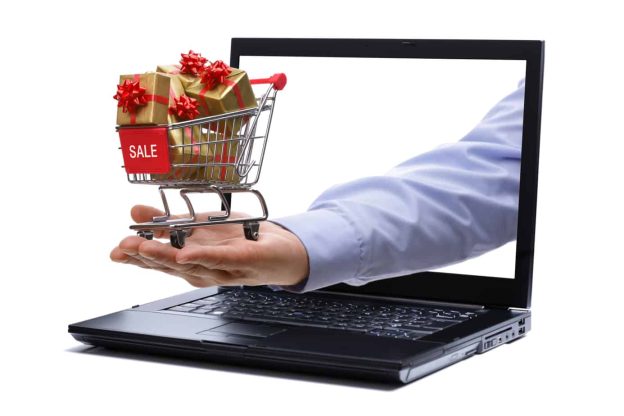
E Commerce Gift Shopping 30943783

E-Commerce Trends for 2021

Today, businesses of all sizes are moving to an online structure. Brick-and-mortar stores that weren’t online before are quickly adapting as the pandemic continues and consumers avoid physical stores as much as possible.

With the onslaught of e-commerce businesses coming onto the scene, it’s important to know the trends that will change for 2021 so you can make sure your business is on target too.

Voice Search

Today, people are always on-the-go or multi-tasking and they’ve grown quite fond of technology, like Alexa or Siri, where they can speak their questions or demands. That trend is falling over into the e-commerce world, where consumers want to be able to speak what they want to search for rather than typing it in. Whether you add voice search capabilities or even let buyers make purchases using their voice is up to you, but know that it’s an up and coming trend.

Personalized Shopping

Customers today want personalized options. They want their shopping experience to be as seamless as possible. When they log onto your site, they want to see the products they want in the sizes they want.

Customers also love personalized recommendations. “Since you bought this, we’d thought you’d like this” is a great way to upsell and keep loyal customers. They know that you’re watching out for them and care what they think. This goes a long way in the e-commerce world.

Getting Active on Social Media

Today social media accounts aren’t an option – they are a requirement. Consumers want to hear from retailers whether it’s about current promotions, their featured products, or just behind-the-scenes posts that make companies seem ‘real.’

Creating Brand Value

If 2020 was anything, it was a year of turmoil for many. Consumers love it when brands get behind certain movements and aren’t afraid to show it. If you are behind a specific movement or care about certain issues in the world, consumers want to hear about it. Promote your brand value and you may find that you grow your audience just for doing so.

More Payment Options

Consumers today want many more payment options than just credit cards. They want to use their mobile wallets, PayPal balances, and want layaway options for big purchases. Companies like Afterpay are growing by leaps and bounds, especially during the holiday season so families can have a happy holiday season despite not having the immediate funds to pay for items.

E-commerce continues to grow and 2021 promises to be a big year for businesses of all sizes. If your business isn’t online yet, it’s time to start. Companies need to be online to get a larger audience, interact with their customers, and showcase their brand’s values.

It’s time to embrace technology and give consumers what they want. We live in a world of instant gratification today and running an e-commerce business is a great way to give customers what they want when they want it.

Mobile Technology Trends for 2021

Mobile Technology Trends for 2021

Mobile technology continually improves and 2021 is bound to see some of the greatest changes. As we move into another year of living with social distancing, consumers want contactless payments and more capabilities from the comfort and safety of their own homes.

Mobile Wallet Security

It’s not enough to offer mobile wallet payment options next year. While customers want contactless payments, they also want security. Double authentication with mobile wallet payments is crucial.

Rather than just scanning the payment, users will need to enter a PIN or use the facial recognition feature. While it’s another step in the payment process, it’s still touchless and it decreases the risk of fraudulent charges.

Mobile Point of Sale

The Apple store used to be one of the only places you’d find a mobile ‘register.’ Today because of the need to have contactless payments and a way to get in and out of a store fast, mobile point of sale is more common everywhere.

mPOS units are great inside a store, checking customers out where they are rather than making them stand in line. Even big stores like Target are doing this. But, mPOS also helps merchants sell their products anywhere – farmer’s markets, trade shows, or mobile trucks.

Increased Use of AR and VR

Augmented Reality and Virtual Reality are becoming more mainstream for all industries, not just by technical companies. Healthcare companies travel, and educational companies are taking advantage too. They also provide more opportunities for companies to increase sales without seeing customers in the physical store.

Increased use of Chatbots

No one likes to sit on hold waiting for a customer service representative. Chatbots are making it easier than ever to answer customer questions instantly. This is just what customers want. In addition to everything mobile and touchless, they want instant answers without wasting time sitting on hold. Chatbots answer the most frequently asked questions quickly and if they can’t answer the question, they pass the customer onto a human advisor.

Social Shopping

There’s a reason social media influencers are the ‘big thing’ right now. Everyone wants what everyone else, which is why the rise in social shopping is so great. With the ability to scroll through Instagram or Facebook and buy what you see others buying, it increases sales quickly. Social shopping decreases the lag time between seeing an item and finding it in store or even online. It uses that instant gratification that customers love, making it easy to make impulse buys or just buy products/services they wanted while they’re thinking about it.

Mobile Technology is Making Changes

2021 is bound to be a year of big changes in the mobile technology industry. With possibilities abound, merchants can make the most of the opportunities to serve customers where and how they want service. With the ability to offer mobile and contactless payments, shopping opportunities, and even sales demonstrations, 2021 should be a year of promise and growth for merchants in all industries.