Get the payment processing solution that fits your business



Merchant Category Code Finder (MCC)
If you’ve ever set up a business or established a card program to accept payments, you’ve likely encountered Merchant Category Codes (MCCs). These are four-digit numbers that categorize the type of goods or services a business provides. Initially developed for reporting taxes, MCCs have evolved into a crucial element of payment processing. Besides aiding in tax reporting, MCCs offer several other advantages to your card program, including the ability to gather data for a deeper understanding of your cardholders’ spending patterns.
In this discussion, we’ll discuss the significance of MCCs, their role in transactions, and how you can leverage them to enhance your card program.
What Are MCCs?

What Are MCCs?
An MCC code is a concise four-digit identifier that characterizes the nature of services or goods offered by a business. The ISO defines MCC classifications and meanings, with card processors being responsible for assigning an MCC to a merchant at the initiation of their business relationship. Each time you use your credit card, the transaction is tagged with a merchant category code, reflecting the type of business involved.
MCCs play a crucial role in guiding card issuers when determining the rewards cardholders accrue for their purchases. Beyond rewards, MCCs also contribute to tax reporting; specific product categories may be subject to distinct tax rules or deduction applicabilities based on the assigned MCC. Furthermore, a merchant’s MCC can impact the fees they incur for card transactions.
It’s essential to recognize that while many MCCs adhere to standardized conventions across card issuers and networks, certain variations may arise. Businesses offering a diverse range of goods may possess multiple MCCs. Additionally, like many standards, these codes may evolve and adapt over time.
Why Are MCCs Important?

Merchant category codes (MCCs) hold significant importance for various reasons:
- Businesses cater to diverse customer bases, each with distinct transaction patterns, such as online purchases, prepaid cards, or recurring transactions. MCCs help banks comprehend these patterns, allowing them to anticipate the nature of transactions from a particular merchant.
- Certain businesses, like those in gambling or marijuana, may face restrictions on sales in specific regions. Credit card issuers utilize MCCs to identify the type of business and can block transactions based on regional restrictions. MCCs play a crucial role in facilitating this process.
- Company credit cards can be tailored to permit only specific types of purchases. For instance, a credit card may be configured to authorize transactions exclusively at gas stations. MCCs play a key role in implementing such purchase restrictions.
- Specific merchant categories have transactions automatically reported to their country's revenue service. MCCs streamline this reporting process, ensuring that relevant information is transmitted seamlessly to the appropriate authorities.
How Are MCCs Used?
How Are MCCs Used?
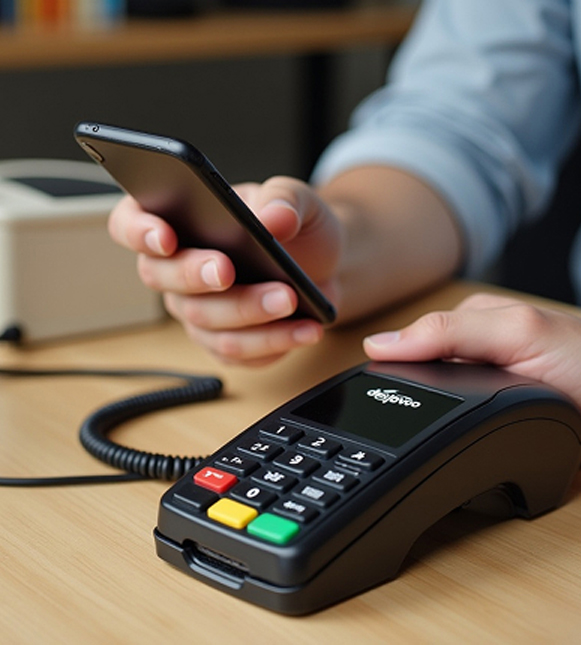
MCCs serve as crucial tools for informing both payment processors and issuers on the optimal approach to handling transactions. These codes prove particularly beneficial in the following scenarios:
Interchange Fees: An MCC is essential for determining the type of transaction, aiding in the determination of the appropriate interchange fee. Interchange fees, imposed by the issuers, represent merchant payments to processors to handle the transactions by credit cards.
Interchange rates, decided by the network, follow general rules but vary based on the MCC. Different business categories feature distinct interchange rates. Safer business categories with lower fraud and fewer chargebacks may enjoy lower rates, while businesses that are more risky, and aligned with corresponding MCCs, may face more increased rates.
Risk Analysis: Payment processors and merchant acquirers normally evaluate a company’s risk profile based on its kind, influencing the associated fees. Although the exact methods by which VAA or MDIS define risk scores are not publicly disclosed, The MCC of the transaction is probably taken into account in the computation.
Why Are MCCs Important?

Tax Reporting: MCC codes are valuable for reporting tax, as different transaction categories may be subject to changing exemptions or tax rates. Accurate categorization through MCC codes allows cardholders to determine whether specific transactions require reporting to IRS. Typically, businesses only need to report service purchases, not goods.
Fraud Prevention: MCCs play a crucial role in ISRs and other robust anti-fraud measures. They ensure that payments undergo thorough scrutiny before processing, enhancing fraud prevention by effectively identifying suspicious activities or transactions.
Cardholder Fees: These MCC codes also affect foreign transactions and annual charges that are charged to cardholders. The nature of a cardholder’s transactions can impact the fees they incur. For example, engaging in frequent transactions in a class where there are more risks or processing expenses might lead to the application of different charges by the issuer.
How To Find Your MCC Codes?
Locating Merchant Category Codes (MCCs) can be a bit challenging as there isn’t a universally accepted set used by all entities. However, understanding the consistent code ranges for different industries can be helpful. Here’s a breakdown of code ranges for various sectors:
| Industry | Code |
| Agricultural services | 0001–1499 |
| Contracted services | 1500-2999 |
| Transportation services | 4000-4799 |
| Utility services | 4800-4999 |
| Retail outlets | 5000-5599 |
| Clothing stores | 5600-5699 |
| Miscellaneous stores | 5700-7299 |
| Business services | 7300-7999 |
| Membership organizations and Professional services | 8000-8999 |
| Government services | 9000-9999 |
To identify your specific MCC, the easiest approach is to contact your credit card provider, such as Visa or Mastercard. Confirm your company’s MCC code through them and cross-reference your industry on our provided list. This ensures accurate classification and helps streamline your understanding of the code relevant to your business.
Conclusion - MCCs

Understanding and leveraging Merchant Category Codes (MCCs) is integral for businesses navigating the complex landscape of payment processing. These four-digit identifiers, defined by the ISO, play a multifaceted role, in influencing risk analysis, interchange fees, fraud prevention, tax reporting, and cardholder fees.
Businesses must recognize the significance of accurate MCC classification, ensuring optimal financial management, adherence to regulatory requirements, and effective utilization of these codes for enhanced transaction insights. To find your specific MCC, consult your credit card provider and utilize industry code ranges as a reference for precise classification.

Frequently Asked Questions
What is the MCC transaction code?
The MCC, or Merchant Category Code, is a four-digit number commonly encountered in setting up card programs or payment acceptance for businesses. It serves to classify the type of goods or services offered by a business.
Who sets MCC codes?
The ISO is responsible for setting MCCs and their definitions. Payment processing companies assign MCCs to companies in order to calculate the appropriate fees for their services, taking into account variables like the company's risk profile.
What is an example of an MCC code?
For instance, if you are engaged in online clothing sales, your MCC might be categorized as 5691 (Men's and Women's Clothing Stores). Using this code enables your payment processor to appropriately classify, categorize, and process the transaction for accounting purposes.
How many MCC codes are there?
MCC codes play a crucial role in determining merchants' processing rates, and improper classification can result in unnecessarily high processing fees. Visa alone uses approximately 500 different MCC codes, underscoring the importance for merchants to ensure they are assigned to the appropriate code.