Get the payment processing solution that fits your business


A Guide To EBT Payment Processing

A Guide To EBT Payment Processing
Accepting Electronic Benefit Transfer (EBT) payments is essential for retailers who want to serve customers using government assistance programs like the Supplemental Nutrition Assistance Program (SNAP). Understanding EBT payment processing can help businesses comply with regulations, streamline transactions, and expand their customer base.
This guide covers everything retailers need to know about EBT payment processing, including eligibility requirements, equipment options, transaction procedures, and compliance guidelines. Whether setting up EBT payments for the first time or looking to improve your current system, this guide provides practical information to help you navigate the process efficiently.
Understanding EBT Payment Processing
Understanding EBT Payment Processing
Electronic Benefits Transfer (EBT) is an electronic system that allows participants of government assistance programs to pay for goods using benefit funds loaded on a card. In the United States, EBT is most commonly associated with the Supplemental Nutrition Assistance Program (SNAP), formerly known as food stamps, which provides low-income individuals and families with funds to purchase food. Instead of paper coupons, SNAP recipients receive an EBT card (similar to a debit card) with a magnetic stripe and PIN to access their benefits.
All 50 states, DC, and US territories use EBT to distribute SNAP benefits, and EBT has been the sole method of issuing SNAP benefits nationwide since 2004. Beyond SNAP, many states also deliver other assistance programs through EBT. For example, the Special Supplemental Nutrition Program for Women, Infants, and Children (WIC), Temporary Assistance for Needy Families (TANF), and certain general assistance or pandemic relief benefits (like Pandemic-EBT) are or have been integrated into the EBT system.
This means eligible recipients can use the same EBT card to access different benefit accounts (such as a SNAP food or cash assistance account). EBT has replaced paper vouchers, streamlining benefit delivery and reducing fraud using secure PIN-based transactions. For retailers, accepting EBT payments – mainly SNAP – has become an essential aspect of modern retail, especially in the grocery and convenience store sectors. Over 42 million Americans use SNAP benefits monthly (about 12% of the US population), translating to significant purchasing power in the food retail market.
More than 250,000 US retailers, from small corner stores to supermarket chains, are authorized to accept SNAP. By processing EBT payments, merchants play a vital role in ensuring that families in need have access to nutritious food while also tapping into a broader customer base in their communities.
How EBT Payments Work?

How EBT Payments Work?
EBT transactions at the point of sale work similarly to standard debit card transactions, with a few key differences. When a customer is ready to pay with an EBT card, the process typically involves the following steps:
- Card Swipe and PIN Entry:
The customer swipes or inserts their EBT card into the merchant’s point-of-sale (POS) terminal and enters a secret 4-digit Personal Identification Number (PIN), just as they would for a debit card. This PIN authentication helps ensure the card is being used by the authorized recipient.
- Purchase Verification:
The POS system identifies that the card is EBT and checks two critical things: the available balance in the customer’s SNAP (or cash benefit) account and whether the items being purchased are SNAP-eligible foods.
EBT cards can only be used to buy approved items, so the system (or the cashier) must confirm that no ineligible products are being paid for with SNAP funds (see below for more on eligible vs. ineligible items).
- Authorization:
The transaction data (card number, PIN, purchase amount, and item details) is securely sent to the state’s EBT processor or payment network for authorization. The processor’s system verifies the PIN, checks that the SNAP shopper has enough benefits to cover the purchase, and confirms that the basket contains no disallowed items. If everything is in order, approval is returned to the store’s POS system.
- Deduction and Receipt:
Once approved, the EBT system electronically deducts the purchase amount from the customer’s benefit account. No cash ever actually passes through the register from the EBT account – it’s all electronic debiting of the customer’s benefit balance. The POS prints a receipt that shows the purchase amount and the remaining benefit balance, just like a bank receipt.
- Settlement and Reimbursement:
After the sale, the retailer doesn’t receive funds immediately in cash at the register. Instead, the approved EBT transaction is settled behind the scenes. The state (or its EBT processing contractor) will reimburse the retailer for the sale amount, typically via direct deposit to the store’s bank account.
This reimbursement happens quickly – often by the end of the next business day or within two business days – so the store is made whole for the goods provided. In some states, batched EBT payments may be posted to the retailer’s account regularly (for example, daily or weekly), but the key point is that the government funds the purchase, not the customer’s personal bank account.
How Is EBT Different from Debit/Credit Card Transactions?

How Is EBT Different from Debit/Credit Card Transactions?
From the merchant’s perspective, EBT transactions resemble PIN-based debit purchases, but notable differences exist.
- First, the source of funds is a government benefits account, not a personal bank or credit line. This means no chargebacks to the customer and no risk of non-payment due to insufficient funds beyond the benefits account (the EBT system will decline transactions that exceed the available balance, with no overdraft).
- Second, EBT transactions have no interchange or percentage-based fees that credit/debit cards typically carry. The federal government prohibits any surcharges or sales tax on SNAP purchases, so the customer pays only the exact amount of the food purchase and nothing more. (Merchants also cannot impose a surcharge on the EBT user; any processing fees charged are between the store and its payment processor and are never borne by the SNAP customer.
- Third, EBT transactions are limited to eligible products. SNAP benefits can only be used to buy certain food items for home consumption, so the POS system or cashier must enforce restrictions on eligible purchases during the transaction. For example, you can use SNAP benefits to buy staples like fruits, meat, vegetables, fish, poultry, breads and cereals, dairy products, snack foods, and even plants or seeds that produce food. However, SNAP cannot buy alcoholic beverages, cigarettes or tobacco, vitamins or medicines, hot prepared foods (e.g., hot deli meals), or non-food items like pet food, paper goods, or household supplies. These restrictions mean an EBT customer might pay for disallowed items separately with cash or another payment method if they have a mixed basket. Modern POS systems help by automatically categorizing and applying only SNAP funds to eligible items.
An EBT payment is a swift electronic transaction deducted from a government benefits account. The customer enters a PIN for security, and the system ensures only approved foods are bought. The retailer is guaranteed payment for approved transactions since the state’s EBT system settles the funds to the store, like a credit card processor would—only with lower fees and certain rules attached.
By understanding how EBT works, merchants can smoothly integrate these transactions into their checkout process and confidently serve SNAP customers alongside cash, credit, and debit customers.
Requirements for Merchants to Accept EBT Payments
Not every business can start accepting EBT by simply plugging in a machine – there are eligibility requirements and an authorization process. To accept SNAP EBT payments, a retailer must become an authorized SNAP retailer licensed by the US Department of Agriculture (USDA) Food and Nutrition Service (FNS). This entails meeting certain criteria regarding the type of food products the store sells and completing an application to obtain a SNAP permit and FNS number.
The USDA has two primary sets of criteria (A or B) that a store must meet to be eligible for SNAP authorization:
Criterion A – Staple Food Inventory
The store must consistently stock a variety of basic food items in each of the four staple food categories:
If you already have an account with us, simply call us and supply your unique FNS number and we take care of the rest. We will add EBT to your processing system and within 2-3 business days, you will be able to accept EBT payments!
- Fruits and vegetables
- Meat, poultry, or fish
- Dairy products
- Breads or cereals
Specifically, the business needs to continuously carry at least 36 staple food items, with a minimum of three different varieties in each of the four categories and at least three units of each variety.
Additionally, at least two categories must include perishable items (e.g., fresh or frozen items that would spoil if not refrigerated). This ensures the store is a place where customers can buy a range of nutritious foods for home preparation, not just snacks or sodas.
Criterion A – Staple Food Inventory
Criterion B – Staple Food Sales

Criterion B – Staple Food Sales
Alternatively, a store can qualify if more than 50% of its total gross retail sales come from the sale of staple foods (the same four categories above). This criterion often covers specialty food retailers like butcher shops, bakeries, or produce markets that might not carry all categories but still primarily sell nutritious foods. If over half of what the store sells (by dollar volume) is staple food ingredients, it can be eligible under Criterion B.
Most grocery stores, supermarkets, and convenience stores qualify under one of these two criteria. For example, a typical convenience store might meet Criterion A by stocking canned vegetables, fruits, dairy milk, cheese, bread, cereal, meats, etc.. In contrast, a small produce market that mainly sells fruits and vegetables might qualify under Criterion B if those produce sales are more than half its revenue.
Stores that do not meet A or B may still be considered for SNAP authorization on a case-by-case basis under a “Need for Access” exception if they are in an area with significantly limited access to food (e.g. , no other grocery options nearby for SNAP clients). However, the bar for that exception is high, and most retailers are approved by meeting the standard criteria.
Licenses and Registrations
Meeting the food inventory/sales criteria is the first step, but retailers also must go through the FNS application process to get a SNAP retailer license. The store owner will need to apply FNS and, if approved, will receive a SNAP authorization permit and a unique FNS number for the store. The FNS number is essentially the retailer’s EBT license number and is used to set up EBT processing equipment. There is no cost to apply for an FNS SNAP permit, but the store must have a valid business license (e.g., a retailer must have a business license and a location selling food).
FNS will ask for documentation like owner identification, business licenses, and store inventory or sales information to verify eligibility. In addition to the federal SNAP permit, the merchant will need a bank account (to receive the reimbursements) and likely an employer identification number (EIN) if not already in place for their business banking. However, there is no separate “EBT license” beyond the SNAP authorization from USDA.
Once authorized, a store can also accept other EBT-distributed benefits (for example, cash benefits) without a separate application, though SNAP rules only apply to SNAP purchases.
Equipment and Software Needed for EBT Processing
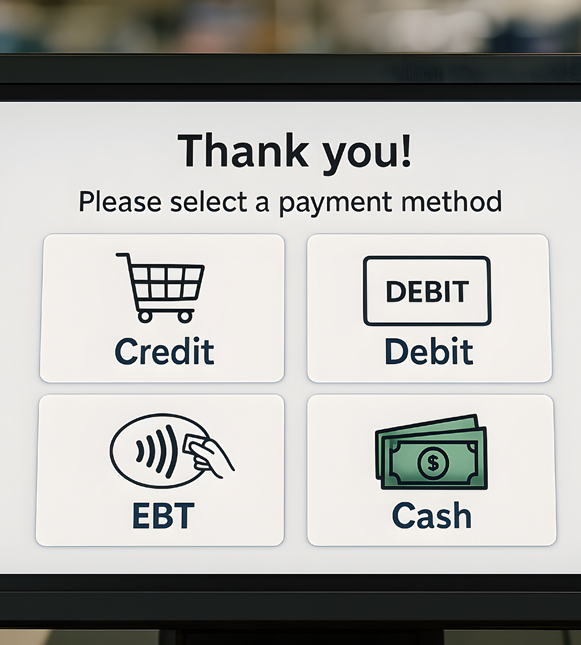
Accepting EBT payments in-store typically uses the same basic hardware as processing credit or debit cards, but with some specific requirements. At minimum, a merchant will need a point-of-sale device or payment terminal that can read the EBT card and accept a PIN entry, and it must be programmed to connect to the EBT processing networks. Here are the key components and options:
- EBT-Compatible POS Terminal:
Most modern payment terminals and POS systems can process EBT transactions as long as they have a PIN pad (since SNAP EBT requires PIN authentication). In fact, if a retailer already accepts PIN debit cards, the existing card reader and PIN keypad can often be used for EBT with just a configuration update. The merchant’s payment processor or EBT service provider will program the terminal with the store’s FNS number and EBT network access.
Common credit card machines (Verifone, Ingenico, etc.) or integrated grocery POS systems (like those from NCR, Square for Retail with PIN pad, etc.) can handle EBT transactions once authorized. In short, you usually do not need to buy a completely separate machine just for EBT – you can process EBT on the same hardware as other cards, provided it’s EBT-enabled.
Equipment and Software Needed for EBT Processing
- Dedicated EBT Terminal (if needed):
If a business has no card processing equipment or its current setup cannot be programmed for EBT, the retailer must acquire a payment terminal that supports EBT. Many states contract with specific EBT service providers that offer terminals to retailers. Historically, some small stores were provided free standalone EBT terminals through government programs. Still, since most retailers now must obtain their equipment, a store might purchase or lease a terminal through a third-party processor.
Costs for a basic terminal can range from $100 to a few hundred dollars, or a monthly rental fee (some processors offer plans like a flat $20 per month plus a small per-transaction fee for EBT service). Importantly, any EBT terminal must have an online connection (via phone line or internet) to authorize transactions in real time; offline processing is prohibited for EBT.
- Software or Gateway for Online EBT:
In recent years, the USDA has piloted online SNAP EBT purchasing, allowing SNAP recipients to use their EBT card to shop for groceries online for delivery or pickup. For retailers interested in online EBT processing, additional software integration is required. The online checkout system needs to interface with an FNS-approved payment gateway that can process EBT with PIN entry securely. Only certain payment processors and e-commerce platforms have this capability as part of the SNAP Online Purchasing Pilot.
For example, large chains like Amazon, Walmart, and Aldi were early participants, and now more regional grocers are coming on board with approved systems. If you want to accept EBT on your website or mobile app, you must separately apply and meet technical requirements set by FNS (this is beyond the standard in-store retailer authorization). Smaller retailers often partner with third-party solutions (for instance, an online marketplace or a service like Instacart that supports EBT payments) to offer online SNAP payments. While EBT payments are currently predominantly in-person with the physical card present, this is changing as technology evolves.
- Integration with Existing Systems:
Integrating EBT is typically a matter of software configuration for stores with sophisticated POS systems. Upon receiving your SNAP retailer authorization, you’d provide your FNS number to your payment processor or POS provider. They will enable EBT transaction codes on your system and ensure your inventory database is configured to mark SNAP-eligible items.
Many integrated grocery checkout systems can automatically separate SNAP-eligible and non-eligible items at the register, making it easy to accept EBT for the eligible portion and prompt the customer for another payment method for any remaining items. It’s wise to verify with your POS or merchant services provider that they support EBT transactions; most do, and often, there is no additional monthly fee to add EBT processing to your account. The key is that your checkout device must have a PIN pad and the right software – which most multi-tender checkout setups have or can get with an update.
- EBT Processing Service Providers:
Unlike credit card processing, which goes through banks and card networks, EBT is run by state-contracted processors. When you become authorized, you can choose an EBT third-party processor (TPP) from an approved list to handle your transactions. Some merchant account providers handle EBT for you (integrated with your credit card processing), whereas others might refer you to a dedicated EBT service. Ensure any processor you use is certified for SNAP. The USDA FNS maintains a list of approved EBT service providers, though it may be a bit dated.
Standard EBT processors include FIS, Conduent, and state-specific contractors. Often, your existing payment processor (if you accept cards) can route EBT transactions as well – check with them first for convenience. Finally, consider future-proofing your equipment. As of 2025, most EBT cards are still magstripe cards that require swiping and PIN entry. However, chip-enabled EBT cards and even contactless “tap” EBT cards are on the horizon as states work to enhance security.
USDA has alerted retailers that SNAP EBT cards will be issued with EMV chip technology in various states. POS devices will need software updates to support reading EBT chip cards or to allow “fallback” to the stripe until systems catch up. While accepting contactless (NFC tap) EBT payments is optional for now, it may become more common.A pilot program is underway to let customers store EBT cards in mobile wallets and pay via smartphone tap or scan at checkout. Merchants should keep their payment software up-to-date and follow guidance from processors so they can seamlessly accept these new forms of EBT payment as they roll out.
Understanding the Compliance and Regulations Requirements

Understanding the Compliance and Regulations Requirements
When accepting EBT payments, merchants must adhere to strict government rules and regulations. Compliance is crucial to ensure that benefits are used appropriately for eligible purchases and to avoid penalties or disqualification from the SNAP program. Below are key regulations and best practices retailers need to follow:
- Allowed vs. Prohibited Items:
Only SNAP-eligible foods can be purchased with SNAP benefits on an EBT card. EBT terminals (or cashiers) should reject any attempt to buy disallowed items with SNAP funds. As mentioned, eligible items include most staple foods and groceries for home preparation and consumption. Ineligible items include alcohol, tobacco, vitamins/supplements, hot prepared foods, and non-food products. The retailers are responsible for ensuring SNAP funds are only used for allowable items.
Many POS systems automatically prevent ineligible items from being rung up on EBT by requiring a separate transaction or alternate tender for them. Never deliberately allow a SNAP customer to pay for something like beer, cigarettes, or pet food with their EBT card—doing so is a violation.
- Sales Tax and Surcharges:
By federal law, no sales tax can be charged on items bought with SNAP benefits, even if your state normally taxes groceries. If a purchase is split tender (part EBT, part cash), you may only apply sales tax to the portion not paid by SNAP.
Similarly, retailers cannot impose any fees or surcharges for using EBT. You must treat a SNAP customer like any other – you cannot require a minimum purchase for EBT or charge them for using the card. Even standard bag or bottle deposit fees cannot be paid with SNAP benefits; if you charge those, the customer must pay cash or other tender for any added fees. The only slight exception is that bottle deposit fees mandated by state law can be paid with SNAP, as USDA guidance allows that. In short, SNAP EBT purchases should only cover the price of the eligible food, with no extra fees or taxes.
- No Cash Refunds or Cash Back:
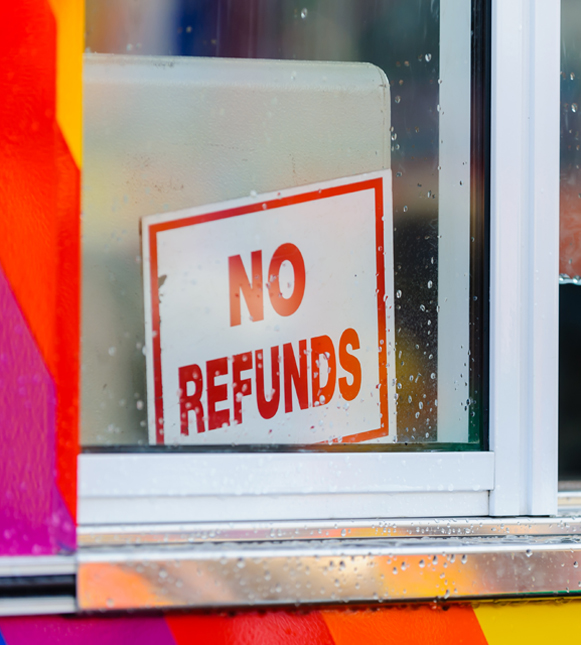
SNAP benefits cannot be exchanged for cash. If a customer returns an item bought with EBT, you must refund the amount back onto the EBT card (credit the SNAP account)—never in cash. Giving cash refunds for SNAP purchases is considered SNAP trafficking (a serious violation).
Likewise, you cannot allow a customer to perform an “EBT cash back” transaction for SNAP funds (SNAP isn't like a debit card where you can get cash back at the register). The only time cash comes into play is if the customer has a cash benefits account (such as TANF) on their EBT card, which is separate from SNAP and can be withdrawn at ATMs or as cash back on cash benefit transactions. However, under no circumstances should SNAP food benefits be converted to cash at a retail store.
- Equal Treatment and Non-Discrimination:
SNAP customers should be treated like any other patron. Retailers cannot set special terms for SNAP EBT users, such as requiring a higher purchase amount or only allowing EBT at certain hours. They also cannot discriminate by race, gender, religion, or any other protected class – standard civil rights rules apply. In practice, this means training your staff that an EBT card is just another payment method; the transaction should be as smooth and respectful as a credit card transaction.
- Record Keeping:
Keep receipts and records of EBT sales as you would other transactions. Most EBT processors will provide detailed reports of your SNAP transactions. Good recordkeeping can help if there are discrepancies or you’re audited.

- Fraud Prevention Measures:
EBT cards have built-in security via PINs, but fraud can still occur (e.g., card skimming devices capturing EBT card data). From the retailer side, ensure your POS devices are secure and inspected for tampering, just as you would for credit card security. Watch out for unusual customer requests, like someone wanting to buy a very large quantity of high-value items or attempting multiple swipes of different cards for cash equivalent items – these could be red flags for trafficking.
Always decline any offer from a customer that sounds like an attempt to get cash for EBT (for example, a customer saying, “I’ll buy $100 of stuff on my card and sell it back to you for $50 cash” is illegal). The USDA has a team of analysts and investigators who monitor SNAP transactions for patterns of fraud and abuse. Transactions that are abnormally high or repetitive might trigger a review.
As a retailer, it’s best to proactively prevent fraud by enforcing the rules and reporting any suspicious activity. There are even scams where third parties attempt to steal benefits (like card cloning schemes), so maintaining up-to-date POS software (for example, to support upcoming EBT chip cards) will help protect you and your customers.
- Audits and Monitoring:
Once authorized, retailers can be subject to compliance visits or audits by USDA or state officials. These might be announced visits to review your stock (to ensure you still meet eligibility requirements) or unannounced undercover operations to see if clerks follow the rules. FNS also periodically requires re-authorization – for instance, every few years, you may need to re-submit information to continue in the program. Maintaining the eligibility criteria (stocking staple foods) and staying in good standing are important.
If a violation is detected, the USDA can issue a charge letter detailing the allegations to the store. Retailers can respond, but if the violation is proven, penalties can range from temporary disqualification (months or years of not being allowed to accept EBT) to permanent disqualification and monetary fines for serious offenses. Criminal charges are also possible in deliberate fraud (like exchanging SNAP for cash). The best way to avoid trouble is simple: knowing the rules and following them precisely.
Staying compliant may sound complicated, but thousands of retailers successfully manage it. Using your POS system controls, training your staff, and keeping up with USDA guidance, you can smoothly run EBT transactions while avoiding pitfalls and serving your community within the program’s rules.
Costs and Fees Associated with EBT Processing
One piece of good news for merchants is that accepting EBT is generally not very expensive. Processing SNAP EBT transactions typically costs less than processing credit or debit card payments because many of the usual banking fees do not apply. Below, we break down the potential costs and how small businesses can minimize them:
- Application and Setup Costs:
Applying to become a SNAP-authorized retailer costs nothing – the USDA does not charge an application or permit fee. Once approved, the main setup task is obtaining or configuring EBT-capable equipment. If you already have a suitable POS terminal, enabling EBT might involve a phone call to your processor and possibly a small reprogramming fee (often, there’s no fee at all, especially if you’re an existing client). You might purchase a terminal or pin pad to acquire equipment.
The cost of a basic unit could be a few hundred dollars, but some processors offer free or discounted terminals when you sign up for service. Additionally, certain retailers qualify for free EBT equipment: for example, nonprofit farmers’ markets, direct farm stands, and some community organizations can get free terminals through government grant programs.
(USDA currently extends free equipment to eligible farmers' markets, military commissaries, treatment centers, and a few other categories, while most for-profit retailers are expected to obtain their own equipment.)
- Transaction Fees:
Unlike credit card processing, where a merchant pays a percentage of each sale (interchange fee) plus transaction fees, EBT transactions do not have interchange fees by law. The government’s sponsorship of SNAP means Visa/MasterCard or bank interchange schedules don’t apply.
However, your payment processor or third-party EBT provider can charge a small fee per EBT transaction to handle the routing. This fee is often minimal – on the order of $0.10 or $0.15 per transaction. Some merchant service providers even process EBT transactions for free as a courtesy if you already use their credit card services. It’s important to review your contract: ensure that if you see EBT fees, they are flat and low. Because no percentage cut is taken (no interchange), you should not pay 2-3% of the EBT sale in fees. If your provider uses a flat-rate pricing model, be careful that they aren’t indirectly charging you high fees for EBT – ideally, they should exempt EBT or charge only a nominal per-swipe fee.
EBT transaction fees are generally much lower than credit card fees. With a bit of shopping around, you may find a processor that charges virtually nothing beyond a dime per transaction.
Costs and Fees Associated with EBT Processing


- Monthly or Ongoing Costs:
Some EBT service providers charge a monthly service fee or terminal fee. For instance, a plan might be $19.95 per month for unlimited EBT transactions. Others might bundle EBT processing as part of your overall merchant services package. If you only process EBT (and no other cards), be aware that you should not be charged PCI compliance fees (those are associated with safeguarding credit card data).
A small business that uses a standalone EBT terminal might pay a modest monthly fee to the provider for the wireless data or phone line service. These costs are usually predictable and low. Always ask if there’s a special program for SNAP retailers; sometimes, state EBT contractors have low-cost options for small grocers in underserved areas.
Steps to Become an EBT-Authorized Retailer
If you’ve determined that your business meets the basic eligibility to accept SNAP and you’re ready to move forward, the next step is to go through the USDA’s authorization process. Becoming an EBT-authorized retailer involves a formal application to the Food and Nutrition Service. Here are the steps you need to follow:
- Ensure You Meet Eligibility Requirements:
Before applying, double-check that your store meets the criteria for SNAP retailers (as discussed before). You should stock sufficient staple foods or have the sales volume that qualifies your business, or be in a location that needs a SNAP outlet.
If you clearly don’t meet either Criterion A or B (for example, a gas station convenience store that mostly sells snacks and candy would likely not qualify), you might need to adjust your inventory first or reconsider. FNS will deny applications from stores that don’t fit the requirements.
- Create a Login Account with USDA:
The SNAP retailer application is done online. To access it, you’ll first create a Login.gov account (the secure sign-in service for US government websites) if you don’t already have one. This will involve providing an email, creating a password, and setting up a two-factor authentication method. Once that’s set, you can proceed to the FNS online application portal.
- Complete the SNAP Retailer Application:
The application (known as form FNS-application or via the online portal) will ask for detailed information about your business. This includes: business name, address, contact info, the types of products you sell, hours of operation, and ownership details. You will need to supply personal information for all owners/partners (such as names, home addresses, Social Security Numbers) and possibly business documentation (like business licenses or tax ID).
You’ll also need to report your store’s food inventory or sales data, demonstrating how you meet the eligibility criteria (e.g., listing examples of staple foods you carry or providing sales figures showing staple food percentages). If you have multiple store locations, each needs its own application unless you qualify as a multi-store owner (chain) with a combined application. The online application is user-friendly and free, and it can be completed in as little as 15 minutes if you have all the information handy.
After starting, you have up to 30 days to finish the application, but it’s best to complete it promptly to move the process along. Make sure all information is accurate and truthful – falsifying information can lead to denial or future disqualification.
Steps to Become an EBT-Authorized Retailer


- Submit Required Documentation:
At the end of the application, FNS will provide instructions for uploading or sending in your supporting documents. Common documents requested include a copy of your business license, identification for owners (e.g., driver’s license or passport), copies of recent sales records or inventory invoices, and possibly photos of your store (to verify it’s a retail food establishment).
You will also need Social Security cards and copies for all owners, partners, officers, shareholders, and spouses, as well as a business license, your bank’s name and address, and the name, phone number, address, and website of the EBT processing merchant account provider.
- Wait for USDA Review and Decision:
Once your application and documents are submitted, FNS will review your case. The approval process can take a few weeks. The official timeline can be up to 45 days (around 1 to 1.5 months) for FNS to process and decide. Sometimes, it may be quicker, especially if your documentation is clear and you meet the criteria easily. During this period, FNS might contact you for clarification or ask for additional information. Be responsive to any inquiries to avoid delays. You can check the status of your application online or by calling the SNAP Retailer Service Center.
Important: You cannot accept EBT payments until you are officially authorized, so wait for approval before attempting any SNAP transactions.
- Receive Your SNAP Authorization (FNS Number and Permit):
If approved, you will be issued a SNAP Retailer Permit and assigned an FNS number. The permit is an official certificate (which you should keep on file, and some stores display it) that lists your store name, address, and FNS authorization number.
This number is crucial as it identifies your store in the EBT system. You’ll use it to set up your EBT equipment and in any correspondence with FNS.
Congratulations – at this point, you are an authorized SNAP retailer. FNS may also list your store on its online locator of SNAP retailers, meaning customers can find you when looking up where to use their benefits.
- Obtain or Program EBT Equipment:
Now that you have authorization, you need the practical means to swipe EBT cards. If you already have a POS system, contact your payment processor or equipment provider to program it to accept EBT using your new FNS number. They may walk you through downloading a software update to add the EBT functionality. If you need equipment, you can order it at this stage.
When ordering a terminal or service, you’ll provide your FNS number so that the device arrives ready to process SNAP transactions. Remember that aside from rare exceptions (farmers' markets, etc.), most retailers must purchase or lease their own EBT processing equipment. Factor in a couple of days or weeks for shipping or setup of any new devices.
Once the machine is set and you’ve run a successful test transaction (many providers will help test by doing a $0.01 transaction or similar), you are basically ready to go live.
- Train Staff and Start Accepting EBT
Before you announce “EBT Accepted Here,” ensure you and your employees are comfortable with the process. Train cashiers on how to ring up SNAP purchases, how to handle mixed baskets (split tender if needed), and the do’s and don’ts of SNAP rules (as covered in the Compliance section).
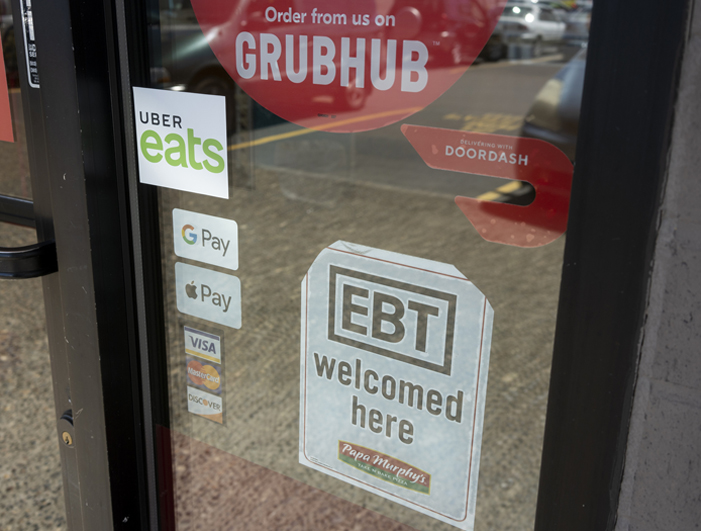
The USDA provides training guides and even signage. You’ll want to display the “We Accept EBT” decal or sign on your door or register area so that customers know your store welcomes their SNAP cards.
Finally, once everything is set, you can begin accepting EBT payments and serving SNAP customers in your community. Maintaining Your Authorization: After these steps, your journey isn’t over; maintenance is important. Keep your FNS permit valid by following program rules and keeping your store’s food offerings up to date.
If your store changes ownership or moves, you must inform FNS and update your authorization (SNAP permits are not automatically transferable to new owners). FNS may periodically require you to reauthorize (they’ll send a notice if so) or to report updated information. Always reply to these requests to avoid any lapse in your authorization.
And of course, continue to enforce SNAP rules to stay in compliance and avoid any issues that could jeopardize your ability to accept EBT. A retailer can successfully become an EBT-authorized merchant by carefully following these steps. The process is straightforward and user-friendly, and assistance is available via the SNAP Retailer Service Center if you have questions along the way. Once authorized, you can take pride in joining the network of stores providing critical access to food for those relying on nutrition assistance.
Need Help Setting Up EBT Processing? Host Merchant Services Can Handle It
Host Merchant Services will provide your business preferential treatment if you need support in signing up for EBT payment processing. Our service team is four times larger than our sales team! We know it’s better to keep our customers happy than it is to find new customers. Host Merchant Services provides US-based support 24 hours a day, 365 days per year, to help your business stay current with the latest digital payment trends for 2025.
Conclusion
This guide for retailers on EBT payment processing has touched on all aspects necessary to understand and implement EBT transactions. From understanding the mechanics of EBT systems to navigating the complexities of compliance and regulation, the guide provides a thorough education to help retailers expand their customer base by accommodating those on government assistance programs such as SNAP.
This article prepares retailers to handle EBT payments confidently. It positions them to take advantage of the business opportunities and community goodwill that come with supporting accessible nutrition options for all segments of society. Ultimately, adopting EBT payments aligns with broader business goals of growth, inclusivity, and social responsibility, enriching the community and the business sector.