It doesn’t matter how much your customers intend to buy if everything falls apart at checkout. Customers could have a cart full of items, but if checkout is impossibly slow or inefficient, they are likely to walk out. You can eliminate this possibility by optimizing the checkout experience.
Speed up the Checkout Process
For brick-and-mortar stores this starts with prompt service. The ability to automatically open another register when needed will help the checkout process run smoothly. You can do this by shunning traditional cash registers in favor of using POS enabled tablets. It also helps to use a POS based in the cloud. The larger and busier your store is the more it will benefit from these changes. Adding lanyard scanners to your business model will eliminate the need for a clunky credit card machine at each register.
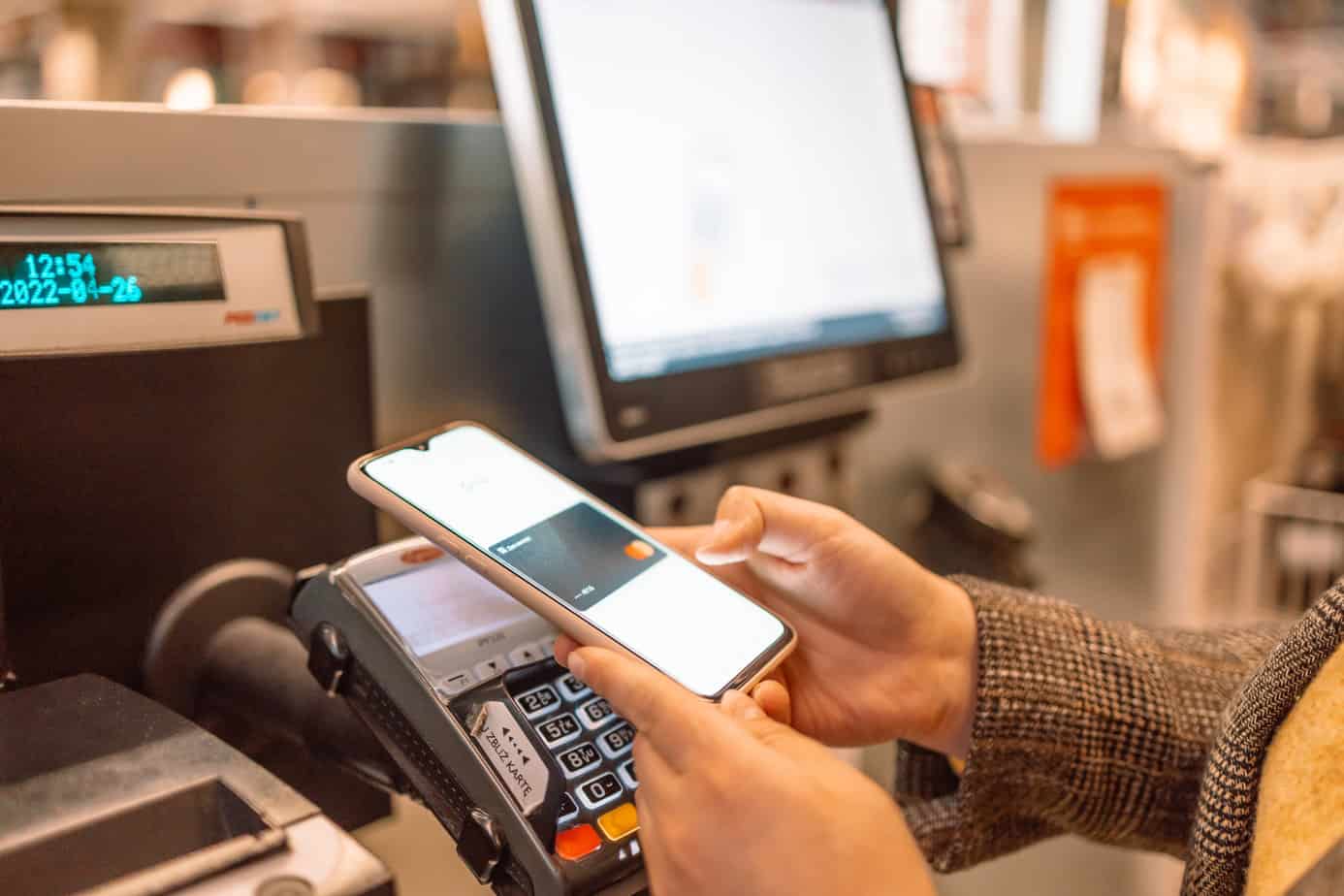
Another way to speed up the checkout process is to accept payments from a customer’s mobile device. You can choose to use a mobile-friendly POS or even create an app your customers can use to pay.
Don’t think that if you have an online business you are immune to the pitfalls of a bad checkout experience. It has been proven that a complicated checkout process will cause some customers to avoid completing the transaction. When your payment processing rate drops, you will know this is happening to you. It often occurs when customers are required to create an account with your site before completing their purchase. It can even be an issue if your site directs them to another page for credit card processing. Many customers distrust this, feeling they may be falling for a scam.
To combine online and offline business, consider allowing customers to order online but pick up in store. This eliminates the need to pay for shipping, something many customers aren’t able or willing to do.
Improving the checkout experience doesn’t have to be daunting. There are several options you can choose that show customers you are committed to their needs. When your customers feel like you can give them what they want, they are more likely to give your business their hard earned money.
Selecting the appropriate payment processor is imperative for every business endeavor. It transcends mere transaction facilitation; it embodies security assurance, cost minimization, and seamless experiences for you and your clientele. Before committing, it’s vital to comprehensively understand your inquiries to your processor, ensuring the optimal selection for your business’s needs.
You can ascertain a processor that aligns with your business objectives, budget constraints, and technological requirements by conducting thorough research and asking pertinent questions. Therefore, take the time to delve into the intricacies of payment processing and equip yourself with the knowledge necessary to make informed decisions. After all, the payment processor you choose can significantly impact the efficiency and success of your business operations.
What To Ask Your Processor Before You Sign Up
Understanding your business needs
Types of transactions
Before committing to a payment processor, you need to understand the types of transactions your business will process. Are you primarily dealing with online, in-person, or a combination? Different processors may specialize in various transactions, so finding one that aligns with your needs is essential.
Volume of transactions
Consider the volume of transactions your business expects to handle. Some processors may offer volume discounts or have transaction limits that could impact your business operations. Make sure your chosen processor can accommodate your transaction volume without any issues.
International transactions
If you plan to do business internationally, you’ll need a payment processor that supports international transactions. It includes accepting multiple currencies and complying with global regulations. Ask potential processors about their international capabilities to ensure they can meet your needs.
Security and Compliance
PCI Compliance
Payment Card Industry Data Security Standard (PCI DSS) compliance is essential for any business that accepts credit card payments. Ensure your payment processor is PCI-compliant to protect customers’ sensitive information and avoid legal issues.
Data security measures
In addition to PCI compliance, ask about the payment processor’s data security measures. How do they encrypt sensitive information? What protocols do they have in place to prevent data breaches? Choose a processor that takes data security seriously to protect your business and customers.
Fees and Pricing Structure
Transaction fees
The fee structure is among the most significant factors when choosing a payment processor. Ask about transaction fees, including any flat fees or percentages charged per transaction. Compare these fees across different processors to find the most cost-effective option for your business.
Monthly fees
In addition to transaction fees, many payment processors charge monthly fees for their services. These fees vary widely, so ask about them upfront and factor them into your budgeting process.
Hidden fees
Beware of hidden fees that may take time to be apparent when comparing payment processors. Ask about additional service charges like chargebacks, refunds, or account maintenance. Understanding the total cost of using a payment processor before you sign up is essential.
Integration and Compatibility
Software compatibility
If you’re using specific software or platforms to run your business, make sure the payment processor you choose is compatible with them. Ask about integration options and any potential limitations or requirements for seamless integration.
APIs and plugins
For more advanced integration needs, inquire about the availability of APIs and plugins the payment processor offers. These tools can streamline the integration process and provide additional functionality tailored to your business requirements.
Customer Support
Availability
When issues arise with payment processing, you need reliable customer support to resolve them quickly. Ask about the availability of customer support services, including hours of operation and response times for inquiries or technical support requests.
Responsiveness
In addition to availability, consider the responsiveness of the payment processor’s customer support team. Are they proactive in addressing issues, or do you have to wait days for a resolution? Look for a processor that prioritizes customer service and is responsive to your needs.
Support channels
Contact the payment processor’s customer support team to determine the available support channels. Do they offer phone support, email support, live chat, or all of the above? Choose a processor that offers multiple support channels to reach them most conveniently.
Reputation and Reviews
Researching payment processor reputation
Before committing to a payment processor, research to learn more about their reputation in the industry. Look for reviews and testimonials from other businesses to understand their experiences with the processor.
Reading customer reviews
In addition to professional reviews, pay attention to customer reviews and ratings on third-party sites. These can provide valuable insights into the payment processor’s reliability, customer service, and overall satisfaction level among its users.
Contract Terms and Conditions
Length of contract
Ask about the contract length required when signing up with a payment processor. Are you locked into a long-term commitment, or is there flexibility to cancel or change providers if needed? Ensure you understand the contract terms before you agree to them.
Early termination fees
Inquire about any early termination fees or penalties for canceling your contract before it expires. These fees can vary widely among payment processors and could impact your decision if you need to switch providers.
Auto-renewal clauses
Be aware of any auto-renewal clauses in the contract that could automatically extend your agreement with the payment processor. If you prefer to avoid being locked into a long-term contract, look for processors that offer more flexible terms.
Scalability and Growth
Handling increased transaction volume
As your business grows, your payment processing needs may evolve. Ask how the payment processor can accommodate increased transaction volume and whether they offer scalability options to support your growth.
Adding new features or services
In addition to transaction volume, consider whether the payment processor can support any new features or services you want to add. Look for flexibility and adaptability to ensure your payment processing solution can grow with your business.
Backup and Redundancy
System uptime
Downtime can be costly for businesses relying on payment processing services. Ask about the payment processor’s system uptime and reliability to ensure your transactions can be processed without interruption.
Disaster recovery plan
Inquire about the payment processor’s disaster recovery plan in case of a system outage or other unforeseen circumstances. How quickly can they recover from downtime, and what measures do they take to minimize disruptions to your business?
Reporting and Analytics
Transaction reports
Access to detailed transaction reports can provide valuable insights into your business’s financial performance. Ask about the payment processor’s reporting and analytics tools and how they can help you track and analyze your sales data.
Insights into customer behavior
In addition to transaction reports, inquire about any features or tools that provide insights into customer behavior. Understanding your customers’ purchasing habits and preferences can help you make more informed business decisions and improve your overall sales strategy.
Mobile Payments
Mobile app compatibility
With the increasing popularity of mobile commerce, choosing a payment processor that supports mobile payments is essential. Ask about their mobile app compatibility and any features designed explicitly for mobile transactions.
Contactless payments
Contactless payment options, such as NFC technology and mobile wallets, are becoming increasingly prevalent. Ensure the payment processor you choose supports contactless payments to provide your customers with a convenient and secure checkout experience.
Future-proofing
Adapting to technological advancements
Technology is constantly evolving, and so are payment processing solutions. Ask how the payment processor stays ahead of technological advancements and adapts to industry changes to ensure your business remains competitive.
Flexibility for future needs
Choose a payment processor that offers flexibility and scalability to meet your future needs. Whether you add new payment methods, integrate with new software, or expand into new markets, ensure your processor can support your business’s growth and evolution.
Comparing Options
Creating a comparison chart
To make an informed decision, create a comparison chart to evaluate different payment processors based on fees, features, and customer support. This can help you visually compare your options and identify the best fit for your business.
Weighing pros and cons
Consider the pros and cons of each payment processor based on your specific needs and priorities. While one processor may have lower fees, another may offer more advanced features or better customer support. Ultimately, choose the processor that provides the best overall value for your business.
Conclusion
Choosing a suitable payment processor is a critical decision that can impact your business’s success. By asking the right questions and thoroughly researching your options, you can find a payment processor that meets your needs and helps you provide a seamless payment experience for your customers.
Choosing a merchant services partner is a critical decision for any business. It can be tempting to sign a multi-year processing contract, especially if the provider offers a “free” terminal or seemingly low rates. However, locking yourself into a long-term contract can backfire. Your payment processing needs will inevitably change as your business grows. If you sign a 3–5 year agreement (a standard contract length) and rates drop or new technologies emerge, you won’t be able to switch without steep penalties.
In fact, term contracts only benefit one of the parties to the contract, and that party is not you. A long-term contract often fixes your rates and service at today’s level, even when tomorrow’s payment environment changes.
The Risks Behind Multi-Year Payment Processing Agreements
Fixed Rates and Limited Flexibility
Many providers lock businesses into specific pricing schedules for years. If your contract guarantees a specific discount rate, you won’t be able to reduce fees even if card network costs drop or a competitor offers a better deal. Being locked into a long-term processing contract severely limits your opportunities to switch to a provider that may offer better terms. This lack of flexibility keeps you tied to potentially high processing costs even as your business and the market evolve.
Hidden Fees and Penalties
Long contracts often come with hidden costs. Many processors advertise low transaction rates but tack on fees (annual fees, statement fees, monthly minimums, etc.) that can add up. Of most significant concern are hefty early termination fees. If you try to cancel mid-term, the termination fees can easily cost you thousands.
This can mean paying out a hefty penalty equal to the balance of your contract term if you leave early – effectively nullifying any potential savings.
Poor Service and Support
When you’re contractually locked in, your provider has less incentive to deliver responsive customer service. If a processor knows you can’t take your business elsewhere without incurring a penalty, it may deprioritize your support.
In the long term, without termination options, you can end up in a legal contract termination process or suffer early termination penalties if service falls short. Shorter contracts, on the other hand, keep vendors on their toes because they must prove value each renewal.
Stifled Growth and Innovation
A successful business must evolve with new payment trends (mobile wallets, e-commerce expansion, integrated billing, etc.). An extended contract can freeze you into old technology. For instance, if customer demand shifts to new payment methods or you outgrow your current point-of-sale system, a multi-year deal may prevent you from upgrading quickly.
Long-term deals keep your vendor focused on their deliverables for the contract’s duration, but they may stop innovating or improving services mid-term. In effect, a rigid contract can stifle your ability to adapt, slowing growth.
Financial Drain Over Time
In purely financial terms, a multi-year contract can end up costing far more than you expect. Many agreements require you to pay a percentage of each transaction. While manageable when sales are low, this fee structure means you keep paying that percentage as your volume grows.
Additionally, if the market moves to lower processing rates, you can’t benefit from the drop. What seems free is actually paid for over time through monthly charges and higher rates, making long-term costs more expensive than simply purchasing the equipment yourself.
The Cost of Unused Services
Another often-overlooked risk is paying for services you don’t need. Many long-term contracts bundle features or minimum usage levels into fixed monthly fees. If your business grows or changes direction, you may no longer need some contracted services. If you don’t use your monthly allowance (pages, minutes, or transactions), most contracts won’t carry over the unused portion to the next period.
This means you effectively pay for capacity you never use. When your needs change, perhaps you scale back for a season or shift to a different sales model, you still owe the same fee. Always check whether unused services can be refunded or carried over, and negotiate flexibility in your contract. Verify the degree of flexibility so you can enter into and exit an agreement whenever it suits you.
Negative Impact on Customers
Because a contract locks in your processor, customers may suffer if issues arise. If your service goes down or transactions slow, you’re forced to wait or pay more for fixes. There’s no easy exit if the processor’s support is poor. Over time, this can drive your customers away. Imagine a busy checkout line held up by a malfunctioning terminal: with no alternative provider allowed, your business takes the hit.
Without exit provisions, you could be stuck dealing with subpar performance until you face heavy penalties for cancelling. In the worst case, frustrated customers will shop elsewhere, costing you sales and reputation. Ensuring high-quality, responsive support is hard when your vendor knows you’re locked in; they have less incentive to prioritize your business.
Questions to Ask Before You Sign A Long-Term Contract
To avoid these pitfalls, approach any contract with caution. Always read the fine print and ask hard questions. Several key points that apply equally to merchant services:
Contract Length: How long are you locked in? Many contracts run three or five years. In business terms, that’s a very long time, and your needs can change substantially. Ask if there is an option for a shorter term or a trial period.
Pricing Flexibility: Are your fees truly fixed? Check if the processor can change rates (e.g., tiered price hikes) during the contract. Some contracts allow price increases without notice. Make sure you understand any built-in rate escalators or surcharge triggers.
Usage Allowances: What happens to unused monthly minimums or bundled services? In many agreements, unused portions are forfeited. If you don’t use your entire monthly package, you may still be charged for it. Confirm if any credits carry over, or negotiate usage-based billing.
Service and Support Levels: Does the contract specify response times and service guarantees? If your operations rely on payments, downtime can be costly. Ensure the SLA (Service Level Agreement) includes performance metrics. Note that some “guarantees” have fine print caps, so know exactly what remedies are available if service fails.
Cancellation and Exit Clauses: Under what conditions can you cancel, and what penalties apply? Early termination fees are standard and can be steep. At minimum, negotiate provisions like a “business downturn” clause that lets you reduce commitment if revenue drops. Some providers now offer more flexibility for unforeseen slowdowns; consider adding a clause for review if business falls below a certain threshold.
Equipment and Add-Ons: Are you required to lease equipment or software? Check the terms on any hardware. Equipment leases often survive beyond the main contract and have their own buyout terms. Consider buying your own POS terminals if it lets you avoid extra fees.
Legal and Hidden Terms: Take time to scrutinize the small print. Watch out for vague clauses or bundled commitments you don’t fully need. If possible, have a lawyer or knowledgeable consultant review the agreement. Remember: a shorter notice period to cancel (or no auto-renewal) is always better.
By asking these questions upfront, you can avoid nasty surprises. The key is flexibility: the more your contract can adapt to your business, the less likely you’ll be saddled with unnecessary costs.
Alternatives to a Fixed Contract
If a provider insists on an extended contract, consider walking away. Many modern payment processors now offer month-to-month agreements with no cancellation fees. These allow you to change processors freely or renegotiate without penalty. Even where a small discount is offered for a longer commitment, calculate whether that discount truly offsets the risk of being locked in. Often, paying a slightly higher rate with no contract is cheaper in the long run once you factor in potential savings from switching.
Some sellers bundle deals under the promise of reduced rates, but these can be reversed if conditions change. “Free” equipment is often paid for over time through monthly charges or higher fees. In such cases, it may be wiser to buy or lease equipment yourself and negotiate a pure interchange-plus pricing plan. This way, you keep control of your hardware and can shop around for the best processing rate independently.
If you are already under contract, look for loopholes or triggers that allow an early exit. Some payment industry codes (in various countries) permit cancellation if rates increase or if business declines. Reviewing statements for unannounced fee hikes could give you a chance to break free. In any case, provide plenty of notice before the end of a term; many agreements auto-renew unless you cancel in writing at least a month or two ahead.
Another option: negotiate a renewal on better terms. As a contract term ends, let your provider know you’re shopping around. They may offer lower rates or dropped fees to keep your business. And if not, leaving might be costly but necessary for long-term savings. Remember, in almost all cases, the answer should be monthly when it comes to processing contracts.
Protect Your Business
Your merchant services should help your business succeed, not hold it back. A contract that spans several years can put you at a severe disadvantage. If your business slows, being locked into a set level of service means you continue paying for what you don’t need.
If you need to expand services mid-contract, you’ll likely pay even more to upgrade. Long-term contracts effectively transfer most of the risk to you, and all of the upside to the processor.
Conclusion
Do not sign a merchant account deal without fully understanding its implications. Wherever possible, opt for no-contract or short-term arrangements. If you must sign a more extensive agreement (for example, to secure a specific discount or equipment), negotiate protective clauses and ensure any promises (such as waived fees) are written into the contract.
Always keep your business’s ability to adapt at the forefront of any decision. Being smart about the merchants you work with and maintaining control of your payment processing strategy is crucial to your success.
Avoid locking in a long-term deal unless you’re sure it benefits your business. With careful planning, you can maintain flexibility, ensure fair pricing, and avoid unnecessary costs. Your payment processor should earn your business on performance, not trap you with a contract.
Frequently Asked Questions
Why should I avoid long-term payment processing contracts?
Long-term contracts lock you into rates and terms that may not suit your business in the future. If fees drop or better technology appears, you may not be able to switch without paying penalties.
What are the most common hidden costs in these agreements?
Processors may advertise low rates but add annual fees, statement fees, monthly minimums, and other charges. Early termination fees can be costly, reaching thousands if you cancel mid-term.
How can an extended contract affect my ability to upgrade technology?
A multi-year deal can tie you to outdated terminals or software, even when your customers want new payment methods. Changing systems mid-contract can mean extra fees or long delays while you negotiate changes.
What should I check in the contract before signing?
Review the length of the term, how and when rates can change, and what happens to unused allowances. Look closely at service levels, cancellation terms, equipment leases, and any auto-renewal clauses in the small print.
Are there better alternatives to fixed long-term contracts?
Yes, many providers now offer month-to-month agreements with no cancellation fees. These flexible plans let you switch or renegotiate more easily so your processing costs stay aligned with your business needs success.
Implemented in 2018, the Visa Claims Resolution (VSR) program promises to resolve chargebacks faster and avoid invalid disputes by simplifying the dispute process. The program came after Visa discovered the average chargeback takes around 46 days to resolve at a high cost to Visa, merchants, ecommerce platforms, and merchant services providers. The VCR program was created to reduce the time and cost of chargebacks as well as the number of total chargebacks that need to be resolved.
Here’s what you should know about Visa Claims Resolution and how it can help you avoid the stress and expense of chargebacks in payment processing.
What Is Visa Claims Resolution?
VCR is Visa’s new process to resolve chargebacks by shifting chargebacks from the typical litigation-based process to a liability assignment model. The VCR model automatically assigns liability as often as possible and only complex cases that need human oversight will go through the typical litigation-based process in which both sides present evidence. VCR makes five important changes to speed up chargeback resolutions:
Consolidates 22 reason codes into 4 dispute categories: fraud, authorization, processing errors, and consumer disputes
Many invalid charges are automatically rejected before they are processed. If a customer attempts to initiate a chargeback after the time limit or if the claim does not meet minimum criteria, it will be blocked automatically.
Reduces the timeframe for merchant response to 30 days from 45 days
Disputes are routed through one of just 2 workflow tracks depending on the type of dispute
Merchants can only challenge fraud and authorization chargebacks with compelling evidence
Who Is Affected by the VCR Program?
Visa made adoption of the VCR program mandatory for all global merchants, issuers, and acquirers who handle Visa transactions, whether they are card-not-present or card-present. Online merchants will see the greatest impact as most chargebacks are made against card-not-present transactions.
Merchants are already familiar with Visa Resolve Online (VROL) but there is a new addition to the platform called the Visa Merchant Purchase Inquiry (VMPI). This tool can stop illegitimate claims before they turn into chargebacks but merchants need to actively enroll to enjoy the benefit.
VCR potentially solves many problems associated with chargebacks. It eliminates much of the back-and-forth communication between the merchant, merchant services provider, and issuer in favor of using upfront information from the beginning. It also automates as much as the dispute process as possible to both speed chargeback resolution and reduce the overall number of chargebacks you need to deal with as a merchant.
While the reception to VCR has been largely positive, some merchants have expressed concerns that less time spent responding to chargebacks may tip the scales in favor of cardholders. If a chargeback goes to arbitration and the merchant loses, the fees can be up to $500 or more and become the merchant’s burden, adding yet another cost to payment processing.
In light of global climate changes, Doconomy and MasterCard are working on a mobile banking service. This will change the face of credit card processing and payment processing. By engaging in this free service, users will be supporting the offsetting of carbon. They will no longer leave as many CO2 footprints in their wake.
New standards will be set thanks to the DO mobile app. Payment services of all kinds will be much improved upon. MasterCard is releasing this app to show how committed the company is to fighting the effects of climate change.
One thing that this app will enable is the ability of users to make sustainable choices in banking. It also allows users to be able to change the world by investing in funds that will improve the climate. The widespread impact of this will affect users all over the world.
The launching of this application enables users to work closely with retailers and other businesses. Together, everyone will work to fight the damage climate change is having. What this means for credit card users is that they can switch to biodegradable, environmentally friendly cards.
These environmentally sound credit cards won’t include a magnetic strip. Recycled pollution will be used to create these cards, so strips will no longer be needed. Starting in April 2019 users will be able to obtain one of these new credit cards.
This endeavor to help the environment comes on the heels of MasterCard’s Greener Payments Partnership. Launched in 2018, the goal of this partnership is to cut down on the amount of PVC plastic used in creating credit cards. The partnership is also working towards the goal of practicing environmentally friendly tasks.
Users can register online to find out more information on receiving these environmentally friendly cards. In the meantime, users are urged to learn more about Doconomy. It is a startup built on the philosophy of money being used to clean up the environment. Fighting global climate change is a battle that everyone is encouraged to join. The battle starts with embracing this new way of approaching credit card use.
The three largest credit card processing networks are preparing to increase their fees later this year, and this action could trigger a domino effect affecting banks, merchants and consumers. A report published by the Wall Street Journal on February 15 indicates that the increase could happen as early as April 2019, and it will be related to specific payment processing costs known as interchange fees.
When shoppers use credit or debit cards to make payments at point-of-sale terminals, interchange fees are absorbed by merchants and paid to the banks issuing the cards. Payment networks such as Discover, Visa and MasterCard turn around and charge banks for credit card processing services; these are fees that will also go up as reported by the WSJ. It should be noted that this planned increase is aimed directly at merchant banks, which are major financial institutions that manage large accounts for retailers such as Amazon, Costco, Walmart, and others.
Although individual merchants will not be directly impacted by the increase, such actions tend to feature a trickle-down effect that eventually reaches cardholders and shoppers in general because fees and costs are passed on all the way down the retail consumer chain. A neighborhood Chinese food restaurant, for example, may choose to warn diners that they will be expected to pay a little more if they reach for the plastic in their wallets, but it may be easier to just increase prices across the entire menu regardless of whether payments are made with cash, debit or credit.
As the situation stands, up to 2.5 percent of the prices on retail good and services paid for by American consumers are used to cover credit and debit card payment processing fees; in recent years, however, consumer advocacy groups around the world have been pushing to lower such fees. In Europe, for example, both MasterCard and Visa have agreed to charge less interchange fees when shoppers use cards issued outside of the region. In Latin America and the Caribbean, some business owners inform shoppers that card transactions end up being more expensive, thus prompting a significant consumer segment to prefer using cash.
In jurisdictions such as New York, state law may force merchants to post notices about a two-tiered payment system, one with a surcharge for payments made with cards and another one without it for cash transactions. Whatever the outcome of the planned fee increases, the major networks will always manage to profit. In 2018, MasterCard posted net income figures close to $6 billion, and Visa’s income was more than $10 billion. Depending on how much the fee increase comes out to be, merchant processors will have to figure out how to price their services in a competitive fashion.
Tokenization is an important security feature in payment processing. Designed to protect sensitive payment information, tokenization allows merchants to keep credit card information within their payment system without concern while protecting customer information. This buzzword gets a lot of attention, especially when it comes to mobile payments, but many consumers and merchants aren’t sure exactly how tokenization works. Here’s what you should know about tokenization.
How Does Tokenization Work?
Tokenization is a process that protects sensitive information by replacing it with a number or token generated by an algorithm. In payment processing, a customer’s 16-digit credit card number is replaced by randomly generated numbers that can pass through wireless networks or online to process the payment without the information being exposed. The actual card number will be stored securely in a token vault. A new token can be generated for every online retailer. If one retailer has a data breach, the tokens issued to that retailer can be disabled without getting a new card.
Tokenization may seem like encryption but these forms of technology are fairly different. Tokenization uses a token but encryption uses a secret key to protect sensitive information. When information is encrypted, the information is transformed with a set of unchanging steps or rule. Tokenization is considered a more secure, affordable, and flexible solution as it can’t be mathematically reversed and the 16-digit card number is never displayed.
The payments industry has adopted tokenization in many ways. Tokenization makes it secure and easy for a business to keep card information on file for subscription billing, recurring payments, and “one click” checkouts. It’s also used in NFC mobile wallets like Android Pay.
Benefits of Tokenization
Tokenization goes hand-in-hand with chip card technology to improve security in credit card payments. While chip technology fights fraud when paying at a physical credit card terminal, tokenization guards against online data breaches.
This technology offers several benefits for merchants and customers. With tokenization, merchants can access sensitive information without storing it themselves and even process recurring transactions without local storage of card information. Credit card information is kept safe from external and internal threats as even the merchant can’t see sensitive information.
With tokenization, merchants don’t need to invest as many resources in creating a secure payment infrastructure. By not storing financial data within your system, your system becomes more PCI-compliant.
Host Merchant Services recognizes the importance of security for consumers and merchants. We offer PCI-compliant tokenization to support the growth of your business while reducing your risk of a data breach.
The credit card processing landscape has gone through dramatic changes in the last decade and nowhere is this more apparent than in the world of mobile payments. While still viewed as more of a curiosity in some regions and only popular with younger people, reports show that the mobile payment marketplace is growing faster than ever.
Between 2016 and 2017, the mobile payment market grew from $601 to $720 billion. By the end of 2019, it’s predicted to hit $1 trillion, nearly doubling within just two years. By 2023, estimates place the market at $2.7 to $4.5 trillion.
Here’s where mobile payments are today and the biggest trends in the mobile payment landscape.
Understanding Mobile Payments “Mobile payment” is a broad term that refers to payments made through a smartphone or tablet. Mobile payments can include payments initiate from browsers and apps then sent online, payments sent via text, and payments that use contactless NFC technology to send a payment wirelessly to a physical device or cash register.
Mobile payments use two types of technology: mobile wallets and mobile money. Mobile wallets store debit and credit card information on a smartphone to use in NFC or app payments as well as loyalty programs, coupons, and other information. Mobile money refers to storing a cash balance on a phone.
A mobile payment can involve any of the following:
Mobile peer-to-peer payments. This includes services like Square Cash and Paypal that allow users to send money to friends and family via an app which transfers a balance from one account to another.
Mobile e-commerce which involves making purchases online. This can include online bill pay, shopping through an app, or online shopping using a mobile browser.
In-store mobile payments. This is also called contactless payments and it uses a phone and mobile wallet to make a payment instead of using cash or swiping a card. This type of purchase uses NFC technology in which the phone communicates with the merchant’s payment processing equipment.
Mobile card swiping. This refers to merchants who use a phone or tablet to accept credit card payments instead of a traditional POS terminal. This is also referred to as mobile credit card processing.
The Growth in Mobile Payments Mobile payments are growing in popularity for many reasons, especially convenience and security. Consumers don’t need to carry a card that could be stolen or lost to make payments, even in-store. Mobile payments, especially NFC-based payments, also offer greater security and peace of mind. Swiping a card isn’t a very secure type of payment processing because card information is stored and transmitted over a network with many opportunities for theft.
Despite rapid growth over the past two years, most U.S. retailers don’t yet offer contactless NFC payments and most consumers don’t rely on the technology. Still, the evidence suggests mobile payments aren’t just a fad but a look at the future.
A growing number of consumer credit cards in the U.S. are now equipped with contactless chips to enable contactless payments like the Costco Anywhere Visa and American Express cards.
Outside of the U.S., mobile payments are becoming the standard. In Australia, 53% of consumers use a contactless payment at least weekly to pay for groceries and other basic goods with most stores offering contactless terminals. In China, low adoption of credit and debit cards along with availability of mobile payment services has caused skyrocketing growth in mobile payments. China alone accounts for over 50% of global mobile payments.
In the U.S., there are two factors holding back further growth of mobile payments: credit and debit card use is very entrenched and merchants have been slow to invest in new payment processing
FAQ About Growth in Mobile Payments
What are the benefits of using mobile payments?
Mobile payments offer several benefits over traditional payment methods, such as cash and credit cards. They are more convenient, as you can make payments with your phone without having to carry cash or a credit card. They can also be more secure, as your payment information is not stored on your phone. Additionally, mobile payments can offer rewards and discounts, such as cashback or loyalty points.
Why is the mobile payments market growing so rapidly?
Several factors are driving the growth of the mobile payments market. One factor is the increasing popularity of smartphones. As more and more people own smartphones, they are becoming more comfortable using them for payments. Another factor is the growing acceptance of mobile payments by merchants. More and more merchants are now accepting mobile payments, making it easier for consumers to use them.
What are the challenges facing the mobile payments market?
There are many challenges facing the mobile payments market. One challenge is security. There are concerns that mobile payments may not be as secure as traditional payment methods. Another challenge is the lack of standardization. There are some different mobile payment systems, and this can make it difficult for consumers to know which system to use.
What is the future of mobile payments?
The future of mobile payments looks bright. The market is expected to continue to grow rapidly in the coming years. As more and more people adopt smartphones and merchants accept mobile payments, mobile payments will become the preferred payment method for many consumers.
Everyone finds themselves struggling for cash sometimes. Unexpected expenses can wreak havoc on anyone’s finances. In an emergency situation, many people rely on a cash advance from their credit card. However, this can carry steep consequences at times.
Many banks will charge users a fee to get cash from their credit card account. This is often an exorbitant fee to discourage people from doing it again in the future. Another downside to this is that taking cash can result in using too much of one’s available credit. In cases where a credit card has almost been used to its limit, taking an advance is even worse. When one does make a credit card processing payment, the money goes first towards paying off their balance. As a result, the cash advance stays on a credit card account longer than it ideally should. This leads to the accumulation of interest. A cash advance always garners more interest than standard purchases do.
It is best to only take an advance of cash if one can pay it back quickly. When choosing a credit card to take cash with, people are urged to use one with a low-interest rate. They can find this information in the cardholder agreement. Experts recommend only taking a small advance of cash. This avoids having to pay more interest than necessary.
There are cases where taking an advance of cash may not actually involve it. One example of this is credit card overdraft protection. When the bank takes the amount to cover the overdraft, they consider it an advance of cash. Another example is purchasing a money order or initiating a wire transfer. These are considered ways to advance cash from one party to another. It also applies to the purchase of Bitcoins and other digital currency with one’s credit card.
For the most part, people are urged to avoid credit card processing that produces cash. While it can be used in a pinch, it should not be used on a regular basis. Most of the time there are better ways to acquire needed cash.
The POS system you use is crucial to providing customer satisfaction. It can do a lot more for your business than you may realize. For example, it makes every transaction quicker, something customers generally appreciate.
Using POS software such as Erply provides you with many advantages. The main one being that bar code scanning is no longer necessary. The software supports individual keys for each item. Simply pressing one key per item greatly reduces customer wait time.
Not only does this software make payment processing easier it allows for customer based incentives. By tracking every customer’s purchases you can offer VIP perks to the best. This includes exclusive coupons and loyalty cards.
Another benefit is improved inventory control. By focusing on keeping the best selling items in stock your business will always make money. Today’s point of sale systems allow employees to check inventory from the register. And if a particular product is sold out, employees can find the nearest location that has it in stock. Customers will appreciate not having to track the product down on their own.
In a world where mobile commerce has never been more popular, a proper point of sale system supports it. Merchant services are more accessible now than ever before. This means your business needs to be able to make sales, anytime, anywhere.
Hand-held mobile devices allow employees to easily complete customer purchases. They have the flexibility of helping customers make purchases away from the cash register. It also makes returns and exchanges much easier to process.
Mobile POS devices also allow employees to instantly check shelf prices and inventory. During your business’s busiest times, this can save customers from becoming frustrated. It also makes the interaction between customers and employees much more friendly. When employees approach customers it saves them the trouble of having to stand in a long check out line. For merchant services, this is a huge benefit.
On a completely different note, today’s point of sale systems are environmentally friendly. They allow your business to email customers their receipt instead of giving out printed copies. For many customers, this is much more convenient than the traditional receipt. It also pleases those who are passionate about conservation. Even something as small as this can help build customer loyalty.
All of these ideas can be used to improve customer satisfaction for your business. While payment processing is one of the main concerns in retail today, other aspects of the customer experience are also important.
Using the best point of sale system you can get is an easy way to satisfy customers. Shopping has evolved in many unexpected ways over the years. and customers expect businesses to adapt to the new normal.