
Author Archives: hostmerchantservices

uk flag and silhouettes 28533392

UK Celebrates Three Year Anniversary of Open Banking, Reflects on Significant Growth [2023 Update]

On 13th January 2021, the concept of open banking under the Payment Directive Services 2 in the European Union celebrated its third anniversary. Since 13th January, 2018, the concept of open banking went on to become a mandatory regulatory requirement in the United Kingdom. The given concept was put into execution with the purpose of introducing data-sharing initiative for increasing the overall competition as well as choice for small businesses and consumers.

Since the time of 2019, the total number of third-party service providers out there, the businesses using the technology of open banking, has observed an increase of around 294.

In the year 2018, around 320,000 payments related to open banking were executed. The same value rose significantly to reach more than 3.4 million in the year 2020.

The total number of individuals using the concept of open banking for moving, managing, and making the most of the respective money has increased from the mark of one million during January 2020. The same reached the mark of 2 million in August 2020. In the current scenario, the same value is around 2.5 million. The given mark shows the overall growth of 1 million new users in the period of every 6 months. In 2021, it is predicted that the use of open banking will double.

Rise in the Product Offerings

The total number as well as range of new product offerings has also increased substantially. As of the records of December 2020, around 294 regulated service providers had been present in the given ecosystem. Out of these, around 102 were featuring live offerings in the given market.

The total number of subsequent API calls has risen from the mark of 66.8 million in the year 2018 to reach around 5.1 billion in the year 2020. At the same time, the overall API call volume was capable of reaching around 6.5 billion between the period of 2018 & 2020.

Since the inception of the banking system, the OBIE or Open Banking Implementation Entity of the United Kingdom has been capable of working closely with the regulators and government for the creation of an ecosystem for the concept of open banking allowing for innovation.

OBIE revealed that open banking is on the way of revolutionizing the way in which businesses and individuals can leverage the financial data for the respective benefit. Imran Gulamhuseinwala –implementation trustee in OBIE, reveals that the concept of open banking has been the best kept secret in the field of financial services. Additionally, he added that the team at OBIE had worked hard towards the development of the open banking functionality & infrastructure over the period of last 3 years. As such, the overall significant progress gets reflected –not only amongst the millions of active users of the concept of open banking technology every month, but also in the overall sustained momentum of rapid growth that is being observed.

The agency has been capable of developing the world-leading & thriving ecosystem of around 300 regulated providers for collectively bringing innovative products as well as services to the ongoing market. While there are many things to be done, small businesses and individual consumers are already observing the overall benefits of the functionality & ecosystem in place.

New Phase of Development

Dan Weaver –Expert of Open Banking at Equifax in the United Kingdom, reveals that with the 3rd anniversary of the implementation of the concept of open banking, the given field is entering an all-new mature phase of the development. The credentials of the initiative are established widely while offering creditors the right covid-19 tool for assessing the most accurate image of the finances of an individual. 

Open Banking Implementation

Open Banking Implementation

The overall implementation of the concept of open banking can be now regarded in its final stages. The last one year had been predominantly focused on improving the overall usability as well as functionality such that the customers could leverage the benefits of the given technology. The range and number of new product offerings have also increased significantly. As per the reports in December 2020, it has been reported that around 294 regulated service providers are currently present in the ecosystem. Businesses as well as consumers can consider making use of the Open Banking App store for exploring which products enabled by open banking are perfect for them.

  • Implementation Roadmap: In the year 2020, the final stages of the given implementation roadmap had been approved. Eventually, the vital payments functionality including refunds would be delivered along with the enhancement of reliability and performance.
  • Innovation of the Ecosystem Product: In April 2020, the OBIE had gone forward with launching the campaign referred to as the “Power of the Network” for promoting as well as showcasing how the open banking environment had been responding to the pandemic crisis with products & services for assisting the affected groups.
  • App Store: In June 2020, the OBIE went forward with launching the leading Open Banking app store for helping companies and individuals come across the right financial products that were enabled by the concept of open banking. The app store is currently known to enlist as many as 96 apps as well as services that remain live for marketing.
  • Nesta Open Up Campaign: During October 2020, as many as 4 fintechs based on the concept of open banking had been announced to serve as the winning finalists of the Open Up Challenge of 2020. The given program had run in association with the partners of Nesta Challenges and was responsible for promoting the solutions enabled by open banking for individual users. The same has been built on the similar programme that has been aimed at the SMEs in 2019.
  • Report of the SME Financial Landscape: During December 2020, the OBIE went forward with publishing its research revealing that since the beginning of the pandemic, the small business community of the United Kingdom has been increasingly making use of the services that are offered by the providers of open banking services. This is because they aim at future-proofing the respective business operations.
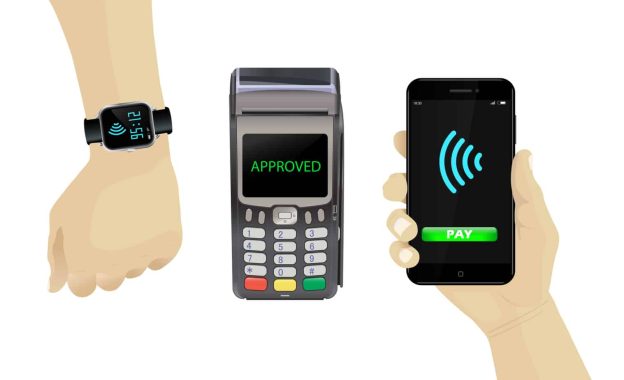
pos terminal smartphone smartwatch contactless payments set 103888539

MasterCard Introduces Next-Generation Contactless Payments

On 26th January 2021, MasterCard made the announcement that it is going to apply for the revolutionary range of quantum-resistant technologies for the development of next-gen contactless payments. The Ecos or Enhanced Contactless specifications will be the first-ever such technology in the industry. It helps in ensuring that as the dynamic digital landscape continues to evolve, and newer technologies including quantum computing are getting introduced, the technology of contactless payments will be future-proofed. At the same time, it also helps in ensuring that consumers would continue enjoying the same higher levels of security as well as convenience they have in the modern era, for several years to come.

The overall demand for safer, more convenient, and faster ways of payment has ignited the transition to the technology of contactless payments. At the same time, it is expected that the given trend will only grow in the coming years. As a matter of fact, during the 3rd quarter of 2020, contactless payments accounted for around 41 percent of transactions related to in-person purchases across the globe –witnessing an overall increase of 30 percent in comparison to the previous year.

MasterCard Introducing the Revolutionary Contactless Payment Technology

MasterCard has been accelerating the overall shift to the concept of contactless payment for several years. At the same time, the leading payment giant has been developing high-end specifications in the form of Ecos for supporting efforts related to industry standardization. At the same time, it can also help in ensuring that the overall ecosystem tends to benefit from increasing security levels.

Ajay Bhalla –President of Cyber & Intelligence at MasterCard, says that contactless technology serves to be the present as well as the future of in-person payments. The year 2020 had been responsible for bringing with it a significant rise of digitization while reinforcing the overall significance of digital solutions. One major instance of the given solution is contactless technology for helping in meeting the everyday needs. As the given ecosystem continues evolving, an increasing number of connected devices as well as the IoT (Internet of Things) are going to yield improved user demands. At the same time, it can also help in creating a greater need for continuous innovation for building next-gen capability while ensuring that technology would never outgrow trust.

Benefits of Ecos

With the help of Ecos or Enhanced Contactless specifications, some potential benefits to look out for are:

  • Improved Convenience: Over the passage of time, it is estimated that the respective in-store shopping experience will become contactless only. The latest specifications will help in delivering the assurance that any device is truly capable of serving as a payment device while getting rid of the overall need for the backup swiping or dipping of the card.
  • Improved Privacy: The all-new specifications will be helpful in delivering advanced protection when the existing account information will be getting shared between the digital wallet or card and the final checkout terminal. Ecos helps in building on the improved requirements for supporting a myriad of privacy regulations.
  • Improved Trust: Ecos is known to make use of the all-new quantum-resistant technology for delivering advanced algorithms as well as cryptography major strengths. At the same time, it also helps in maintaining the contactless interaction under the value of half a second.

As the all-new specifications get activated in the period of coming years, merchants as well as consumers can expect hassle-free transactions. Mobile payments, digital wallets, point-of-sale terminals, and contactless cards are going to continue working as they are doing in the modern era. Moreover, the overall compatibility with Ecos, along with the ongoing contactless specifications is going to be simple & straightforward.

Ecos is known to work behind the existing scenes while being delivered through some software upgrade. As such, no terminals or hardware specifications are required. The given investment tends to complement similar investments in the form of Click-to-pay, 3-D secure, and token technologies for delivering an improved merchant as well as consumer experience.

The Ever-increasing Demand for Contactless Payments

The overall demand for contactless payments is going strong and is increasing with each passing day. It is estimated that around 15 percent of the respective in-store purchases across the globe make use of the given technology. Realizing the immense opportunity to speed up the process of adoption, MasterCard has come up with a proper roadmap for setting out the specific requirements:

  • After the period of October 2018, acceptance terminals that are relatively newer in countries like Africa, the Middle East, Asia Pacific, Latin America, and Europe will be featuring the EMV chip while being contactless enabled.
  • After the period of April 2019, the cards that are issued new in the countries like Africa, the Middle East, Asia Pacific, and Latin America will be featuring EMV chip as well as the revolutionary contactless technology
  • By the time of April 2023, all the respective merchant terminals in countries like the Middle East, Europe, Africa, and Latin America will be featuring the EMV chip while being contactless-enabled

Markets across the countries of Africa and the Middle East have already embraced and implemented the high-end technology of contactless payments. The given momentum is expected to receive more momentum with the acceleration of the acceptance landscape in the given region.

Foundation for Improved Security and Enhanced Growth

In the modern digital world, transactions are going to get smarter. At the core of the given fact is dynamic authentication in which every transaction would be incorporating unique information. It would also make it virtually impossible to replicate. This helps in reducing the overall risk of ensuring fraudulent transactions.

As the issuers would be evolving the respective offerings with the merchants upgrading the existing terminals, the modern payment system will be becoming more secure. This is because the given form of dynamic data gets introduced into the payment transaction. As such, the roadmap by MasterCard aims at strongly encouraging the overall adoption of the most secure available technologies.

Improve Your E-Commerce Site

Eight Impactful Strategies to Improve Your E-Commerce Site

Every business today must be online. It’s crucial to survive given the landscape of the pandemic. Many businesses either weren’t online or had a small online presence that wasn’t enough to compete in today’s competitive marketplace.

To meet or beat the competition, your e-commerce site must have the following.

Customer Loyalty Program

What incentives do you have to bring customers back? Sure, one-time customers are great, but if you want your marketing efforts to do double-duty, start a customer loyalty program. Whether it’s a points system or you offer specials for each purchase – give shoppers a reason to try you again.

Cross-Sell

Don’t stop your marketing efforts on the product or service that a customer buys. Use the opportunity you have while you’re in front of them to cross-sell or even upsell. Offer more options before they check out – it’s like the candy and gum at the register, sometimes buyers can’t resist.

Make your Site Look Trustworthy

Your site must look legit and the only way to do that is to use words like secure and HTTPS. Test your site on all browsers and with all antivirus programs to make sure it gets through even the toughest security. If customers think their information is even remotely at risk, they’ll bail.

Make Searching Simple

A complex website is like making your store hard to navigate. No one will shop there. Make your home page and product selection are easy to sort through. If shoppers can’t find what they’re looking for fast (within seconds), they’ll go elsewhere. Make your website user-friendly.

Add Live Customer Service

Customers want instant gratification and that includes when they need help with your products or services. An instant chat feature, even if it’s a bot, will help keep their mind at ease. If customer service is hard to find or get to, customers will go elsewhere.

Make Contact Information Easy to Find

Don’t make customers hunt for your contact information. If you don’t have a chat option, make your phone number and email address easy to find. Put them on every page so customers see it and can contact you with questions.

Use Technology to your Advantage

Show off your products in ways you couldn’t in store. Create videos or share your products on social media. Get the word out and let people share. There’s something about videos that makes them go viral versus just pictures and words, so take advantage.

Add Customer Reviews

Nothing sells a product more than others talking about it. Let customers leave reviews on your website or copy and paste them from your social media feeds. Showing that others are using and loving your products is like free marketing.

Improve your E-Commerce Site for the Best Results

Business is competitive today. You have to stand out to get new customers and keep your loyal customers. Existing online seems overwhelming, but once you see the potential it offers, you’ll enjoy finding ways to keep your customer happy too.

What Are NFC

What Are NFC, Apple Pay, and Google Pay?

Today, consumers either don’t use cash or they try to avoid it as much as possible. Many even avoid using their credit card, and thanks to NFC, or ‘Near Field Communication,’ it’s possible.

What is NFC?

NFC allows two devices near one another to ‘talk’ to exchange payment information. Apple Pay and Google Pay are two of the most common NFC type payments used today, although there are others. How do they work and what should users pay with them?

Apple Pay – How it Works

As you probably guessed, Apple Pay is a payment option for Apple users. Customers may also use their Apple Watch to make payments. When a user is near an NFC terminal where they want to make a payment, they do the following:

  • Unlock the phone or watch using face ID or entering the passcode
  • Hold the phone near the NFC reader
  • They’ll hear a beep or feel a tap when the transaction is complete
  • The screen will show a check mark to show it’s done

Using these steps will pay with the default card set up in Apple Pay. If you want to use a different card, you must switch cards in the app before paying.

Google Pay – How it Works

Google Pay is the equivalent of Apple Pay but for Android phones. Users store a credit card in the Google Pay app and use the default card for contactless payments.

Users use these steps to pay with Google Pay:

  • Unlock the phone or watch
  • Hold the phone or watch near the NFC reader
  • Their device will show a blue checkmark when it’s complete
  • The user’s device will buzz when the payment is complete

Are NFC Payments Safe?

Consumers and merchants have reason to worry about NFC payments’ safety. It seems like it would be riskier, but there is less risk using NFC payments than a credit card.

Since you don’t have to share any personal information or even show a picture ID, there’s a lower risk of the consumer’s information being stolen. Users also have to unlock their phone for the payment to take place, so unless a thief has the passcode, they couldn’t use the Apple or Google Pay function.

Also, both Apple and Google Pay have the option to switch the function off from any device. If a user’s phone is stolen, they can shut off the payment app via any internet-enabled device.

Why is NFC the Wave of the Future?

NFC payments were popular before, but the pandemic further popularized NFC. People were almost forced to adopt the technology, which made it more widely spread. Now that people know how it works and that it’s safe, they are more likely to use NFC payments moving forward.

As a merchant, it works to your benefit to adopt the technology in your store. Consumers will patronize businesses they know keep them safe, and adding NFC payments to your checkout process is a sign of safety.

What to Know About Chargebacks, How to Avoid Them, and How to Win Them

What to Know About Chargebacks, How to Avoid Them, and How to Win Them

An unfortunate part of running a business is the risk of chargebacks. While they are a natural part of accepting credit card payments, if they get too excessive, it can make you a ‘risky’ merchant, causing you to lose your merchant account.

Here’s what you must know.

What is a Chargeback?

A chargeback is a charge reversal. The customer initiates it and it’s usually due to wrongdoing on the merchant’s part, or at least that’s what most people think. Since a chargeback protects the consumer and not the merchant, you’re on the losing end right from the start.

Common Reasons for Chargebacks

Chargebacks happen for a million reasons, but some of the most common include:

  • Customer dissatisfaction
  • Fraudulent charges
  • Clerical error

The most common reason is identity theft or fraudulent charges. But anything can happen, and customers can initiate them if they feel warranted.

So how do you avoid chargebacks? Here are some tried and true methods.

Make your Payment Description Clear

How often have you seen a charge on your credit card you don’t recognize? Your first instinct is to dispute it. Sometimes, it’s from a company you did initiate a transaction with, but the name differs from the name customers know of you. Use the same name or description and you’ll avoid chargebacks.

Have a Friendly Return Policy

You are in business to make money, but if customers aren’t happy, you won’t make money. Instead, make your customer service and return policy so friendly that customers won’t have a reason to initiate a chargeback. If they know you will figure out the issue, they will most likely trust you rather than making you go through the investigation process.

Watch for Suspicious Transactions

It’s hard to figure out which transactions are legit and which aren’t, but here are a few key areas to watch for:

  • Multiple attempts to use the same card
  • Unusually large purchases for your business and/or industry
  • Questionable answer when you accept a card-not-present transaction

Despite your best efforts, you may not prevent all chargebacks, but you can still ‘win’ at them. Here’s how to win at chargebacks.

Watch the Timeframe

You have only a few days to answer the chargeback. If you ignore it, the dispute will count against you. If you respond right away and can work things out, you may win it. Missing a dispute is like letting your opponent knock you out in a boxing match.

Have the Right Documentation

Don’t let the timeline stress you out. Instead, have your documentation ready so you have everything the merchant processor needs to decide about the chargeback. The more information you have, the better your chances of it going in your favor.

Write a Great Rebuttal

A chargeback is a he said/she said situation, but if you draft a proper rebuttal, you may get your way. While you don’t want to make customers mad, if you have a valid point, it should be taken when going through the process.

Chargebacks are a part of doing business, but when you have great customer service and proper protocols in place, you can minimize them. If they happen, don’t worry, but do your best to ‘win’ so you don’t ruin your rating with the merchant processor.

The Top Reasons You Should Switch to EMV

The Top Reasons You Should Switch to EMV [2023 Update]

What’s the first word that comes to mind when you think of credit cards? If it’s fraud, you’re onto something. Hacking and identity theft are at all-time highs, especially during the pandemic. As a merchant, it’s your job to minimize the risk for your consumers in order to stay in business.

One of the best ways to do that is to switch to EMV or chip technology rather than magnetic strip credit cards. Even though it’s an added expense on your part and will require a little work, there are many reasons you should consider it.

EMV is Harder to Hack

Thieves have an easy time stealing information from a magnetic strip credit card. EMV credit card processing encrypts the data, so it’s harder to hack. EMV transactions each have a unique code that’s for that transaction only. Even if hackers got a hold of it, the code wouldn’t help them on any other transaction.

When you make it harder for thieves to hack information, customers are more likely to visit your business. They don’t want to put their information at risk and when you show you’ll minimize the risk, they’ll visit your business.

Customers Want It

By now, most customers realize the importance of the chip card. Most credit card companies have replaced consumers’ credit cards with EMV cards and consumers know it’s safer. Some customers won’t visit a business if they don’t accept chip cards because they know their information is protected.

Merchant Processors May Hold You Accountable

mastercard

Some merchant processors hold their merchants liable for counterfeit transactions. If a customer’s information is stolen at your place of business and it’s because you don’t accept EMV cards, the merchant processor can hold you liable for the damages.

It’s the Standard

People everywhere, including internationally, expect to pay with a chip card. If your business doesn’t have it, they may not trust you as much. Consumers want businesses up with the times, especially when it comes to security, so it’s important to show you are with the times and willing to do whatever is necessary to keep them safe. 

How to Switch to EMV

It’s not as hard as you think to switch over to EMV credit card processing. You may need new equipment and there may be set up fees, but it’s a one-time charge that will pay off in spades when your customers see you taking their safety seriously.

Take Credit Card Processing Seriously

It’s important to always take credit card processing seriously. Consumers need you to protect their information and merchant processors want you to hold up your end of the bargain, too. It’s a collective effort to keep hackers away. While no one can prevent it 100%, if everyone works together, you can minimize the risk for everyone.

Adding EMV chip cards to your credit card processing protocol is the best way to keep your customers safe today. 

Convenience Store

Smart Tech Keeps Convenience Stores Relevant as Industry Declines

As the pandemic continues and more people turn to online shopping versus running into local convenience stores, the industry has seen a decline of almost 2 percent since 2019. Consumer spending habits changed drastically as everyone tries to stay safe.

Fortunately, smart tech helps keep convenience stores relevant in society by thinking outside the box and helping stores offer services they didn’t offer before.

How are Convenience Stores Changing?

With fewer people commuting and/or fewer people making traditional brick-and-mortar purchases, merchants are finding ways to meet customers where they need it.

For example, 7-Eleven and other large convenience stores implemented delivery services. Some partnered with companies like Shipt and DoorDash, while others offer their own delivery services within a specific radius.

Convenience stores also offer contactless payments for their credit card customers and self-checkout choices for consumers who want as little contact as possible.

Some convenience stores in large areas, such as airports, are utilizing Amazon’s ‘Just Walk Out’ technology which recognizes the items a customer takes and charges the purchases to their credit card. Amazon has used the technology in their retail stores for a while and convenience stores are taking advantage, too.

Focus on How you can Instill Convenience

The name of the store says it all – ‘convenience.’ It’s why millions of people subscribe to Amazon Prime – they can have what they need/want to be delivered the next day usually. They don’t have to leave their home and still have the convenience of what they need in hand.

As the pandemic continues and the convenience store industry sees almost a 2 percent decline, it’s important to think outside the box.

How can smart technology help you give your customers the convenience they desire?

Credit card processing is big. While most stores already accept credit cards, instilling contactless payment methods is the key. Customers want as little contact as possible. When they feel safe shopping in your store because of the minimal contact, they’re more likely to shop at your store.

Smart apps and mobile payments are another great option. Whether you partner with a delivery company like DoorDash or you do your own thing – providing customers with contactless delivery gives them the option to stay loyal and safe.

If delivery isn’t an option for your convenience store, consider curbside pickup. This offers your customers another way to get the products they need without unnecessary contact.

Think Outside the Box

Today, it’s all about convenience and safety. Customers are even willing to pay more in certain situations if they know their safety is protected.

Show your audience you care about their wellbeing and will do whatever is necessary to keep them safe while providing the products they know and love.

As the pandemic continues and the industry continues declining, it’s about who stays in front of the issues, utilizing smart technology and giving customers alternative ways to shop and pay so they have the products they need and continue to patronize your business.

COVID-19 Payment Trends

COVID-19 Payment Trends Are Here to Stay, Says Visa

As we near the one-year anniversary of the pandemic, it’s apparent that the latest payment trends that took place at swift speeds are here to stay.

The most common changes businesses are implementing include contactless payments, ‘buy now, pay later’ options, and increased security protection. In short, small and micro businesses need to cater to customers in the areas they need it most – they want to stay safe, yet still conduct business as usual.

According to the Visa ‘Back to Business Study,’ more than 80 percent of small and micro businesses changed the way they accepted payments and/or did business. The study also found that business owners are still looking for ways to implement new strategies to protect consumers from fraudulent transactions, accept contactless payments, and offer additional payment opportunities.

What Most Businesses are Doing Today

  • Contactless payments – The largest surge of payment changes are how merchants collect payments. In-person swipe or chip cards aren’t nearly as common as contactless payment options. In the summer of 2020, only 20 percent of small businesses offered contactless payments. Today, that number is at 40 percent of businesses and climbing.
  • Increased digital payment options – Many small businesses also reported meeting customers where they are – online. Most customers want to do business digitally to avoid unnecessary contact that could put them at risk. Whether that means curbside pickup or home delivery options, many small businesses are adapting to what consumers need.
  • Protecting against fraud – Protecting against fraudulent transactions is the key to successful business transactions. Many businesses still have a long way to go in this department, but many businesses are going in the right direction.

Why Contactless Payments are so Important

Many businesses focused first on mask use in-store, which is a large concern. But consumers have more concerns than the airborne risk not wearing a mask poses. They want to know they’re protected from all shared devices which include pens, credit card machines, and handling cash.

Offering contactless payment options for credit card processing keeps your customers safe and gives them a reason to come back. If they don’t feel supported or validated in their concerns, they’ll take their business elsewhere.

What Else are Businesses Doing?

Besides the precautions taking place in the store with credit card processing and avoiding shared devices, customers want an online shopping option too.

Businesses that didn’t sell anything online are now online. According to the Visa study, in the summer of 2020, only 27 percent of small businesses jumped online, while by winter of 2020 43 percent of businesses are online and the number keeps growing.

Small businesses that want to see their business through to the end of this pandemic must meet the customer where they are. The trends that the pandemic started aren’t going to go away when the pandemic dies down. Instead, it will be the ‘new normal’ for most consumers, so the sooner you jump on the bandwagon, the more your business will grow.

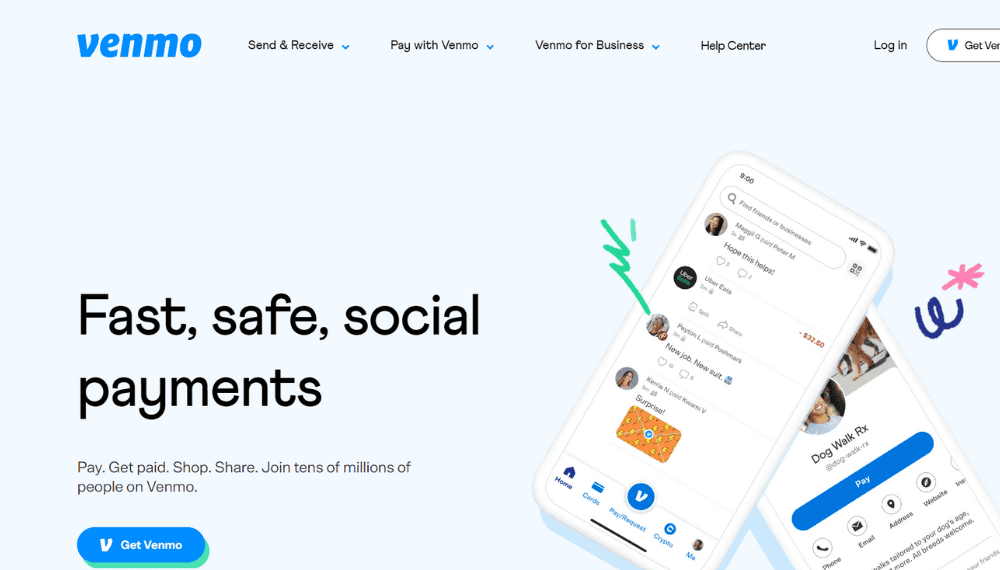
More Consumers Want to Use Venmo at Retail Stores [2023 Update]

Venmo started as a fun way for peers to pay one another, but it’s quickly becoming the payment method of choice at retailers too.

Venmo has become a household brand – it’s the brand consumers trust when paying friends and family, and now they want retailers to use it too. While contactless payment options are more available than ever before, consumers don’t trust all of them, but Venmo is an exception.

Venmo Has an Incredible Following

Over 65 million people use Venmo to send and receive funds. Much of the audience is the younger generations, but it also includes affluent and educated older generations who’ve embraced contactless payments today.

Venmo users love the versatility Venmo offers including splitting the bill with family and friends. It’s a natural transition to use it to pay retailers, especially in restaurants when out with a group, and splitting the bill always causes that award silence everyone hates.

Consumers Want to Change Their Habits

At the start of the pandemic, consumers shopped mostly online as many retailers were closed while the entire country was shut down. The trend continued for a while, but slowly, retail trends indicate that consumers are shopping in-store again.

When they do, they want options to stay safe and that includes contactless payment options, of which Venmo is a top choice.

Since consumers are already comfortable with it, they don’t have to learn a new platform or discover if it’s safe or not. They know Venmo is safe. With consumers able to add funds to their Venmo account and/or pay their balance over time, Venmo is quickly the most popular choice.

What Troubles Would Retailers Face?

While consumers are on board with paying for retail purchases via Venmo, the platform itself isn’t quite ready.

While some retailers use Venmo, they are few and far between. It’s primarily a peer-to-peer app that doesn’t need to consider taxes or fees. With the onslaught of changes accepting retail payments would offer, Venmo’s platform would have to change considerably to handle the pressure of accepting retail payments.

Why is Contactless Payments so Popular?

Is Venmo Safe for Sellers

Image source

As the pandemic continues, consumers want contactless payment options. It creates the best of both worlds for consumers – they can shop safely, in person, and not have to worry about touching shared devices or even exchanging payment with the cashier.

The more hands-off the shopping experience can be, the better off we’ll be in the end. Not using cash and using phones to pay is the epitome of cashless spending. You can check out with ease, shop in person, but not have to worry about the risk the virus poses with shared devices.

Will Venmo Jump on Board?

The jury is still out if Venmo will become the way of the future. But one thing is for certain, all consumers want contactless credit card processing systems. Whatever you can do to make that happen in your store will help increase your sales.

PPP Round Two

PPP Round Two: What You Need to Know

The Paycheck Protection Program is back and supposedly better than before, helping small businesses stay open during the pandemic. If you didn’t make the first cut or were confused by what was required and/or offered, here’s your second chance to get funds to help you stay afloat. Here’s what you need to know.

The Requirements

Businesses eligible for the second round of PPP loans must meet one or more of these requirements:

  • Proof of at least a 25 percent revenue deduction in any 2020 quarter versus your 2019 revenue for the same quarter
  • Proof you expended all or most of the first round of your PPP loan if applicable
  • Proof you have 300 employees or fewer

If you didn’t receive a PPP loan in 2020, the requirements differ slightly:

  • Proof you started your business before February 15, 2020
  • Prove you have no more than 500 employees
  • Proof you are still open and operating despite the pandemic

Proving the 25% Revenue Reduction

Businesses have two ways to prove the 25 percent revenue reduction, which is a requirement if you received the first round of PPP loans:

  • Prove your gross annual revenue was at least 25 percent lower in 2020 than in 2019
  • Choose a specific quarter from 2020 versus 2019 and prove the revenues decreased at least 20 percent for that quarter

How can you Use the PPP Funds?

The first round of PPP funds was limited to payroll, rent, and utility expenses.

The second round of PPP loans has looser guidelines and may be used for:

  • Operating expenses
  • Property damage costs (e.g., from public disturbances)
  • Supplier costs
  • Purchase of PPE for employees

Loan Forgiveness

The loan you receive and the amount that’s forgivable may vary. The forgiveness rules for the second round are similar to the first.

You must use at least 60 percent of the funds for payroll and your staffing level must be similar to the staffing levels before the pandemic. Any remaining funds beyond the 60 percent used on payroll must be spent on eligible operating expenses to keep the business running.

Businesses must apply for forgiveness when they expend all loan proceeds and before the loan’s maturity date. Businesses that don’t apply for forgiveness within 10 months of the covered time must make payments on the loan.

You apply for PPP forgiveness through the lender providing the PPP loan.

Ensure you Qualify Before Applying

The first PPP round was questionable as many businesses who claimed were ‘small businesses’ technically didn’t qualify for the loan.

The second round has tighter restrictions for qualifying and threatens an audit and legal trouble if the loans were taken under false pretenses.

If you’re a small business struggling and you meet the above requirements, contact your local bank authorized to offer the PPP loans and see if you qualify. It’s the best way to keep your company afloat while we navigate the rest of the pandemic throughout 2021.