Author Archives: hostmerchantservices

Using a Credit Card Reader with Apple iPhone

Are you planning to use your iPhone as a POS system for accepting payments from your consumers? Congratulations, you have made a good decision! Accepting payments from an iPhone has the potential to grow your business. One can pay for their purchases using an iPhone compatible credit card reader literally from anywhere!

The best part is anybody can start accepting payments via an Apple device (like iPhone or iPad). You will be surprised to hear that it’s quite affordable and above all, highly efficient, fast, and secure!

Before you start accepting payments via your iPhone, you will need –

  • An Apple device, of course! It can be either iPhone or iPad, make sure it’s connected to a working internet connection, like WiFi or cellular network.
  • A credit card reader offered by a good mobile payment processing company.
  • A credit card processing app that’s installed on your Apple mobile device.

An Apple iPhone card reader offers you the maximum flexibility of accepting payments from any place and at any time. This, in turn, can boost your sales tremendously and make the invoicing process much simpler and more efficient. Because with an iPhone crest card reader, you can receive payments and generate invoices on-the-go!

With Host Merchant Services, getting a credit card reader for your iPhone is not just affordable, but it’s super convenient too! We will help you to get customized solutions for managing your mobile payments, eCommerce payment processing, POS systems, EMV terminals, and many more.

Whether you are getting started with accepting credit card payments or simply willing to switch to a more flexible and mobile payment option, Apple-based credit card readers are the best option for any business looking for quicker, anywhere-anytime transactions.

However, besides choosing the right credit card reader, you must also take into consideration the features accompanying the device, and of course, the costs associated. Also, make sure that your provider is offering a strong customer support service to help during emergencies.

While choosing the best iPhone credit card reader for your business, there are a few things you need to consider. Whether you want it for a curbside delivery or pickup, or simply to manage transactions from various locations, your credit card reader must comply with the latest social distancing norms for ensuring your consumers’ safety. In other words, merchants are searching for safer and more mobile options for accepting payments using their Apple devices.

The key factors you must keep in mind while selecting your Apple-based card reader include –

  1. It must be compatible with your Apple iPhone or iPad
  2. Wireless connectivity like Bluetooth
  3. Initial and recurring costs
  4. Your business type and model
  5. Your consumers’ unique needs and preferences
  6. Hardware options
  7. Your monthly or annual sales volume
  8. Features of the credit card processing app
  9. The reputation and brand image of the credit card processing company.

Let’s check out our top picks in the arena of iPhone credit card readers, and what each has to offer to help your business grow.

1.  SwipeSimple

SwipeSimple comes with a flexible and highly portable credit card reader and an intuitive mobile app. By integrating the card reader and the app with your iOS or Android device, you can start accepting payments from your buyers anytime, anywhere.

SwipeSimple Card Reader has –

  1. Compatible tools for catering to modern payment standards, such as –
    1. EMV Quick Chip to speed up chip transactions
    1. Magnetic stripe to support legacy cards
    1. Contactless payment modes, including Google Pay and Apple Pay

The two popular card readers from SwipeSimple are –

  • B200 Card Reader
  • B250 Card Reader

Both of the above devices can accept EMV Quick Chip as well as magnetic stripe payments. However, the B250 has an additional option of accepting contactless payments, which is the best choice for businesses in the COVID-19 era and beyond.

SwipeSimple Mobile App has –

  1. Easy-to-use interface combined with robust, time-saving features
  2. Powerful features like –
    1. Getting an overview of your past transactions
    1. Gaining accurate business insights, including total charges, tax or tip collected, average charge, etc.
    1. Performing voids easily along with numerous partial refunds.
  3. Advanced capabilities like –
    1. Offline mode
    1. Customizable settings for signature prompt, taxes, tips, etc.
    1. Sending receipts via text or email or printing them using a compatible receipt printer.

2.  Vital Mobile

Vital Mobile is another popular Apple compatible credit card reader that is regarded as an all-in-one, affordable mobile POS solution. Besides, it enables you to operate your business right from your smartphone any time and at any place.

Vital Mobile is the right solution for small and mid-sized businesses that want to accept payments on-the-go beyond any fixed store location. This robust yet easy-to-use reader is compatible with almost all iOS (and Android) devices, and requires a super quick set up process. Its intuitive design offers a superior user experience, and one needs minimal training to get started.

Vital Mobile comes with reliable and simple tools to help you operate your business efficiently. The highlighting features of this card reader are –

  • Inventory management using real-time data to maximize sales.
  • Accept all kinds of payments to boost profitability and cash flow.
  • Establish and manage price points, customer loyalty programs, and discounts across multiple locations and products.
  • Set up and manage taxes and tax reporting procedures for accounting operations.
  • Manage employees, track their performance, and configure user permissions and roles.

3.  Clover Go

Clover Go is a sleek, lightweight, and compact card reader as well as an app built with tremendous processing power. The device is designed to accept payments on-the-go, while maintaining safety and security.

Some significant features of Clover Go that need mention are –

  • Take payments instantly from any place at which you have a good WiFi or cellular network connection. You can accept all kinds of payments using Clover Go, such as contactless, swipe, and chip from across multiple apps and payment services, including Apple Pay, Google Pay, and Samsung Pay.
  • Your Clover Go is ready simply by charging, connecting, and pairing the Clover Go app with your iOS or Android device.
  • Clover Go offers the highest security levels by protecting you and your customers’ sensitive data end-to-end. The device’s advanced tokenization and encryption technologies help it to provide top-notch security standards.
  • What’s more, you can even sync your Clover Go device or app with the Clover web dashboard. This way, you can have complete control over your core business functions, such as creating orders, managing and tracking employees and their performance, processing transactions, updating and tracking the inventory, and so on.

Before opting for a card reader, make sure to do good research on the available options and check which caters to your modern business needs.
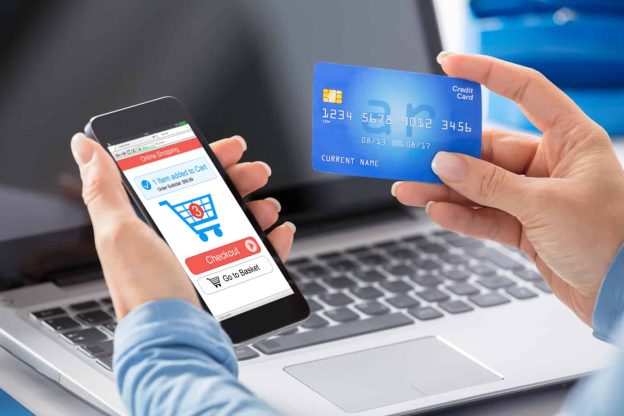
Woman Doing Online Shopping Using Credit Card 103311834

Merchant Services Trends for 2021

With the advent of smarter technologies in the financial industry, the payment processing sector has undergone a revolutionary change in recent years. These trends are shaping the way merchants would deal with their everyday business in the upcoming days, especially after the pandemic crisis.

Although contactless payments started out as a necessity the previous year to prevent the spreading pandemic, it is expected to gain popularity as the mainstream payment mode. Both customers and businesses find it convenient, fast, and secure, and it hastens the entire checkout process.

Being a business owner, especially in the eCommerce sector, it’s important to understand the latest technologies and new implementations in the payment processing industry. Here is a list of the top credit card processing trends that you must know to stay afloat.

1.  Buy Now, Pay Later

As the name suggests, this payment method offers the highest form of flexibility to buyers by allowing them to own a product and use it before completing the payment. In this case, the payment is usually made in easy installments as per the convenience of the consumer.

The best thing about the Buy Now, Pay Later system is that it involves no interest or late fees if you make the payment on time. Some of the top benefits of this trend are –

  • It increases the basket size of the customers, which is a plus point for merchants. Shoppers tend to add more items to their carts since they don’t have to pay for them immediately. As a result, it enhances the cash flow of both the merchant and the customer.
  • It reduces cart abandonment rates. A study conducted by Salesforce has shown that 85% of customers have abandoned their carts in the second quarter of 2020. This may require the merchant to spend more money to make these buyers complete their purchases. However, the new Buy Now, Pay Later trend may solve this problem and help merchants regain their lost revenue.
  • It boosts long-term growth. Buy Now, Pay Later offers us the flexibility to pay for our purchases, and it helps manage our budget more efficiently. Therefore, it is a highly demanding payment mode and is expected to facilitate business growth.

2.  Mobile Payments

Mobile payments are not new, and customers and businesses have been using this method even before the pandemic. However, it grew significantly after the coronavirus outbreak as it prevents the spread of the virus and is a better alternative to credit card payments as well.

It all started when Apple introduced its mobile wallet technology by launching Apple Pay in 2015. Soon after that, other brands like Samsung, Google, Chase, etc., have come up with their mobile wallet versions, all of which help users transfer funds instantly and flexibly. By 2017, 39% of shoppers in the United States were using smart mobile wallets to make payments at retail stores and eCommerce portals.

Summing up the benefits of mobile payments, they are –

  1. Convenient and Flexible
  2. Allows you to pay from anywhere, at any time.
  3. Provides numerous payment modes.
  4. Highly time efficient.
  5. Offers an added layer of security.
  6. Enables you to manage your expenses better.
  7. Comes with exciting deals and offers.

3.  Frictionless Payments

Who doesn’t like to experience a smooth and efficient buying process? Offering frictionless payments can make you stand out and give you a good competitive edge. At times, when two merchants are providing the same product at the same price point, what really makes one of them the preferable brand is the number of flexible and seamless payment options it is accepting.

Hence, business owners must widen their payment methods by accepting more cards and other different transaction methods like digital wallets, gift cards, loyalty programs, installments, or by reducing surcharge fees. Having such a wide variety of payment methods will surely make your customers return, thus increasing your brand loyalty.

4.  Artificial Intelligence and Machine Learning

The advancements in AI and ML have been strongly felt in the past few years, including the payments industry. AI technologies can be extremely beneficial for merchants who can reconcile their payments better using anti-fraud systems and smarter applications.

For instance, technologies like personalization and automation of the POS system can streamline consumer experiences and offer high security levels while processing payments. It also enables merchants to manage their vital data as well as settle payments with ease.

5.  NFC and EMV

NFC or Near Field Communication is a popular modern payment system because of its better security standards and ease of use. NFC is a process by which data can be transferred wirelessly via smartphones, tablets, laptops, and other devices when in close proximity to the device or terminal receiving the data.

In the payment industry, NFC technology is the driving force behind contactless payments involving eWallets like Apple Pay, Google Pay, Android Pay, and other contactless cards.

EMV chip, similarly, is a tap/wave technology associated with credit cards and is another popular type of contactless payment. EMV (or Europay, MasterCard® and Visa®) is a more secure method of transferring funds using a chip embedded within debit, credit, or prepaid cards.

EMV chips can help reduce the liability of both the merchant and the credit card processor since the transactions are more secure. Furthermore, EMV payments are usually cost-effective since they come with slightly lower processing fees for merchants compared to the regular swipe/touch payments.

6.  Cloud Migration

Cloud migration is gaining momentum rapidly as it comes with numerous benefits. It is defined as the process of transferring applications, databases, and IT processes to the cloud. Cloud migration may also involve the process of transferring data from one cloud to another.

Although many financial institutions still work on legacy systems, they are soon expected to change their processes. By adopting cloud solutions, payment processing systems would be able to access, store, and process tons of data over the internet.

The cloud migration system would eliminate the need to store and manage data on physical devices, which is a cumbersome process and quite risky. With cloud technology, your data will be secure, and you can have better agility and scalability. Besides, these solutions come with low operational costs and an added efficiency.

Clover Point of Sale Trends for 2021

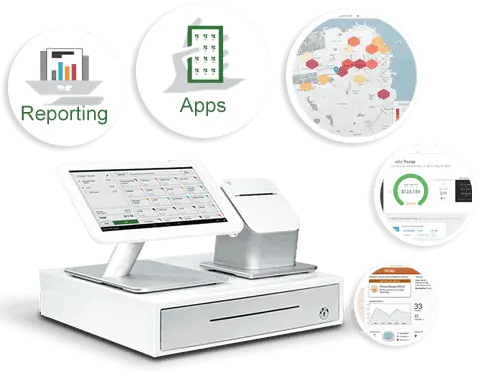
The Clover® point-of-sale or POS system is one of the most popular choices you can utilize in your business today. With Clover, you can create a fully integrated POS system that supports many apps and plug-ins. You can also handle online ordering services through Clover without paying anything extra. Clover also provides one of the most affordable services around, you could pay $70 a month at the most for a Clover station.

The best part of Clover is that it is constantly evolving. You’ll find many new things to do with your Clover POS setup as new programs and setups are developed. You can use some of these points right now when using Clover for your POS demands. These are some samples of what you can expect, as the industry is always changing with new ideas and plans in mind.

Individual Employee Monitoring

You might have many employees using the same Clover POS station, managing all your employees with separate logins, but Clover goes one step further with their performance tracker programs.

The performance tracker system lets you review each worker surrounding how many transactions one manages, how much these deals are worth, and anything else someone might achieve. You can use this to see which employees are doing well and which ones need further improvement.

Further Payroll Support

Performance tracking is essential, but so is keeping the payroll under control. You’ll need to know when your employees punch in and out, how much they are earning, and many other factors surrounding how they work. Clover will evolve to offer more payroll support, especially with the use of apps like Time Clock.

The Time Clock app from Homebase allows businesses to keep tabs on when employees are working. It also offers an employee scheduling platform where you can keep records on future schedules and send them to your employees. You can also include details on schedule changes, job postings, open shifts, and other factors. Time Clock lets you send these details to all your employees, ensuring everyone is on the same page when handling your data.

Managing Bar Tabs

Bar tabs are becoming more common these days, as people are looking to make it easier for them to pay for what they order at restaurants and bars. Clover will expand its offerings to enhance how well it can handle bar tabs.

The Bar Tab Auths app is one choice to note, for example. Bar Tab Auths let businesses pre authorize credit cards on new bar tabs. It reduces the repetitive nature of the work, and it also keeps records on regular customers and payment methods. The system ensures all data being collected works well and is easy to monitor and read.

Flexible Platforms

Clover offers a convenient station setup that lets you collect money with ease. You can use a Clover station with a touchscreen monitor, a credit card processor, a printer, and other accessories. But you can also expect mobile Clover platforms to become more popular as time moves forward.

Separate mobile payment systems may be available for your needs. You can load a Clover setup on a mobile device like a tablet or smartphone. Clover is expected to add support for multiple items in the future, so you can expect mobile transactions to become more prominent in the future.

The Clover Mini Provides More Control

Giving customers the ability to complete transactions themselves can be a necessity for success. The Clover Mini is one program that may work well for POS purposes. The Mini is a stationary countertop screen that links to a Wi-Fi network and collects payments from NFC or chip-based card readers. The system is easy to run, plus you can program a secure setup in the work as necessary. You’d have to use a suitable POS program that runs with an app from a marketplace to make it work, but it won’t be tough to run if you have the proper materials that are necessary.

Additional Integrations

You can also expect Clover to support more integrations. The Android-based setup Clover uses ensures you can load and program different add-ons and other integrations to your liking. You could use the Clover Station app store to review the thorough list of programs available for many industries. More integrations will be made available soon, so expect these programs to become more interesting and useful.

Working With QuickBooks

The QuickBooks accounting program from Intuit is already ideal for many businesses. But QuickBooks has been a standalone solution that takes a while to manage. You’d have to manually enter in data to your QuickBooks account to ensure everything is accurate. The program can collect a thorough amount of data, but it isn’t always easy to manage.

The good news is that QuickBooks will be easier to utilize if you have a Clover station. QuickBooks has a new app on Clover that was produced by Commerce Sync. The system integrates QuickBooks to your Clover POS station. The POS data will move directly to your QuickBooks account, saving you precious time managing your accounting needs. You’ll also ensure everything remains accurate, as all Clover data will immediately move to your QuickBooks reports without risking possible losses or errors.

Maintenance Is Critical

Consistent maintenance is essential for ensuring a Clover POS setup can work. Clover will expand its offerings to make it easier for people to order paper for any printers that attach to a Clover station. Abreeze Technology already has a new app ready for use in Order Paper that helps people find paper products for whatever Clover printers they utilize. For example, people can find the paper they need and order it as necessary, ensuring they’ll have the equipment they require for their work plans.

These points are useful when you’re looking to support your Clover POS setups and accounts. Clover will continue to evolve in 2021 and beyond, as it will provide more solutions that will make your POS efforts easier to manage. 

The Clover® name and logo are trademarks owned by Clover Network, Inc., an affiliate of First Data Merchant Services LLC, and registered or used in the U.S. and many foreign countries.

the businessman increasing interest rate in market 140746938

Interchange Fees Increases Delayed Until April 2022

Big changes for interchange fees were on the horizon for both MasterCard and Visa. However, facing some federal scrutiny and recognizing the the US economic recovery is at a fragile stage, both companies decided to delay these increases until April 2022. Originally, these increases were slated to go into effect April 2020, but due to the pandemic and widespread economic damage, the interchange fee increase was delayed.

While the new year has brought itself hope for businesses who are looking forward to operating as usual, this interchange fee hike was weighing on the minds of many small businesses that are just beginning to get back on their feet. Merchants know that any interchange rate increase is going to directly affect their profitability.

When Visa originally revealed these proposed increases, the bulk of the effect was for card-not-present transactions such as online, e-commerce, and phone orders. For a regular Visa card, the effective rate on a $100 charge was set to rise to 1.99% from a current average of around 1.90%. This is just the interchange cost and doesn’t include things like processor markups and other fees. For a high end rewards card, the rate would rise to around 2.6% from a current 2.5% effective charge on a $100 transaction. Again, this includes interchange discount rate and per item transaction fee, but is only a portion of the overall fees that merchants pay.

Fortunately, Visa and MasterCard have both decided to delay these increases in light of the fragile economic recovery underway. Since these interchange rate increases would have disproportionately impacted online e-commerce merchants, any shocks to the system could have derailed businesses that have otherwise been a bright spot in a pandemic-battered economy.

In addition, Visa and MasterCard faced scrutiny from lawmakers in Washington over these proposed interchange rate adjustments. Sen. Richard Durbin (D., Illinois) and Rep. Peter Welch (D., Vermont) sent a letter to the CEO’s of MasterCard and Visa directing them to reconsider interchange fee increases in light of COVID19’s detrimental effect on companies.

Interchange fees are determined by credit card issuers through a complex set of negotiations between banks, merchants, and card associations. The interchange increases that were being proposed by MasterCard, now delayed along with the Visa increases, had been targeted at recovering increased expenses for fraud mitigation and security challenges associated with the recent pandemic-induced boom in e-commerce and online transactions. However, both Visa and MasterCard acknowledged that other industry types, such as grocery stores and restaurants, would also be negatively impacted at a time when they can scarcely afford any unexpected expenses.

While no one likes fee increases, the news isn’t all bad. As part of adjustments in October 2020, large grocery chains saw a decrease in interchange expense ranging from 15 to 30 basis points. Small ticket merchants such as restaurants and retailers, with average transactions below $8.88 also saw some modest relief.

If you’re a business owner processing credit card transactions – you might be wondering where to go from here. Well, first you can breathe a sigh of relief that you shouldn’t be impacted by any cost increases for Visa and MasterCard interchange rates in 2021. However, make sure that your provider hasn’t passed any increased costs through or changed your rates in anticipation of these interchange price hikes that have been delayed. Host Merchant Services is proud to price on a transparent, interchange plus pricing model, so our merchants can rest assured that they will benefit from these delays.

While a respite of another year is preferable to immediate implementation, be aware that these increases are coming. This isn’t particularly big news, since Visa and MasterCard typically make small increases and adjustments to interchange rates twice a year. But these proposed changes, now slated for April 2022, drew major attention from small business merchants, enterprise merchants, the government, and the news media due to the magnitude of the increase which will be much larger than historical adjustments. While your business has more time to prepare, switching to a reputable low-fee provider like Host Merchant Services can more than offset the pain from these upcoming interchange rate increases.

cryptocurrency fintech theme with man using a laptop 118540980

Top Market-Changing Fintech Predictions [2023 Update]

Financial technology or fintech is one of the most intriguing fields to explore, as it entails producing new ways for financial services to work for people. It is often tough to predict where the fintech industry will go, but there are a few moves that can be projected. Here’s a look at some of the things you can expect to see soon.

Payment Changes

The first fintech prediction of note involves how people pay for things. Digital payment services are going to become increasingly essential.

The pandemic has forced many people to explore mobile payment options. The concept of contactless payments has become a necessity to follow, as it is something people are often comfortable with managing. They like the convenience of such payments, and they know it reduces the overall contact points they will have while in a spot.

Expect mobile payments to become more common in the future. The limits for these payments may also rise, as more businesses and governments will support such payment solutions. The current limit for mobile payments in the United Kingdom is at £40, for example. That total could be twice as high soon.

Singular App Support

Fintech has evolved to where people need many apps for different financial activities. Expect super-apps to develop soon.

A super-app is a program made available through financial institutions that help people manage their bank accounts and payment efforts in one place. Such apps should streamline efforts for managing financial data on the go.

Super-apps have been utilized by many consumers in Asia as of late. Expect regulations to change to allow such super-apps to be available in the United States and elsewhere. The convenience of these apps will be a worthwhile endeavor, plus they can produce an extra bit of competition among service providers aiming to make their points more visible.

BNPL Becomes Active

Buy Now Pay Later

The Buy Now Pay Later or BNPL standard is useful for many online shopping activities. People can use BNPL solutions to pay for various items at rates that are convenient to them. BNPL efforts are essential for online purchases, as they reduce the risk associated with purchasing items. Some retailers may also appreciate the interest charges that come with some transactions. The potential for BNPL to be a viable choice for sales needs will be worth watching, especially since so many people see how useful this solution can be for their needs.

Outsourcing Grows

Fintech providers will start outsourcing their work to many tech platforms that have been utilized for a while and are already convenient for many needs. Companies will outsource to proven security processing and payment technologies. Part of this involves reducing the cost of keeping transactions moving, but it will also involve simplifying development efforts.

Outsourcing is already becoming popular, but most consumers aren’t fully aware of it yet. About half of all post-trade activities in the fintech industry move to other entities. That value will likely rise as more businesses start to notice the benefits of this work.

ESG Funds to Stay Popular

Environmental, Social, and Governance funds are expected to stay popular. ESG funds are ETFs that focus on companies focusing on producing positive influences on society. These can include reducing climate risk, increasing diversity rates in the workplace, and many other factors of value.

Asset managers will promote ESG funds more often, and there will be additional tech services available for managing these funds. Gathering information on investors who support these ESG funds may also assist people in finding interesting investment solutions.

Office Work Will Change In Many Forms

People will start to return to their offices in 2023, but every firm will have different ideas for how they will get back to physical interactions. But the ways how these offices will respond to the new working world will vary.

Smaller hedge funds will focus on physical interaction, especially when managing some sensitive details. More massive fintech entities will be fine with virtual interactions, especially since there are so many people involved in the work. Virtual actions can also increase the number of parties a team can serve at a time, providing more control and efficiency over what a business can manage.

Tokenization Rises

Tokenization is a concept where blockchain tokens represent real-world items. These tokens may represent shares in different investments. Tokenization will expand in the fintech world in 2023 and beyond, especially since it provides a democratic approach where more people can access the tokens they desire for different needs. It will be exciting to watch how tokenization changes and what items will have tokens.

AI Chatbots Rise

Customer service will be a priority for fintech developers. They’ll need to produce programs that are easy for people to use, but they’ll also need to create things that respond to whatever queries or concerns people hold. AI chatbots will be part of what fintech developers can do in the future.

AI chatbots are programs that can read customer queries and guide them to proper answers and responses through a database. Chatbots may answer some of the more common concerns or questions people hold about what’s open.

Chatbots should not be utilized as full substitutes for interactions with other customer service members. Chatbots should be complementary features that can address commonplace needs. The real customer service team members should still be on hand to answer some of the more detailed questions people may hold. Having enough control over the situation will be essential for a business that wishes to interact with its customers.

A Final Note

All these fintech points are interesting for how they suggest changes in the market. Financial technology is always evolving, and anything could happen in the field. New trends will keep changing and moving forward, providing a better experience for everyone to follow.

The best way for people to follow these fintech changes is to do sensible research into what works. Fintech can work when people understand what is open and how different activities can work for everyone’s needs.

Top Fintech Predictions For 2021

paris france april 16 2018 bill gates at the elysee palace 179611700

Bill Gates Cautions Investors on Bitcoin

Bitcoin has become one of the world’s top investment options. People are flocking to this cryptocurrency for many reasons, from the currency being simple and easy to use to it becoming more commonplace in society. Bitcoin’s value has experienced a dramatic rise in the last few years, with it reaching more than $50,000 as of late.

But not all people are as excited about Bitcoin. Microsoft founder Bill Gates warned people that they should be cautious when investing in Bitcoin. He specifically warns that just because Tesla’s Elon Musk has managed to spend massive amounts of money on Bitcoin doesn’t mean everyone else should.

Gates spoke with Bloomberg reporter Emily Chang about the growth of Bitcoin. This effort was part of an extensive interview surrounding many topics in the investment and economic fields. Gates argues in his interview that Bitcoin isn’t always as useful as people wish, but it could become viable if it made changes that would dramatically alter its functionality.

The Musk Consideration

Elon Musk’s Tesla company recently acquired $1.5 billion worth of Bitcoin. But while Musk is worth an immense amount of money, his move was still risky. The price of Bitcoin dropped by 20 percent in two weeks after he announced his purchase. Bitcoin dropped by $12,000 in that timeframe, causing Musk to lose hundreds of millions of dollars.

Gates remarked that Musk has access to high-end trade management efforts that most investors cannot afford to utilize. He said that people shouldn’t follow the optimism posed by Musk’s move, warning that most people are billionaires like he is. Gates feels that many people brought into investment manias don’t have enough money to spend on some things, making it harder for them to stay profitable.

While Gates has concerns about Bitcoin, Elon Musk still continues to be one of the world’s top supporters of cryptocurrencies. He has been talking about them on social media more often as of late. Musk has also been talking extensively about Dogecoin, a cryptocurrency made mainly as a joke.

Musk’s enthusiasm has helped the industry, especially since he has a significant social media following and plenty of fans. But Gates warns that Musk can afford to lose money in the crypto field, as he is one of the world’s richest people.

Inefficiency For Transactions

Gates talked in his interview that Bitcoin may not be as viable of an investment as people wish due to its inefficiency. While the ability to manage anonymous payments online sounds appealing, that doesn’t mean it will always work. By allowing anyone to make payments without proving their identities, it becomes harder for transactions to go through as well as people wish.

Energy Consumption Is a Worry

One problem Bill Gates brought up surrounding Bitcoin is the immense amount of energy necessary for producing the currency. Bitcoin has a high rate of energy consumption due to its massive blockchain and the extensive effort for mining more tokens. As time progresses, the process for producing tokens becomes more complicated. The anonymous transactions it produces also aren’t reversible, making it harder for the blockchain to remain streamlined.

Gates has been speaking out about climate change in recent years. He has stated that cryptocurrencies can be dangerous, as the extra energy needed to produce them can be a threat to the environment. The cost of the currency is rising, but the rise in the cost to produce the currency could become a problem depending on how it evolves and how the price changes.

Anonymity Worries

Another problem Gates has about Bitcoin and other currencies is that they are anonymous. While anonymity is a marketing point for such currencies, Gates says that many people who use these currencies do so with malicious intent in mind. These people can engage in tax evasion and money laundering, and some may fund terrorist activities worldwide. People use currencies because the lack of transparency ensures they are hidden, helping them get away with their work.

Gates has claimed that people have been harmed in many forms through cryptocurrencies. He did not give any specific examples, but he has suggested that the features of Bitcoin make it a prime target for people to use when transferring funds for nefarious purposes.

What Can Be Done?

Gates says that cryptocurrencies can be viable in the future, but they must change to stay that way. Gates feels that currencies need to be more transparent, plus transactions should be reversible. He also argues for some semblance of centralization surrounding these currencies. The work would focus on making the currency valuable to people while also being safe, plus it could eliminate the negative stigma that comes with parts of the currency.

These ideas are different from what current currencies are built upon, but Gates finds it necessary for some currencies to make these changes if they wish to be successful. Gates’ interview shows there are many concerns with Bitcoin and that it can be a very high-risk option for investing, even if it is something that could be viable.

Current Updates on Bitcoin

Bill Gates’ remarks on Bitcoin come as the cryptocurrency continues to be one of the most interesting investment options around. Bitcoin holds a value of about $53,000 on the market. The total has been consistently growing in the past twelve months. The value was around $30,000 at the start of the 2021 calendar year. The currency also saw a peak of nearly $58,000 in February.

But the increased popularity of Bitcoin has also caused it to become extremely volatile, as Musk’s loss shortly after his announcement shows. Bitcoin had a value of about $57,000 on February 21. But that value dropped to $45,000 a week later on February 28.

The volume for Bitcoin can also shift based on who buys and sells the currency. Bitcoin has a 24-hour trading volume of at least $50 billion on most days. Trading also occurs worldwide, often making it tough for people to predict what happens next.

Restaurant and Hospitality Rebound 2023

Restaurant and Hospitality Rebound? Demand for Dining Set to Surge Post-Pandemic [2023 Update]

The COVID-19 pandemic has caused immense harm to many industries. Many places are unable to open, and the ones that can open are doing so with significant restrictions. There’s also the concern of people not feeling comfortable returning to certain public places for fear of the spread of COVID-19.

However, the restaurant and hospitality rebound is expected in the coming future. The demand for dining will rise, especially as the signs of the pandemic start to deteriorate. But the ways how the field will change and what people can expect in the future remain interesting to watch, especially with some people having a better chance of returning.

The restaurant and hospitality industry has especially been impacted by the pandemic. People are not willing to enter dining and entertainment establishments, what with them being places where many people can be found at a time. There’s a general fear among many that these places are “super-spreader” spots.

Restaurant and Hospitality Rebound – A Strong Interest In Leaving the House

Many people who used to enjoy going to restaurants and other places outside the house have expressed a reduced interest in doing so during the pandemic. Many of these people have gone towards alternatives like dining at home and ordering in. But as it turns out, there has been an increased interest in people wanting to go places once again.

Restaurant and Hospitality Rebound

The website PYMNTS recently reported that a majority of people are interested in leaving home more often. A survey of 2,000 people found that nearly 60 percent of them have some significant level of interest in leaving the house and go places. The numbers are higher for those who make at least $100,000 a year, as those who do have a greater interest in out-of-home experiences.

People also have varying reasons for why they want to leave their houses more often. Some people want to see their friends and family members more often. Others want to go to leisure events or travel more often. Some people are simply bored and want to go back to the physical locations where they normally enjoy in their lives.

How Old Will These People Be?

PYMNTS found baby boomers are the people most likely to want to eat at restaurants more often. Each age group after that is less likely to want to go out, with people in Generation Z having the least interest in eating at restaurants. The traditional entities that baby boomers may be interested in may have a better chance at rebounding than the trendy ones that cater to younger audiences.

Restaurant and Hospitality Rebound - GenZ eating out

Some younger people might have settled in on routines that have developed in the past year. These include efforts like shopping at grocery stores and other things that people might deem to be “necessary.” Getting people to escape their newfound comfort zones may be a challenge unless businesses know how to cater to their expectations.

Who Will Survive?

While the restaurant and hospitality industry is expected to make a comeback, there exists a concern over which entities will survive. Businesses with an average unit volume or AUV of at least $1 million appear to have more control over the situation at hand. About a third of these restaurants saw their revenues drop since the start of the pandemic. Meanwhile, nearly two-thirds of restaurants with AUVs of less than $250,000 saw their earnings decline during the pandemic.

Managing Consumer Expectations

The industry will also need to understand and respect the new expectations consumers have. Many people, particularly younger audiences, may see dining and hospitality experiences to be unsafe and dangerous. They might think that they continue to be unnecessary forms of human interaction.

Consumers are expecting businesses to focus on the health and safety of their patrons. Part of this might entail focusing on capacity restrictions, cleaning protocols, and digital experiences.

Restaurant and Hospitality Rebound - Managing Consumer Expectations

Contactless hospitality may be a point to see in the future. People may not be comfortable with using public kiosks or other items that people may get in contact with throughout the day. The development of one-stop mobile apps that allow people to handle many things in their dining and hospitality experiences will be critical. A single app could help with everything from managing payments to setting up reservations and many other points. The overall goal should be to allow consumers to control their experiences while also minimizing potentially unnecessary contact.

Focus on Reservations

Reservations may also be critical for the restaurant and hospitality fields. It used to be that people would often walk into a restaurant at any time of day and enjoy a meal. People could also choose to reserve a hotel at random times if they travel and anticipate they will need service sooner than expected. But people aren’t willing to do that during the pandemic, and their habits might have changed to where they’ll expect reservations in the future.

By allowing people to schedule reservations when they can use certain services, it becomes easier for a business to keep people feeling confident about where they enter. They will know that a business cares about managing its capacity standards.

Mobile Ordering Is Necessary

While these fields should rebound after the pandemic, it may be a challenge for some to recover, as many younger audiences have adapted to new ways of living. Mobile ordering may be a necessity for the future. Mobile ordering allows people to reserve their meals or other experiences ahead of time, letting them know what they are getting is safe and easy to utilize.

A PYMNTS report says that most restaurants have seen a rise in sales through mobile ordering offerings. These establishments can provide mobile ordering opportunities to make their products accessible to everyone, including those outside these spots.

An Interesting Future

The restaurant and hospitality fields will see a rebound in the coming years after the pandemic ends. But how these industries will change in the long run remains unclear. The ways how these businesses will interact with others and details on which ones have the best chance to survive remain uncertain.

bitcoin cryptocurrency and banknotes of one us dollar next to mobile phone showing candlestick chart 142334515

Square Buys $170 Million Worth of Bitcoin

Bitcoin continues to remain one of the most intriguing investments on the market. Bitcoin has seen a massive rise in its value in the past year. Its value has risen from $30,000 at the start of 2021 to nearly $50,000 in March. Bitcoin also had a record high value of about $57,000 in late February.

One of the largest American financial service providers around is doubling down on its support for Bitcoin. Square announced it had purchased $170 million in Bitcoin. The total equals approximately 3,500 BTC as of March 4.

Much of Square’s support for Bitcoin comes as Cash App customers have helped boost the company’s revenue. Cash App is a mobile payment system developed by Square. Cash App consumers have been trading Bitcoin more than ever, leading to Square doubling its revenue in the fourth quarter of 2020. Cash App helps facilitate Bitcoin transactions to make them easier to run, helping boost peoples’ involvement with the currency.

Square’s purchase is the second such move the company has made. Square purchased $50 million in Bitcoin in October 2020. The total was about one percent of their assets. The company purchased Bitcoin, believing it would be a more viable currency for future international transactions. Bitcoin had a value of about $12,000 at the time.

Bitcoin now makes up about five percent of Square’s assets. These include its cash, securities, and cash equivalents.

Square is the latest company to focus on Bitcoin to diversify its investments and to bring in a potentially higher return on its cash. Other companies like Tesla have been investing in these currencies in the last few years. Tesla particularly acquired more than $1.5 billion in Bitcoin in early 2021, making it where Tesla’s share price is directly linked to Bitcoin’s value.

But the rise of Bitcoin for Square and others comes at high risk. Bitcoin is one of the most volatile investment options on the market today.

Statistics For Square

Square reported a few prominent statistics for Bitcoin and its Cash App use. These points are parts of why Square has invested so much money in Bitcoin:

  • Square reported there were about 36 million monthly Cash App users as of December 2020.
  • At least a million Cash App users bought Bitcoin for the first time in January 2021.
  • At least three million Cash App users utilized Bitcoin payments on the app in 2020. These include people who either purchased or sold Bitcoin.
  • The company’s fourth-quarter revenue from 2020 was $3.16 billion. The total is more than double the $1.31 billion it had in the fourth quarter of 2019. The value is also slightly over the $3.1 billion forecasts from industry analysts.
  • At least half of the quarterly income came from Bitcoin.
  • Square had a minimal customer acquisition cost in 2020. The company spent less than $5 per user. The effort is a sign of the company’s viral marketing efforts helping make it easier for the company to reach more people.
  • More money is flowing through Square’s platforms from both its mobile payments and its traditional storefront kiosks. The gross payment value in 2020 was $32 billion, a $4.6 billion rise from the prior year.

Cash App has also shown it is more viable to Square than its traditional seller business platform. Square had slightly less than $1 billion in revenue from its seller business platform in the fourth quarter of 2020. Part of the move could be due to many physical stores not being open and people focusing on online payments. But contactless payments and the simplicity of Cash App have helped, especially as people become more invested in the currency.

Focusing on Simplifying Bitcoin Efforts

Bitcoin trades are easy to complete with Cash App. Square developed the app to help people transfer funds, and its cryptocurrency feature helps people acquire Bitcoin and others in moments. The company focuses heavily on ensuring people can acquire these currencies while also helping them learn more about how they work. By providing these details, trading efforts can become more viable and accessible.

Stimulus Checks Helped

One reason why Square saw a significant amount of activity in 2020 came as Americans used Cash App to pick up their government stimulus checks. Americans were using Cash App to facilitate the collection process and to ensure they had the funds they needed as soon as possible. The app’s ability to convert funds to Bitcoin and other cryptocurrencies also helped people become more aware of these currencies and how they function.

How Square Stock Is Changing

Square’s Bitcoin investment has helped the company’s stock value rise in the past year. Square trades on the New York Stock Exchange with the symbol SQ.

Square has a value of about $215 as of early March 2021. The stock value grew from $65 in May 2020 to $150 in October 2020. The value went over the $200 mark in November and has stayed over that total since.

Square reports that its net income went from $391 million in the fourth quarter of 2019 to $294 million in the fourth quarter of 2020. Much of this may be due to the increased infrastructure necessary for keeping Square operational. But the ongoing growth of Square and the increased value of Bitcoin will help the company continue to grow and become useful for traders to explore.

Are There Risks?

There is one risk associated with Square’s move. While Square feels confident in Bitcoin, it remains one of the most volatile investments on the market. Bitcoin has a potential to rise or fall by thousands of dollars in value each day. Any investor who is interested in Bitcoin or any other similar investment should watch for the risks associated with doing so.

But the growth of Square and Cash App through Bitcoin shows how appealing the currency will be for many. Expect Square to become a more prominent company as it continues to support one of the most noteworthy trends on the market.

finance and business concept invesment graph and coins rows 111488763

Yelp Reports Small Businesses Slowly Recovered at End of 2020

Since the time the overall fears of the pandemic got outspread in the United States of America in early March 2020, businesses across the country have endured as many as 6 months of uncertainty. Still, businesses are adapting and proving their respective resilience through reopenings, lockdowns, new coronavirus prevention rules, new ways of implementing business like outdoor dining, a summer-time surge in the overall cases, and major milestones like returning to school. Even amidst increasing closures all around, we can observe businesses effectively transitioning into new operating models while keeping the consumers and employees safe.

As per the latest closure data by Yelp, it has been observed that small businesses that provide local, professional, and home-based services are capable of withstanding the overall effects of the pandemic quite well. However, even after some light in specific sectors, retail & restaurants continue struggling while facing total closures across the nation. This figure has started to increase.

As per the last Yelp Economic Average reports, there has been a decreasing number of the total closures have been 132,580 in the total value. As per the reports until 31st August 2020, it was estimated that around 163,735 businesses in the United States on Yelp have experienced closure since the advent of the pandemic (observed as 1st March, 2020). There has been observed to be around 23 percent increase in the number of closures since the time of 10th July.

Amidst the number of coronavirus cases increasing, there have been local restrictions that continue changing in many states. As such, there has been observed both temporary as well as permanent closures rising across the country. Around 60 percent of such businesses that have been closed are not reopening –with 97,966 of them being permanently closed.

Business Closures Continue Increasing Nationally

There are some business sectors that have been capable of weathering the storm of COVID-19 especially well. Generally, professional services as well as solo proprietors together have been capable of maintaining the lower fraction of closures since the time of 1st March, 2020. The given group is known to include accountants, architects, lawyers, and real estate agents –all of them having only 2 out of 3 businesses getting closed until the time of 31st August, 2020. Businesses that are related to health especially have been capable of maintaining a lower rate of closures –including internal medicine, orthopedics, physicians, hospitals, family doctors, and others.

The closure data by Yelp reveals that the overall demand for automotive, local, and home-based services has been robust with a lower rate of total closures in comparison to retail and restaurants. Contractors, plumbers, and towing companies especially have been capable of maintaining the lower rates of closures. As a matter of fact, the overall share of consumer interest in local and home services is around 24 percent between 1st March & 31st August.

Restaurants Hit the Hardest –Temporary & Permanent Closures Increasing

The restaurant industry continues being the most impacted with an increasing number of coronavirus-related closures –reporting around 32,109 closures until the time of 31st August. Out of these, around 19,590 business closures have been permanent. Restaurants for brunch & breakfast, sandwich shops, burger joints, Mexican restaurants, and dessert places are some of the common types of restaurants featuring the highest number of business closures. Restaurant trends in 2021 show that they’re adapting by offering takeout and delivery services, which have slowed the rate of closure in comparison to other businesses. Such businesses include food trucks, pizza places, coffee shops, delis, and bakeries.

At the same time, bars & nightlife –an industry that turns out to be 6 times smaller than restaurants, have experienced higher closures rates during the pandemic. The given industry has experienced an increasing rate of closures that tend to be permanent. Until the time of August 2020, there have been reports of around 6,451 closures of such businesses. Out of these, around 3,499 businesses have been closed permanently. The overall share of closures that have been permanent within nightlife clubs and bars have increased by as much as 10 percent since the release of the Economic Average Report.

Shopping and retail businesses are known to follow behind the restaurant business with around 30,374 businesses getting closures. Out of these, 17,503 of them have been closed permanently. Similar to the businesses of nightlife and bars, the overall share of permanent closures of businesses in the retail & shopping sector have increased by 10 percent by the time of July 2020. Both men as well as women’s clothing –along with home décor, tend to feature the highest rate when it comes to business closures due to the pandemic.

The global beauty industry has observed around 22 percent of increase in the overall business closures in 2020. It reported around 16,585 closures in the United States alone. At the same time, the fitness industry has observed around 23 percent rise in the overall closures since the time of July.

Metros & Larger States Observing a Greater Pandemic Impact on Local Businesses

As the pandemic continued spreading across the nation, Yelp data on geographical grounds reveals the overall rates of business closures varying across the country. Metros and bigger states featuring higher rents & highly stringent local operations for smaller businesses across the period of last 6 months have observed a greater toll. This is true for businesses that are closely associated with physical locations requiring several consumers to ensure profitability. At the same time, solo operations and smaller cities that are capable of doing their operations virtually or one-on-one have been capable of better positioning for staying in business.

For states featuring significant business closures, the overall economic struggle is coupled with higher unemployment rates. Nevada, Hawaii, and California are known to feature the highest rate of total business closures along with permanent closures. These are also the states featuring the highest rates of unemployment while being the biggest states for promoting tourism. At the same time, states like the Dakotas and West Virginia tend to feature lower business closure rates.

hand holding light bulb and business digital marketing innovation technology icons on network 138534565

Skyscend uses AI to Revolutionize Invoice Management

Skyscend has recently launched the revolutionary SaaS (Software as a Service) offering in the form of Skyscend Pay. The given SaaS-based invoice management system aims at leveraging the potential of Artificial Intelligence (AI) for removing friction that exists in invoice processing. The utilization of this high-end technology allows for smart functionalities that tend to be “context-aware.”

Heera Garia –CTO at Skyscend, in an announcement said that, digital transformation is spanning all aspects of modern businesses in every industry vertical out there. At Skyscend, the innovators aim at making use of cutting-edge technology like Artificial Intelligence, mobile-first approach, and blockchain technology for solving specific procurement needs in invoice management.

AI-Powered Invoice Management System

Skyscend Pay is available with a core platform that is known to offer detailed access to information, analytics, and functionalities. Using the advanced invoice management system by Skyscend, the users can go forward with analyzing and managing invoices, talking with customers or vendors, and observing analytics all in a single place. The offering is also available with simple invoice-centric uploads. The solution makes use of the revolutionary Artificial Intelligence technology for importing invoices rather than having the requirement of entering data manually by hand or relying on rule-based OCR or Optical Character Recognition.

In addition to this, the company also reveals that Skyscend Pay will be offering the innovative feature of dynamic discounting. With this feature, the vendors will be allowed to receive the respective funds expediently while providing savings to the end customers. The users can go forward with creating specific terms. However, the given feature can be used for applying one percent of discount for the Net 45 pay term, 2 percent for the Net 30 pay term, and 3 percent for instant payments.

The company also revealed that Skyscend Pay is totally connected with the help of well-utilized ERP (Enterprise Resource Planning) software as well as procurement networks. At the same time, the product can be customized when it comes to handling unique requirements.

The company Skyscend was set up in the year 2016. The main goal of the company is to offer expense management services across the spectrum of “Source-to-pay.”

Leveraging the Digital Transformation

The advent of high-end digital technologies was not able to bring about major advanced in the field of business procurement mechanisms. The original problems that existed in the same continued to remain as there was the absence of a dedicated SaaS or Software-as-a-Service solution catering to the specific requirements.

AI or Artificial Intelligence has been witnessing significant advancements in the recent era. Quite recently, it has been used in a wide range of applications. As such, Artificial Intelligence can also be observed in the business procurement scenario. Skyscend has stepped forward in the direction of integrating Artificial Intelligence in the respective procurement application. As such, the company finally aims at addressing specific problems that are prevalent with the existing invoicing solutions or applications.

Benefits of Skyscend Pay

Some of the top benefits of Skyscend Pay to look out for are:

  • Quick & Easy Uploading of Invoices: Instead of relying on slow, outdated, and inefficient methods of conventional data entry or fragile and rule-based OCR system, the revolutionary AI-based technology by Skyscend Pay aims at employing cutting-edge mechanisms for intelligently importing invoices. The Artificial Intelligence technology contextually parses existing invoices. As such, even totally novel formats could be understood easily.
  • Effective Correction & Reconciliation of Errors: While dealing with invoices, errors are way too common. In most instances, dealing with errors is known to consume time while involving major conversations between the buyers & suppliers. Even the occurrence of the simplest errors can mostly result in elongated email threads for ensuring that there are no misunderstandings between the parties involved. The Supplier Side Error Correction feature by Skyscend Pay helps in resolving the problem.
  • Fully Integrated with Famous Procurement Networks and ERPs: It is quite difficult to come across the right software solution for meeting the individual needs. At the same time, it is even more difficult to get the given software solution for playing nice with the remaining software stack. With the revolutionary AI-powered Pay software solution by Skyscend, the users can get access to top-notch procurement networks and advanced ERP solutions.
  • Fully Customizable for Addressing Unique Requirements: Skyscend Pay helps in adapting to fulfilling the respective needs of the organization. For instance, the configuration of whether invoice validation is done by the Supplier feature of Skyscend Pay or the AP department of the Buyer. The users can also consider making use of the web-hooks for triggering customized workflows on the series of events.
  • A Centralized Portal with In-Depth Access to Data, Analytics, and Features: Skyscend Pay helps in consolidating data from discreet sources into an easy-to-use, single interface. The advanced functionalities like viewing & managing invoices, communicating with clients or suppliers, and viewing curated analytics –all of these can be implemented without switching any tab.
  • Dynamic Discounting: The given feature helps the suppliers in getting the necessary capital that is required instantly. At the same time, it also helps in offering the much depreciated savings to the respective buyers. While the particular terms tend to be completely configurable by the users, the feature of Dynamic Discounting can be leveraged for optimum use.

About Skyscend

Skyscend is a leading procurement product & service organization led by highly experienced team in the industry. The company goes forward with the goal of helping clients in achieving procurement excellence. Since its inception in the year 2016, the company is committed to spend delivery and management services across the spectrum of source-to-pay.