Author Archives: hostmerchantservices

sakon nakhon thailand august 1 2017 paypal the largest operator of electronic money it was founded in 1998 paypal most popular 101788564

PayPal Launches New Merchant Fraud Protection Tool

Digital threats are becoming common, and there are concerns on how well businesses can stay protected from these issues. The global pandemic has prompted many people to complete more transactions online. These include card-not-present deals that might be vulnerable to online threats and other concerns. These problems may continue well after the pandemic officially ends. People have become more used to handling online transactions.

PayPal is responding to these increasing concerns by releasing a new merchant fraud protection tool. PayPal is launching the new Fraud Protection Advanced system to protect businesses. The system will work with prior fraud details to find new instances and help flag transactions that might cause trouble.

PayPal’s Fraud Protection Advanced setup will help businesses review potential fraud situations. It uses network information and machine learning to provide smart results.

PayPal produced this setup thanks to the partnerships the company has with many analytics organizations. The company has more than twenty years of data surrounding merchant activities and signs of fraud. The team will use this data to find certain issues.

The move comes as more people are resorting to online commerce than ever. But as more people are shopping online, there is also an increased risk of fraud and other illegal activities. It is easier for data thieves to steal content. Many online merchants don’t have the tools necessary to prevent fraud.

PayPal’s aim is to use digital information and predictive analysis to find potential fraud activities. The design reduces the risk of managing transactions and ensures online deals can remain safe. It allows businesses to collect the funds they deserve.

What Does the Service Offer?

The Fraud Protection Advance service will use many technologies to identify fraudulent transactions. Much of this entails working with analytics and machine learning.

The system can identify situations where fraud is likely to occur. The work includes reviewing online consumer behavior and identifying signs of data theft or fraud.

The setup uses real-time data modeling to note unique fraud patterns and to block potential transactions. It works with prior information surrounding different transactions and fraud activities to review instances where fraud may develop. These reviews help prevent fraud and other issues from developing. The work reduces risks and ensures businesses can get the money they deserve.

The Fraud Protection Tool also reviews routine tasks and monitors how well they function. These tasks are monitored based on how well they operate and what changes might develop. It can also find potential threats and activities that are going on outside of routine efforts. Such reviews can help find potentially unusual or difficult activities that might compromise the quality of the business.

The General Goal

The goal of the Fraud Protection Advance service is to prevent chargebacks from occurring. Many cases of fraud lead to chargebacks. These instances of a card company having to reimburse a customer can be a problem, especially since many card companies have zero-liability policies. A person might commit a fraudulent transaction that leads to a chargeback. The move causes the business to lose money and inventory due to fraud.

False declines may also occur in some cases. A false decline entails a person’s card being rejected despite that person not having done anything wrong with one’s card. These false declines can be substantial hits on a business, as they might prevent some people from doing business with a website. The issue can cause some businesses to lose revenue due to people not completing their transactions as they wish.

These issues often occur during card-not-present or CNP transactions. A CNP deal can happen online, which is also where many cases of fraud may develop.

Such concerns can cause parties to lose out on future transactions. The support that PayPal has for preventing future fraud issues will be critical in ensuring everyone can stay safe and protected from various forms of harm.

Noting the Concern of Fraud

PayPal’s new fraud protection system comes as nearly a fifth of people in the United States purchased things online in 2020. The value is a record, with much of it coming from the closures of many physical businesses around the country. But it has also made it to where data thieves are more willing to steal online data from other people.

Hundreds of analysts report that businesses are losing millions of dollars each year from digital fraud. But most companies haven’t done much to try and combat the issue. The hope is for people to start putting in more of an initiative to fight data theft.

PayPal has hopes that it can help prevent data theft and reduce the risks each business holds. The Fraud Protection Advanced system will ensure businesses will have the analytics and reports necessary to help them stop data theft beforehand.

Necessary For Increased Online Sales

The new work PayPal is introducing is critical for ensuring that businesses will stay protected when handling online transactions. As the global pandemic progresses, it becomes evident that people are more willing than ever to do business online. They are also interested in handling contact-free transactions. These points have gone from being out of safety to out of convenience, especially as people see what makes such transactions beneficial.

Many of the people who are making the shift to online transactions include millennials and bridge millennials. They have been refining their digital habits over the past year, and they are leading the way in managing more online transactions. But there always exists the risk that some people may attempt to commit fraud and acquire things for free. The issue can lead to chargebacks, which can cause a business to lose more money than it can afford to manage.

PayPal’s merchant fraud protection system will potentially reduce the risk from managing online transactions. The work will reduce the general threat involved and ensure no one’s data is lost. The effort is critical for today’s increasingly online world.
stack of credit cards and doll 2162005 (1)

Is Not Accepting Credit Cards Hurting Your Bottom Line?

You might be worried about accepting credit cards at your business. You could have concerns surrounding how much it costs to purchase the equipment necessary for reading these cards. The fees for each transaction may also be a problem. You might not be comfortable with spending a percentage of each card transaction on handling the work.

Maybe your business is a cash-only entity by design. There are many cash-only businesses and operators, like food trucks, laundromats, and nail salons. People who provide at-home services like dog-walking or babysitting may also operate on a cash-only basis.

But you might be leaving out a significant number of customers if you don’t accept credit cards. Accepting these cards can be a worthwhile investment, as they can increase your potential to make more money and bring in more customers.

Why Aren’t You Accepting These Cards?

You could have plenty of legitimate reasons why you aren’t accepting credit card payments:

  • Your business platform might be one that doesn’t manage credit cards.
  • You might live in an area where online connections are poor. It is often tough for people in rural areas to get reliable online signals.
  • Maybe you want to simplify your accounting efforts. It is easier to review your account details through cash accounting. You’re only reviewing the cash that comes in and out of your business here.
  • You might want to wait to collect the funds you require. Credit card payments have to be held in a merchant account before you can get it ready for use elsewhere.
  • There’s also the chance you might be hesitant in accepting cards. Your business might have been around long enough to where you aren’t all that concerned about accepting credit card payments. You might figure there’s no more of a need for you to accept these cards.

These are understandable reasons, but the problem is that people want choices when paying for things. They appreciate how credit cards can help them pay for things in moments. Not accepting these cards can be a risk if you aren’t cautious enough over what you manage.

The General Risks of Not Accepting Cards

The issues that come with not accepting cards are plentiful:

  • You may develop a negative reputation among others if you don’t accept credit cards. People might not see you as being overly reliant.
  • There could be suspicion among some people surrounding your business efforts if you run a cash-only business. Many companies might fabricate their earnings for tax purposes if they don’t accept cards.
  • People are becoming more in tune with digital payment solutions. These include Apple Pay, Google Pay, and other systems that link with credit cards. Failing to accept these choices could cause you to lose customers.
  • People who earn more money are more likely to use cashless transactions. You could earn more money if you accept cards, as you’re targeting people who are more likely to afford whatever you’re selling.
  • It will be harder to issue refunds to your customers if you run a cash-only business. It is easier to provide refunds through credit card deals, as you can trace a customer’s transaction and refund it from there.
  • Customers expect businesses to be up-to-date when handling various technologies. A company that doesn’t accept credit cards might be interpreted as being behind the times and unable to process deals.

Is It Possible To Spend Less When Accepting Credit Cards?

Accepting credit cards is one of the best things you can do when running a business. By accepting these cards, you let people know that you have a full infrastructure where you can support whatever transactions people wish to manage. But you can also establish a few policies surrounding what you support when getting these cards ready for use in any case.

You can utilize a few points to help you accept credit cards while spending less than you might expect:

  • You can select the specific cards you wish to accept. You could decline to accept American Express cards if you cannot afford the higher-than-average interchange fees Amex charges. Most customers use Visa and MasterCard credit and debit cards, so sticking with those two choices will be necessary.
  • You can establish a $10 minimum on card purchases. The minimum encourages people to use cash when they aren’t buying too many things. It also reduces the risk of people trying to use counterfeit bills when handling high-value cash payments.
  • There are many small POS systems you can utilize if you aren’t willing to commit to a full-size platform. Companies like Square and Clover have various POS solutions that fit everyone’s needs.
  • You can also incorporate online-only credit card processing systems in your work. PayPal is one of the top online-only options you can incorporate in your work, especially if you do much of your business online.
  • Be sure to check the terms surrounding each credit card processing provider on the market. All parties have unique rules for operation and different rates and fee schedules. You can compare options to find a solution that fits your budget.
  • There’s an option to add a fee to your purchases to offset any interchange fees you will spend on a deal. Be sure the move is closely integrated with your orders and that you don’t charge more than necessary to cover the total.
  • You could also produce a policy where you only offer store credit if you have to give a refund to a customer. The policy can reduce the risk of chargebacks. You can use this if you have a high percentage of return at your business.

Remember that credit card payments are critical to your business’ success. Failing to accept these payments will keep you from earning more money. You could also hurt your reputation if you don’t accept these payments. But by doing your research and coming up with a plan, you’ll have an easier time accepting credit card payments without spending more than you can afford.

man paying with smartphone at gas station 124516558

Less Than Half of Major Fuel Merchants Meet Extended EMV Deadline

ACI Worldwide reports that most major American fuel merchants do not meet EMV standards for their automated fuel dispensers or AFDs. The issue comes as the EMV deadline had already been pushed back by a few years. Some groups representing the fuel merchant industry are asking that the EMV deadline be pushed back once more.

ACI Worldwide reports that as of April 2021, about 48 percent of fuel merchants in the United States meet EMV standards. The number means that most automated fuel dispensers cannot support EMV cards. They can collect magstripe cards, but they don’t support EMV cards that are easier to read and reduce the risk of purchase theft. Because of this point, they could experience fraud and theft-related losses if any negative events occur in their spaces.

ACI gathered this information from fuel merchants that represent nearly 45,000 gas stations throughout the United States. These include stations at convenience stores, grocery stores, and other spots. About half of all merchants also expect to be EMV-compliant before the year ends.

What Is the Deadline?

The most significant concern surrounding fuel merchants not supporting EMV payments is that the EMV deadline has been extended a few times. The original deadline to become EMV-compliant was October 1, 2017. Businesses that were not EMV-compliant at the time would be held liable for any cases of fraud or other issues that develop due to not being compliant. Card firms would not be responsible for losses at businesses that don’t meet compliance standards.

The major credit card networks agreed to extend the deadline to October 2020. But the global pandemic caused a substantial disruption in efforts to become compliant. The extension was moved to April 17, 2021.

All the major credit card networks have agreed upon these deadlines. Visa and MasterCard established these deadlines at the start. American Express and Discover both joined in on those dates later. Whether each of these networks will agree to expand these deadlines remains unclear, especially since many businesses have held enough time to make their businesses compliant and ready to support these cards.

A Request For Another Extension

The deadline to be EMV-compliant has expired, but that hasn’t stopped gas stations from trying to extend the deadline. The National Association of Truck Stop Operates, the Society of Independent Gasoline Marketers of America, and Energy Marketers of American are all asking for another deadline extension. They want the deadline to move over to EMV support for AFDs to move to October 2021. They have sent requests to all the top card networks.

These groups claim that the pandemic has made it harder for businesses to switch their AFDs over to setups that can accept EMV cards. They argue that companies that can make these EMV devices have extended backlogs that make it hard for them to get new systems ready before the deadline. It could take two to three months after ordering something for a gas station to get the pumps it requires, for example.

The request is immediate and concerning for many businesses, especially as a business will be liable for any cases of fraud that develop. The potential losses from fraud can be dramatic, and most gas stations and truck stops cannot afford to manage those losses at this time.

Combinations Can Be a Concern

There’s also a concern over how many oil companies and store chains have an assortment of point of sale systems. They offer different fuel pumps, indoor card readers, and other systems that accept cards of all types. It might be tough for some companies to support one specific card type, especially as people use various card layouts in their spaces.

Each part of the payment chain at a location may use different readers and systems. Some chains argue that until each part of the chain uses the same readers and setups, it would be impossible for some sites to change their AFDs.

Important Statistics of Note

There are some interesting statistics to review surrounding how these oil companies are handling their EMV setups:

  • Royal Dutch Shell announced it was going to get all 14,000 of its stations EMV-compliant before October 2020. Although the company said a thousand stations were compliant at the start of 2020, Shell hasn’t offered any updates over what’s working.
  • About a fifth of places that don’t have EMV support on their pumps are undecided over what they will manage.
  • About a third of places without EMV pumps say they don’t have the software necessary to keep these systems running. A few others are also waiting to receive software certification.
  • Some chains have high store counts. They may not have enough funds to work with when getting their pumps ready for EMV standards.
  • Some businesses also aren’t convinced that these EMV pumps will work well. There is uncertainty over how well customers can start using EMV cards. Customers may feel that these chip-based cards aren’t going to work as well as older models.
  • There’s also the argument that some businesses might not be comfortable with some of the high interchange rates for EMV card transactions. Other businesses claim they manage enough cash-based transactions for fuel to where they might not need to get new pumps to work.

The general hope is that these businesses recognize how EMV cards are becoming more commonplace. As more stations start to get compliant AFDs, it will be a matter of time before more groups join in. Magstripe-only cards are also becoming less common, and some newer cards may not come with those stripes. The need to accept EMV cards will become more critical as time moves forward.

Whether these stations will get another deadline extension remains unclear. But the concern here is that most gas stations and truck stops don’t have AFDs that meet EMV compliance standards. The need for these businesses to get new pumps is critical, especially since they are liable for possible fraud issues that may develop.

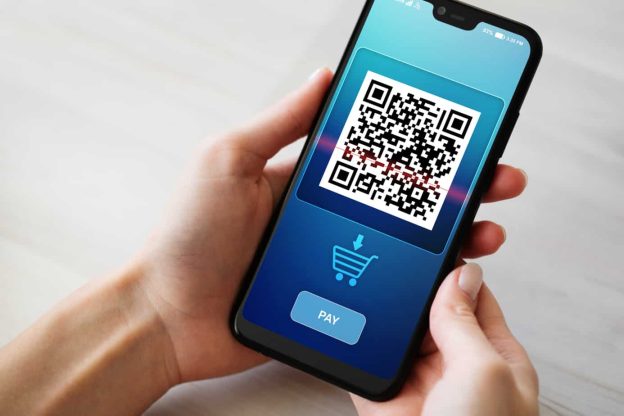
qr code mobile phone scan on screen business and technology concept 145543233

Facebook Pay Tests Use of Personalized QR Codes

QR codes are already helpful for containing more data than UPCs, plus they are encrypted and more secure than UPCs. QR codes have been critical for many touchless payment activities. Businesses are looking to facilitate more touchless payment solutions, so QR codes have never been more of a necessity. Programs like Venmo have especially been using these codes to manage safe transfers between people.

Facebook Pay is taking advantage of QR codes by testing person-to-person QR code payments. It will allow people to transfer funds between each other with one scan. The system can work for P2P deals, but it may also work well for traditional business purchases.

Facebook has not released details on how many people are testing the system. The group is slowly rolling this system out to identify what is working and how it can be used by the public. An emphasis on efficiency and safety will be critical.

The new QR code system will be similar to what Venmo already uses. But the new codes will be personalized to focus on specific people. These unique codes will ensure they can only work for specific P2P moves. It is exciting to see what might happen when getting it to work well, although details on when these codes will be available to the public remain unclear.

How Does This Work?

Facebook Pay’s new personalized QR codes entail a few steps:

  1. The user goes to the Facebook Pay carousel at the top of the screen.
  2. The user selects the Scan button.
  3. A QR code will appear on the screen. There will also be a unique URL at the bottom. The URL displays a unique code that matches up with the QR listing, confirming the data.
  4. The app then uses the device’s camera to scan the other person’s QR code.
  5. The user chooses the amount of money that will be transferred. This work includes whether the user will send money to that other person, or if the user will receive the funds from that someone.
  6. The payment will then be transferred after everything is confirmed.

Facebook Pay will also produce a payment link for those who want to utilize a more direct approach to handling payments. The process facilitates a secure process for transferring funds.

Each transaction will come with a different code. These codes will ensure each transaction is unique. The risk of an outside party copying or hacking into a system will be minimal, as a distinct code will work for each situation.

Focusing on Physical Payments

The new personalized QR code system will allow Facebook Pay to work for direct in-person transactions. Facebook Pay has already been supporting various online payments since its introduction in 2019. Facebook Pay is already part of various Facebook apps like Messenger, WhatsApp, and Instagram. But all earlier moves have been through the Facebook and Messenger apps. The P2P transaction support that Facebook Pay is seeking will improve how well people can complete these deals and get their accounts up and running.

The system would work for cases where someone needs to complete a payment with someone as soon as possible. These include situations where someone needs to pay for unexpected costs, or someone needs extra funds for some sort of activity. The new QR code system would help ensure people can complete these payments sooner.

Bringing New Attention

A critical part of why Facebook Pay is offering this feature is to increase awareness of the system. Most people aren’t fully aware of how Facebook pay can be utilized to transfer money between parties. But many may know about how they can purchase items through Facebook ads or the Facebook Marketplace. Providing personalized QR codes for P2P transfers will help people recognize what Facebook has to offer here.

Terms For Use

There are a few terms for users to follow when using these personalized QR codes from Facebook Pay:

  • All users must be at least eighteen years of age.
  • The only users that can use this feature right now are American customers. Facebook hopes to move this out to other countries soon.
  • Each person must have a supported payment method. These include a PayPal account or a Visa or MasterCard debit card. Facebook Pay can also support various prepaid cards or government-issued cards.
  • The system will remain free to utilize.

The terms are simple, but there is a potential they may change. Facebook’s current testing process will identify what will work for the QR code system.

When Is the Test?

Facebook Pay is currently testing these QR codes and should have them available to the public soon. Facebook has not divulged info on when these tests started or when they will end. It is possible more people will get access to these codes as the year progresses and Facebook refines the technology. It will make for an exciting point for those looking for a unique way to transfer money to others.

What About Novi?

The new feature for Facebook Pay is separate from Novi, Facebook’s cryptocurrency wallet. But there’s a chance that Facebook Pay could start working with Novi. The effort comes as Facebook continues to consider looking at a possible crypto choice.

A Potential For Growth

The Facebook Pay system makes it easier for people to transfer funds. The new QR code feature from Facebook Pay will produce an even more convenient approach to handling the effort.

The most substantial potential for Facebook Pay is that it could help create a viable P2P payment solution. Many people see Facebook Pay as a niche solution available mainly for Facebook users. But the special QR code support that Facebook Pay can handle will possibly make it closer to Venmo and other contenders. It could create a new system that makes it easier for people to complete transactions. It will be inviting for people to see how well Facebook Pay can work for their general payment needs.

medicine doctor touching electronic medical record on tablet dna digital healthcare and network connection on hologram 154742526

Healthcare Providers Need To Pick Up the Digital Pace

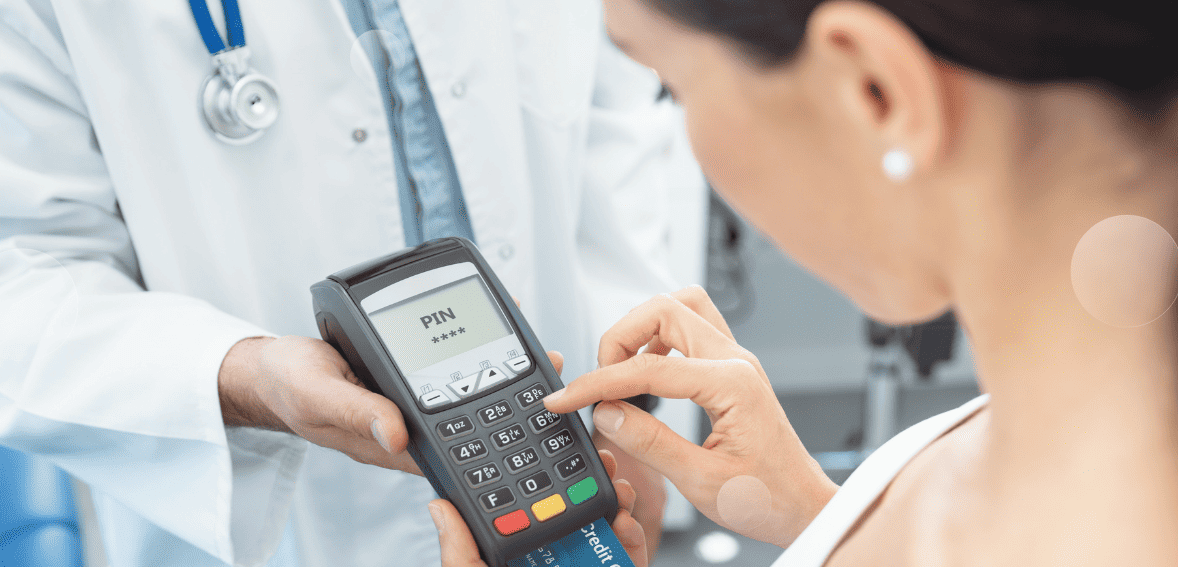
Healthcare providers have been more active than ever before. The global pandemic has prompted people to take their health more seriously. However, healthcare providers aren’t always ready to accept payments. They may not do well in keeping patient data safe and free from being stolen.

Many healthcare groups have outdated end-to-end payment platforms. Customers often have a tough time paying for their latest visits. They don’t understand the bills they earn, nor are the customers getting them in layouts they can support.

There’s also the worry that healthcare providers might not have secure data systems. These providers could lose their customers’ payment data if they aren’t cautious enough.

However, healthcare providers can improve how they operate if they look at what they’re doing to secure customer data. A healthcare team can review the needs customers have and make the necessary adjustments to make their work safer and more convenient. The result should be about ensuring all customers feel comfortable with what they are managing for their health.

Healthcare Providers – A Lack of Digital Work

The website PYMNTS conducted a survey of consumers on how well they can pay for their latest healthcare visits. At least 15 percent of the people surveyed had some difficulty in paying for their last visits. But while it was easy for many people to pay for general primary healthcare provider services, it was harder to pay for specialists. These include orthopedic and ear, nose, and throat specialists.

Healthcare providers in digital world

Difficulty Shopping

Customers also report that they have been struggling to find quality healthcare services. Customers want to be capable of shopping for healthcare services like how they would shop for anything else. They want solutions that are easy to find.

Protecting Data

There’s a general worry among patients that their sensitive bits of data might be lost or stolen. Patients are providing information on their finances and their most personal health needs. Patients will want to be assured the healthcare providers they contact are keeping their data safe. They want their contents to stay encrypted and sealed off from unauthorized parties. They also want all unnecessary bits of data on their health to be erased from their records as necessary. Customers will not want to support a business that doesn’t work with their best needs in mind.

Healthcare providers - Protecting Data

Accessibly Is a Must

Patients often have unique health worries that need to be addressed as soon as possible. But not all people have the ability to get to healthcare sites at certain times.

Teleconferencing may be best for some people, as they can communicate by video with a doctor about whatever issues they hold. The doctor can conduct business online at the patient’s convenience. The doctor won’t require an in-person visit unless there’s a significant concern the doctor wants to discuss with the patient.

Unique Things a Business Can Provide

A healthcare business could improve how it supports its customers by using a few points:

  • Telehealth support will be a necessity. Telehealth services have become critical during the pandemic, as some people prefer to visit their doctors from their homes. Healthcare sites must have the infrastructure ready to handle telehealth appointments.
  • Healthcare providers should include clear definitions of what they charge for services. They can list details on what they offer based on the rates available and what people can expect to spend for average visits. The effort clarifies details on what people might spend on things.
  • Digital check-in and check-out tools can help people review their charges. Some digital reports can be more accurate and easier to understand than traditional paper-based documents that healthcare sites might produce.
  • Support for digital wallets could also work. People have been using these wallets more often, as they facilitate faster payments.
  • Clear explanations on insurance policies will also be critical. A healthcare business can explain to customers what insurance policies it supports and how people can provide data on their plans.

It should not be tough for most businesses to provide these things to their clients. There’s a need for these healthcare sites to ensure everyone feels comfortable with what they will utilize. It becomes easier for those clients to refer a professional to others when they feel confident in what is available here.

Preventing Data Breaches

Data breaches are significant concerns for healthcare providers to note. But there are a few things that healthcare providers can do to keep such breaches from being prominent:

  • Any sensitive data that a healthcare provider holds should be destroyed as soon as the content is no longer necessary. Paper files can be shredded, while hard drives and other electronic items can be wiped clean.
  • All patient data must be separate from public information when moving online. A business can use separate networks for public and private needs. The proper information can move over the right networks without mixing anything up in the process. All employees will need information on what can work here.
  • All network systems should be kept up to date. Anything outdated may not be properly updated, plus they could be susceptible to various viruses and other outside attacks.
  • Encrypted programs can prevent data from being stolen or captured.
  • SSL protection will be critical for handling all payments. SSL systems can prevent unauthorized parties from entering a network.

Data breaches can be risky, especially considering how sensitive the details in a system can be. But data breaches can be prevented if a healthcare site does the right things and ensures the data won’t be stolen or put at risk of harm.

A Final Word

Healthcare providers can produce more positive relationships with their patients if they can manage their clients’ data well and have an easier time accepting payments. The pandemic has made people more reliant on these healthcare groups. It is high time that these companies start finding ways to ensure everyone stays safe and protected. The process of improving how the business operates is easier for groups to manage than they might expect.

embedded option text concept closeup american dollars cash money 3d rendering embedded option at dollar banknote financial usa 202339262

What’s So Special About Embedded B2B Finance?

Embedded finance is a distinct concept that businesses can utilize when managing transactions with one another. It gives businesses extra support when managing their money and when handling transfers between each other. But what is embedded finance, and what makes it so beneficial?

Let’s look at how well B2B finance can work for your general needs when managing money. The system is easy for businesses to follow. It may also be more convenient than if you were to hire a bank for help with your funds.

The General Concept

Embedded B2B finance entails banking services available through non-banking parties. Non-financial companies can use various solutions to help manage finances, including B2B transactions.

Businesses can do various things in B2B finance. They can send money to other businesses, or they can get loans ready. They can divide payments for certain investments or partnerships with one another. These parties can arrange for how they will handle their funds online through the embedded finance programs they use.

Embedded finance is part of fintech, a process involving the integration of physical and virtual technologies in the financial services people utilize. The work provides a simple process where businesses can get direct financial support from other companies without relying on a third party like a bank.

You can access embedded financial services through various platforms. You could use a website that can handle funds. You could also use an app that incorporates a virtual wallet to pay for items. Anything that can manage money can work here.

What Programs Work?

People can use many non-banking programs to facilitate financial services. Here are a few examples of what can work in this field:

  • Embedded payments can work through various apps. Companies like Uber, Lyft, and other ride-sharing companies offer online wallet programs where people can secure the funds they will use to pay for their transactions.
  • Embedded card payments can also work through PayPal and other online money transfer programs. People can link their cards to PayPal and use that platform to forward money between people at any time.
  • Embedded lending can involve people splitting purchases or agreements with businesses into small payments. Systems like AfterPay and Klarna can facilitate these payments.
  • Some companies may also support embedded banking services. These include solutions where business owners can link a bank account to a secondary app that will allow the company to forward funds to other parties. Shopify has a solution that helps businesses create bank accounts they can use for handling funds through the platform, for example. The system keeps people from having to use personal savings or checking accounts to handle their funds.

The assortment of embedded B2B finances available will expand over time. Businesses will find these solutions more effective and convenient than if they were to use other items for their work needs.

A Convenient Approach

You might have noticed when working with a bank that you’d have to spend extra on some financial transactions. You might want to send money to another business, but it could cost extra to make it work. You might not also get the rates you want out of the service. But embedded finance reduces all those worries and gives you a system you can trust.

Embedded finance is useful for how it doesn’t entail some of the annoying expenses that come with traditional bank-based financial services. The problem with using a bank is that the bank might charge various fees and take a while to transfer funds. Banks aren’t always going to be readily available to handle the transactions either. Some banks can also charge elaborate interest rates on loans and other investments.

Working with non-banking entities may be a sensible solution. By going outside of banks, businesses can facilitate financial services and transactions with one another. They can plan their own rates and charges, plus they can communicate with each other at any point. The process is more convenient, plus it may be more affordable than if you used a traditional bank.

Full Customization

Embedded finance also offers complete customization for producing unique applications for financial purposes. Embedded finance is about helping figure out what things people can benefit from the most.

You can send information to the other business about what you need out of your finances. The other end can plan a system for managing an agreement you and them can support.

Negotiations Are Possible

It is often easier for businesses to negotiate plans with one another through embedded finance. Companies can talk with one another about the financial needs they have. They can exchange plans for finances and come up with useful solutions. You can use this opportunity to figure out what’s right and what you wish to utilize.

Can Crypto Coins Work?

Most banks and financial institutions aren’t willing to touch cryptocurrencies. These are often too risky for some banks, as they are mostly speculative. But with businesses starting to consider crypto payments, embedded finance practices can entail these crypto investments. People can trade crypto coins with one another if they prefer. They could use online wallet programs that do not operate as banks, but rather as platforms where people can transfer currencies.

General Ownership

The best thing you’ll get out of embedded B2B finance involves general ownership of the payment and transaction process. You’ll have more control over the experience, which helps if you’re trying to watch your funds and keep them under control.

The potential for embedded finance to become more valuable will be worth watching. Embedded finance can help businesses complete financial duties with each other. It can be more convenient and flexible than what a bank might provide, making it a suitable choice for many activities. Check on how well your business can benefit from embedded finance and how you can make it run well for your needs. You may find the process to be more advantageous to your business than you might expect.

yum brands logo 99912309

Yum Brands Acquires “Chat Commerce” Company Tictuk to Boost Digital Presence

The Louisville-based Yum Brands company operates various prominent fast food and quick-service restaurant chains worldwide. The company owns the KFC, Taco Bell, and Pizza Hut brands alongside a few others. The entity remains one of the world’s top food business organizations around, and it is continuing to grow thanks to its recent acquisition of the “chat commerce” company Tictuk.

Tictuk is a software startup that produces a platform that helps people engage with brands. People can place orders with these brands through various messaging platforms. These include connections with WhatsApp, Facebook Messenger, Telegram, and different SMS-based systems. The setup helps people interact with the company for many intentions. It reviews customer behaviors and creates new marketing options and promotional efforts based on what people are interested in, helping businesses attain better overall sales.

Yum’s acquisition of Tictuk comes as part of the company’s efforts to use technology to build its business operations. Yum also acquired the AI analytics company Kvantum, giving Yum access to a platform that creates customer behavior models to establish marketing insights.

Yum has also seen a rise in digital ordering activities as of late. Yum saw a rise of 45 percent in digital sales in 2020, equaling a total of $17 billion. The effort comes as Yum’s digital ordering tools are being refined and have become more accessible. Increased demand for online interaction and orders have helped place Yum in a positive position. The acquisition of Tictuk will help Yum in retaining the newfound digital business it has gathered this past year.

Yum also sees an ongoing rise in its stock value as the news evolves. The stock, which trades on the New York Stock Exchange under the YUM symbol, has gone back over the $100 mark after struggling to stay there in late 2019.

What Is Tictuk?

Tictuk is a privately-held company from Tel Aviv that was formed in 2016. Tictuk produces a conversational commerce program that lets users complete their orders with different companies and other brands. Customers can interact with these brands through various social media and chat channels, digital apps, and other programs. Tictuk supports communications through Facebook Messenger, WhatsApp, QR codes, SMS, and many other activities.

The online ordering program from Tictuk supports various engagement-based solutions, including marketing-based activities. Tictuk uses intelligent marketing to review customer behaviors and to create new messages and promotions based on what people might respond to the most. The effort entails promoting things that individual customers might be more interested in, including items that are potentially more viable.

An entity can use Tictuk by joining the program, uploading one’s catalog of products or services, and utilizing the interface provided to integrate with the Tictuk API. The system provides a flexible approach that can integrate with other items in moments.

Tictuk’s platform integrates with POS setups and other payment systems. It can work for pick-up, dine-in, and delivery services alike. It can also work with smartphones and tablets alike, giving businesses more control and access to their customers.

Tictuk is most commonly associated with online food ordering, but it can also be utilized for other applications. Tictuk promotes itself for ecommerce, instant checkout, and product delivery services.

In addition to boosting customer engagement, Tictuk also increases the likelihood of sales conversions. It reduces the risk of abandoned shopping carts, plus it can retarget customers based on what they purchase or what they’re interested in the most. The live order monitoring system also reviews how customer behaviors work, what interests people hold, and many other points of value, making it easier for them to handle transactions and other activities in moments.

Currently Used At Yum Spots

Yum has been using the Tictuk platform in some of its locations to gauge customer activities and review what they are managing in many forms. The company uses Tictuk in about nine hundred KFC, Taco Bell, and Pizza Hut locations outside the United States. Yum will expand Tictuk’s reach and bring it to more countries soon. The timing for when it will reach the United States remains unclear, but the effort may be inevitable at this point.

Further Growth For Yum

Yum is expected to continue growing, especially as it expands its reach and acquires more restaurants and develops more appealing ideas for marketing. The Tictuk investment is part of its ongoing plans. Yum has been expanding its reach in many countries and has experimented with various fast-casual and quick-service restaurant concepts. The company also acquired the Habit Burger Grill chain in 2020, giving Yum nearly 300 fast-casual hamburger locations and drive-thru spots for ordering. Most of these sites are in California, but it also has a presence in twelve other states, China and Cambodia.

Yum also acquired the Kvantum AI insights company for additional help. Kvantum focuses on building unique sales opportunities and supporting the right media budgets for promotional purposes. Part of the work entails monitoring customer behaviors and identifying trends in different geographic areas and cases where menus and promotions start changing.

Ongoing Competition

Yum’s acquisition also comes as other companies have been leveraging technology to grow. Domino’s has recently partnered with the machine learning company Datatron to identify marketing potentials and to create personalized promotions for customers. Other companies are using AI-based analytics to personalize loyalty programs and other offers. For example, El Pollo Loco uses AI programs to review the rewards it offers and to provide unique options for regular customers to enjoy.

The work Yum is putting in with Tictuk will help keep its brands more viable and profitable as people become more interested in online ordering. Tictuk provides a distinct setup that helps manage transactions in various forms, producing a better approach to sales that all parties can utilize for many purposes. People who regularly order from Yum restaurants may start to notice some of these changes and other developments very soon as Tictuk starts to roll out and become more accessible at Yum locations.

indianapolis circa june 2017 signage and logo of bmo harris bank bmo harris is one of the largest banks in the midwest v 94812482

Moneris and BMO Collaborate on B2B Payments in Canada

Business-to-business payment management is critical to the success of every business. Businesses often need to pay each other for activities, shipments, contracts, or other things where they have partnerships with one another. Moneris and the Bank of Montreal have developed a new system that will make these B2B payments easier for everyone to follow.

The Moneris financial technology company provides payment processing services for clients throughout Canada. The company will be expanding its reach through its new partnership with the Bank of Montreal or BMO.

Moneris will offer support for business-to-business payments with Moneris B2B Pay, a new payment processing solution supported by BMO. The program will handle automated processing efforts to support faster payments between businesses, helping them stay afloat during this uncertain time in history.

B2B Pay comes as clients are becoming increasingly reliant on digital payments. The pandemic has forced people to focus on digital payment processes instead of traditional paper-based ones. While the advancement to digital-only payment efforts had been considered inevitable, the evolution has sped up in the past year due to the pandemic.

Canadian businesses can use the B2B Pay system to handle payments in moments. It provides a more secure and rapid approach to payment management that all parties can trust. The system also comes from two of the country’s most trustworthy financial services organizations, so it will be something that will attract many potential clients.

What Makes Moneris B2B Pay Work?

Moneris B2B Pay will help purchasers and vendors handle virtual business card payments. B2B Pay can work with cards like BMO Approve2Pay. A purchaser can start handling payments through a virtual card. Such cards do not require a physical presence. The proper information for each card account can go online through B2B Pay. The system can read all data and automate transfers, ensuring transactions can remain consistent and thorough.

A vendor can also accept funds without outside issues. The funds can go towards the proper accounts when collected.

The system provides a simplified approach to handling payments that all people can utilize. It becomes easier for people to keep track of payments between businesses with the new system.

What Makes It Special?

The B2B Pay system provides an automated approach to payments. The processing effort works fast, and it doesn’t require manual inputs or other unnecessary efforts. The system reduces the cost of trying to handle payments, plus it ensures payments can go forward a little faster.

The system also automatically produces remittance reports. These are necessary for reconciliation efforts that usually happen after each month.

The setup also has a secure design that encourages trust. The system uses fraud protection and identity confirmation data to ensure all transactions stay safe and accurate. The design also boosts relationships between businesses, as they will use systems they can agree to use.

Moneris and BMO are also promoting the work as a stress-free solution. The system provides a scalable approach that can fit whatever needs businesses hold when getting their operations moving right. People can contact the two entities to see how the B2B Pay setup works and what they can benefit from the most.

What BMO Customers Can Utilize

BMO commercial customers can use the Moneris B2B Pay system alongside the BMO Approve2Pay system if they wish. Customers can use the Supplier Enablement Services provided by Moneris. The system gets the vendors a client utilizes to take virtual card payments. The system can work even when the firms that use it aren’t currently supporting such payments. The system adds to the flexibility a business has in managing payments.

Necessary For All Businesses

The B2B Pay system will be critical for all businesses in Canada to explore. Back-office operations have to stay online without worrying about how payments work. Online B2B payments make it easier for virtual cards to operate.

The system also works with cloud-based systems and machine learning efforts to make it easier for B2B payments to move forward. Activities can be forwarded well and can stay active, plus predictive reviews make it easier for B2B payments to work right. The cloud-based approach also ensures the content can be made available online as necessary.

While businesses can afford to allow their employees to telecommute, the process of handling payments will remain rigid. Payments must go through a consistent network to make it easier for the program to run well. The B2B Pay system will make it easier for the program to work.

Backed By Two Prominent Entities

The new B2B payment support system comes from two of Canada’s top financial service groups. Moneris is a popular Toronto-based business that handles online and in-store payment transactions throughout Canada. The company supports businesses in all industries, plus it offers twenty-four-hour customer support for whatever needs businesses may hold.

Moneris takes pride in how the company supports the Canadian economy. Moneris manages billions of transactions each year, plus the company supports hundreds of thousands of merchant locations throughout Canada.

Bank of Montreal also has one of the most massive infrastructures in Canada. BMO has been around for more than two hundred years. The company has assets of close to $1 trillion as of early 2021. BMO serves more than twelve million customers and provides commercial banking and wealth management solutions for businesses throughout Canada.

What Traditional Cards Work?

The B2B Pay system can also work with many traditional cards that the two businesses hold. These cards include credit and debit cards from all the major banks throughout Canada. The new system will focus on supporting whatever payment cards businesses wish to utilize, even if they entail virtual ones.

The partnership between Moneris and BMO will make it easier for businesses to manage payments with one another. People can handle their payments well and ensure their funds move forward without risking possible losses. People will appreciate how the system works and how it will manage all the payment needs they may hold for future purposes and projects.

gig economy word cloud 186115919

Gig Workforce Payments Company Payfare Begins Trading At $6

The gig workforce has become increasingly influential in society. Gig workers are independent contractors who typically work on temporary projects. They enter agreements with on-demand entities who wish to hire their services and will then get paid for the work when it is complete. These workers can be found throughout the country doing things like delivering foods and groceries, transporting people to different places, and other general services.

The need to facilitate gig worker payments is critical, as such workers deserve to be paid for the projects they complete. This is where Payfare comes into play, as Payfare provides a service that can handle gig economy projects. It can manage pay solutions for gig worker projects. It ensures gig workers receive the money they deserve right away and that they can also get access to their funds as necessary.

Today Payfare has become one of the most prominent entities in the gig economy. The company has grown well enough to where it raised millions in an initial public offering or IPO. The move is a sign of how committed Payfare is and how it plans on managing more activities in the future.

According to a press release issued by the company, Payfare raised about $65.4 million in its IPO. The total comes from 10.9 million Class A common shares in the company worth $6 per share. The shares are trading on the Toronto Stock Exchange under the PAY symbol.

Payfare is promoting this IPO as a sign of how valuable the company’s services are for gig workers. Payfare provides help for gig workers by offering free digital banking solutions that handle instant payouts for projects. The system’s technology is unique and provides convenience for all workers.

The IPO was underwritten by multiple financial services and investment entities. These include Raymond James, Scotia Capital, and Stifel GMP. These parties have helped set up the IPO and create a suitable valuation to improve upon how well the IPO works. The effort will be an exciting one for people to explore as Payfare continues to play a significant role in the gig economy. It will also be essential as more people start to explore the benefits of the gig economy and how well it can work for everyone.

The Value of Payfare

Payfare is a system for freelancers and gig workers that provides people with digital bank account access. People can use their accounts and accompanying debit cards to collect their earnings and to use and transfer their funds as necessary. Workers can be instantly paid after completing certain activities. They may also receive rewards depending on the services they manage.

Payfare is utilized by many prominent gig platforms. These include food delivery systems like Uber Eats and DoorDash, plus ride-sharing services like Lyft.

The system does not require any signup fees or annual charges. It does not require any credit checks or minimum account balances, providing a smarter approach for work.

The Value For Gig Platforms

While Payfare is popular among gig workers, it is also a necessity for gig platforms. Payfare provides a control panel for gig platforms that help them review their current account and rewards balances, activities among current gig workers, and options for transferring and depositing funds as necessary.

The gig platform layout lets providers monitor workers and attract new ones. It also ensures funds are transferred to employees sooner, thus reducing absenteeism and encouraging loyalty among workers.

Working With DoorDash

Part of Payfare’s growth comes from how the entity has been working with other outside parties to help build and advance its offerings and assets. Payfare has been working with DoorDash as of late and teamed up with the delivery service provider to form DasherDirect. The banking program lets DoorDash delivery drivers handle their funds with more banking options. It provides a secure design for managing all the funds one might collect for one’s work.

DasherDirect provides a mobile banking app and supports a business Prepaid Visa card for transactions. It also has a rewards scheme for multiple activities. The system also has support from Stride Bank for handling its prepaid cards. DasherDirect is currently available in the eastern end of the United States, but it will be rolled out to other parts of the country in the coming year. This development was essential in helping Payfare become more viable for its IPO efforts.

Supporting Millions of People

The most essential part of the Payfare IPO is that it allows Payfare to remain steady and to continue providing support for gig workers. Freelancers and other gig workers are essential to the American economy, as there are more than 55 million of them in the country. Such freelancers were essential for supporting grocery stores and other businesses during the pandemic this prior year.

But freelancers don’t have work benefits, plus their jobs remain unstable. Many gig workers also live on a paycheck-to-paycheck basis and cannot always afford to handle unexpected costs. They need the money they earn as soon as possible. The threat of interest charges on loans, cards, and other things can be dramatic for gig workers. Many workers also lose money in lost productivity because of stresses associated with their financial issues. That’s where Payfare comes into play, as the system provides help in paying all these workers.

Payfare provides these freelancers the support they need for managing their payments and collecting funds. The system lets people communicate with vendors and provides a secure environment for handling payments. The work ensures everyone will feel confident in the work being made available.

It is through Payfare’s efforts and convenience that it has grown in popularity and continues to be trusted by gig workers throughout the country. The work has also helped Payfare become more visible to where it can now offer an IPO for investment purposes. It is a sign that Payfare has more things to offer and that it will be available for more people worldwide.

stacked coins on ipo wooden blocks 149391641

B2B Payments Firm AvidXchange IPO Could Value the Company as High as $7 Billion

AvidXchange has become a highly valuable business-to-business payment service provider that helps small and mid-sized businesses manage their payment activities. The Charlotte-based company has attained support from many entities, including MasterCard, PayPal, and various others. The company’s work helps automate various financial activities, from creating invoices to sending payments. It also provides accounting help for businesses that need extra help in maintaining their financial records.

AvidXchange is now looking to establish an initial public offering or IPO. Reuters reports that the IPO could give the company a valuation of up to $7 billion.

AvidXchange is working with many prominent entities to prepare its IPO. It is working with Goldman Sachs, Bank of America, Barclays, and JPMorgan Chase to get its IPO ready.

The company’s value has been rising over the past year, as people are quickly turning to digital payments. The ongoing pandemic has forced many businesses that use paper-based processes to go to digital-based approaches.

The company is expected to have a high value for its IPO. AvidXchange has become a necessity for many businesses, and its upcoming value is expected to show this point. When the IPO is made available remains unclear, but it will be something that remains in demand for investors.

About AvidXchange

AvidXchange was formed in Charlotte in 2000. The company manages automated invoicing activities for business clients. The AvidXchange platform gathers accounting information and provides thorough clarity for businesses looking to manage their payrolls, invoices, and other charges.

AvidXchange has a network of more than half a million suppliers. The company processes its transactions over this network to support thousands of business clients looking for help with their money needs.

AvidXchange has a thorough infrastructure with more than 1,500 employees working in seven office locations, including ones in the Houston and Salt Lake City areas. Most of the company’s activities occur in the United States, but its global reach is expected to increase as more people become aware of what AvidXchange offers.

The company’s revenues have been rising in the last few years. The company saw an estimated revenue of about $145 million in 2017. Information on how much revenue the company has received since then remains unclear, but the business is still raising immense amounts of money.

What Is the Value Range?

While the IPO for AvidXchange is expected to be about $7 billion, the value is expected to vary. The IPO could be as small as $5 billion, or it could be up to $10 billion. The demand that investors hold will influence the potential IPO value.

Whatever the case, the IPO value will likely be significantly higher than what AvidXchange was valued at a year earlier. The latest fundraising effort for AvidXchange in April 2020 produced a value of about $2 billion. The company also saw another fundraising project in January 2020, but that was worth $260 million.

How Does It Compare?

To understand the potential of AvidXchange’s value, it helps to compare the company with other industry contenders. Bill.com has seen its value rise by more than 300 percent in the past year. Coupa Software has also seen its value increase by nearly 90 percent in that time.

The Swedish company Klarna is also competing with AvidXchange and continuing to grow. Klarna is in a funding campaign with a valuation nearly triple its original value from when it last contacted investors for help in September.

These numbers suggest that AvidXchange will likely become more popular and viable for business sales. The IPO will already be worth billions of dollars, but whether the IPO will reach the eleven-digit value range remains unclear.

Still Important

One valuable part of AvidXchange comes from how the service still remains important for everyone to use. AvidXchange’s website says that the company handles more than twelve million payments each year. These payments total around $140 billion.

AvidXchange CFO Joel Wilhite continues to lead the company. He has argued that companies must know how they can manage business continuity efforts during uncertain situations like the ongoing pandemic. He also says that technology is making it easier for businesses to pivot and stay operational. Understanding the many scenarios and situations that might develop can be critical to success. The AvidXchange system makes it easier for businesses to review new situations and to adapt to them as necessary.

The potential for businesses to go back to traditional paper-based platforms for invoices and other pieces of data is questionable. Businesses may demand digital solutions that are easier to analyze and plan as necessary. AvidXchange will be there to assist companies in handling whatever tasks people wish to manage for their invoices.

Expect AvidXchange to remain an exciting solution for future business activities. The demand for services will likely cause AvidXchange to be more valuable for investors to explore.

What Will Happen?

All parties talking about the AvidXchange IPO plans have been speaking on anonymity. The company itself is not speaking about the point. The banks working on producing the IPO are not talking about anything either.

The specific timing for when the IPO will be available also remains unclear. IPOs can take weeks or even months to complete. IPOs are factored over the current assets a business has, its potential for growth, and the possible demand people might have for the investment. The analysis process will require extensive work to ensure all investments are managed right and that there’s a plan for making things work well enough.

But the potential for the AvidXchange IPO to be highly valuable is significant. AvidXchange has a valuable asset for work that could make it where an IPO will be easy to access and utilize. The IPO will be worth billions of dollars more than what the company was estimated last year. How high the IPO will be worth remains unclear, but it will be an exciting point to explore as the industry moves forward and becomes in high demand.

Frequently Asked Questions