Author Archives: hostmerchantservices

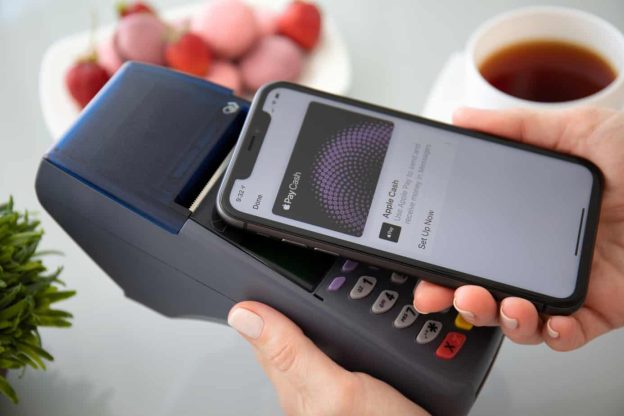
woman hand holding apple iphone 11 pay pass online terminal 162910035

Why Are Apple Pay, the Starbucks App, and Samsung Pay More Successful Than Other Mobile Wallets?

The odds are you’ve heard about many online wallet solutions. These systems let customers link their credit or debit cards to a wallet setup. The customer can then complete a transaction through one’s phone or another NFC-enabled device. It offers a convenient way to handle payments. It ensures people can complete transactions with physical cash or with a credit or debit card.

There are two mobile wallets that are more successful than the others. Apple Pay has become a staple in the mobile payment industry, while Samsung Pay has also been growing in prominence.

There’s also one unique app that is rising in prominence. The Starbucks coffee chain has a dedicated app people can use when purchasing items from various Starbucks locations.

eMarketer writes that there are about 25 million Apple Pay users and 12 million Samsung Pay users in the United States. These totals are based on how many people have completed at least one transaction with these wallets in the last six months. The Starbucks app has an even greater user base of about 28 million.

But what makes these three payment solutions more popular than other mobile wallets? Let’s take a look at what makes these so prominent.

Apple Pay

First, let’s look at Apple Pay, the most prominent of the online wallet programs around. Apple Pay was one of the first such wallets out of the gate, as it was introduced in 2014.

Apple Pay uses NFC technology to transfer payment data. A user can waive an Apple Pay account over an NFC reader to transmit funds. The system can work on many Apple devices, including the iPhone and Apple Watch.

Apple Pay offers many positives:

  • Customers don’t need online connections to use Apple Pay. All payment data stays in the cloud, ensuring the content can move forward as necessary.
  • Apple Pay uses a biometrics-based system where the user can touch a specific part of one’s phone or watch or another device that uses the setup. The two-part ID system ensures only the right person will initiate the transaction.
  • Most payment networks and banks support Apple Pay. The system ensures people can use the wallet in more places.

The immense popularity of the iPhone and other Apple devices will also ensure that Apple Pay will become more accessible in the future. As more people use the latest Apple devices, more retailers will accept Apple Pay payments.

Like with many other Apple features, this only works on Apple devices. But Apple’s products are still popular enough to make Apple Pay a highly sought-after solution for managing payments.

Samsung Pay

Samsung Pay has also been around for a while, as the system started in 2015. It is slightly different from Apple Pay in that while it stores payment data in a cloud, the tokens it produces will go from the cloud to the device when the purchase is made. An online connection will be necessary in this case.

What makes Samsung Pay useful is that it is easier to use it in more locations. Samsung Pay uses a Magnetic Secure Transmission or MST system to transfer data. It can work in more POS readers, including non-NFC magstripe readers. MST technology is easier to find on devices than NFC technology.

An MST system uses a few steps to work:

  1. The device will produce a magnetic signal like what you’d produce on a traditional magstripe card when you swipe it.
  2. The card reader will identify the signal. It will find the card number and other pieces of security data.
  3. The POS terminal will read the card data and process the transaction from there. You’ll get a note on your phone through a cloud network after the transaction is complete.

Samsung Pay doesn’t have as much of a reach as Apple Pay, although it is still a prominent choice of note. The Samsung S6 and S6 Edge phones will make the system more popular.

The Starbucks App

The idea of a single company’s app being highly popular among mobile wallets sounds surprising. But there aren’t many companies that are as widespread as Starbucks.

The Starbucks app lets people load money from a separate credit or debit card to the app. The customer can then use the app at any Starbucks location to pay for the coffee or whatever else someone orders at the location.

The app features a useful setup and is ideal for people who frequently visit Starbucks. But there are many other reasons why the Starbucks app is so popular. These points may help show other retailers why starting their apps might be a good idea:

  • The Starbucks app provides rewards to regular customers. People can earn points they can use for various free purchases, giving them an incentive to return for future purchases.
  • There’s more loyalty attached to the Starbucks app. Since it isn’t preloaded on the phone like the other wallets for specific devices, people can choose to download the app if they tend to do business at Starbucks more often.
  • The app gives Starbucks regular customer insights and data. The company can use this data to provide rewards and other features to its customers. Starbucks also keeps the data to itself, ensuring its security.
  • The app also supports various debit and credit cards. This feature may be thanks to Starbucks’ immense reach and power, but it does help the company take in more money and handle payments well.
  • Since the transactions come through physical devices, it is easier for Starbucks to manage these deals without risking chargebacks and other common concerns.

All three of these mobile wallets are very popular for different reasons, but they all have one thing in common. They make it easier for people to complete their transactions. It is no surprise that they are all prominent in today’s online world and continue to be useful to many people.

hacker trying to hack in to computer network with warning screenshot 122102799

Merchants Called To the Offensive In Battle Against Cyber Fraud

Cyber Fraud has been a concern that merchants have been dealing with for a while. But the increasing use of online payments during the global pandemic has forced merchants to take it a little more seriously. The risk of fraud has never been greater than it is now.

People are engaging in fraudulent activities while online more than ever. Friendly fraud is a concern, as people are requesting chargebacks on many transactions after they collect their items. While customers are running off with various things, online retailers are losing money from chargebacks. 

Traditional forms of cyber fraud are still prominent. These include the use of malware, remote access Trojans, and other things that can target a merchant’s system. It becomes easy for thieves to steal data and compromise a website with these tools. A business will lose money on chargebacks if this happens. These chargebacks can be worth significant amounts of money, as data thieves often make expensive purchases through the identities they steal.

Online merchants are more susceptible to fraud than ever, but it doesn’t have to be this way. These retailers are working harder than ever to control cyber fraud. They are using many efforts to reduce the risk of fraud and to keep their investments under control. All of these moves are about going on the offensive and working harder towards identifying fraud.

Confirming the Customer’s Identity

Many cases of cyber fraud can occur when a person tries passing oneself off as another person. Online identity theft is a concern, as anyone could log into an account and claim to be that person. The customer will quickly engage in fraud after stealing that identity.

Merchants are fighting this form of fraud by using further measures to confirm each customer’s identity. The business can confirm details like one’s billing and mailing address, credit card data, and other factors.

The customer’s IP address will also be a factor. The IP address of the connection one uses when purchasing something would have to link up to the billing or mailing address one uses, for example.

Customers can also monitor other things surrounding a person’s identity, like one’s phone number or email address. A phone number might be listed in an area outside one’s area or have a billing address outside where one lives. The email address might also look fake or be registered in a different spot.

Other sudden changes like a higher frequency of orders or a significant increase in one’s order amount versus prior purchases could also be points of review. Merchants can check these things to flag possible fraudulent activities that might result in chargebacks.

Managing Internal Data

Internal data can also help identify cases of fraud. The business can monitor all the activities the customer enters. The team can monitor when that person logs into an account, what products someone purchases, unique promo codes one uses, and other activities. A merchant can compare internal data with everything else a customer is doing to confirm a transaction or to directly question whatever someone is doing while online.

The work is about finding unique changes in one’s behaviors. Anything that is out of the ordinary will be flagged. The goal is to prevent the customer from completing the transaction before anything can go forward.

Finding Fraud Through Behavioral Analysis

Artificial intelligence will play a critical role in preventing cyber fraud in the future. Behavioral biometrics technology is one part of the work. This system is a solution where a customer’s behavior is monitored in real-time. The customer’s interactions with online apps and devices are measured to identify how they act and if they show signs of possible fraud. The AI system will review these details and determine if the user is real or if that person is trying to commit fraud.

The behavioral biometrics system can also identify when a user is a remote access Trojan, a malware program, or a non-human entity. The effort can catch parties that might commit fraud. The work does not entail going through specific private details, but rather about confirming the person is accessing a site from a place where one might appear.

Positive Profiling Also Works

Another solution for preventing cyber fraud entails positive profiling. The practice involves using Big Data to review a person’s behavior through various retailers and websites. The customer’s behavior is compared with actions from other confirmed fraud suspects. The customer is screened instead of the transaction, providing a more accurate response to the issue.

Positive profiling is not about trying to uncover private data on a customer. It is about monitoring the customer’s shopping activities. It confirms that the customer is acting like any other shopper and that nothing is out of the ordinary.

A Chronological Analysis

The last point merchants are using to stop cyber fraud entails using a chronological review of everything happening in a chargeback. This part of stopping cyber fraud entails what happens after the transaction, but it can potentially prevent friendly fraud cases.

A time-based review can analyze the customer’s identity, prior purchase or shopping behaviors, and other details surrounding a transaction. The retailer can review how the deal is different or similar to others. The work is about showing that a person might have made a proper transaction and is trying to cheat one’s way out of paying for it. But it could also confirm that a legitimate chargeback is necessary. Whatever the case, it can still reduce the general risk of excess chargebacks in the process.

Will Everything Work?

People are going to keep on attempting cyber fraud no matter what happens. Some people will want a free ride on things, while others might be desperate and willing to do what it takes to avoid spending money on items. Whatever the case, online retailers are more proactive in reviewing possible cyber fraud cases. Their work is about preventing fraud and protecting their investments. With fraud being on the rise, these businesses will need to be more adamant when fighting fraud.

Frequently Asked Questions

qr codes in ring scan for product information 21043960

Exploring the Varying QR Code Adoption Rates Around the World

The Quick Response or QR code has become a necessity for various scanning purposes. The QR code is convenient for touchless payments and other transactions.

QR codes are becoming increasingly essential for secure payments. People are starting to see what makes QR codes so valuable and are picking up on their use. But the adoption rates for QR codes vary by country, with some places being more supportive of them than others. The global pandemic may still force people to use them more often.

Early Adoption In Europe

QR codes are more common in Europe. Part of this comes from Europe’s early adoption of these codes. Abode Systems found in a 2014 report that slightly less than 30 percent of people in Germany and France had used a QR code. The total went down to around 25 percent in the United States and the United Kingdom.

People in these parts of the world were more familiar with QR codes at the start. It would be easier for these codes to work in Europe and other places where people often use them.

Prominent In China

China is one country that has been accepting QR codes more than others. CNN Tech reported that at least a trillion dollars’ worth of transactions were handled through QR codes in China in 2016.

Much of China’s use of QR codes come from WeChat, a popular online social media platform available in the county. The app lets people communicate with each other and make mobile payments. The system uses QR codes to transfer funds, authenticate people, and get information on various things.

It appears that these codes would be more prominent in China and other countries around Asia. The system was established in Japan in 1994 as a system to track vehicles in construction. While it was intended to track the construction of new passenger vehicles, it has since found many other applications. It has become a replacement for traditional barcodes in many situations, including in retail and communication sectors.

Major Surge In India

India is another country that has adopted QR codes well. The Indian government started an effort in 2016 to cut down on fraud and corruption surrounding physical currency. Businesses around India have begun using mobile payment platforms that use QR codes to collect and exchange funds. They can do this without requiring paper currency.

The online payment platform Paytm supports millions of these businesses. Such transactions do not require physical currency, thus preventing fraud. It has been part of India’s ongoing effort to create a fair economy and to reduce risks.

American Acceptance

Americans started using QR codes more often as the 2010s progressed. Statista reports that about less than ten million American households had scanned a QR code in 2018. The number rose to about eleven million households in 2020.

QR codes are becoming more prominent in the United States. They are in use through various businesses and private individuals for many purposes:

  • Recording loyalty programs at different retail sites
  • Tracing products and shipments to ensure they reach their desired locations
  • Creating links people can scan to learn more about physical items; these can appear on billboards and other public messages
  • Accepting donations for various events or charitable activities
  • To help people communicate with others through social media platforms; this includes linking QR messages to social media accounts

How the Pandemic Changes Things

The most significant factor influencing the rise of QR codes has been the ongoing pandemic. QR codes are becoming more common for touchless payments. QR codes can send payment data to different parties without requiring any contact, thus providing a safer approach to trading funds. People can also use QR codes to scan and read documents online instead of using physical ones.

Statista found in late 2020 that nearly half of all Americans and those in the United Kingdom had used QR codes more often. Code adoption has also been on the rise in Canada, Australia, France, Thailand, Hong Kong, and other major markets.

Some governments are even requiring businesses to use QR codes. The Australian state of New South Wales requires stores to use QR codes for transactions to support contact tracing. The effort ensures people can be tracked and monitored if there is an outbreak in certain places. People who visited areas where outbreaks occur can be informed of the situation.

Further Work Is Necessary

Additional efforts will be necessary to make QR codes more viable. Governments could potentially start using QR codes to facilitate various monetary transactions. An example of this appears in Singapore, where the government is establishing national payment standards that utilize QR codes. The effort would make it easier for people in the city-state to receive payments from the government.

Pandemic-related changes that have caused businesses to become more reliant on QR codes could also make an impact. These codes are critical as people start looking for contact-free payment and document solutions.

Could the Positives of QR Codes Make an Impact?

It might be easier for people to start using QR codes if they understand the positives that come with them. Businesses and the general public may start using QR codes more often if they notice some of the benefits of the work:

  • A QR code can store more data than a traditional bar code. It features a two-dimensional approach to storing data. The layout includes content in its horizontal and vertical spaces.
  • QR codes are encrypted and hard to hack, making them useful and safe for financial transactions.
  • It is easier for people to read QR codes than barcodes. A QR code can even be read if it is damaged or partially obscured.
  • These codes can also be produced in massive sizes, including ones that could cover an entire billboard.

QR codes are already becoming more prominent worldwide due to the pandemic. But the benefits of QR codes and the familiarity that people have with these codes will make them prominent very soon.

cozy restaurant 39875776

Friendly Fraud Becomes Sworn Enemy For Restaurants

Restaurants have already been hit hard during the pandemic, as they are subject to various restrictions. Many places cannot open for anything other than delivery. Reduced dining room capacity keeps these businesses from bringing in as much income as usual. There’s also the worry about further restrictions coming later.

One other concern that is harming restaurants entails friendly fraud. This issue has become more prominent during the pandemic. People are buying more products and services online than ever. It has become easier than ever for people to get refunds on purchases they already consumed or utilized. People can get chargebacks instead of restaurant-issued refunds on their purchases.

The problem is simple, but it can be resolved or reduced if a restaurant uses the right measures. These include efforts for reviewing disputes and for accepting alternate forms of payment.

What Is Friendly Fraud?

Friendly fraud is where a customer will get a chargeback on a transaction the customer completes while online. The effort entails a few steps:

  1. A customer will complete a purchase with a credit card while online.
  2. The person receives the products or services.
  3. The customer will then request a chargeback from the issuing bank. The person must file an explanation surrounding the removal.
  4. The bank will review the request.
  5. The bank then decides to accept or decline the chargeback.
  6. If accepted, the bank will cancel the transaction.
  7. The consumer receives a refund of whatever one spent on that purchase.

The effort makes it easier for people to get things they want for free. Restaurants are hurt by this as people purchase foods for delivery or takeout online. Those people can then ask for chargebacks after they acquire whatever foods they ordered. The move provides free meals at the restaurant’s expense.

Who Is Liable?

A restaurant or other business will be held liable when a chargeback occurs. The merchant is accountable despite any efforts to verify the deal. Sometimes the customer requesting the chargeback might say the transaction was unauthorized. The move makes it easier for that person to get the full refund.

This concern has become prominent during the pandemic. Fewer people are dining at restaurants and are ordering home delivery. They do this for safety reasons, but some are starting to abuse the system.

It is easier for friendly fraud to occur when someone completes an online to-go order. The card doesn’t have to be present for an online transaction.

Other Payment Platforms Hurt

Another concern restaurants are dealing with entails how other payment platforms work. Many digital platforms people use for ordering foods from restaurants will move transaction data through an outside party. There exists another layer between the customer and restaurant due to these external programs.

It could become easier for people to request chargebacks if they purchase foods through these other platforms. The customer could claim that the food one ordered was ruined while in transit, or the delivery never came. But these points might not be valid, and it might be tough for a third party to dispute this point.

Why Do Card Issuers Usually Side With the Customers?

While the customers often lie about their chargebacks, it is easy for them to take advantage of this point. There are many reasons why card issuers will stick with the customers in these disputes surrounding friendly fraud:

  • Card issuers have zero-liability policies, meaning the customer isn’t liable for any unauthorized purchases.
  • Online transactions are card-not-present deals, meaning anyone could use a card so long as one has it in one’s possession.
  • Consumer protection regulations focus on protecting customers from abusing card companies or businesses. They may be more willing to support the customers to keep their positive images intact.

Why Are People Engaging In Friendly Fraud?

The main reason people participate in friendly fraud towards restaurants entails their own financial struggles. Many people have lost their ability to bring in income during the past year. People might be willing to do anything they can to reduce their expenses.

The faulty mechanisms surrounding fraud protection for online food purchases are another factor. Since these transactions are card-not-present deals, it becomes easier for people to produce claims. They could say someone else had the card in hand, for example.

How Can Restaurants Fix This?

Friendly fraud is a legitimate concern that will likely become worse. More people will start to learn about it and take advantage of this point. But restaurants can fix this problem before it can become more widespread. They can use a few points for help:

  1. Digital wallets can add protection.

Digital wallets like Google Pay or Apple Pay allow people to complete transactions through a P2P network. The system doesn’t require any outside banks or delivery parties. It is also easier for people to confirm their identities through these digital wallet programs.

  1. Cash-on-delivery may also work.

Cash-on-delivery transactions may become necessary for some restaurant purchases. COD deals allow people to pay for their foods when they are delivered or when they pick them up. The customer can use a credit card, although cash could also work if the customer prefers this option.

  1. Artificial intelligence support is necessary.

Restaurants can use artificial intelligence or AI technology to review and resolve disputes. AI can review customer disputes and identify the best resolution methods. The work reduces the risk of chargebacks and ensures businesses can issue refunds when they are legitimate.

  1. Regular interaction is critical.

A restaurant can also communicate with the customer whenever there’s a problem. The restaurant can talk with the customer about the issue at hand. The two parties can find a reasonable way to resolve the issue before a chargeback is necessary. Having a more transparent system may also discourage people from committing friendly fraud.

Friendly fraud will be a significant concern for restaurants to watch for now and into the future. But the taking the right efforts for preventing the issue will help.

ach automated clearing house inscription on green keyboard key 199090020

ACH Network Hits 2.7 Billion Monthly Payments In Record-Setting Quarter [2023 Update]

The Automated Clearing House or ACH network saw a dramatic rise in its quarterly volume. Nacha, the group that runs the ACH network, reports that the network saw 7.1 billion payments during the first quarter of 2021. The total equals about 2.7 billion payments per month. The quarterly report is an 11.2 percent increase over the same quarter from 2020.

Nacha also reports the payments received by the ACH network during the first quarter of 2021 totaled about $17.3 trillion in value. The total is close to 19 percent higher than what it had in the first quarter of 2020.

Nacha cites this statistic as proof that the ACH network is strong and can handle various stresses. People are using the ACH network more often than ever. Even after accepting one of the most massive government stimulus programs in the country’s history, the system is still capable of handling all these transactions.

What Contributed To This Increase?

ach payment

Nacha states that the United States’ direct deposit stimulus payments to qualifying taxpayers helped boost the ACH network’s volume. The government sent more than 125 million stimulus payments to Americans as of the end of March. These payments total about $325 billion in value. Most of these checks went direct to peoples’ bank accounts through a direct deposit service.

There were concerns that the direct deposit payments would be hard for the network to facilitate. Most people who had been expecting these stimulus payments got what they were looking for without waiting long.

Not every person got their payments at the times they expected. It took a while for the transactions to move, but most people have reported that they have gotten their funds as of April 2021. Some people got their payments in about a week after they were announced. The extended effort by the government to move hundreds of billions of dollars out was extensive, but it was successful enough to facilitate the needs many people held.

B2B Work

Businesses are also moving away from traditional check-based payments for B2B transactions. They are focusing more on ACH payments, as they are more convenient than giving other businesses checks. Businesses can move payments to other businesses’ checking or banking accounts through ACH transactions. Nacha reports that B2B ACH payments increased by nearly 17 percent from the first quarter of 2020. About 1.2 billion B2B payments took place in the first quarter of 2021.

Healthcare Transactions

People are relying on ACH payments for healthcare transactions. Nacha reports that people spent 9 percent more on healthcare payments through the ACH network this past quarter than the year before. People are especially using these payments to facilitate exams, treatments, and other services that people often require for their health needs.

Online Purchases

Businesses are also accepting ACH payments for purchases more than ever. Nacha states that spending on online purchases went up about 14 percent in the first quarter. People are spending more than $2 billion on online transactions.

The Rise of Same-Day ACH Payments

Same-day ACH payments have also become popular to where businesses are transferring more than $1 trillion between businesses in a quarter. Same-day payments have become increasingly critical as companies look to get their funds ready sooner.

Nacha is also planning to increase the per-payment limit on same-day ACH payments to $1 million in early 2022. The effort will meet the expanding needs businesses have for handling ACH payments. The same-day service has only been around for the past couple of years, so the team will still be refining the work as it moves forward.

Nacha’s Work

Nacha is short for the National Automated Clearing House Association. The group has been working its hardest to manage the ACH network and to ensure it keeps running well. Nacha’s ACH network helps manage direct deposits and payments between businesses and other parties. It can handle payments to people and even other businesses. The system supports all American bank and credit union accounts.

Nacha is fully functional and will continue to maintain its operations well without risking losses. The group gets its funds from the banks and credit unions it governs. The fees it collects for transactions also helps keep it running.

How Does the ACH Work?

The way how the ACH works is part of what makes the system so effective. The ACH system allows a person to provide one’s bank or credit union name, account type, routing number, and account network to the network. A business or other party can then send a signal to transfer funds from one’s account to that other person’s account. The all-electronic process ensures money can go between parties in moments.

The ACH setup ensures people can keep track of their transactions in moments. It is easy for senders to keep tabs on their expenses. Senders can also save the data they collect and send regular payments to people as necessary, including every week or month if necessary.

The ACH process is also cheaper to manage than if one were to wire funds to someone. The ACH network has also improved its infrastructure to ensure payments can go forward faster. Same-day payments have been working since 2016, and they are becoming increasingly common and less expensive as the technology becomes more refined.

Nacha continues to review its standards for handling direct payments. It reviews ongoing trends surrounding how people use clearing house payments and adjusts the rules and infrastructure for what users need the most. The work is about ensuring people can get the support they deserve.

It likely won’t be long before these new records break once more. People are using ACH payments more than ever, as they are convenient and easy to plan. The network’s system for managing funds will especially do well in ensuring more payments can run well. It will be exciting for people to see what the ACH network goes next and how Nacha will continue to keep the system operational.

man doing self registration for flight close up 55755139

6 Post-Pandemic Kiosk Business Ideas

Self-service kiosks have become increasingly prominent, as the industry will continue to grow by billions of dollars in the next few years. People have started using kiosks for many purposes in the past few years.

The global pandemic has especially made self-service kiosks more essential. These systems are considered safe and sensible, as they allow people to order and pay for items without having to contact others.

The most impressive part of the kiosk industry is that kiosks are becoming more varied and diverse. They can work for many unique transactions. You could take advantage of the self-service kiosk market by investing in one of many potential business opportunities. Here are six useful kiosk business ideas you could benefit from right now or after the pandemic ends.

  1. Food Pickup

One kiosk choice to explore entails food pickup kiosks. A customer can order foods online, and the person can then travel to a restaurant and use a kiosk to unlock a locker featuring whatever someone orders. The process keeps foods heated and fresh, plus it reduces the contact between customers and employees. People are choosing carry-out dining services more often than ever, so this could be an exciting kiosk option for investing.

This kiosk setup is similar to the automat. This system is a food service setup that was prominent in the mid-twentieth century. An automat is a place where prepared foods are in separate compartments. A customer can pay money to open one of these ports to take the food inside the space.

Expect this serving format to become more popular in the near future, especially as people look for food solutions that don’t entail as much human interaction as one might expect. The technology for automats already exists, so it is possible. A kiosk can link to the automat to allow the customer to peruse through foods and select the unique locker for ordering. The selected locker will open after the customer’s payment goes through.

  1. Cleaning Devices

People are looking for ways to ensure their items stay clean. From their phones to their eyeglasses, everyone wants to see their things are safe and germ-free.

That’s why investing in kiosks that support cleaning devices is a practical choice. Cleaning device kiosks link to systems that can clean various items. They can use ultrasonic light to kill off bacteria and gentle water jets to clean off their surfaces. The user places one’s object in a secure space, and the machine will do the rest.

One example you might find surrounding these kiosks entails eyeglass-cleaning stations. These kiosks have become increasingly common in airports. A user can utilize the machine to pay for a cleaning service. The user will then place the eyeglasses in the proper compartment and then let the unit spend a few minutes cleaning the glasses. It then triggers a drying that will clear off excess moisture, ensuring the glasses are clean and ready to wear again right away.

  1. Medical Tests

Another post-pandemic idea for a kiosk entails a medical testing kiosk. A customer can order a medical testing item from a stall by entering one’s payment information and selecting the specific test one wants to buy. The user can purchase an allergy test, hormone test, blood level test, or anything else of value.

A medical testing kiosk can be critical to anyone’s health. It can be more viable and convenient than visiting a pharmacy or going to a drive-through testing site. These kiosks can especially be helpful for people in urban areas where it might be tough for them to find tests in most places.

  1. Drink Services

Coffee shops can benefit from offering self-service kiosks. A coffee shop can introduce a machine where the customer can order a specific coffee and add other things to it as desired. The customer will pay for the coffee before it starts. The kiosk will then brew the coffee and deliver it to the customer through a dispenser with an included cup and lid.

This kiosk idea could be appealing if you can maintain it well. You’ll need to clean the mechanisms inside the kiosk on occasion. You’ll also have to refill its components to ensure you can keep on serving your customers. The kiosk would also require a consistent water connection to produce enough coffee or other drinks people order.

You could utilize one of these kiosks for any drink one wishes to order. You could create a self-serve beer or wine kiosk at a bar, for example.

  1. Health Monitoring

As people start to return to outside places more often, there might be some reluctance among people to enter some spots. Health monitoring kiosks could help review if the people entering a building are healthy and safe. A kiosk could monitor heat signatures and identify if a person’s body temperature is too high. A machine could also identify if someone is wearing a face mask. It could create an alert for when someone isn’t wearing a mask, producing a warning.

  1. Hotel Management

The last post-pandemic kiosk idea to follow entails hotel management kiosks. You could invest in kiosks that work in hotel lobbies and facilitate check-ins and check-outs. Hotels are expected to become busier as people start traveling again. Investing in kiosks in these places could be a good idea to explore.

A kiosk could allow a patron to check into one’s room. The user can pay for the hotel reservation and get one’s room key through the kiosk. The menu could also provide upsells and other offers that the customer could explore. These upsells could give the business more money if enough people install them.

All of these post-pandemic kiosk ideas show that the kiosk industry is viable and includes many ways for you to make money. Take note of all these options, and see if you can find a choice that works for what interests you the most.

foreign exchange 9978992

Cross-Border Ecommerce: Three Challenges Defining the Next Decade [2025 Update]

Cross-Border Ecommerce has been inviting for many people and businesses. People are interested in finding products from various corners of the world. Many people or companies also purchase items from countries that have lower tax levels. There’s also the advantage of groups expanding their reach by selling their wares to more parties.

There are many challenges surrounding the cross-border digital commerce industry that businesses must recognize. Any group that wishes to sell products to different countries must understand what they are doing when getting their plans ready. These entail more than just looking at how much it would cost to ship items out to different countries.

Cross Border Ecommerce

Localization

Localization is a significant challenge, as every international market has unique values and ideas. A business must use local concepts to help outside customers and provide them with shopping experiences that fit their needs. These include activities that match a customer’s culture, language, and other points. Before you begin you should always prepare a checklist about the probable e-commerce problems that you might face.

Localization is easy to follow if a few things work. A business can use a few of these points to make it easier to manage:

  • The business website must be multilingual. It should provide terms and ideas that the customers can understand.
  • Images and other media features can be adapted to fit unique outside needs. Some gestures and other concepts that are fine in one country may not be suitable in another, for example. New media points can highlight whatever values a culture may support.
  • A business should support whatever local payment methods work in an area. These include unique credit card networks, online payment systems, or anything else a country might support.
eCommerce trends for holidays in 2023

The best way a company can ensure localization is to consider whether its wares will be popular or viable in one country. For example, a tech goods store might not be as popular in countries with mostly rural populations or places where people don’t have access to some tech items. A business might also struggle to sell high-value goods in the poorest countries. Sticking with countries where a company could sell its items and be successful is ideal. It provides a safer approach to selling products while establishing a trustworthy environment for work.

Cross-Border Ecommerce – Shipping Issues

The next challenge to note involves shipping issues. International shipping is expensive enough. The cost can be high due to the extensive distance necessary for shipping items somewhere.

But many other points can influence what happens when shipping items. Some of these worries to watch for include these points:

  • Customs regulations can entail various new charges surrounding whatever products are being made available.
  • Shipping tariffs can also work alongside regular costs. A shipping company can impose unique tariffs surrounding sales to different countries as necessary.
  • The timeframe for shipping products across borders can vary surrounding time differences, weather changes, and the general distance. Some products might become obsolete or less viable if they take too long to ship out to some places.
  • Not all transit methods work in some parts of the world. Airfreight services may not be supported in some spaces, but land or sea shipments could work. Some transit options may also cost more depending on the situation at hand.
  • Some countries have restrictions on what products can and cannot be brought into their spaces. These limits may entail certain products being dangerous to a local ecosystem, for example.
  • Insurance may be required for some cross-border shipments. Insurance provides protection against items that are lost or damaged. But the extra cost may be too troubling, despite the insurance policy providing benefits if anything wrong happens.

All businesses that want to manage cross-border ecommerce efforts must understand the rules surrounding shipping products across borders. The added cost of shipping things overseas is a small part of the concern.

ecommerce store online
eCommerce Store Online

Currency Concerns With Cross Border Ecommerce

Every country supports unique currencies, whether it entails the American dollar, the Euro, the British pound, the Canadian dollar, or whatever else is around. But each currency is distinct in many ways. Some currencies might change in value a little more often than others.

But the most significant part of handling currencies involves how items are priced:

  • The exchange rate between a company’s native currency and a foreign can vary surrounding the two items. One currency may not be worth as much.
  • People in some countries have unique ideas for what they feel they should pay for items. These totals may be different from what people have in one country.
  • Some countries have unstable currencies, especially in places where the economy is volatile.
  • Some countries may support multiple currencies. These include countries where their economic structures aren’t fully organized. A country might list both the American dollar and the British pound as official currencies, for example.
  • While cryptocurrencies could help skirt one’s way around international exchange issues, not all countries will support them. People in some countries might not have the infrastructure or technical knowledge necessary to manage crypto payments.

All businesses interested in cross-border ecommerce must consider the currencies in the countries they will serve. They must review the exchange rates, the estimated values for products in those new currencies, and how these currencies are changing. Avoiding crypto options is also a sensible idea.

A business must also ensure its website can list a product with the right currency. A customer might abandon one’s shopping cart if that person sees a product in a currency outside what one normally uses. The customer might not feel the transaction is local. There’s also uncertainty over what a customer would have to spend in one’s regular currency.

These three threats are all essential concerns for businesses to consider if they want to engage in cross-border sales. These are worries that can influence how a business runs. But companies will have an easier time keeping things in check if they look at what works. Businesses can expand to more parts of the world if they use the right plans and consider what they will in new areas.

nft non fungible token acronym made with golden numbers conceptual 3d rendering 213903885

Would You Buy a Non-Fungible Token? Understanding What You’re Buying

The odds are you may have heard about non-fungible tokens or NFTs lately. People are selling these NFTs to others and are making significant amounts of money from these sales.

NFTs entail sales for various virtual objects, from videos and audio files to social media messages. But while you can buy an NFT, that doesn’t mean you’re going to own something outright and prohibit people from buying or selling that item.

The concept of the NFT is confusing in itself. What is an NFT, and why would someone buy the rights to that video of a guy skateboarding while drinking cranberry juice with Fleetwood Mac playing in the background? Here’s a brief guide to help you get through the clutter.

What Is An NFT?

A non-fungible token or NFT is a digital ownership certificate. The token states that you are the sole possessor of a digital item. The digital content could be anything from a GIF to a message on Twitter.

The digital content can still be copied and reproduced as people wish. But by owning an NFT, you are confirming you’re the owner of the original copy.

You can prove your ownership because the NFT links to a blockchain. The blockchain will record your transaction and confirm you are the original owner of something. Each NFT has a unique blockchain that traces the ownership of the item.

Each NFT works on the Ethereum blockchain system. The Ethereum setup provides a decentralized approach to tracking data.

In short, you will claim by buying an NFT that you are the owner of something. But that doesn’t mean you are the only person who can use that item. There is still a potential for the value of your NFT to rise after a while, although there are no guarantees this will happen.

What Does An NFT Cost?

The value of a non-fungible token will vary surrounding whatever you purchase. Some groups have been selling NFTs for cheap. The National Basketball Association has an NFT product called Top Shot that lets you trade digital cards that play videos. People can purchase digital cards highlighting their favorite NBA players. These cards work as NFTs and are available for a few dollars.

But some NFTs can end up becoming extremely valuable. Some digital cards in the NBA’s Top Shot program have traded for tens of thousands of dollars. These include cards showcasing LeBron James, Ja Morant, and Zion Williamson laying down slam dunks.

The most noteworthy example of a high-value NFT comes from Everydays: The First 5,000 Days, an image file created by an online artist known as Beeple. The NFT sold at an auction for $70 million. Twitter CEO Jack Dorsey also sold an NFT of his first tweet on the platform for a few million dollars.

Are These NFTs Functional?

There’s a potential that many NFTs may be functional for things other than collecting. The NBA’s Top Shot NFT program may be utilized for gaming purposes soon. The NBA hopes these NFTs can be collected and used by people in upcoming tournaments for a planned mobile game.

Another example comes from filmmaker Kevin Smith announcing that his next film will be sold as an NFT. The move assumes that the only way people can watch his movie is if people purchase copies of that film as NFTs.

Intellectual Property Worries

As intriguing as NFTs may be, there is a worry surrounding intellectual property law. Many NFTs infringe upon intellectual property rights, as people are creating NFTs out of things they did not create.

For example, a person could take a piece of art someone created and posted online and then sell it as an NFT for one’s profit. The original artist might not have any control, nor would that person get any money from the sale.

There is no stopping people from engaging in intellectual property violations at this moment. People could accept NFTs as being viable if there was a way to keep these violations under control. How this point will work remains unknown.

People who create these NFTs can still respectfully alter their content to keep any properties they don’t own from being visible. You read earlier here about how someone could buy an NFT of a viral video showing a man skateboarding while drinking cranberry juice. That video was sold as an NFT for about $500,000. But the Fleetwood Mac song that was playing in the background is not included. The Ocean Spray brand name is also obscured from the cranberry juice bottle. These were removed to avoid any potential legal issues surrounding the band or the juice company.

The Negative Environmental Impact

One concern surrounding NFTs involves the environmental impact of these tokens. An NFT is stored on an Ethereum-based blockchain. The NFT will remain active as the Ethereum system continues to operate.

But the increasing rise of blockchain technology has required additional processing power to ensure all chains stay functional and active. The processing power produces significant amounts of energy. The effort triggers a substantial carbon footprint as a result.

The Ethereum system is planning on moving to a new power system later this year. The new setup will produce less energy, although it’s unclear how much of a reduction will happen. The negative environmental impact that NFTs could have on the world could keep it from being taken seriously in some places. It could keep NFTs from becoming more mainstream.

Should You Buy An NFT?

NFTs can be interesting and unique investments. But there are also problems surrounding how they will be accepted worldwide. It is hard to predict where the NFT market will go in the future.

You can buy an NFT if you wish, as many of them aren’t as expensive as you would assume. But be cautious when doing so, as purchasing an NFT can be risky. There are no guarantees the value of whatever you’re purchasing will rise. There’s also the potential someone might break ownership laws with an NFT.

chiang mai thailand july 7 2018 mobile phone using shopify ap 121690756

Shopify Expands Shop Pay To Facebook and Instagram

One-click checkouts are convenient for people to use. These checkouts help people pay for their items in moments. They can secure existing payment data and use that to cover whatever payments they wish to handle. Customers have been seeking out ways to make their transactions more convenient and efficient. Working with one-click payments is one of the top ways how companies can work for the unique needs people hold.

The Shop Pay payment tool from Shopify is one of the most convenient one-click checkout systems around. Shop Pay helps customers save their credit card and shipping and billing address info on their accounts. The customer can use Shop Pay to pay for an item in moments. The system is similar to what Amazon already uses for its One-Click setup.

Shopify estimates that by using Shop Pay, a customer can check out about 70 percent faster than through a traditional method. There are fewer forms to complete here, making the work easier. The system is also fully encrypted, ensuring the customer’s data stays safe.

Shop Pay is already useful, but it’s about to become even more helpful. Shopify will be expanding its Shop Pay feature to Facebook and Instagram merchants. The move marks the first time Shop Pay has been available outside of Shopify for payment purposes. It also adds a new approach to transactions that goes alongside what Facebook and its sister platform Instagram use when managing sales.

Shopify’s move is part of a long-term plan to offer more services to social media platforms. Shopify’s goal is to make social selling easier to follow. The work is also taking advantage of increased reliance on ecommerce sales, especially through social media platforms. Shopify has been expanding its social media reach for a while. This move is the most significant effort the company has made to date surrounding social media.

What Can a Facebook or Instagram Seller Do?

A Facebook or Instagram seller can use this new feature by signing up for a Shopify account. The seller can link one’s Shopify account to a Facebook or Instagram profile. The system lets the social media platform identify the profile as a Shopify seller. The effort then allows Shop Pay to be open for use.

The effort expands upon what sellers can manage for sales purposes. The only payment methods that customers used to utilize for Facebook or Instagram sales were from PayPal or from credit or debit card info that a customer manually enters. The Shop Pay integration feature marks the first one-click checkout option people can use on these social media platforms. The setup is one of the simplest for people to follow.

Also Works On Facebook Pay

Facebook Pay users can also use Shop Pay. Facebook Pay already features a convenient setup for transferring funds from Facebook accounts to sellers that use the platform. The Shop Pay system adds a new option for sales. It can work with whatever data is on a user’s Facebook Pay account and complete one-click transactions.

The process remains encrypted, as it uses the same security standards that Shopify already incorporates. The work ensures the safety of all transactions.

A Green Approach

Shop Pay will continue to offset all delivery emissions it produces with each order through Facebook or Instagram. Shopify has made a long-term commitment to offset the emissions it produces from its deliveries. Shopify has been planting trees and partaking in many other green activities based on the emissions it generates. The company is one of the world’s most sustainable businesses, and it will continue to be that way through its Facebook and Instagram sales.

A Possible Boon For Retailers and Facebook

The integration of Shop Pay in Facebook or Instagram could potentially provide more money to retailers. The ongoing pandemic has prompted a rise in online shopping this past year. Shopify saw its quarterly revenue nearly double over the past year. The company says it managed more than 135 million orders in 2020.

The company also expanded its services by offering buy-now pay-later sales options for some sellers. The solution is popular among those looking to purchase products but might have current economic struggles.  The system is not available for all transactions, but it is still popular with many platform users.

Facebook has also been actively trying to find new ways to utilize in-home shopping services. The new support for in-app transactions could also help Facebook expand its services soon.

Continued Growth of Shopify and Facebook

The expansion to Facebook and Instagram is the latest development in Shopify’s ongoing expansion. Shopify has launched a few share offerings in the past twelve months. The company brought in billions of dollars through its share sales.

Shopify already holds a partnership with the video-based platform TikTok. The company works with merchants on TikTok to advertise and sell products through that platform. The partnership with TikTok was first available only in the United States. The effort has since expanded to Canada and Europe.

Shopify is also continuing to sell stock to raise money. Shopify announced plans in February 2021 to raise more than $1.5 billion by selling more than a million subordinate voting shares. The money would be for expanding the company’s partnerships with various social media entities.

The move is also reflective of Facebook’s increasing effort to support online sales. Facebook has been heavily promoting many retailers who do business through the platform. Its Facebook Pay system has also expanded to include support for biometrics. It can read facial patterns or fingerprints to confirm a person’s identity before completing a sale. It also introduced a new payment feature on its Instagram system called Instagram Shops.

The increasing value of Shopify and Shop Pay has become a worthwhile point to spot. Expand Shopify’s sales to continue to rise as its Shop Pay one-click ordering system becomes available on Facebook and Instagram. Facebook and Instagram’s ongoing effort to increase ecommerce activities will also benefit from this work.

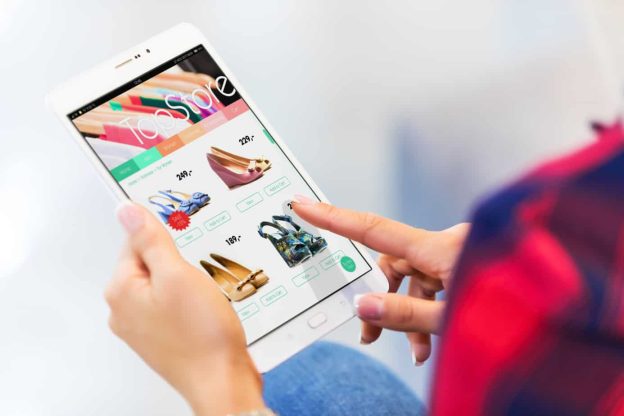
young woman shopping online on tablet computer 118512700

Shifts In Ecommerce and Brick-and-Mortar Retail

Retail industries have been changing over the past few years in ways no one could have expected. There are many exciting shifts to notice surrounding the industry. Many of these points involve shifts in how customers behave. These include changes for physical and online retail spots and how they will complete their work.

Direct-To-Customer Solutions

Many businesses are focusing on direct-to-customer services. Instead of working with third-party retailers to sell their products, they are directly interacting with customers.

While most direct-to-customer transactions in the past have been through outlet malls, many brands are directly selling their wares online. They are doing this to get away from third-party retail outlets and to establish direct links with their customers. Outlet mall staples like Nike, Levi’s, Tommy Hilfiger, Vineyard Vines, and Hanes have been investing more in online sales.

Direct-to-customer sales are especially popular for how a company can control its brand and establish customer loyalty. These businesses can also access more customer data, giving them the power to adjust their sales offers and promotions.

Customers are often more willing to purchase products from certain brands than others. These businesses are working towards promoting their brands to their customers. They will have more control over the work effort.

At-Home Services Are Prominent

People are becoming more interested in at-home services. These include ones where people can access things without having to leave their homes.

A good example comes from how online streaming providers like Netflix are making it easier for people to watch films and programs from home. People can subscribe to services or pay to rent a film if they wish. Customers often appreciate the convenience of these services, especially since they don’t have to spend lots of time having to travel somewhere to enjoy something.

Grocery stores have also been more reliant on delivery services. People can go to a grocery store’s website and then select the products they wish to purchase. These stores can then deliver those foods to the customers’ homes. This at-home service has become very noteworthy, as it shows how people are willing to take in anything in their homes if it is convenient.

Convenience and On-the-Go Transactions

One notable shift surrounding retail industries involves how many businesses are focusing on convenience. These include businesses that want to get people their products or services as soon as possible.

An example of this comes from the McDonald’s restaurant chain. The restaurant chain has been relying more on drive-through sales and less on dine-in transactions. The chain recognizes that people are becoming increasingly interested in such fast transactions. The work has even moved to where McDonald’s is closing many of its locations inside Walmart department stores.

The use of mobile payment wallets and contactless payment systems is another sign of how on-the-go transactions can work. NFC-based payments are faster and easier to support, making it easier for people to purchase what they want and to head out.

In-Store Enhancements

Many brick-and-mortar retailers are trying to keep their sites running. While more people are looking at online stores, traditional retailers are adding new features to help enhance their experiences. These include many things for the customer’s convenience:

  • People can purchase products from a store online and then drive over to the store to pick them up. Customers can do this without having to enter a store. A retailer must use inventory software and communication programs to ensure everything stays online.
  • Stores are accepting Apple Pay, Google Pay, and other contactless transaction platforms. These systems make paying for items easier to manage.
  • Retailers are also opening locations away from traditional malls. They are doing this to make their businesses more accessible and to provide a more personalized experience.
  • Augmented reality systems are also available through some retailers. These include systems where people can look in a mirror and see how certain fashions or cosmetics products might look on someone. The system is more convenient than if people tried on clothing or other products themselves.

These solutions are necessary for ensuring traditional stores can stay intact and catch up with the times. People are becoming more interested in various services, so adapting to their needs will be critical to the business’ success.

How the Pandemic Plays a Part

All these shifts in ecommerce and brick-and-mortar transactions show how the retail industry is changing. Businesses are taking more initiative, but behavioral changes are worth noting. The most significant point comes from how the global pandemic has changed customer behaviors.

People have developed new behavioral patterns over the past year. They are more comfortable with purchasing products online. They may want to acquire things as soon as possible as well.

The ecommerce world expanded in 2020, and there remains uncertainty over how the brick-and-mortar retail industry will survive through the pandemic. But businesses of all sorts are finding innovations and concepts to attract customers. They are focusing on how customers want more control over their experiences. They are also reviewing the unique ways customers want to interact with businesses.

But there also exists a concern surrounding foot traffic in businesses. It might be hard for some physical retail sites to manage their rent costs if they cannot get enough foot traffic. Businesses are researching details on how often people show up in their stores and what additional points might influence when people arrive. They can use these insights to figure out what promotions they should offer. But even then, changes in society surrounding the pandemic might make it harder for some businesses to bring in customers the same way they always have.

Whether it entails at-home convenience or directly getting in touch with a brand, customer behaviors are changing. It is up to businesses to look at how their online and physical retail spaces will react to those changes and shifts. It will be worthwhile for businesses to watch what happens next and how customers will continue to change their behaviors.