Author Archives: hostmerchantservices

artificial intelligence machine learning business internet technology concept 101370901

Banks Use of AI to Manage Credit Risk Tripled In the Last Three Years

Banks are using artificial intelligence or AI more than ever to interact with customers. Banks can use AI to produce chatbots that let banks interact with people at any time. They can also use AI to identify fraud and other potential threats. It can even work for mobile banking purposes, as banks can help customers send money to other accounts based on signals and reports they receive.

One other way banks are using AI involves how they can review customers’ credit risk. Banks are often willing to extend credit to customers, but they need to choose the right people to support. Failing to give support to customers that can afford a bank’s services can lead to defaults and other financial issues.

Credit card delinquencies have increased in the past year. People are also struggling to pay off their loans, especially as they struggle to find stable work. But an AI-powered system can help banks review customer data and identify the potential credit risks they hold. AI can analyze prior user data, transaction reports, and credit histories to see if some people are likely to become insolvent or otherwise unable to pay off their loans or other investments.

AI can also identify fraud risks and ensure they do not occur. AI can check on how customers behave and compare that data with prior fraud reports to spot when someone might be engaging in questionable activities with one’s funds.

The AI effort helps banks find the right people to support. AI increases the bank’s potential to earn revenue without adding to its risk.

AI also reduces the unpredictability surrounding the banking industry. Clients are more unpredictable than ever before. It becomes tough for some people to figure out who is right for lending purposes. AI helps identify unique trends and habits in people, ensuring their behaviors are easier for everyone to predict. It becomes easier to confirm certain things when AI works well.

Managing AI In a Time of Uncertainty

The 2021 calendar year will be a time when the economy gets back up and running and people start to find jobs once again. Government stimulus programs have also helped keep the economy moving. But many banks and other financial institutions are uncertain as to what will happen soon.

The uncertainty surrounding the economy has made banks worried about how they can provide lending services to customers. With this in mind, AI can identify possible concerns surrounding who gets funds through loans.

Handling Data From More Sources

It used to be that banks would have more personal relationships with their clients. Local branches would understand each person’s distinct needs and find banking solutions that fit what they demand. But the banking sector has seen some dramatic changes in the last few years, as data is coming from many sources. People are completing more digital transactions than ever before. Some people even have their funds secured in multiple spaces, including separate spots for their 401ks or IRAs.

AI-based systems can collect data from multiple sources. They can gather data from different service providers, online networks, and even blockchain-based systems. The information helps these banks find details on each client while reducing possible fraud or insolvency risks. Banks can attain more revenue while reducing their costs by using AI to automatically review each customer’s financial profile through many confirmed sources.

Working With Data Mining

Banks with at least $100 billion in assets are more likely to utilize AI to review risky customers. But AI use has become common among smaller banks as well. Part of this comes from how AI works alongside data mining processes. Data mining has been in use in the banking industry for a while now, as it helps identify unusual patterns and shifts in large data sets. The mining effort helps banks review ways they can increase their revenues and reduce costs.

AI systems can incorporate data mining in their processes to help them stay functional. It can review massive data sets used in the data mining function and incorporate the mining results into its research database. The AI can then use those details to identify possible threats and opportunities surrounding people who want to borrow funds from the bank.

What People Use AI For Today

Banks are using AI to manage many risk mitigation efforts. Some of the things that AI is being used for include:

  • Identifying discrepancies in data entries, especially for new accounts or files
  • Helping to make credit decisions for applicants
  • Underwriting for credit risks
  • Finding solutions to possible credit problems clients may hold

The AI can work with data mining results and prior reports to see what can work. AI makes it easier for banks to ensure these systems work well.

Interacting With Customers

AI can also interact with customers who want to apply for banking services. AI systems can reach these customers through multiple processes:

  • An AI system can provide quick answers on a website based on a customer’s behavior. The AI could review one’s online actions and provide responses to search queries and other actions.
  • Chat-driven communications may also work. Chatbots are prominent AI examples for how they can read language notes and identify demands for info.
  • Customers can also enter emails that illustrate their concerns. An AI system can produce an automated response based on unique keywords someone enters, the tone of the message, and other points surrounding the writer’s needs. The work ensures the customer will get the answer one requests sooner.

Artificial intelligence is necessary for helping banks find the right people to support for investment purposes. AI will do well for many investment purposes, making it a suitable solution for everyone to follow. People will continue to express various risks for banks to review, so it is essential to watch for what might happen.
gafam the biggest companies in information technology 209504587

Big Tech Earnings Reveal Big Ideas For What’s Next In Commerce

Some of the top entities in Big Tech recently released their latest earnings reports. Amazon, Google, Microsoft, Apple, and Facebook all performed beyond what analysts predicted. Analysts also predict these earnings reports will highlight a greater emphasis on commerce soon. All of these entities have distinct plans for what they will do with their investments.

Ongoing Growth For Amazon

It is no surprise that Amazon is still growing in prominence. Amazon saw about half its revenue come from product sales. The company’s revenue rose by nearly a third to about $57.5 billion this past quarter. The company’s service portfolio also saw a 50 percent increase in revenue to $51 billion in the past quarter. The service portfolio includes Prime Video subscriptions and Amazon ad sales.

But Amazon Web Services saw a drop in its operating income in the first quarter. AWS had $4.2 billion in operating income, which is less than the 75 percent profit burden it had last year. But AWS’ income is still significant enough to make a substantial difference in how the business operates.

Amazon is expecting further growth, although its growth rate in the second quarter will likely slow by about a quarter. Amazon will still be raking in money, as it will likely see operating profits of at least $4 billion in that period.

The development comes as Amazon prepares for a significant transition. Founder and CEO Jeff Bezos will be departing from his position this summer, but he will remain an executive chairman with the company. AWS CEO Andy Jassy will replace Bezos as the company’s CEO. Whether there will be any other surprise announcements from Amazon remains uncertain, but Bezos’ influence will likely remain a constant at the company.

Amazon’s growth is no surprise, as the company continues to be a strong force in today’s economy. Amazon has been a company that people rely on for many reasons. The possible new things that Amazon will have to offer and its next innovations will be worth spotting, especially as they could make Amazon an even more profitable company.

Facebook’s Hope

While Amazon is continuing with business as usual in the commerce industry, Facebook has plans to enter the commerce field. Facebook promoted in its earnings report that the company has more than a billion Marketplace users. Facebook also plans on using virtual and augmented reality programs to help facilitate digital commerce activities.

Facebook has plans to boost its digital commerce activities. These include efforts on the Facebook and Instagram platforms alike. One potentially involves retailers being capable of directly selling products to people through their Facebook and Instagram profiles or feeds.

Facebook continues to be in the news for how it operates and how it regulates its content. But Facebook will soon start focusing more on commerce activities without relying too much on the communication features that people often expect to find through the company. This development will be something to watch for when looking at possible investments.

What Google Wants

Alphabet, the company that runs Google, also wants to do more in the commerce industry. Alphabet has reduced product listing fees on Google’s shopping section. The company has also reduced commission fees for sales facilitated by the Google shopping search feature. Google’s moves are helping people use the system while making it easier for them to manage various transactions while online.

Alphabet reports that its commerce efforts are working through a combination of traditional searches, Maps listings, and YouTube reports. People are searching for local businesses on Google more than ever, making Google a more viable solution for search needs. Google frequently updates its systems to make its data more visible and useful, especially when showcasing some of the specifics surrounding different businesses in local areas.

Google has also been helping businesses with omnichannel marketing. Retailers and other companies can use all of Google’s features to reach customers. They can use the Maps feature to highlight their locations and list their products on Google’s shopping search results. Retailers can also pay extra to advertise on Google and to have their products or services be the top results on searches. The system allows retailers to become more visible to everyone, providing further growth.

Google also has partnerships with PayPal and Shopify, two of the most prominent online shopping systems. Google’s work with these entities will make it easier for people to market their products and for customers to pay for their orders.

Microsoft and Apple Are Competing Well

Microsoft and Apple may be direct competitors, but they are both alike in how they want to reach more people through commerce. Apple regularly reviews different commerce opportunities through its products, including how its products can support NFC transactions and various apps provided by retailers. The Apple Pay contactless payment system has especially become a necessity for many retailers to have.

Microsoft’s commerce work also deserves notice. Microsoft has been highlighting its MS Cloud development and how it can help businesses organize their operations online.

Microsoft is also buying its way into the commerce field by purchasing the online communications system Discord. Microsoft is spending nearly $10 billion on its acquisition. The total is a fraction of the company’s $2 trillion market cap, but it shows how committed Microsoft is in finding ways to expand.

Microsoft also recently purchased Nuance Communications, a healthcare technology firm. The acquisition of Nuance will help Microsoft enter more healthcare-related activities. Nuance particularly focuses on artificial intelligence and speech recognition systems. The potential for Microsoft to use Nuance’s technology for more things could be worth watching, especially when looking at how it continues to thrive in the digital environment.

A Strong Future For All

The Big Tech companies have shown that they are all looking to grow further, and they are ready to use the commerce industry to make it happen. They will become more ubiquitous and inviting for all investors to explore as they look for growth opportunities that they could utilize.

paypal vs venmo smartphone folder with blurred paypal and venmo mobile payment service applications 212752189 (2)

Fiserv Delivers POS QR Codes With PayPal and Venmo

People have been using Venmo and PayPal to handle many financial transactions as of late. People are also using QR codes more often, as they are easy to scan and are more secure than other communication methods.

The financial payment service provider Fiserv is working with both Venmo and PayPal to manage mobile transactions. Fiserv will help introduce new QR codes that can work through PayPal and Venmo to run contactless payments.

Fiserv’s new system will allow businesses that use the Clover POS platform or the Fiserv Carat omnichannel system to accept Venmo and PayPal QR codes. The effort provides businesses the option to make in-person shopping and commerce more convenient.

Contactless payment options have never been more important than they are now. Providing customers the option to handle QR payments from PayPal or Venmo will be a plus for any business to consider.

But merchants often struggle in trying to find contactless payment solutions. It can be challenging for some merchants to support multiple payment platforms. The great news about Fiserv’s move is that it can work with the same platform that one uses right now. People who use Carat or Clover platforms can produce new QR codes that can work with existing PayPal and Venmo-supported devices, making it easier for them to complete transactions in moments.

How the System Works

The Venmo and PayPal app have become essential tools for contactless payments. But not all businesses are capable of collecting payments from these sources. The QR code system that Fiserv is supporting will allow businesses that use their POS system to accept these codes from a PayPal or Venmo account. The system works in moments and does not require the company to produce anything new.

The system can work with a few steps:

  1. The customer can open one’s PayPal or Venmo app. The app is available for all major mobile phones and tablets.
  2. The customer will then select an option to scan an item. The setup will link to the device’s camera. The customer can then look for a QR code to scan here.
  3. The user then scans the QR code the retailer produces on the Clover or Carat program. The QR code must be on a customer-facing display.
  4. The buyer will then confirm the purchase information on the PayPal or Venmo app. The app will display the funds the user will send to the seller.
  5. A second verification method may work in some situations. The buyer has the option to use this for security purposes.
  6. The money will move between the two parties, completing the transaction.

The system is very convenient and provides a simple approach to payments that everyone will appreciate. The process offers a touch-free way to pay for items. The customer can also link one’s credit or debit card to a PayPal or Venmo account, giving that person more freedom over what someone will use when paying for items.

What Makes the Process Ideal For Businesses?

Businesses that use the Clover or Carat platform should look at how well Fiserv’s support for QR codes can work. There are many positives for businesses to note:

  • Accepting QR codes can boost customer loyalty. Customers will be more likely to return to a store because they know the retailer can support the payment methods they want to utilize.
  • Customers might prefer to use QR code payments because they are easier.
  • A company may be interpreted as being more modern and with the times if it can support new payment methods and processes.
  • QR codes are more secure than other scanning methods. All items in a QR transaction will be encrypted, as the data is hard to decipher without the proper equipment.
  • Each QR transaction can work with a unique code. QR codes can store more data than a traditional platform, providing a consistent system for work.
  • QR codes are easy to produce on any computer. The code design can also be read on any screen. A user could even scan that code if it is partially obscured or if the screen is covered in dust, fingerprints, or anything else. The user can also spot it at an angle, as a scanner can identify QR data faster than a barcode scanner can monitor that unique code.
  • People who use Venmo and PayPal will have an easier time linking their credit cards, bank accounts, or other things to their payments. PayPal and Venmo both support many solutions for payment purposes. Customers will appreciate how they have more control over the payment types they will manage through this setup.

Testing Has Been Working

The expansion comes as PayPal has been testing its QR code payment system. PayPal established a pilot program last year where QR code payments were made available in a few global markets. The testing helped review how well QR-based transactions work and if they can make the sale process easy to follow.

PayPal’s testing has helped forward new QR-based solutions for payment purposes. Venmo’s setup is similar to what PayPal already uses for transactions. By expanding the payment options people can use, it becomes easier for all parties to handle their transactions well and without risk.

The process ensures transactions can flow well and that they can work as necessary. The problem with some traditional payment methods is that some cards are hard for devices to read. By using QR codes, it becomes easier to transfer the data between parties. It is also a safer approach, as the QR code will be different for each transaction. Moving towards this payment option will be a necessity to explore as the payment industry continues to shift.

Fiserv’s effort in managing QR transactions will be a practice worth watching. Fiserv has been at the forefront of payment technologies for years. The group’s new effort in handling QR codes from Venmo and PayPal will be a sight to be seen to stay on top, especially as many others might adopt the same payment process.

pricing table template for web design and business 95485487

The Rise of Digital Retail and Subscriptions Continue

Today’s consumers aren’t too concerned about the places they shop. They are more invested in the ways they shop. They are looking for places that are easy to shop at while also being safe and manageable. There’s also a desire for people to want to share what they are doing with others.

The mix of social media and simplicity are two points that will likely influence retail activities. Today’s digital retail industry has more than made itself ready to respond to these newfound desires that customers hold.

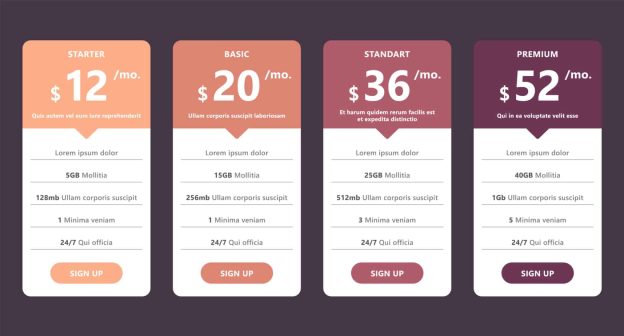
Digital retail has never been more essential. Hundreds of millions of Americans are actively buying things online. They’re also looking into subscriptions for recurring payments, including payments for streaming services and other items.

Rising Sales Numbers

Digital retail providers have seen massive sales numbers so far in 2021. The Adobe Digital Economy Index reports that the global digital economy brought in $4.2 trillion in sales during the first four months of 2021. The United States made up close to a quarter of those sales.

These numbers have been rising as businesses are transitioning to digital platforms. People are more likely to stay home and shop from there instead of going out to physical places. Americans spend tens of billions of dollars on digital retail purchases each month.

New Ways How People Can Shop Online

Customers are finding it easier than ever to buy things online. There are many unique ways how people can complete their transactions while online:

  • Customers can browse through virtual storefronts. This point is convenient for online auction or marketplace sites that offer items from multiple sellers.
  • Retailers are starting to focus on particular audiences. These include clothing websites that concentrate on specific people or unique fashion items.
  • Some retailers can also support multiple payment methods. Digital wallet and money transfer systems can work in some cases. Cryptocurrencies may also work at some sites, although most retailers have been reluctant to consider these choices.
  • Augmented reality sales may also rise in popularity. People could use virtual catalogs or other three-dimensional reviews of items to see what’s available. Such reviews are essential for clothes and other fashions.

The assortment of shopping options will likely grow as technology progresses. People are finding some of these at-home sales options more inviting than going to traditional retail sites. The ability of people to do more things while online makes digital shopping inviting for many to explore.

Physical Retailers Adapt

Physical retailers have been adapting to the rise of digital sales by offering a new way for people to purchase products. Customers can go on a website, buy a product online, and then pick it up a few hours later at a local retail store. The process is convenient and safe, plus it can help customers save money on shipping costs in some situations.

This adaptation shows how digital retail is changing the industry. Even physical sites recognize the general value of online sales.

Subscriptions Are More Prominent

Digital customers have been using subscription-based services more than ever these days. These include many things that people pay for each month.

Streaming services are among the most prominent things people subscribe to each month. People can make recurring digital payments to these providers to remain members. They can go to their accounts and adjust how they will pay for services.

But the subscription-based market has been growing to where more items are available through recurring payments. The case of Blue Bottle Coffee is one example to explore. The company has seen a rise in its subscriber base in the past few years. Blue Bottle sells premium coffee grounds by delivering them to customers every few weeks. Customers have developed great relationships with Blue Bottle, as they are always looking forward to the latest shipments. Blue Bottle has grown in prominence to where it has a couple of physical cafes in a few international markets.

Social Media Makes An Impact

Businesses have long used traditional advertising methods to highlight their wares and explain what makes their businesses interesting. But customers are flocking to other places to learn about where they should shop. Specifically, they’re heading to social media.

Customers are looking for brands on social media platforms more than ever. People in the coveted 18-34 market are more likely to use social media to find new brands.

These customers also want to buy products through social media. They would use direct checkout solutions on Facebook, Instagram, and various other platforms if they were available.

Simplicity Is Critical

People also want to simplify their shopping experiences. They want to complete their transactions in as little time as possible.

Part of why subscription-based processes are convenient comes from how simple they are. People can automatically pay for what they purchase there.

Meanwhile, customers often abandon their shopping carts if there are too many steps towards purchasing items. People might not want to create accounts with websites, nor do they feel comfortable with some of the expenses or advertisements they might run into when buying something. Simplicity will be critical in ensuring people can complete their transactions well.

What About Influencers?

Digital retail and subscriptions are also growing thanks to influencers. Influencers are people on social media platforms that promote different brands or retailers. Customers are willing to subscribe to services or buy things from websites if they notice trusted online personalities support these places.

Retailers will need to work with influencers and have them promote products. Given how many influencers can have hundreds of thousands of followers on social media, the potential reach for such messages could be significant.

An Exciting Future

Digital retail transactions are rising in prominence. Subscription-based services are also becoming more popular. The online retail world is growing in many ways and will continue to be worth watching, especially as more retailers focus on their online efforts. Even the most prominent physical retailers will likely flock towards supporting more digital sales soon.

man using smart watch to pay in restaurant nfc contactless convenient payment service 215885687

Smart Payments Association Says 2021 Is a Pivotal Year For Wearable Payments Tech

People have been using wearable items for many purposes in the last few years. They have gone beyond fitness bands and include items that can store schedules, send messages, and read online reports.

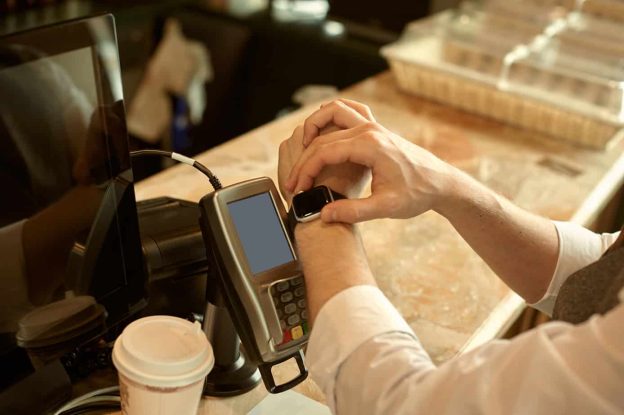
People can also pay for products and services with wearable tech items. Wearables like wristbands and watches can link to someone’s credit card or banking information. A person can send one’s data on a wearable to a payment kiosk to pay for something in moments.

It’s also easy for people to program their wearables. People can charge them and link them to online networks where they can provide their payment data. They can link credit cards, bank accounts, online wallets, and other setups to their wearables. They can use these to pay for items without having to bring out any other traditional materials. It provides a secure and quick effort for managing payments.

The rise of wearable payments has prompted the Smart Payments Association to produce a new white paper surrounding the subject. The SPA said in 2017 that wearables are intriguing payment opportunities to explore. But the SPA is now saying that the industry is growing. Wearables have become more flexible, plus customers have never been more willing to use contactless payments than now. The extensive value of the market makes it to where businesses will likely want to get in on it and find new ways to support these payments.

Sales Are High

The Smart Payments Association reports that about 20 percent of proximity payments in 2020 were made with wearables. Global wearable payment totals have risen to about $500 billion in 2020. The number is more than 3.5 times higher than what people had spent in 2017.

The SPA’s report is confirmed by a similar study from Grand View Research. GVR writes that the United States wearable market will rise to about $80 billion in 2028.

The Asia-Pacific market is also expected to be the fastest-growing field in the next few years. HTC, Huawei, and various other Asian businesses have been actively developing new wearable items. Their goal is to mass-produce more items that can work in various spaces while also being affordable for everyone.

The sales totals suggest that the wearable industry won’t be going anywhere any time soon. The field will likely grow in prominence where people can easily find and program these wearables to their liking.

Adoption and Development Are Spreading

The SPA also says that more groups are adopting the use of smart payments through wearables. The production of smartwatches, bands, and rings has risen in the past few years. More companies are entering the field or have plans for doing so very soon.

Apple has thrown its hat in the race by patenting a new smart ring. Apple’s new patent shows it will use a sensor-based gesture setup that allows the customer to waive one’s ring in front of items to complete transactions. The sensor would also notice its position versus other devices, including various Apple items like the iPhone or iPad. The Apple ring would be comparable with the McLear Payment Ring being used in some parts of Europe.

Other companies have also made moves suggesting they may produce new devices that support wearable payments. Google recently acquired Fitbit, although it took a while for the acquisition to be approved by industry regulators.

Peloton also acquired three separate firms that create wearable items. These include companies that produce AI-based solutions to identify how someone might function while exercising.

What New Technologies Will We Find Soon?

The SPA’s report shows that wearable payments will become more prominent as time progresses. More items will be under development soon, and businesses will need to start finding ways to support these items.

There are many aspects of the wearable industry worth watching:

  • Near Field Communication or NFC technology will become essential for businesses to accept soon. NFC systems allow wearables to communicate with payment systems.
  • The variety of wearables available for sale will expand. This point comes as the sensors necessary for wireless transactions are becoming smaller than ever. The rise of the smart ring market proves this point, although sensors could be incorporated in key chains or other compact items.
  • Contactless POS terminals will also become popular. Businesses may find these worthwhile, as they are easy to install and use. They can work anywhere, plus they cost less than most businesses might expect.
  • Wearables may also become more efficient to where users won’t have to charge a battery. These include passive solutions that use electromagnetic induction to stay functional and transfer data to a card reader or another setup.
  • People can also link their wearables with any smartphones or other devices they have. They can check their financial accounts on their phones to confirm their transactions if they wish. The support gives customers more control over their money, as they will know what they are doing when spending on things they want to buy.

Customers and businesses will be more likely to adopt these payments as the technology advances and progresses. The increasingly affordable nature of wearables will also be a positive for the field to watch.

An Exciting Future

People are always looking for convenient ways to handle payments. Wearable technology brings the best of both worlds, as it brings together functional items with high fashion. The industry is growing, and more wearable products are available than ever before. The industry will especially become more noticeable as people continue to wear these products and make them all the more viable. 

It will be intriguing to watch how wearable payments evolve. The SPA writes that 2021 will be an essential year for the industry, as the potential for more products to be made available will be significant. People can expect to find new products soon, plus retailers will be more willing to offer support for wearables. Expect more businesses to get on board and start producing exciting new items that can support wearable payments.

Improving the Bottom Line With Fraud Mitigation

Improving the Bottom Line With Fraud Mitigation

Ecommerce fraud has become a significant concern in today’s economy. People are flocking online more than ever before to make purchases. Some retailers are also focusing more on their digital commerce efforts than their in-store work.

People are using digital commerce services more than ever, but there are worries about the fraud mitigation efforts these companies use. Some businesses are unaware of what they can do to stay safe while online. Others might not be willing to evolve their websites to make them more secure and functional.

But more people are engaging in ecommerce fraud than ever before, as businesses lost about $17.5 billion in online fraud this past year. That total is expected to rise to $20 billion in 2021, especially as people become more reliant on digital sales and less on going to traditional outlets for things.

Fraud Mitigation

Many of these losses come from synthetic ID fraud. The practice entails a user using another person’s identifiable data to acquire something online. The person who makes a transaction is not the person that the website assumes is making the deal.

New efforts to mitigate the risks of online fraud are critical for the industry’s survival. The threat of synthetic ID fraud is too significant for people to ignore, as are various other worries. But artificial intelligence can be critical to preventing possible threats from becoming worse.

Fraud Mitigation – Synthetic ID Fraud Concerns

The most significant worry about synthetic ID fraud is that it isn’t easy for traditional fraud mitigation measures to identify. Sometimes synthetic fraud entails using one piece of identifiable data to move forward. A person’s Social Security Number could work, but the person’s address or name may not be there. A website could assume the customer is the one that links to the SSN in this example.

Fraud Mitigation - Synthetic ID Fraud

Sometimes the synthetic fraud will entail behaviors that are similar to what someone might utilize online. These issues are impossible for some old online platforms to recognize. It becomes easier for people to get away with fraud this way, forcing businesses to write off their losses.

Other Fraudulent Activities

Online fraud can occur on any shopping website through many other methods:

  • A person might steal credit card data and test it on a website. The person can test the card to see the possible credit limit on that card. Once someone knows that a card works, that person will want to continue making expensive transactions on that card.
  • People could steal passwords and other bits of verification data when getting online. A person might use the data one finds to impersonate an actual person’s account.
  • Interception fraud can occur when someone uses the same billing and shipping info on a stolen card, but the person will intercept the goods in transit. The customer might contact a customer service department to change the shipping address right before moving out of a warehouse.

Many other fraud instances could occur, and they can all be dramatic. The worries that people have surrounding fraud can be dangerous and risky, but they don’t have to be worrisome if the best measures work. Artificial intelligence is a suitable solution to use, as the next section shows.

AI Is Necessary

Artificial intelligence-based solutions will be critical for helping businesses stay safe and to avoid fraud. AI can review customer actions and compare them with general signs of fraud. For example, an AI system can flag situations where someone tries to commit interception fraud by changing the shipping address after placing the order.

Fraud Mitigation - AI Is Necessary

An AI system can use a database that highlights general examples of fraud and common warning signs. The AI review will compare multiple activities in a transaction with the known fraud instances and then flag transactions that may be a concern.

Depending on the setup a business uses, the company can either alert a customer or block the transaction altogether. The held transaction could also be secured if the customer provides enough data to confirm one’s identity. The work can be extensive at times, but it is about ensuring everything happening online stays safe and secure without risking possible losses on either end of the deal.

There are many ways how an AI system can work:

  • Customer behaviors can be gauged versus what people normally do on a website. A website can review when someone gets online, when that person is purchasing things, and where someone accesses a website.
  • A system can also review the payment methods that people use. An entity that uses multiple payment methods might be trying to use many accounts for the same item.
  • Some parties may be using foreign sources for funds. They might use credit cards issued by banks in different countries. Others might be using funds through accounts that support cryptocurrencies that some retailers might not accept for payment purposes.

A business can use multiple third-party programs to identify connection sources and to verify addresses and other details. The business can include these programs surrounding whatever one feels is right for use.

The goal of the analysis is to reduce the risk of chargebacks by identifying fraudulent cases as soon as possible. All activities can be reviewed versus whatever norms the website experiences. 

Responding Is Critical

All online retailers must be ready to respond to potential fraud cases. The process requires twenty-four-hour support that can identify anything new.

But the response should include a personal touch. A company must review the norms that customers express and find cases where something is outside the ordinary. It becomes easier for businesses to reduce their fraud risks when they recognize what is working and what they should be doing when keeping their efforts afloat.

Fraud is a significant worry that can impact any business, but it will be easier to rebound and reduce risks if the right measures work. Businesses can stop various concerns if they know what they are doing while recognizing possible changes that might occur after a while.

Blockchain Technology

How Blockchain Technology Is Fixing Payments Today and What Comes Next [2025 Update]

The challenges that come with payment for items are plentiful. It takes a while for some payments to go through, plus it is tough to trace some deals. Cross-border payments are also burdensome, as people have to go through many legal obstacles to move funds. The potentially expensive fees can also be a burden, plus it might take longer to manage some transactions.

But there is hope, as blockchain technology is helping to simplify payments. Blockchain systems make it easier for people to move their payments. Whether it entails general payments or cross-border transactions, the blockchain system will make it easier for people to facilitate whatever they want to manage.

Payment efforts are challenging, as various banks and other financial groups have various terms for work. The overly centralized nature of money makes it so that people can manage payments through specific platforms. The varying rules, rates, currencies, and other terms make many deals harder to manage than necessary.

How Does The Blockchain Technology Works

Blockchain technology is already prominent today, and it will continue to be worth watching in the future. The potential for the industry is strong, but it will require technical support to ensure it can stay active.

How Does The Blockchain Technology Work

A blockchain-based system provides a convenient approach to handling payments. A blockchain works by allowing parties to interact with one another over a decentralized network.

The two entities that are managing the funds will send their private and public keys out in a transaction. The keys confirm the identities of the people handling the money.

The blockchain transfer is then confirmed by the two parties. Their transaction will be recorded on the blockchain, which is run by a countless number of nodes that will manage data. The content is easy to track, plus it cannot be removed from the ledger after it works.

A Stable Transfer of Data

A Stable Transfer of Data

The blockchain deal works with a consistent currency or another asset. The transfer is easy to follow, as the process doesn’t have to utilize any exchanges, fees, or other obstacles. Since the blockchain is decentralized, it is easy for the system to work in more markets. There’s no need to rely on the specific rules set by one party.

An Open Network

An open network will work on the blockchain. An open network allows people to use whatever forms of technology they wish to utilize. The blockchain is interoperable with many other systems and markets, providing a convenient design for work.

A Modern Approach to Paying

The G20 has been looking for a way to modernize cross-border payments for years. Blockchain technology will help make this possible. By providing a new way to manage money, underserved markets will have more accessibility to handling funds. It becomes easier for people to interact and manage payments with one another when a blockchain system works.

The digital assets that move will also be backed by fiat currency. The value of the assets will vary surrounding the fiat currency. But the total can be worthwhile if managed well enough. The transfer process lets people facilitate payments without having to exchange currencies for their payment needs.

Reduced Risk

The greatest part of the blockchain system is that it works without much of a risk. The problem with traditional payment methods is that they can feature limits for how they operate. Not all people will have access to the technology necessary for some payments.

The centralized nature of traditional payment solutions can also be a concern. One party might handle all the payment data in a centralized environment. However, the data could be vulnerable to hacking and other threats.

A blockchain system is sensible, as it reduces risk and makes payment transfers open to everyone. The setup does not require any additional materials for work. The two sides can use one of many software programs to access the system as well. They can find many online, although there’s always the option to download something new if necessary.

A Duty of Care

The security of the blockchain also makes it easier for transactions to stay secure. The blockchain operates on various nodes, ensuring the network always stays active.

There’s also a duty of care for the blockchain. All nodes will ensure the blockchain stays intact. All transactions must flow through as accurately and safely as possible without risking possible losses on the market. The effort ensures all transactions work well and that everyone has a plan for whatever might work at any time.

What’s Next For the Blockchain?

What’s Next For the Blockchain?

Blockchain systems will be critical for success when handling funds. But the future of the blockchain will be even more exciting to watch. There are many noteworthy points that could work soon:

  • Renewable energy can help facilitate blockchain transactions without spending lots of time managing the work. The increased power needed for keeping the blockchain active can be challenging to manage, plus it may be expensive after a while.
  • The open nature of the blockchain makes it where most software programs that manage blockchain activities are open-source solutions. More parties can use these to facilitate payments without spending more money on infrastructure.
  • Banks and other legacy financial service providers may start working with blockchain systems. They could settle transactions in minutes instead of in days. Such transfers would be for intra-country efforts, but it will still be worthwhile.
  • A blockchain sandbox may work where people can produce new blockchain apps and platforms as they wish. They can create new platforms for handling money that might fit unique needs. But the effort requires technical knowledge, and testing may also be necessary for the work.

Blockchain technology will be worth exploring as the payment industry evolves and moves forward. Blockchain support will help people handle funds in moments while removing obstacles. It will provide a distinct approach to handling money that can work in moments and provide a sensible solution for an operation that everyone will appreciate managing in any situation.

generation z business concept 109099249

Gen Z Millennials’ Changing Preferences Drive Financial Technology

Technology and trends change with each generation, a point that is true about millennials. The millennial generation has some unique preferences surrounding how they handle their finances that are different from what other people have used in the past. These points are especially true for credit cards. Millennials have unique ideas for what they want out of their cards.

The Most Intriguing Developments

There are many notable developments surrounding what millennials prefer for their finances:

  1. Close to half of all millennials prefer to use credit cards to complete their transactions.
  2. Traditional cash payments aren’t as prominent as they used to be. About 12 percent of millennials use cash as their preferred method for paying for items.
  3. About 40 percent of millennials use debit cards for their payment needs. The total is a drop from nearly 60 percent a few years back.
  4. Millennials are more likely than others to use mobile apps for their financial needs. They often use mobile apps to make deposits.
  5. Millennials are interested in doing business with traditional financial institutions. But they especially appreciate the ones that will invest in technology systems and setups.
  6. People have been completing balance transfers on their cards a little more often than they used to. Some of these transfers may come from debt-related issues.

Can They Cover Their Balance Statements?

There’s a good concern over whether millennials can cover their balance statements when paying off their credit cards. But the Motley Fool-associated Ascent website found in a recent survey that most people do cover their balance statements every month. About 60 percent of consumers say that they pay off their balances on their cards each month.

But slightly less than 20 percent of the respondents in that survey said that they pay the minimum balances on their card bills. The point is a concern, as people who cannot pay off their expenses will be subject to high interest charges. It would also take longer for people to pay off their entire balances if they don’t cover them soon enough.

What Do Millennials Want In Their Credit Cards?

The credit card industry is especially evolving, as it is looking to adapt to the unique needs that customers have when making purchases. Millennials are showing unique thoughts surrounding their credit cards. They want various things in their cards, including these points:

  • Most millennials are looking for cash back offers on their cards.
  • Millennials also want cards that don’t have annual fees.
  • About a quarter of millennials want credit cards with low interest rates. While the number of those who pay their minimum balances is relatively small, those who do this are probably more likely to look for cards with these lower rates.
  • Credit-related perks are prominent among millennials. These include points like credit monitoring and fraud protection support.
  • Purchase protection is also critical among many card users. Return protection and extended warranty support are among the most popular points people can utilize.

What Types of Cards Do Millennials Want?

An average millennial will have about two credit cards in one’s name. The number is on par with other older generations, although baby boomers are more likely to have three cards.

Millennials have unique attitudes surrounding the cards they want:

  • Store-specific cards aren’t as popular among millennials as they are with baby boomers. But they are still convenient for those who want something to pay for purchases at one site, especially since some come with special shopping benefits.
  • Airline and travel cards are still popular with millennials. These cards allow people to earn rewards for travel purchases.
  • Millennials do not think about whether card issuers are as widely accepted as others. They may be more willing to accept cards from any particular network out there.

Smartphones Will Especially Be Critical

Millennials use smartphones more than other generations. Financial technology will likely evolve and update to meet the needs that millennials hold. This work can include linking credit cards, bank accounts, and other investment items to apps people can access on their devices.

Millennials will prompt businesses to start making their financial services available anywhere. The effort will include providing quick access to accounts and other details while also offering consistent alerts. The fraud and purchase protection alerts that credit card companies offer today are examples of how they communicate with their customers more often.

Will Banks Compete?

While millennials are influencing changes in the financial technology and credit card industries, there are worries about whether banks can adapt to the needs people hold. Companies like PayPal and Stripe have been growing in prominence thanks to how easy it is for millennials to access these services. But traditional banks have been worried about whether their systems are going to be interesting to millennials.

The general worries that banks have is that they might be seen by millennials as being inflexible and incapable of managing their needs. Millennials might also consider these banks as being too regulated and strict.

Banks and other traditional financial service providers will need to adapt to the unique needs that millennials hold. They will need to do a few things to make their efforts more viable:

  • They will need to offer more protection and coverage for clients. This work can include monitoring transactions and activities and providing alerts as necessary.
  • Mobile access will be critical for traditional companies to consider. Mobile access can include providing apps that link people to their accounts from anywhere.
  • The ability to integrate with multiple platforms will be essential. Banks and other groups that can integrate with social media systems and various tech items will be easier for millennials to trust and support.
  • Decentralization may also be a necessity. Blockchain technology has made decentralized transactions more appealing. Banks could start working with cryptocurrencies and other blockchain-related assets, although they must also watch for the risks associated with these before they start.

Millennials are changing the credit card and financial technology industries. The ways these fields will continue to change will be interesting for people to watch as time progresses.

holding mobile phone with stock market charts of gamestop 213526229

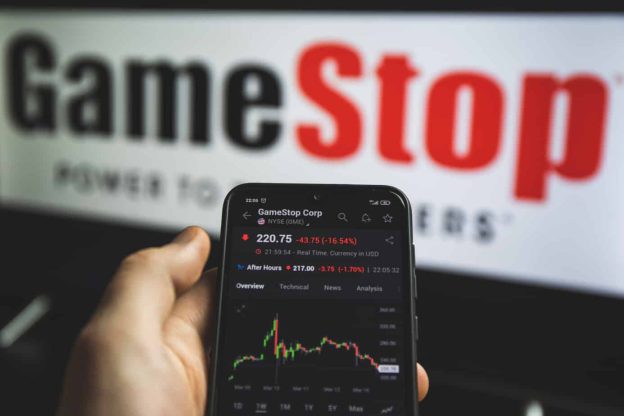
GameStop Now Has An Additional $551 Million To Fund Its eCommerce Transformation

The video game retailer GameStop was in the news for a while earlier this year, as the company saw its stock price rise thanks to a Reddit-based purchase frenzy. But GameStop is in the news once again, as the company has raised $551 million to manage its ongoing transition to the digital sector.

GameStop raised the funds by selling 3.5 million new shares of stock. The company says it will use its funds to help it move towards online sales. The funds will also manage the company’s balance sheet and help it maintain its ongoing stability.

The work comes as physical retail sites haven’t been as popular. The increasing digitalization of video games and their technology is also making it harder for physical GameStop stores to survive. GameStop’s efforts to move online will help the company become more viable to possible investors interested in finding a stock to support.

Dramatic Stock Shift

GameStop’s move comes as the retailer has seen significant changes in its stock price this year. GameStop, which trades on the New York Stock Exchange under the GME symbol, was trading at about $17 at the start of the calendar year. A heated and passionate frenzy on social media to fight against hedge funds that were shorting the stock prompted GameStop’s value to rise. The stock went over the $300 mark in late January. It dropped back down to around $50 in February, but it has since been a popular “meme stock” among many amateur investors.

The stock value has been fluctuating since that early rise and fall, although its value has been a little steadier in the last few weeks. As of May 19, GameStop stock is trading at $165.

GameStop’s shares rose by about 7 percent in value after the announcement that the company raised more than half a billion dollars. The 3.5 million new shares were sold at slightly under $160 each. The value is more than eight times what it had been trading for at the start of the year. There are no signs that GameStop’s stock value will drop, but whether it will start to rise once more remains an uncertainty, especially given the frustration some investors have towards hedge funds that short stocks.

The Future of GameStop

GameStop may be considering moving towards online work while putting its physical stores on the backburner. GameStop’s physical locations have been dwindling due to shopping malls and other physical commerce locations becoming less popular. Video game companies have also been focusing less on physical media formats and more on making their games available through online-only formats. The effort makes it where the physical console or computer and the necessary controllers for a game are the only things people will require for playing.

GameStop is aiming to make its online presence more prominent. It will not only offer online game sales, but it could also potentially offer online trade-ins. A digital version of the trade-in system would allow GameStop to profit, as people can trade in old games they buy for credits towards new ones. The trade-in system has been a prominent profit producer for GameStop, although it has been notorious for how it often short-changes sellers.

GameStop saw its online revenues for the fourth quarter increase by nearly twice as much as what it had in that same quarter the year before.

Changes At GameStop

The move also comes as GameStop will see some changes at the top. The Dallas-area business will have a new CEO, as George Sherman will leave his position on July 31 at the latest. He may leave the company earlier if the company can find a successor soon. Sherman will get a severance package of about $169 million when he leaves his position.

The business also has a new COO in Jenna Owens. Owens is a former executive with Google and Amazon.

Investor Ryan Cohen has also become more powerful, as he is GameStop’s majority shareholder. Cohen is the co-founder of the online pet goods retailer Chewy.com. The website had become more successful than Amazon in the pet goods industry to where PetSmart acquired nearly two-thirds of the business for more than $3 billion in 2017.

Cohen owns enough shares to have a 13-percent stake in the company. He has been aiming to make GameStop a more prominent entity in the video game industry. He hopes to do to GameStop what he did with Chewy.com and make it into a website people will choose for video game sales instead of Amazon.

Constant Updates

GameStop has been keeping people in the know about how the company is changing. Since February, the company has released more than ten press releases surrounding how it is raising capital and bringing in new executives and other personnel.

GameStop hasn’t talked much about how it is moving towards digital activities. The company hasn’t been overly open on how it raises funds either.

GameStop has a value of about $13 billion. While GameStop appears to be a company on the rise, there also exists some skeptics who are uncertain about what will happen next. The hope for investors is to see that GameStop remains active in building itself up and producing a more digital business plan. But what is happening behind closed doors remains a mystery, although it is possible GameStop will become more valuable.

Whatever happens next, the news from GameStop will be intriguing for gamers and investors to watch. GameStop could see some significant changes very soon, especially as the gaming industry continues to grow in prominence. The release of various new gaming consoles and games have helped GameStop become a company that more people want to invest in above others. The desire to go digital could help GameStop become even more profitable to where it won’t need any memes or social media influence to keep its stock rising in value.

BNPL Schemes

BNPL Schemes Make It Easy To Spend, But Harder To Understand the Risks [2025 Update]

The concept of buy-now-pay-later transactions sounds convenient for many people. The idea allows a person to purchase a product on credit and then pay for it after an interest-free period. The customer can also pay for the item in installments. Online retailers have been using BNPL schemes for a while. They have also become available at some physical sites as of late.

While BNPL systems are appealing, there are many risks to consider. Sometimes a person might have less power over one’s purchase than what someone might expect. It is also tough for many people to fully understand some of the things they’ll get out of their schemes.

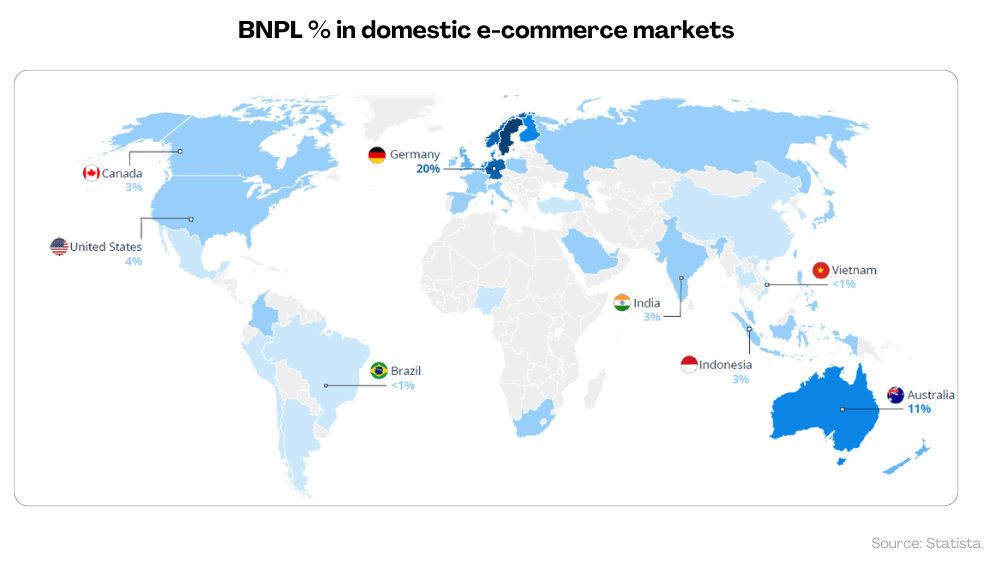
domestic market of bnpl

Sour: Statista

A BNPL provider could also help reduce the risks associated with these schemes by being more transparent and easy to understand. A BNPL team can work with security systems to protect everyone’s data, plus it could provide clear terms and conditions that people will want to read and understand. It will still be up to the customer to watch for the risks that come with whatever one wishes to manage.

BNPL Schemes – Different Limits

A BNPL scheme will often subject customers to lower transaction limits than what their credit cards might support. A BNPL website or service will require a customer to provide personal data before completing a transaction. A customer might need to allow access to websites or services that can review someone’s credit risk.

Alternative credit scoring may also work in some cases. The effort entails non-traditional methods for reviewing someone’s credit risk. Instead of focusing on what credit bureaus say, an alternative credit scoring process can entail looking at things like these:

  • Bill payments for various entities
  • What someone does on social media
  • Employment history
  • Property records
  • Any transactions someone makes with a government
BNPL Schemes - Different Limits

These points are radically different from whatever traditional credit bureaus can review. The review efforts make it that someone might have less purchasing power than if someone used a traditional credit card. The review process may also be invasive to where more of one’s data is being used in ways that someone might not prefer or expect.

Extensive Fees

Most people who use BNPL services don’t think about the fees they would pay if they don’t handle their work well. The costs can be significant at times:

  • Some BNPL fees can be several percentage points of the value of a purchase. These fees will keep the BNPL system operational while ensuring it can maintain a profit. The charge is also reflective of the convenience the system provides to its customers.
  • Late fees can be more than 50 percent of the value of one’s outstanding balance in some cases.
  • Some services may not have caps on how high the late fees can get.
  • A service could suspend an account if someone doesn’t complete a payment on time.

But a BNPL service won’t charge interest on outstanding payment amounts like what a credit card company would do. BPNL will gain its revenue from merchant fees instead of through annual fees or interest debt.

Payment Data Storage Is Necessary

A BNPL system will require a customer to store one’s payment data in a network. The customer’s security risk will be higher due to one’s data being open in a new platform. There’s no guarantee that a BNPL setup will always be secure for regular use either, producing a significant worry surrounding what someone can get out of the work.

Customers will put their data at risk of being lost when they deal with these transactions. But this doesn’t have to be as much of a concern if a BNPL provider manages things right. A BNPL solution should utilize the proper security features to ensure its safe operation. A BNPL system can work with many things, including:

  • Password protection, including two-way verification processes
  • Firewalls, including hardware and software-based ones that the BNPL service operates
  • Encryption support, especially for credit card data
  • Tokenization of transactions to replace personally identifiable information on a network

BNPL solutions will increase how many transactions a business can offer, as BNPL efforts can make a business more accessible and useful. But a BNPL service will not be as effective if one isn’t aware of everything that can work.

Complex Terms and Conditions

The terms and conditions surrounding BNPL schemes can be too convoluted for people to figure out. People who don’t understand these terms might fall victim to some of the risks associated with a BNPL deal. The BNPL app Klarna has an extensive terms and conditions listing that takes close to an hour for a person to read, for example.

The greatest worry is that most people don’t think to read the terms and conditions. The computer game retail site Gamestation had an April Fools’ Day gag this year where it said in its terms and conditions that anyone who didn’t click on a specific link that day when making a purchase would forfeit their souls to the website.

The prank showcased how people never read these terms before making purchases. It shows that people are often willing to skip these details when trying to complete a transaction. They want to pay for items right now and aren’t willing to wade through complex terms.

BNPL services are traditionally transparent when discussing their fees. They want to prevent their customers from collecting more rollover debt than what they can afford. But the terms and conditions sections can be complex and thorough to where it might be tough for people to afford certain things that they think they could purchase right away.

Caution Is Critical

BNPL schemes can be useful when ensuring people can get more access to different items they want to purchase. But a BNPL solution needs the right planning. Every customer must be capable of recognizing the risks associated with such a transaction. Failing to understand the concerns of a BNPL deal can be dangerous, especially considering how one’s financial data is being made open to everyone in the process.