Author Archives: hostmerchantservices

credit card phishing 45625405

Ways To Detect Phishing Attacks On Your E-Commerce Business

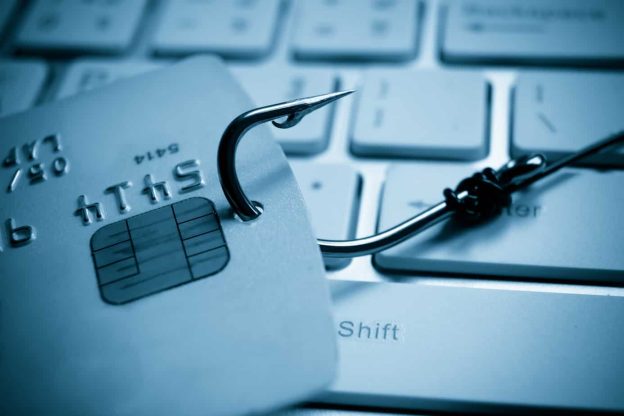
Phishing is a dangerous threat to every ecommerce business that no one should ignore. Phishing can entail people sending emails that claim to be from legitimate companies. It could also involve people getting links through text messages telling them to do something. There might even be emails or messages promoting unique things that you aren’t offering. 

Those emails and links will ask customers and other readers to send sensitive bits of data to them, including credit card numbers, tax identification numbers, passwords, and other things. Phishers can use these things to steal customer data and to make unauthorized purchases in their names. The effort can be risky and potentially harmful to anyone.

Your ecommerce business could experience a phishing attack. You can use a few points to help you identify phishing attacks and to keep them and the possible damage to your business’ reputation from becoming worse.

Review Your Communications

Phishing often comes from hackers and thieves using your identity to communicate with people. Thieves can create unique emails, texts, phone calls, and other forms of communication to try and reach others.

Check on the messages people are receiving and how you’re creating something unique and distinct. You can tell you’re dealing with phishing attacks if someone tries to create different messages that are different from what people might expect to find where you are.

Look At Your Checkout Page

Phishing attacks also entail hackers adding questionable JavaScript pieces to your website. They can add new JavaScript data to a WooCommerce or Magento page, for example. The extra data can move people towards a malicious website. Check how your checkout page is working and that the code here is the same as what you have been using for a while to ensure there are no threats.

You can also check on how often people access your checkout page. Sometimes you might experience less traffic than usual. The regular traffic you get might be going to a phisher’s checkout page. There might also be links on your current page that move people away from whatever you’re trying to support.

Your PayPal Account Is Suspended

PayPal is one of the most popular online payment platforms ecommerce businesses can use today. PayPal’s security measures are part of why it is popular. PayPal can temporarily suspend accounts if it notices unusual activities. These include cases where an outside party might get access to funds.

A phisher can collect enough data from your customers to where they can get access to their financial contents in moments. They can use those details to do illegitimate business with you, including making purchases that might be extremely expensive.

PayPal can temporarily shut off your account if it sees too many questionable things happening with your account. This problem is a sign you’re dealing with a phishing attack, as multiple users’ accounts will have been compromised.

What Are Other Parties Reporting?

You can also spot phishing attacks based on what other parties you work with are reporting surrounding your business. A delivery service or ordering platform might report it is receiving unusual amounts of data surrounding your business. But that data could be from a phishing attack as a party impersonates your business. The partner you work with might suspend your access to something, making it harder for you to get online and do business with others.

Check with your work partners to see how much business you’re getting at a time. Watch for sudden spikes or changes in your business efforts, and check why these things are happening. Anything unusual in your business could be a sign of a phishing attack.

Watch For URL Copycats

One trick that phishers use when stealing data is to copy your URL and make slight alterations to the content. They can use a slight change in spelling or a different extension to look legitimate. People often fall for these shifts because the URLs look similar to what you hold.

Check online to see if there are any URLs out there that are similar to what you utilize. Anything that looks too similar and is active could be a sign of a phishing scam.

Review the Tone of Messages

Sometimes people might contact your business and say they received harsh messages from you. These include messages that might feature aggressive wording and suggest that someone should do something or else face significant consequences. The note may also feel cold and emotionless to where it isn’t suggesting much of anything.

Look at what your customers are saying about whatever messages you are supposedly saying. Any situations where people say your messages aren’t like what you normally send could suggest you’re dealing with a phishing attack.

Account Numbers Aren’t Matching Together

The last tip to see when identifying phishing attacks is to look at how the account numbers on your invoices work. You’ll need a master list of all your account numbers. The list will include legitimate customers you routinely contact and how much they are spending with you. The numbers can be predictable after a while, as some people will use specific amounts of money or pay for things at particular times.

Sometimes the seller data and their sales totals aren’t adding up to whatever you are reporting. The totals could be dramatically higher than what you are showing. The point suggests these people are sending their funds to phishers instead of your business. You are not only losing money from people, but you are also losing their trust. They may wrongfully think you are handling their business the wrong way.

Be cautious when looking for phishers while online. Watch how your ecommerce business is running and that you have an idea of what people might do when engaging in phishing attacks while online. Be aware of any sudden changes in how your business is running, especially when it comes to how you’re taking in payments and receiving messages from other people.

multi factor authentication checklist with a pen 83045213

The Benefits and Shortcomings of Multifactor Authentication For QSR Fraud [2023 Update]

Quick Service Restaurant or QSR fraud is a concern for businesses that has become increasingly common as more QSR locations focus on delivery and carry-out services. QSR chains are experiencing more online orders than ever before. The risk of fraud increases as these entities do more business online.

QSR fraud often entails someone breaking into a person’s online account and ordering and paying for items. But the person who owns that account might not have approved these purchases. The customer would require a chargeback to avoid potential losses. But the chargeback can be costly to a QSR establishment.

It isn’t hard for many people to commit QSR fraud either. While most instances of QSR fraud entails someone acquiring another person’s email address and password, it could also entail malware that accesses one’s login credentials. Some data thieves can also produce lookalike apps or incorrect listings that can steal login data from susceptible patrons. Machine learning has also become a worry, as fraudsters could use malware to access more accounts and to predict when people are likely to provide their data for getting on certain websites.

QSRs have a weapon in hand with multi-factor authentication. The authentication process entails a QSR requiring multiple login factors for each customer who wants to order something. Instead of entering in a username and password, the customer would have to enter something else in the system. The content can come from a text message, a mobile app, or anything else the QSR uses to confirm an identity. The extra data confirms that person’s identity, ensuring the QSR can trust the new visitor.

The authentication effort can work on mobile and desktop devices alike. The setup is necessary for mobile devices, with many people using them to order foods from QSRs.

The effort is advantageous and easy to plan. But it is not without its shortcomings, as these details illustrate.

Multifactor Authentication

Positives

  1. Multi-factor authentication adds extra layers of security.

QSRs won’t always correctly predict a customer through a traditional username and password. A QSR can add an extra point like a security question, a biometric scan on a mobile device, or answering a particular equation produced on a website or app. QSRs can utilize whatever authentication solutions they want, or they can include a combination of methods. They can also let the customers choose which ones they wish to utilize.

  1. People stealing login data is a common cause of QSR fraud. Multi-factor authentication removes this problem.

Sometimes the people who steal the login data are directly related to the account owner. It could be someone else in the household who wants to buy something. Some customers may request chargebacks if those people access an account and buy things without their permission. A multi-factor approach can reduce that threat, eliminating a prominent cause of QSR fraud.

  1. It stops bots from acting.

Many fraud bots can steal data and automatically generate orders. A multi-factor authentication system can use a system that requires human interaction to answer. A bot can enter the username and password, but it will struggle to manage another factor. Bots also cannot intercept text messages or other things that can only be read in one space.

  1. The authentication process can rely on one’s physical location.

Sometimes the second factor will come through a text message or code on a mobile device. The code can come through an email, but it may also come from a dedicated mobile app that the QSR supports.

The customer must be near that mobile device to access the data necessary to confirm an order. The person will enter a message or code from that device to access one’s account. The data will be inaccessible if that person doesn’t have one’s phone or another device on hand. Anyone who sees this code without having access to the website won’t be able to enter anything new.

Since people cannot intercept text messages or other pieces of mobile data that rely on a physical location, it becomes harder for QSRs to fall victim to scammers. Some QSRs could even establish systems where they will only accept orders when someone is within a physical restaurant location.

  1. Multi-factor authentication doesn’t always require a network connection.

Not all new forms of authentication require a person to get on the same network. A biometric-based system can work with whatever device someone already uses, for example. It can identify the unique thumbprint or retinal scan feature that a device has already saved.

Negatives

  1. People may not always have access to the things necessary for multi-factor authentication.

Some multi-factor authentication processes require a person’s mobile phone. These efforts include text messages, mobile app codes, and other things that utilize a phone. These authentication methods aren’t worth anything if the customer isn’t near one’s phone or doesn’t have it on hand.

A customer might also be in a spot where one has poor phone reception. It would be tough for that person to receive a message or confirm one’s identity in that case.

  1. There’s always the risk that bots can evolve and become more powerful.

There are no known bots that can intercept authentication codes produced by apps or other programs. But the risk of there being one that can do this is always present. Bots have evolved and have become more powerful than ever before. Whether these bots will become more effective soon remains unclear, but it is a risk people cannot ignore.

  1. Customers could still become frustrated by these features.

As convenient as multi-factor authentication can be, not all confirmation methods will be effective. Some people may lose their secondary confirmation data. They may also struggle with some technical aspects of these authentication features, especially with biometrics. Proper refinement may be necessary to make multi-factor authentication easier to manage.

Multifactor authentication is a useful solution for QSRs to prevent fraud. The practice isn’t perfect, but it can still keep them safe if used well.

blockchain and mobile computing background 84021886

Future Trends In Mobile Payments We Can’t Ignore

Mobile payments have never been more popular than they are now. Mobile payments are extremely valuable in the United States, as the mobile payments market is valued at about $1.5 trillion in 2020. The industry will likely grow by more than three times that value before 2026.

Many startups are introducing new ways for how people can use mobile payments. The payments industry has seen nearly $15 billion in annual investment money each year on average, a total that has been rising over the past few years. 

People have also been willing to adapt to mobile payments. They are interested in contactless payment solutions, including mobile payments that people can complete through their mobile phones and various smart devices.

Mobile payments are exciting for how they make it easier for people to pay for things and to purchase more items. There are many other future trends to watch in this field. These trends show that the mobile payment industry is evolving and changing. They also show that people will be more likely to find some interesting developments that will make the field all the more exciting for people to watch.

Utility Payment Support

People have traditionally paid for city services and utilities through traditional platforms. Some people pay for these through the mail, while others can pay for what they use online.

As time progresses, these utility payments will become easier for people to manage through mobile devices. Mobile payment API solutions will eventually integrate with various utility and city service systems. These include energy providers, water companies, sanitation services, and other entities. APIs can allow people to pay for these services and others through one mobile payment endpoint.

Utility payment support has been prominent in a few places around the world. The DubaiNow app is one example. People living in the emirate of Dubai can use DubaiNow to settle utility bills and other charges through one mobile platform. The system simplifies how people can pay for things, plus it makes it easier for the local government to collect the funds they are owed.

Expect these payment systems to expand to where they are open in more places. API development of new utility payment platforms will be critical to future success, especially if they offer more unique services and systems that people can benefit from using in their work.

5G Makes a Difference

High-speed cellular networks have made it easier than ever for people to manage mobile payments. The development of 5G technology is exciting, as 5G signals will produce higher data rates that allow people to send and receive content faster. The lower latency also ensures there won’t be much of a lag in the network.

Expect more businesses to start focusing on mobile payment support very soon. They will want to take advantage of the new 5G market and how well the system works.

Data Analysis Will Make a Difference

Data analysis efforts are also important to spot. Data analysis entails businesses and retailers to review customer data surrounding how they spend their money and what might influence people to spend extra. These businesses will likely incorporate what they discover in their mobile payment efforts. They can promote their payment solutions to people who may use them the most.

Easy Cross-Border Trade

One benefit of mobile payments is that they can work in any currency one wishes to use. This benefit will be heavily utilized soon, as businesses use mobile payments to handle cross-border transactions.

Banks routinely link with one another when managing cross-border payments. A sending bank may need to make deposits in the currency that a receiving bank will use. The process can take a while, plus it may be subject to some fees.

Mobile payments will make these cross-border deals easier to facilitate. New platforms can help link and convert currencies in moments. These may also work with cryptocurrencies and other items that can work regardless of the country.

Mobile cross-border trades will especially be critical for places where traditional payments may be too expensive. For example, cross-border transactions in Africa often entail fees of 20 percent of their value. With mobile payments, it becomes easier for countries in Africa to avoid these exorbitant fees.

Proper API development is necessary for ensuring the work is easy to follow. The new API processes should include support for multiple currencies and the ability to switch between them as necessary. Mobile payments that can handle these features will be easier to manage than ones that still use an old method of handling content.

Working With Social Media

Social media platforms have never been as effective and thorough as they are now. People can access their financial data and pay for things through social media accounts. They can link their credit card or banking data to their accounts to facilitate whatever payments they want to make.

Social media websites will likely start producing new social media setups similar to what Venmo and other mobile payment systems use now. These will allow people to make mobile payments to other members on a social media platform.

PaaP Focus

The last mobile payments trend to see involves the rise of the payments-as-a-platform or PaaP sector. The PaaP segment has seen many new entities pop up over the last few years. Some of these groups include BlueSnap, WePay, Braintree, Stripe, Authorize.net, and Amazon Pay.

Expect more PaaP businesses to pop up as mobile payments become more prominent in society. But expect there to be good competition between these groups as they aim to differentiate themselves over what they provide to people. Each entity will require a unique selling proposition to make its offerings more interesting to the public.

The mobile payments industry will continue to grow and expand as more options become available and people start to see what makes the field worthwhile. Expect these trends and many others to become more prominent, as there will be many unique and exciting developments that will produce a more interesting environment for all to watch.

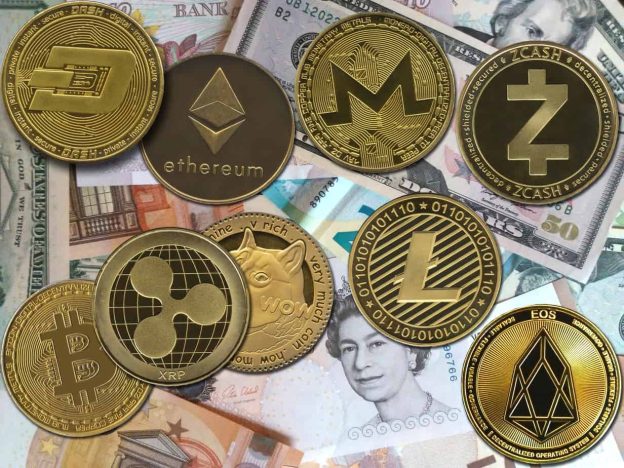
money and crypto 216802268

Consumers Eye Retail Settings For ‘Spendable’ Crypto

The cryptocurrency market is growing, as there are hundreds of currency options available today. People can buy and sell cryptocurrencies in more places than ever. The global market cap of the crypto market is close to $1.5 trillion. That value will likely increase further as the industry evolves and cryptocurrencies become more popular.

Most of the stories surrounding cryptocurrencies entail people holding them and waiting for their values to change. Not all people are interested here, as they might prefer to spend their currencies. 

People have been willing to make digital payments with cryptocurrencies over the past few years. But some have been interested in making crypto payments for everyday purchases. The development shows that businesses might need to consider supporting cryptocurrency payments when selling their items. But there are a few obstacles that might get in the way, including concerns over how well these currencies will run and work.

Are People Willing To Pay?

The website PYMNTS.com conducted a survey with people who have cryptocurrencies or have considered buying cryptocurrencies soon. The survey found that people would consider buying things with cryptocurrencies if there was such an option.

PYMNTS.com reports that more than 90 percent of people who own cryptocurrencies would be interested in paying for certain things with their currencies. Nearly 60 percent of people who have never owned cryptocurrencies say they would consider paying for those items with those cryptocurrencies.

While not all people are familiar with the crypto market, they might be willing to invest in it if they can find things of value. People are naturally willing to explore new things and enjoy a change from the norm. But the things people will be interested in the most are worth keeping an eye on.

Other Interesting Developments

There are many other factors in the PYMNTS.com survey to see:

  • People are comfortable with spending small amounts with cryptocurrencies. Nearly half of people who have bought things with cryptocurrencies spend less than $100 on their purchases.
  • People who earn less than $50,000 a year are willing to pay with cryptocurrencies. Those who make more each year will spend more at a time, but the lowest-earning people will still spend less than $100 on some payments if necessary.
  • Millennials and Generation Z members are more likely to have made crypto payments in the past. Bridge Millennials have also made some payments, although not as often.
  • People in the Generation X and Baby Boomer demographics aren’t as likely to have made crypto purchases. But at least 80 percent of people in those fields would consider spending crypto on things.
  • The real estate market is the most popular segment that people would consider for crypto payments. The secure nature and the lack of third parties in the process may help, as those features could reduce the costs of purchasing a home.

Volatility Is a Concern

There is one significant worry about whether spendable crypto will be prominent soon. The volatility of the crypto market could cause currency values to rise or fall without warning.

The unregulated nature of the crypto market is also a problem. Since there are no specific laws or standards surrounding how these currencies can work, it could be easy for people to manipulate the market. They could change and shift many things in the market, making it harder for people to profit from what is open.

Technology Points

The technology necessary to access crypto payments is another thing to note. People need dedicated crypto wallets that are easy to load. They’ll need to provide fiat currency data to help them complete their payments. They must also use those wallets to complete their purchases.

There’s also the issue of how some tech items might not be easy for some people to access or use. They may not understand how smartphones or other items that hold crypto wallets work. They also might not get how alternative wallet solutions work, including physical wallets that require proper storage and security for all of one’s currency content.

Variety Is Essential

One other factor about cryptocurrencies involves how there are so many available to trade. There are hundreds of currencies today, with many new ones being released every month.

Estimates show that Bitcoin is the most prominent currency. This crypto choice covers nearly four-fifths of the currency market based on what people hold.

The Cryptocurrency Payments Report from PYMNTS.com states that close to half of people who have Bitcoin have also held another cryptocurrency. People who own crypto investments are willing to try different choices and see what is open on the market.

There are limits over what currencies are the most popular. Binance Coin, Cardano, Ethereum, and XRP have massive market caps, but not all people are familiar with what these have to offer. Dogecoin has been in the news quite often, as the currency and its developers have been trying to get people to take it seriously. But not all people are familiar with this currency, plus it could be even more volatile than Bitcoin.

Anyone looking to accept crypto payments will need to select their currencies with care. Bitcoin is an obvious choice, as it is easier to accept in more places. But offering an alternate option may also be worthwhile, especially if that new option is something that might be viable and easy for people to purchase and use anywhere.

What Does This All Mean?

Everything here suggests that there is some sort of interest in the cryptocurrency market. People are willing to purchase things with cryptocurrencies, and they’re fine with spending small amounts for each deal.

It will be up to individual retailers to see how they can handle crypto payments. They’ll need to target the right audiences, although that aspect might be easier to manage than people expect. The volatility of the market might be a challenge, as not all people are confident in how the market works.

Frequently Asked Questions

conceptual hand writing showing b2b business photo showcasing exchange of products services information between businesses e 179773045

How Automation and Virtual Cards Help Firms Meet Their Next-Gen B2B Payment Needs

Business-to-business or B2B payments have become essential to businesses as of late. Companies want to complete transactions between one another the same way as they manage B2C deals. They want transactions that are secure, easy, and fast to handle without having to add more data in the process than whatever is necessary.

With MasterCard reporting that the B2B payment market is close to $100 trillion in value, the need to facilitate B2B payments has never been more essential. Businesses are looking to find new ways to interact with one another, which is where automation and virtual cards can work. These can help for B2B payments by facilitating transactions in less time.

B2B payments can take a while to complete, plus they can feature extensive details that are often complex to manage. New forms of technology will make these payments easier to follow, although proper adoption of these efforts will be necessary for them to be successful.

A Need to Settle Payments Sooner

The main reason why automation and virtual cards are working in next-gen B2B payments is to ensure payments can go forward in less time. Settlement speed is critical, as faster transactions make it easier for businesses to forecast their cash stores. The use of electronic transactions through these measures is also convenient, as it is easier for people to process funds through these than if they used manual paper checks for their transactions.

Safety Is Also Critical

The rising B2B industry has also made it to where some payments might be tougher to complete than necessary. Today’s B2B payments need to be safe and secure by keeping private data from being exposed. It could also entail processes that are predictable and easy to organize without adding anything more complicated than necessary. Proper safety and protection will be critical for ensuring there are no struggles in completing any transactions.

What Automation Entails

Automation is a part of B2B payments that could make an impact soon. Automation entails using electronic processes for managing payments. A business will utilize a new infrastructure that can capture payment data and automatically forward it to the proper parties as necessary. Some of the automated functions that can work include handling payments through bank accounts and using routing numbers to send funds.

The use of application programming interfaces or APIs will be critical to the success of any automated campaign. APIs allow businesses to enter in and send data to others when completing transactions. The data the business enters will move in the proper data entry sets, allowing each payment to remain categorized and sortable. Businesses can use these API systems to ensure transactions can go forward in moments, although their success will vary surrounding how well each API setup can work as necessary.

Machine learning could also work in some situations, as it can match invoices to their necessary payments. The matching process helps people track incoming payments in moments. Machine learning helps produce a faster processing speed, plus it makes payments more efficient. It may also save operating costs in some cases, especially when the apps are stable and easy to utilize.

APIs and machine learning also ensures businesses only have to provide the necessary data for whatever transactions they wish to complete. They will keep from sharing excess data that might become lost or stolen. Businesses only need to provide the details that are critical for the deal, ensuring an improved approach to handling the payment process.

The Use of Virtual Cards

Virtual cards have become more appealing to customers recently. Virtual credit cards allow people to complete credit card transactions without using or exposing their real card numbers. A virtual card uses a separate number that hides the customer’s real data, ensuring further security. The virtual card number changes each time, as tokenization allows a real card number to work with a separate single-use number for each deal it completes.

Customers appreciate these for how they make transactions easier to follow. They can trace different transactions they complete, but their actual data will still be concealed to where other parties cannot load the data.

Businesses can also use virtual cards to manage B2B payments. Virtual cards let businesses protect their financial payment systems while ensuring they can forward funds.

The best way to explain a virtual card is that it is a card-less payment solution. It uses a credit card-like system, but it doesn’t require as much infrastructure. It is also more secure than anything else a person might utilize.

Virtual cards are also effective for helping businesses review their spending habits. Companies can review real-time payment data through virtual cards.

There are worries about whether other businesses can accept virtual cards though. They may not fully understand how these cards work or why they are beneficial. They might ask for real cards instead, which some businesses may not be as comfortable with than others.

Artificial intelligence may help make it easier for businesses to accept these virtual cards. Artificial intelligence can identify unique virtual cards and treat them the same way as they review actual cards. Businesses will still need to incorporate new AI systems in their work to ensure they can accept these cards.

Access Is Critical

As appealing as automation and virtual cards can be for B2B transactions, there are still worries about whether businesses can access these technologies. About ten percent of small or medium-sized businesses say that they have payment modernization systems up in place. They are still figuring out what they should be doing with their funds.

Further work will be necessary for helping businesses to adopt next-gen B2B payment methods. It will be easier for businesses to handle funds between one another if they use the right processes for managing their funds. The industry is growing, so there must be a plan for ensuring transactions can move forward while also remaining safe and functional.

Frequently Asked Questions

business travel concept generic design of white luxury private jet flying in blue sky at sunset uninhabited desert 85089873

Fly Now Pay Later Plans BNPL Liftoff In the US Travel Market

The buy-now-pay-later or BNPL format has become commonplace in the American economy. With a BNPL transaction, a customer can purchase a product or service and pay for it in installments. The customer will get what one needs now, and that person will cover the cost for it over time. The process is convenient for many, especially for those who might be dealing with financial issues. It doesn’t require a credit check, making it easier for people to access than a credit card or a traditional loan. 

It is no surprise that the BNPL format is expanding to other industries. The American travel market is one of the latest fields where the BNPL industry is entering. The British fintech company Fly Now Pay Later is making this happen, as Fly Now Pay Later is planning on operating in the United States.

Fly Now Pay Later recently raised capital to help it start a test platform for American travel companies. The company raised £10 million in Series A funding, which is equal to $14 million. FNPL now has £45 million or $62 million in funds. The work goes alongside the £35 million or $48 million that the team raised at the start of last year.

FNPL has been beta-testing its current technology in the United States since late 2020. The new funds FNPL has raised will help the company expand its efforts in the country. The company also has hopes of expanding its work to Germany and other parts of Europe soon.

FNPL uses a system that helps people book travel services and pay for them over time. Instead of paying for them upfront, people can pay for those services over a few months. The service charges a single fee for its convenience and to cover the risk with the transaction. The system offers a useful setup that helps people pay for their travel services without worrying about paying too much right away.

How Does FNPL Work?

Fly Now Pay Later uses a distinct approach to help people book travel services:

  1. A customer will download the FNPL app to start. The app is available on iOS and Android devices. Customers can also send their mobile numbers to the website for a download link if the app isn’t available for their devices.
  2. The customer will then look through the different vacation listings available through the app. FNPL has partnerships with various travel service providers, including prominent domestic airlines.
  3. The customer then provides the necessary payment information for one’s order after determining what one wishes to utilize. The customer can provide one’s credit card data to provide proof of a source for paying for something, for example.
  4. The buyer will enter a payment plan at the end. A customer can choose to pay for one’s travel purchase in as little as thirty days. The customer could also pay for services over a few months with lower monthly totals.
  5. The customer will be subject to a one-time transaction fee. The fee is worth 14.99% of the total transaction. The customer will get a complete look at the total cost for the trip before agreeing to pay for everything.
  6. After agreeing to the deal, the customer can enjoy one’s vacation and then pay for it at the agreed-upon times.

The system can prepare limits over how much someone can use at a time. There may be a limit of about $4,000 for each transaction, for example. Such limits ensure FNPL will stay protected and that the travel service providers will not lose funds from those who cannot pay for services.

What Makes It Useful For Customers?

Customers can utilize FNPL for many reasons:

  • FNPL ensures buyer’s protection, meaning all items one books through the app will be fully confirmed and paid.
  • Many FNPL transactions can work with no financing required.
  • The payment terms are flexible. Customers can pay for their travels over up to twelve months if necessary.

Why Would Businesses Want To Use FNPL?

Businesses that offer travel services can use FNPL because it makes their services more accessible. Travel service providers can offer more flexibility, as they help people see what it will cost for them to use their services.

FNPL also provides full protection, ensuring that all service providers are covered for any potential losses they might experience. The 14.99% transaction fee FNPL puts on all its transactions ensures that FNPL has the funds necessary to cover whatever losses a provider might experience in a deal.

Possible Gains Are Coming

Fly Now Pay Later is looking forward to expanding to the American market, especially as demand for travel starts to pick up. The global pandemic has forced many people to cancel their prior travel plans. But as infection rates drop and vaccination rates rise, more things are starting to reopen throughout the country. People will be more likely to want to travel to different places, and they might have been saving up their funds to enjoy more exciting trips.

Fly Now Pay Later will be there to help people book their vacations as they get back on the road. FNPL hopes to take advantage of the newfound interest people will have in traveling, especially as more parts of the country start to reopen.

Will There Be Competition?

Fly Now Pay Later may be subject to some competitors, especially as travel becomes more popular in the United States. The BNPL service Uplift recently introduced support for domestic air travel payments. The company has also reached agreements with many airlines as of late.

It is also possible that various groups like the home-share company Vrbo could potentially enter the BNPL field. The convenience and flexibility of the BNPL industry will be something that such companies will want to enter.

The one thing that’s for certain is that travel demand will increase as the 2021 calendar year progresses. Fly Now Pay Later is in a strong position to gain revenue through this newfound demand, but that company won’t be the only one looking for some gains.

ecommerce smart pay business and technology concept 98982614

Restaurants Turn To Technology To Offset Labor Shortage

People are looking to return to restaurants these days, as vaccination rates are rising and infection rates are dropping. People want to get back to the restaurants that they enjoyed before the start of the pandemic. Restaurants are also being allowed to operate at a greater capacity, plus curfews have been lifted throughout the country. 

There’s also a problem, many restaurants are struggling to find employees. As demand rises, restaurant owners are looking to find new workers who can handle the demand. Many old employees at these restaurants might have moved on to different jobs during the pandemic. Some people who might have been available for work have also entered different work fields. The fact that so many entities are currently hiring at the same time is also making things a challenge for businesses to manage.

Restaurant owners are using technology to help them stay operational and to overcome some of the issues that have come about surrounding the current dining labor shortage. Many of these efforts come from things that they had started doing as dining areas had been shut down and businesses could not handle anything other than delivery or carry-out service.

Working With Delivery Partners

One way how restaurants are staying afloat amid labor shortages entails linking their ordering apps with different third-party services. Restaurants are producing apps that can connect with food delivery services or with general ordering platforms. They can upload their menus online and accept different payments through these sources. They can also forward delivery information to people who work for third-party services. The work available here makes it easier for restaurants to stay active and functional.

Delivery service providers could be useful for reaching people who might not be willing to reach a physical restaurant. While people might be comfortable going to in-person dining environments, that doesn’t mean every single person will feel confident about what’s open.

Finding Other People

Those who might not already have jobs and are not actively looking for anything new could also benefit from what restaurants are offering. Restaurants are bringing in temporary workers who have other jobs to help them manage many operations in their spare time. The work is about getting some extra income on the side, although it could lead to further employment opportunities for those who might especially be interested in what is being offered at a place.

Restaurants can bring in temporary workers who can handle many tasks, like taking orders and sending them out online. They could also pick up and deliver food as necessary. The cooking staff at a restaurant will continue to produce the foods, while the temporary workers will be there to deliver the products as necessary.

Hiring Analysis Is Critical

Some additional hiring analysis functions can also help restaurants bring in new workers. One example of how tech is helping dining establishments find new employees is through the Landed app. Landed is a new program that helps restaurants and other businesses find people who upload videos of themselves explaining what makes them ideal employees. A business can review each candidate on the app and analyze them based on things like their communication skills, when they are available to work, and many other factors of value.

Paradox is another hiring analysis program to review. Paradox is a text message-based system that screens applicants and plans interviews by text message. The system can help identify candidates who sign up for the service based on their skills, when they are open, and their locations. The smart assistant on the Paradox program will schedule interviews with employees by text, making it easier for restaurants to communicate with possible hires sooner and easier.

Kiosks May Also Work

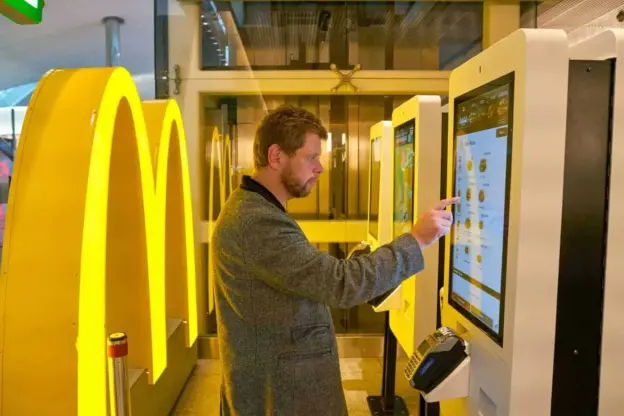
Self-serve kiosks may also help in some situations. It may be easier for restaurants to bring in specific employees who focus more on food preparation and to avoid having to hire attendants if they use kiosks. A kiosk allows the customer to review a menu through a digital platform. The customer can then select what foods one wants to order and pay for their purchase through the platform.

Kiosks are useful for how they give the customer more control over one’s order. They also reduce the risk of order errors. Employers will appreciate how kiosks reduce the need to hire more people, plus they are often cheaper to operate.

Other Ways For Taking Orders

Restaurants that might not be willing to bring in a new wait staff are also finding it easy for them to take orders through technology. In addition to online orders through a website or mobile device, customers can also use call-ahead services. These may entail people contacting a person in the kitchen or another person who might work a register. The system allows a customer to pick up something when one arrives at the restaurant. The customer could also bring the food home, or that person might enjoy a dine-in experience if one prefers. But the effort will not require as much staff to keep it working.

The Rise of the Ghost Kitchen

One other interesting tech-related development to explore entails ghost kitchens. A ghost kitchen is a delivery-only restaurant that delivers foods to people without there being a customer-facing presence. The customer orders food for delivery on a website or app, and the ghost kitchen worker brings the food out at a time of the customer’s choosing. The system provides a unique approach for ordering, plus it is a more cost-effective solution for handling food. Ghost kitchens are more likely to appear in urban areas, although the concept could prove more interesting to some urban areas.

Whether it entails focusing on digital efforts or using new means for finding employees, restaurants are finding ways to get around hiring obstacles. Restaurants will continue to be in demand as time progresses, so the need to use the best materials for work will be critical to success.

monetizing phrase on vintage watch 3d render 78724722

Is Monetizing Data the Key to Competing in Payments? [2023 Update]

Banks and other financial institutions are often willing to use data sets to make decisions. They need data to figure out who is more likely to use certain services or products. They also want data on customers to see who has the greatest risk of being delinquent or otherwise unable to complete payments as necessary.

Banks can potentially earn revenue from the data they use by using various monetization efforts. While banks might earn funds from traditional transactions, those won’t be enough for banks to survive in an increasingly competitive market. Transaction fees and other charges issued for certain services can be plentiful, but there’s no guarantee that customers will always use the services that provide the banks with the income they want. The effort also requires banks to change some of their long-set attitudes on how they can manage funds.

Review Fraud and Delinquency Issues

Review Fraud and Delinquency

One way banks can monetize their data is to review general signs of fraud and delinquency. A bank can review instances of fraud and delinquency among its clients and review general signs or behaviors in these cases. They can look at how customers invest their funds, how they interact with banks, and general payment behaviors. A bank can use these details to predict future issues where customers might not pay their funds properly and avoid lending to those who might be risky. The effort reduces the general risk of fraud.

Focus on External Data

Estimates show that banks typically focus on internal data. A business might take 80 percent of its data from internal sources, while the remaining 20 percent comes from external data. The external data includes reports from social media, local economic data, and other content the bank might find suitable.

For a bank to monetize its data, it needs to switch to a 20-80 format where 80 percent of its data is from external sources. Banks can review employment data, tax reports, and other things about customers that the bank doesn’t traditionally hold. It will need to request these details for proper info as necessary. The bank can use this information to figure out someone’s net worth and whether someone is capable of handling loans and other services.

Customer Profiles Are Critical

A business needs to produce a comprehensive profile of each customer to be successful. A bank can use a predictive model for identifying customer needs by creating unique profiles for each person who requests services.

Profiles can include details on any private wealth someone holds, retail behaviors, and any assets one might regularly operate. A profile can also include details on whatever small business operations one might run. All profiles can be as complete as necessary, but they should provide enough points on whatever might work in any situation.

Monitor What Needs People Hold

Another way banks can monetize data is to look at how customers might hold unique financial needs based on their behaviors. A bank can analyze customers based on when they ask for funds and what they might look for the most. They can promote loans and other services to people based on life events, changes in income, and other things that might suggest someone could be more willing to contact a bank for help. Banks can use these details to market what they offer to people at the best times.

Who Is At Risk Of Leaving?

One idea to review surrounding customer behaviors involves how some customers might express behaviors when they choose to leave for other service providers. Customers might not be willing to check their accounts as often, or they might relocate to certain places where they might feel a need to use a different financial service provider.

A bank could review prior instances when customers left for other providers and use those details to see what can work to retain those people. The effort should be about reducing the risk of customers leaving for other sites. A bank could promote its services further and maybe highlight some of its benefits that might be different from what people might see elsewhere.

Why Aren’t Banks Willing To Monetize?

Banks could monetize their data to earn more money, but there’s no guarantee they actually will. One reason why is that banks are often more focused on short-term gains. They want to gain money from existing revenue streams that they know are proven to work. But the gains they’ll get through those efforts might not always be worth as much as they might assume.

Meanwhile, banks might not understand how they can transition to new methods to help them collect funds. They may need further guidance to help them understand what they should be doing when moving forward in accepting new funds.

A Long-Term Transition Is Necessary

The effort to transition from a short-term to a long-term strategy for gaining revenue will be a challenge for some banks to manage. But a long-term strategy will entail reviewing unique bits of data surrounding each person who uses a bank’s services.

A bank will need a proper roadmap that helps review what it is doing and how it can bring in more funds from prospective borrowers. The bank can use the roadmap to make decisions on how it will manage its assets the right way and how it can communicate with its customers. Observing behaviors and habits among customers will also be a necessity. The work here can help a bank figure out what is right when dealing with people and knowing what works.

There will be a great potential for banks to monetize their existing data stores. But it will require effort to ensure it all works and that everything remains accurate and useful. Banks that know what is open for work and recognize when customers might need services the most will have more success in monetizing the data they collect.

How Self-Service Retail Has Advanced and Helped Consumers Amid the Pandemic

Self-service kiosks and other devices have become a commonplace at many retail sites over the years. From kiosks at fast food restaurants that accept orders to self-checkout aisles at grocery stores, self-service retail has never been more visible than now.

The self-service or unattended retail industry has especially become more essential during the global pandemic. Self-serve kiosks and other unattended items help reduce human interactions and have been preferred by many during the pandemic. But the industry is still evolving, and there’s a potential for new developments further down the road. Some of these changes include efforts in making kiosks safer and making people feel comfortable with them.

Significant Growth

The self-service retail market has been growing in value in the past few years. PYMNTS.com reports that the self-serve market will likely grow to about $46 billion in value by 2027. The growth includes a compound annual growth rate of about 7 percent from 2020 to 2027.

Meanwhile, people are continuing to use more contactless payment solutions. PYMNTS.com also states in the same report that the contactless payment market is currently valued at $40 billion and will likely grow to $100 billion by 2026. Self-service kiosks and other stations can support contactless payment methods, making the industry likely to keep on growing in prominence.

What Makes Self-Serve Retail Useful?

People are finding self-serve retail stations to be safe during the pandemic, but there are many other positives worth noting. These include benefits that support the retailers:

  • Self-service stations help businesses save on labor costs.
  • It is easier for businesses to serve more customers when they have kiosks and contactless stations on hand. Customers can access these features at any time while a business is open, including during off-peak hours.
  • Customers will have more control over their purchases. They will see everything available at a site, or they can select different payment methods for whatever works.
  • The risk of errors is minimal through self-serve spots. People can confirm their orders before paying for them, plus there’s no risk of someone mishearing or misinterpreting someone’s request.

More Consumer Spending

Self-service stations can also potentially increase sales numbers at businesses that offer them. Research and Markets writes that self-service kiosks can increase customer spending by about 30 percent on average. The rise is from people being more willing to spend money on purchases because they have more control over their orders.

Self-service kiosks could help reduce the income hit that stores have experienced as of late. Customers have been using physical stores less often in the past few years. The trend had been around before the pandemic, but the pandemic has accelerated that concern.

Meanwhile, people are more willing to buy products on kiosks, voice-activated devices, mobile devices like smartphones or tablets, and call centers. They want control over their orders, and they especially want more options when buying products. Self-service stations will be critical to how well businesses can thrive as the economy evolves and shifts.

When Will Businesses Adopt Self-Service Stations?

While self-service kiosks have become critical for sales during the pandemic, businesses that have explored these have held off on introducing them. Many enterprises have delayed their 2020 plans for introducing kiosks, as they saw limited revenues that year. They hope to bring in new stations in 2021 and 2022. The increased demand for these stations will especially make it where businesses will want to fast-track the development of new kiosks.

A General Concern of Cleanliness

There is one worry surrounding self-service retail spaces and how effective they can be. People aren’t interacting with others when checking out, but they are interacting with tables, trays, and touchscreens that others utilize each day. Some customers may also be using carts and baskets that others keep touching. They use them to store their purchases before bringing them to these kiosks to finish their orders.

The point proves that not all self-service retail items will be completely clean. But the perceived risk that customers have about these self-service features is lighter than if someone were to checkout with another person in a spot. Still, people might be more comfortable with using these kiosks if they know everything in those spots are clean and safe to use.

New technologies are still in development to make these self-serve spots cleaner. UV-powered antibacterial coatings or sensors may be utilized around these stations to keep them clean, for example. But business employees may still need to clean off these stations on occasion to ensure everyone stays comfortable.

NFC Technology Could Reduce the Risk

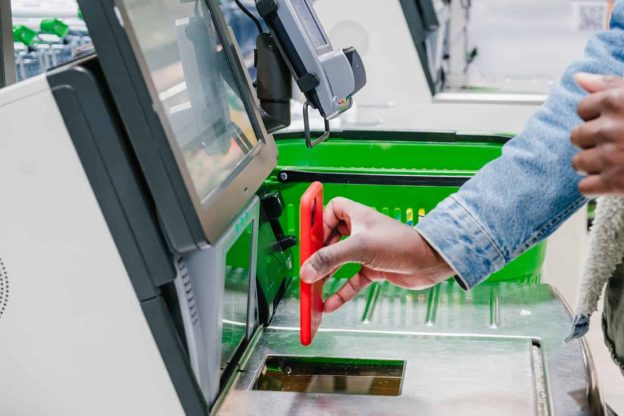
Another solution that could make self-service kiosks cleaner and more appealing entails NFC support. Kiosks could use NFC payment systems that allow people to purchase items through a completely contactless method. The customer can specify one’s order and wave a product over a sensor as necessary. The person will then waive a phone or other device linked to a payment account to pay for the purchase.

Amazon has been utilizing such a system at its Amazon Go stores. The “Just Walk Out” system lets people shop while being monitored by weight sensors, security cameras, and identification tags on items in these stores. Amazon’s system also uses deep machine learning to identify what items were purchased and what needs to be restocked the soonest.

While most businesses likely won’t have technology as advanced or complex as what Amazon uses, it is possible they could start working with more unique systems that reduce contact points. The general goal of the self-service industry will be to eliminate all contact points, providing an environment that everyone will feel comfortable with.

The growth of the self-serve industry will be worth exploring. People appreciate having more control over their orders. Businesses are also finding their own benefits through these systems. Expect the field to keep growing and to expand with new technologies that will make self-service stations more convenient and sanitary. Trends show that these kiosks are growing in popularity, so taking advantage of that trend will be critical to success.

a close up of an african man x27 s hand paying at a grocery supermarket checkout with a contactless payment using a mobile 220100705

Google Pay Adds Grocery and Transit Service Deals

Google Pay is already a popular mobile payment system, as it supports wireless payments on various Android-enabled devices. It is flexible enough to work on any Android-powered tablet, phone, or watch. It uses a secure approach to paying that can link to a credit card or another payment source.

Google Pay isn’t done evolving, as it is partnering with various grocery store chains to offer more benefits for customers who shop with this digital wallet app. Google Pay is partnering with the Target department store and the Safeway grocery chain to offer grocery deals. It is also working with various transit companies in the United States to offer more affordable and convenient ways for users to purchase tickets.

The new development is the latest move from Google Pay to become more convenient and useful for work needs. Google Pay has been expanding its options for how it works while staying competitive with Apple Pay and other competing solutions.

Grocery Support

The first part of Google Pay’s update is to help customers find the best deals on purchases at Target and Safeway grocery stores. The update will work for all Target locations around the United States. It will also run at many Safeway locations across the country. These include Albertsons, Randalls, Tom Thumb, Vons, Pavilions, and Jewel-Osco locations in different areas.

The new Google Pay update allows app users to browse Safeway and Target’s weekly circulars. These features will highlight the latest deals these stores offer.

Google Pay can also recommend different deals from each circular. It can identify prior purchases and one’s preferences to find the best deals.

Google Pay will also notify users of weekly deals when they are near participating stores. The feature works when the device reads the customer’s location. It automatically sends details on the deals available in that location, giving the customer the details one needs before shopping.

What makes this development noteworthy is that in-store shopping hasn’t been as popular as of late. The global pandemic has prompted people to look at online shopping, including digital shopping where people can get their grocery items delivered to their homes. The location-based system Google Pay will likely face a challenge as people might not be willing to return to in-person shopping as soon. But the risk of in-person shopping has been dropping as vaccination rates rise, making it possible that the new move from Google Pay could be more successful than people expect.

Transit Support

Another part of the Google Pay update involves helping people buy transit tickets in moments. Google Pay will help customers buy transit tickets in more than eighty cities around the United States.

People can use Google Pay to search for transit tickets and to buy them with their Google Pay accounts. People can then load their tickets on their apps and use them to board whatever buses, trains, or other transit services they wish to use.

Google Pay transit feature will now work in Chicago and the San Francisco area. The move comes not long after Apple Pay announced its support for the Clipper transit card for Bay Area Rapid Transit services in the San Francisco area.

The Google Pay customer will hold one’s device up to a reader to board the bus or train service. A visual ticket may be necessary if there are no readers available.

Google Pay also uses Token Transit integration to help people pay for public transit services in smaller towns around the United States and Canada. Token Transit lets people search for bus agencies around the country. People can choose whatever passes they need and specify how much time they will require. The system supports various bus transit services in many smaller communities.

Part of an Ongoing Expansion

The new features on Google Pay are part of the app’s ongoing expansion to provide more services and solutions for payment needs. Google Pay facilitates contactless payments, plus it can track a person’s finances. The app even introduced the Plex system as a partnership with major banks to help people keep track of their bank accounts and funds while on the go.

Google Pay is still changing to offer more things. It is working to produce more detailed insights and analysis reports on how people spend their money and how they research things of value. These reports can come from whatever purchases someone makes through Google Pay, including details on what one spends and what specific stores one visits. The insights will help customers find deals on whatever they are more likely to find at stores.

Competition Is Critical

The hope for Google Pay is that it will continue to expand to offer more things of value. But there are some contenders who are trying to capture some of Google Pay’s momentum. These include entities that go well beyond Apple Pay, including a few that have become highly prominent in their own right.

PayPal is hoping to update its app to make it more thorough and comprehensive. PayPal’s app has been updated to support QR code payments that are easy to follow. PayPal can also support buy-now-pay-later transactions, plus it can support some cryptocurrencies.

Facebook also has plans to produce a competitor to Google Pay. Novi, a program formerly known as Calibra, will support full integration of all Facebook programs. These include the WhatsApp, Instagram, Messenger, and Kustomer platforms. The setup allows people to pay for more items and to access various things of value. The app will also potentially link to the Diem cryptocurrency that Facebook is planning, although it is unclear when Diem would be made available.

The competition will likely prompt Google Pay to advance and evolve further. Google Pay has already become a popular choice for payments, and its new efforts in facilitating transit payments and in helping people find shopping deals are proof that the app is still changing.