Author Archives: hostmerchantservices

questionnaire about account 220233913

7 Ways Your High-Risk Business Can Prevent Chargebacks

Your business may already be a high-risk entity because you’ve been dealing with chargebacks. Chargebacks are inconvenient for how they cause you to lose money from both lost transactions and fees imposed by your merchant service provider. 

The worst part about chargebacks is that they can occur for various reasons. It could be from fraud, a technical error, duplicate billing, or because someone did not receive a product or service as advertised. While you might want to ensure the customer is satisfied, you’ll lose money while doing so due to your chargeback.

But your high-risk business can prevent chargebacks if you use a few points for your work. Here are seven things to do to keep chargebacks from being a possible threat to your business.

  1. Let your customers know what they are buying.

Start by providing your customers with details on what they are buying from you. You will reduce your risk of chargebacks when you let people see what you’re offering for sale. You can provide full descriptions of everything you’re selling. Videos and pictures that show your items from multiple angles will also help.

You can also answer questions people have about whatever you’re selling. Answering these questions will help people feel confident in the purchases they are making while reducing your risk of chargebacks. They will also know more about these products and how they might be advantageous for their needs, making them more likely to complete these purchases.

  1. Include a sensible billing descriptor.

One reason why chargebacks occur is that people aren’t fully aware of who is on a bill. A customer may dispute a charge if that person doesn’t recognize the billing party.

You can reduce this threat by producing a more accurate billing descriptor. The descriptor can include things like your company name and a phone number where people can contact you if they have issues. People can communicate directly with you if they have any problems with their orders.

  1. Prepare a sensible return policy.

You must have a suitable refund and return policy to prevent chargebacks. You can post details on your return policy on your website, at your register, or anywhere else you do business. The customer can review the timeframe for making a return, any fees associated with the return, and possible exclusions to the policy. The customer will contact you instead of the credit card company if that person knows you can handle the return and refund process. The direct effort prevents a chargeback, plus it improves your standing with the customer. The client will feel confident in doing business with you.

The return policy should still be reasonable and easy to handle. The policy should be something you can fulfill without risking possible losses.

  1. Provide details on your shipping efforts.

One problem with today’s online shopping world is that people expect to get their purchases delivered to them right away. Your business could be subject to chargebacks if your customers are unhappy with the shipping process. They might figure their orders won’t reach their destinations, resulting in chargebacks.

List whatever shipping policies you have on your website to let customers know what they can expect when buying something from you. Let the customers see how long it will take to ship something and if expedited options are available at extra cost.

Be realistic when telling people how long it will take for them to receive their orders. Don’t get anyone’s hopes up by promising you can get their orders ready in less time than most others.

  1. Offer the best possible customer service.

Your customer service efforts are critical to preventing chargebacks. Customers will feel confident in doing business with you when they notice you’re listening to their every need. They will contact you first instead of the credit card company if you pay attention to their needs and respond to whatever they require for work.

Always respond to customer calls and requests as they arrive. Be ready to answer questions and respond to whatever requests someone might hold. You can support a customer’s needs if you look at how well you’re answering one’s questions and facilitating the unique demands that person may hold.

  1. Review your fraud protection tools.

Every business can use fraud protection tools to keep them safe. You can use a firewall that blocks suspicious IPs. You can also use identity verification systems and protocols to reduce fraud risk. A security system can also include filters that identify potentially risky transactions based on value, frequency, location, and other factors.

Your merchant service provider can help you with various fraud protection tools that can protect your business and prevent chargebacks. Look at what your provider offers and see how you can use these systems. Don’t assume your provider will cover everything, as you might need to add outside materials of your own to help you prevent fraud from being a concern with your business.

  1. Look at your prior chargebacks to see what caused them.

The last way to prevent chargebacks is to look back at some of the chargebacks you’ve dealt with in the past. A high-risk business will likely have plenty of prior chargebacks to review. But there might be a trend surrounding all these chargebacks.

You might notice trends like chargebacks coming from purchases of certain values or specific locations. Some chargebacks may also come from terminals or shopping carts not meeting PCI standards.

Look at what you’ve been doing when seeing how you’re getting chargebacks. You can figure out how to fix things the right way when you look at what is open.

All seven of these solutions are worth reviewing when you’re aiming to prevent chargebacks. But make sure when using these points that you know where you’re going with your work. Your plan for stopping chargebacks will help you build your reputation, but you will require a thorough approach that entails supporting your customers and providing enough info to keep people comfortable with your work.
Mobile Payments vs. Credit Card Payments

Mobile Payments vs. Credit Card Payments

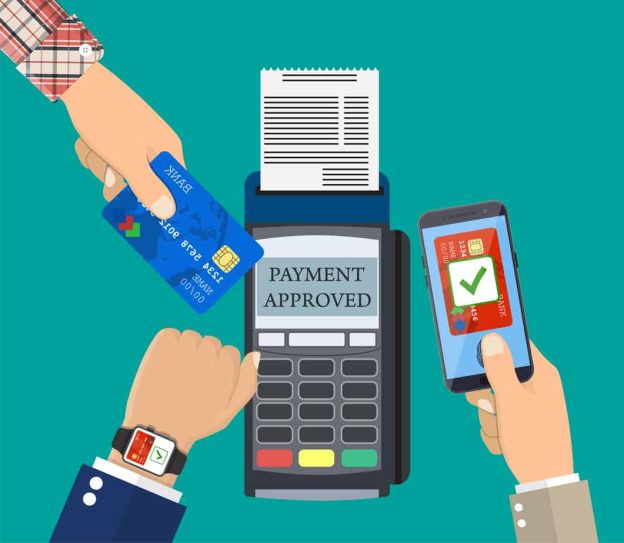
Mobile payments have never been more popular. People are using mobile payments these days to complete quick transactions through their mobile devices. You’ll notice a few distinct differences when looking at mobile payments vs. credit card payments. Many of these entail the technologies used and how people may find mobile payments to be more useful for their needs.

The Concept of Mobile Payments

Payment Orchestration is an Important Piece of the Global Commerce Puzzle

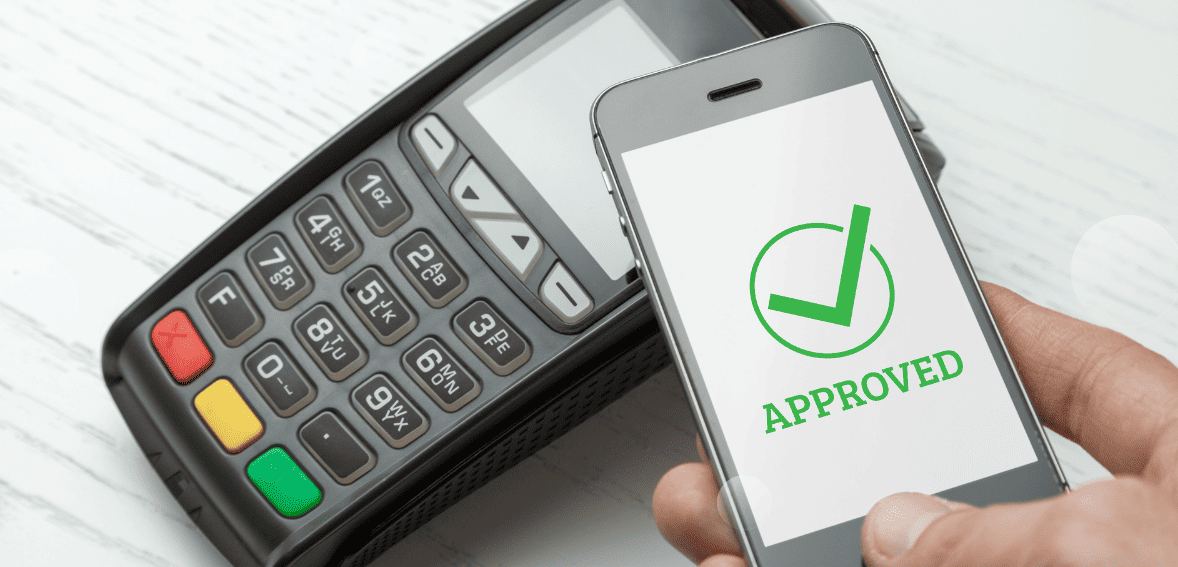
A mobile payment entails a transaction made through a mobile device. The customer can use a smartphone, smartwatch, or even a wristband. 

The user will pay for something with a mobile payment solution like Apple Pay or Google Pay. The system incorporates credit card or bank data in one platform. The user will transmit one’s payment information from that account to the retailer to complete the purchase.

Each mobile payment comes from a digital wallet. The wallet will link to an appropriate interface or platform. The wallet will include the bank or card info. The mobile payment system takes the payment info from the digital wallet and uses it to cover the transaction. Some digital wallets, like what PayPal uses, can include specific amounts of money someone withdraws from a bank or credit line before spending that total.

The system simplifies how people can pay for their purchases. Customers don’t have to get a physical credit card out to complete a transaction. The buyer will have more control over the purchase experience, especially as that person can handle the payment in less time. The customer may also feel more comfortable with the transaction process when using a mobile payment system.

Mobile Payments vs. Credit Card Payments – A Safer Solution

One difference between mobile payments and credit card deals is that mobile transactions are safer. A mobile payment can help the customer send data from a digital wallet to the retailer, completing the transaction without providing any cards. The mobile payment system ensures full security over a deal.

Mobile Payments vs. Credit Card Payments

You won’t see that same security with a credit card. Although credit cards have evolved to feature a chip-based system that is harder to hack, there is always the potential for someone to steal a card. A person can always steal a card or its identifying numbers and use it to commit fraud.

But with a mobile transaction, the thief would have to use a thumbprint scan or other system to confirm one’s identity. It would be tough for that person to try and duplicate that thumbprint in this process. Many mobile devices are also locked through PINs or other biometric features, so that adds extra security to the deal.

How People Get These Systems

People will apply for credit cards by filling out the proper forms to get them ready. People will submit credit info to highlight their ability to pay their balances. Some people may be rejected for cards if they have poor credit ratings. The ones that do get accepted may be subject to high-interest rates and restrictive charges.

A mobile payment is different, as a customer will require a suitable payment app on one’s device. Google Pay and Apple Pay are the most prominent apps, although Samsung Pay is available on many Samsung devices. The user will link one’s existing bank or card info to the app. The system is simple and gives the customer more power over how one will pay for items.

Since people don’t need credit to get a mobile payment account, you can expect these payments to be more common. People prefer payment choices that don’t require lots of effort or risk. Some of these payments will entail direct bank transfers, making the transaction process easier to follow.

Convenience For the Customer

Customers also use mobile transactions because they are more convenient:

  • There’s no need for the customer to keep lots of cards on hand. The customer’s payment info is all on the same mobile payment app.
  • It takes less time to complete a mobile payment than it does to run a credit card.
  • It is easier to track a phone or other smart device if it gets lost than if one’s credit card is lost.
  • Mobile payment platforms can inform customers of whatever coupons or other discounts they have stored with them. They will not forget about these like they would if they had traditional coupons they would use with a credit card.

What Systems Accept These?

One difference between mobile payments and credit cards entails the point of sale or POS systems that can accept these choices. Most POS setups can accept credit cards, with the technology being so common.

However, not all platforms can accept mobile payments. A POS system must support a system like Google Pay or Apple Pay to complete mobile payments. A POS setup can also work with different integrations with systems like PayPal, Venmo, or anything else a customer wants to use.

The extra effort necessary to accept mobile payments makes it tough for some retailers to support them. As more people start using mobile payments and the technology becomes more commonplace, you can expect to find more POS solutions that can support mobile deals.

Will Mobile Payments Take Over?

Mobile payments may become more popular than credit cards after a while. It will take a long time before anyone can figure out what will happen.

The problem with mobile payments is that many people are uncertain about how they work. They also might not have the mobile devices necessary to complete these payments. Some are also comfortable with credit cards, especially since chip-based ones are more secure than older magstripe models.

Will Mobile Payments Take Over

You can expect mobile payments to become more prominent, especially as mobile devices become more accessible. Potential advances in payment technology will also help increase the chances for these payments to be popular and useful among people. Whatever happens, it will be exciting for people to see as they look at how payment trends change, and people start to see what’s more efficient and effective.

FAQ

tokenization technologies chalk icon 221656736

4 Reasons To Use Tokenization

Tokenization is a unique practice that keeps the data you process safe. It replaces account numbers and other private bits of data with random numbers. The numbers combine to form a token that handles the data you collect.

The personal data inside a token will stay in a separate token vault. The vault includes the actual data relating to what is on a token. Any fraudster who tries to capture a token will find it useless, as the token does not include any viable data. All the details necessary for a transaction will enter a separate token vault that the fraudster cannot access.

Tokenization works for all sensitive pieces of info you wish to process. It works with credit card data, account names and numbers, passwords, files, and anything else you might transfer or use in your space.

Tokenization is a standard worth exploring when accessing and handling your data. Here are four useful reasons for why you should use tokenization for your work needs.

  1. Tokenization is more secure than encryption.

The process is different from encryption, as a token does not have a mathematical relationship with the original account. Encryption entails using a key that can decode the data in a set. But the key has some mathematical link to the data it will unlock.

A token will include random numbers that mask the actual data in an entry. For example, the last four digits of a credit card may appear in a tokenized report. The remaining data would be in a token vault or storage place kept separate. An outside party won’t have access to the vault, ensuring the content in the token remains safe and less likely to be compromised for any reason.

The problem with encryption is that a hacker can accurately produce a key for the encrypted data with enough effort. Hacking technology has evolved to where encrypted data can be broken into, although anything with more bits of protection would be tougher or impossible to manage. Tokenization eliminates that risk, as the hacker has no way to resolve the random strings of characters in each token.

  1. Tokenization does not require you to store sensitive pieces of customer data in your private system.

Tokenization works with a payment gateway to collect data without exposing customer information. Since card numbers and other pieces of data move to a separate vault, the info will not be open to any outside entities.

The tokenized data will stay in a separate off-site station. It can work in a cloud-based server to ensure you can access that data as necessary. The cloud-based design can also reduce security risks by using high-grade encryption data without any set physical location where something could be intercepted. The cloud system also reduces possible liabilities, ensuring all parties will have full protection over the content.

You can request anything to be tokenized, and the outside server will help you with the process. The server will collect whatever data you get from each token and will charge the right payment based on the content. Since the token doesn’t have the specific details on someone, outside parties won’t be capable of intercepting these details and using them in some form.

  1. Tokenization supports recurring payments.

Some customers might provide recurring payments, whether they are subscription-based clients or people who enjoy doing business with you. Their data needs proper protection and security to ensure their trust and comfort.

The token data for each client will remain the same with each transaction. While the private data is secured separately, the token will include the same data to identify the person completing a transaction. The effort takes less time to process, giving you further control over whatever works in your business.

The token can work for future transactions, but it still will not require any further sensitive bits of data to make things work. The same data on the outside system will work each time. The data remains identical and does not require the user to add anything new.

The customer can change one’s address or payment option as necessary, but that will require a new token. The new token can replace the old one in moments in your system, helping create a seamless approach to handling the data right.

  1. Tokenization can support some of the latest payment processes.

Payment technology has never been greater, as people can pay for items in many ways and with less effort. Tokenization makes this possible, as it provides a safe way to transfer card and account data from many platforms. The design provides a good way to help you manage payments and to get everything working right.

Tokenization works on mobile wallet platforms like Apple Pay or Google Pay. A user’s card data stays on one’s device as a token. The mobile platform will also add further safety measures like biometric identification support or other authentication features. But the mobile wallet system will still use the token to process the data.

Tokenization also works for in-app purchases. Each customer’s card info in an app features a separate token. The app can review whatever token is being utilized to complete a payment and process it from there. The customer doesn’t have to add one’s card data once more, as everything is already in the separate token vault. The process lets the customer pay for things faster.

The general process allows quick access to whatever payment methods someone wants to use. The design ensures all data can move through effectively enough without risking possible losses in whatever work someone wishes to plan.

All of these points about tokenization make it one of the best solutions you can use when handling sensitive pieces of data. Look at how well tokenization can work if you’re aiming to handle transactions in moments. It adds a safe approach to work you can trust for whatever needs you may hold when keeping your business running.

charity donation help support charitable assistance concept

What Are Recurring Donations and Why Are They Good For Nonprofits? [2023 Update]

Nonprofit organizations have never been more popular. The average person donates hundreds of dollars to nonprofits each year. But the way people send money to these groups has changed, as most people donate to them by credit or debit card now.

The good news is that nonprofits can adapt to these changes in the industry by accepting recurring donations. These are donations provided to nonprofits that require regular funds for managing their missions and providing support for their causes.

A donor can sign up for a recurring donation program with a nonprofit. The person’s payments will be automatically removed from one’s credit card at the right times. The money will directly go to the nonprofit without having to use a third-party solution to manage the process.

Recurring Donation

How a Recurring Donation Works

A recurring donation uses a few steps to make it work:

  1. The nonprofit organization will set up a new program. It will provide different donation levels and frequencies for customers to choose online.
  2. The donor will set up an account on the nonprofit’s website. The donor will require the account to facilitate payments and to keep the donations within the website.
  3. The donor will select the specific donation option one wishes to follow.
  4. The person is then billed for the donation at the proper times. The donor is usually billed every month, but it can also be every quarter or year if desired.
  5. The person will continue to be billed until that someone decides to leave the program or that person’s payment method is no longer valid.

The nonprofit will need to provide the proper interface on one’s website to promote its recurring donation program. The system should be easy to review and read as necessary.

Provides Stable Revenue

The best part of recurring donations for nonprofits is that they provide stable revenue that these groups can trust. A nonprofit needs regular revenue to ensure it can stay operational. The funds can also help the nonprofit predict what it will receive each month, providing guidance for whatever operations or fundraising events the nonprofit wishes to run.

Reduce Operational Costs

Nonprofits often spend a while trying to find new donors. It also costs more to bring in new donors than it does to keep existing ones. By offering recurring donations, a nonprofit can get more funds from its existing donors. There’s less of a need for the nonprofit to promote itself or to look for grants or other things for help in keeping the operation running.

The operating costs remain cheap because the recurring donors will stay loyal to the nonprofit group. These donors may contribute additional one-time payments alongside their regular donations, especially if they respect the nonprofit group.

There’s no need to process checks, cash donations, or other things that might get lost. Regular donors will also feel comfortable knowing they’re automatically completing their donations online, as they won’t have to go through the same donation process every year.

No Third Parties Necessary

A recurring donation system also ensures all donations will go through a nonprofit’s website. The nonprofit doesn’t need to utilize a third-party donation site. These third-party websites might charge people for listing their nonprofits there. Some donors may also be turned off from using two different systems when getting through a donation platform. Keeping the data intact will be critical to its success.

Tips For Running a Recurring Donation Program

A recurring donation program can be a lifeline for any nonprofit group, although it works best when run well. There are a few tips a nonprofit can use when getting a program ready:

  • The nonprofit must have a set goal in mind. It can entail any amount of donors or donations, but it must be reflective of whatever projects the nonprofit wishes to run.
  • The nonprofit must plan its program based on the donors it wishes to target. The system can include donation values based on the approximate money amounts people are willing to part with each month.
  • All recurring programs should be marketed well based on the benefits involved with these donations. A nonprofit could promote that a specific monthly donation will provide a unique benefit that the nonprofit can carry out, for example.
  • A payment processor must help collect credit and debit card payments to make the recurring donation program easy to follow. It should offer reporting tools to help the nonprofit review how effective its program is, plus it should provide ACH support for automatic recurring payments.
  • Proper incentives are necessary for keeping donors intact. A nonprofit can offer rewards or benefits to people to donate enough funds or stick with a campaign long enough. The nonprofit can put some of its funds aside for this case, but it shouldn’t spend more on this than necessary.

The best way to run a recurring donation program is to ensure the donors see the difference a nonprofit makes. Donors will be more invested in a program when they see where their money is going and how it benefits society. People will be more passionate when they notice they are making a difference with their donations.

How Will Donors Cancel Their Recurring Donations?

Some donors might need to cancel their recurring donations for various reasons. A donor might not have enough money to give, or the donor might not feel comfortable with offering. A nonprofit can offer the choice to cancel one’s recurring donations. The user can go to one’s profile on a website and then click the proper button on one’s payment method to stop one’s donations.

It will likely be easy for nonprofits to keep their donors through a recurring platform. The recurring system provides a simple design for work that helps a nonprofit collect its regular payments. A nonprofit can predict what it will earn, and donors will feel confident in the process, knowing that their funds are going directly to the organization.

pilot flying j truck stop fuel island full of tractor trailers 184514346

More Gas Station Merchants Are Now Accepting Fleet Cards

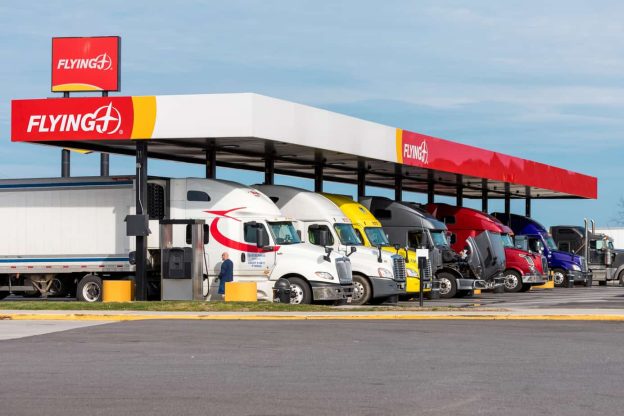
One of the most common credit cards you can accept at a gas station is a fleet card. Gas station merchant services often accept fleet cards that people use to pay for fuel at gas stations. These include people who work for certain businesses that provide vehicles for those workers to use.

Gas companies and other organizations can offer fleet cards to their employees. They can establish plans with businesses to produce multiple cards for each employee or vehicle.

You will likely accept plenty of fleet cards when running a gas station. Your gas station merchant services reports can include details on various fleet cards you accept. The benefits these cards provide to businesses make them common ones you’ll find today.

The General Concept

A fleet card is a credit card issued to businesses that have people who regularly drive certain vehicles. The card can work for businesses that utilize vehicles for deliveries and other activities. A company can request as many fleet cards as necessary, but it will use the same account to manage all these cards it uses.

A business could have hundreds or even thousands of vehicles in its fleet. A fleet card system allows the workers who control these vehicles to maintain them.

What Do People Buy With Fleet Cards?

The workers can use their fleet cards for many purchases, with many of these focusing on how they will manage their vehicles. These include:

  • Fuel for their vehicles
  • DEF for diesel vehicles
  • Oil, antifreeze, coolant, and other items necessary for vehicle maintenance

Full Control

Gas station merchant services often see fleet card transactions because employers will have control over how their employees use these cards. An employer can do many things with these fleet cards, including:

  • Establish limits on how employees can spend with these cards; these restrictions can include limits on what products or services someone can buy
  • Identify potential misuse issues, including when someone doesn’t use a fleet card at a designated location or for vehicle-related needs
  • Check reports on how people are spending money with their cards
  • Create budgeting estimates for how workers will use their vehicles

These efforts allow a business to keep tabs on how its employees spend money. It keeps expenses down, as people will only spend money on the vehicles they operate.

Possible Rewards

Fleet cards are also noteworthy for how businesses can potentially enjoy unique rewards. Some of these rewards include:

  • Cashback offers
  • Discounts on fuel purchases
  • Added insurance protection for vehicles in one’s fleet
  • Discounted interest rates and reduced fees versus what traditional cards provide

The rewards will vary surrounding whoever provides the card. But the deals that are available will be worthwhile, as they ensure a business will have more control over how it handles its funds while maintaining its vehicles.

You will likely find many fleet cards when managing your gas station merchant services needs. The benefits of these cards and the ways how business owners can manage them make these cards popular for many uses.

mobile banking and finance concept 35805226

10 Questions To Find the Right Payment Gateway For Your Business

Have you been looking for a payment gateway that can help you collect card payments for your business? You’ll need to look at what you’re getting out of a suitable provider. Here are ten questions you can ask to help you see who you should be hiring for your needs. 

  1. What will it cost for you to set up your plans and to process payments?

Each gateway will charge different setup fees for work. These include charges to secure your account and to test your connection. You could spend at least $1,000 to set up your gateway.

A gateway will also charge a percentage of your transactions. The percentage will vary surrounding the type of card, the card network, and your risk level. You may spend more to process these payments if you are at a higher risk of chargebacks and other threats.

A gateway may charge about 2 to 3 percent for each transaction. A flat fee of 10 to 30 cents may also go alongside that charge. The totals can add up after a while, as they can cut away from your cash flow and profit margin.

  1. How will you collect your payments?

Payment gateways come with different platforms for how they will help you collect payments. Some systems can move your funds through an escrow system. A system will withhold your funds and will deliver them to you when the funds are ready to be safely transferred.

You could also use a hosted payment page you can redirect your customers to when asking for data. It doesn’t take as much time to integrate this option.

The way you collect your payments can influence how long it takes for you to see your funds. Some providers can hold your funds or a percentage of them for up to thirty days. The timeframe can increase based on your risk and the payment network’s rate of traffic.

The gateway you choose should provide prompt access to your funds. It should also be transparent when explaining how you’re collecting your funds with details on where they are coming.

  1. What are the security features?

All payment gateways should offer PCI DSS compliance. Proper compliance means a gateway will protect all card data and will prevent cardholder data from being stolen or otherwise mishandled. All cardholder content will only be made accessible on a need-to-know basis. All CVV numbers must also be discarded after use to ensure potential thieves cannot steal this value needed for CNP transactions.

Some processors also use tokenization to protect cardholder data. Tokenization replaces card info with unique strings of numbers that hackers cannot decode or utilize.

  1. What fees are there beyond the card processing charges?

Many gateways will charge various fees for their services. The charges go beyond what you would spend when first setting up your account. These include PCI compliance fees, data access fees, and other assorted charges. You’ll also have to pay fees on chargebacks, but you won’t spend anything on those if you never deal with chargebacks. All fees cover the costs to operate the network while also covering possible risks you pose on the network.

The totals you will spend on these fees should be fixed, unlike what you would spend on your payment processor you hire should be transparent and direct over what fees you would spend on services before you start.

  1. How can your processor screen fraudulent activities?

All businesses are at risk of credit card fraud, although some industries may be at a greater threat. A processor should provide suitable screening tools to help you prevent fraudulent activities from impacting your business. A gateway can include support for CVV transactions, two-form authentication, and other features that reduce the risk of fraud.

  1. Can your processor handle international payments?

Some processors can support international payments. These include ones that support multiple languages and currencies. You can use this if you plan on doing business with people in multiple countries. But some processors may also charge fees for handling different currencies or cross-border transaction efforts.

  1. How does the customer service department work?

The customer service department should be available to help you with whatever transactions you want to complete. It should offer multiple ways to reach them, including by phone or email. The customer support team should be easy to access at any time.

The help should also be free to all members. Any group that pays extra to help someone access a customer service line might not be legitimate.

  1. Can a gateway work with whatever features you have in your current system?

Not all payment gateways are compliant with whatever systems you might incorporate. You might need unique hardware or software to read some features. A quality gateway can work alongside whatever hardware or programs you are using now. The system provides quality help and reduces the need to develop new programs or setups for work.

  1. Does a gateway support recurring billing?

Recurring billing entails automatically billing customers for certain things. Subscription-based systems regularly use recurring billing features to ensure they collect funds from customers as necessary. Look at whether your gateway or processor can handle this feature if you plan on offering a recurring billing service.

  1. Can your gateway manage mobile payments?

The last point to review involves how well a gateway can handle mobile payments. A gateway can include a dedicated app or hardware program that can work on mobile phones, tablets, and other portable devices. It helps you collect payment data and content from anywhere.

These factors are good points to see when looking at how you’re going to handle your mobile payments. Be sure when finding a suitable solution that you have an idea of what you want to get from your business. It will be easy to process mobile payments if you know what is coming out of your setup.

payment by contactless payment for pizza in a restaurant or cafe cashless payments banking services a new life according to the 190394627

Are NFC Transactions and Instant Payments Secure?

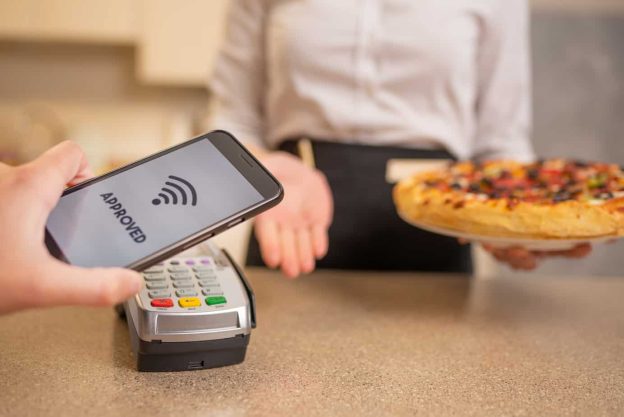
Near Field Communication or NFC technology has become one of the most popular features of mobile devices today. NFC technology helps run various contactless payment systems like Google Pay and Apple Pay. You can use an NFC payment system to make contactless transactions at various stores that accept these instant payments. Your business can also collect NFC payments if you have a processor that can read NFC signals. 

NFC payments are convenient, but these instant transactions can be vulnerable to theft and other concerns. You can use a few measures to ensure these are safe at your workplace.

The Main Concept

An NFC payment entails two devices wirelessly interacting with each other. The two devices should be about four inches apart.

An NFC chip in one item will transfer data to a receiver. For payments, the NFC chip sending the data is the smartphone or other payment device. The receiver will collect the payment data and then provide confirmation to the phone or device. The device may trigger its digital wallet to start working to finish the transaction.

The process provides instant payment. A receiver can collect credit card data or other payment info from the NFC chip on the smartphone, tablet, or whatever else one is using.

NFC payments are available on most mobile devices. Android 4.4 or later devices and iPhone 6 or later iOS devices can support NFC payments.

Some payment cards include NFC chips. You can tell there’s an NFC chip on a card if it has a signal showing a few waves coming from a card-shaped symbol.

The NFC payment process is popular for how people can complete a payment in less time. The fast scanning approach makes it easier for people to pay for things in moments. The contactless process is also useful, as it ensures a read without worrying about a card reader that might malfunction or a card that isn’t easy to read.

Close Distance Support

NFC payments require a close distance between the two objects. Since you need about four inches of space between the two items, it becomes hard for outside parties to try and steal data from a payment.

Some people may physically tap their devices on a sensor, but that is not necessary. It can take a second or two for the sensor to read the NFC signal.

Tokenization Is Critical

NFC payments are mostly secure thanks to tokenization. Apple Pay and Google Pay use tokenization technology to replace your real bank or card details with random numbers. The unique string of numbers is distinct to your transaction. Outside parties won’t be able to read your data and steal the content.

Two-Factor Authentication Is Necessary

Some NFC payments require two-factor authentication to work. You can supply the necessary second factor on whatever device you will use before making a payment. For Android devices, you can use biometric data or a PIN to confirm someone’s work. For iOS devices, you can use the Face ID or Touch ID system.

Common Risks and How They May Be Resolved

NFC transactions are secure and easy to process. But there are some risks to watch for as well. These issues are easy to correct if you use the right preventative measures:

  1. Data Corruption

Data corruption occurs when a criminal alters the data going to an NFC reader. The criminal adjusts the content to where it is corrupted and unable to be processed as necessary.

Any channels a business uses when processing NFC payments should be secure and encrypted to prevent data corruption. Check your data processor to see what you’re going to get out of a setup.

  1. Interceptions

An interception entails an outside part being a middleman when processing transactions between two NFC devices. The second party will collect the data and edit it before it moves to the intended recipient. The attack is tough to manage and not as common.

You’ll require an active-passive pairing to prevent interceptions. One device will receive the info, and the second will send the data. The process ensures data goes in one way between each party and not in both directions for each one.

  1. Theft

People can steal others’ mobile devices and use them to make NFC payments. The problem can be worse if a person doesn’t use a password protection system.

Customers must conduct their due diligence when planning their NFC payments. They can add passwords to their devices to prevent outside parties from accessing their data. They can also incorporate unique biometric details to add extra control.

Other Things You Can Do To Make Them Secure

You can also follow a few other ideas to help you make these NFC payments secure for everyone to follow:

  • Use a program that confirms authentic NFC payment portals. You can use a platform that prevents jailbroken devices from being accepted. These devices may use altered or modified versions of NFC payment portals. These systems might be vulnerable.
  • Keep all encryption keys you use in your workplace secure and private. These keys must be secure to prevent data from being stolen or incorrectly used.
  • Keep the NFC receivers you use safe from tampering. They should only be accessible when someone is ready to complete an NFC payment. Keeping the receiver out of reach when it isn’t needed ensures no one can alter the receiver’s data.
  • Provide instructions to your customers about how they can use NFC payments. Some customers might use their NFC payment devices wrong, making it harder for them to complete transactions. Customers will get used to what you provide after a while. The point especially encourages people who aren’t familiar with NFC payments to see what makes these so beneficial.

NFC technology is useful for many purposes, but it should work with care to ensure nothing wrong will happen in the work effort. Check on how your NFC system works and that you’ve got a system in hand to help you get something that works well.

federal reserve system 51729973

Federal Reserve Plans to Review Debit CNP Routing

The United States Federal Reserve is planning a Notice of Proposed Rulemaking that requires merchants to choose how they will route online transactions. The focus is on debit CNP transactions people make while online. These deals often come with interchange fees that are higher than what some entities might prefer to manage. 

The proposed rule would state that all merchants that accept debit CNP payments must be capable of reaching at least two unaffiliated ecommerce networks. The debit cards these banks issue should work on whatever network someone wishes to follow. These include networks that may charge less but still offer fewer protections and other services for work.

The move comes as debit cards have become increasingly popular throughout the United States. Visa estimates that it processed more than $2 trillion in debit card payments on its network in 2020.

As this rule comes, there exist worries about whether debit card interchange fees are too high. A lawsuit has come about in North Dakota surrounding how these fees work and what people are being charged. The work is about seeing if the charges people are spending are fair and suitable for the work they complete.

Network Efforts

The Federal Reserve says there are currently two payment card networks available for processing debit cards. First, there’s a single-message network that clears and authorizes transactions through one message. The system uses a cardholder’s PIN to confirm one’s identity.

Second, there is a dual-message network where a signature is necessary for confirming the transaction. The bank and the card network both confirm the payment.

Dual-message networks have become more common, as they are easier to facilitate than single-message ones. But many credit card networks that process debit cards may charge extra. Smaller debit networks that don’t charge as much may be available, although the materials that can work here will vary by system.

Merchants have the option to route their transactions through cheaper networks, especially as there are concerns over whether some networks are managing the proper rates. Those same merchants have been dealing with interchange fees and other charges that may be too expensive for them to manage. Some of these charges may be too high for these businesses to cover.

The single-message solution isn’t as popular as it used to be. Less than ten percent of all transactions are single-message ones. Merchants are becoming interested in handling their funds in more places than usual, making it easier for some things to function. The freedom of retailers to choose what they will utilize in their work is especially worth noting, although the limits and rules for what will work are essential for people to watch for when finding solutions of value that fit their needs.

Single-message networks have advanced to where they can now accept CNP transactions. Whether people are willing to use these networks for their CNP transactions remains unclear. While they might be convenient in theory, there are issues over how much it would cost to use these networks for different operational needs. Some of the totals these single-message networks might have can be concerning over whatever might work in any case.

Are Fees Too High?

The routing work comes as concerns about debit card interchange fees start to increase in value. Retailers have been complaining for years that they pay too much in interchange fees when accepting debit cards. Two retail groups that operate in North Dakota have both sued the Federal Reserve Board of Governors with the argument that the central bank isn’t enforcing caps on fees charged for accepting debit transactions.

The North Dakota Retail Association and the North Dakota Petroleum Marketers Association are filing a lawsuit against the Board of Governors with the argument that the board isn’t following Congress rules to keep debit card fees in check. They state that debit card processing fees are supposed to be sensible and proportional to transaction values.

The groups say that there are rules over how large the debit fees can be. These include caps on fees from banks that have at least $10 billion in assets. The problem here is that the limits and rules for debit card fees aren’t being enforced as well as people wish.

The cap was originally at 21 cents, plus one cent to cover fraud prevention costs and 0.05 percent to recover fraud losses. The worry is that debit card processors aren’t following these rules.

There is one flaw in the argument, as the average cost for each transaction remains minimal. Since the rates for processing debit cards are lower than they are for credit cards, the amounts these retailers would spend on those transactions are minor. But with more people using debit cards than ever these days, those extra charges can add up after a while. The issue makes it essential for many retailers to explore what they are doing when trying to get their transactions under control.

General Worries Over What Works

While efforts to manage debit card CNP payments are in place, there are concerns over whether people would be more interested in open banking solutions. Some open banking platforms support account-to-account transactions that streamline the banking process and include lower fees. These may not feature the same fraud and chargeback protections a bank or card network-supported deal may hold.

The changes in managing debit cards in today’s market have been substantial and have highlighted some developments that will make the field all the more unique. Debit CNP routing efforts are critical to consider for future transactions, especially as debit cards become more valuable in today’s market. But how the limits for what people will spend when processing each transaction will vary. The fact that these fees aren’t as dramatic as some retailers might say could hurt their chances to get the help they need, but there is no telling what could happen in any situation that comes around when trying to handle payments.

women hand uses a mobile phone application to scan qr codes in stores that accept digital payments without money and plastic 185122541

Emerging Trends In Retail, Payment Methods and Open Banking

Retailers are always looking for ways to make shopping more accessible and convenient for their customers. Part of this includes finding new ways to handle payments. Businesses want to be as open to their customers as possible. Helping them support whatever payment methods they wish to utilize is part of what makes everything work.

The trends surrounding the industry are among the most intriguing ones in the industry to watch. Retailers can make more money if they handle additional payment solutions, including some that are becoming increasingly common.

The Rise of Open Banking

Open banking is a practice where open APIs allow third-party developers to produce new applications around a financial system. Open banking helps people access their financial information from anywhere, helping them manage their funds and make payments.

Banking-as-a-service programs can allow people to access their funds from their bank accounts and to pay for items in moments. These apps let people pay for retail items in minutes.

Most of these banking-as-a-service systems will require firm data review standards. The work includes using secure connections and setups to prevent data from being lost.

These solutions would require two-factor authentication to protect data. Two-factor confirmation allows the user to confirm one’s identity and location. The user cannot log onto an account with a username and password, as a second factor will be necessary.

Open banking will work so long as the proper entities create unique platforms. More banks are starting up open banking platforms to help people connect with their funds. Retailers will also need to establish their own open banking accounts to help them accept funds. The flexibility of such setups and the general convenience will be necessary for ensuring everything works.

The Use of Mobile Wallets

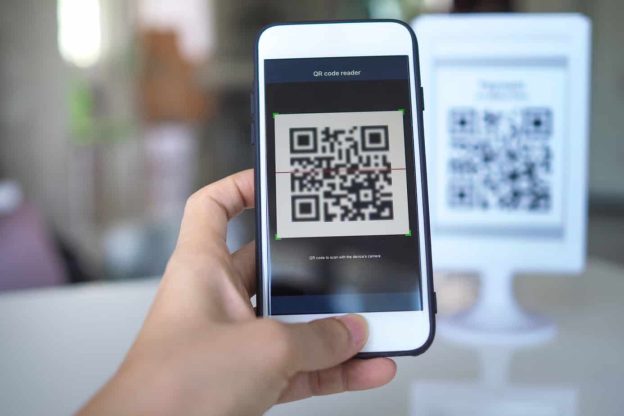
Mobile wallets will likely become more prominent when managing payments. Retailers can accept mobile wallet transactions through NFC-ready devices or QR code readers.

Mobile wallets like Google Pay or Apple Pay can be convenient for many reasons:

  • Customers can link their debit cards or other banking information to a mobile wallet. Customers do not need to use their physical cards, nor do they need to visit an ATM to withdraw physical cash.
  • Mobile wallets allow data to move through in moments without outside parties. It works like a person-to-person platform to send funds in moments.
  • These wallets utilize QR codes to help transfer data. It is easier for mobile wallets to move data through QR codes, as the content remains encrypted and less likely to be lost or stolen.
  • Mobile wallets can also support cryptocurrencies and alternative forms of currency. Customers can send their cryptocurrencies to a retailer, who will collect the fiat currency equivalent of the crypto item. Some businesses might establish their own cryptocurrencies for use in their stores if this trend continues.

Most of the advantages work for customers, but retailers will find many things to love about mobile wallets:

  • Mobile wallets utilize tokenization to replace an account number with random characters. The system allows data to move through a network without revealing actual bank account details.
  • Retailers won’t spend money on added transaction fees. Since the transaction goes directly between the retailer and customer, there’s no need to move funds through a network. This point eliminates the interchange fees someone might spend when accepting credit card payments.
  • Retailers can also produce unique wallets for use in their business spaces. Such wallets provide a distinct branding space. Retailers can recommend certain things, or they can plan reward events that fit one’s needs.
  • There’s no need to wait for a card transaction to be approved. A mobile wallet deal will be approved right away if the customer has the necessary funds for the transaction.
  • People may be reminded to come to a retailer more often if that person uses a mobile wallet. The customer will find the wallet to be convenient, making that person want to shop at a certain space more often.

This payment method will be a boon for retailers and customers alike. More locations will likely start supporting this solution once they start noting everything that makes the work so advantageous and useful. It becomes easier for people to handle transactions when they have access to the right payment systems for their convenience.

Additional Biometrics

Biometrics will become a part of payment methods to watch. Biometrics is a physical review solution that makes it easier for people to confirm their details when shopping.

Biometrics can incorporate many solutions. These entail different physical parts and features, but they all produce the same result in reading data:

  • Iris scanning
  • Facial recognition
  • Fingerprints
  • Voice ID

A person would have to be physically present to manage any of these biometrics solutions, and the way they will work will vary by platform. A fingerprint scanner may work on a credit card, for example. The fingerprint must be read while the card is inside a reader for the card to work.

Biometrics may not be as prominent with some retailers, especially considering the cost to get some of these setups ready. But it may be a necessity for some places, like ones that sell high-value items. The security biometrics provides a positive solution for many uses, especially when managing the high-value or sensitive purchases that customers may make.

A Bright Future

The most significant part of these emerging trends in retail entails how various crimes may become easier to prevent. As the world becomes increasingly cashless, the risk of monetary fraud will also drop. Digital wallets and payments are also making people less reliant on traditional credit or debit cards, potentially reducing the risk of fraud.

Retailers will need to be aware of these trends and how they will change the market. The goal for these retailers should be to establish new ways of accepting and managing funds. Whether it entails accepting crypto tokens or supporting NFC or biometric-based transactions, retailers must note what they can do when collecting payments.

kyc do you know your customers 144484249

The 6 Parts of an eCommerce Customer Persona

Have you considered the ecommerce customer persona your business is contacting lately? The odds are you might not be aware of what that is or how you can create one.

An ecommerce customer persona is a character of sorts that a brand creates to represent targeted customers. The brand uses customer data to figure out who is more likely to buy something on a website. 

A customer persona helps you understand the unique buying experiences and behaviors your customer holds. You can use this to produce distinct marketing efforts. Generic marketing plans aren’t likely to work in your business, as your customers will likely have distinct backgrounds or beliefs that lead them towards what you provide.

You can use six parts of an ecommerce customer persona to help you identify who you should be targeting in your work. These segments combine to create someone that will utilize your wares and appreciate what you provide.

  1. Demographics

Start by looking at the demographics of your customers. You can use these demographics to get an idea of what your customers are like and what they have to offer your business.

These demographics can include:

  • Age
  • Gender
  • Profession
  • Education level
  • How much money one earns each year
  • Physical location

You can use as many demographics in your work as you wish. You can target specific audiences, but you should also see how the demographics on your website can vary. Sometimes you might have multiple demographics who support your business, but they could also be united by certain factors.

  1. How that Customer Finds and Uses Your Business

Every customer goes through a unique journey to find a business. You can research how customers are likely to find yours by looking at these five factors:

  • How someone learns about what you offer
  • How the person becomes more interested in what you are providing
  • When the customer develops an intent to buy what you offer
  • The purchase process, including what influences the customer to go forward with the purchase
  • How that customer will engage with your website; the work includes looking at other products, viewing your social media pages, and other features
  1. The Unique Mindset

Your customers also have distinct mindsets that influence how they will go ahead with buying things. Your ecommerce customer persona should include a review of these factors:

  • What the customer thinks about something you offer
  • What your customer is feeling when considering your work
  • Whether that person has had a positive experience with your work, including if there are unique problems in the work
  • The perception someone has towards your business
  • What someone expects to get from your business
  • The solutions they need for their lives, plus how you can provide answers to those points

Your business messages can focus on whatever people are thinking. You can proactively answer whatever questions your customers might hold, giving them the trust they need to do business with you.

  1. Unique Triggers

Everyone will have different triggers for when they purchase what you offer. A trigger is something that encourages a person to buy something or do something else of value. Your customers can act upon different points:

  • Internal – An internal trigger involves something relating to the customer’s feelings. The person might think that you offer something that satiates one’s desires or alleviates one’s fears.
  • External – An external trigger can entail anything outside the customer’s control. It could entail needing to replace something or requiring a service due to a sudden event in one’s life.
  • Seasonal – A seasonal trigger entails events that can influence purchases. A person might be more likely to buy something during a specific time of year. Maybe what you offer will be enticing for weddings, birthdays, or other special occasions.

Your goal is to review how your customers might follow some triggers and then promote yourself based on these things. You can highlight certain things and explain to people that whatever you offer is more worthwhile to their needs. Your marketing efforts can also be based around those triggers that influence people to buy what you offer. Sometimes a single trigger can make a difference when getting someone to do business with you.

  1. Language

The language you use can make a difference. You can use language that highlights the interests and needs your customers have.

You can use technical or industrial terms if you’re trying to target customers who have prior experience with what you offer. You can show those people you know what you’re talking about and that you can be a trustworthy business partner.

You could also use phrases or ideas that might reflect someone’s age, community, or general background. The goal is to get on the same level as the customer you’re contacting.

  1. Community

The last part of your ecommerce customer profile to use involves the community you support. You can explain to people that you’re part of a community that understands the needs people hold.

Some customers may have interests in things and will talk about them in their own unique communities. For example, cat owners are likely to talk about cats climbing trees, cat food products, and other cat-related items alongside other cat owners and enthusiasts. They aren’t likely to talk about these things in their workplaces.

You can look at what your customers are interested in when they come to your website. You could establish a community that focuses on whatever you sell or whatever needs your customers have when entering your website. Linking to a vast community of people can help you market your work and make it more viable to customers.

All six of these segments are essential to note when looking at your ecommerce customer profile. Be aware of how you see your customers. You can tailor your marketing and promotional efforts to them when you see what they may be interested in the most. The effort is about bringing in more satisfied customers and having them see what makes your business advantageous.