Author Archives: hostmerchantservices

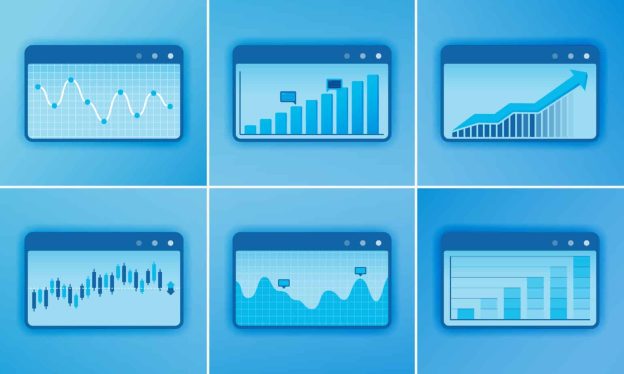
accounting software design vector chart with bar chart line chart financial diagram analysis designs can be used for template 202524904

Best Accounting Apps for Small Businesses

With such a wide range of applications to choose from, choosing the right ones can be overwhelming and difficult, especially when finding the best accounting tool for your business. Bookkeeping is an integral part of your business to help remain profitable. Fortunately, apps always make it easy to keep track and organize your data. Here is a list of the eight best accounting apps for your business.  

You can use a mobile accounting app to keep track of your business funds no matter how far you are from the office. So if you want to do bookkeeping on the go, we recommend checking out these providers.  The QuickBooks Online program is our top choice, but you’ll find plenty of other things to love about that we have reviewed here. 

  1. QuickBooks Online – Best Overall

The QuickBooks program performs everything your QuickBooks Online account does. That’s quite a bit of work, since many companies’ applications don’t consider the weight of their desktop versions. The following: 

  • Get 50+ popular, easy-to-read financial reports and send them to other parties.
  • Send invoices with receipts attached through SMS, email or messaging app, with the added security of an encrypted link. 
  • Automatic expense tracking. 
  • Use GPS to track mileage. 
  • Create, accept, and sign offers for customers even when you are away from the office.
  • Accept payments through your preferred payment gateway
  • Transfer payments to your bank automatically. 
  1. FreshBooks Our Second Choice

FreshBooks is an easy-to-use accounting software solution that simplifies the accounting process for your company. With features such as time tracking and account and cost tracking, you can easily control your costs.
Are you a Freelancer who needs to monitor project time, juggle costs, and send exact invoices to clients on the go? We cannot recommend the cloud-based accounting software FreshBooks enough for situations where you need this help the most. For $15 a month, FreshBooks allows customizable invoices without limitations. You can bill your customers the proper amount for each job using the platform’s time tracking capabilities to accurately record data.

FreshBooks also includes estimates that you can compile in the app to convert the customer approval and then to start billing after the project has been completed into an invoice. The app works well for Apple users as it does for Google users, and while it has fewer users than QuickBooks, it does very well for both platforms. 

Plus, the FreshBooks customer service team is very active on both review sites. If you have a problem, a customer service representative will usually handle your complaint in a matter of hours. The rep will pass on the request to a developer who will offer direct help for your needs. 

Other Apps of Value

  1. GoSimpleBooks 

With GoSimpleBooks, you can concentrate on the most important aspects of your business so that you don’t waste time on tasks that take a while. With simple and automatic interface capabilities, GoSimpleBooks does a lot for small business accounts easier for accountants who manage the finances of small businesses and sole proprietorships.

  1. Sage One 

Sage One performs and automates basic technical accounting chores to save you time. This application lets you create and send invoices from your phone, keep track of expenses, and see your entire business at a glance on your dashboard. 

  1. Sellsy Invoicing 

Sellsy Invoicing is a great app for small business owners and freelancers. It helps you send invoices, manage your products and services, and send payment reminders. It also has contact features that let you chat with the rest of your team, submit tasks, and keep a schedule. 

  1. Nutcache

This accounting app is inexpensive and ideal for small businesses. In addition to the expected accounting functions, Nutcache integrates with your favorite tools and even helps with project budgeting to avoid excess costs. It also offers billing, time tracking, and multilingual support.

  1. FreeAgent

FreeAgent helps you create invoices for customers and manage your expenses and bank accounts. This cloud-based accounting software ensures you don’t have to worry about lost information. It also offers automated bank feeds, time reports, and multi-currency billing to help small businesses with their accounting needs. 

FreeAgent has all of the basics of a good accounting software program, including receipt capture, billing, and on-site billing. It also has some key advantages. For one, it lists your upcoming tax dates so you can plan for them. It also has a timing function that allows you to keep track of meetings and manage mileage. 

Since FreeAgent is a UK-based company, all of its support team works in the UK. But that doesn’t stop the agents from getting in touch with you: The support team for the FreeAgent app answers virtually all comments (positive and negative) from both the App Store and the Google Play Store, thanking users and actively asks users to participate. 

  1. Hiveage: Best for Payments 

We know the Hiveage app has low user traffic, but given the company is only five years old (one of the youngest on our list), that’s to be expected. And if you need a quick and fitting way to top up, we highly suggest Hiveage to consumers. 

The software and app support more than twelve payment gateways, including Square and PayPal, plus more specific options like 2Checkout. Hiveage’s plans also allow you to make offline payments, and plans come with customers, invoices and cost estimates. The Hiveage app does everything the software does, which is excellent if you need the same functions on the go as you would on the desktop. And if you love the word unlimited but not the monthly fee, Hiveage’s new free plan only limits your monthly billable customers. Otherwise, you get unlimited billing, expense tracking, time tracking, estimates, and the free app.
bright office folders 88898344

Grants For Women-Owned Small Businesses You Could Get In 2021

 “Women’s small business grants” is a popular search term on the web. But there is relatively little information regarding actual grants in the stories. It’s rare to find a link to a specialized grant for women-led businesses. 

If you’re looking for business grants or other free money to help you start or grow your firm, you’re not alone. Grants are available from both the public and commercial sectors, although most of the money goes to non-profit groups, and most of these programs do not give female candidates priority treatment.

Incentives exist for women who run for-profit businesses, though. This guide includes details on real grants for female entrepreneurs to utilize for running their businesses. If you’re looking for information on the internet, this should save you a lot of time. It was tough to find any awards for women-owned businesses that were both real and valuable. 

For 2021, check out these grants for women-owned small businesses.

Amber Grant

A small amount of money is awarded in the Amber Grant. But even with this point, it is easy to qualify for and apply for this grant. A women-owned business receives $10,000 a month from the Amber Grant, named for a young woman who died before realizing her entrepreneurial dreams. An additional $25,000 is awarded at the end of the year to one of the monthly qualifiers.

Cartier Women’s Initiative

Among the largest and most prestigious scholarships for women-owned enterprises, the Cartier Women’s Initiative Awards entail plenty of competition.

For women-owned businesses, Cartier offers two types of grants. These are the Cartier Women’s Initiative Regional Awards and the Cartier Women’s Initiative Finalists Awards (2nd and 3rd place enterprises from each zone). Each of the two runners-up will receive a grant of $30,000, while the winner will earn a $100,000 prize.

Program of Tory Burch Foundation Fellows

Each spring, up to 50 women-owned companies are selected to receive a $5,000 grant for business education through the Women’s Business Grant Competition. They will also get a Tory Burch Fellowship for one year and a five-day trip to New York City over the summer.

In addition to the workshop and networking opportunities, the trip also includes a Pitch Day event where finalists will pitch their ideas to industry leaders (pending CDC travel and event guidelines during COVID). Notably, the $5,000 prize can only be used for business-related educational pursuits.

Girlboss Foundation

Female entrepreneurs who are pursuing creative companies are supported by the Girlboss Foundation, formed in 2014. Specific to women working in art, fashion, design, and music, these semi-annual scholarships are awarded on a biannual basis. In addition to digital media exposure, the awardee receives $15,000 every six months to be used for a creative project within the next twelve months. Individuals are the only recipients of Girlboss Foundation funding; a business as a whole is not eligible.

Female entrepreneurs have access to a job market through the Girlboss Professional Network, and the Girlboss Rally is an annual event to which grant recipients are given two free seats.

Fast Pitch Competition Network of Women Founders

Non-profit organization Network of Women Founders provides financial assistance and coaching to female entrepreneurs in the United States and abroad. When it comes to funding an innovative business, WFN is a fantastic opportunity. An annual Competition Fast Pitch selects five finalists to get free grant and money services. After two voting rounds, the top five female founders are selected by the judges. Their company plans are then presented to the judges in a “Shark Tank”-style chance competition to win over $30,000 in prize and $50,000 in Career Services.

37 Angels

Since investors who assist you will have a stake in your firm, angel financing isn’t a gift in the classic sense. Entrepreneurs that need mentoring and industry knowledge in order to expand, as well as the funds to do so, may find angel investment to be a great alternative. Founded in New York City, angel investment organization 37 Angels aspires to eliminate the gender gap in angel investing. Women and men can apply for funding (albeit the portfolio of the group prefers female founders).

Apply online, and if you’re selected as a finalist, propose your idea to a group of investors in New York City. Your pitch should be reviewed within four weeks, and most angel investors receive $50,000 to $100,000 in beginning funding as well as expert advice on how to expand their business.

Halstead Grant

An annual prize, the Halstead Grant is given to emerging metal jewelers. If you’re a woman in the jeweler business, you’ll want to check out this grant. Most (but not all) of the prior grantees were female. $1,000 in Halstead merchandise and $7,500 in startup funding are included in the $7,500 award. As part of your application, you must provide a jeweler collection.

Women in Technology

A global network of female entrepreneurs, investors, and allies working to improve diversity and funding in the technology sector, Women Who Tech is the largest network of women-led enterprises, investors, and allies. Women-led tech startups receive equity-free capital throughout the year. Each grant period has a specific focus. There will be a first award period in 2021, and the theme will be Emerging Technologies. This year’s top prize is $15,000, with $5,000 going to the runner-up.

What about the Business Challenge of InnovateHer women?

 As part of the Small Business Administration’s Office of Women’s Business Ownership, the InnovateHer Challenge offered women across the country the opportunity to compete for grants. This program has been running since 2015 and has granted federal grants to three finalists each year.  Among the 2016 winners, the winner of first place won $40,000, second place received $20,000, and third place received $10,000.

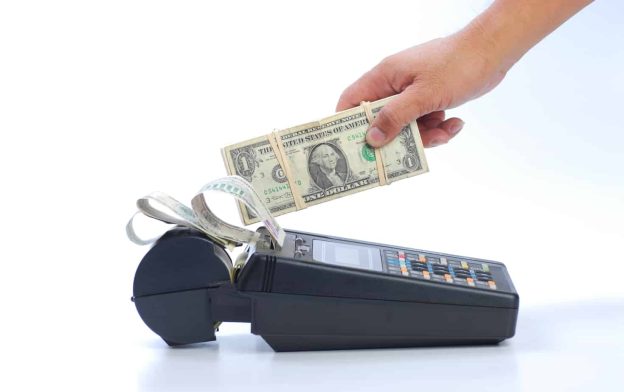
cash on credit card machine 16156434

Understanding How Cash Discount Merchant Services Work [2023 Update]

A cash discount program can be useful if you’re aiming to accept credit card payments, but you want to avoid the fees associated with the effort. Cash discount merchant services can provide this by passing the cost of acceptance or processing fees on to the customers. The customers will pay extra for something to cover the cost you’d normally spend on processing fees.

You could spend about 3 to 5 percent in fees for each credit card transaction you complete. Cash discount merchant services will add that percentage to the customer’s transaction, meaning the customer will pay that extra to offset the charge for accessing and maintaining a credit card network.

How Does This Work?

A cash discount merchant works with a general standard for how you’ll charge your customers. You can encourage people to pay for their items with cash. They will save on their cash purchases because they won’t be subject to a surcharge through a credit card transaction.

For example, a customer might receive a 4 percent surcharge on one’s order when using a credit card. A $30 purchase would become $31.20. The customer pays the extra $1.20 for the privilege of using a credit card. The $1.20 will offset whatever processing charges and interchange fees you’d spend on a card transaction. But if the customer chose to pay with cash, that person would pay $30 for the order.

Will the Customer Appreciate This?

You will let the customer know before completing a transaction about the cash discount offer. The customer won’t be surprised when getting a bill that it costs extra to utilize a card.

The process works best if your business focuses on small-value transactions. A cash discount would be welcome for cases where you handle $50 or less in most transactions. But for high-ticket sales, this effort could be excessive. 

Is This a Legal Solution?

Cash discount merchant services are legal, as you can partner with a service provider to produce a promotion where someone can spend less money on straightforward cash orders. The cash discount effort is different from a credit card fee, which is illegal in some states.

How Is This Different From a Surcharge?

Cash discount merchant services don’t entail surprise charges. With a cash discount program, you are letting your customers know beforehand that they can get a good deal on something of value.

Customers will be more likely to accept a discount deal than a surcharge. The point is especially true for businesses that accept tips. Customers might not be willing to provide tips if they notice there are surcharges added to their transactions.  Therefore, you would have to offer something friendlier like a cash discount to make this point more marketable or easier for people to support.

You can benefit from providing cash discount merchant services for your transaction needs. The system is direct and lets customers know what they are getting out of their orders. You’ll also ensure you can cover the costs for accepting card payments.

Frequently Asked Questions

businessman placing a wooden cube with check percent or percentage symbol on top of tiered wooden cubes 218070076

Tiered Pricing Model Guide

Tiered pricing is a method where you will sell items and provide quantity discounts to your customers. While it sounds like volume pricing, it operates differently from that format.

Tiered pricing entails a product or service being priced within a segment or range it supports. The price per unit will drop when each quantity in a tier is sold.

The process also works for services. You can offer multiple tiers of something and charge more for tiers that provide more functions for people to use.

Tiered pricing is popular among manufacturers, wholesalers, and others that sell bulk quantities of different items for sale. Software-as-a-service providers also use this model to help them sell what they are providing to clients.

An Example of How Tiered Pricing Works For Product Sales

Here’s an example of how a tiered pricing platform works when selling products:

  1. You can charge $100 for the first unit of an item you sell and then $90 for the second to fifth units of that item. The price drops to $80 from the sixth unit onward.
  2. A customer wants to buy ten units of that item.
  3. You’ll charge $100 for the first item, $360 total for the next four, and $400 for the remaining five. You’re charging $90 each for the second to fifth items and $80 for the ones after that fifth unit.
  4. The customer will pay $860 for the ten items.

The customer is paying $86 per item for the ten units. Meanwhile, if the customer only needed three items, that person would spend $280 on the entire purchase. It would cost about $93 per unit in this case. The customer is saving money by buying more items at a time.

Get a Greater Profit on Product Sales

You will enjoy a more substantial profit through a tiered pricing platform than if you offered a volume discount. While you could cut the price per item for something when a customer orders more units, you’re risking a substantial drop-off in how much you earn in a transaction. A customer could buy the bare minimum number of items to reach one pricing tier, for instance. Your business won’t receive as much money on a volume discount as if you offered a tiered pricing system.

How Tiered Pricing Works For Services

Tiered pricing is good for more than offering multiple products for sale. You can also use tiered pricing when selling services to people. You could sell monthly or annual access to something like a subscription-based club, an online service, or anything of value. But the features your customers will access will vary over how much they spend each month or year.

For example, a hosting company can offer a package for $20 a month where a customer will get access to a website and a specific amount of disk space or bandwidth. But that person can also pay $40 a month to handle three websites and an unlimited amount of disk space and bandwidth.

The customers will spend more money to get access to more features and services. You can plan your tiered pricing plan surrounding the values you wish to highlight for whatever you provide.

What Makes Tiered Pricing Useful?

Tiered pricing is beneficial for how it is flexible and affordable. Customers can switch between different tiers as necessary, or they can plan their purchases surrounding what tiers work. Businesses can also adjust the values of each tier based on what is profitable and what will help cover their operations.

Tiered pricing also targets more audiences. A business can produce tiers for high-value clients or for those who don’t want to spend as much money on things.

You can also use tiered pricing to upsell things to people. You can promote better deals for buying more items or for subscribing to high-value tiers that offer more things of use.

Planning Your Tiered Pricing the Right Way

You can establish a better tiered pricing platform by using a few steps:

  • Create some differentiation between whatever tiers you offer. The customers should recognize a difference between each tier.
  • Look at the possible customers for each tier. Plan your tiers over what customers are more likely to use them.
  • Provide a sensible pricing alignment plan for each tier you produce. A tier that offers twice the benefits of a lower one if it costs twice as much, for example.
  • Review the profit margins you’ll get for whatever items you will sell through a tiered pricing platform. The reduced prices for each tier should be useful to the customer while still being affordable.
  • Every tier you provide must have a reasonable explanation that highlights everything it has to provide to the customer. The potential buyer should see some benefit with whatever tier one wants.
  • You can create names for each tier, but the names should be reasonable and descriptive. They can include points surrounding what makes a product or service useful, or if the value of something is reasonable enough.

Is This Better Than Volume Pricing?

The potential profits and simplicity of tiered pricing make it an ideal choice versus volume pricing. But it may not always be the right choice. Volume pricing is best if you have a significant amount of product you’re trying to unload soon. It could also work if you need to sell items that are in low demand due to seasonal or economic concerns. Customers might be more interested in these products if they know they can spend less on them.

In other cases, tiered pricing is the way to go. Tiered pricing gives you a greater opportunity to make money from people and to encourage them to spend extra with you. You can plan whatever tiers you want when selling things to people. But be certain whatever tiers you prepare are reasonable enough and that you have a plan for making them work well, especially when running a suitable solution that can attract more people.

veterinary customer paying with the smartphone 144486397

6 Contactless Payment Methods For Your Vet Clinic Checkout [2023 Update]

People are using contactless payment methods more than ever. While the move towards contactless payments had started before the global pandemic, the issue has hastened this shift. People are more willing to complete these payments because they know they are safer to follow. But there’s also the benefit of how easy it is to complete payments through such means.

Veterinary clinics can benefit from many of these contactless payment methods. You can use six different methods to help your vet clinic bring in revenue from your customers. These are convenient solutions to use at your clinic’s checkout station, plus they can support various features.

These payment solutions are vital when you consider the worries your clients might hold. Pet owners often have various concerns surrounding their pets’ health. Asking for payment may be insensitive or harsh at times. A contactless payment solution will be ideal for ensuring the client stays comfortable and that there will still be a way for that person to pay for a pet’s needs.

Customer-Facing Devices

The first contactless payment method to explore entails using a customer-facing device. You can place a terminal on the client’s side of the counter. The terminal will link with a virtual terminal that you control.

Using a customer-facing device will be easier to follow than if someone had to give you a card. The customer will also feel comfortable, as that person will always control one’s card. The card will stay intact, plus the person doesn’t have to give out more details than what one might be comfortable with sending at a time.

You will need to initiate the transfer through a virtual terminal browser. The client will then follow the prompts on the customer-facing device to complete the payment.

Everything will stay in a secure cloud system. The cloud computing system will ensure you can access the data you collect from anywhere. But you’ll need to ensure your setup is fully secure and encrypted while meeting all PCI standards for operation.

NFC

Near-field communication or NFC payments are very popular today. An NFC payment allows a customer to wave a card or another device over a terminal. The device can include a phone, band, or another item that features the customer’s payment data.

The NFC transaction process is contactless and provides a faster way to complete the payment. It also uses heavy-duty encryption that ensures the card’s data will not be lost when transferred.

Some NFC-based solutions like Google Pay and Apple Pay come with two-part verification features. A customer could add a fingerprint or a small code to a transaction to confirm one’s identity. Considering how much money someone might spend at a vet clinic on a pet’s needs, using a payment method that is safe and secure will be essential to review. An NFC transaction allows the customer to complete the payment without risking anything being lost in the general process.

EMV

The EMV chip-based card platform has been used by vet clinics for a while now. But it is becoming increasingly contactless, as card brands that support the EMV platform no longer require signatures for transactions on EMV-based devices.

Your vet clinic doesn’t have to retain payment receipts anymore if you use EMV payments. The process does not require much physical contact. You won’t have to pass a pen or pad to anyone anymore. It is easier to manage the payment, plus your business becomes greener by saving on paper.

You can use your virtual terminal to load up your receipts without having to print anything of value. You can text or email digital receipts to your customers as they request them.

Website Collection

Another choice is to collect customers’ data through your website. People might be more comfortable paying for services online instead of in person.

A customer can review the outstanding balance someone has for services at your clinic. You can provide a login account or other data for the customer to access. The customer can then pay for the services as necessary.

The website can also include complete invoices for people to review. You can upload all billing data online to help people see what they are paying for, reducing the risk of billing errors. The process is ideal for some of the more expensive things you might provide to people.

Phone Collection

Another solution to see involves secure phone payments. You can establish a phone payment system through a cloud-based virtual terminal. The terminal will be accessible by phone app and can connect the payment info people provide to your records.

The customer will provide one’s payment data through a phone app or a mobile version of your website. The customer can also provide a fingerprint or other secondary verification signal for one’s security.

The virtual terminal can collect the customer’s data to ensure you know who makes legitimate payments for a pet’s needs. You can contact the customer if you notice any discrepancies surrounding the transaction you’re planning.

Upfront Collection

The last of the contact-free payment options for your vet clinic involves collecting a client’s card and other data before providing services for their pets. You can ensure the customer’s data is on hand by collecting it once. The customer can submit new payment data as necessary or if the person wants to use a different payment method for the transaction.

By collecting the data, you can charge people based on the services they utilize. You can then send digital copies of their receipts. The effort reduces the stress associated with paying for things. The point is especially critical for more emotional needs, including surgeries and end-of-life practices surrounding one’s pets.

These six solutions for your vet clinic are worthwhile solutions worth trying. Be sure when planning your efforts that you know what you’re getting out of a system. You will have an easier time managing your clinic when you see what works for your general needs.

credit card payment app attached to mobile phone 67534402

Today’s Top Credit Card Machines Are Wireless

You can collect credit card payments from anywhere with a wireless card machine. Wireless models are among the top credit card machines you can utilize today. These connect online and help you manage payments from anywhere.

How Does This Work?

A wireless credit card machine uses the same standards for processing a payment as any of the other top credit card machines out there can handle. The machine sends a payment to a processor for authorization, who then sends that request to a card association and then an issuing bank. The device also lets you know if you can approve or decline a transaction.

Since the machine is wireless, it does not require a direct link to an online network or phone line. It will utilize a unique connection system that fits your needs.

What Is the Design?

Most wireless credit card machines are mobile devices. These include tablet or smartphone-shaped items with small screens that let you review payment data. These should also include ports to help you physically read cards. Some models can also support contactless payments.

Traditional POS solutions can also include wireless systems. These include setups that can link to a local Wi-Fi network. Wireless computing items are convenient for how you can start them up in moments and not worry about complicated wires and other things getting in the way.

Some wireless machines come with physical keypads. These allow customers to enter PINs or custom tip amounts. You can also enter in charge data through some setups. The programming in your device will link to many applications to give you further control over your work.

Connection Options

A wireless card machine will use one of many methods for getting online. It can use a wireless cellular signal to reach a phone number. 3G and 4G card machines are common, but some of the top credit card machines today can support 5G signals currently under development.

Other devices can use Wi-Fi connections to get online. You will require access to a suitable Wi-Fi signal to manage transactions, but such signals are ubiquitous enough to where you shouldn’t struggle to find anything of use.

What If You Can’t Get Online?

There might be cases where you cannot get online for any reason. There might be a power outage, or you might be in a rural area where online or cellular signals are hard to reach.

The top credit card machines can save payment data and process those payments when you reach a signal once again. The process ensures you are paid for all your transactions. But you must also ensure whatever payments you collect are legitimate and that the risk of them being declined for any reason will be minimal.

Check To See What Works For You

You can find many of the top wireless credit card machines through your merchant services provider. These machines are effective enough to handle many payments, plus it won’t take long for you to process your transactions from anywhere you go.

build trust with first-time customers

How Online Merchants Build Trust With First-Time Customers

Every business needs to build trust with its customers if they want to have lifelong clients. Customers who aren’t happy with the businesses they support will not trust them all that much. Those who do have trust in these businesses will keep returning to them and will be more likely to spend extra money on services with them. 

The increased assortment of retailers out there has made the need to build trust all the more essential. A customer can choose from many other options if one isn’t happy. The online retail world has especially grown during the global pandemic, as many people choose to shop online instead of through in-person sites.

Trust is especially critical for work, as most customers use trust as their main motivator when choosing who they will shop with and support the most. People want to be assured that they are getting the best possible experiences from businesses and that their payment data will stay safe without potentially being lost.

Online merchants need to recognize what they can do to build trust with first-time customers. Businesses can utilize a few points to grow their business efforts.

Simple Checkout

Customers are likely to trust businesses when they can check out well. Customers don’t want to deal with excess steps when completing their orders. They want checkout experiences that are sensible and easy to follow.

A successful checkout can entail many things:

  • The customer can utilize multiple payment methods, including credit cards or online transfer services.
  • All data will remain secure and protected.
  • People can check and confirm their purchase data to ensure they are buying what they want. The effort reduces the risk of purchase and shipping errors.
  • The checkout section can also include a space where people can enter in codes or other bits of data to get discounts.

Everything in the checkout section should be easy to figure out. Customers will feel more comfortable buying from a website when they see they can check out of a spot in moments.

A Quality Layout

Online merchants also need to ensure their websites are laid out well to where people can easily use them. A good layout can include many features:

  • A website can be easy to load. It should start working in a few seconds.
  • The website isn’t overly complex or convoluted. A website should have clear labels and directions for people to follow. Anything that lets the customer find what one wants in the least amount of time is worthwhile.
  • A page can also work well on mobile devices. People are shopping on mobile devices more than ever before. A page that is easy to read on a smaller screen is a necessity.
  • The images, videos, and other features on the website should come up in moments. The website should not require any plug-ins or other inconvenient items that might be tough to load.

Preventing Errors

Customers will lose trust in businesses when they commit errors. These include issues like shipping the wrong items, charging more for something, or getting things out late. Businesses must plan their work efforts to reduce bottlenecks and remove excess steps to ensure every action stays accurate and functional. The work should be about keeping people comfortable.

Businesses can review their business activities surrounding how they gather data and how they manage shipments. They can also check how each department communicates with one another, ensuring all payments and transactions can safely move forward without risking more losses than what is necessary.

Security Is Critical

Online retail will always have security risks, especially since people send their financial and personal data over a network while shopping. But online retailers can ensure every transaction remains safe and protected by reviewing their practices.

The website PYMNTS.com reports that data security is a critical deciding factor among people of all income levels. First-time customers are especially concerned with security, although older customers who might not be as online-savvy may also worry about what they find while online.

Online businesses can use a few points to help them keep their businesses safe and protected:

  • Proper firewalls are necessary for ensuring legitimate data can come through a network. Firewalls prevent unauthorized parties from trying to enter a website and steal data.
  • Encryption ensures that people can keep their payment data protected from outside parties. Bank-grade encryption and tokenization are especially critical for safety.
  • Online retailers can meet PCI DSS standards for storing card data. The efforts can include keeping card number databases protected while avoiding storage of certain details. All info can also be made available on a need-to-know basis.
  • A website must also be fully functional with no dead ends or broken links. A website that has exposed vulnerabilities is more likely to be hacked.

Proper security ensures customer data will stay safe. The work can be critical for ensuring there are no worries about what a business offers.

Communication Is Critical

Trust is also easier to attain when customers can communicate with a website. There are a few things an online retailer can do to help people interact with a website well:

  • A website can include active social media connections. A website can provide reports on what it offers and updates on different business events through Twitter, Instagram, and even LinkedIn.
  • The retailer’s customer service department should be accessible at all times. Chatbots are popular, although a toll-free hotline that works during certain hours may also be preferable.
  • A help section can also work on a website. A help section can include articles and posts that answer some of the more common questions people might have when doing things online.

Trust will be critical for the success of any online retailer. Trust has become essential, as customers aren’t willing to support businesses if they feel they cannot trust what they have to offer. Proper work is necessary for ensuring a business can move forward and become successful while bringing in more customers.

conceptual business illustration with the words electronic benefit transfer 111905607

How Can You Qualify For EBT Merchant Services?

Electronic Benefit Transfer or EBT merchant services will let you collect payments from people who have EBT accounts. You can help people who qualify for EBT benefits get access to the foods they need. You won’t spend anywhere near as much in processing EBT payments, as they are government-supported transactions. Your business will also become more popular, as customers who have EBT benefits can recommend your business to others.

You can only utilize EBT merchant services if your business qualifies to serve EBT customers. Your business must apply to be a part of the Supplemental Nutrition Assistance Program or SNAP before you can accept EBT payments.

What Stores Are Eligible?

Only eligible stores can use EBT merchant services. You must meet one of two standards established by the United States Food and Nutrition Service:

  1. You must have a substantial inventory of staple foods.

You will need three stocking units of three staple foods in each of the SNAP program’s four staple food categories. These four staple food categories are:

  • Fruits and vegetables
  • Breads and cereals
  • Meat, fish, and poultry
  • Dairy products

You must also have three stocking units of one perishable staple food item in at least two of these categories.

Your business requires 36 staple food stocking units here. A stocking unit is a measure of how many items you have in your inventory. Your business needs to provide enough food here, although the specific amounts you’ll require will vary by food.

  1. You could also derive at least 50 percent of your gross retail sales from sales of foods in the four staple food categories.

You can take your gross retail sales and remove non-food sales, prepared or heated food sales, and accessory food sales to see how much you are selling in staple foods.

Qualify For EBT Merchant Services: Provide the Necessary Info

Qualify For EBT Merchant Services: Provide the Necessary Info

You must also include the proper info on your business to qualify for EBT sales and EBT merchant services. You’ll need these points in your application:

  • Details on all the owners and partners in your business; tax numbers and other identifying features may be necessary
  • The estimated sales totals for each category of items you sell
  • Details on what you sell, including how you support the staple food categories
  • Banking info on where your SNAP deposits will go; these are the funds you will utilize to cover SNAP transactions at your business
  • Details on the EBT merchant services team that will provide you with the necessary equipment for processing EBT payments

The timeframe for when you will be approved will vary surrounding the backlog the government has for applications. It could take weeks or even months to get a response, but you can always check the application of your status online if necessary.

EBT merchant services will be there to help you collect EBT payments from eligible customers. You’ll help everyone with their needs, but you must also ensure you qualify for everything before you start accepting these payments from your business customers.

How Does EBT Work?

How Does EBT Work?

Electronic Benefit Transfer (EBT) is a system that enables individuals and families to receive government assistance benefits in an secure manner, without the need for paper checks or vouchers.

So how does EBT work? It begins by providing recipients with an EBT card to a debit or credit card. These cards are loaded with the benefits they qualify for, such as SNAP (Supplemental Nutrition Assistance Program) WIC (Women, Infants, and Children), or TANF (Temporary Assistance for Needy Families).

When making purchases at retailers recipients simply swipe their EBT cards through a point-of-sale machine. The purchase amount is then deducted from the balance on their card.

EBT transactions are processed instantly using networks. Recipients can also check their account balances online or by calling a toll number provided by the issuing agency.

It’s important to understand that EBT can only be used to buy approved items within categories. For instance, SNAP benefits cover food items, like bread, milk, fruits, and vegetables. Cannot be utilized for alcohol or tobacco products.

EBT has made the distribution of benefits and has helped to maintain the dignity of those who require government assistance by providing them with access, to necessary goods, without any social stigma.

Future of EBT and Potential Advancements

Future of EBT and Potential Advancements

As technology continues to progress so does the potential, for advancements in Electronic Benefit Transfer (EBT) systems. The future of EBT looks promising with possibilities on the horizon.

One area that shows promise is the integration of applications with EBT systems. This would allow users to conveniently access their benefits through their smartphones eliminating the need for cards or paper vouchers. With more and more people relying on smartphones for tasks this advancement could greatly enhance accessibility and convenience for individuals receiving benefits.

Another exciting advancement is the inclusion of biometric authentication methods in EBT systems. This involves using fingerprint or iris scanning technology to verify a user’s identity during transactions. Not only would this improve security by reducing fraud and unauthorized use but it would also simplify the process by eliminating the need for PIN numbers or passwords.

Moreover, ongoing research is exploring how blockchain technology can be utilized within EBT systems. Blockchain has garnered attention due to its transparent nature making it an excellent candidate for enhancing transactions like benefit transfers. By leveraging technology EBT systems could further enhance security measures. Streamline auditing processes.

Additionally, artificial intelligence (AI) holds potential, in advancing EBT systems.
AI algorithms have the capability to examine patterns, in data and provide predictions based on an individual’s needs and spending habits. This enables benefit programs to customize assistance programs effectively addressing requirements, with efficiency.

When envisioning the future of Electronic Benefit Transfer (EBT) we can anticipate advancements that offer immense potential. These developments encompass applications, biometric authentication methods integrating technology, and utilizing AI. Not do these advancements promise to enhance accessibility. They also aim to bolster security measures concerning benefit transfers.

Frequently Asked Questions About EBT

guest takes room key card at check in desk of hotel close up 71533469

How to Handle Check-In and Checkout Processes Through Merchant Services For Hotels

Merchant services for hotels work a little differently from what you’d find in other industries. Instead of processing sales or issuing refunds, you will check in and checkout your customers. The process sounds simple, but you could potentially deal with chargebacks if you aren’t careful in your work. 

You must provide the proper dates for checking your customers in and out of a hotel when handling their credit cards. The customer’s issuing bank must receive the data necessary for ensuring an authorization for using the card. The effort ensures the customer’s protection while also keeping you covered if the customer has a later dispute.

The Consideration of Extended Authorizations

Hotels can utilize extended authorizations when collecting credit card payments. Your hotel can collect a guest’s credit card data and keep it on file. Your hotel can then authorize the card when the customer arrives. The customer will not be fully charged, as the authorization will stay on the card until your hotel finishes the sale.

The entire sale will not be fully authorized until the customer’s stay ends. It could take a few days, or it could take a couple of weeks. The extended authorization process can be risky, but you can keep it under control by running proper check-in and checkout processes.

You can use a new system to reduce the risk of chargebacks due to a card being open longer than necessary. The setup lets you list the specific time you’ll be keeping a person’s reservation open. You can charge the customer for whatever one uses at your hotel, plus you won’t risk a chargeback from billing someone for more than necessary.

Steps For Handling the Transactions

You can use these steps to manage the check-in and checkout processes when managing a sale at your hotel:

  1. You can check your guest in through a point of sale terminal you use through a merchant service provider. You’ll enter the card data and the amount you plan on charging the customer.
  2. Enter the room number the guest will use. You can produce a temporary key that works for whatever room the guest will utilize.
  3. List the number of nights that the person plans on staying in that room.
  4. You should get an invoice number for your guest’s stay. You can use this to manage the checkout effort later.
  5. The checkout process will start after the guest’s stay ends. It can start after the proper number of nights, or it can begin early if the guest has to leave on short notice. You’ll enter the guest’s invoice number here.
  6. Enter the final amount you will be charging. The total should reflect the daily room rate.
  7. Enter the tax rate you will charge. The tax rate will vary by location.
  8. Confirm the checkout time.
  9. The transaction will close, as the guest will have fully completed one’s stay at your hotel.

You can manage this process for merchant services for hotels to ensure you’re managing card transactions well. The effort should be about preventing chargebacks by listing the stay data for each guest.