Author Archives: hostmerchantservices

light blue and yellow color shopping paper bag on colorfull background 152247970

Shopify vs. Etsy: Which Is Better In 2021?

The Internet has exploded since the days of its conception. Before, computers took up an entire room and had to be run with thousands of buttons and dials. Then, we got a dial-up Internet making strange screeching noises through the phone, and then we got discs. Now navigating the internet has become a lot easier, too. The Internet now offers millions of services, including information, educational resources, tests, quizzes, and ecommerce. The days of camping out outside of stores have long since passed. Now anything you want is just one click away!

Navigating has become a lot easier, too. The Internet now offers millions of services, including information, educational resources, tests, quizzes, and shopping. The days of camping out outside of stores have long since passed. Now anything you want is just one click away!

And not only has it never been easier to buy something, but it’s also never been easier to start a business! Nowadays, anyone can create an account for free and start selling their products, no matter how niche they are!

However, if you’re an online seller, you may be overwhelmed by the number of choices you have at your disposal. Most people have narrowed it down to two main platforms: Shopify or Etsy. But how can you decide which one is best for you? 

That’s precisely what we’re going to figure out on this edition of : Shopify vs. Etsy. 

Overview

Before we get into the actual fight, let’s look at our fighters. In one corner, we have a tech giant that has been on the Internet for about as long as Queen Elizabeth II has been alive, Etsy. Etsy is the online equivale; Ent of a flea market: you can sell just about anything, at any price, and people can even get into bidding wars over your products! 

However, the bad part about Etsy is that it’s hard to develop your brand image there. Because Etsy currently doesn’t offer any ways to make your market store stand out, it can be easy to get lost in the sea of painted spoons. Still, millions of people use Etsy every day, and it is widely successful and reliable. 

And in the other corner, we have Shopify, the young buck who’s threatening to take down Etsy! Shopify has a significant advantage in that it is highly customizable. Platforms can easily use it to create their online stores and build a group of reliable customers to keep them afloat during hard times. 

Let the fight begin!

Anyways, now that you have some background on each of our fighters let’s look at their stats. Let’s see who comes out on top in each category!

Round 1: Ease Of Use

This is a hard one to measure up since both platforms are relatively easy to use. The user interface is intuitive, so it doesn’t take a rocket scientist to buy or sell products on each platform. 

However, Shopify has an advantage in the sense that everything on their website is built in. Because it’s so easy to attract customers, all you have to do is create an attractive website and market it throughout all social media platforms. 

Etsy, on the other hand, takes an entirely different approach to online sales. Instead of redesigning your website in the way that you would your physical shop or boutique, you set up a business in an already existing marketplace, sort of like hitching up a tent at a local flea market. 

This means that setting up when you are brand new is easy. But, sticking out and getting customer retention is hard because everyone is competing in the same marketplace with no options to differentiate themselves and stand out. 

Round 2: Domains And URL

Believe it or not, this is an essential part of growing your online business. Your URL is like your store’s address. It’s how people can find you in the ocean of other internet sites and know who you are and where to buy your products. 

Shopify has this covered by allowing buyers to buy their ion domain name so that they can make it something easy to search. Etsy, however, doesn’t allow for this type of customization, so you run the risk of customers having to paste a very long list each time or having to scroll past hundreds of results before they even get to you. 

Round 3: eCommerce Features

Now, this is the thing every online entrepreneur wants to know about: how easy is it to sell on either one of these platforms? Well, Shopify makes it extremely easy to run a business on their platform by giving you tons of valuable tools. For example, creating unique product pages, figuring out check out experiences that can’t be found anywhere else online, and offering a wide range of payment options so that no customer is left out!

On the other hand, Etsy doesn’t offer as many attractive features for sellers, but it does have its own set of assets. It offers entrepreneurs an effortless way to get started since they give access to an existing audience. 

Because pretty much everyone uses Etsy, your store can benefit from that traction as well. Other significant advantages to online sellers include shipping labels, discount codes, and vouchers, which are great for maintaining customer retention, advertising opportunities, email alerts sent directly to customers when products are back in stock, etc. 

The Bottom Line

So, who won the fight? Well, it’s really up to the owner of the online business. Some businesses prefer making their shops as customizable as possible to get traction, and others would prefer to lean into Etsy’s already existing popularity to gain customers. 

Some buyers may prefer Shopify’s web design and various payment options, and others may go for Etsy’s shipping labels and the possibility to make discount codes for customers. All in all, the true winner is always decided by you, the business owner. So, try out these two options and see which one is best for you!

social selling concept drawn by a man 115748588

A Complete Guide To Social Selling

These days, everyone is selling online, from teenagers with toilet paper earrings to grandmas who crochet and want to make extra money to spend at the casino to giant corporations selling CBD gummies

But with so many people selling all kinds of things, how are you supposed to remain competitive? After all, with how vast the internet is, no matter how niche you may think your products or services are, there’s a high chance someone else is doing it better and more effectively than you. So, what can you do to stand out? Here is where social selling comes in. 

If you have no idea what that means and want to learn more, you’ve come to the right place. Keep reading to learn everything about social selling and how you can implement it to boost your online business!

What Is Social Selling?

This is a great place to start. In a nutshell, social selling is boosting your brand through social media platforms and using these to build a relationship with your customers so that they keep coming back to your online store. You can do this in many ways; for example, you can set up a profile for your brand and offer your customers a place to ask questions and get insight and exclusive deals!

If you’re the skeptic type, you may be thinking this is a waste of time, but the numbers back it up. Studies show that 90% of buyers are more likely to engage with an industry leader or vendor to offer industry insights. 

Social selling is also a much better alternative to cold calling. Do you know when you get phone calls in the middle of the afternoon from some random guy trying to sell you toner? Yeah, that’s cold calling, and it’s just not adequate, simply because people hate getting calls from strangers trying to get them to buy random things they don’t need. 

Social media, however, changes the game entirely. Social media gives the illusion of authenticity. Customers feel closer to you and your brand if you have an Instagram account that they can follow. This way, they can watch your Instagram stories with videos of you packing up products carefully and smiling all around, rather than getting a ring in the middle of the afternoon that they’re probably not even going to answer. 

Gen Z kids don’t know what a landline is, and they’re not going to interact with one anytime soon, so you might as well meet them where they’re at. 

Why is Social Selling Important? 

If you’re a member of the older generations, then chances are you’re not comfortable with social media, and you don’t know how to use it, nor are you excited to learn. Learning how to use social media can feel like trying to get acquainted with a city you’ve never been in. 

You don’t understand the road signs because they’re in a different language, you don’t know where people are coming from or where they’re going, and you always somehow find yourself at a dead end. 

However, social selling is very much worth the painstaking task of learning how to manage a social media account. For one, social selling is one of the only ways to keep you competitive in the vast online marketplace. 

Studies show that up to 78% of businesses use social selling to outsell their competitors. So, if you don’t want to get left behind eating dust, then you’re going to have to look up that YouTube tutorial on how to film stories on Instagram and get acquainted with it fast. 

Let’s say that you’re a member of the younger generations, and you already have a social media account, but it’s not growing as fast as you want it to. This can be frustrating, but the truth is that nothing worth having comes easy. That’s why social selling is a slow-burning strategy that takes a while but ultimately pays off well because you’ll have grown a large audience that can boost you up, even during hard times. 

Social Selling Tips and Tricks

Alright, now that you know what social selling is and why it’s such an essential step to growing your online business, it’s about time we showed you some tips and tricks of the trade so that you can stay on top of your game.

Anyway, here are some of the most important strategies for online selling so you can crush your competitors and remain on top!

  • Understand How Social Selling Works Across Various Platforms

While social media may at times blend into one big blur, the truth is that not all platforms are built the same or used by people for the same purposes. Let’s take you through some of them so that you can get the gist:

  • LinkedIn

This platform is best suited for people selling informational content like courses and programs since this platform is most used by business people trying to network. On LinkedIn, everyone is trying to find the quickest way up the ladder, and if you put your course on there, chances are people will be interested and sign up!

  • Instagram

This platform is perfect for brands that want a youthful clientele and sell things that are very visually appealing like clothes, jewelry, stationery, etc. This platform relies heavily on visual appeal, so your account needs to be full of things that pop!

  • Become a Thought Leader

A great way to grow your brand is attaching it to a charismatic person who can sell it well. Nowadays, people don’t just want to buy products; they want to be a part of something. And by turning your brand into a think tank, you’ll be able to do just that!

  • Connect with prospects

Another great advantage of social media is how quickly and directly it connects people. Customers can leave a comment on one of your posts, and you’ll see it a few seconds later, almost like it’s a message to you. Be sure to engage with your comment section and answer people’s questions; that way, you can build trust with your customers and get them to keep coming back!

Conclusion

Social Media it’s an essential aspect when we talk about digital marketing. So, building a solid strategy around social media, it’s the best you can do to make your business grow faster!

attraction, conversion, retention business concept

6 Customer Retention Strategies That Can Boost Sales For eCommerce

eCommerce is a bustling industry full of bright, wonderful people who sell all kinds of exciting products that can’t be sold in traditional physical stores. This can make the world of eCommerce fun and exciting, but it can also make it highly competitive. You’re up against millions of other sellers with tons of advantages over you, such as more experiences and more money to invest in website design, packaging, and faster deliveries. 

So, how are you supposed to remain competitive? Well, one way to do that is to look at ways to retain customers. This means getting new customers and finding strategies to get them to come back to your online store again and again so that you can increase your revenue by up to 30%. 

So what are these strategies, and how can you implement them? We’re going to talk about that on this list of 6 customer retention strategies that can boost your sales and make you a top seller in a blink of an eye!

  1. Upsell and Cross-sell

Upsell and Cross-sell are probably the easiest strategies to implement. They’re easy to understand, and you can start applying them right now. These strategies are also some of the most effective since they’ve been shown to increase revenue.

Alright, let’s explain them one at a time. Upselling is simply charging a little extra for a product you’re already offering. Cross-selling is when you get your customers to buy more products than they intended to purchase when entering your online store. 

You can implement these strategies right now by offering special deals and discounts to new customers. Add pop-ups to your website that give rewards to new customers and show more products on a scroll at the bottom, so customers who come in to buy one item can see others they may also be interested in purchasing.

These are the easiest strategies to implement since they only require a few tweaks in pricing and some additions to your website.

  1. Personalization

Every savvy eCommerce salesperson knows that personalization is what turns people into online businesses in the first place. Stores online can offer something that physical stores simply can’t, allowing customers to get special offers, recommended products, and deals as soon as they enter your store.

Having consistent language on your website is the best way to implement this. Pop-ups, scrolls showing limited edition items, and related products can genuinely boost your sales by keeping your customers on the site for longer and getting them to look at other products. Showcasing customer reviews is also a good strategy since it plays into the human bias that if other people liked it, they’ll probably like the product. 

  1. Segmented Loyalty Program

Customer loyalty programs are another fantastic way to grow your business by forming a base of loyal customers that keep coming back and that you can rely on when things get tricky. There are many different types of loyalty programs out there. Some of these include:

  • Point-based programs: these are implemented in physical stores as well, and they’re pretty simple. Every time a customer buys something at your store, they get a certain number of points, and they can later cash in those points for special offers, deals, and novelty products like t-shirts and tote bags! It’s simple, it’s easy to use, and it works. 
  • Spending-based programs: this one is very self-explanatory. If customers spend a certain amount of money at your store, they can get special deals like free shipping or a free gift!
  • Tier-based programs: these are a little harder to implement but just as fun to make! You have different tiers that customers can reach, and each tier comes with certain rewards. The higher they go up (meaning, the more they spend,) the better rewards they can get, which is a win-win for everyone.
  1. Recurring Subscriptions

Do you know why Netflix is so popular? Because it feels like you’re paying close to nothing for thousands of movies and TV shows. By charging your customers a small monthly fee in exchange for special deals and offers, you too are offering your customers the opportunity to spend very little, support your business and get the things they want! 

You can quickly implement this by adding a pop-up on your website that encourages people to subscribe for a small monthly fee in exchange for tons of exclusive deals and new products. 

  1. Customer service

Excellent customer service is the key to making your online business pop. By having an interactive chat available on the website that immediately puts people in contact with one of your sales reps, you can help them by answering any questions they may have (therefore ensuring that they buy from your website). 

This way, you can also offer them discounts and extraordinary deals! This is how you can also get five-star reviews pretty much anywhere. People value excellent customer service, and the better it is, the more they’ll want to tell their family and friends about it, giving you free promotion as well as more customers.

  1. Email Marketing

If you haven’t heard about this before, you need to catch up immediately because email marketing is the future of online sales and sales in general. The problem with eCommerce is that since there are so many online stores, it’s easy for customers to go into one, buy one item and then forget it exists. There are so many choices out there. Customers don’t feel tied to anything unless you give them the incentive to stay with you!

This is where email marketing comes in. By sending new customers emails every month reminding them of special deals, discounts, and offers, you can keep them on your website for quite a while.

By following all these strategies, you’ll be able to boost your eCommerce and become a reference out there!

conversion rate on paper 158680566

Is Your Ecommerce Conversion Rate Good Enough?

It is true to say that people are in business to make money, no doubt. And some are in business to make more money apart from their jobs. However, it is not easy to sell if your site is not attractive enough. 

You might be tired of paying for ads to attract people to your store and watching them leave without buying anything. Yes, that can be very frustrating. 

Many people ask themselves whether their conversion rate is optimal or simply good enough. Well, many factors will determine that question, for example, the product or category. It is not the same to sell cars as to sell clothes. To be clear, the conversion rate is given by the seller’s sales transactions divided by the number of people who viewed the item. 

To know that, you first need to know what your conversion rate is, and you need to know the averages to compare those numbers to yours. 

Average Rates

As stated above, you need to know the average rates compared to yours, and this way, be better informed. The average conversion rate from 2015 till 2020 for E-Commerce is about 2.63%. That means that around 2.63% of the people who view the product buy it. You might think this number is minimal, but in reality, it is quite a lot. However, as we will examine later, many factors will impact those numbers.  

What is a reasonable conversion rate for your business? 

There are a couple of things to look at. First, if your rate is improving, then it is a good one. However, all businesses are compared to their nearest competitor. While that is very important, you need to know something: the most crucial competitor to you, it’s you! 

However, we will go through all the significant factors to understand your averages better, so you can analyze and see where these are standing.

First, a significant factor is the industry. It is not the same conversion rate when a child goes into a store to buy candy compared to when an adult goes into a website to buy a watch. For you to know, the average conversion for arts and crafts is at 4%, while the baby and child industry is at 0.7%, the lowest for all industries. Here are some of the industries you might be interested in: 

  • Electrical Equipment—2.7%
  • Pet care—2.5%
  • Cars & motorcycling—1.4%

Another factor you should take into consideration is the product type. This could determine your conversion rate significantly. So, if you think that you have low conversion rates, you might just be trying to sell a low-converting product. 

Moreover, a factor that will significantly change your conversion rates is the country you are trying to sell in. For obvious reasons, it is not the same to sell a smartphone in Germany as in Thailand. Especially when it comes to E-commerce, there are populations more used to others, and there are populations that tend to buy more online instead of in an actual store. 

Take this case: Germany has the highest conversion rates, averaging 2.2%, while Italy has the lowest average conversion rate of 1%. So, if you want to know if your conversion rates are reasonable, take a look at where your customer base is coming from. Having a 1.5% in Italy is good but having the same rate in Germany is not.  

There is one factor that might be the most impactful in the data, and that is the traffic source. Traffic source refers to where your customer comes from. There are two sources: warm and cold. Warm sources refer to referrals or emails, and their conversion rates are way higher than cold sources, which refer to sources like paid advertising or social media. 

Email and referral convert at 5.2% and 5.4%. The higher rates are mainly because traffic has already heard about you before going into your web page. Cold source traffic converts at 1.4%, which is not as bad as you think since it is pretty close to the overall E-Commerce average. 

Also, it is not the same as which device is used when navigating through a webpage. Usually, web pages are better designed for laptops or computers, so people trust computers better than phones. It is not always the case, but it varies the conversion rates. The conversion rate for smartphones is 1.8%, while desktops’ rate is 3.9% on average. 

You must know this; all these factors will influence your rates, so be sure to know all you need to know before saying that your rates are either good or bad.  

Constant Progress 

It is vital to understand that conversion rates will not grow or decrease significantly overnight unless something catastrophic happens, which is not usually the case. Typically, the case is that you have to work hard to see some results constantly. You can do more with what you have, which is good; you always have room for improvement. 

Conclusion

To sum up, the conversion rates will never be as reasonable as they can be, but you might as well try it. As I’ve said before, anyone in the business world is there to make money, and since you are interested in making it, conversion rates should be a significant concern. People who think that their conversion rates are optimal are wrong. They can always do better. So, if you feel like yours are good enough, there is probably something you can do to make those numbers rise. Considering all the factors and planning a good strategy can result in more revenue without spending much money on advertising.

businessman shopping online 40190793

How to Continuously Innovate your eCommerce Checkout Process

More and more businesses have pivoted from brick-and-mortar operations to an online presence. The prohibitive costs of physical outlets in urban centers coupled with the growing success of online platforms such as Shopify, Facebook, and Instagram, among many more, have fueled the shift. The technology and payment platforms have also facilitated businesses to transact efficiently, making eCommerce and mobile commerce the commerce of choice among consumers.

As a result of these changes, major eCommerce businesses have invested in augmented reality and other technologies to recreate virtual rooms to “try on” their products to gauge fit and appearance. However, imagine ten people walking into a retail outlet and filling up their carts with items throughout the store, and then eight just decide to leave without making a purchase. They abandon their carts right there and walk out. That is the current state of the eCommerce business.

Businesses can continue to innovate in the current environment by focusing on areas of friction, such as the eCommerce checkout. There may be many drivers for the current predicament, but the checkout process is one worth examining. Below, we look at some reasons to continuously innovate the eCommerce checkout process to help nudge consumers past the finish line.

What is the checkout page?

The checkout page on an eCommerce site is the last step of a consumer’s online journey map. Consumers land on this page after selecting one or more items they’d like to purchase after navigating the eCommerce site. At the checkout page, the visitor would submit their order, enter the billing and shipping information, along with their payment method and details.

The state of the current eCommerce checkout process

According to market research by Baymard Institute, nearly 70% of online shopping carts are abandoned. These are for consumers shopping on their desktops. The abandonment rate is over 80% on mobile devices. These rates are a testament to the fact that the eCommerce checkout process requires continuous innovation.

There are several reasons that consumers abandon a purchase at the checkout stage. Some of these include:

Unforeseen charges – additional fees are a significant reason consumers abandon a purchase as they can start to question the value of the item being purchased in light of higher cost. When the likes of Amazon offers 2-day shipping, even same-day shipping in specific markets, consumers may be dissuaded by a particular site still charging for it.

Burdensome process – maybe the eCommerce site requires you to set up a new account or log in to an existing one. Perhaps the overall checkout process has too many details required adding to the friction of completing a purchase. Maybe the site is just too slow. These points create a strain for the consumer and work against the business, leading to lost customers and sales.

Payment options – More and more consumers are shifting spending from cash to non cash methods such as debit and credit cards or even mobile wallets. Is your business equipment able to process payments for all the major non-cash payment options currently preferred by consumers?

Why do you need to innovate continuously?

Businesses need to tweak the user interface and experience for optimal results continuously. They also need to understand the exact drivers behind consumer behavior on their site to leverage that to convert a more significant number of visitors into paying customers.

A/B testing is an excellent way to learn where the friction is the greatest. Maybe customers don’t mind setting up a user account as much as they pay for shipping costs. Businesses may be offering too much incentive to nudge clients to set up an account; 10% may have sufficed instead of 15%.

All are a great way and reason to continuously test and innovate scenarios to learn from them and utilize the results to grow the business optimally.

Some areas to continuously innovate your checkout process.

Don’t require users to log in – yes, your business would have a treasure trove of data on visitors if they set up an account. However, getting them to make a purchase is the goal. Once you have contact, shipping, and payment details after completed purchase, you can continue to monitor visitors, build a profile of them, and offer incentives to create an account.

Don’t charge for shipping – This is difficult to stomach for small businesses, especially with shipping logistics stressed, and prices increase for transportation of goods. However, many prominent companies have spoiled consumer expectations in offering specific shipping for free. You may want to default to next-day shipping at a cost, which the customer can change to 2-days for the free version or vice versa. Offering alternatives still offers the free-of-cost option and the control to pay more to get the product faster.

Accept the right payment types: Payments and Fintech is a fast-growing and thriving industry. Currently, the most valuable venture-backed company is Fintech. There’s a tremendous amount of innovation in Fintech, with mobile wallets and a host of other payment options quickly experiencing mass-market adoption. If customers prefer to transact via specific payment methods, ensure that your business can accept it.

There have been many iterations in the ways consumers shop to the benefit of online eCommerce businesses. However, there are challenges for eCommerce businesses in monetizing consumer interest, and web traffic as nearly three-quarters of online shopping carts are abandoned. There is a tremendous opportunity to capitalize on this friction and continuously innovate the e-commerce checkout to improve the customer journey and convert more visitors into customers.

Frequently Asked Questions

text sign showing loyalty program conceptual photo marketing effort that provide incentives to repeat customers 174820251

How To Start an Ecommerce Customer Loyalty Program

eCommerce has been steadily rising for nearly two decades. For many, shopping on their laptop or smartphone is the preferred method of shopping. Over the last couple of years, there are numerous ways companies are exploring how to improve the customer experience. There is tremendous competition on price, and eCommerce merchants almost always bear shipping costs. The question remains, how does a merchant differentiate itself among a slew of others to establish and build on the client relationship.

One area that merchants can utilize is an eCommerce customer loyalty program. Such a program has proven to be pivotal in establishing customer loyalty to maintain market share. If consumers already have an affinity towards a brand, they are likely to develop a prime market share for any of its new product launches.

However, businesses have been slow to adopt loyalty programs, let alone a meaningful one. These programs aren’t cheap and require an investment of time to establish and analyze on an ongoing basis to evaluate results. However, it can be made effective with sufficient financial and strategic planning and discipline. Below we look for some ways to optimally start an eCommerce customer loyalty program.

What is an Ecommerce Customer Loyalty Program?

The main idea of a customer loyalty program is to show the customer that they are valued and are an essential part of the company. Although the practice is applied to the relatively new eCommerce field, it dates back to the 1800s, when consumers could earn copper tokens to be later used towards their purchases. A more refined strategy in the form loyalty program has taken shape ever since, quickly incorporated into business strategy in both traditional and eCommerce businesses alike.

Why does your eCommerce business need a Customer Loyalty Program?

There are numerous benefits of businesses adopting a customer loyalty program. These programs increase the profitability, but it also allows the company to build a treasure trove of data on their customers’ profiles and preferences.

Based on numerous research available, three-fourth of U.S. businesses see a positive return on investments from their customer loyalty program, despite an initial outlay to establish the program. The practice is so ingrained in business practices that 63% of businesses track customer retention, referrals, and new companies as a barometer of success and continuously targeted to improve on.

Furthermore, based on dual research by Harvard Business School and Bain & Company, customer loyalty programs improve retention by as much as 5% and profitability by as much as 95%.

Many companies view the costs associated with customer loyalty programs in contrast to customer acquisition costs. If the acquisition price of a new customer is $25 and a loyalty program costs $10 per customer, it is better to focus on retaining an existing customer. At least, the strategy should be maintaining relationships with new and existing customers in tandem. Another benefit is that loyal customers can serve as brand advocates and sources of new referrals. They effectively do the marketing for you, for free!

Types of Customer Loyalty Programs

So, what are some ways your business can implement an eCommerce customer loyalty program?

Points system

A points-based loyalty system is one of the most common loyalty programs in practice. Customers earn rewards points based on their purchases. Those points are then used to discount new purchases, give away freebies, or qualify customers for promotional offers.

Spending program

In this program, the rewards or benefits are more targeted. Customers maintain a certain level of spending within a specific time and are either given store gift cards or store credit.

Tiered Loyalty Program

One of the most preferred loyalty programs by eCommerce customers is the tiered loyalty program. As the name suggests, it is a system through which customers move up in a hierarchy based on their spending history. Each tier of the system earns customers additional benefits. The higher the tier a consumer achieves, the more exclusive and VIP the tier becomes, the better the rewards available.

Customers prefer this loyalty program because the status signaling a higher tier of the program brings a form of bragging rights. Customers are also likely to spend more simply to maintain their position within the loyalty program, especially if it is a level that requires a certain level of spending and time to reach.

A Hybrid Model

Another customer loyalty program incorporates elements of all other programs mentioned above. It is more data-driven to offer a certain number of discounts to a particular segment of customers or offer exclusive promotional offers to an upper tier of loyal customers.

An eCommerce customer loyalty program is a great way to build and maintain customer relationships and extend customer lifecycle value. A customer loyalty program has been very effective in establishing customer retention and market share. Customer loyalty programs have also been effective in launching new products as there may be a readily available addressable market based on your existing loyal customer base.

Businesses have been quick to act on loyalty programs. Many are clear on the benefits of such programs, as their companies’ long-term profitability and viability depend on a first-class customer loyalty program. As a result, such program’s KPIs are carefully tracked and have been very effective in engaging with customers to establish a feedback loop.

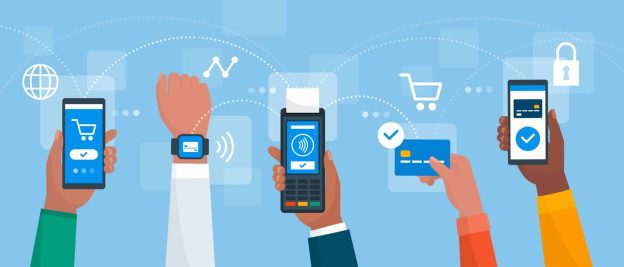
electronic payments and secure transactions 199796283

Five Reasons to Accept Credit Card Payments through a Virtual Terminal

The economy has been on a roar, and consumers are confident and are happily opening up their purses to get out, spend, and plan vacations they’ve been delaying for some time. Today the U.S. economy is bigger than it was at the beginning of 2020, primarily driven by consumer spending. This is giving rise to more and more business starting up. In 2020, 4.4 million new companies were started, increasing 24% from the year prior. 

This is all welcome news for businesses looking to cater to such consumers ready to spend. However, challenges abound for businesses as the spending habits of consumers have significantly changed over the past two years. Cash is no longer king. People just don’t like to use cash as a means of transaction. In fact, three out of ten consumers don’t even use any cash in any given week. While there has been a strong surge of cashless transactions over the past year, not all businesses are prepared to thrive in this rapidly fluid environment. These businesses need to accept noncash modes of payment such as credit and debit cards and ACH/eCheck payments seamlessly and securely.

Point of Sale (POS) systems are aplenty, but not every business needs POS equipment as they may not be client-facing. Or they may not have the wherewithal to outlay cash for such devices just as they are starting to bootstrap their business. For many companies, the best solution is a virtual terminal. Below, we look at a virtual terminal, how it works, and why your business may need one.

What is a Virtual Terminal?

A virtual terminal is an internet-based payment processing application that lets merchants accept payments anytime, anywhere, on any device with an internet connection. Whether a business accepts payments via phone, mail, fax, email, or in person, merchants can use their existing devices such as a desktop PC, a laptop, or a mobile device such as a tablet or smartphone as their POS.

To make life easier, you can purchase a small card reader to plug into your laptop or smart device. However, it isn’t a necessity. All your business needs are internet access, a merchant account, a payment gateway, and a browser.

How does a Virtual Terminal work?

Virtual terminals are set up in coordination with your payment processor/ payment gateway. You start by simply logging into your merchant account or payment gateway and initiate the virtual terminal. From there, you would select the payment type, debit, credit, or ACH, and enter the sales details such as the amount to be processed and any other information pertinent to the transaction.

To enter the card data, you can key it in and any billing/security information required. If the business has a USB card reader plugged into the laptop or mobile device, the card data can easily be swiped. The transaction is then submitted, and within seconds, the merchant receives confirmation of the card either being approved or denied. With a virtual terminal, businesses have the option to email the receipt to the client and process any refunds or track the sales history of the company.

Keep in mind that if a business is not using a card reader to collect card data instead of keying it in, it is classified as a card not present transaction, even if the cardholder is right there in front of you. This results in higher processing rates, which can be mitigated by accepting ACH/eCheck payment and utilizing a card reader.

Why does your business need a Virtual Terminal?

Below are some reasons why your business may need a Virtual Terminal.

Save money on POS equipment – merchants don’t need to buy additional equipment to process payments via a virtual terminal. Businesses can use their laptop, tablet, or smartphone. With a virtual terminal, companies quickly eliminate a major headache of paying hefty upfront equipment costs and reading the fine print of equipment agreements to ensure they are not locked into a long-term non-cancelable contract for outdated POS.

Ease of use – A virtual terminal offers much peace of mind given all the friction it eliminates. A retail business that may have relied on a single POS device to be shared at peak times to get payments processed can now have each of its employees log into the virtual terminal account to process the payment. Businesses can easily track which employee processed which transaction; a level of accountability is not readily available with a single POS passed around.

Recurring Payments – businesses can easily set up recurring payments by scheduling a specific transaction on repeat. Once you process a payment for a particular service or product and enter all the card and billing details, it can be set as a recurring transaction.

Insight: The data stored on a virtual terminal lets business owners track their payment history and can help them plan for peak times in terms of inventory and staffing. Critical data about consumers, what they spent money on during a particular time of the year is also easy to track. This level of insight can help businesses build a loyalty program or run a very targeted marketing campaign.

Over the last few years, consumer spending habits have experienced seismic shifts driven by smartphone technology and a lesser inclination towards the hassle of carrying around currency and coinage. It’s much easier to swipe a phone to pay for something rather than pull out a wallet, hand over cash, and possibly hear that they don’t have change. If they do, count it and stow it all away.

Even as merchants come to terms with the new paradigm, they still loathe spending an excessive amount upfront for POS equipment. Alternatively, virtual terminals are an excellent option for businesses to accept all types of payment methods. Traditional laptops or smartphones can easily be used as the makeshift POS device to settle the transaction as long as you have a payment gateway and merchant account setup up.

bitcoin ethereum and other cryptocurreny coins on top of lottery tickets and money 219344635

Resorts World Las Vegas Partners with Gemini Crypto Exchange to Allow Patrons to Use Crypto Wallets

Resorts World Las Vegas is aiming to be the next exciting casino and resort on the Las Vegas Strip. Resorts World opened late June and is already accepting reservations for hotel stays.

The property made headlines nearly a month before it opened, as it will accept cryptocurrency payments. It is working with one of the world’s top crypto exchange teams to help take in these payments, making it all the more convenient for people to enjoy.

How the Cryptocurrencies Will Work

Resorts World will be unique from other resorts on the Las Vegas Strip in that Resorts will soon allow people to use their cryptocurrency wallets to complete transactions. Resorts is partnering with Gemini Crypto Exchange to produce new programs where patrons can use crypto payments while on site.

The two parties are planning efforts to make crypto payments available around all parts of the property. These include dining and entertainment spots. There are also plans to allow people to convert their dollars to crypto assets while at the property. Further details on what Resorts and Gemini will be doing soon remain unclear. But no matter what happens, Resorts World will become the most crypto-friendly casino and resort on the Strip.

The development is exciting, as Resorts World has been one of the most highly-anticipated properties in Las Vegas in years. The site is the first new ground-up resort development on the Las Vegas Strip in more than ten years. The property is also expected to become highly popular this year, as travel demand will likely increase as the year progresses.

What Potentials May Occur?

There are no details over how people can use their cryptocurrencies just yet, but it is expected that various spaces throughout the property will support these currencies. These include support for Bitcoin and other common choices.

The setup will likely entail people using digital currency wallets to pay for items. These include wallets that Gemini may support, although whether people will need to be members of the Gemini Crypto Exchange remains unclear.

The crypto support feature will help customers pay for many items with their currencies. A customer can possibly use an app and send a payment out through a QR code that links one’s private and public keys. The QR code transfer process ensures all payments are made safely and in moments.

Proper hardware and software will be necessary throughout the property to ensure these transactions can safely go forward. Whether people can use cryptocurrencies to get funds to play casino games remains unclear, although it is possible people could exchange whatever chips they win for cryptocurrencies. Proper support for various currency blockchains would still be necessary, especially since it can take a while for some chains to process transactions.

What Is Gemini?

Gemini Crypto Exchange is one of the world’s top cryptocurrency sales groups. Gemini provides a platform where customers can buy and sell cryptocurrencies. The platform is accessible at Gemini.com.

Gemini is one of the world’s oldest exchanges, as it was formed in 2014. Crypto traders worldwide trust Gemini for how it offers a simplified approach to managing cryptocurrencies. It is also a fully secure system that ensures all data remains encrypted and that all crypto transactions remain safe through the proper private and public key exchanges.

Gemini is popular for offering support for various cryptocurrencies. It can handle major options like Bitcoin and Ethereum, but it can also use small-value choices like Dai and Filecoin. People can also earn interest on some of their investments by securing their assets in unique accounts.

The service also simplifies how people can find currencies. It offers analytics systems to help people see what is happening with certain currencies. They can make decisions based on how these currencies are trending, plus they can use the data to back further research surrounding whatever is open for investment purposes.

About Resorts World Las Vegas

Resorts World Las Vegas opened in late June at 3000 South Las Vegas Boulevard. The new property is in between the Circus Circus resort and the Fashion Show Mall on the Strip. The area is in the middle of one of the world’s most popular thoroughfares for leisure and entertainment.

The property is associated with Hilton Hotels and Resorts. The Malaysian group Genting Berhad is behind the development, with the Nevada Gaming Commission providing full support. The property incorporates a few local Hilton hotels, including the Conrad Las Vegas and the Las Vegas Hilton. There will be more than 3,500 rooms and suites at the property.

Resorts World will be the most prominent opening on the Strip in years. The venue features a full casino with a poker room and sportsbook. The property is also home to the Sky Casino, a high-value property on the sixty-sixth floor. It is an intimate site that people can only access through reservations and by providing the necessary assets for playing games there.

The property also features a new theater operated by AEG Presents. The theater already has a few high-end bookings, with Celine Dion, Carrie Underwood, Katy Perry, and Luke Bryan all planning residencies at the theater in late 2021 and early 2022. Resorts World features multiple dining spots, including quick bite eateries and high-end restaurants like the Genting Palace and Kusa Nori restaurants. Additional features will appear throughout the resort in the coming years.

Customers can pay for experiences at many of these things at Resorts World Las Vegas through cryptocurrencies thanks to the property’s partnership with Gemini Crypto Exchange. This development will be an intriguing point to watch, especially as cryptocurrencies continue to be popular. Giving patrons at the resort the option to use cryptocurrencies to pay for what they enjoy at Resorts World Las Vegas will be a noteworthy move that other properties in the city could copy.

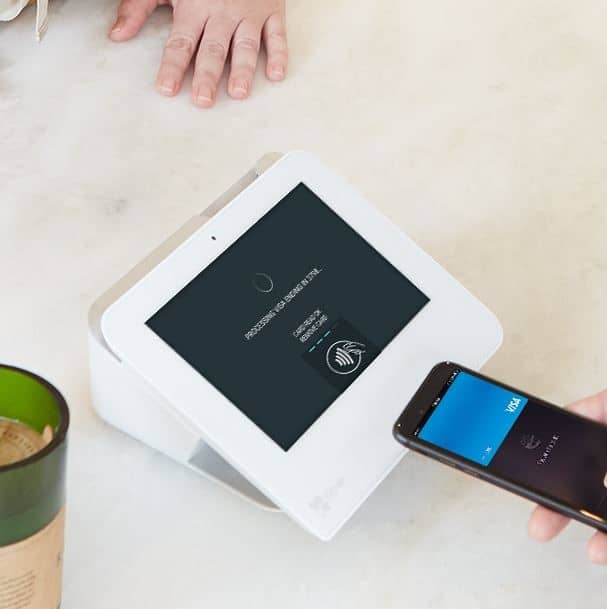
clover on the go

Clover POS Systems Work With Many Payment Options

People who need POS system setups are finding it easier for them to accept more payment options through Clover®. Clover POS systems are prominent for how flexible they are in handling payments. These provide sensible interfaces that help people complete their transactions in moments, plus they never have to worry about inaccurate data.

Clover supports many payment options thanks to its hardware and software setups. Clover produces durable card-accepting items with customer-facing screens that help people choose what payment methods they will utilize. You’ll need this support to ensure you’ll have more control over your sales experience while satisfying whatever needs your customers may hold.

General Cards

Clover POS systems can support various payment cards. Clover produces card readers that feature screens that display payment information and details before customers can confirm their transactions. A card reader can feature a slot for chip-based cards and a swiping space for magnetic stripe-based cards.

You can program your POS system to handle credit and debit cards. You can adjust the display screen to show which card brands you can accept. Not all retailers can accept American Express cards, so having this option to edit the display screen is essential to its success.

Chip-based cards are typically more secure than stripe-based ones, as it is harder to steal data from chip cards. But Clover’s interface provides a safe body that prevents tampering and houses a secure space for cards that people cannot alter without breaking the system apart.

You can also support gift card transactions with a Clover system. Gift cards are ideal for businesses, as people who receive these cards are often more likely to spend extra money on their transactions. They might purchase more items after a while and even return well after they finish using their cards.

Contact-Free Payments

You can also use Clover POS systems to accept wireless or contact-free payments. NFC payment options like Apple Pay are very convenient. Clover makes POS setups that can collect NFC payments and other things that don’t require physical cards.

Clover produces systems that meet PCI compliance standards while handling NFC transactions. Clover will encrypt the data you collect and ensure all content goes in a secure database where nothing is stolen. The data transfer process also ensures the transaction is confirmed and secured as soon as possible.

Online Wallets

You can also accept online wallet payments through Clover. People are using online wallet systems like PayPal to complete transactions fast and without having to go into one’s credit lines. You can gather transactions from these accounts and move the money to your account in moments.

Clover can handle PayPal and other similar online transfer systems. It can use a secure online connection that encrypts all financial and wallet data while ensuring no identifying factors will be exposed to outside parties. The extra protection you utilize ensures you’ll have more control over how Clover works for your content.

Don’t Forget to Adjust Your System

You’ll need to adjust your user interface and display to ensure everyone knows what payment options you can support. Clover POS systems come with convenient interfaces and programming setups that let you control how you’re handling your funds. You can use Clover to monitor where your money is going, how people are paying for things, and anything else of interest to your business.

Clover POS systems are perfect for when you’re looking for something of value. You can use these systems to make it easier for you to accept payments that work your needs. Take note of how Clover can work for your business and how it can adapt to whatever payment methods you support when running your operation.

The Clover® name and logo are trademarks owned by Clover Network, Inc., an affiliate of First Data Merchant Services LLC, and registered or used in the U.S. and many foreign countries.

low risk on wooden blocks and coins stack on wooden table rrisk concept in business or investment 191313013

What Do Merchant Services Interpret As Low-Risk Accounts?

Merchant services providers will dictate the rates you spend over your risk level. A merchant services provider will review your risk level surrounding your operations and how often you manage returns and other issues.

A high-risk business will spend more on interchange fees and other markups. It may also have more stringent contract rules and other standards for operation, with the business showing too much unpredictability in how it can handle its funds.

So what types of merchant services accounts are low-risk ones? Some businesses will have a lower risk because they don’t handle as much money, or they are in industries that are a little different from what people are used to managing. You can check your current efforts to see whether you are at high or low risk in managing your work.

How Much Money Is Being Handled?

Online merchant services will deem businesses that operate less money on average as being low-risk entities. The values of any chargebacks or returns will be minimal for these entities.

A low-risk company may be one that handles less than $20,000 each month. It could also be a company where the average credit card transaction one processes is worth less than $500. It is easier for some merchant services teams to support businesses that don’t handle as much money, as the potential value of losses will not be as dramatic.

What Industry Do You Follow?

Your business’ industry can dictate your business’ risk value. A merchant services team can review your MCC code to determine which field you work in, thus helping dictate the rates you wish to manage.

Stores that sell traditional clothing products, household goods, and other common items might be low-risk places. But a spot that sells things like firearms, timeshares, gambling-related activities, and other potentially high-value or volatile items might be a high-risk company.

The Number of Chargebacks

Your risk may also come from the chargebacks you collect. A chargeback entails cases where someone’s credit card purchase is refunded due to an error or other issue. A business with fewer chargebacks will have less of a risk.

A chargeback takes a bit to manage, as it involves moving money back and reversing various fees and charges. Some online merchant services might not accept businesses that take in too many chargebacks unless they can produce substantial rate hikes.

What Country Do You Operate From?

The country you work out of may also influence your risk. A low-risk company is traditionally one located in a country that is financially and economically stable. These include countries that have strong standards for which businesses can operate and how they can work online. Some of the more prominent low-risk countries include the United States, Australia, the United Kingdom, Canada, Japan, and various places in the European Union. Since the risk starts low there is always a risk when working with different countries due to their currency as well.

Do You Handle Returns?

Not all returns on your credit card transactions come from chargebacks. Your customers might also return products they purchased with you. They are still entitled to credit card refunds for their returns.

Your business will have a higher risk if you have too many people completing returns. These returns are often likely for clothing and personal care products, but they can occur at any point.

Talk with the merchant services team you wish to contact for your credit card processing needs to see what your risk is and what rates you can utilize. Don’t forget to review your business yourself to see what it is doing right or wrong and if you need to make certain changes to keep the risk of operating your business under control.