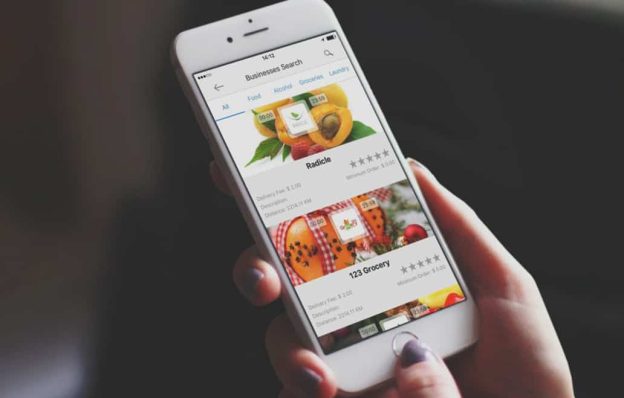
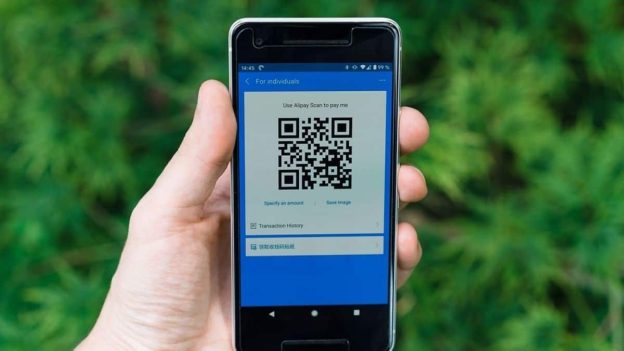
The number of orders that customers are placing through their phones is increasing every day. While websites for every restaurant have become a standard and are still an effective portal to drive online sales, their usage is declining. These days the most convenient way of ordering food online is through a mobile app.
Here we will compare the pros and cons of launching a branded mobile restaurant app with joining a third-party delivery app. We’ll also discuss which approach will work best to drive your sales and maximize revenue.
Pros and Cons of Branded Mobile Apps
Branded mobile apps are apps that are run by the restaurant and represent the brand of the restaurant. The initial cost of designing and launching such an app is more. That is what most business owners focus on and opt out of this option. However, there are benefits of a branded mobile app that can be worth investing in.
Pros of Branded Mobile Apps
Here’s a look at the pros of branded mobile apps.
No Competition
If you are using a branded mobile app, the only restaurant that it features is yours. Your restaurant will be one of many in whatever category you are featured in a third-party app.
Control Over Your Branding
You can control your branding completely. The design of the app can be such that it gives your customer a taste of what it’s like to dine in your restaurant. You can’t do that with third-party delivery apps as they have complete control over the interface and design.
Customer Data
Now, this is the best benefit branded mobile apps have to offer. You get to keep your customers’ data and therefore market to them on a personal level. Personalized offers that are based on your customers’ past purchases are far more effective at making them your repeat customers. You can cater to their individual need and establish a connection to gain customer loyalty.
Control Over All Aspects
You get to control every aspect of the process. Starting from what your customers see up to delivery, everything is in the restaurant’s control. If there is any issue, you can respond quickly as you know exactly what went wrong. This is important in retaining your customers. As a customer who has had a bad experience is highly unlikely to order at your restaurant again.
Cons of Branded Mobile Apps
There are several disadvantages as well. They are listed below-
Hard To Get Downloads
This is by far the biggest issue with branded apps. A customer has limited phone storage. It makes much more sense to download a third-party app where they get so many options. Customers are not in the habit of downloading individual restaurant apps, The only customers that are likely to download your app are those who already order from you frequently.
Getting new customers to download your app is not easy. The best way to mitigate this is to offer special discounts for using your restaurant’s app to order, referral code reward campaigns, and special loyalty programs.
High Initial Cost
Making and maintaining an app is costly.
Training and Hiring Employees for Delivery
You’ll have to spend on additional employee salaries and training programs.
Pros and Cons of Third-Party Delivery Apps
Third-party delivery apps get millions of downloads. They’ve become closely integrated with modern life that most people reach out to their phones these days to place an order. The pandemic has only accelerated the rise of mobile ordering.
There are lots of ways in which third-party apps can boost your business. Let’s discuss them here.
Pros of Third-Party Delivery Apps
No Initial Cost
To get registered on a third-party app, restaurants do not have to pay any additional fees. If your business is small or new, you probably want to limit your expenses. Third-party apps allow you to reach a customer base you’d otherwise have no access to.
Easy to Acquire New Customers
Third-party apps come with their own sets of loyal customers. You can register in the most popular ones and tap into that market. These apps come up with many marketing schemes to attract even more customers. You can leverage their popularity and bring in business.
Delivery is Taken Care Of
Third-party delivery companies have trained employees who take care of delivering your restaurant’s food to the doors of your customer. These companies are delivery experts and are very efficient.
Access to Additional Resources
You can get access to resources and experts that your restaurant cannot invest in. Delivery tracking, various payment methods, delivery systems, and many other such resources are costly or time-consuming to manage.
Shared Service Accountability
Your restaurant and the third-party app will both be accountable in case any issue arises. Having two brands attached to an experience confuses the customers as to which one to hold accountable. But with a branded restaurant app, you are solely responsible and your name is strongly associated with any bad experiences.
Cons of Third-Party Delivery Apps
No Control on Visibility
You have no way of controlling your visibility in a third-party app unless you spend extra dollars to be featured heavily by those platforms. Even when customers actively search your restaurant’s name, third-party apps show other similar restaurants to the customers along with yours.
High Commission Rate
Restaurants have to pay anywhere between 15-30% of their revenue. Needless to say, that can eat into your profits.
Branded Mobile Restaurant App Vs. Third-Party Apps- Which One to Choose?
If you run an established restaurant with many loyal customers, I’d recommend you to use a more blended approach. Investing in your restaurant’s app can lead to long-term benefits. But, if your business doesn’t have a huge customer base and is new or on the smaller side, you should stick to only using third-party delivery apps.
Final Verdict
It is getting tougher each day to stand out in the restaurant industry. Having a website is now only the bare minimum you can do. Having a way for your customers to order through an app is essential to stay in the game.
Timely payment is essential for the success of any business. A business cannot survive without a system where the buyers can quickly pay them. Therefore, with the advancement of technology, we see many new methods of payment evolving. Especially in late 2021, when the corona pandemic is waning, the businesses have adopted P2P enthusiastically. But with this new payment facility, many new issues need to be addressed too. Today we will address the pros and cons of P2P payments for merchants and individuals.
Peer-to-peer payments have given people a seamless option to send or receive money without friction. Companies have benefited from P2P services during COVID19 when people avoided any physical contact, primarily through currency and cards. P2P was a great solution in this scenario.
Growth of P2P globally and in the US
Over time, P2P has become more popular and acceptable as a payment system. Every day, millions of people globally install and use a P2P app like Google Pay, Venmo, or Apple Pay Cash. The global peer-to-peer market will reach a level of $589 billion by the end of 2028. Furthermore, the number of P2P users in the US will grow exponentially to around 132 million by the end of 2021. The future of P2P is bright.
P2P is a convenient mobile wallet application that eliminates the requirement of carrying cash, credit cards, debit cards, or any other physical forms of payment. Users can pay from the app on their mobile devices. They can easily receive money without hassle. They can also keep the money in the wallet provided by the app or they can get the money transferred to their bank account in seconds. Furthermore, they can keep a track of how much they are spending.
How does the peer-to-peer system work?
To make a P2P payment, the sender and the receiver must install an app on their respective devices. There are multiple different P2P apps available today, which the user can download from the app stores.
The user has to complete a quick registration once the app is installed on their smartphone. Registration is a simple process. It takes only a few minutes of users’ time. Once the user registers, a fund source needs to be added. A bank account or debit card usually needs to be added so that you can easily add and withdraw funds from the app. Similarly, if someone pays you via the app, you can transfer the amount to your bank.
Before you start sending or receiving payment, you will have to go through an authentication process. P2P app companies follow almost identical authentication methods. However, the authentication process might be different in different countries.
Once authenticated, the user can then send and receive money. To send money, the user will first have to add a recipient. One can also request money from someone else. Both parties should have the same app for a P2P transfer.
How will businesses benefit?
A business owner knows that the easier you make it for your clients to pay, the more they will buy from you. In simple terms, if you accept peer-to-peer payments, it is more likely that the customer will purchase from you instead of going to a merchant that only accepts cash or cards.
Globally, P2P payments have contributed to the expansion of the economy.
Countries like Saudi Arabia, Peru, Chile, and Colombia are witnessing a multi-fold growth in P2P transactions. They are the leaders in this segment when it comes to growth per million population. According to the latest figures, people worldwide made 70.3 billion transactions in the year 2020. Estimates for 2021 are yet to be known, but we know which direction this is going.
P2P Payments – Important Pros and Cons
With such an encouraging growth of P2P transactions in the US and globally, one should remember a few essential aspects of P2P. With facility comes risk. And yes, there are specific risk factors with P2P.
Many new people are switching to peer-to-peer transactions because of the ease and compliance. But, they are not aware of the risk that it poses. It can be anything, ranging from the human error of sending the money to the wrong person to getting scammed easily. Therefore, it is essential to know the pros and cons of a P2P payment for merchants and individuals.
You can assess the benefits against the risk and then decide if P2P payments are right for you.
Pros of P2P Payments
#1- It is an effortless process to send or receive money. One doesn’t have to go through multiple complicated steps for the transaction. You can directly use a phone number or scan a QR code to proceed with the instant transaction. This ease of sending or receiving money has made peer-to-peer transactions popular.
#2- When you send or buy money via P2P, there is no middle man or a money holder. Transactions are electronically processed. This doesn’t require much overhead. Therefore, the transaction fee is relatively low. Most systems offer free debit and ACH transactions and make a fee on credit cards processed through their system.
#3- Safety is another reason why people prefer P2P. P2P networks are encrypted when used properly can be relatively safe since they don’t expose card data or personal information to merchants.
#4- Many people use P2P networks because the currency conversion charges are less than banks or brokers. P2P also makes it possible for the user to buy products globally and enjoy the real benefits of globalization.
Although P2P payments offer many benefits, there are also drawbacks to discuss.
Cons of P2P payments for merchants and others
#1 Mistaken transactions: Sending money to the wrong person is the most common error that we find on a P2P network. New people are not accustomed to the interface. They make mistakes while sending or receiving money. Human errors lead us to the next issue, which is another significant drawback with peer-to-peer payment.
#2 Dispute redressal: If you made a payment to the wrong person from your bank’s Internet banking system, you could get a refund quickly. You can contact the bank, and they will get the refund from the recipient. But, when it comes to P2P, there is no mediator involved in the transaction.
Many P2P apps do not have a refund or dispute system in place. Nor do they have any arbitration process in case of a disagreement between the sender and receiver. This makes it very difficult for an individual or a merchant to get a refund of their money.
#3 Security: Complete security is essential at both ends. P2P networks are secured, but what about your smartphones? If the smartphone is compromised or hacked, the hacker might use the P2P app on your mobile for fraudulent transactions. New smartphone users are usually the target of hackers as well as social engineering to trick them into sending funds.
As an individual, one should always use strong passwords, face recognition, or fingerprint authentication to avoid such issues.
Conclusion
Peer-to-peer payments for merchants and individuals have made life easier. The market for such apps is growing like never before. But one should always be cautions and take appropriate safety measures while sending and receiving funds via P2P systems.
Over the last 12 months, almost every retailer felt the need to shift from the in-store traditional payment methods to the new-age digital methods. Businesses have also understood that this shift has a vast scope – it is not just a momentary reaction to the prevailing coronavirus pandemic, but a long-term trend. IBM’s U.S Retail Index study revealed that the transition to digital payment was speedy due to the pandemic, which otherwise would have taken five years. E-commerce purchases are predicted to grow by 20% this year.
Even in these uncertain economic times, retailers can be confident that online and hybrid shopping will continue to grow. Today, the customers have become more aware and want more flexibility and security in mobile solutions from these brands. And therefore, brands cannot just sit quietly.
We know that even if the pandemic ends, the e-commerce growth and related customer needs are here to stay. For businesses to keep up with the competition, they must shift to modern payment methods. This article will discuss six trends in mobile credit card processing for fall 2021 and 2022 that will make their way into the future.
#1 E-Wallets
With the increasing number of smartphones, e-wallets have become the most convenient mode of payment for consumers. A mobile wallet syncs your bank accounts and credit cards and turns your smartphone into a contactless payment device. According to some statistics, the global estimate of smartphone users in 2021 was 3.8 billion, compared to 2.6 billion in 2016. A smartphone has become a necessity as it gives you apps for every need from banking to driving, social to nutrition tracking related to all aspects of your life.
55% of Americans use their smartphones when shopping, all due to the increasing use of e-wallets like Google Pay and Amazon Pay. With mobile wallets becoming popular and the growing use of peer-to-peer transfers, the security of these apps has also increased. E-wallets are going to change the way how we pay now. It is one of the most significant trends in mobile credit card processing that cannot go unnoticed.
#2 Social Shopping
A retailer’s most remarkable ability is being able to use personal relationships to his advantage and engage their customers in their business. More than 78% of customers trust the recommendation of their friends and family for shopping, so brands can count on social media sharing and engagement as a better proof of purchase than a direct message to the consumer.
Retailers can hire social media influencers for promotion and make use of social media tools to get to know their customers better. They can further promote positive reviews, give better customer service and sell directly on the platform where their customers spend substantial time.
#3 Contactless Payments
During the pandemic time and earlier, we would hesitate to touch cash as we did not know how many hands the bill was exposed to. With credit cards, handing them over to the cashier for a swipe and typing your card pin is avoided to minimize the touch. Things have changed much over the past months, and Mastercard’s survey suggests the same. The survey says that more than 51% of people use cashless payment in some form. Contactless payments are now more secure than the traditional swipe method with scanning technology to complete the transactions. All this is possible because of the encrypted microchips and mobile apps.
#4 Mobile POS Devices
As more and more consumers use contactless payments, retailers align their shopping experience with POS technology. With the help of mobile POS, retailers can accept payments anywhere as these are wireless devices and not connected to checkout locations. This gives even the smallest brick and mortar storse the flexibility to offer customers multiple checkout locations. With various payment solutions, customers can safely pay in line with social distancing norms. More than 73% of customers want more checkout options with advanced technology. Having said this, mobile point-of-sale devices are fast becoming a necessity for retailers large and small.
#5 Biometric Authentication
If someone had talked about authenticating a process using biometrics five years ago, it would seem like a scene from a futuristic movie. Now this process is everywhere and most of use this technology daily to unlock our phones. Biometric authentication consists of fingerprints, face, and voice recognition that we use today to unlock e-wallets. Biometric authentication gives more security as it is unique to each customer, and due to this trust, the technology attracted huge investments. According to a study by Mobile Payment Authentication & Data Security, by the year 2024, the use of biometric authentication is expected to grow more than 1000%, with a transaction value of more than $2.5 trillion. By the end of 2019, transactions valued at $228 billion were already authenticated by biometric technology.
#6 Flexible Payments
With consumers demanding more convenience and security while using mobile wallets for payments, the pandemic has also forced them to maintain and stick to a budget. Retailers now offer options like installments or Buy Now Pay Later to their customers. With enhanced security, convenience, and accountable spending, consumers have accepted these offers enthusiastically. Consumers get maximum flexibility with the zero-interest installment schemes which the retailers offer at the point of sale. It helps the customers to make large purchases easily without worrying about the having the full payment up front. The popularity of e-commerce and online shopping is growing drastically. The mobile payment strategy of the retailer will play a significant role in the purchase pattern of their customers. This strategy is almost 80% responsible for the rise or fall in sales. If the customer is getting complete flexibility in payments, multiple payment choices, and a streamlined checkout process, nothing can stop him from completing the decisive step of the final purchase.
Bottomline
As the digital world is changing fast, all kinds of e-commerce stores and other retailers need to adapt to the latest payment trends as soon as possible. With contactless payments and e-wallets offering complete convenience to consumers, they are becoming popular at an unimaginable speed. If your customers get absolute security along with seamless checkout, they will keep coming back to shop at your store. Therefore it is important for all fintech companies to keep a watch on. One thing is certain – that even if the pandemic ends, the e-commerce growth and the related customer needs are here to stay. For businesses to keep in the competition, they must shift to modern payment methods.
More and more merchants have to contend with a growing consumer habit of cashless transactions. Given the rise of this trend, many merchants that may have shunned a merchant account for some time are finally accepting it as a new normal and payment processing fees as the cost of doing business.
However, since those fees can be burdensome and not accounted for in their business model, merchants have increasingly embraced another trend, cash discounting, to avoid having to pay merchant account fees. Below we explore what is cash discounting, the pros and cons of such a program, what businesses need to be careful about, and if it is right for them.
What is a cash discount program?
Cash discounting is a program where merchants offer a discount to consumers who pay with cash for the goods or services they procure. If a customer walks into a tire shop and buys a tire with a list price of $100 which has a cash discount program the store will also post clear signage stating that a 4% service fee applies to ALL transactions.
However, customers paying with cash will receive a 4% discount. So for the tire with a list price of $100, its total cost is $104 including the posted service fee. Customers paying cash will pay $100, however, customers paying with a credit card will pay $104. The extra service charge is used to cover interchange costs, so the merchant receives $100 for the $100 tire, and their merchant services statement reflects $0 in fees at the end of the month.
It’s very important to understand that acash discount program offers a reduction in the listed price if the customer chooses to pay in cash, including any service charges that must be posted.
Businesses need to tread carefully with a cash discount program
The reason merchants have to be careful is that it can be very easy to confuse cash discounting with surcharging. That’s when a merchant applies an additional charge to a customer using a credit card. Using the tire example, if that shop had a surcharge of 4% for credit card transactions, the customer may have ended up with $104.
Based on legal precedence according to the Truth in Lending Act, the regular price is whatever price is available if businesses only publish one price for their items. A merchant would have to charge below that for it to be classified as a cash discount, and if a business charges above that for using a credit card, that’s a surcharge.
The reason why these granular classification details are important is that merchants can easily confuse the two. Merchant account providers offering new technology to enable this may not be upfront about what guidelines merchants need to adhere to. This is because legal and business ramifications are significant to offering one program over the other. There is no harm in offering a cash discount as long as it complies with the legal definition.
However, if businesses confuse a cash discount with a surcharge program and start offering the latter, they must be aware that Surcharging is illegal in many states, including California, Colorado, Connecticut, Florida, Kansas, Maine, Massachusetts, New York, Oklahoma, Puerto Rico, Texas, and Utah. Merchants would also have to notify their customers with sufficient signage informing them of the practice. They are also obligated to notify their merchant account provider of the practice.
As a result, merchants should carefully review the language of any program they are implementing with a third-party service provider and be clear that it is a cash discount program.
What are the benefits of a cash discount program?
There are clear benefits to implementing a cash discounting program for merchants. Since a cash discount would be on the listed price of items, It is a great way to present the program as a bargain to customers. Another great advantage is that you don’t have to wait for your merchant account provider to clear your payment, you have readily available cash on hand.
Another benefit of facilitating more cash transactions, merchants would have to deal with fewer administrative tasks related to payment processing, such as statement reconciliation, disputing chargebacks, etc.
What are the drawbacks of a cash discount program?
Not to cast everything with a rose-tinted hue over cash discounts, but they do carry significant drawbacks. Not all customers may have the cash to pay for items above a certain amount. That threshold of cash that consumers feel comfortable carrying around has been dropping for a few years.
Many customers paying with a credit card may not be too happy with the fact that they aren’t eligible for a discount because they chose a credit card. It’s really difficult trying to explain to an already upset person the granularities of cash discounting and interchange fees.
Such emotions of feeling bilked may be enough for customers to take their business elsewhere. Also, there is sufficient research that consumers spend more when paying with plastic as they don’t physically account for the amount of cash remaining after their spending.
Finally, as a drawback, keep in mind that cash transactions are trending downwards. To try to maintain that status quo is going against the grain. From an economic and government perspective, cashless transactions are in their best interest as they reduce the costs of physical currency and can aid in reducing the informal economy.
Is it right for your business?
It is difficult to make a cookie-cutter call on whether a cash discount program is right for your business, a lot has to be taken into consideration. What percentage of a merchant’s existing sales arise from cash versus non-cash transactions? Do the positives sufficiently outweigh the negatives of such a program?
It is important to realize that creating unnecessary friction at the very last stage of a transaction may not be right for all businesses, however, it can be a perfect way for traditionally cash-only businesses to accept cards without changing their model.
Restaurants, cafes, and other food businesses have seen many trends emerging through the COVID pandemic. People have become concerned about their health and safety more than ever, and as a result, the competition in the food business is rising. Restaurants are using these trends and competition as opportunities to grow.
Food businesses are ready to embrace new marketing techniques, even if that means rethinking their business strategy. Whether it is installing a POS unit for contactless payments or online order tracking software, these businesses never fail to stay up-to-date with the latest trends. Below we have listed a few interesting trends in the restaurant payment tech industry for 2021. Let’s get started.
Reduce Food Waste
Going green has become a new priority after the 2020’s global pandemic. People choose businesses that put effort into making their products and services sustainable. For example, nobody likes to eat at a restaurant where the staff doesn’t take the necessary measures to control food waste. That’s why businesses have started using technologies to predict customers’ orders in advance so that they can prepare food accordingly.
Over 70% of food is wasted before it is served to the customer, and 80% of this waste occurs because of overproduction, Winnow reports. Businesses are now embracing technology trends that can help control food waste with the help of software apps that offer accurate prediction features.
Exciting Elements for a Perfect Dining Experience
Why should your customers dine at a restaurant when they can simply order food online and enjoy the meal with their loved ones? You need to give them the “extra” they can’t get at home. Anything that takes their experience to a whole new level will do. For example, you can share the recipe of the restaurant’s signature meal, offer your restaurant-special sweets for free, or organize a contest for your regular customers. The idea is to give your customers an experience they will remember your business for.
Better Packaging
People might not have noticed it before, but customers are now looking for better packaging as the eating-at-home trend is gaining immense popularity. Restaurants need to level up their food packaging so that customers can enjoy safe food delivery. It’s better if you can consider packaging that can go into the microwave for heating.
Personalized Dining Experience
A personalized experience has become a trend in almost every industry, especially the food sector, where people look for recipes that fit their tastes and budget. Tracking down each customer’s taste and customizing the restaurant menu to their requirements has not always been an option. However, today’s technology has made it easier for restaurant owners to improve guests’ experience by serving them the most delicious food.
You can integrate the loyalty program into your restaurant business to attract the audience’s attention. This is the perfect way to make them your regular customers. Once they become your regulars, it will be easier for you to track their recent food orders and get insights into their preference, taste, budget, and more. You can use this data to provide them with a better and more customized experience tailored to their choice. For example, you can welcome your new customers with their favorite drink or give them a special discount as a reward for being a regular.
Let them Track their Order Status
Customers want to know how long until their food is ready to be delivered. The order tracking feature became quite popular in the pandemic, as people couldn’t help but check the status of their food. Your customers want every detail – when their order is ready, who is delivering it, when it will be delivered, and so on. Those who track their orders every few minutes will not order from a restaurant that doesn’t offer the food-tracking feature.
So, if you don’t already have the order-tracking function on your website and mobile app, now is the best time to integrate it and make your restaurant look more credible to your audience.
Contactless Payment – A New Standard
Contactless payment was trending before the COVID outbreak, but the popularity of this technology skyrocketed as people started using the contactless payment for all types of online and offline purchases. Not only because of safety concerns, but customers use contactless payments for convenience.
Swiping a card at the POS seems more convenient and easier than paying through cash. It is also easier for restaurants to record the payments. You no longer need to count cash at the reception, make manual entries in your accounting books, and manually record each transaction in your business software. Pay-at-the-table, self-order kiosks, mobile payments, and EPOS payments are a few contactless payment options for restaurants.
Kitchen Automation
Restaurants are incorporating different channels for payments, orders, and food delivery. To support other platforms for online food ordering and payments, restaurants need to implement kitchen automation technology. Automated kitchens bring efficiency in restaurant operations – whether it is taking orders through websites or in person.
An Increased Percentage of Direct Orders
Food service providers do not want customers to reach out to them through third parties. Direct ordering gives restaurants and food businesses more control over their customers’ experience. They can use loyalty programs, rewards, and other exciting offers to build customer trust in their brands. It is also easier for customers to place an order directly on your restaurants’ website or mobile app instead of using a third-party service. It offers a better customer experience by cutting down the middlemen while allowing restaurant owners to customize the end-to-end customer experience.
Conclusion: These were the top restaurant trends every foodservice business needs to embrace for 2021-2022. The sooner you implement the above technologies into your business, the faster your business will grow. Good Luck!
From groceries to educational materials, to jewelry to outfits – everything is now available on eCommerce platforms.
The eCommerce sales in the US accounted for $211.7 billion in the second quarter of 2021, with online shopping more popular than ever before and the trend is here to stay. Here are a few eCommerce trends for 2021 that every retailer must know.
Top Ecommerce Trends – New Update
Video Marketing Will Become a New Marketing Standard
Video shopping has become a popular method of online shopping for buyers with a Bloomberg report predicting that 20% of online shopping will take place through videos in China by 2022.
Brands like Herman Miller and Levi’s have already embraced the video shopping trend, adding them as a key component to their marketing strategy. By the end of this year, both small and established companies will tap into video marketing tools to attract the attention of their target audience and bring them to their landing pages.
Customized and Premium Packaging
61% of customers said that they would repeat their purchase from a company that sells products in customized and premium packaging and 40% of your buyers are more likely to share your product packaging on social media if it looks unique.
Customized packaging not only makes your product stand out but it creates a different level of excitement among your shoppers. The better the packaging, the higher the chances your customers will make a purchase.
High Demand for Mobile Shopping
ECommerce shopping will rise to 72.9% by the end of 2021, from 52.4% in 2016. Whether they are searching for a brand online or making a payment for their purchase, customers want the convenience of mobile shopping. It enables them to shop and pay for anything on the go. With more and more people taking advantage of mobile ordering, the eCommerce industry has witnessed an increase in sales that is not going to drop off.
Retailers need to optimize their eCommerce shopping platforms for mobile. Website optimization for mobile means your shopping and payment options are easier to locate on smaller screens and customers can navigate with ease. GPS-enabled shopping apps are also trending lately.
Augmented Reality
AR is one of the innovative and effective eCommerce marketing trends that make online shopping safer and smoother for customers. In the past, people preferred in-person shopping for furniture and expensive items. Nobody likes to bring a couch to their home only to return it because it does not fit with other accessories or look too bulky. Now, it is possible to see a live video of their rooms with a couch with AR tools.
Augmented reality enables people to try a product virtually before making a purchase. So whether you are buying flooring material or artwork, augmented reality has become a key component of online shopping for all types of products.
Faster Payment Processing
Guiding your customers through the sales funnel is not easy. At times, customers choose a product and end up canceling the order at the last minute because of the inconvenient payment processing system. Therefore, every part of your sales funnel should look safe and convenient to your audience.
A deal isn’t complete until you receive the payment notification. So, even if you successfully convert your audience into leads, your efforts will be useless if they abandon the site due to lengthy and uncomfortable checkout procedures.
If you have not added a card, e-wallet, direct banking, and other convenient payment options on your eCommerce website yet, it is time to consider them. A simple and clean checkout process is necessary for faster payments.
Personalized Shopping Experience
Likely, you have already heard of customization and personalization in the eCommerce industry. These concepts mean more than a simple “hello” or “welcome” message that pops up on your customers’ screens as they visit your website. You need to embrace the omnichannel personalization experience to increase conversion.
No matter which platforms your customers choose for shopping, they must get the same level of personalized experience as your eCommerce site. Machine learning has enabled smart tracking technology for your buyers, so you can identify their preferences and suggest products they may be interested in.
Voice Shopping
Amazon’s smart speaker Echo, Google Home, Alexa, and other voice assistants have become go-to options for buyers searching for information online. However, while voice shopping offers the highest level of convenience to the buyers, it is a little tricky.
You don’t get to see the visuals of the product while visiting a website or social media gives you a better idea of the varieties of products. Still, voice shopping is trending. For grocery shopping and low-cost electronic products, people use smart speakers to place an order.
Eco-friendly and Sustainable Products in Demand
Many customers have admitted that the product’s sustainability is one of their main concerns when buying a product. Considering the customers’ growing focus on eco-friendly products, eCommerce stores need to create a greener selling and marketing environment to leave a good impression on their audience. Additionally, a vast majority of online shoppers are millennials, the age group that demands eco-friendly items. This high demand is empowering the eCommerce industry to adapt to sustainable and environment-friendly business practices.
Online Shopping through Social Media
Hundreds of thousands of customers purchase accessories and outfits recommended by influencers. They follow celebrities and influencers on social media and buy products they recommend. Social media has grown from a network connecting people to an eCommerce shopping platform. Facebook and Instagram now support the “buy” option, allowing people to buy products directly from social media.
Conclusion
The demand for eCommerce shopping was already on the rise before the pandemic but witnessed incredible growth in the middle of the pandemic when people were forced to shop online. The above trends have become quite popular in the eCommerce industry lately and the sooner you adapt to these trends, the faster your organization will grow in this competitive market.
The retail industry experienced major disruptions in 2020 since a vast majority of people stayed home and used eCommerce shopping platforms. During this time we saw a major transformation in the eCommerce industry. Due to the health and safety concerns during the pandemic, people started relying more on eCommerce shopping apps. As a result, online shopping has become the new norm for millions of buyers.
A study showed that 41% of customers are ready to pay extra for the same-day order delivery, while 24% were willing to pay a charge for the delivery within 1-2 hours. Gone are the days people did not mind waiting for days and even weeks to have their orders delivered. Today, customers want fast delivery, even if that means extra payment. People shopping online want overnight shipping. So, it has become important for retailers to cater to their immediate order fulfillment needs (more now than ever).
A Change in the Influencer Marketing
Influencer marketing has always been one of the best and effective digital marketing techniques for retailers. It allows you to get access to a wider audience through an influencer. However, a lot has changed in this industry in the past year. For example, influencer marketing is no longer about the edited shots of the product, lengthy captions, and motivational videos that promote the product.
It is more about the authentic and raw form of visual content where the influencer uses the product to show how it can help customers. Brands need to collaborate with influencers to get their messages delivered to a large audience in the most meaningful way.
A Growth of the Offline Stores
The number of people using offline spaces for their retail business has decreased a lot since the COVID pandemic. More and more businesses are switching to eCommerce platforms to ensure a safe shopping experience for customers. However, retailers are also moving their operations to the offline mode to cater to the audience that prefers in-person shopping.
Glossier and Casper are the best examples of consumer brands that started digitally but expanded to the offline market. Experts have predicted that more than 850 online brands will open land-based stores in the next 4-5 years. In 2022, many retailers will take their online businesses offline.
AR-Powered Shopping
The AR trends have gone from a good-to-have marketing method to an absolute necessity for retailers. The demand for Augmented Reality, Artificial Intelligence, and Machine Learning is on the rise. Augmented reality helps cover the gap between physical stores and online shopping. The technology is trending in the real estate industry, where aspiring homeowners can visit the site in 3D without having to visit the place in person.
Shopify has also launched the Shopify AR, which enables retailers to offer customized AR experiences to their audience. The company mentioned in a tweet that brands that incorporated AR into their marketing had witnessed an increase in the conversion by 94%. AR-powered tools are not only for global and popular brands. These are rather embraced by all types and sizes of business – regardless of their size.
Brand Optimization for Visual Search
It is easier to search for information or brands when you know the name and other identity details. However, brands have started to leverage visual search tools to make it easier for people to buy outfits, accessories, and other products without having to memorize the brand names.
Suppose you see someone in a beautiful outfit and you wonder where they have bought it from. Instead of having to ask them, you can take a picture and search for similar clothing on Google. For this method to work, you need to have an account on image-based platforms, such as Instagram and Pinterest, to upload the photos of your products and make them visually searchable.
Social Media Shopping
Over 15,500 land-based stores shut down for good in 2020, according to a report published by Forbes. Now, brands have started incorporating eCommerce shopping into their social media accounts to provide buyers with the easiest and fastest way to shop for the products. These brands are also working with affiliate marketers and influencers to reach out to a large audience. Now is the best time for retailers to use these marketing trends to not only promote their products to their target audience but generate actionable insights to offer a personalized experience to their prospects.
Ethical and Sustainable Brands are Trending
In addition to the technology, brands need to focus on their ethical values and transparency in business operations for a better customer experience. Similarly, people are more concerned about the effects of the product on the environment, which is why they are relying more on eco-friendly products. It may not be possible for businesses to make a switch to 100% sustainable and environment-friendly products, but it’s important to make your products fit for customer use.
Jim Nail, an analyst at Forrester, highlighted the importance of ethical values for businesses by mentioning how companies that use their values in businesses are growing faster than their competitors. However, brands cannot expect growth when all they are relying on is unethical and sketchy business practices.
Smart-speaker Shopping – A Trend that Continues in 2022
The demand for Alexa, Siri, Amazon Echo, Google Home, and other smart speakers is on the rise. A report by Statista shows that the smart speaker industry will be worth $35.5 billion by 2025. Another report shows that 52% of smart speaker users will use these voice assistants for online shopping in the next four years.
Bottom Line
Even those who never tried digital shopping are now using eCommerce mobile apps for groceries, clothes, accessories, and other items. It is time for retailers to adapt to the latest marketing trends to keep their business alive and running in such a competitive business world.
Sinch is Sweden’s leading communication service provider in the world. The company is renowned for its cloud communication tools that ensure seamless and fast communication between businesses and customers. It has recently made a big announcement of acquiring Pathwire, the developer of Mailgun – the software that supports quick and efficient delivery of emails as well as integration of your email with other apps. The main goal of Pathwire is to build an efficient mode of communication between users and businesses through email.
A Brief on Pathwire and its Products
Mailgun is one of the most popular and fastest-growing products of Pathwire. Started as a small team in San Francisco, Mailgun has become the leading email service provider in the world with over 100,000 paying clients and a global workforce. The company will soon be merged with Sinch and the deal is expected to be closed by the end of this year.
The workforce and founders of Pathwire were quite thrilled to announce this collaboration with one of the best cloud-communication developing companies in the world. The main goal of both companies is to ensure seamless and effective communication between businesses and customers. The acquisition of Pathwire also means that Sinch can offer better communication solutions to businesses.
The Acquisition Cost
The deal closed at $925 million (that will be paid in cash) and 51 million shares (in Sinch). Considering the current trading price of Sinch, this deal pays a whopping $1.9 billion to Pathwire. The deal is going to play a key role in making Sinch a tough competitor of Twilio.
This shows the scope of email, which goes beyond the receipts of regular messages. The booking of hotels, train reservations, password reset messages, and other similar messages are delivered through email. Considering the current popularity and uses of email marketing, Sinch has estimated this industry to generate $16 billion annually. They have added email services, investments, and other products to the figure. Transactional marketing, the service covered by Pathwire, contributes to 60% of this revenue.
Pathwire was owned and operated by Thomas Bravo and the company itself was an acquirer of other tech giants and credible businesses in the same industry. In fact, it acquired one of the popular email service providers – Email on Acid – in June this year. So, it is only normal for people to wonder what made Thomas Bravo sell such a profitable and reputable company to Sinch. One thing that justifies the deal is the fact that 51 million shares of the company are given to Bravo, which makes him an investor in Sinch. So far, this deal is Sinch’s biggest and hopefully most profitable acquisition. Pathwire has made it possible for businesses to integrate email with mobile apps and other communication platforms. The company has reported more than 100,000 high-paying customers who are connected to millions of people using Mailgun and other email services. Some of the top businesses using Pathwire’s products for email marketing and other communication-based services are Microsoft, Kajabi, Lyft, and DHL.
The Popularity of Email Among Businesses
Oscar Werner, the CEO of Sinch, mentioned that for any form of digital communication, technical expertise is important. He further added that the main purpose of this collaboration is to provide customers with a seamless communication experience while offering businesses a reliable way to build connections with their audiences.
This merge will help Sinch launch a set of products that make email, voice, and messaging more effective and easier for businesses. In addition to the estimated profits, this announcement of acquisition is expected to give Sinch a competitive edge in the US market where it has acquired other top communication service providers, such as Inteliquent for $1.14 billion. The company’s focus is totally on “embedded communication”.
Building voice and email services from scratch is simply not a viable solution for any company, especially for those who need to integrate email into their apps and website. Since these companies have a totally different core service, investing their resources into building email services will be pointless. Not only does it cost a fortune, but the maintenance of the voice mails, messages, and other communication services can get hectic and time-consuming. APIs have brought a major transformation in the way communication services are built and used for marketing. Now, companies can buy the ready-made email APIs from the developers and integrate them with their services, websites, and apps effortlessly.
Email API – How is it Used and Why it’s so Popular?
API’s are not only used in the communication industry but are applied to other complex systems, such as financial services and payment gateways to ensure safe transactions. Pathwire has done a tremendous job at launching some of the best cloud communication tools and email services, one of the reasons why it’s a profitable buy for Sinch. Mailgun is the most comprehensive and extensively used email APIs for professional developers, while Mailjet is designed for regular users (the less tech-savvy) people. It allows them to use the drag-and-drop feature of the software to integrate email into their websites and mobile apps easily.
Sinch and Pathwire make a perfect fit, as both tech companies focus on providing businesses with an easy and reliable way of using email for their business operations. In addition to the goals, the companies have products in a similar category, making them a perfect solution for businesses looking for fast and easy mail integration options. The CEO of Pathwire, Will Conway, mentioned that he was very proud of how far the company has come and he is looking forward to this acquisition. There couldn’t be a better partner for Pathwire than Sinch, and given the deal Sinch is offering, it is obvious why Pathwire did not turn the offer down. With 51 million shares and $925 million in cash, Pathwire has secured a very good deal valued at approximately $1.9B in total. Add to this the fact that the founder will become an investor in Sinch, and it is clear why the deal took place.
With the COVID pandemic still being a major concern of people, sharing essential information with the citizens through effective means has become a necessity for the government. People are now more concerned about their safety than ever before. A report published by Walker shows that customer satisfaction and their experience will become the major factor that sets a brand apart from the competitors in the market.
To improve customer experience, businesses have started embracing modern technologies that could connect the offline and the online world. Now, the question is “which one is better”? Should you rely on QR codes or are NFC tags a better alternative? Let’s have a look:
NFC and QR codes are an innovation in the modern eCommerce technologies. Both offer unique functions, but with the same goal – to offer a seamless and safe user experience to your customers. Let’s understand each product and later we will discuss the differences, features, and benefits.
What is NFC?
NFC stands for Near Field Communication, a system that enables uninterrupted and smooth communication between two electronic devices in close proximity. It consists of a small chip. The appearance may look a little dull, but the performance of these chips is pretty impressive. According to technavio, 25% of mobile payments will be processed by NFC in 2021.
User Cases and Compatibility
The best use of this technology is for electronic, contactless payments. You must have seen the customer queue at the supermarket, where each customer swipes their cards at the POS to complete the transaction. It is NFC. In addition to payments, NFC is used for sending media files, documents, directions, mobile numbers, and files in other formats.
Despite being new to the market, NFC has garnered a lot of attention among smartphone users recently. The technology is compatible with Android and iOS devices, in fact, the number of Android devices compatible with NFC has increased in the past few years.
iPhone users have also witnessed consistent growth in near-field communication technology. Some iOS devices are capable of reading the NFC code from the home screen without having to install any mobile app.
Why Use NFC?
NFC is not as old and popular as QR codes, but the technology is globally accepted for contactless payments. Its popularity has skyrocketed after the pandemic. Here are a few reasons why businesses should use NFC tags:
A Wider Scope: the user case of NFC goes beyond contactless payments. Businesses have started using these tags for marketing. The NFC cards are designed for businesses looking for a smart way to share their contact details with their prospects. These cards direct your prospects to your website or email for easier and faster communication.
Convenience: It only needs one tap from customers’ end to sign up for the company’s loyalty program. So, if the customer experience is concerned, nothing outperforms NFC tags. Customers can use the NFC tags to collect and redeem reward points with a single tap.
Security: NFC is one of the safest technologies. It catches data from customers’ devices located within their acceptable radius.
What are QR Codes?
QR codes were launched as a better and powerful alternative to the barcode for inventory. It was designed in such a way that people could scan these codes from any angle with just about any device without any hassle. Introduced in 1994, the QR code reading has made a big impact not only in the inventory management market but it can be used in transferring digital information.
QR codes are small square-shaped boxes that can be scanned vertically and horizontally through any smartphone that has the barcode-reading function enabled. QR codes offer great flexibility. Like NFC, these codes can be used for making contactless payments at any retail store. You could also use it for location sharing and marketing.
Most businesses embed their website URL into these square boxes, allowing their audience to visit their website without having to memorize the URL. Similarly, QR codes are used to direct people to your blogs, landing pages, social media accounts, and other sales channels. Recently, many social media sites have embraced QR codes to enable a smooth and seamless information sharing experience for users.
Why Use QR Codes?
Over 9 million families scanned QR codes at least once in 2018, shows a report published by Statista. It is one of the most convenient ways to share information, transfer payments, and direct your customers to your commercial sites. Here are a few reasons why QR codes are better than NFC tags.
Versatility: QR codes are used for all types of websites, social media accounts, and mobile apps. For instance, a QR code that directs your user to your mobile app link can increase your app downloads. You can also share QR codes for product links, your email, landing pages, and more to extend your reach.
Ease of Use: QR codes can be scanned from any angle as long as you have a smartphone with QR code reading functionality enabled. Some mobile cameras have a built-in QR scanning feature, while others need to download an app to scan these codes. Either way, the scanning part is super simple.
Customizable: QR codes are customizable. Businesses can use customized codes that match their brand’s logo and looks relevant to their business practices. You don’t have to settle for the traditional black and white square boxes for the QR codes. Add interesting colours, put a nice background, and design a nice QR code that is relevant to your brand.
Security: Another major advantage of the QR codes is that they are used for the purpose they were designed for. They offer a high level of security to both customers and merchants.
Which One is Better?
Both NFC and QR codes deliver excellent performance when it comes to marketing, payment processing, and transfer of information. QR codes, however, are more advanced and relatively better than NFC. These codes can be scanned easily, allowing you to process your transaction in the fastest and easiest possible way.
If you are starting or moving your business to a subscription-based model, you need to choose an appropriate recurring payment plan to accept payments from your customers at regular intervals. Recurring payments, also known as automatic electronic payment, is a payment model where a certain amount from the customers’ bank or selected payment method is deducted every month or year. Customers are asked to complete the authorization form, agreeing to pay the company a specific fee according to a preset schedule to continue receiving the services or membership benefits.
Take Netflix and Amazon Prime, for example. These companies offer live streaming services for movies and web series lovers and charge a specific fee monthly or yearly. Many similarly subscription-based service providers have collaborated with reputable payment processors. Not only do you need to work with a payment processor, but for processing such types of recurring payments, you should use the software system for recording and managing the automatic payments seamlessly.
How Do Recurring Payments Work?
As mentioned above, many software providers offer a wide range of features that enable easy management of payments and billing. Although these systems come with varying price ranges, they offer the same benefits and work in a similar way. Customers sign a one-time authorization form and accept timely payments to continue receiving the specific services.
They sign up for the recurring billing model and are charged at regular intervals, whether it’s a quarterly payment system or a monthly subscription plan. Your customers’ credit/debit card details or other financial information is saved in the system and used for processing automated payments at specific intervals. They don’t need to enter the financial information repeatedly, as the payment is deducted directly from their accounts unless they cancel the subscription. Here are the steps for how the system works:
Customers enter their card details on your website when signing up for the membership or particular service.
Their card details are saved on your device for processing future payments
They are permitted to store this information and deduct a specific amount from their accounts at regular intervals
The saved data is then used to process the recurring transactions
How to Setup Recurring Payment?
First, you need to select a suitable payment method supporting the recurring billing model. PayPal is often the users’ first choice, as it is one of the most reputable payment processing companies. However, PayPal charges a high fee per transaction. Plenty of options exist, and most have the same recurrent billing process. The setup part is also the same for most software systems, but we have used Square to explain it to you in detail.
Square has a secure and robust payment vault where customers can securely save their credit/debit cards and other financial information. You can send the invoice for their purchase through email, and they can open Square’s payment page using the link.
They can process the payment following the link, or the merchant can do it on the customers’ behalf using the virtual terminal. Square and other recurring billing software systems trigger automated payments, where the amount is charged to the customer directly. They don’t have to repeatedly enter their credit card details when renewing their subscription plan. The amount is directly deducted, or they are asked for a confirmation message to decide whether they’d like to renew the membership or end the plan.
The process is pretty fast and convenient. It doesn’t need hectic management or a complex setup. Once you finish the setup part, the system will automatically start storing customers’ financial information and charge them the fees with the add-ons (if they have purchased any).
Benefits of Recurring Payments to Your Business
Recurring payments are becoming increasingly popular in online shopping, and it’s not hard to see why. Subscription payments simplify the entire billing process and provide a seamless checkout experience for your customers.
The main advantage for your clients is convenience. The recurring billing system is completely automated and hassle-free. They don’t have to go through a lengthy checkout process or input payment details every time they’re billed. Once they’ve set up an automatic payment plan, the money will automatically be deducted from their account, requiring no action.
Merchants also benefit from numerous benefits when it comes to recurring payments. Here are some of the most compelling advantages of subscription billing:
Reduce Late Payments
Late payments can harm businesses by impacting revenue and customer relationships. With recurring payments, you set up the system once and trust that payments will be collected automatically according to your schedule. This means less time spent chasing customers for payments and having uncomfortable discussions about late payments, freeing up more time for other essential business activities.
Reduced Effort
With the recurring payment model, businesses avoid chasing late payments or sending reminders to customers every billing cycle. The process is automated, saving the company time and effort.
Similarly, automatic payments lessen customers’ effort. They don’t have to respond to invoicing reminders or deal with the inconvenience of manual payments for their subscriptions. They only need to authorize payments at the beginning, and the rest is handled automatically. Automation also minimizes friction, a common issue with one-off payments where customers must decide for each purchase.
Enhances Customer Experience
Recurring payments provide extra convenience for customers. This model also offers them predictability regarding when and how much they’ll need to pay. By reducing the effort required to access your company’s products, recurring payments give customers the sense of saving both time and money in the long haul.
Protect Against Fraud
Integrated payment gateways handle recurring payments securely and store customer payment information on their servers. They safeguard against fraud using techniques such as tokenization and adhering to industry standards like the Payment Card Industry Data Security Standard (PCI DSS).
These fraud detection and prevention measures shield funds from fraudulent activities and enhance the business’s reputation for trustworthiness among customers. Additionally, they save resources that would otherwise be spent on identifying and resolving fraudulent transactions.
What is the Processing Fee for Recurring Payments?
These automated invoicing apps charge a small percentage of the transaction cost as the processing fee. The fee structure varies from company to company. For example, Square charges a 3.5% fee on every transaction plus 15 cents for all recurring payments. This means a $100 transaction costs you a flat fee of $3.65.
The best part is Square doesn’t charge any additional fee for account maintenance or hidden charges. You may have to pay additional account maintenance costs if you choose other recurring billing systems.
Who Needs the Recurring Payment Model?
The recurring payment model works wonders for any business that charges a regular fee for membership or any service. Let’s see who needs to set up the recurring payment system for their business.
Tuition: You can charge a monthly recurring fee if you offer tuition, fitness training, music or dance classes, yoga classes, or other services.
Service Providers: If you provide house cleaning, lawn maintenance, personal training, therapies, counseling, and similar services, you could charge your customers in batches or individually—whatever suits your preference.
Memberships: Memberships are required for gyms, fitness centers, blogging sites, and other services. A membership is also required to continue using video streaming services. As mentioned above, a subscription-based model is an ideal payment system for such membership plans.
In summary, if you are in any business that requires recurring payments, where customers are to be charged at regular intervals, the subscription-based payment invoicing model is your best bet. These software apps can either group customers into a specific batch or charge each individually. The goal is to make it easier for your customers to process the payments flawlessly.
Things You Need to Start Accepting Recurring Payments
Accepting recurring payments encompasses two primary elements. First, there’s the billing logic, which calculates the costs associated with purchases. This includes calculating purchase prices, considering factors like grandfathering and proration, and requesting customer payments. Second, payment processing is crucial as it involves the actual transaction process. During this phase, the amount is credited to your merchant account.
You can accept recurring payments with just a payment processor if you have a self-built billing engine or use the basic billing engines provided by popular payment gateways. However, as your business grows rapidly, managing payments becomes increasingly challenging.
Factors like extensions, free trials, discounts, evolving pricing tiers, upgrading customer plans, credits, and taxations for different countries add complexity. Recurring billing systems, working alongside payment gateways, automate recurring payments as your subscription business scales. While accepting payments is crucial for any business, it’s also an opportunity to provide a positive payment experience to your customers and build trust. Now, let’s explore some essential elements for starting to accept recurring payments:
Payment Gateway
A payment gateway is a technology that verifies and securely transfers payment information among the parties in a payment transaction.
Payment gateways typically include security features like encryption, tokenization, and fraud prevention solutions. Additionally, they must adhere to strict procedures outlined in the PCI DSS compliance standard. This involves undergoing annual audits and recertifications to maintain compliance. When selecting a payment gateway, you should consider:
Cost: Take into account transaction fees, monthly charges, and setup fees. Your transaction volume and value should influence your choice.
Security: Look for a PCI-compliant gateway to ensure your customers’ payment information stays secure. Features like transaction routing, response verification, and data encryption also enhance security.
Customer Support: Reliable support is crucial for addressing technical issues or inquiries. Check reviews and testimonials to assess their support quality.
Integration: Ensure easy integration, especially for mobile apps used by merchants and developers.
Payment Methods: Choose a gateway that supports various payment modes, such as debit cards, credit cards, digital wallets, and gift cards.
Here are some popular examples of payment gateways:
PayPal
Square
Stripe
2Checkout
Adyen
Recurring Bill Software
Recurring billing software assists businesses in handling their periodic billing tasks for subscription-based products or services. These tools can automate tasks like generating invoices, processing payments, and managing recurring billing schedules. Overall, they streamline the revenue management process for businesses. When choosing a recurring billing solution, consider the following factors:
Determine if the solution meets your billing needs, whether simple or complex.
Check if the solution can seamlessly integrate with your current systems.
Look for an intuitive interface to minimize errors during operations.
Ensure the solution offers strong support for troubleshooting and ensuring smooth functioning.
Assess if the solution can handle a growing number of subscribers and adapt to changing requirements.
Confirm if the solution supports various pricing models, subscription plans, and customization options.
Verify if the solution accommodates transactions in multiple currencies.
Conclusion
Securely setting up and accepting recurring payments is integral for businesses transitioning to subscription-based models. This payment approach, exemplified by services like Netflix and Amazon Prime, offers convenience to companies and customers. Understanding the process—from transaction authorization—is critical. Essential elements include robust payment gateways and recurring billing software. Transparent consideration of processing fees is vital. The recurring payment model benefits various sectors, including tuition, service providers, nonprofits, memberships, SaaS companies, insurance providers, and telecommunication companies.
All in all, the primary purpose of the recurring billing system is to streamline the processing of your customers’ payments. These services are designed for membership or subscription-based service providers. They make it easier for your customers to process transactions with simple clicks and offer you the convenience of managing the payment records most efficiently.