Author Archives: hostmerchantservices

cvs health

CVS Makes $3B Technology Investment as COVID-19 Landscape Set to Change Dramatically

CVS plans to invest around $3 Billion on the concept of digital enhancements for improving the overall consumer experience and their community locations. The report was generated by Shawn Guertin, the Chief Financial Officer and Executive Vice President of CVS. 

The company has managed to reach around 5.6 million subscribers to the CarePass program in Q4, a 40 percent increase from the previous year. The statement was released by Karen Lynch, the President and CEO at CVS. Lynch attributed the overall increase in the number of users to the partnership of the pharmacy chain with Aetna.

Around 80 percent of patients are using the self-service digital tool at CVS for completing necessary forms ahead of the MinuteClinic and HealthHUB appointments, said Lynch on a call. At the same time, the company is now serving around 40 million customers with the help of digital channels. This is a 10 percent increase in the period of the last six months.

An Insight into the Scenario

The COVID-19 pandemic across the globe has put challenges in front of most of the retailers out there. Even after that, CVS has increased in revenue in the past year. 

The leading drugstore chain has attributed the overall growth to the increase in booster administration at its diverse locations. It has also been due to declining COVID-19 pandemic-related expenses in the payer division. As the company continues working on the digital strategy, it also aims at building up on previous technology investments. As such, Lynch noted that over 2 million visitors had visited the official website of CVS – cvs.com – in the span of last year. It is estimated to be around 55 percent increase from 2020.

Machine Learning (ML) and Artificial Intelligence (AI) have been useful to CVS towards improving key metrics, reducing gaps in the overall treatment, and increasing rates of prescription refills. The company is committed to working towards coming up with relevant strategies for making it convenient and simple for individuals to pick up their medications.

Different Initiatives by the Company 

The retailer has come up with different initiatives related to CVS health zones aimed at addressing social factors related to health in high-risk communities, Lynch revealed during an interview call. Currently, the company continues running initiatives in as many as six zones or areas. However, the company also aims at expanding into more advanced options in the coming year. 

The health zone initiative by CVS has been laid out as the company continues preparing for the shut down of as many as 900 stores in the span of the next three years. The motive o behind this step is to align with the ever-evolving customer shopping experiences and patterns. The retailer will start shutting down around 10 percent of the respective brick-and-mortar locations during the spring.

Lynch, in a call, said that the company will be connecting consumers in more locations, in different ways, and on their terms. With the help of the digital-first technology-forward approach along with improved omni-channel health experience, these strategic moves will be helpful in accelerating the overall growth of foundational businesses. 

Adoption of the Digital Strategy by CVS

As CVS continues restructuring the physical footprint and concentrating more on the digital strategy, Walmart aims at venturing more into the modern healthcare sector. In 2020, Walmart made the announcement of its national expansion of Walmart Health Stores after it piloted the concept in Dallas, Georgia.

Earlier in 2022, the retailer made the announcement of its partnership with Quest Diagnostics. The partnership is aimed at introducing healthcare lab-based testing services through its website, which will allow customers to purchase over 50 tests. The tests can range from heart health and digestive issues to infectious diseases and allergies. 

Digital Drug Store

While an increasing number of customers continue avoiding or cutting down in-store shopping amidst the ongoing pandemic, CVS has still observed a major increase in the overall visits to the official website. The company has also experienced an increase in the overall convenience and range of services offered. 

The strategy of the company has paid off well. This is because Woonsocket – a company based in Rhode Island – has revealed that the overall Q4 revenues in the retail segment have increased around 12.7 percent. Lynch added that the company is advancing on improving the overall retail portfolio while pivoting the stores into three distinct formats – conventional CVS Pharmacy locations, improved HealthHUBs, and primary care clinics. She added that the retailer will be moving ahead with its plans of de-densifying the stores on the basis of buying requirements and consumer health. It would also depend on the major shifts in the population of the United States and omni-channel preferences. 

Walmart Improving Healthcare by Offering Lab Test Partnership

Walmart continues adding to its strategies in the healthcare industry with its plans to commence offering healthcare lab-based testing services over the website with the help of its expanded partnership with Quest Diagnostics. 

Customers can consider initiating requests as well as purchase tests for a number of health-related issues. The requests are reviewed as well as ordered by physicians per the requirement. Once the requests are purchased, customers can continue making appointments at Quests-centric service locations along with specific Walmart stores. 

The partnership serves to be a great way for the retailer towards expanding its overall reach in the spectrum of healthcare services. It will also help in testing the overall extent to which the customers will be observing it as a core healthcare destination, along with online platforms, with additional goods and services the retail giant has to offer.

high risk merchant account trends

High-Risk Merchant Account Trends 2022 and What You Need To Know

Accepting credit cards today is a must-have for almost all businesses these days. Not only are customers shifting their purchases to third-party apps for basic things such as taxis, renting a place to live, ordering take-out, medicine, or paying for groceries, they’re looking to do it via a cashless and touchless transaction. What was expected as standard to pay via cash is now a hassle. Why would someone pull out their purse or wallet, sift through money, count it, check the change is correct when they can simply sway their phone in front of some device?!

However, most such businesses are classified as high-risk merchants since they perform too many card not present (CNP) transactions. As this high-risk merchant account tag becomes rampant and commonplace, we look at what really is a high-risk merchant account and what are some trends business owners must understand about high-risk merchant accounts in 2022. This is especially relevant today as real threats are insistent given the sophistication of nefarious actors and heightened geopolitical concerns in areas of the world that have traditionally resorted to threats of hacking and financial meddling.

What is a High-Risk Merchant? 

There are no set rules that would classify a business as a high-risk merchant but relatively specific characteristics that they represent. This can be a particular industry that may be more susceptible to illegal activity, fraud, or chargebacks. Some examples are eCommerce, gambling and gaming, or online pharmacies, to name a few. 

Then there is how a transaction is conducted that can cause alarm. Manually entering a card number poses a risk of error from data entry. Or the card is not present at the point of sale, so there’s the potential that it may be stolen. 

Finally, most businesses outside Australia, Canada, the European Union, Japan, the UK, and the US are high-risk. Not because only companies in these jurisdictions are trustworthy, but rather that these jurisdictions have one the most vigorous bank regulatory environment.

Below are some trends to consider for 2022 for high-risk businesses

Expect to spend more to protect against fraud

According to research published by the Association of Certified Fraud Examiners (ACFE) and Grant Thornton, an accountancy firm, 51% of respondents have recently experienced an uptick in fraudulent activity. 71% of respondents expect an increase in fraudulent activity over the next year. 81% of businesses responding to the study have already taken anti-fraud measures to prepare for this rapidly fluid environment.

The biggest fraud risk companies believe they face from Cyber-fraud. As a result, 38% of businesses have increased investment in technology to protect against these threats. That is the most likely outcome as businesses worldwide increase their spending on the latest technology to protect against frauds, especially cyber-attacks and data breaches. This is even more pressing as the US government warns businesses to be aware of heightened cyber-attack risk. Some of the most novel ways of combating these threats are already in the works, AI, ML, and quantum computing, requiring a hefty investment now, which their investors will look to recoup.

The Customer Experience will be critical

Not being able to speak to a company representative when you really need to, you know, in the event of a fund hold the equivalent of a merchant’s monthly cash flow, can be a perfect reason why businesses lose customers. 

A few things are standard practice in the high-risk payment processing industry, for example, fund holds or even being enrolled into a VDMP. However, problems arise when you can’t get anyone on the phone to explain why something happened and when it will be fixed. Even worse, you get someone on the phone, and the representative has no clue. 

Locally based support available 24/7/365, staffed with well-trained, knowledgeable team members, will be what sets a merchant account provider apart. The customer experience will increasingly be the differentiator. 

eCommerce, mCommerce, and cashless transactions are here to stay

Changes in consumer behavior are here to stay. Over the past couple of years, how people changed their ways around shopping and paying for things wasn’t so much a change that was forced upon the masses but rather an accelerant of what was to transpire over the next decade. Tech companies had insight into this for well over a decade. NFC, digital wallets, and POS equipment to process cashless payments are inventions of the past two years. They’ve just been adopted at a much fast pace during that time.

So as we have more and more customers ordering online and experiencing that convenience, not many are going back to pulling out their wallets. Instead, businesses must adapt to this changing environment and be able to facilitate transactions via a growing number of payment options. Many of those options may start becoming more mainstream as some of the risks that get them classified as high-risk are managed and mitigated away by awareness, training, and technology.

Hybrid AI

In his book, Zero to One, Peter Thiel writes that when he started PayPal, he was losing $10 million per month to credit card fraud. To combat this, some of their brightest mathematicians studied data on actual fraudulent transactions to mine for patterns they write code for to automate the detection and prevention of. That code worked for about a few hours before the hackers found a workaround. Eventually, PayPal decided to adopt a hybrid model in which the software identified the red flags, and humans decided on their legitimacy. That was over two decades ago.

Today, influential third-party vendors are designing AI specifically for the fintech industry. However, it too is expected to work best in tandem with humans skillfully trained on actual risks associated with high-risk merchants. AI and well-trained teams will be the future of detecting and combating threats, decreasing the cost of fraud detection, limiting their occurrences, and allowing companies to focus on their core competencies.

prevent e commerce fraud

How to Prevent E-Commerce Fraud in 2022

Growth in eCommerce in the US has accelerated at a tremendous pace over the past two years. Growth in 2021 clocked in at over 14%. eCommerce was 13% of all retail sales as of the fourth quarter of 2021, according to the US Department of Commerce.

Merchants should not ignore these numbers since payment processors, security experts, hackers, and bad actors will not. The trend towards noncash and online transactions grows, as does the potential for criminal activity, especially in eCommerce, and payments are growing and fluid industries and ripe for fraud.

Understandably, the security aspect of businesses will need to strike a balance between these concerns and the customer journey. On the one hand, there is the potential of criminal activity targeting unsuspecting customers in various ways, costing both businesses and their customers. However, on the other hand, you have onerous security constraints stifling the transaction, disillusioning customers used to one-click ordering.

As a result of these dynamics, below are some best practices that merchants should consider implementing to mitigate the risks posed by fraud in eCommerce to offer a frictionless consumer experience.

What are some types of eCommerce frauds?

Let’s begin with the various types of fraud prevalent in eCommerce.

Phishing is a common scam for any business, not just eCommerce. Phishing occurs when somebody poses to be a person they aren’t for team members to disclose vital information the company has on file, including credit card information, login credentials, passwords, and a host of other personal identification about their customers. Fraudsters work to gather as much data as possible to build a profile of as many consumers as possible to carry out identity theft, among other nefarious activities.

A phisher may contact an eCommerce store pretending to call from a bank to verify suspicious account activity arising from their platform. According to research, merchants are best served when they continuously raise awareness of phishing activities among their teams and have an ongoing program to test them with mock phishing attacks. Ensuring that team members are appropriately and constantly trained to handle such calls or events can save time, money, and reputation.

Chargeback Fraud – This type of fraud occurs when a person makes an eCommerce purchase, receives the goods ordered, and proceeds to file a claim that their card has been stolen to have the merchant reverse the charge to their credit card. For merchants, this type of fraud is one of the most complex and challenging types of fraudulent activity to protect against. Nonetheless, with appropriate safeguards in place and sufficient training for the team on the correct security protocols, many of these occurrences can be avoided, successfully contested, or avoided altogether.

There are other long-term costs of unchecked weaknesses against chargeback fraud. Merchant service providers determine the riskiness of a merchant based on the susceptibility to or actual history of chargebacks. If a business is classified as high-risk due to chargeback history, fraudulent or not, the merchant will end up paying higher chargeback and payment processing fees.

Are there any warning signs?

Increasingly, eCommerce fraud is conducted by skilled technology experts who understand the latest technology, safeguards, and best practices. However, there are certain warning signs and clues that fraudsters leave behind. Below are some warning signs to look for.

  • Check for the billing address to not match the shipping address.
  • The merchant can also call the issuing bank to confirm client details and verify with the card owner if they were the ones who placed the order. It’s a cumbersome process but better than the alternative of a shipped product and recurring chargebacks.
  • Numerous orders are placed for the same item by the same customer.
  • Multiple orders are placed for different items by different credit cards but delivered to the same address.
  • A substantial uptick in order flows.
  • Look out for a sudden increase in international transactions.

Are there tools available to help prevent eCommerce frauds?

Merchants have numerous tools at their disposal to combat eCommerce fraud. They can start with some of the below options.

Employee engagement is one of the best techniques to reduce security occurrences. Raising the awareness of security risks among your team members pays enormous dividends. Training against phishing techniques helps with not just fraudulent activity in eCommerce but business in general by safeguarding trade secrets. A well-trained team on the front lines of business operations can be the best defense in detecting and resolving fraudulent threats.

Technological tools – Beyond training, it is best to arm team members with the latest specialized tools, such as predictive analytics, which include systematic risk matrixes on a transaction’s nature to gauge the likelihood of fraud.

Large online retailers, merchant account providers, and financial institutions often scrutinize billions of transactions to model appropriate transactions versus fraudulent ones using factors such as IP Geolocation, device history, address verification, card security codes, user profiles, IP geolocation, and transaction logs, among many other.

These technologies are a robust line of defense, and any activity they flag should be escalated to threat analysts for human decision-making.

The ease and safety of eCommerce have been touted over the past couple of years, with eCommerce growing 14% in 2021. It is near an all-time peak of nearly 13% of all retail sales at the end of the year. But merchants need to be vigilant of the various fraudulent activities that eCommerce may be susceptible to and ensure that they can protect against loss of business and loyal customers.

Protection against fraud in eCommerce can be complicated. Merchants are constantly trying to strike a balance between convenience and security. The essential first step is recognizing that preventable risks can be tackled, although there aren’t any guarantees that these preventive measures are a panacea. Nonetheless, these are the necessary precautions needed from merchants for consumers’ confidence to develop on your platform. It showcases a merchant’s commitment that data safeguards are taken seriously.

verifying customers identities

Many Businesses Say Verifying Customers’ Identities is a Major Challenge

The online environment of identity management has become more dynamic than ever before. It is an interactive and flexible system that has made it possible to establish and manage digital identities. These components are crucial in serving as authentic proof of identity to access contemporary sharing systems like digital banking, e-commerce platforms, travel services, and much more. 

As AI-centric solutions keep expanding to reach out to larger audiences, serving more customers, and securing businesses, challenges in the process of digital identity verification have become quite serious. Maintenance of higher security standards in combination with meeting strict regulations is one of the most common challenges that businesses tend to face in the modern era.

Businesses Facing Customers’ Identity Verification Problems

It is estimated that around 49 percent of businesses face challenges with respect to the verification of the identities of new customers. Around 16 percent of businesses reveal that verification of the identities of new customers is one of the most pressing hurdles to the overall operations. Another 33 percent of businesses reveal that while the challenge is important, it is still not the most significant. 

To help with the verification of identities of new customers, businesses all around are making use of a new range of tools as well as methodologies. These tools and processes are both manual as well as automatic. 

Around 73 percent of businesses make use of a common procedure for ensuring identity verification. It is known as payment card verification. It is a leading anti-fraud mechanism while executing businesses online. Some of the other common methods that are used by businesses all around are automated web monitoring, transaction anomalies, automated underwriting systems, address verification solutions, and document identity verification.

Organizations that make use of automated and proactive anti-fraud mechanisms are most likely to take into consideration all existing anti-fraud mechanisms as equally significant to overall security. The manner in which organizations feel about the respective approaches to prevent fraud reveals how they are evaluating the success of the ongoing method. It also helps in determining the overall urgency of the needs of businesses to address common security-related fraud. 

In current times with higher levels of uncertainty, sustainable growth is crucial for modern businesses. Fraud has been successful in extracting a major toll on the viability of multiple businesses.. 

Common Challenges of Identity Verification That Businesses Face

Some of the common hurdles in online identity verification as faced by organizations to perform efficiently and secure online transactions are:

Presence of Expensive and Inefficient Identity Mechanisms

Available as a digital service, the process of online identity verification is gaining traction all around. There are multiple variants of digital identification processes and the manner in which identification is carried out. The basic concept behind the screening process of identities is quite simple. However, as the number of online transactions has increased significantly in the overall volume and complexity, the aspect of online identity verification has developed into a major one.

For different channels and sources, users mostly remain uncomfortable in offering details for screening reasons. In most cases, basic identity credentials, including name, address, and official ID number, are not sufficient for recognizing an individual and developing relevant profiles. Therefore, for gathering relevant data, service providers are expected to act in a responsible manner while making the process of identity verification highly transparent.

Redundant Digital Identity Verifications

Performing efficient, accurate, and user-friendly identity verifications is crucial towards maintaining a stronger customer base. It also helps in establishing a brand as a reliable service provider. This highlights the integration of a dynamic identity verification process for performing repeated verifications and engaging larger target audiences. 

Fraud preventions with the help of KYC processes are highly relevant in the context. Checks related to ongoing monitoring also involve checking customers on an ongoing basis for reliability and authenticity.

Keeping up with the ever-increasing demands of online identity verification and serving to higher volumes is an important part of any existing business model. Customers keep looking for specialized services delivering the least friction and the highest level of serviceability and trust before presenting personal information.

Collection of PII or Personally Identifiable information

Tracking individual identity is an important part of the entire verification process. It will require dedicated data points to be cross-checked and matched for improved accuracy. It includes the collection of PII or Personally Identifiable Information. It is crucial for organizations to collect, while also making customers uncomfortable. Delivering data and basic credentials on the overall credit history helps in opening up a wide range of security-related risks. It leads to the exposure of personal data to potential threats of digital hacks. 

Delivering the assurance of maximum security levels and ensuring risk management will require professional identity experts to look into different methods of data collection used for digital ID verification. Users should impose effective control over respective data collection processes and the use of important personal details for digital validations.

Unavailability of Data

For ensuring improved service standards and higher security are achieved effectively, organizations will be required to look into relevant solutions for digital database development. Personal documents and credentials are expected to be cross-checked with official databases developed by state authorities. When such data sources are absent, checks related to identity verification cannot be carried out for authentication purposes, or might be refused access.

As such, analyzing that some individual is actually who he or she claims to be, will require scoring data points. All these data points should be verified against some reliable source before the same can be applied to delivering digital services.

Opportunities related to online identity management depend on coming across the right solution for the right users. It includes extending help towards effective dispute management. On a long-term basis, digital identity verification tools should be capable of delivering ample usability.

wayfair partnership with capital one

Wayfair Ensures Partnership with Capital One on Credit Offerings

Wayfair is regarded as one of the largest online destinations for home goods. Recently, it made the announcement about its business program – known as Wayfair Professional. With this program, Wayfair has entered into a strategic partnership with Capital One. The partnership is aimed at offering a reliable credit program to the professionals using Wayfair. 

The Wayfair Professional Credit Card offers members attractive options such as a Wayfair Professional Flex Account and Wayfair Rewards. The flex account by Wayfair Professional offers access to flexible payment terms for buyers. The program will enable professionals to access exclusive online account management tools. In addition, professionals also benefit from improved purchasing power along with advanced payment flexibility. The features of the program are expected to be made fully available to customers by the end of the year.

Margaret Lawrence, Vice President at Wayfair Professional, revealed that the company is quite excited to extend its partnership with Capital One Trade Credit for offering the Wayfair Professional Credit Card along with the Wayfair Professional Flex Account. The company aims at launching the flex account at a later point this year. 

The company has also come up with a dedicated suite of business-centric features to help professionals in managing what is deemed to be a complex process. These features can help the professionals in managing complicated tasks with the help of a single partnership. 

Partnership of Wayfair and Capital One

Sean Cunningham, Vice President at Capital One Trade Credit, explains that the position of Wayfair as the e-commerce leader in combination with the company’s strategic emphasis on growing the business customer segment make the company an ideal partner for Capital One. Capital One is excited to offer access to new and lucrative credit options for business customers of Wayfair. It will allow them to ensure improved spending power along with the ability to spend in different ways that best meet their needs. It will also enable the customers to make use of the existing product suite. 

Capital One Trade Credit is capable of delivering access to personalized B2B credit-related management solutions. These solutions allow partners to drive maximum sales while impressing the end customers with the help of technology-supported experience of buy-to-pay. Over 1000 merchants across the United States, both small-scale and large-scale, depend on the ability of Capital One Trade Credit. They are able to make use of customer-centric technology, industry-leading credit expertise, and innovative products and services. 

About Wayfair Professional

Wayfair Professional is dedicated to helping individuals and businesses come together for all things home. The company is committed to deliver maximum value as well as convenience with the help of personalized services and tools. The dedicated Wayfair Professional Program offers a broader scope of membership privileges. These help business customers in the creation of the perfect home solution – irrespective of the industry or size of the business. 

The program is helpful in offering its members a comprehensive assortment of products as well as services from many top brands. It also offers access to unique services like dedicated services, easy invoicing, customizable shipping, and much more. 

About Wayfair

Wayfair is regarded as the destination for all items related to home. Through its impressive range of items, the company aims at helping everyone all around the world create impressive homes. The company is known to feature one of the most comprehensive selections of home-based items for every style, space, and budget. You can expect excellent customer service along with the rapid development of tools for simplifying the overall shopping process. Wayfair is dedicated to empowering everyone in creating spaces that serve perfectly right.

The impressive suite of websites of Wayfair are:

  • Perigold – delivering an unseen and unexplored world of luxury design
  • Birch Lane -offering a new look at the classics
  • Joss & main – Delivering the ultimate style for the entire home
  • Wayfair – everything related to a home
  • Wayfair Professional -best solution for professionals
  • AllModern – Everything modern and simple

Wayfair has been successful in generating over $13.7 billion in net revenues for 2021. With its operations across Europe and North America, and its headquarters in Boston, Massachusetts, Wayfair has over 16,000 employees.

About Capital One

Capital One Financial Corporation is a leading financial services organization. The subsidiaries of the company, including Capital One Bank and Capital One NA, have been reported to have around $311.0 billion in the total deposits along with $432.4 billion in total assets. With its headquarters in McLean, Virginia, the company is renowned for offering a wide spectrum of leading financial products as well as services to its consumers. It also extends its products and services to business-centric clients and commercial clients through multiple channels. 

Branches of the company are primarily situated in New York, Maryland, Texas, the District of Columbia, New Jersey, Virginia, and Louisiana. Capital One is a leading Fortune 500 company.

swift international payments system

What is SWIFT? How does This International Payment System work?

SWIFT has become a hot topic amid the Russia-Ukraine war as several Western countries are considering this option to apply sanctions on Russia for its invasion of Ukraine. Russia is the second-largest user of the SWIFT payment system after the United States. More than 300 Russian institutes use this global payment system to send/receive payments.

The experts believe that banning Russia from using SWIFT will leave a significant impact on the Russian economy. This sanction is yet to be implemented because some countries are reluctant to take this step.

However, the general population is currently worried about how a single payment system can damage a country’s economy. And why global powers need the support of different countries to implement these sanctions.

What is SWIFT?

The Society for Worldwide Interbank Financial Telecommunications (SWIFT) is a messaging system that connects banks and other financial institutions through standardized codes for payments. More than 11,000 financial institutions from 200+ countries are using this system to transmit financial information and instructions quickly and safely.

According to recent stats, approximately 33.6 million transactions are carried out using this system every day. On average, it takes around 1-4 days to process a transaction through SWIFT. The processing time may vary depending on the time zones, recipient’s location, and other banking factors.

SWIFT payment system runs the funds through anti-money laundering and anti-fraud checks before crediting them to the recipient. Sometimes, the financial institutions have to send funds through an intermediary bank if they don’t have a direct relationship with the destination bank.

How Does SWIFT System Work?

SWIFT assigns an 8 or 11-character code to banks and other financial institutions for international transfers. The users need to enter the Swift Code of the destination bank along with the recipient’s bank account when they’re transferring funds internationally.

Identity Verification is the first step for those who want to send money through SWIFT. The users need to submit a scan of their passport and a recent bill to join this payment system. After that, the users need to agree with the exchange rate quoted by the bank or money transfer institute.

The users need to make sure that they have an ample amount in their before securing an exchange rate. The financial institution converts the funds into the required currency and then sends the payment using SWIFT.

The Details Required for a SWIFT Transfer

The users need to provide the following information to transfer funds through SWIFT:

  • Recipient’s Name and Complete Address
  • Name and Address of the Destination Bank
  • Bank’s SWIFT Code/BIC (8-11 characters)
  • Recipient’s IBAN (16-32 characters)

The users can find the SWIFT code on the bank’s official website. It’s worth noting that the users need to provide the SWIFT code of the destination bank, not of the bank they’re sending money from.

Who Uses SWIFT?

SWIFT system has been around for years and it’s used by several reputable institutes including:

  • Banks
  • Money Exchanges
  • Depositories
  • Brokerage Institutes
  • Treasury Market Participants
  • Clearing Houses
  • Asset Management Companies
  • Securities Dealers
  • Corporate Business Houses
  • Foreign Exchange & Money Brokers

Who Owns SWIFT?

As mentioned earlier, SWIFT isn’t run by a single entity but several companies manage its operations altogether. It’s even stated on SWIFT’s official website that “It’s owned and controlled by its shareholders”.

National Bank of Belgium is the leading entity that manages its operations because it’s a cooperative company under Belgian Law. However, the European Central Bank and G10 Central Banks also manage its operations mutually.

What’s the Cost of a SWIFT Transfer?

The transfer fee and exchange rate are the two important factors used to determine the cost of a SWIFT transfer. The transfer fee can be around $5.25-$33.50 depending on the institution being used for SWIFT transfer. Some institutes also charge $8-$12 from the recipient.

Similarly, the bank will charge a correspondent bank fee if they’re transferring funds via an intermediary bank. Also, the users have to pay a priority payment fee if they want to speed up their payment.

How Safe Are SWIFT Transfers?

SWIFT is just a method of communication between banks and it doesn’t handle the money directly. It’s a secure and reliable system being used for international funds transfers for more than four decades.

Instead of worrying about SWIFT’s safety, the users need to verify the authenticity of the financial institution whose service they’re using to transfer money. It’s recommended to work with the institutes that are registered with the Finance Conduct Authority because these institutes are bound to use a safeguard bank account for keeping all client funds.

Additional SWIFT Services

SWIFT offers a range of services to individuals and businesses who want to process accurate and seamless business transactions globally.

Business Intelligence

The users can get a real-time view of messages, reporting, and trade flow with SWIFT’s dashboards and reporting utilities designed for business intelligence. Thus, they can filter the reports depending on message types, regions, and other factors.

Industry-Leading Applications

SWIFT enables its customers to use a range of applications including banking market infrastructure, security market infrastructure, and real-time instruction tally for forex.

Compliance Services

Finance crime compliance is one of the most useful features of SWIFT. Anti-Money Laundering and Know Your Customer are the two prominent services it offers in this category.

Global Payment Innovations

This service is particularly designed to improve the transparency and traceability of global payments. Using this service, the banks can instantly check the status of payment whenever they want.

Conclusion

SWIFT is a global payment system that transmits payment orders between banks with the help of SWIFT codes. It’s a safe and secure messaging system that facilitates transactions between financial institutions. We’ve shared detailed information about how the SWIFT system works. If there’s still any question about SWIFT payments, feel free to get in touch with us.

american express debuts

American Express Debuts New All Digital Checking Account

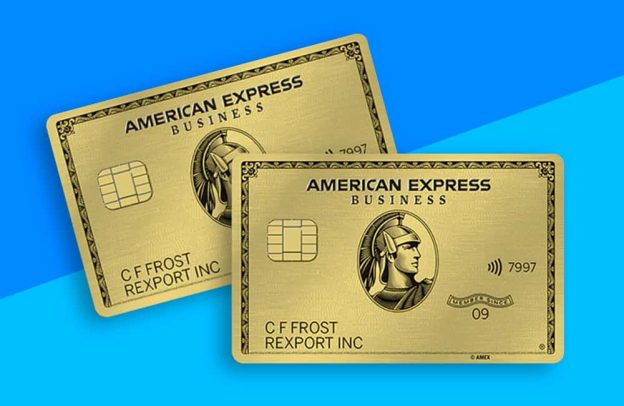
American Express has made the announcement of launching the first-ever online consumer Amex checking account for consumers that are eligible card members of the United States. According to American Express, Amex Rewards Checking will be offering a wide range of benefits – including membership reward points for purchases related to eligible debit cards. 

Some additional benefits are APY (Annual Percentage Yield) rate that tends to be ten times higher in comparison to the national rate, along with Purchase Protection for all eligible purchases. The offering is available without any minimums or monthly maintenance fees. 

American Express All-Digital Checking Account

The launch by American Express is expected to fulfill the ever-rising demands for digital banking services amongst customers. With the all-new checking account, consumers will earn interest and receive rewards while making use of the connected debit card when making purchases. 

The American Express Checking account is also available with monitoring and fraud protection, and customer service is accessed through chat or the phone. The all-new checking account serves to be an addition to the existing customer deposit products of the company, including the HYSA or American Express Savings Account and the CDs or Certificate of Deposits. 

Some of the innovative features of the American Express Rewards Checking account are:

  • 0/5 percent higher yield APY on the total checking account balance – almost ten times higher than the national rate
  • Absence of any minimum balance fees or monthly maintenance fees
  • Capability of earning one membership reward for every spending of $2 on purchases related to eligible debit cards. These rewards can be redeemed into the Amex Rewards Checking Account.
  • Purchase Protection on purchases made out of eligible American Express Debit Card for ensuring cover for theft or accidental damage
  • Efficient and simple banking with the help of the award-winning app of American Express
  • ATM withdrawals without any fee with the help of the debit card at over 37,000 MoneyPass ATM branches across the nation

Why is Digital Banking Great for any Business?

Digital banking has been successful in revolutionizing conventional banking practices by bringing forth automation, improved customer engagement, better business cash flow, and flexibility in transactions. 

The concept of digital banking has also enabled customers to ensure transactions across multiple secured and reliable digital channels and helps in bringing ample convenience and accessibility to funds around the clock. The paperless banking system also provides customers access to a number of payment options. Customers are given the opportunity to make use of the respective mobile devices with the help of a banking app, utilize credit card features, make use of online banking, or utilize mobile payments. 

Importance of Digital Banking 

Digital banking, the automation of conventional banking services, is the ultimate solution to maximum customer engagement, improved profitability, and better control. It has redefined banking by substituting the physical presence of a bank with dedicated online presence. It helps in doing away with the need to visit a branch. 

Digital banking allows customers to ensure transactions through multiple secure digital channels, but the bank is responsible for taking care of data security, risk mitigation, and regulatory aspects. It is done by integrating mobile and online banking services with the help of the latest digital technologies including social media, analytics, tech-driven payment solutions, and mobile technology for exceeding customer expectations, experience, and convenience. 

Some of the additional benefits of digital banking are:

  • Round-the-clock availability of access to relevant banking functions
  • The overall convenience of banking from the comfort of your home
  • Paperless banking
  • Facilitation of online payments for online shopping and so more
  • Enabling setting up of automatic payments for regular utility bills
  • Extending banking services to remote areas
  • Strengthening privacy and security for customers
  • Reducing the risks of counterfeit currency with the help of digital fund transfers
  • Lowering the minting demands of physical currency
  • Restricting the circulation of black money
  • Allowing misplaced credit cards to be blocked and reported instantly 

According to American Express, around 81 percent of Gen Z and millennials make use of debit cards as a substitute for cash. J. D. Power also found in another study that 41 percent of retail bankers have considered going digital. Liz Berman – Vice President of the American Express debit and product management department – revealed that around 85 percent of cardholders using American Express have already started engaging digitally with the organization. 

Through the release of the all-new checking account, American Express looks forward to drawing in more digital customers, with emphasis on Millennials and Gen Z. The company will aim at enticing them through the offering of special rewards with the help of the debit card. 

Berman added that the overall volume of engagement of consumers digitally and the overall growth of digital banking due to the pandemic  contributed to the decision of releasing the checking account. He added that the members of American Express and its team look forward to more digital products as well as services for customers. The members of the company want more out of the checking account and do not want to give up the benefits that are important to them.

Should You Open the American Express Rewards Checking Account?

Only consumers that have access to the credit card of American Express are eligible towards applying for the Amex Rewards Checking Account. As such, it can be worthwhile if you already have access to the credit card, but it is also expected that you make use of the debit card regularly while maximizing your rewards. 

If your ultimate goal is earning quite a number of points related to Membership Rewards with all your spending, the Checking Account can be worthwhile for the debit card rewards alone.

flexible fulfillment solutions

GrubHub and DoorDash Compete on Flexible Fulfillment Solutions

Each and every restaurant will have unique needs. This is why DoorDash comes with a wide range of partnership options towards helping them meet respective business goals. As a part of the commitment, the company came up with the concept of Self-delivery in 2021, which allowed restaurants to use their own in-house delivery staff to fulfill DoorDash orders. 

Upon launching this product, a number of restaurants – from famous chains including Jimmy John’s to regional famous names including Lou Malnati’s, and even local gems including Cocky Teriyaki – had made use of the platform of DoorDash for reaching out to new customers. They also aimed at supporting as well as retaining the existing in-house staff of the restaurant. 

Challenges Amidst the Covid-19 Pandemic

There is no denying the fact that the modern restaurant industry has been facing new as well as prolonged challenges due to the COVID-19 pandemic. Therefore, DoorDash continued listening to the respective restaurant partners. Some of the major takeaways of the company are flexibility and requests for additional assistance to resolve staffing concerns. To effectively meet the ever-rising needs of the modern restaurant industry, the company has come up with the Self-Delivery solution for incorporating the notion of flexible fulfillment. 

Flexible fulfillment is regarded as the ability to switch between leveraging the robust network of Dashers and making use of in-house delivery staff for fulfilling the orders of the company. Flexible fulfillment on Self-delivery solution enables restaurants to supplement the delivery drivers with Dashers. It is regarded as highly crucial as restaurants continue adjusting the respective business and growing the delivery fleet. All of these take place amidst the challenging labor and economic conditions due to the global pandemic. 

Because of this, restaurants are capable of increasing the overall operational capacity to meet increasing demands, ensure balanced staffing, expand the customer base, and grow order volume.

Restaurants That Benefit from the Solution

The solution of flexible fulfillment on the Self-delivery system by DoorDash will not be benefitting restaurants that already have access to fully-established fleets. However, the solution will be encouraging smaller shops or outlets to look out for cost-effective operations. With the help of flexible fulfillment, restaurants can look forward to having both flexibility as well as ample control. This helps in determining which orders will be making the most operational and financial sense for its staff to ensure delivery. Restaurants can also analyze which orders can be fulfilled by Dashers for an additional fee of flat fulfillment on a per order basis. 

Restaurants are now capable of identifying unique criteria that will help in automatically assigning orders in the form of either Dash-fulfillment or self-fulfillment depending on the requirements of the store. For instance, restaurants can easily identify time of the day or delivery distance for either expanding the delivery zones towards reaching customers within a new radius or better adjusting operations and staffing during slow or busy periods. 

While the existing criteria offers control and predictability, running a restaurant effectively will require the ability to adapt to ongoing and unexpected changes. For restaurant owners that make use of a tablet, they can think of using an in-tablet button for toggling to full Dasher fulfillment instantly –in real-time. At the same time, when a restaurant would like to switch to regular operations, it can do so by simply toggling off and the restaurant is now ready to make use of the in-house delivery staff all over again.

The option of self-delivery with flexible fulfillment is now available to all restaurants that are interested in nations like the United States of America, Australia, and Canada. The option of flexible fulfillment will be made available automatically to all the new restaurant partners with the help of self-delivery, and existing restaurant partners will have the ability to make use of the ongoing feature. 

Competition Between DoorDash and GrubHub

In addition to the Flexible Fulfillment option by DoorDash, GrubHub also made the announcement of a feature that will be effectively executing the same functionality. The Just Eat Takeaway aggregator has come up with the all-new feature of Supplemental Delivery, which allows restaurants that make use of the self-delivery option of the company to supplement the respective drivers with that of GrubHub’s. This will enable them to expand the delivery radius effectively.

Kevin Kearns – Senior Vice President for restaurants, GrubHub – explains that the company always keeps looking for innovative ways to better serve the respective restaurant partners while helping them to drive more orders. This is the reason why the company is now offering the option of Supplemental Delivery. 

The company knows that a number of restaurant owners and businesses are currently struggling with staffing amidst the ongoing pandemic. Therefore, the company takes pride in offering additional support to restaurant partners on GrubHub. Through the solution, businesses will be allowed to continue focusing on the respective operations and they can look forward to garnering more diners and capitalizing on businesses that were untapped previously at the same time.

In a recent survey, it was reported that a majority of consumers reported their shopping habits changing since the advent of the pandemic. It also revealed that around 58 percent of consumers continue ordering food online from restaurants, much more than prior to March 2020. In addition to this, the study also revealed that around 46 percent more consumers are now ordering food from restaurants with the help of aggregator services than they were previously before the start of the pandemic. 

The new features keep coming, and a wider range of restaurant technology trends aims at delivering improved flexibility such that restaurants are able to select in real-time what specific products or services will be making the most sense for the entire business. It is estimated that in the next five years, as a restaurant owner, one can select the type of currencies the business will be accepting and much more.

us consumer debt increased

US Consumer Debt Increased $333 Billion in Q4 of 2021

The debt loads of consumers in the United States of America grew by the largest amount in 2021 after 14 years. This is because people continued ramping up the purchase of cars, homes, properties, and other items that have become more expensive. This information was released through a recent report by the New York Federal Reserve. 

The process of increased borrowing has been accelerated in parts due to rising prices as customers all around continue coping with the strongest inflation they have seen in almost four decades. Moreover, households are supported by higher incomes and rising savings. Therefore, these customers are capable of handling increased debt loads quite effectively. 

Rapid Growth of Consumer Debt in 2021

Wilbert Van Der Klaauw, Senior Vice President at the New York Federal Reserve, revealed that the aggregate balances of auto loans and mortgages that have been recently opened have increased steeply in 2021. This is in relation to the overall increase in car and home prices. 

It is estimated that the total household debt increased by around $1 trillion in 2021. This has become the largest-ever increase in the total debt since 2007. This is in accordance with the quarterly report put forth by the New York Federal Reserve on credit and household debt. The total debt balance currently serves to be around $1.4 trillion higher in comparison to the end of 2019.

In 2021, around $4.5 trillion in mortgages had come up and were capable of reaching a historic high for the existing database, going back to 1999. Mortgage balances have increased by $258 billion during the 4th quarter to reach $10.93 trillion by December’s end.

Originations related to auto loans have returned to pre-pandemic trends, but loan amounts have increased in correspondence to increasing car prices. As car prices increase, buyers have continued borrowing more towards financing the additional cost, and some are anticipating higher rates of interest. These borrowers might be leveraging the benefits of reduced borrowing costs. Researchers have noted an increase in the concept of mortgage refinancing. 

Per the Federal Reserve officials, they are expected to increase the rates of interest in March. They will also start decreasing the balance sheet holdings at a later point in 2022. Both the respective actions can increase the overall borrowing costs as the Federal Reserve will work towards taming inflation and removing the support offered at the time of the pandemic. 

More Capacity for Including Debt

 As a sign to reveal that consumers will be returning to the pre-pandemic spending habits, credit card balances have also increased by around $52 billion during the 4th quarter. This has marked the largest quarterly rise that has been observed in the history of the existing data, but credit card balances still tend to be $71 billion lower in comparison to their value at the end of 2019. 

The overall use of credit cards usually increases in the 4th quarter as people continue making holiday purchases. The overall increase can also help in reflecting increased prices for goods & services, as per the researchers. 

Households in aggregate until now have been able to accept the increased debt loads with delinquencies remaining low, because of accumulated savings during the earlier phases of the pandemic along with forbearance programs. 

Tim Duy, Chief Economist and Professor at the University of Oregon, revealed that the economy is recovering with incomes going up and households having the capacity to add debt. The overall share of disposable income that is spent by households on loan payments, rent, taxes, and other bills is low per historical standards. However, some borrowers still have not been capable of doing well throughout the pandemic and have a harder time in keeping up with the debt payments  later. It is important to observe how some borrowers are doing after they resume student loan payments in some months. 

Is Rising Consumer Debt Good or Bad?

 It can be both a bad as well as a good thing. A rise in consumer debt can indicate the presence of a healthier economy. When people will have time to spend, they will be borrowing more. The fact that the overall household debt increased in 2021 is indicative of how far the given economy has come up since the time of the pandemic. 

On the other hand, household debt can be easily categorized into two categories –unhealthy and healthy. Auto loans and mortgages tend to fall in the healthy range. On the other hand, credit card debt is going to land in the unhealthy category. It is not ideal that the levels of credit cards have increased. 

Handling Your Rising Debts

In case you have a good amount of debt and it is increasingly becoming difficult to pay your bills on time, then it is high time that you should come up with a dedicated plan towards reducing or eliminating it. This does not imply that you have to push hard to pay off your mortgage in the coming year if you still have a decade to fulfill the loan. On the other hand, you should aim at focusing on the unhealthy debts – like the credit card balances – as these will be costing you the most in terms of interest.

An abundance of credit card debt can indeed lead to damage to the entire credit score, and if the number takes a hit, it can end up becoming expensive to insure borrowings for healthy reasons  – like replacing your old car with a new one. 

When you have too much credit card debt, look for a way to consolidate the same while making it less expensive to pay off the debt. This could mean using a personal loan or doing reliable balance transfer for paying off your credit cards.

impending rate increases impact on lenders and borrowers

Impending Rate Increases and How They Impact Lenders and Borrowers [2023 Update]

Based on findings by the Federal Reserve, the chance of a spike in the mortgage prices in the coming future is high. A price increase will make mortgages more expensive for all the borrowers who might not be locked in to a rate and even unaffordable for some. 

Differentiating Between the Types of Mortgage Prices

In the modern mortgage market, there is the presence of posted prices, lock prices, and fake prices

  • A posted price is what the lender looks for once a borrower has received approval on their application and they have been given clearance to ensure locking. Posted prices get delivered every day to telemarketers, loan officers, and other agents or employees given authorization towards offering the products of the lenders to the public. 
  • A fake price is the price that is quoted by a loan officer to grab the attention of the borrower. The practice is referred to as ‘low balling.’ A fake price that is below the respective posted price is not locked, but under specific circumstances, a fake price above the posted price can be locked. 
  • A lock price is the one to which a lender will commit to for the borrower. It is held for a particular period of 30 to 60 days. If the loan does not get closed within the respective period, the price commitment of the lender will expire. 

Fed Hikes Affecting Mortgages, Card Rates, and Car Loans

Recently, the Federal Government gave the signal that it will start to raise the benchmark interest rate in March and a few times more this year. As such, both businesses as well as consumers will end up feeling it. 

The Fed thinks that the job market in America is essentially going back to normal but inflation is also surging way beyond the annual target of 2 percent of the central bank. Therefore, it is time to increase the benchmark rate from almost zero. 

The Fed has gone ahead with slashing its key rate after the ongoing pandemic resulted in recession almost two years ago. The idea was supporting the economy by facilitating the processes of spending and borrowing. Now, by making mortgages more expensive, the Fed assumes that the reason for the surging prices is squeezing businesses and consumers. 

How to Prepare for the Rise in Interest Rates 2022?

Goldman Sachs predicts that the Federal Reserve will be raising the benchmark interest rate by a fuller percentage in 2022. As such, you might worry how the interest rate increases will impact your overall finances. Here are some ways to prepare:

  • Refinancing Home Loans: You can come across mortgages with approximately 3 percent interest rates for most of 2021. The Mortgage Bankers Association offers the prediction that the rates will be increasing by 4 percent in 2022. It would make the monthly payments on mortgages costlier. 

If you have a variable-rate or adjustable mortgage, you might think of refinancing for locking in a fixed-rate mortgage for mitigating the uncertainty of increasing rates. Ensure that you are doing ample research of the pros and cons of refinancing the mortgage before making the final decision. 

  • Refinancing the Private Student Loans: Borrowers with private loans mostly do not qualify for the pause on payments and interests for federal student loans of the Biden administration. Still, they are given the option of refinancing the loan at a fixed rate before the interest rate rises. 

In case you have a private loan and are looking at the option of refinancing, then you can think of pulling the trigger quickly instead of later on trying and leveraging the benefits of the current rates. 

  • Paying Down the Credit Card Debt: The average rate of interest for credit cards is around 16 percent currently. However, with the ongoing rate hikes, the rates can advance to 17 percent by the end of 2022.

Depending on how much you owe, if you are already struggling with paying monthly bills, the extra dollars can be an unwanted burden. In the respective case, it can be a great option to look into the options of debt consolidation. It would include taking out the personal loan or a bank transfer card. You should also observe what would make the most sense to you. 

In case you have payments regarding federal student loans that are paused until the mid of the year, you can make use of the funds for doing some financial housekeeping –like paying off the major part of the credit card debt for mitigating the hiked interest costs –if you are able to afford it. 

  • Improving the Credit Score: As lenders make use of the credit scores for determining what interest rates you will be paying on loans, the easiest method of offsetting increases of benchmark interest rates is by making your credit score better. 

Credit cards are a great instance of how this functions –particularly since banks are capable of raising the rates at any time –given that they will be providing you a notice period of 45 days. To keep your credit score high, it is important to focus on paying off debt and ensuring on-time payments on the outstanding balance on a monthly basis. 

Conclusion 

For users of home equity lines of credit, credit cards, and other debts with variable interest rates, rates will be rising by almost the same value as that of the Fed hike. This is because these rates depend on the prime rate of the banks and move in tandem with Fed rates. The rate hikes of the Fed will not necessarily increase the rates of auto loans. Car loans are highly sensitive to competition – slowing down the rates of increases.