Author Archives: hostmerchantservices

Nuvei Goes Private

Nuvei Goes Private While Keeping Current Ownership

Nuvei goes private following a $6.3 billion acquisition led by Advent International, with continued investment from CEO Philip Fayer, Novacap, and CDPQ. Nuvei Corporation, a fintech company based in Canada, confirmed the finalization of their planned arrangement under the Canada Business Corporations Act. The arrangement involved Neon Maple Purchaser Inc., a company established by Advent International, acquiring all issued and outstanding subordinate and multiple voting shares of Nuvei. Each share was purchased for $34.

Following this transaction, Nuvei’s subordinate voting shares have been removed from listing on the Toronto Stock Exchange as of November 18. Removal from the Nasdaq Global Select Market occurred on November 25.

Key Takeaways
  • Nuvei Corporation Completes $6.3 Billion Privatization: In November 2024, Nuvei finalized its transition to a private entity through a $6.3 billion all-cash acquisition by Advent International. Shareholders received $34 per share, reflecting a significant premium over previous trading values.
  • Maintained Leadership and Ownership Structure: Founder and CEO Philip Fayer, along with existing investors Novacap and CDPQ, rolled over substantial equity into the private entity. Fayer retains his roles as Chairman and CEO, ensuring continuity in strategy and operations.
  • Delisting from Public Markets: Nuvei’s subordinate voting shares were delisted from the Toronto Stock Exchange and Nasdaq Global Select Market in November 2024, marking the company’s full transition from public to private ownership.
  • Strategic Focus on Growth and Innovation: Backed by Advent, Novacap, and CDPQ, Nuvei aims to implement its Value Creation Plan, focusing on global expansion, advanced payment technologies, and enhancing customer relationships.

Nuvei Goes Private: A Look at the Key Details

key details about nuvie going private

In April 2024, Nuvei Corporation, a prominent Canadian payment processing company, announced its decision to become a private entity through a $6.3 billion all-cash transaction with Advent International, a global private equity firm. This arrangement allowed Neon Maple Purchaser Inc., a company established by Advent International, to acquire all the issued and outstanding subordinate voting shares and multiple voting shares of Nuvei Corporation.

This strategic move was completed in November 2024, marking a significant shift in Nuvei’s corporate structure while maintaining its existing leadership and ownership framework.

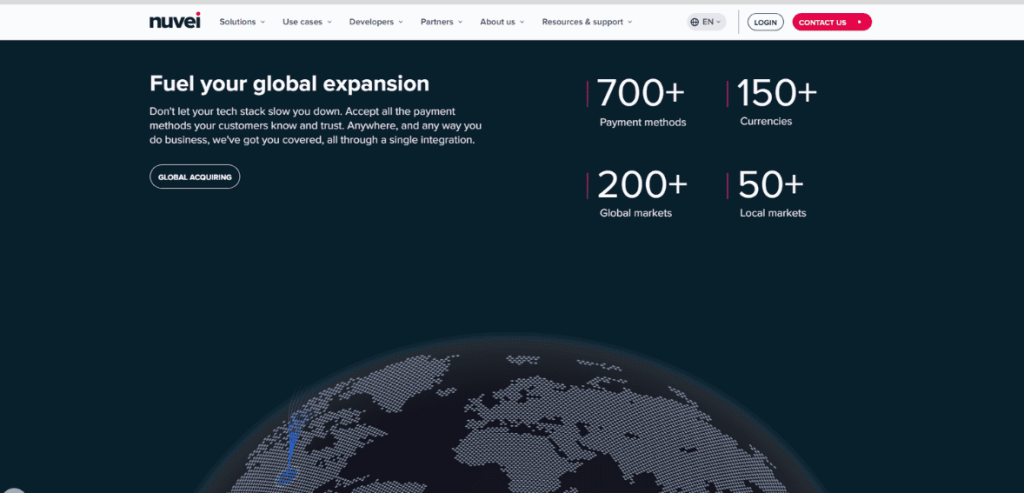
Founded in 2003 by Philip Fayer, Nuvei has established itself as a key player in the payment technology sector, offering a comprehensive suite of services, including global card acquiring, alternative payment methods, crypto payments, fraud and risk management, and analytics. Operating in over 200 markets and supporting 150 currencies, Nuvei serves a diverse clientele, including notable brands such as Shein, New Balance, and Microsoft.

The agreement to take Nuvei private was first announced on April 1, 2024. Under the terms of the deal, shareholders received $34.00 per share in cash, representing a premium of approximately 56% over Nuvei’s closing share price of $21.76 on March 15, 2024, and a premium of about 48% over the 90-day volume-weighted average trading price as of that date. This valuation positioned Nuvei at an enterprise value of approximately $6.3 billion.

A notable aspect of this transaction was the continued involvement of existing Canadian shareholders. Philip Fayer, the company’s founder and CEO, along with investment firms Caisse de dépôt et placement du Québec (CDPQ) and Novacap, chose to roll over a substantial portion of their equity into the new private entity. Under the terms of the agreement, Philip Fayer and the investment funds, collectively referred to as the Rollover Shareholders, exchanged their shares for a mix of cash and equity in the purchasing company or its affiliate.

This was executed in line with the stipulations of the Plan of Arrangement and individual rollover agreements with each shareholder. Following the arrangement, the company is now a wholly-owned subsidiary of the purchaser, with ownership and control distributed approximately as follows: Advent International holds about 46%, Philip Fayer 24%, Novacap 18%, and CDPQ 12%.

Philip Fayer, the founder and CEO of Nuvei, has converted about 95% of his shares and will remain one of the company’s major shareholders. He will also maintain his positions as Chairman and Chief Executive Officer, overseeing all operational aspects of the company. The existing leadership team at Nuvei will also stay on in their current roles.
Nuvei

In the announcement, Fayer expressed enthusiasm about starting a new phase with Advent, Novacap, and CDPQ, emphasizing a commitment to their long-term strategy aimed at increasing global customer revenue. He noted that for over 20 years, the company has offered essential solutions that support customer growth. Fayer assured that this commitment would persist as they aim to strengthen customer relationships through the provision of modern, adaptable, and specifically designed technology.

Fayer added that an important element of this next phase is the rollout of their Value Creation Plan, a detailed strategy to enhance their operations and capitalize on opportunities for rapid growth. Advent is joining forces with long-term investors Novacap and CDPQ, who continue to be significant stakeholders and share a belief in Nuvei’s dynamic and prosperous future.

David Lewin, Lead Senior Partner at Novacap, commented that since 2017, they have had the opportunity to support Nuvei’s management in pursuing its ambitious strategy for global growth. With a leadership team that consistently fosters innovation and cultivates significant partnerships across various industries, Nuvei has positioned itself as a leading fintech player in essential sectors with prospects for sustainable growth. As Nuvei enters an exciting phase of expansion, they are eager to enhance their partnership and discover new opportunities to generate enduring value for all stakeholders.

Kim Thomassin, Executive Vice-President and Head of Québec at CDPQ stated that since their initial investment in Nuvei in 2017, CDPQ is proud to have supported the growth of this Québec-based fintech leader, particularly through its global acquisitions. They are pleased to support Nuvei once more as it begins a new phase of its development, working with esteemed partners like Advent and continuing shareholders such as Philip Fayer and Novacap.

Bo Huang, Managing Director at Advent, expressed enthusiasm about initiating this partnership and supporting Nuvei’s expansion through strategic investments and acquisitions to enhance its global customer service as a contemporary payments partner.

The payment for the shares has been transferred by or on behalf of the Purchaser to the TSX Trust Company, serving as the depositary under the arrangement. Payments to the former shareholders of the company will be made as soon as possible after today’s date, or, for registered shareholders, following the receipt of a properly completed and signed letter of transmittal along with the necessary share certificates and/or DRS Advices representing the previously held shares.

As a result, Nuvei Corporation completed its go-private transaction on November 15, 2024. Consequently, the company anticipated that its subordinate voting shares would be delisted from the Toronto Stock Exchange (TSX) around November 18, 2024, and from the Nasdaq Global Select Market around November 25, 2024. The TSX confirmed that Nuvei’s shares were scheduled for delisting at the close of trading on November 18, 2024.

About Nuvei
About Nuvei

Nuvei, based in Montreal, Canada, is a financial technology company that focuses on global payment processing. It provides businesses with various payment solutions such as card issuing, banking services, risk management, and fraud prevention, enabling them to process payments across different markets through a single integration.

The company was listed on the Toronto Stock Exchange and Nasdaq under the ticker symbol NVEI before it went private.

Conclusion

Nuvei Corporation’s transition to a private entity, finalized in November 2024, marks a pivotal development in the fintech sector. The $6.3 billion all-cash transaction, led by Advent International with continued investment from founder Philip Fayer, Novacap, and CDPQ, underscores a strategic commitment to Nuvei’s long-term growth. By delisting from public markets, Nuvei aims to enhance its operational flexibility, enabling a concentrated focus on delivering advanced payment solutions across its extensive global network. This move is anticipated to facilitate the implementation of the company’s Value Creation Plan, designed to optimize operations and accelerate growth.

The sustained involvement of existing shareholders, particularly Philip Fayer, who retains a significant ownership stake and continues as Chairman and CEO, ensures continuity in leadership and strategic direction. This continuity is expected to strengthen Nuvei’s position in the competitive payment technology landscape. The collaboration with Advent International and the continued support from Novacap and CDPQ are poised to drive Nuvei’s mission to provide modern, flexible, and purpose-built payment technology solutions.

Manual Card Entry Could Be Phased Out by Mastercard by 2030

Manual Card Entry Could Be Phased Out by Mastercard by 2030

The online buying experience may entirely change by 2030 as Mastercard plans to eliminate manual card entry and one-time checkout passwords. The payments network giant plans to rely on biometric authentication (like fingerprint or face recognition) with tokenization for seamless and secure purchasing online – accessible from any platform.

With this move, Mastercard is trying to protect sensitive data through tokenization and advanced encryption through Mastercard Digital Enablement Service (MDES). This enablement service is already tokenizing 30% of the transactions worldwide, with some countries like India nearing 100%.

Customer satisfaction will also be enhanced, given around two-thirds of the shoppers feel frustrated with manual card entry during checkout.

Key Takeaways
  • Eliminating Manual Card Entry by 2030: Mastercard will phase out manual card entry and passwords. It will transition to biometric authentication and tokenization for better security and efficiency, particularly for online transactions.
  • Widespread Adoption of Tokenization: Over 30% of Mastercard transactions today are tokenized globally. In some countries, like India, the numbers are closing for full adoption.
  • Enhanced User Experience and Reduced Cart Abandonment: 25% of sales result in abandoned carts due to frustrating checkout process – biometric authentication will simplify the checkout. Customers will no longer be required to enter their cards manually and use complex passwords.
  • Focus on Fraud Prevention and Cybersecurity: Numberless cards and biometric verification will significantly reduce online fraud.

Mastercard Targets Enhanced Online Security and Simplified Transactions by Phasing Out Passwords and Manual Card Entry

Source: MasterCard

Mastercard has announced plans to eliminate manual card entry and passwords for online transactions by 2030. This will enhance security and streamline the payment process. The payment industry has undergone significant transformations, from physical card swipes to contactless payments. Mastercard’s latest initiative seeks to further this evolution by removing the need for manual card details and passwords during online purchases.

Jorn Lambert, Chief Product Officer at Mastercard, stated that the company is progressing from traditional swiping and manually entering information to a new system where payments can be completed with fewer clicks and enhanced security. This development includes using advanced encryption and tokenization technologies to safeguard sensitive data.

Introduced a decade ago, tokenization replaces sensitive card information with unique digital identifiers or tokens. This method ensures that actual card details are not transmitted during transactions, reducing the risk of fraud. Currently, as mentioned, over 30% of Mastercard transactions globally utilize tokenization, with markets like India nearing full adoption for e-commerce.

Simultaneously, the company is expanding its global payment passkey service, which allows millions of users to authenticate transactions securely through biometrics, such as fingerprints or facial recognition, to verify online transactions. This will result in a secure, user-friendly alternative to traditional passwords and one-time codes.

Lambert added that this approach is transforming the use of physical cards. Cards without visible numbers will become standard, significantly decreasing the risk of fraud if lost or stolen.

credit card machine

Online fraud rates are significantly higher than in-store fraud, often due to exposed card numbers. By implementing tokenization and biometric authentication, Mastercard aims to reduce these fraud rates and enhance consumer confidence in online shopping.

The move towards eliminating manual card entry and passwords will simplify the online shopping experience. With biometric authentication, consumers can complete purchases swiftly without remembering complex passwords or entering lengthy card details.

The initiative also paves the way for numberless physical cards that display no card numbers, expiration dates, or security codes. This design minimizes the risk of fraud if a card is lost or stolen, as the sensitive information is stored securely elsewhere. The theft of physical cards also becomes less effective as they require biometric authentication.

Additionally, according to research by Mastercard, nearly two-thirds of shoppers find it difficult to manually enter their card details, which results in 25% of shopping carts being abandoned due to the complexity or slowness of the checkout process.

Mastercard’s technology is enhancing the efficiency of online checkouts for businesses. Currently, tokenization is reducing cart abandonment and increasing transaction approvals by 3 to 6 percentage points across various regions, contributing to an additional $2 billion in monthly global sales for merchants. Plus, it significantly lowers the risk of fraud. These improvements benefit a broad range of participants in the ecosystem, including banks, consumers, and businesses.

Lambert emphasized that as payments become more integrated into various commerce experiences, Mastercard fosters a global economy that benefits everyone. This includes providing consumers more control and convenience, boosting merchant sales, and reducing fraud for card issuers.

Mastercard collaborates with banks, fintech companies, and merchants to deploy these technologies. Services like Click to Pay and the Mastercard Payment Passkey are being introduced to facilitate this transition, aiming for a consistent and secure online checkout experience across various platforms.

Click to Pay is quickly growing, with issuers such as ING Spain, Commonwealth Bank of Australia, Santander Mexico, and NatWest incorporating it into their card offerings. Additionally, acquirers, payment service providers, and channel partners like Prestashop, Adyen, Yuno and Worldline are adopting this technology. Consumers use Click to Pay for daily transactions at global retailers such as Eat Takeaway.com, Arcos Dorados, Pizza Hut, and Nando’s.

credit card

Whereas Mastercard Payment Passkey was initially launched for millions of consumers in Singapore, the United Arab Emirates, and India, the technology is now expanding worldwide. Prominent banks, payment aggregators, and online merchants are implementing this technology.

Mastercard is intensifying its focus on cybersecurity beyond online transactions. In September, the company purchased the Boston-based cybersecurity firm Recorded Future for $2.65 billion. This acquisition enhances the use of artificial intelligence-driven tools that notify banks of potential compromises to credit and debit cards.

These developments are in response to increasing concerns from consumers and businesses alike. A survey by Experian showed that 84% of consumers are worried about identity theft, while 71% of businesses are concerned about cybercriminals employing AI to commit fraud. Mastercard’s efforts are designed to address these fears by offering advanced solutions emphasizing security and ease of use.

Mastercard is dedicated to safeguarding consumers and transforming the online shopping experience as the payments industry changes. By 2030, manual card entry might become obsolete, giving way to more secure and efficient payment technologies.

About Mastercard

Mastercard

Mastercard Incorporated is a technology company in the U.S. and globally, specializing in transaction processing and payment-related products and services. The company offers a range of integrated products and value-added services to a diverse clientele, including account holders, merchants, financial institutions, businesses, and governments. These services include credit programs allowing consumers to defer payments, various access to fund solutions through debit, credit, and prepaid accounts, and specialized commercial payment products. Mastercard also delivers platforms for optimizing payment processes and managing corporate expenditures, such as dynamically generated Virtual Card Numbers and treasury intelligence platforms that provide strategic financial recommendations.

Further, Mastercard provides several innovative solutions designed to facilitate secure and efficient money transfers across different mediums. This includes Mastercard Send, which integrates with digital platforms to allow in-app transfers, and Mastercard Cross-Border Services, which supports a variety of global payment flows through an extensive distribution network. Additionally, the company offers cyber and intelligence solutions, consulting, loyalty programs, and e-commerce payment gateway solutions under the MasterCard, Maestro, and Cirrus brands. Founded in 1966, the company is headquartered in Purchase, New York.

Conclusion

Mastercard’s initiative to phase out manual card entry and passwords by 2030 marks a significant evolution in the payments industry. By leveraging tokenization, biometric authentication, and advanced cybersecurity measures, the company aims to enhance transaction security while simplifying the checkout process for consumers.

These innovations not only address growing concerns about online fraud but also improve user experience by reducing cart abandonment and streamlining purchases. As Mastercard continues to collaborate with financial institutions, merchants, and technology providers, its efforts are shaping a safer, more efficient future for digital commerce.

Cash EBT Payments Now Available on Amazon in 17 States and One Federal District

Cash EBT Payments Now Available on Amazon in 17 States and One Federal District

Americans who use federal assistance for their essential daily expenses will now find it much easier to shop on Amazon. According to the latest release from the eCommerce giant, they have started accepting Cash EBT payments from consumers in 17 states and Washington, D.C. Buyers dependent on Temporary Assistance for Needy Families (TANF) cash assistance can now use EBT cards to pay via Amazon Access.

This inclusion allows Amazon users to purchase beyond just essential food items using their federal benefits; now, they can pick a broad range of products and services, including non-food items, shipping fees, and offerings from third-party sellers.

Key Takeaways
  • Expansion of Cash EBT Payments on Amazon: Amazon now accepts Cash EBT payments from TANF (Temporary Assistance for Needy Families) recipients in 17 states and Washington, D.C., allowing eligible users to purchase a broad range of items beyond food, including non-food items and shipping fees.
  • Enhanced Flexibility for Beneficiaries: Unlike SNAP benefits, which are restricted to food purchases, TANF Cash EBT funds can be used for various essentials, such as housing, childcare, and online shopping, offering greater convenience and utility for low-income households.
  • Amazon Access Initiative: The program is part of Amazon Access and aims to reduce costs and increase accessibility for low-income shoppers through discounts, programs like Prime Access, and support for both SNAP and Cash EBT payments.
  • Eligible and Ineligible Purchases: Cash EBT funds can be used for items such as electronics, toys, and beauty products but not for restricted items like alcohol, tobacco, or firearms. Alternative payment methods are required for ineligible purchases.

Amazon Expands Payment Options with Cash EBT for TANF Recipients

Amazon Expands Payment Options with Cash EBT for TANF Recipients

Shoppers receiving Temporary Assistance for Needy Families (TANF) to buy daily essentials will be happy to know that Amazon has started accepting Cash EBT (Electronic Benefit Transfer) in selected states. Now eligible Amazon shoppers in 17 states and the District of Columbia will be able to use their benefits to buy a wide range of products that go beyond just essential food items.

EBT is an electronic system the government uses to distribute assistance programs to beneficiaries efficiently. People enrolled in the program receive monthly payments through their allotted EBT cards, which work similarly to a debit card during the purchase. While assistance programs like SNAP or Supplemental Nutrition Assistance Program are limited to buying essential food items, Cash EBT, provided through TANF, offers more flexibility and purchasing choices. Buyers can use Cash EBT for various essential needs, including housing, utilities, childcare, and online shopping.

Amazon took this step to tap a customer base depending on assistance and to also compete with popular brands already offering Cash EBT to their customers, like Walmart, Family Dollar, and DoorDash (with selected partners like ALDI, Albertsons, Safeway, Meijer, and 7-Eleven).

This initiative is part of Amazon Access, a platform designed to help customers access various programs, discounts, and features aimed at simplifying and reducing the cost of shopping on Amazon – covering items across various categories such as toys, electronics, beauty, and personal care, as well as home and kitchen products. Eligible customers can also use Cash EBT to pay for shipping costs, non-food items, and products offered by third-party sellers.

To utilize this benefit, add eligible items to your cart and choose “Cash EBT” as your payment option at checkout. The amount will be deducted from your account, and your items will be dispatched to you shortly.

snap statistics

Director of Amazon Access, Nancy Dalton, stated that Amazon Access was developed to help customers easily locate discounts and programs designed to simplify and lower the costs of shopping on Amazon, including options like SNAP EBT payments, Prime Access membership, and Access Discounts. She noted that accepting Cash EBT on Amazon is an additional advancement in improving access and convenience for low-income customers.

As of now, Amazon accepts Cash EBT payments in the following regions:

  • Alaska
  • Arizona
  • Colorado
  • Florida
  • Hawaii
  • Idaho
  • Illinois
  • Kentucky
  • Missouri
  • Nevada
  • New Mexico
  • New York
  • North Carolina
  • Oregon
  • Tennessee
  • Washington
  • Washington, D.C.
  • West Virginia

This expansion enables many TANF recipients to utilize their benefits for online purchases, enhancing convenience and access to a broader range of products.

Amazon was among the first to accept online federal benefit payments.

The U.S. The Department of Agriculture’s (USDA) SNAP Online Purchasing Pilot, which began in April 2019 and was initially planned to last two years, included Amazon as one of its early retail partners for online SNAP purchasing. Following its early adoption of online SNAP purchasing, Amazon has broadened its service to cover all U.S. households, providing them with at least one online purchasing option.

Eligible Purchases with Cash EBT on Amazon

Comparing EBT Programs Worldwide: Lessons from Global Food Assistance

Cash EBT funds can be used to purchase a wide array of items on Amazon, including:

  • Electronics
  • Toys
  • Beauty and personal care products
  • Home and kitchen items

Additionally, these benefits can cover shipping fees and purchases from third-party sellers on the platform. However, certain items remain ineligible for purchase with Cash EBT, such as:

  • Alcohol
  • Tobacco products
  • Firearms
  • Digital items and subscriptions
  • Prime memberships

It’s important to note that while SNAP EBT benefits are accepted nationwide on Amazon for purchasing eligible food items, Cash EBT payments are currently limited to the specified states and the District of Columbia.

If your cart contains items that are not eligible for purchase with your current payment method, you can still buy them by adding an alternative payment method at checkout to handle the cost of these items.

How to Use Cash EBT on Amazon

online shopping with EBT

To utilize Cash EBT benefits on Amazon, follow these steps:

  • Account Setup: Ensure you have an Amazon account. If not, create one by visiting Amazon’s website.
  • Add EBT Card: Navigate to the “Your Account” section, select “Payment Options,” and add your EBT card as a payment method. This process involves entering your card details and may require verification.
  • Shop for Eligible Items: Browse and add items to your cart. While Cash EBT covers a broad range of products, ensure the items comply with program guidelines.
  • Checkout: At checkout, select your EBT card as the payment method. If your purchase includes ineligible items, you must provide an additional payment method to cover those costs.
  • Confirm Purchase: Review your order and confirm the purchase. Your Cash EBT benefits will be applied to eligible items and associated costs.

About Amazon

Amazon Grocery Services

Amazon.com, Inc. is a multinational company that sells consumer products, provides advertising services, and offers subscriptions through both online and physical stores across North America and other international markets. The company is structured into three main segments: North America, Amazon Web Services (AWS), and International. Amazon also manufactures devices such as Fire tablets, Kindle e-readers, Echo smart speakers, Fire TVs, and security devices under the Blink, Ring, and Eero brands. Additionally, the company creates media content and provides a platform for sellers to distribute their products and for various creators like musicians, authors, and filmmakers to publish and monetize their work.

Amazon also delivers a wide range of cloud services, including storage, computing, analytics, machine learning, and database management, and advertising options like sponsored ads and video advertising complement these. The company also offers the Amazon Prime membership program. Its product line includes both its own merchandise and those provided by third-party sellers. Amazon serves diverse customers, including businesses, consumers, content creators, and developers. Founded in 1994, Amazon is based in Seattle, Washington.

Conclusion

The introduction of Cash EBT payments on Amazon marks a significant milestone in making online shopping accessible to low-income families receiving TANF benefits. By broadening the scope of what federal assistance funds can cover, Amazon has enabled eligible customers to purchase non-food items, pay for shipping, and access products from third-party sellers across 17 states and Washington, D.C. This initiative aligns with the company’s mission to support diverse customer needs through programs like Amazon Access.

While certain restrictions apply, the flexibility offered by Cash EBT payments provides a practical solution for families seeking convenience and a wider selection of essential items. As Amazon continues to innovate and expand its support for government assistance programs, it reinforces its role as a key player in bridging accessibility gaps for underserved communities. This step forward demonstrates how public-private collaboration can enhance the reach and utility of federal assistance programs.

affirm becomes WooCommerce bnpl partner

Affirm Becomes the Preferred BNPL Partner for WooCommerce

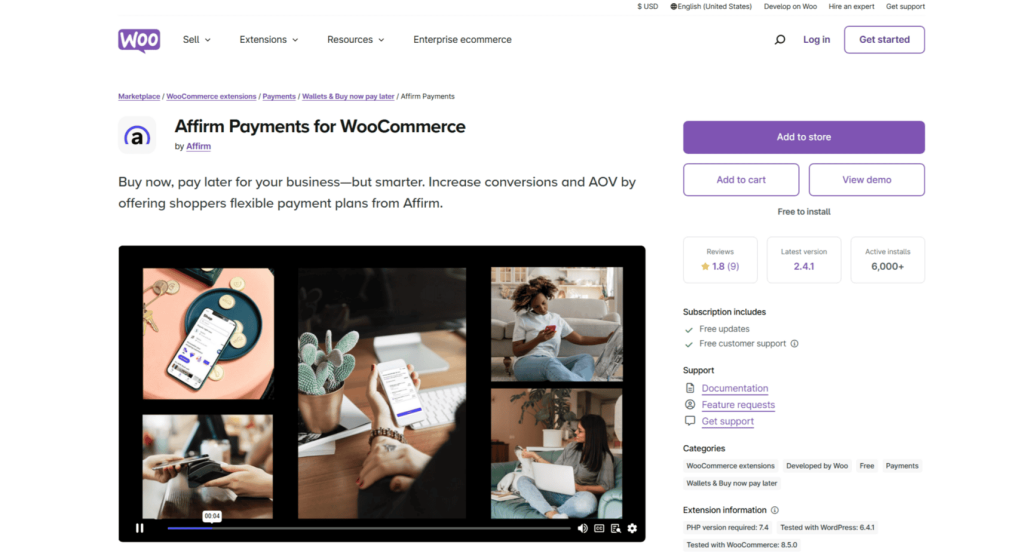
WooCommerce, an open-source commerce solution built on WordPress, reported last Friday that they had chosen Affirm as the default BNPL (buy now, pay later) payment provider. Now, merchants using WooPayments at the checkout, an integrated payment service by WooCommerce, can instantly offer Affirm “pay-overtime” plans to their customers. This move will make Affirm the leading BNPL payment option in the US and Canada.

Additionally, WooPayment merchants could offer Affirm’s monthly, bi-weekly, and newer payment options like “Pay in 30.” This will potentially enhance the reach of Affirm, with strongholds on small and medium businesses, all while helping the merchants to offer their customers Affirm payments on different ranges of transactions. This will not only boost customer satisfaction but will also result in increased sales.

Key Takeaways
  • Affirm Becomes Default BNPL Provider for WooCommerce: To expand their current payment infrastructure and offer better payment flexibility, WooCommerce has decided to make Affirm the default payment provider. This decision will ensure customers pay the bill in parts without any late fee charges, providing better transparency for shoppers.
  • Positive Impact on Small and Midsize Businesses: With this partnership, merchants can capture a more extensive customer base (like GenZs) adopting BNPL services, increasing average order value.
  • Rising Adoption of Affirm by WooCommerce Merchants: This strategic partnership occurred due to merchants’ growing adoption of Affirm as a payment option. For instance, in 2023, there was a 45% increase in WooCommerce merchants adopting Affirm.
  • Businesses Are Welcoming the Decision: Established merchants on WooCommerce are happy with this new partnership as they see better growth after offering Affirm pay-overtime. For example, Benjamin De Castro, chief marketing officer at Gardyn, mentions that Affirm provides what the customer values – transparency, flexibility, and choice at the checkout. With Affirm, Benjamin said they can offer customers a “best-in-class” checkout experience. 
  • Affirm’s Strategic Growth and Partnerships: Affirm’s collaborations, including integration with Adyen for Platforms and a capital partnership with Sixth Street, aim to expand its market reach. The company targets $34 billion in gross merchandise value (GMV) by fiscal 2025.

WooCommerce Makes Affirm the Default BNPL Provider to Enhance Payment Flexibility and Merchant Growth

WooCommerce Makes Affirm the Default BNPL Provider

WooCommerce, a leading open-source e-commerce platform built on WordPress, has made Affirm its default BNPL provider for WooPayments merchants. WooPayments merchants will now have greater payment flexibility and ensure enhanced checkout transparency. It will also mean shoppers can make a wide range of transactions in smaller monthly installments.

With Affirm, merchants have a distinct edge in the competitive market. Affirm does not charge any late fees in case of missed payments, unlike other BNPL providers like Afterpay, which charges as much as 25% of the total transaction value.

The collaboration between WooCommerce and Affirm is not new but has evolved significantly. The recent upgrade to make Affirm the default BNPL option on WooCommerce platforms is a strategic move to enhance e-commerce operations by integrating more seamless and flexible payment solutions.

This decision is expected to impact positively small to midsize businesses by expanding their customer base and increasing average order values, as merchants have reported a noticeable increase in transaction sizes when customers use Affirm compared to other payment methods.

Affirm’s commitment to transparency and no hidden fees aligns with consumer preference for straightforward, honest financial products. This approach helps build customer trust and empowers them to make informed purchasing decisions without fearing unexpected charges.

Web Griebel, the Head of Payments at Woo, announced the expansion of their collaboration with Affirm, noting it comes at a pivotal time when consumer interest in clear and flexible payment options is at a peak. This year alone, there has been a 45% rise in merchants adopting Affirm’s services on WooCommerce. Merchants using Affirm also report higher average order values than those not using the service. Griebel enthusiastically advocated advancing this partnership to support merchant growth through Affirm’s solutions.

By becoming the default payment method on WooPayments, Affirm now reaches thousands of WooCommerce merchants, broadening its presence across various online businesses. The introduction of Affirm’s “Pay in 30” option, alongside its existing payment plans, allows it to appeal to a broader range of consumers, including those with smaller purchases.

As Affirm is increasingly adopted by WooCommerce merchants, the transaction volume on its platform is expected to increase, which should boost its revenue. This growth also strengthens Affirm’s position as a reliable BNPL service. Additionally, Affirm has expanded its partnership with Adyen, becoming the first BNPL service integrated with Adyen for Platforms, and has formed a significant capital partnership with the global investment firm Sixth Street.

Wayne Pommen, Chief Revenue Officer at Affirm, expressed enthusiasm about deepening their relationship with WooCommerce by becoming a default payment choice for thousands of its merchants. He highlighted this development as a significant opportunity for Affirm to increase its presence, particularly among small and mid-sized businesses, and offer transparent financial products to a broader customer base.

With over 320,000 partners worldwide, these strategic alliances are likely to help Affirm meet its ambitious goal of surpassing $34 billion in GMV by fiscal 2025. The company also projects an increase in its revenue relative to GMV by at least 20 basis points from fiscal 2024.

About Affirm

About Affirm

Affirm Holdings, Inc. operates a payment network in the United States, Canada, and other countries. The company offers a platform that includes a point-of-sale payment system for consumers, solutions for merchant commerce, and a dedicated app for consumer use. Its commerce system, in partnership with originating banks and capital markets partners, allows consumers to purchase installment payments.

Affirm has a diverse range of active merchants, from small businesses to large corporations, including direct-to-consumer brands, traditional retail stores, and companies with an omnichannel strategy. These merchants span various industries such as home and lifestyle, sporting goods, electronics, travel, automotive equipment, fashion, and general retail. Founded in 2012, Affirm Holdings, Inc. is based in San Francisco, California.

About WooCommerce

About WooCommerce

WooCommerce is a recognized company that develops an open-source eCommerce plugin for WordPress. Founded in 2008 and based in San Francisco, CA, the company operated as WooThemes and shifted its focus entirely to eCommerce solutions in 2017. The adaptable platform allows small to medium-sized businesses to create customized online stores tailored to their specific requirements. WooCommerce supports the sale of physical and digital goods, including subscriptions and appointments, through a modular system that can handle a variety of commercial activities.

WooCommerce has a notable role in the eCommerce industry and is praised for its extensive customization options and robust support network. It offers sophisticated selling tools and committed assistance, aiding established merchants in expanding their operations. The platform enables users to begin at no initial cost, with a scalable architecture that can expand alongside the business. This strategy has established WooCommerce as a reliable option among eCommerce platforms, constantly adapting to satisfy the varied demands of its users across multiple sectors.

Conclusion

The integration of Affirm as the default BNPL provider for WooCommerce marks a pivotal advancement in the e-commerce payment landscape. This collaboration aligns with growing consumer demand for transparent and flexible financial solutions while supporting merchants in boosting sales and attracting a broader customer base.

By offering payment options like “Pay in 30” and eliminating late fees, Affirm enhances the checkout experience and fosters trust among users. With its strategic partnerships and commitment to innovation, Affirm is well-positioned to expand its market reach and achieve its ambitious growth targets. Similarly, WooCommerce continues strengthening its reputation as a leading platform for adaptable and customer-focused e-commerce solutions, benefiting merchants and consumers.

Fiserv acquires Payfare

Fiserv Finalizes a $140 Million Acquisition Deal with Payfare

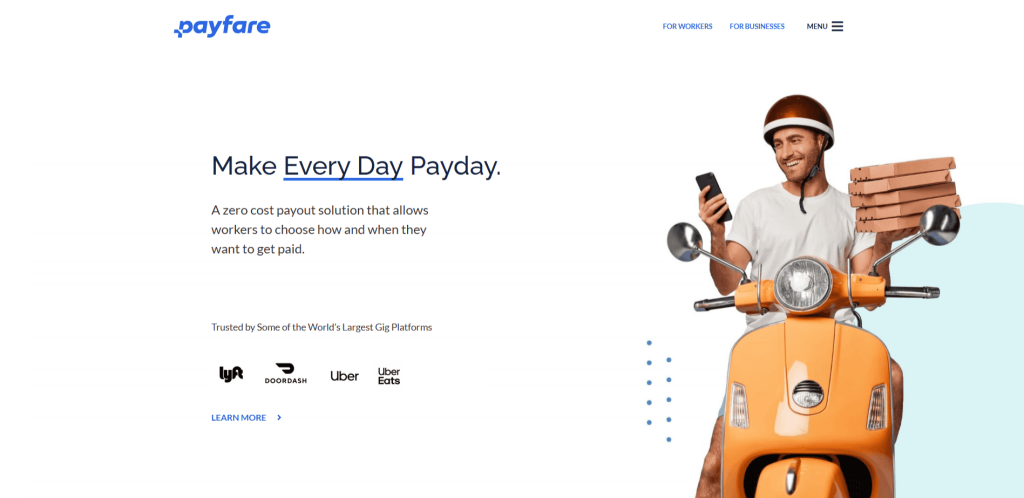
A fintech and payments company in the US, Fiserv acquires Payfare in a $140 million deal, strengthening its position more as a finance company. Payfare is a Canada-based fintech firm offering instant payments and digital banking services tailored for gig economy workers. With this deal, Fiserv aims to expand its current payment capabilities and capture the core audience of Payfare, which are gig economy clients with users hailing from popular platforms like Lyft and Uber Technologies.

This all-cash deal values Payfare at a 90% premium to its closing price ($2.8 per share) as of December 20th. It is expected to close by the first half of 2025.

Key Takeaways
  • Strategic Acquisition to Strengthen Gig Economy Services: As announced on Monday, Fiserv acquired Payfare for approximately C$201.5 million ($140 million). Fiserv aims to expand its embedded finance capabilities through this deal and provide instant wage access solutions for gig economy workers.
  • Impact on Payfare Following DoorDash Contract Loss: This deal resulted from a strategic evaluation by the Payfare board after they lost their largest client, Doordash. The market worsened after almost 75% of the share value dropped in a single day.
  • Significant Premium for Payfare’s Shares: Fiserv offered a nearly 90% premium over Payfare’s closing stock price. Fiserv has confidence in Payfare’s technology and potential for growth in the gig economy sector.
  • Regulatory Steps and Future Prospects: Subject to approvals, the transaction is expected to be finalized by mid-2025 and will delist Payfare from stock exchanges. Integration with Fiserv is anticipated to boost innovation and market competitiveness for both companies.

Fiserv Acquires Payfare for $140 Million to Strengthen Its Position in the Gig Economy

Fiserv Acquires Payfare for $140 Million to Strengthen Its Position in the Gig Economy

Fiserv Inc. announced this week that they have finalized the acquisition of Payfare Inc., a Canada-based company known for its innovative payment solutions targeted at gig economy workers. Fiserv, a leader in financial services technology for four decades, has acquired Payfare at approximately C$201.5 million (or $140 million). As mentioned, this is a strategic acquisition for Fiserv as it aims to enhance its footprint in the gig economy sector. Payfare has well-known gig economy platforms as clients, including ride-hailing companies Lyft and Uber.

In recent years, the gig economy has grown fast as more and more workers rely on flexible and on-demand jobs to earn their livelihood. This has created a need for an efficient and reliable payment system so workers can access their wages immediately. Payfare addressed this need by offering tailored solutions that allow gig workers to access their earnings instantly, an invaluable service for managing cash flow and financial emergencies.

Fiserv‘s decision to acquire Payfare is driven by a desire to enhance its embedded finance capabilities and expand its service offerings to include instant wage access and other specialized financial services for gig workers. This move is aligned with Fiserv’s ongoing efforts to integrate more comprehensive and flexible financial services into its portfolio, which will now include Payfare’s white-label consumer apps, card program management, and advanced microservices. This enhances Fiserv’s current strengths in bank ledgers, processing, and integrated additional services.

The Payfare board has approved the deal, which is expected to be finalized in the first half of 2025, subject to shareholder and court approvals.

How Payfare is Powering the Gig Economy

Image source

The transaction results from Payfare’s strategic evaluation of its operations began soon after the company announced that its contract with DoorDash for the DasherDirect card program would not be extended past early 2025. After losing DoorDash, its largest client, Payfare found itself in a difficult position, leading to the withdrawal of its previously issued earnings forecast for 2024. The announcement led to a 75% decrease in Payfare’s value within a day.

With this transaction, Payfare will be the tenth among 20 Canadian technology firms that went public between mid-2020 and late 2021 to revert to private ownership following a sector-wide price drop three years ago. Many smaller tech company shares have yet to recover. Several other larger tech companies listed on the TSX have been acquired in the last few years. Meanwhile, Montreal-based Lightspeed Commerce Inc., which went public in 2019, is considering potential takeover offers as part of a strategic review initiated earlier this year.

The deal, which translates to a significant premium over Payfare’s recent stock prices, reflects Fiserv’s strong belief in the potential of Payfare’s technology and market position. This acquisition price, set at C$4.00 ($2.8 per share) per share in cash, represents a nearly 90% premium over Payfare’s closing price before the announcement, underlining the strategic importance of this acquisition for Fiserv.

For Fiserv, the acquisition of Payfare is not just about expanding its product offerings—it’s also a strategic move to position itself strongly within the burgeoning gig economy. By integrating Payfare’s capabilities, Fiserv aims to offer more robust and flexible financial services, enhancing its overall market competitiveness and appealing to gig economy platforms and their workforce.

Joining forces with Fiserv provides Payfare with the resources and global reach necessary to scale its operations and enhance its technological offerings. This is expected to bring about significant growth opportunities for Payfare, allowing it to serve a broader client base and innovate faster.

Fiserv’s CEO, President, and Chairman, Frank Bisignano, remarked that by working together, they can hasten the provision of embedded finance solutions for all their clients, supporting their upcoming phase of success. He expressed enthusiasm about integrating Payfare’s skilled team into Fiserv.

Payfare’s CEO and founding partner, Marco Margiotta, noted that their board, alongside financial advisors, undertook an extensive strategic review, assessing a variety of acquisitions, commercial partnerships, and other opportunities. They determined that the transaction was in the best interests of the company, its stakeholders, and shareholders, offering a dependable value through an all-cash proposal.

After completing the transaction, Fiserv intends to remove Payfare’s shares from the OTCQX and the Toronto Stock Exchange (TSX). It will also seek to end Payfare’s status as a reporting issuer under Canadian securities laws.

The transaction will be carried out through a court-sanctioned plan of arrangement under the Business Corporations Act of British Columbia.

Keefe, Bruyette, & Woods (KBW) served as Payfare’s financial advisor, and Blair Franklin Capital Partners guided the Special Committee. Payfare engaged Dentons and Borden Ladner Gervais (BLG) for legal counsel, while Foley & Lardner LLP and Blake, Cassels & Graydon LLP acted as external legal advisors for Fiserv.

The focus will be on how effectively Fiserv integrates Payfare’s technologies and whether this acquisition will lead to the anticipated growth and innovation in services for gig economy workers. Additionally, with Fiserv’s CEO soon taking a new role with the Social Security Administration, it remains to be seen how the company will continue its strategic expansions under new leadership.

About Fiserv

About Fiserv

Fiserv, Inc., a prominent provider of payments and financial services technology, operates globally across various regions, including the United States, the Middle East, Europe, Latin America, Africa, and the Asia-Pacific. The company is organized into three main segments: Financial Technology, Payments and Networks, and Merchant Acceptance. The Financial Technology segment delivers banking solutions, including digital banking, account management, consulting, risk management, check processing, and additional support services.

The Payments and Network segment handles card and non-card transactions, encompassing credit, debit, prepaid processing, fraud protection, and ATM services. Fiserv caters to a diverse clientele, including banks, merchants, credit unions, and other financial entities. Established in 1984, the company is headquartered in Milwaukee, Wisconsin, underscoring its longstanding presence and expertise in the financial technology industry.

Meanwhile, the Merchant Acceptance segment offers mobile payments, merchant acquiring, security solutions, and the Clover and Carat systems, tailored for small to mid-sized businesses and large enterprises. These services are marketed through direct sales, partnerships, and joint ventures.

About Payfare

Payfare Inc., a financial technology firm, delivers immediate payment and digital banking services tailored for gig economy workers across the United States, Canada, and Mexico. The company’s main product, the PayFare platform, enables workers to access their earnings promptly. It offers banking services, including money transfers, ATM access, mobile wallets, and payment cards. Additionally, Payfare provides specialized solutions like the Paid App and the Paid Portal, facilitating seamless financial transactions for gig economy professionals.

Established in 2012, Payfare is headquartered in Vancouver, Canada, positioning itself as a key player in financial solutions for the gig economy sector.

Conclusion

The acquisition of Payfare by Fiserv represents a pivotal move in the evolving financial services landscape, particularly within the rapidly growing gig economy. By integrating Payfare’s instant payment solutions and digital banking capabilities, Fiserv strengthens its ability to address the unique financial needs of gig workers while enhancing its embedded finance offerings.

For Payfare, the deal provides access to Fiserv’s global resources and expertise, enabling broader market reach and faster innovation. This strategic partnership is expected to drive significant growth and position Fiserv as a leader in financial technology solutions tailored to diverse economic sectors.

Merchants Navigate Changes as Visa Enforces Surcharge Program

Merchants Navigate Changes as Visa Enforces Surcharge Program

For years, businesses have struggled with numerous fees associated with credit card transactions. Whenever a customer swipes a card, merchants incur different fees, particularly interchange fees imposed by payment networks.

During the past two years, Visa’s efforts to control and clarify the rules surrounding credit card surcharges have generated substantial discussion among payment processors, independent sales organizations (ISOs), and merchants. While some better understand the company’s position, others express concerns over the Visa surcharge enforcement strategies.

Key Takeaways
  • Surcharge Regulations Remain Complex: Visa’s rules regarding credit card surcharges have created confusion, with inconsistencies in enforcement and unclear documentation. This is particularly true for smaller merchants, who lack the resources to manage compliance effectively.
  • Increased Enforcement and Direct Merchant Interaction: Visa has tightened enforcement of surcharge policies, including using mystery shoppers to monitor violations. This shift has led to more rapid fines and less opportunity for merchants to correct mistakes before penalties are applied.
  • Pricing Strategies Shift: Some merchants adjust their pricing strategies, such as raising overall prices or offering cash discounts, to avoid surcharges. These methods aim to maintain customer satisfaction while covering processing fees.
  • Merchant Compliance Challenges and Best Practices: Payment processors and ISOs emphasize the importance of merchants monitoring their surcharge levels, separating credit and debit transactions, and conducting regular audits to prevent fines and ensure compliance with Visa’s rules.

Background on Surcharging

visa surcharge

A surcharge is an extra fee a business may add to the transaction total when a customer pays with a credit card. Some retailers and restaurants designed this measure to offset credit card acceptance costs. Over time, interchange fees—paid to issuing banks and networks—have climbed, leading certain businesses to explore ways to pass these fees to the consumer rather than absorbing the expense.

Surcharging rules differ by network, and certain states in the U.S. enforce specific laws on these charges. This mix of regulations can make surcharging challenging, particularly for small and mid-sized businesses that lack the resources to navigate complex compliance issues. While larger retailers often employ teams to ensure compliance, smaller merchants may not have access to similar support, which elevates their risk of violating regulations.

Visa has historically maintained limitations on how merchants add surcharges. Previously, some businesses applied up to a 4% fee. In recent years, Visa lowered the cap to 3% and clarified that surcharges cannot be applied to debit transactions. The network contends these measures aim to safeguard consumers from overcharging and maintain a consistent experience when they pay with Visa credit cards. Yet, payment industry insiders have voiced frustrations that the guidance on these limits was unclear and that the network’s documentation was sometimes ambiguous.

Visa Surcharge Enforcement: How Merchants and ISOs Are Adapting

Surcharge

When Visa introduced its adjusted surcharge rules, many industry professionals felt underinformed. Although the network sent out business notices, the wording sometimes appeared vague. As a result, payment processors and ISOs found themselves fielding questions from merchants about how to comply. Specific details on the 3% limit and prohibited surcharges for debit cards were not always clearly outlined.

Certain service providers have noted discrepancies in Visa’s enforcement of the policy and its imposition of fines. For instance, one merchant might get flagged for a surcharge of just over 3%, whereas a comparable case might remain unaddressed for months. Furthermore, there was often uncertainty about whether merchants could consolidate processing and interchange fees into a single surcharge.

After nearly two years of grappling with the updated policies, many in the payments sphere report a better sense of Visa’s expectations. Several industry veterans have stated that the market has reached a point where merchants, ISOs, and payment processors have formed a level of stability regarding surcharges. The overall sentiment is that most businesses want to adhere to the rules since the cost of non-compliance can be significant.

However, not everyone agrees that Visa is showing leniency. Some payment executives claim that Visa’s enforcement has grown more forceful. This perspective centers on the idea that fines are being issued more quickly than before and that the window merchants have to correct non-compliant behavior, which seems to have shrunk. The possibility of repeated or higher fines looms if a merchant does not promptly remedy the issue after being flagged.

A notable development in Visa’s approach appears to be a more direct strategy: contacting merchants rather than working solely through sponsor banks and ISOs. Under this tactic, the network may conduct investigations through mystery shoppers—individuals who pose as everyday customers to observe how a merchant handles credit or debit transactions. If the shoppers discover a violation, such as a surcharge over the 3% cap or any fee on a debit purchase, the evidence is shared with Visa. At that point, the merchant may receive an official warning or even an immediate fine if the infraction is deemed egregious.

This direct relationship between Visa and the merchant has pros and cons. On the one hand, it offers a quicker way to address violations, as the merchant cannot claim ignorance when confronted by Visa. On the other hand, some in the payments community feel it undermines the established communication chain. Traditionally, concerns would flow from Visa to the acquiring bank, then down to the ISO or payment processor, and eventually to the merchant. Some ISOs say they receive complaints from merchants that they were never given a chance to rectify the situation before penalties were imposed.

credit card machine

Some payment executives describe the fining process as inconsistent. They claim that one merchant might get away with a 3.5% or 4% surcharge for an extended period while another merchant receives a fine after only a short time. An additional complication arises from how quickly Visa expects payment of these fines. In certain accounts, the network raises the amount if the initial fine is not promptly settled, intensifying the financial impact on smaller businesses. Such an approach can drive resentment among merchant service providers, who feel the enforcement methods are punitive rather than corrective.

Visa has not disclosed every detail of its enforcement methods, including how frequently fines are imposed, but Visa’s stance on surcharging debit purchases is clear – it is not allowed.

The increased enforcement has prompted some merchants to alter their pricing strategies to avoid surcharging on credit cards. For instance, some businesses have slightly raised the prices of low-cost items instead of directly imposing a surcharge on credit card payments, aiming to maintain a positive customer experience while covering processing fees.​

While Visa continues to enforce its policies, state governments have also begun to influence surcharge practices. Several states either prohibit surcharges or set rules regarding how they can be levied. Over the past decade, there have been legal battles over these statutes, with some states successfully defending them in court while others faced constitutional challenges on free speech or consumer protection grounds.

In addition to state-level regulation, federal lawmakers have introduced measures that could affect how payment networks operate. For example, states like New Jersey and New York have passed laws mandating that surcharges do not exceed the costs incurred by merchants for processing the transactions. The proposed Credit Card Competition Act has also attracted attention for possibly altering interchange dynamics, although it remains uncertain how it might intersect with surcharge practices. Some observers speculate that any serious legislative change could shape the entire ecosystem of card acceptance fees, potentially influencing how networks and merchants handle the cost of credit transactions.

A segment of the payment community awaits clarity on whether the federal government will enact stricter guidelines around surcharging. Given the political climate and competing priorities, it’s difficult to predict how quickly Congress might move on such legislation. Still, the mere possibility has prompted speculation about what a more uniform national standard on surcharges might look like.

Merchants’ Strategies and the Customer Experience Factor

Definition of Interchange Rates

For businesses, the debate around surcharging is more than a question of compliance; it’s about how fees influence consumer behavior and brand loyalty. Many companies focus on delivering a smooth checkout experience to retain customers. Adding a separate surcharge to the total bill can spark negative perceptions, even if it’s only a few percentage points. A consumer may opt for more transparent pricing if a competitor offers the same service or product without the extra fee.

Some merchants resolve the challenge by raising prices uniformly and avoiding mentioning a separate credit card fee. Doing so ensures that customers do not feel penalized for their payment method. Another approach is to offer a small discount when paying with cash. This tactic is effectively the inverse of a surcharge: rather than tacking on a cost for card usage, the merchant provides savings for those who prefer cash. However, it must be structured carefully to comply with network requirements and state laws.

Industry leaders often point out that many consumers are accustomed to paying by card. For restaurants, retail shops, and online sellers, refusing to accept credit cards or adding an unwelcome fee can lead to lost sales. Most businesses would rather pay interchange fees than limit customers’ payment preferences. Thus, while surcharging can help recoup some transaction costs, it risks alienating patrons, especially if the fee seems too high.

Advising Merchants on Compliance

Payment industry consultants and ISOs have taken on an educational role, guiding merchants on best practices. These professionals recommend closely monitoring surcharge levels to ensure they do not exceed 3%. They also urge business owners to differentiate between credit and debit transactions. Setting up point-of-sale systems properly is crucial—if an automated system is not configured to detect debit cards, the merchant might inadvertently break Visa’s rule by applying a surcharge to those transactions.

Regular audits of receipts, statements, and transactional data can help a merchant spot errors before they become habitual. It’s also advised to keep detailed records so the merchant can demonstrate efforts to follow the rules if a dispute arises. Immediate corrective measures are generally recommended for those who receive a warning or fine. Delaying adjustments could lead to larger fines or risk the merchant losing their ability to accept Visa altogether.

An ongoing debate exists about whether non-compliance punishment is strong enough to deter merchants. Some might consider a relatively small fine a risk worth taking if they can collect a higher surcharge from every credit card transaction for months. Others argue that such short-term thinking damages a merchant’s reputation and could lead to even harsher penalties over time.

Experts have observed that “surcharge greed” can still be found in parts of the market. In some instances, surcharges run as high as 3.5% or 4%. If a merchant has a low volume of transactions or a narrow profit margin, they might view that extra revenue as necessary.

Conclusion

Visa’s stepped-up enforcement of surcharge regulations is a critical development in the payments industry, reflecting broader trends toward transparency and fairness in financial transactions. As this situation develops, merchants and consumers must stay informed about the changing rules and adapt their strategies accordingly. This ongoing evolution in the payment landscape highlights the delicate balance between operational costs, regulatory compliance, and consumer satisfaction.

JPMorgan Chase, Bank of America, and Wells Fargo Sued by CFPB for Negligence on Zelle Fraud

JPMorgan Chase, Bank of America, and Wells Fargo Sued by CFPB for Negligence on Zelle Fraud

The Consumer Financial Protection Bureau (CFPB) recently sued EWS (who operates Zelle payments) and the major bank owners – Bank of America, JPMorgan Chase, and Wells Fargo. According to a statement published by the CFPBin Zelle fraud case, the operators failed to protect consumers from fraud perpetrated on the Zelle payment platform.

CFPB, a government agency with the primary goal of protecting consumer interest by offering financial protection, said in a statement published on their website that customers using banking services from the said operators had lost over $870 million to fraud. This data shows records from the inception of Zelle seven years ago.

In the lawsuit filed by the CFPB, the agency alleges that Zelle and its banking partners failed to implement any solid measures to safeguard consumers from fraud. With this lawsuit, CFPB focuses on ending the “unlawful conduct,” offering financial redress to all the affected consumers, and seeking fines or sanctions through the lawsuit.

Key Takeaways
  • CFPB’s Legal Action and Allegations: The CFPB has sued JPMorgan Chase, Bank of America, Wells Fargo, and Early Warning Services (EWS), alleging negligence in protecting consumers from fraud on the Zelle payment platform. The lawsuit highlights nearly $870 million in consumer losses since Zelle’s launch in 2017, citing fraud prevention, identity verification, and customer support failures.
  • Regulatory Concerns and Bank Reactions: The lawsuit accuses the defendants of violating the Electronic Fund Transfer Act and Regulation E by failing to safeguard consumers adequately. Banks, however, argue against the claims, describing the regulatory action as politically motivated and exceeding CFPB’s authority, with Zelle asserting that it employs leading fraud prevention measures.
  • Consumer Advocacy and Industry Criticism: Consumer protection groups support CFPB’s focus on addressing systemic fraud issues, while the Consumer Bankers Association (CBA) defends the banks, highlighting Zelle’s comparatively lower fraud rates and criticizing the CFPB for what it deems an overly broad regulatory approach.
  • Call for Broader Fraud Prevention Collaboration: The CBA and banks stress the importance of a multi-sector approach to combat fraud, advocating for cooperation between financial institutions, regulatory bodies, and other industries. They emphasize their proactive measures, including multi-factor authentication and AI-driven fraud detection, while opposing regulatory measures they see as disproportionate or restrictive.

CFPB Accuses Major Banks and Zelle Operator of Negligence in Addressing Zelle Fraud Risks

zelle sued by cfpb

The CFPB has initiated legal action against three of the largest banks in the United States – JPMorgan Chase, Bank of America, and Wells Fargo – along with EWS, operator of one of largest P2P apps, Zelle. The lawsuit alleges the banks and EWS to “enable” fraud through the Zelle payment network.

It is important to note that EWS or Early Warning Services LLC is co-owned by these banks.

The center of the allegations in the lawsuit is that these banks and EWS failed to implement adequate measures to protect and prevent widespread fraud in the payments network. As mentioned, the figures reported (which almost touched a billion dollars) in the lawsuit showcase the drastic ignorance by the “leading” and “trusted” banks in the US. The CFPB has taken a dig at the banks for not acting and even addressing the ongoing widespread fraud on the network, despite having the means and obligations to do so under the Electronic Fund Transfer Act and Regulation E, which require financial institutions to investigate and resolve errors in electronic fund transfers.

CFPB Director Rohit Chopra stated that this situation involves financial institutions meeting their fundamental responsibilities to safeguard customer funds and assist fraud victims in recouping their losses. He criticized the banks for violating the law by operating a payment system that facilitated fraud and failing to support the affected customers.

Chopra criticized the banks for favoring quick service at the expense of security. He explained that the country’s major banks quickly launched Zelle, feeling pressure from rival payment applications. However, their lack of adequate security measures made Zelle an attractive target for fraudsters.

According to the lawsuit, the parties failed to offer standard fraud detection and protection measures, which were the direct outcome of thousands of consumers losing millions of dollars since the launch of Zelle in 2017. The lawsuit highlights these key lapses:

  • Failure to Track and Restrict Fraudsters: The lawsuit criticizes Early Warning Services and the defendant banks for not acting swiftly to restrict and track criminals exploiting the system. It was noted that banks did not share information about known fraudulent transactions, allowing repeat offenders to exploit multiple institutions.
  • Inadequate Identity Verification: The CFPB claims that Zelle’s limited identity verification methods allowed fraudsters to easily create accounts and target users, linking victims’ tokens to fraudulent accounts and redirecting intended payments.
  • Neglecting Red Flags: Despite numerous fraud complaints, the banks reportedly failed to use this information effectively to prevent further fraudulent activities and did not consistently report fraud incidents as required by the Zelle Network’s rules.
  • Inadequate Consumer Support: The banks are also accused of failing to properly investigate and resolve customer complaints about fraud, which is required under the Electronic Fund Transfer Act and Regulation E.

The CFPB’s legal action aims to stop these unlawful practices, secure redress for affected consumers, and enforce penalties against the institutions involved. The agency has investigated payment networks like Zelle since 2021 to address these systemic issues.​

Zelle, in response, has defended its practices, stating that the lawsuit’s claims are baseless and asserting that the platform has industry-leading fraud prevention measures in place. The company argues that the legal action is politically motivated and not based on factual evidence of the network’s operations.

Zelle has expressed its readiness to challenge what it describes as an unfounded lawsuit robustly. In its defense, Zelle claims that the allegations made by the CFPB are both legally and factually incorrect, suggesting that the lawsuit’s timing might be influenced by political motivations that do not pertain to the company’s operations.

Whereas EWS criticized the CFPB’s recent actions, claiming they could unintentionally support criminal activities, increase consumer fees, hinder small businesses, and challenge the competitive ability of many community banks and credit unions.

In its own statement, Bank of America reported that over 99.95% of Zelle transactions are completed without any problems, criticizing the CFPB’s attempts to introduce substantial new costs for the more than 2,200 banks and credit unions that provide Zelle services to their customers at no extra charge.

Additionally, JPMorgan Chase has accused the CFPB of exceeding its regulatory authority by holding banks responsible for the actions of criminals, including those involved in romance scams. The bank described this move as a clear “regulation by enforcement” case, arguing that it bypasses the standard rulemaking process that typically guides such regulatory actions.

Consumer Banking Association Defending Banks

cfpb

Image source

The Consumer Bankers Association (CBA) has openly expressed concerns regarding the Consumer Financial Protection Bureau’s (CFPB) recent regulations on digital payments. The association has specifically pointed out the CFPB’s oversight as overly broad, surpassing what they consider to be the legislative boundaries set by Congress. They particularly highlight the CFPB’s scrutiny of Zelle, a payment platform operated by banks, noting that it records fewer fraud cases than other platforms.

The CBA acknowledges the importance of consumer protection but suggests that the CFPB’s current regulatory path might be unnecessarily stringent and not aligned with legislative intentions.

In a recent statement, CBA President Lindsey Johnson emphasized the banking industry’s commitment to safeguarding customers against fraud, pointing out that combating such threats requires a collective effort beyond just the banking sector. Johnson also criticized the CFPB for its focus on a bank-owned platform, which reports significantly fewer fraud incidents than other platforms, suggesting that the CFPB’s approach may be unfairly targeted.

Additionally, the CBA has underscored its proactive steps toward securing customer transactions, including implementing multi-factor authentication, chip-enabled cards, and AI-driven technology to identify and mitigate fraud risks. They stress the need for a multi-sector effort to effectively combat fraud, extending beyond just the financial industry to include cooperation from government bodies and other sectors.

Recent communications from the CBA advocate for a regulatory approach that avoids placing undue burdens on bank-owned payment systems and promotes cooperative regulatory development that includes significant input from the financial sector. They seek a more equitable regulatory framework that does not hinder bank-operated services while maintaining robust consumer protections.

About Bank of America

About Bank of America

Image source

Bank of America, N.A. is a subsidiary of Bank of America Corporation, with its main office in Charlotte, North Carolina. This significant financial institution provides various banking, investment, asset management, and risk management products and services. It manages around 3,700 retail financial centers and 15,000 ATMs across the U.S. and supports 58 million digital users.

On an international scale, it serves corporations, governments, and individual clients, and it plays a key role in wealth management and corporate and investment banking. As of mid-2024, Bank of America reported more than $2.5 trillion in total assets and is listed on the New York Stock Exchange under the NYSE: BAC ticker. The bank serves approximately 69 million U.S. consumer and small business customers, underlining its strong influence in the financial markets in the U.S. and globally.

About JPMorgan Chase Bank

jp morgan Company Overview

Image source

JPMorgan Chase Bank, N.A., a subsidiary of JPMorgan Chase & Co., is based in Columbus, Ohio, and is the largest bank in the United States. As of mid-2024, it holds more than $3.5 trillion in total assets. The bank’s operations are divided into several segments: Consumer & Community Banking, Commercial & Investment Bank, and Asset & Wealth Management. It provides various financial services worldwide, including banking, asset management, and investment services.

JPMorgan Chase is recognized for its extensive market presence. He offers services to a broad spectrum of clients, including individual consumers, large corporations, and government entities, with a strong emphasis on innovation and customer service.

About Wells Fargo Bank

Wells Fargo

Image source

Wells Fargo Bank, N.A., a Wells Fargo & Company subsidiary, operates in Sioux Falls, South Dakota. As a prominent U.S. bank, it reported consolidated total assets of around $1.9 trillion by mid-2024. The bank is organized into several primary segments: Consumer Banking and Lending, Commercial Banking, Corporate and Investment Banking, and Wealth and Investment Management.

Together, these divisions provide a comprehensive suite of financial products and services aimed at individual and corporate clients, covering a range from personal and business loans to asset management and investment services.

About Early Warning Services

Early Warning Services, LLC, based in Scottsdale, Arizona, plays a vital role in financial technology and consumer reporting. Established in 1990, this private company is well-known for developing and managing the Zelle network, a key digital payment system. It is jointly owned by seven major U.S. banks: Capital One, Bank of America, PNC Bank, JPMorgan Chase, U.S. Bank, Truist, and Wells Fargo.

The company offers a variety of fraud prevention and payment solutions to more than 2,500 financial institutions, improving the security of transactions for banks and their customers. In addition to Zelle, Early Warning Services has created other innovative technologies, such as Paze, a digital wallet to revolutionize e-commerce payments. With a focus on innovation and collaboration, Early Warning Services is essential in modern banking, facilitating secure and efficient financial transactions.

About Zelle

Zelle, managed by Early Warning Services, enables quick electronic money transfers using linked email addresses or U.S. mobile phone numbers, often called “tokens.” Users can link multiple tokens to various banking institutions, allowing for swift bank transfers.

Conclusion

The lawsuit filed by the CFPB against major banks and the operator of Zelle underscores growing concerns about the responsibility of financial institutions to protect consumers from fraud. While the CFPB seeks accountability and redress for affected customers, the banks and Zelle argue that the allegations are either exaggerated or politically motivated.

This case highlights the ongoing tension between regulatory agencies and financial institutions over balancing security, operational efficiency, and compliance. The outcome of this legal action could set important precedents for how digital payment systems address fraud and consumer protection in the evolving financial landscape.

Consumers May Favor BNPL Options This Holiday Season

Consumers May Favor BNPL Options This Holiday Season

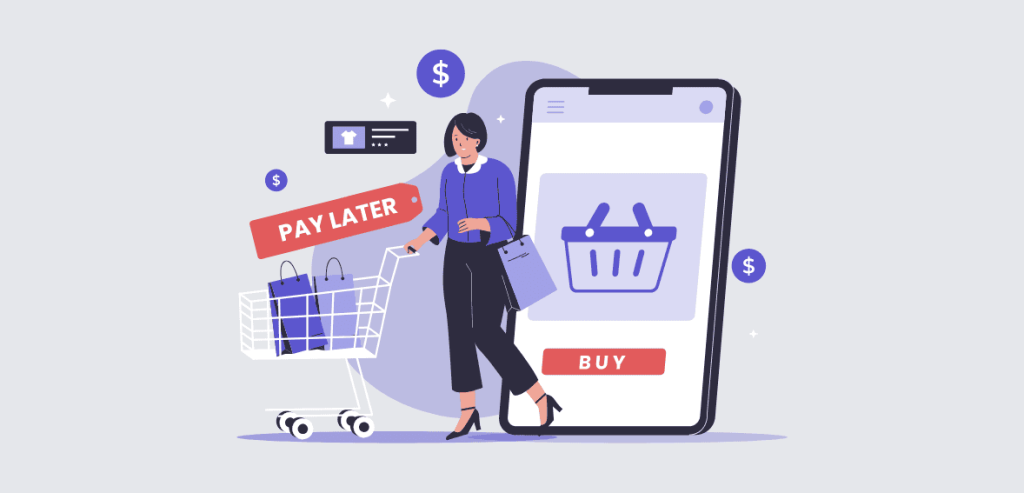
As the 2024 holiday season unfolds, consumers increasingly turn to Buy Now, Pay Later (BNPL) services to manage their expenses as credit card interest rates soar. Industry experts note that credit card annual interest rates hit record highs earlier this year and have remained high. This has led shoppers to seek more affordable ways to distribute their payments over time. BNPL options are gaining traction, especially among younger and financially less established consumers, because these plans often do not require a credit check and are interest-free.

However, it’s important to note that while many BNPL plans do not charge interest, some come with interest fees. Leading BNPL providers like Affirm, Block’s Afterpay, and Sweden’s Klarna are optimistic about increased usage of installment payment methods this shopping season.

pay later
Key Takeaways
  • Market Growth and Adoption: The BNPL market has experienced significant growth, with a valuation increase from $87.2 billion in 2020 to $179.5 billion in 2022. It is projected to reach $3.27 trillion by 2030. In the U.S., BNPL adoption is rising rapidly, representing 22% of global users in 2024, with a 56.1% growth over the previous year.
  • Consumer Preferences and Seasonal Trends: BNPL spending during the holiday season is expected to reach $18.5 billion in 2024, reflecting a 27.6% increase from 2022, driven by economic challenges, online shopping trends, and retailer promotions. Younger consumers, including Gen Z and Millennials, are the primary users, with projected adoption rates reaching 47.4% and 40.6% by 2025.
  • Comparison with Credit Cards and Emerging Trends: The high average annual interest rate on credit cards peaked at 20.79% in 2023, making BNPL an appealing alternative for consumers seeking interest-free payment options. Traditional financial institutions, such as CitiBank, are introducing services similar to BNPL, highlighting the growing influence of this payment model.
  • Challenges and Regulatory Oversight: Despite its benefits, BNPL poses risks such as overspending, lack of comprehensive consumer protections, and potential credit score impacts from missed payments. Regulatory authorities, including the CFPB, are implementing rules to enhance transparency and protect consumers, while retailers increasingly adopt BNPL to attract shoppers.

Rapid Growth and Rising Adoption of BNPL: Market Trends and Consumer Behavior

Rapid Growth and Rising Adoption of BNPL: Market Trends and Consumer Behavior

The BNPL market has witnessed substantial growth in recent years. 2020, the market was valued at $87.2 billion, which will increase to approximately $179.5 billion by 2022. Projections suggest that by 2030, the market could reach a valuation of $3.27 trillion.

In the United States, BNPL services have gained significant traction. As of 2024, about 1 in 5 BNPL users reside in the U.S., accounting for approximately 22% of all users globally. This represents a 56.1% increase over the previous year, indicating rapid adoption among American consumers.

The average annual interest rate on credit cards reached a record high of 20.79% in August and has remained high at 20.42% this month. Before March 2023, when it first crossed the 20% mark, the average rate was consistently in the mid to high teens from 2020 through 2022. Comparatively, BNPL seems a much better option for consumers shopping this season.

According to a recent report, BNPL spending on Cyber Monday alone could be around $993 million, setting a new single-day record.  Overall, the holiday season’s BNPL volume is projected to rise to $18.5 billion, reflecting a 27.6% increase compared to 2022. This growth can be attributed to economic concerns, the shift toward online shopping, and retailer promotions that encourage using BNPL options.

bnpl

While BNPL spending is not expected to surpass credit card usage soon, it has certainly caught the attention of traditional banks. For instance, Citi Bank now provides a service similar to BNPL, allowing customers to divide their purchases into installments.

A recent survey, which included over 1,000 U.S. consumers, revealed that 46% intend to use a major credit card for their holiday shopping this year, while 42% plan to use a debit card. Participants could choose more than one payment method for their responses. Notably, BNPL was not listed as an option in this survey.

Economic challenges are prompting consumers to seek flexible payment solutions to avoid high-interest debt, while the convenience of online shopping paired with BNPL integration at checkout further drives adoption. Additionally, exclusive retailer promotions offered through BNPL providers add to its holiday appeal.

bnpl infographic

BNPL services are particularly popular among younger consumers, with Gen Z and Millennials representing the primary user base. Gen Z’s adoption rate is projected to grow from 36.8% in 2021 to 47.4% by 2025, while Millennials’ usage is expected to increase from 30.3% to 40.6% over the same period, as highlighted by Exploding Topics. This trend stems from younger generations’ comfort with digital financial tools and the accessibility of BNPL services, which often have less stringent credit requirements than traditional credit cards.

The appeal of BNPL lies in its benefits, including interest-free payment plans that make purchases more affordable and the ability to manage budgets by spreading payments over time. Additionally, BNPL allows consumers to obtain items immediately without waiting to save the full amount. However, the model is not without challenges. The convenience of deferred payments may lead to overspending, and the lack of comprehensive regulation in the BNPL industry raises concerns about inconsistent consumer protections. Furthermore, missed payments can impact credit scores, even though most BNPL providers do not report to credit bureaus.

Regulatory authorities are beginning to address these issues. In the U.S., the Consumer Financial Protection Bureau (CFPB) has introduced rules to enhance consumer protections, requiring BNPL providers to offer transparent disclosures and improve dispute resolution processes.

Retailers are also capitalizing on the popularity of BNPL by integrating it into their offerings to attract more customers and increase sales. A survey found that 43% of shoppers consider the availability of pay-later options when deciding where to shop, demonstrating the influence of BNPL on purchasing behavior.

Conclusion

Buy Now, Pay Later (BNPL) services have emerged as a compelling payment solution during the 2024 holiday season, driven by rising credit card interest rates, shifting consumer preferences, and growing adoption among younger demographics.

The flexibility and affordability of BNPL options appeal to those seeking to manage budgets without incurring high-interest debt. While BNPL is gaining traction, it poses challenges, such as overspending risks and evolving regulatory landscapes. As the market expands and traditional financial institutions introduce similar models, BNPL is set to play an increasingly significant role in shaping consumer spending habits, particularly during high-demand periods like the holidays.

Walmart acquires VIZIO

VIZIO Acquisition Officially Completed by Walmart

Walmart has finalized its purchase of TV maker VIZIO for $2.3 billion, a process that began with its announcement 10 months ago and faced several delays and federal reviews. The deal was completed after the required waiting period set by federal regulations ended. As Walmart acquires VIZIO, it now owns VIZIO’s SmartCast operating system, which has 19 million active accounts and is integrated into all VIZIO TV models. This system is compatible with Apple Airplay and Amazon Alexa.

With SmartCast, Walmart gains access to valuable first-party data, such as customer purchasing and viewing habits, which enhances its ability to deliver targeted advertising. While the immediate benefit seems to be related to advertising, Walmart’s interest in VIZIO goes beyond just selling TVs. This acquisition positions Walmart to directly compete in the connected TV advertising space with major platforms like Roku, Amazon, and YouTube. The purchase of VIZIO provides Walmart with numerous opportunities to leverage technology and consumer data to expand its business; let’s peek at it.

Key Takeaways
  • Walmart Acquires VIZIO for $2.3 Billion: Walmart completed the purchase of VIZIO, a leading smart TV maker, to enhance its retail media strategy, focusing on acquiring first-party data and expanding its advertising business.
  • Expansion of Walmart Connect: VIZIO’s SmartCast platform and advertising expertise will strengthen Walmart’s retail media network, allowing for broader ad placement opportunities on VIZIO TVs and across Walmart’s stores.
  • Privacy Concerns Amid the Acquisition: The deal raised privacy concerns due to VIZIO’s previous data privacy issues, especially as Walmart plans to use customer data for targeted advertising.
  • VIZIO Continues Operating Independently: Despite the acquisition, VIZIO will continue to operate separately under its CEO, William Wang, while becoming a fully owned subsidiary of Walmart, with its financial performance now integrated into Walmart’s U.S. segment.

Walmart Acquires VIZIO for $2.3 Billion to Expand Its Retail Media and Advertising Reach

Walmart has completed its purchase of VIZIO, a well-known smart TV manufacturer, for around $2.3 billion. The acquisition was finalized following the end of a mandatory waiting period under federal rules. The deal sparked concerns among privacy advocates, especially given VIZIO’s history of data privacy issues.

Walmart, a behemoth in the retail sector, has been diversifying its business model to include more digital and media components. It is a strategy into which VIZIO’s technological expertise and smart TV platform, SmartCast, fit perfectly. This deal is a part of Walmart’s strategy to get ahold of first-party data and establish itself in retail media.

This acquisition mainly benefits Walmart’s advertising business, which uses customer data to target advertisements on platforms like Hulu and Disney Plus. Walmart plans to expand this strategy by potentially placing more ads on VIZIO TVs displayed in its stores and possibly on VIZIO TVs in customers’ homes.

A significant aspect of this acquisition is the enhancement of Walmart Connect, Walmart’s retail media network. VIZIO’s SmartCast operating system and its established base of over 19 million active accounts provide a robust platform for Walmart to expand its advertising reach, where users can stream content for free by watching ads. VIZIO’s Platform+ segment, which consists largely of its advertising business, now accounts for all the company’s gross profit.

vizio website screen capture

Image source

Seth Dallaire, Executive Vice President and Chief Growth Officer at Walmart U.S., stated that VIZIO’s commitment to delivering high-quality products at competitive prices has resonated well with consumers. He noted that VIZIO prioritizes customer-centric practices, aligning closely with Walmart’s values and plans for expanding omnichannel experiences. Dallaire also highlighted VIZIO’s successful evolution, particularly its rapid development of a profitable advertising sector. He believes integrating this with Walmart Connect will be very beneficial and support further investments in VIZIO’s business to enhance customer service.

Joining Walmart could also position VIZIO to better compete with other affordable TV brands that generate revenue primarily through advertising, such as Roku and Amazon’s Fire TVs. Roku reported making $908.2 million from ad sales and subscriptions in the third quarter of 2024, averaging $41.10 per user. VIZIO’s latest earnings indicated a revenue of about $37.17 per user.

William Wang, CEO and founder of VIZIO, stated that from the start, VIZIO’s mission has been to deliver exceptional value and innovative technology in its products. With Walmart’s extensive resources now available, he said they are poised to enhance further their mission to provide the ultimate home entertainment experience.

Despite the merger, Walmart and VIZIO will operate as separate entities for now. VIZIO’s CEO, William Wang, will continue to lead his company. Now, VIZIO has become a fully owned subsidiary of Walmart. Consequently, VIZIO’s Class A common stock will be removed from trading on the NYSE, effective at the end of trading on Tuesday. VIZIO’s financial performance will be included under the Walmart U.S. segment.

Walmart also noted that due to specific costs related to the transaction, it anticipates a slight decrease in earnings per share for both the fourth quarter of fiscal year 2025 and the entire fiscal year 2026.

About Walmart

Walmart Grocery Services

Walmart Inc. is a global retail and wholesale operations leader, including physical stores and online platforms. The company is divided into three main segments: Walmart U.S., Walmart International, and Sam’s Club. Across these divisions, Walmart runs a variety of store types, such as supermarkets, supercenters, warehouse clubs, hypermarkets, and discount stores. These are marketed under brands like Walmart and Walmart Neighborhood Market.

Walmart’s extensive product range includes groceries and everyday consumables — meat, dairy, beverages, bakery items, and snack foods—as well as beauty and health products, garden and other home supplies, electronics, and apparel. In addition to physical goods, Walmart provides several services. These include optical, pharmacy, and hearing services and extend to digital payment platforms and financial services like credit cards, money transfers, and lending.

Furthermore, Walmart offers a selection of merchandise under its private labels, such as Allswell and Athletic Works, catering to diverse consumer needs. The company, originally named Wal-Mart Stores Inc., adopted the Walmart Inc. moniker in February 2018. It was established in 1945 and maintains its headquarters in Bentonville, Arkansas. Through its broad offering of products and services, Walmart continues to serve millions of customers worldwide.

About VIZIO

about VIZIO

VIZIO, headquartered in Irvine, California, is a leading company specializing in high-definition televisions (HDTVs) and sound bars. Founded in 2002 by William Wang, VIZIO focuses on delivering innovative and smart entertainment products that offer great value and an excellent customer experience.

The company designs its products in the United States and has a workforce of over 500 people across various departments. VIZIO can provide its products at competitive prices by partnering with multiple manufacturers. Their product range includes a variety of smart HDTVs—from premium OLED displays to durable and affordable options like the entry-level D-Series. Additionally, VIZIO is recognized as the top-selling sound bar brand in the U.S., offering everything from basic models to advanced home theater systems with up to 18 speakers.

VIZIO’s SmartCast, the integrated smart TV platform and operating system found in all VIZIO TVs, supports various streaming services. This feature enables users to stream content, play media, and control their entertainment experience with simplicity and convenience.

Conclusion

Walmart’s acquisition of $ VIZIO for $2.3 billion marks a significant expansion of its digital and advertising capabilities. By gaining control of VIZIO’s SmartCast platform and leveraging its data, Walmart enhances its position in the connected TV advertising space, directly competing with giants like Roku and Amazon.

The deal strengthens Walmart’s retail media network, Walmart Connect, and opens new avenues for targeted advertising. This acquisition offers Walmart substantial growth opportunities despite privacy concerns, especially in media and customer data integration. With VIZIO continuing to operate independently, this strategic move sets the stage for further innovation and customer service enhancements under Walmart’s expansive reach.

Shift4 and Eigen Merger:

Shift4 Payments and Eigen Payments’ “Low-Key” Merger

Shift4, specializing in commerce solutions, payment processing, and merchant account solutions, will direct all Eigen customers to their platform for continued seats. While the acquisition is confirmed, details of the deal have not yet been released. However, a banner on the Eigen website announced Shift4 and Eigen Merger and said that Eigen would be rebranded in the coming days.

Key Takeaways
  • Expansion of Payment Solutions: Shift4 Payments has acquired Eigen Payments, aiming to broaden its presence in North America by integrating Eigen’s retail, restaurant, and hospitality payment solutions into Shift4’s platform.
  • Additional Fees for Existing Customers: Existing Eigen customers will face new fees, including a $350 Annual Platform Connectivity Fee per location starting January 2025 and a 0.05% fee on credit card transaction volumes beginning December 2024 until they transition to Shift4’s platform.
  • Benefits of the Shift4 Platform: Businesses transitioning to Shift4’s platform will access advanced features like free EMV device upgrades, enhanced security tools, 24/7 support, and improved reporting capabilities, streamlining payment processing and reducing costs.
  • Concerns About Fee Increases and Transparency: Past acquisitions by Shift4 have led to significant fee increases, raising concerns that Eigen merchants may face similar hikes. Additionally, the transition’s timing and lack of transparency may lead to operational disruptions and strained customer relationships.

Shift4 Acquires Eigen Payments to Expand Payment Solutions in North America

Shift4 Acquires Eigen Payments to Expand Payment Solutions in North America

Shift4 has acquired Eigen Payments, a Canadian company specializing in retail, restaurant, and hospitality payment solutions. The announcement was made through an update on Eigen’s website, stating that the two companies will collaborate to serve merchants.

Shift4 is recognized as a leader in payment technology, processing hundreds of billions of dollars in transactions annually for businesses worldwide. The company provides end-to-end payment processing solutions, including secure hardware, software, and a robust processing network. Its PCI-validated point-to-point encryption, advanced tokenization, and comprehensive fraud prevention tools make it a reliable business choice.

With the merger, Shift4 aims to expand its customer base, integrate Eigen’s existing solutions into its platform, and offer businesses access to a wider range of features and tools.

The merger is also expected to enhance Shift4’s end-to-end payment solutions by integrating Eigen’s technology and customer base, potentially leading to increased market size.

Shift4 and Eigen Merger: More Details

Shift4 and Eigen Merger: More Details

Details about when the deal was finalized, or the financial terms involved have not been disclosed. We know that Eigen’s transaction gateway will cease operations by the end of 2025. Between now and then, existing Eigen customers must transition to the Shift4 platform. To ensure continued support for legacy Eigen solutions until the transition is complete, a new Annual Platform Connectivity Fee of $350 per location will be implemented starting January 2025. This fee will be billed annually, covering ongoing maintenance, compliance, and networking costs.

In addition to the fixed annual fee, Eigen customers will incur a 0.05% fee on their credit card transaction volumes beginning December 2024. These fees are aimed at supporting the legacy platform during the transition.

However, businesses that upgrade to Shift4’s platform will no longer be subject to the Annual Platform Connectivity Fee or the additional transaction volume fee.

The merger marks another step in a series of international acquisitions by Shift4 this year, reflecting the company’s efforts to expand its global presence and customer base. Earlier in the year, Shift4 acquired a majority stake in Vectron Systems, a German point-of-sale supplier, in June. This was followed by the acquisition of Givex, a Canadian gift card company, in August. These strategic moves highlight Shift4’s commitment to strengthening its international operations and diversifying its offerings.

In 2023, Shift4 acquired SpotOn’s sports and entertainment vertical, formerly Appetize, for $100 million, enhancing its presence in the sports venue market.

Benefits Users Will Get When Transitioning to Shift4

Shift4 offers numerous benefits to customers transitioning to its platform, presenting a significant upgrade over Eigen’s legacy solutions. Businesses can use free EMV device upgrades, including handheld devices, and the exclusion of gateway charges, reducing operational costs. Competitive processing rates further contribute to improved profitability.

Eigen merchants migrating to Shift4 will gain access to a more advanced payment platform. Shift4’s solutions include PCI-validated point-to-point encryption, advanced tokenization, and robust reporting tools. These upgrades are critical for businesses looking to enhance security and operational efficiency.

Customers also gain access to a 24/7 direct support line for uninterrupted assistance, along with robust risk support and transaction monitoring to minimize fraud and chargebacks.

Additionally, offline processing capabilities ensure that payment services continue seamlessly during network disruptions. Advanced reporting and management tools further support enterprise operations, enabling businesses to tackle modern payment challenges efficiently and confidently.

Things to Be Concerned About the Shift4 and Eigen Merger

One major criticism of Shift4 is its history of implementing fee increases after acquiring companies. Merchants from previous acquisitions, such as Givex and Revel, have reported significant rate hikes over time, raising concerns that Eigen merchants could face similar cost increases after transitioning.

Shift4 has also faced criticism for using merchant lock-in agreements, which tie businesses to long-term contracts and make it difficult to switch providers without penalties. These agreements limit flexibility and can create challenges for merchants who are unhappy with the service.

The transition from Eigen to Shift4 introduces new fees for existing Eigen merchants, including a $350 Annual Platform Connectivity Fee per location and a 0.05% transaction volume fee. These additional costs may be burdensome for merchants who are not ready to migrate immediately. Moving to Shift4’s platform may also require significant changes to merchants’ infrastructure, including hardware upgrades and staff training. For small businesses, these adjustments could be costly and time-consuming.

Concerns have also been raised about how Shift4 communicates changes to merchants. Critics point to a lack of transparency, which could damage relationships with existing customers and erode trust over time. The timing of the transition is also a big concern. The shift could disrupt operations during the busy holiday season, a crucial time for merchants who rely on seasonal sales, potentially leading to unexpected costs or operational challenges.

About Shift4

About Shift4

Shift4 Payments, Inc. is a global software and payment processing solutions provider offering a wide range of services to businesses in the United States and internationally. The company’s platform supports omni-channel card acceptance, handling various payment types such as debit, credit, Europay, contactless cards, Visa, MasterCard, mobile wallets, QR Pay, and alternative payment methods. In addition to payment processing, Shift4 offers several technology solutions to help businesses scale and improve efficiency.

Their SkyTab POS system enhances operations, while VenueNext provides countertop POS, mobile ordering, digital wallet capabilities, and service kiosks, focusing on food, beverage, merchandise, and loyalty services. The company also offers Lighthouse, a cloud-based suite of business intelligence tools for customer engagement, reputation management, social media management, reporting, and scheduling. SkyTab Mobile enables order-at-the-table, pay-at-the-table, customer feedback, delivery services, and email marketing for mobile solutions. Additionally, Shift4 provides The Giving Block, a cryptocurrency donation marketplace, and Shift4Shop, an e-commerce platform that helps businesses create web stores and manage product catalogs, inventory, order fulfillment, and SEO.

Shift4 Payments also offers integrations into third-party applications, loyalty and inventory management solutions, and other services like tokenization, gateway security, chargeback management, fraud prevention, and risk management. The company supports merchants with onboarding, underwriting, training, activation, and compliance management. Founded in 1999 and headquartered in Center Valley, Pennsylvania, Shift4 distributes its products through independent software vendors, a direct sales network, enterprises, and value-added resellers.

About Eigen Payments

Eigen Payments, based in Vancouver, British Columbia, is a leading payment gateway provider focused on helping North American merchants manage their payment processing needs. The company offers many solutions, including point-of-sale (POS) integrations, mobile payments, wireless payment options, and web commerce tools. With a strong emphasis on security, Eigen Payments specializes in PCI-compliant point-to-point encryption (P2PE) technology, ensuring safe and secure credit card transactions. Their services cater to various industries, including retail, restaurants, and large properties. In addition to payment processing, they provide consultation, setup, software, and technical support.

As a PCI-certified payment processor, Eigen Payments relies on the PA-DSS-certified MiraServ™ platform to deliver reliable solutions. Their services include POS system integrations, mobile ordering and payments, wireless payment solutions, batch payments, EMV chips, PIN migration, and gift card and loyalty programs. With a focus on enhanced security, their technology features a PCI Validated P2PE solution, ensuring secure credit card transactions for businesses and their customers.

Conclusion

The acquisition of Eigen Payments by Shift4 represents a significant step in Shift4’s expansion into the North American market, particularly within the retail, restaurant, and hospitality sectors. While this merger offers promising benefits, such as access to advanced payment solutions and competitive processing rates, it also introduces concerns regarding new fees and potential rate hikes for existing Eigen customers. The transition process, which includes additional charges and infrastructure changes, may prove challenging for businesses, particularly smaller ones.

Furthermore, Shift4’s track record with previous acquisitions and its communication strategy raises questions about the transparency of the process and its impact on customer relationships. As the merger unfolds, businesses must carefully evaluate the costs and benefits of transitioning to Shift4’s platform.